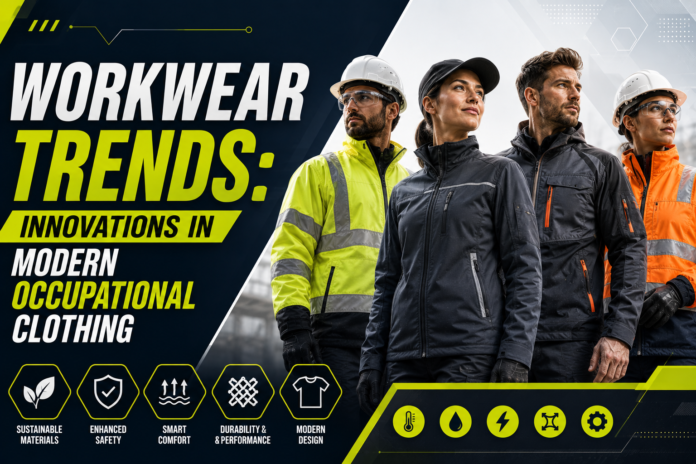
Workwear is changing as modern workplaces require clothing that does more. Today’s workwear must provide comfort, safety, durability, weather protection and professional appearance. Workwear must help workers perform better under real-life conditions.
Modern workwear is more functional and focused on the role. Workwear can be tailored to meet the needs of different teams. A warehouse team might need high visibility, a team working outdoors may require waterproof clothing, an oil and Gas team might need industrial clothing that is tougher, and a team in an office may want clean uniforms. Workwear Collection allows businesses to select clothing for different industries and jobs.
What are the latest trends in workwear?
Workwear trends are the modern advances in clothing design and construction, safety features and styling. These changes include stronger fabric, better fit and breathability, lighter layers as well as high visibility details, waterproof protection and industry-specific systems.
Work clothing should be more functional for workers. A good garment shouldn’t just look professional. The garment should be comfortable to bend, lift, walk, drive, reach, and work long shifts without compromising safety or durability.
Comfort First Workwear Design
Modern occupational clothing has undergone a major transformation in terms of comfort. The performance of workers can be affected by clothing that is too stiff, heavy or poorly fitted. Modern workwear emphasizes breathable fabrics, flexible cut, softer linings and better sizing.
Comfort is also important for safety. Workers who feel uncomfortable or restricted may not wear the right garment. Wearing the right workwear can help workers feel confident and protected throughout their entire shift.
Safety at Work: High-Visibility Clothing
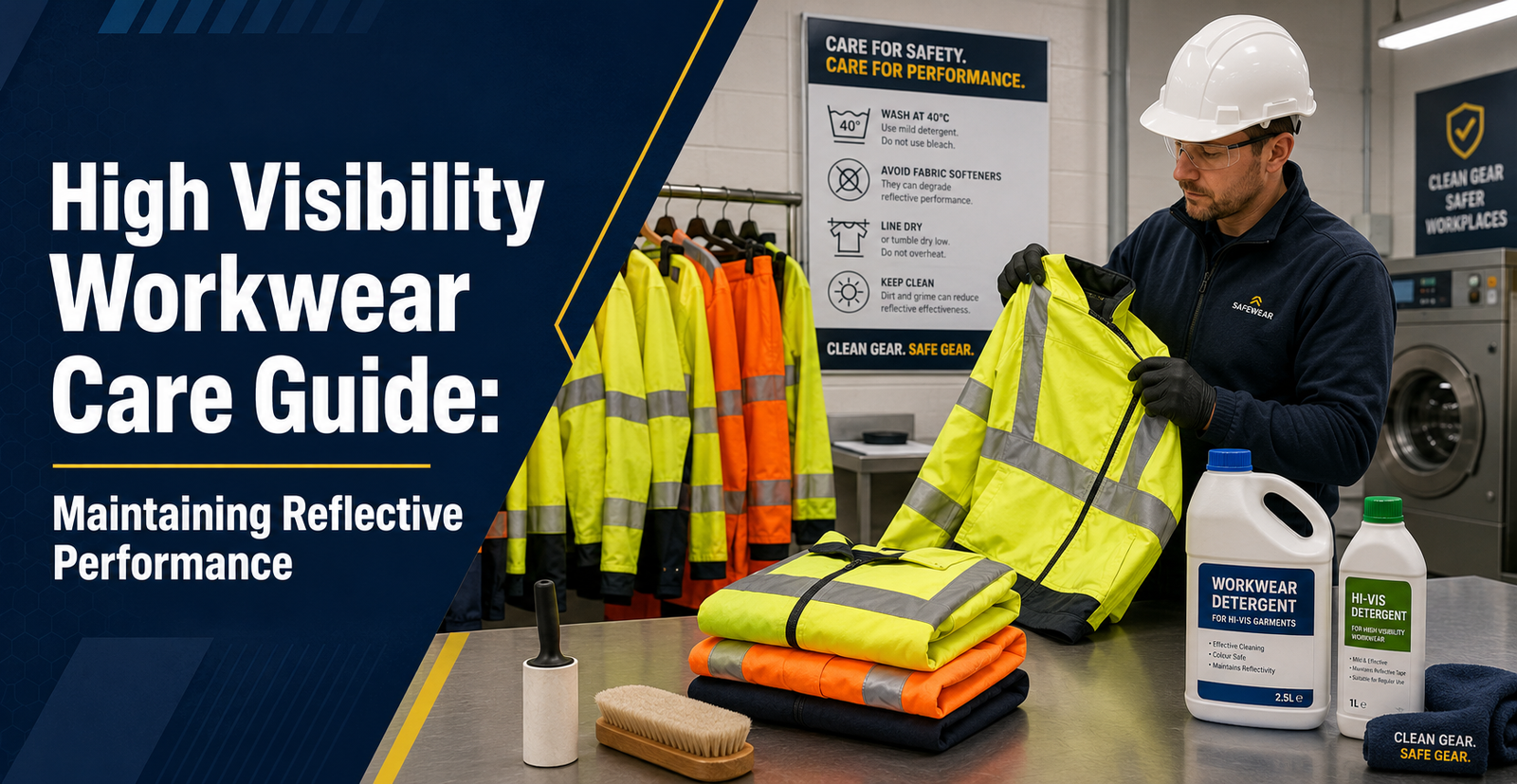
In warehouses, logistic yards, construction zones, roadwork areas, and transport operations, visibility is crucial. Workers should be visible around moving vehicles, machinery, and forklifts.
The collection of hi-vis workwear is designed to support teams who need bright colors with reflective details. The modern hi-vis garments have improved through better reflective tape, stronger fabrics, and more comfortable fittings.
Waterproof Workwear for Outdoor Job
Weather conditions can change quickly, bringing with it rain, wind and wet surfaces. Wet clothing reduces comfort, can slow down movement and make working long hours more difficult. Waterproof workwear keeps workers dry and allows them to move freely.
Workwear must be tested for its seam strength, breathable finishes, secure closures and hood design. A good waterproof garment will protect you from rain without being too heavy or stiff.
Oil and Gas Workwear Innovation
The oil and gas industry can be a challenging place to work. The conditions on the job can be harsh. Workers may have to deal with dirt, heat and outdoor exposure. They may also need to use heavy equipment or face flame hazards. Normal clothing is not sufficient in these environments.
Oil & Gas Workwear Should be selected based on job risk, fabric durability, comfort and protective purpose. Modern garments are designed for these industries with a focus on better construction, greater movement, and a longer life span.
Corporate Uniforms that Work Better
Clothing for the workplace is not just for industrial workers. Professional uniforms are also needed by offices, retail stores and hospitality businesses. The garments should support the brand and provide daily comfort.
Corporate Uniforms have become cleaner, more comfortable and more flexible. Modern uniforms are often branded with subtlety, have better tailoring and fabrics that resist wrinkles, as well as a smart casual style.
Specialized Workwear Systems
The trend towards job-specific clothing has been one of the most significant changes in occupational apparel. Different roles need different garments. Different roles require different clothing. For example, a warehouse picker and a road worker or delivery driver should wear different clothes.
is a collection of workwear designed for specific industries. allows businesses to choose clothing based on the actual work environment. The clothing is matched to the job, which improves comfort and safety. It also adds value over time.
Smarter Fabric Technology
Modern fabrics are lighter, stronger and more comfortable. Some fabrics are designed to stretch and move. Some fabrics focus on breathability, water resistance, flame resistance or abrasion resistance.
Fabric technology should be used to solve real-world problems. A breathable jacket or trouser with a stronger fabric, a reflective vest, o r ettainable outer layer, can be more effective than merely looking modern.
All Sizes and Better Fit Included
Fit is an important part of the quality of workwear. Too tight clothing can limit movement. Clothing that is too loose may catch on equipment, or appear unprofessional. Modern workwear programs pay attention to the body shape, layers, and sizes.
The inclusion of sizing makes every employee feel respected and comfortable. Employees who wear clothing that fits well can move more easily and present the company with greater confidence.
Durability and longer garment life
Durability has become more important as businesses look for clothing that will last longer and reduce replacement costs. Clothing that is durable will have strong seams, reinforced stress areas, stable fabric and quality zippers.
A longer garment lifespan is also more sustainable. A garment that is durable and performs well after repeated washings will usually be more valuable than an inexpensive item that breaks down quickly.
Modern Workwear: Sustainability and Workwear
Many workwear trends are now incorporating sustainability because companies want reduce waste and make better buying decisions. This can include garments that last longer, using recycled materials, reducing packaging and sourcing better fabrics.
Sustainability should not compromise safety or performance. The workwear should be matched to the role of the employee, hazards, weather conditions, and comfort requirements. Then, by selecting fabrics and durability that are durable and responsible, the entire workwear program can be improved.
Role Identification and Branding
Modern workwear can also help teams appear more organized. Customers and supervisors can quickly identify employees by using logos, colors and trims. This can be used in retail stores, corporate offices and industrial sites.
Branding should be clean and professional. Small logos or labels are often more attractive than large printing. Branding is important for a garment’s identity, but it shouldn’t make it look cluttered.
Checklist of Workwear Trends
Check this list before you choose modern occupational clothing
- Fabrics should be chosen based on the actual job conditions.
- Wear hi-vis clothing when visibility is important.
- Choose waterproof clothing when working in wet conditions.
- Select industry-specific clothing for specific roles.
- Size range, comfort and fit are important factors to consider.
- Check the stitching on zippers, pockets and closures.
- For long shifts, choose fabrics that are breathable.
- Add your branding in a professional and clean way.
- Before ordering in bulk, check the washing life.
- Test the samples first with real workers.
Common Purchase Mistakes
A common mistake is to choose workwear based solely on appearance. It is not enough to have a garment that looks professional on photos. It must perform in real life. Design is important, but so are comfort, movement, safety and washability.
A mistake that is often made is to use the same uniform in all departments. Different roles face different conditions. Choose garments based on the job task, visibility needs, weather exposure and industry risks.
Conclusion
Modern workwear is more comfortable, stronger, safer and better suited to the job. Businesses need clothing that supports real movement and weather conditions. They also require garments to support industry risks and brand recognition.
Workwear should not be trendy without a reason. Clothing should be chosen according to the worker’s role, fabric, fit, durability and safety requirements. Workwear is a smart investment when all these factors come together.
FAQs
What are the most significant changes in workwear today?
The biggest changes include improved comfort, stronger fabrics and hi-vis features, waterproof protection as well as smarter fits, industry-specific designs, and better fit.
Why is comfort important for workwear?
Wearing the right clothing and moving comfortably is important for workers who work long hours.
Why should industry-specific clothing be chosen by companies?
Industry-specific clothing is better suited to the real conditions of work than a uniform that applies to all workers.