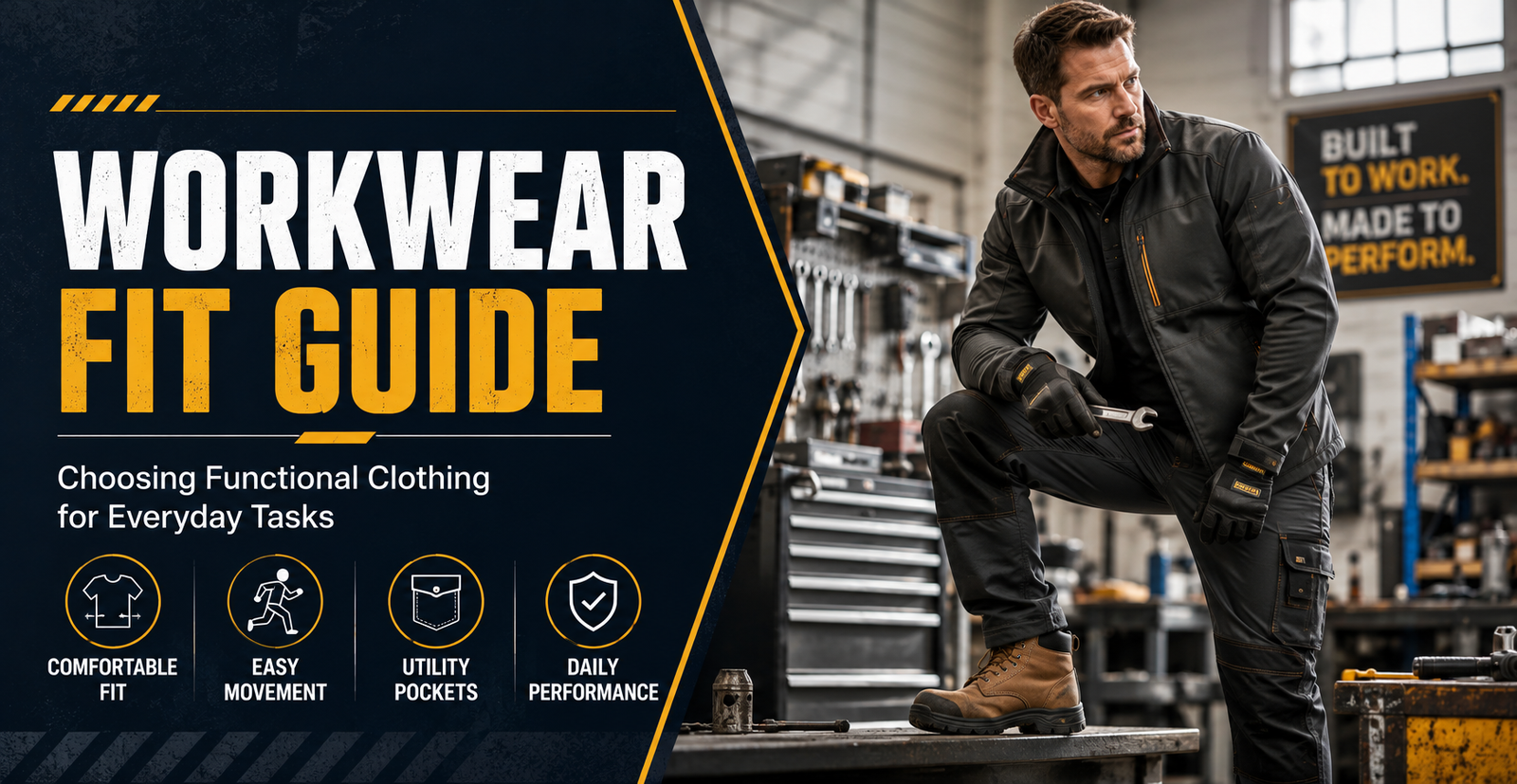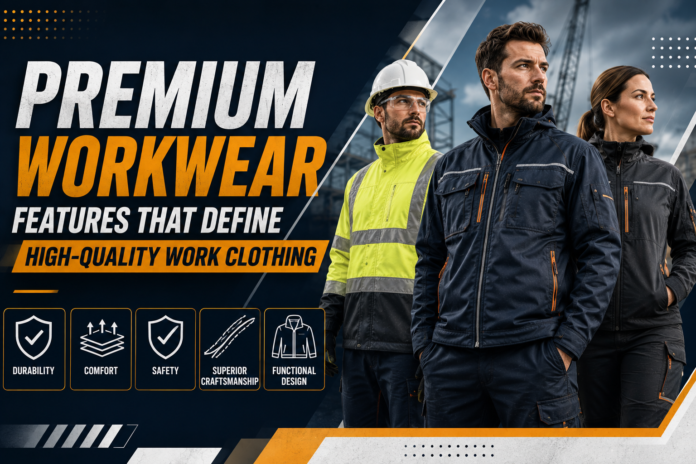
Premium workwear is for companies that require clothing that is professional-looking, comfortable and that performs well in real life. The clothing must be durable and comfortable, not just look good in photos. It should be able to move with the worker, provide protection where necessary, wash easily, and maintain uniformity.
Workwear can be used in a variety of environments including warehouses and construction sites, oil and gasoline operations, outdoor roles, corporate teams, and customer-facing jobs. To compare workwear options, businesses can browse the collection.
What is Premium Workwear?
Premium workwear is clothing that meets the highest standards of comfort, durability and appearance. This may include jackets and trousers, uniforms as well as hi-vis clothing and waterproof clothing. It could also include garments for the oil and gas industry.
Performance is the main difference between basic and premium workwear. Premium clothing has been designed to meet the needs of real workplace movements, as well as fabric strength, fit and safety requirements.
Why high-quality work clothing is important
Premium workwear is important because employees are required to wear clothing in an active environment for long periods of time. Poor-quality clothing can cause workers discomfort, as it can shrink, fade, tear or restrict their movements. It can impact safety, productivity and company image.
Workwear of high quality helps workers to feel prepared and confident. This helps employers to create a professional and organized team look, especially for employees who meet with customers, work on job sites or are in public places.
Strong and durable fabric
The fabric quality of workwear is important. Fabrics that are strong should be able to withstand daily wear, including bending, lifting and rubbing. Although weak fabric looks fine at first, it will lose shape over time.
The fabric you choose depends on your job. Clothing for a warehouse worker might need to be breathable and flexible. An outdoor worker may need stronger outerwear. A worker in heavy industry may require more protective fabrics. When choosing fabric, consider the real-life working conditions.
Comfortable Fit For Long Shifts
Workwear should be comfortable and allow workers to move freely. Clothing that is too tight can limit bending, lifting and reaching, as well as preventing workers from sitting or climbing. Clothing that is too loose can catch on equipment and look messy.
Comfort and safety are both enhanced by a good fit. Workwear should come in various sizes and fits to ensure that every worker can wear the right clothing. Comfortable clothing can help employees remain focused on their work during long shifts.
High-Visibility Features to Improve Visibility
In some jobs, workers must be able to easily see vehicles, loading docks and machinery. Bright colors and reflective materials are essential in these jobs.
Hi-visibility workwear collection can be useful for teams who need clothing that is focused on visibility. Hi-vis clothing should be made of bright fabrics, reflective tapes, the correct placement and durable construction.
Oil and Gas Workwear Performance
The oil and gas industry can be a demanding environment. Work conditions can be tough, including outdoor exposure, heavy-duty work, industrial equipment, fire hazards, dirt, heat and harsh site conditions. Normal clothing will not suffice in these conditions.
Oil & Gas Workwear must be carefully selected based on the job risk, garment functionality, fabric strength and comfort. These garments must provide both protection and freedom of movement.
Waterproof Protection for Outdoor Work
Rain, wind, and changing conditions are common for outdoor workers. Wet clothing may make workers uncomfortable, and reduce their focus. Waterproof workwear protects workers from wet conditions and keeps them prepared for the job.
Workwear must be tested for its seam strength, fabric, closures, hood, breathability and movement. A good waterproof garment should be able to protect you from rain without being too heavy or stiff.
Corporate Uniforms Quality
Workwear isn’t just for industrial sites. Professional clothing is also needed by corporate teams, retail staff and office workers. Appearance, fit, comfort and consistency are all very important in these situations.
Corporate uniforms must be polished and clean. They should also look appropriate for roles that require them to interact with customers. Corporate clothing of high quality should be made from smooth fabrics, with neat stitching and subtle branding. It should also have comfortable cuts that are suitable for everyday wear.
Design for Industry
Different industries need different workwear features. For example, a warehouse team might need durable jackets and hi-vis vests. A delivery team might need outerwear that is waterproof. Uniforms may be needed by a corporate team. A team in the industrial sector may require tougher protective clothing.
‘s collection of industry-specific clothing allows businesses to choose clothes based on their actual job requirements. It is much better to give each worker a different garment based on their job role than the other way around.
Strong Construction and Stitching
Premium workwear should be constructed with a strong material. Seams and hems should be designed to withstand repeated wear. Even good fabrics can fail prematurely due to weak stitching.
Workwear jackets and trousers, coveralls and safety clothing are all important for reinforced areas. The garments must be able to withstand pressure on areas that are frequently used by workers, such as the shoulders, knees and elbows, pockets and seat seams.
Practical Pockets & Closures
Workwear should have useful features and not just random decorations. Workwear should have pockets that are easily accessible. Closures must be easy to use and secure. The job-specific buttons, snaps and hook-and loop areas should be used.
Too many pockets can make the garment bulky, whereas too few pockets can reduce its practicality. The best designs provide workers with enough storage space without making the garment bulky or uncomfortable.
Easy Washing and Care
Workwear should be able to withstand regular washing. The garment won’t look professional if the fabric shrinks or fades quickly. Clothing that is easy to care for helps keep uniforms and teams looking neat.
Correctly washed workwear should retain its original color, structure, and fit after repeated washing. When garments are made of special fabrics, waterproof coatings or reflective tapes, employers should train their workers about how to care for them.
Professional Branding and Team Identification
Workwear can be used to support branding. Workwear with logos, colors and trims can make workers appear as a cohesive team. Branding should not be too loud but clear.
A small, clean logo is often more professional looking than an oversized print. The uniform should be recognizable and comfortable for the employee while also allowing them to do their job.
Premium Workwear Checklist
Check this checklist to ensure you are choosing the best quality workwear:
- Fabrics should be chosen based on the actual job conditions.
- Comfort, movement and size should be checked.
- Wear hi-vis clothing when visibility is important.
- Select waterproof clothing for wet jobs.
- Choose industry-specific clothing to suit demanding roles.
- Check the stitching on zippers, pockets and closures.
- For repeated washing, use durable fabrics.
- Clothing should be matched to the tasks and hazards of workers.
- Keep your branding professional and clean.
- Samples are available for testing before bulk orders.
Common Purchase Mistakes
A common mistake is to choose workwear based solely on price. Cheap garments might look good at first but can quickly wear out, shrink when washed, or be uncomfortable for long shifts. Premium workwear will last longer and perform better.
A second mistake is to choose the same garment for all workers. Diverse roles require different clothing. Workwear for a warehouse picker, an outdoor loader or office worker, as well as oil and gas workers and supervisors, may differ.
Conclusion
Premium workwear has a strong fabric, a correct fit, durable stitches, practical features, ease of care, and specialized design. It should keep workers comfortable, protect them where necessary, and be ready to perform daily tasks.
It is important to consider more than just appearance when choosing the best workwear. It should be matched to the role of the worker, their work environment, their safety requirements, weather conditions and company image. High-quality work clothes are a wise investment for employees and employers when all of these factors come together.
FAQs
What makes premium workwear?
Better fabric, stronger stitching and durability, as well as practical features and a role-based design, are all factors that make premium workwear.
Is premium workwear just for industrial workers?
It can be used for industrial workers, warehouse staff, outdoor staff and corporate employees.
Why is fabric quality so important for workwear?
Fabric quality impacts comfort, durability and appearance of the garment, as well as its performance during daily use.
How should companies choose their workwear?
Businesses should select workwear based on the job role, hazards, comfort, fabric strength and weather conditions, as well as visibility requirements, washing performance, and washability.