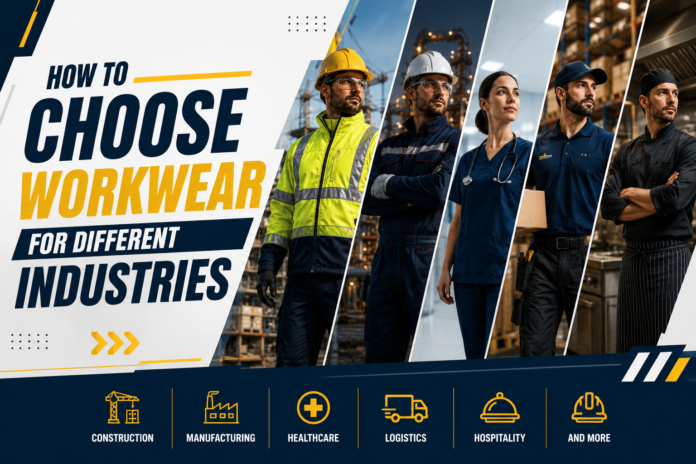
Understanding the job environment is key how to choose workwear for different industries various industries. Each workplace is unique. Every workplace is different. A warehouse worker might need high-visibility clothing. An outdoor worker might need waterproof protection. An oil and gas worker might need more durable garments.
Workwear that is comfortable, durable, safe, and supportive of safety should be worn by employees. You should not choose based on price or looks. To compare clothing options, businesses can browse the collection for workwear to find different styles and colors that are suitable for corporate, industrial, outdoor or role-based teams.
Why Industry-Specific Workwear is Important
The risks, tasks and clothing requirements of different industries are also different. It is not possible to have a uniform that works for all departments. Workers may feel unsafe or unprepared if the clothing doesn’t match the job.
Workwear tailored to the industry helps businesses select garments that are practical and functional. It enhances the appearance of a team, boosts worker confidence and improves practical performance. This helps employers to avoid purchasing clothing that is fashionable but does not perform well in the workplace.
How to choose the right workwear for your industry: Simple Rule
Start with the role of the employee. Check out what they do every day. Look at what the worker does every day.
Then, you should match the garment to the workplace. Workwear must fit the worker and be appropriate for the weather. It should also support movement and have the necessary safety features. Design should match company image, without compromising comfort.
Workwear for Warehouse and Logistics
Workers in warehouses and logistics often have to move around pallet trucks, forklifts and other equipment. They also need to be able to see them easily. Clothing that is comfortable and easy to move in busy areas will help them be seen.
hi vis workwear can be useful for these teams because the bright colors and reflective features improve visibility. Wearing lightweight vests, safety jackets and durable trousers can keep workers active and safe during long shifts.
Workwear for outdoor and wet conditions
Clothing that is designed for outdoor workers must protect them from the rain, wind and changing weather. Wet clothing is uncomfortable and can make the work more difficult, particularly during transport, loading, delivery, maintenance and construction tasks.
Waterproof Workwear is recommended for workers working in wet or rainy conditions. A good waterproof garment should have strong seams, secure closings, breathable fabrics, and sufficient flexibility to move.
Workwear for Oil and Gas Teams
The oil and gas industry can be a demanding environment. The work environment can be challenging. Workers are exposed to dirt, heat and outdoor exposure. They may also have to use heavy equipment or face flame hazards. For this type of work, basic clothing is not sufficient.
Oil & Gas Workwear must be carefully selected based on the job risk, garment functionality, fabric strength and comfort. Clothing should provide protection, while allowing workers to safely bend, lift, or walk.
Workwear for Office Teams and Corporate Teams
Corporate teams require uniforms that look professional and support brand image. Clothing for office employees, retail staff, sales teams and other customer-facing workers needs to be clean, comfortable and consistent.
Corporate Uniforms can be useful for businesses who want their staff to appear organized and easily identifiable. Shirts and blouses should be comfortable and fit properly throughout the day. Blazers and other branded items are also recommended.
Workwear for specific industries
It is best to compare the actual job requirements of different industries, rather than using a uniform that can be used for all. The needs of a driver, mechanics, warehouse pickers, office managers, outdoor loaders, and site supervisors are all different.
is a collection of workwear designed for specific industries. It helps companies to think about roles, tasks, and workplaces. The selection process is made more efficient and less costly by reducing the number of uniform mistakes.
Check Workplace Hazards First
Employers should first identify the hazards in their workplace before selecting workwear. Workplace hazards can include low visibility, rain or heat, sharp objects, chemicals, machinery and vehicle movements.
The garment chosen should be appropriate for the risk. Clothing that is brighter and more visible can help with visibility. Waterproof clothing will support wet work. Stronger fabrics are better for rough industrial environments. Workwear should solve problems and not just create a uniform team look.
Select the Right Fabric
Fabrics affect comfort, durability and breathability. They also influence safety, washability, and washing time. A thin fabric can tear easily. A thick fabric can feel hot. Fabrics that shrink or fade can make the team appear unprofessional.
Fabric selection is based on industry. Indoor workers may need breathable fabric. Weather-resistant layers may be needed by outdoor workers. Workers in the industrial sector may require stronger materials. Corporate teams might need fabrics that are smoother, cleaner and more professional-looking.
Focus on Fitness and Movement
Workwear fit is a key consideration when selecting workwear. Clothing that is too snug can limit bending, lifting or reaching. Clothing that is too tight can cause equipment to catch or make it look unkempt.
It should be comfortable and allow the worker to move freely. The clothing should be able to support all types of work, including sitting, walking and driving. It also needs to accommodate tasks such as loading, packing, lifting and providing customer service. The right size also helps employees feel more confident and comfortable.
Match workwear to the weather
Many industries are affected by the weather. Workers who work outdoors may require rainwear, wind-protection, or layers of warmer clothing. If they are working in an active or warm environment, indoor workers may require breathable clothing.
Planning for the seasons is important. Winter workwear might require layers or waterproof outerwear, while summer workwear could need lighter fabrics. Workwear should be designed to provide both comfort and protection for different seasons.
Keep Branding Simple
Workwear can be used to support a brand’s identity. Workwear with logos, colors and trims can make workers look more professional. This can be used for corporate offices and retail spaces as well as warehouses, delivery crews, and roles that are in contact with customers.
Branding should be clean and balanced. Workwear can look cheap and cluttered with large logos or colors. Small, neat logos are often more professional. They’re also easier to wear.
Check durability and wash life
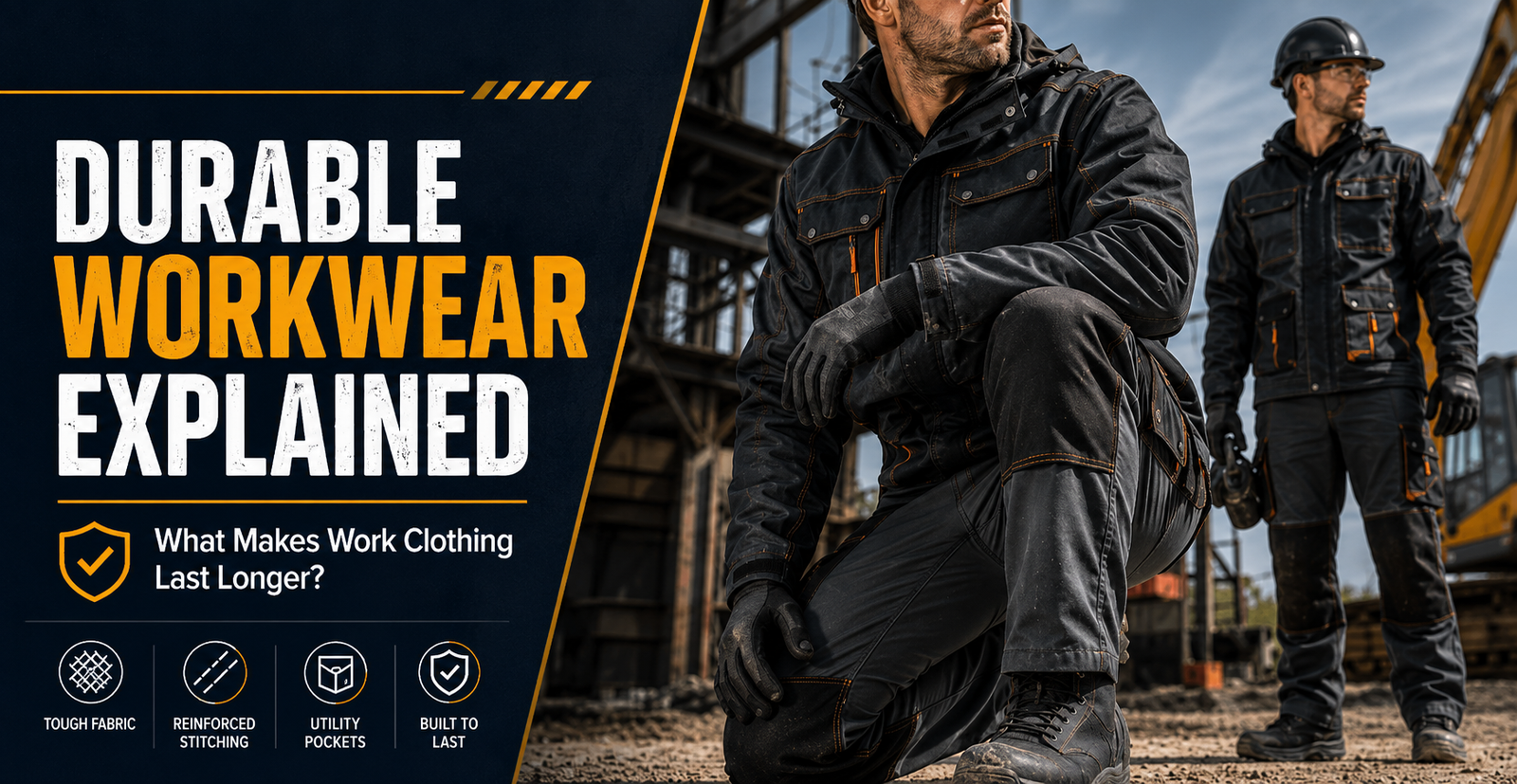
Workwear must be durable enough to withstand repeated washing and use. The same garment may be worn for a long time by workers. Therefore, the fabric, seams and buttons, pockets and reflective details must be durable.
Durable workwear has a better value over the long term. A cheap garment will need to be replaced frequently if it fades or tears, shrinks or loses its shape. Businesses can avoid problems by testing samples before ordering in bulk.
Workwear Checklist
Before placing an order, use this checklist to help you choose the right workwear for your industry.
- Begin by identifying the real role of a worker.
- Before choosing clothing, consider the workplace hazards.
- Wear hi-vis clothing when visibility is important.
- Select waterproof clothing to wear in wet weather.
- Choose stronger clothing for industrial work.
- Corporate teams should wear uniforms that are professional.
- Fabric weight should be matched to the environment.
- Fit, comfort and movement should be checked.
- Keep your branding professional and simple.
- Test samples are required before mass production.
Common mistakes to avoid
The common mistake when choosing workwear is to give everyone the same clothes. One uniform may not be suitable for all teams, as they face different situations.
A second mistake is to choose workwear solely on the basis of price. Cheap garments might look good at first but can quickly fail during outdoor or washing use. Workwear should be evaluated by its comfort over time, its durability, safety and suitability for the job.
Conclusion
Workwear selection by industry can help businesses build safer, more comfortable and professional teams. Clothing should be chosen according to the task of the worker, their environment, weather conditions, safety requirements, and corporate image.
Workwear programs should be practical and based on roles. Wear hi-vis clothing to increase visibility. Use waterproof garments when working in wet conditions. Workwear that matches the real-world conditions of the workplace is a smart investment both for employers and employees.
FAQs
Why should the workwear chosen by industry be different?
Different sectors have different weather conditions, risks, movement requirements, and professional appearance needs.
What is the best workwear for warehouses?
Warehouse and logistics teams can benefit from wearing hi-vis clothing and safety jackets as well as durable trousers and comfortable layers.
What is the best workwear for outdoor jobs?
Outdoor jobs require waterproof jackets, weather resistant layers, durable trousers and clothing that is visible.
Are corporate uniforms considered to be workwear?
Corporate uniforms can be considered workwear if they are designed to support the appearance of staff, brand identity, comfort and everyday workplace needs.