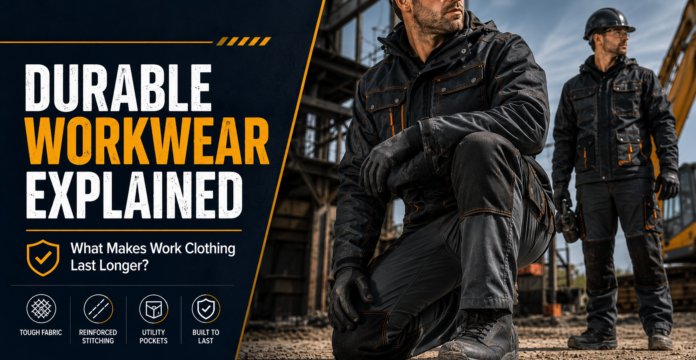
Work clothing is not like normal daily clothing. It has to handle sweat, dirt, rough movement, washing, rubbing, bending, lifting, and long working hours. Durable workwear is made to stay strong in tough jobs while still keeping the worker comfortable and safe. Good work clothing does not tear quickly, lose shape fast, or become useless after a few washes. It protects the body, supports movement, and helps workers look professional on the job. When a company chooses durable workwear, it saves money because uniforms do not need to be replaced again and again. For workers, strong clothing means better comfort, better confidence, and fewer problems during the day. Durable workwear is important for construction, factories, warehouses, oil and gas jobs, outdoor work, maintenance teams, delivery staff, and many other industries where clothing faces daily pressure.
What Is Durable Workwear?
Durable workwear means work clothing designed to last longer under hard use. It is made with stronger fabric, better stitching, useful design, and proper finishing. A normal shirt or trouser may look fine at first, but it can tear, fade, shrink, or lose shape when used in tough work conditions. Durable workwear is different because every part of the garment is planned for strength. The fabric weight, fiber blend, seam quality, pocket placement, buttons, zippers, and reinforcement all matter. A good workwear garment should survive repeated washing, body movement, friction, and jobsite stress. Businesses that need long-lasting uniforms can explore professional workwear options when they want clothing built for real workplace use instead of light casual wear. Durable workwear is not only about thickness; it is about balance between strength, comfort, safety, and daily performance.
Fabric Strength Is the First Sign of Durable Workwear
The fabric is the main body of any work garment, so fabric quality has the biggest effect on durability. Strong fabrics resist tearing, rubbing, and thinning better than weak fabrics. Cotton blends, polyester blends, canvas, twill, ripstop, and heavy-duty woven fabrics are often used in durable workwear because they can handle pressure. Fabric weight also matters, but heavier is not always better. A very heavy fabric may last long, but it can feel hot and stiff. A lighter technical fabric may still be durable if it has a strong weave and good fiber blend. Ripstop fabrics are useful because they stop small tears from spreading. Twill fabrics are popular because their diagonal weave gives strength and flexibility. Durable workwear should use fabric that matches the job. For example, outdoor workers may need weather resistance, while factory workers may need abrasion resistance and easy washing.
Stitching Quality Makes Work Clothing Last Longer
Even strong fabric can fail if the stitching is weak. Seams are the places where pieces of fabric join together, and they face a lot of stress when a worker bends, stretches, carries tools, or climbs. Durable workwear usually has double stitching, bar tacks, reinforced seams, or stronger thread in high-stress areas. Areas like shoulders, elbows, knees, crotch seams, pockets, and side seams need extra care because they take more pressure during work. Poor stitching can open after only a few washes or during heavy movement. Good stitching keeps the garment together for longer and helps it hold its shape. Strong thread is also important because weak thread can break even when the fabric is still fine. Durable workwear should not only look neat from outside; it should also be strong inside where seams carry the load.
Reinforced Areas Protect the Parts That Wear Out First
Some parts of work clothing wear out faster than others. Knees, elbows, pockets, cuffs, collars, and hems often face the most damage. That is why durable workwear often includes reinforced panels or extra stitching in these places. Reinforced knees help workers who kneel often, such as electricians, plumbers, installers, and construction workers. Strong pocket corners stop pockets from ripping when tools, pens, or small equipment are carried daily. Reinforced elbows help jackets and coveralls last longer for people who work with arms on rough surfaces. In high-risk job areas, clothing may also need extra visibility or protective features, and professional hi-vis workwear can support safety while still focusing on long-term use. Reinforcement does not mean the garment must look bulky. Good durable workwear adds strength in the right places without making movement difficult.
Fit and Movement Affect Durability More Than People Think
Fit has a big effect on how long work clothing lasts. If the garment is too tight, seams and fabric stay under pressure all day. This can cause tearing, pulling, and early damage. If the garment is too loose, it may catch on tools, machines, edges, or rough surfaces. A balanced fit helps durable workwear last longer because the fabric moves with the body instead of fighting against it. Workers need enough room in the shoulders, arms, knees, and waist to bend and stretch comfortably. Good workwear should support movement without looking messy. Stretch panels, gussets, adjustable waists, and shaped sleeves can improve comfort and reduce stress on seams. A correct fit also helps workers perform better because they are not constantly adjusting their clothing. Durable workwear should feel practical from the first day and still stay reliable after months of use.
Durable Workwear Features That Improve Long Life
Durable workwear lasts longer when small details are designed properly, because these details protect the garment during daily use. Strong zippers reduce breakage. Quality buttons stay attached longer. Covered seams reduce rubbing. Adjustable cuffs improve fit. Deep pockets hold tools better. Reinforced belt loops stop tearing. Proper fabric finishing reduces shrinking and fading. Breathable panels reduce sweat stress. Water-resistant coatings help in wet conditions. Reflective trims improve visibility. Easy-care fabric makes washing simple. Smooth inner seams improve comfort. Strong collars keep shape. Bar-tacked pocket edges resist pulling. Heavy-duty thread keeps seams closed. These features may seem small, but together they make durable workwear more reliable for real jobs. One good garment is not made strong by one thing only. It is made strong by fabric, stitching, fit, finishing, and design working together.
Weather Protection Helps Workwear Survive Outdoor Conditions
Outdoor work is hard on clothing because weather changes can damage fabric faster. Sunlight can fade colors. Rain can make fabric heavy. Wind can stress seams. Mud and dust can weaken fibers over time. Durable workwear for outdoor jobs should match the weather conditions. Waterproof or water-resistant work clothing helps workers stay dry and helps the garment handle wet environments better. Breathable waterproof fabric is useful because it allows heat and sweat to escape while blocking rain. For outdoor teams, waterproof workwear can be a practical choice when jobs continue in wet or changing weather. Durable workwear used outdoors should also dry properly after washing or rain exposure, because trapped moisture can create odor and reduce comfort. Good weather protection extends the life of clothing and improves worker safety.
Washing and Care Decide How Long Durable Workwear Stays Useful
Even the best durable workwear can become weak if it is washed the wrong way. Harsh washing, too much heat, strong chemicals, and over-drying can damage fabric and stitching. Work clothing should be washed according to the care label because different fabrics need different care. High heat may shrink cotton-rich fabrics, while strong bleach can weaken fibers and fade color. Zippers should be closed before washing, and heavy dirt should be removed before putting garments in the machine. Drying in direct high heat too often can also reduce fabric life. Companies should teach workers simple care habits if they want uniforms to last longer. Durable workwear is an investment, and proper care protects that investment. Clean clothing also looks more professional, feels better, and keeps workers more comfortable throughout the day.
Common Mistakes That Make Work Clothing Wear Out Faster
Many people think workwear fails only because the fabric is bad, but mistakes in buying, using, and caring can also shorten its life. Choosing the cheapest option can lead to weak stitching and poor fabric. Buying the wrong size can put too much pressure on seams. Using one garment every day without rotation causes faster wear. Washing with strong bleach damages fibers. Drying at high heat can shrink or weaken fabric. Ignoring small tears allows damage to spread. Overloading pockets pulls on seams. Wearing indoor workwear for outdoor jobs reduces performance. Choosing the wrong fabric for the job creates early failure. Not checking zippers, buttons, and seams before bulk ordering can cause problems later. Durable workwear performs best when it is selected properly, used correctly, and cared for in a simple but careful way.
How to Choose Durable Workwear for Your Team
Choosing durable workwear should start with the job, not only the price. A warehouse worker, road worker, oil and gas worker, factory worker, and office uniform team do not all need the same garment. First, check what risks the worker faces. Then choose fabric, fit, pocket design, visibility level, weather protection, and care needs. Good workwear should be strong enough for the job but still comfortable enough for daily use. It should allow easy movement, look professional, and survive regular washing. Businesses should also think about branding, color consistency, size range, and long-term repeat orders. Durable workwear may cost more at the start, but it often gives better value because it lasts longer and performs better. The right choice reduces replacement costs, improves worker satisfaction, and keeps teams looking professional.
Conclusion
Durable workwear lasts longer because it is made with the right fabric, strong stitching, reinforced areas, proper fit, useful features, and correct care. It should not feel uncomfortable or heavy without reason. The best durable workwear gives workers protection, movement, and confidence while helping companies reduce uniform replacement costs. A garment that lasts longer is better for the worker, better for the business, and often better for the environment because fewer clothes are wasted. When choosing durable workwear, always look beyond appearance. Check the fabric, seams, fit, pocket strength, washing needs, and job purpose. Good work clothing should work as hard as the person wearing it.
FAQs
What makes durable workwear different from normal clothing?
Durable workwear is made with stronger fabric, better stitching, reinforced stress points, and practical design. Normal clothing is usually made for comfort and style, while durable workwear is made for daily jobsite pressure.
Which fabric is best for durable workwear?
The best fabric depends on the job. Twill, canvas, ripstop, cotton-poly blends, and technical polyester blends are common choices because they offer strength, comfort, and better resistance to wear.
How can I make durable workwear last longer?
Wash it according to the care label, avoid harsh bleach, use moderate drying heat, repair small tears early, and rotate garments instead of wearing the same piece every day.
Is thicker workwear always more durable?
No, thicker workwear is not always better. Durable workwear depends on fabric quality, weave strength, stitching, fit, and reinforcement. A well-made medium-weight fabric can last longer than a poorly made heavy fabric.