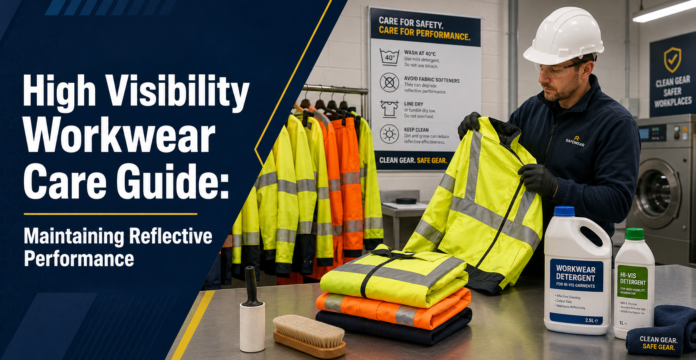
High visibility clothing is made to help workers stay seen in busy, dark, dusty, rainy, or low-light job areas. It is not only a uniform. It is safety clothing. The bright fabric helps people notice the worker during the day, while reflective tape helps light bounce back at night. However, this protection can become weaker when the garment gets dirty, faded, cracked, torn, or washed the wrong way. That is why a high visibility workwear care guide is important for construction workers, road crews, warehouse teams, utility workers, delivery staff, and outdoor labor teams. If the reflective strips are covered with mud, grease, cement dust, oil, or paint, drivers and machine operators may not see the worker clearly. If the fabric color becomes dull, the garment may not stand out in daylight. Good care keeps the clothing useful for longer and helps workers feel safer during daily tasks. A simple high visibility workwear care guide also saves money because companies can reduce early replacement, avoid careless damage, and keep each garment in better working condition.
How Reflective Performance Works
Reflective performance depends on two main parts: the bright background fabric and the reflective tape. The bright fabric, often yellow, orange, or lime, helps workers stand out in daylight. The reflective tape is designed to shine back when light hits it from vehicle headlights, site lamps, or torches. This is why a clean surface matters so much. When dirt covers the tape, the light cannot bounce back properly. When the tape cracks or peels, the reflection becomes uneven. A good high visibility workwear care guide teaches workers to treat reflective areas gently because these parts are the main safety feature. Hard scrubbing, strong chemicals, high heat, and rough drying can damage the reflective layer. Even if the garment still looks wearable, weak reflection can make it less effective in real work conditions. Workers should check the clothing under light from different angles. If the tape looks dull, broken, or heavily stained, the garment may need repair or replacement. This high visibility workwear care guide is not about making clothes look new only. It is about keeping visibility strong where it matters most.
High Visibility Workwear Care Guide
A practical high visibility workwear care guide starts with choosing the right garment for the job, then caring for it from the first day. Workers who deal with traffic, heavy equipment, rain, dust, or night shifts need garments that are easy to clean and strong enough for daily use. Before buying or assigning garments, companies should match the clothing style to the worker’s environment. For example, teams can review hi-vis workwear options when planning clothing for road work, site work, warehouse movement, or outdoor safety tasks. Once the clothing is issued, every worker should know how to wash it, dry it, inspect it, and store it. A vest used around traffic may need more frequent cleaning than a jacket used inside a warehouse. A rain jacket may need extra care because water, mud, and friction can affect the outer surface. The best high visibility workwear care guide is simple enough for workers to follow without confusion. Wash gently, dry carefully, inspect often, and replace when the garment no longer performs well.
Read the Care Label Before Washing
The care label is the first rule in any high visibility workwear care guide. It tells the worker how the garment should be washed, dried, and handled. Some garments allow machine washing, while others need gentle cycles or lower temperatures. Some can be tumble dried on low heat, while others should be air dried. The label may also warn against bleach, dry cleaning, ironing, or strong detergents. These instructions are not random. They are there because reflective tape, bright fabric, and special coatings can be damaged by the wrong cleaning method. Many workers wash hi-vis clothing like normal clothes, but that can shorten the life of the garment. Hot water may weaken reflective material. Bleach can fade the color. High dryer heat can crack or shrink parts of the garment. A good high visibility workwear care guide always tells workers to check the label before the first wash, not after damage happens. If the label becomes unreadable, the safest step is to follow gentle care: mild detergent, cool or warm water, low heat, and no harsh chemicals.
Wash Hi-Vis Clothing Separately
High visibility clothing should not be thrown into the wash with heavy jeans, oily rags, sharp tools, or dark garments. Rough fabrics can rub against reflective tape and cause early wear. Dark colors may transfer dye. Dirty work clothes can spread oil, grease, or chemical marks onto the hi-vis garment. A strong high visibility workwear care guide recommends washing hi-vis clothing separately or with similar lightweight safety garments. Safety vests are especially easy to damage because they are often lightweight and have exposed reflective strips. For example, a custom safety vest should be washed with care so the reflective tape, bright color, and printed branding stay clean and visible for as long as possible. Before washing, close zippers, fasten hook-and-loop closures, and remove loose items from pockets. Turn the garment inside out if the label allows it, because this can reduce surface rubbing. Use a mild detergent and avoid heavy stain removers unless the care label says they are safe. This high visibility workwear care guide helps protect both the fabric and the reflective parts during each wash.
Remove Stains Without Damaging Reflection
Stains are common on workwear, but stain removal must be handled carefully. Mud, dust, sweat, oil, grease, paint, and concrete marks can all reduce visibility. However, aggressive cleaning can cause more harm than the stain itself. This high visibility workwear care guide recommends removing loose dirt first by shaking or brushing gently with a soft brush. Do not scrape reflective tape with hard tools. For normal dirt, soak the garment in cool or warm water with mild detergent before washing. For oily marks, blot the stain instead of rubbing it hard. Strong solvents, bleach, and harsh degreasers can damage color and reflective material. Paint and chemical stains are more serious because they may not come out fully and may affect safety performance. If a stain covers reflective tape or a large part of the bright fabric, the garment should be inspected under light after cleaning. If the stain remains and blocks visibility, replacement may be safer. A careful high visibility workwear care guide always puts safety before saving one damaged garment.
Quick Care Checklist for Workers
A simple high visibility workwear care guide should be easy to remember during busy workdays.
- Shake off loose dirt before washing.
- Read the care label before every new garment is cleaned.
- Wash hi-vis garments separately from heavy or oily clothes.
- Use mild detergent instead of bleach or strong chemicals.
- Avoid high heat when washing or drying reflective clothing.
- Close zippers and fasteners before washing.
- Do not scrub reflective tape with hard brushes.
- Air dry when possible to protect the garment surface.
- Store clean garments away from sunlight and chemicals.
- Inspect reflective tape for cracks, peeling, and dull areas.
- Replace clothing when visibility becomes weak.
8. Drying High Visibility Workwear Correctly
Drying is one of the most important parts of this high visibility workwear care guide because heat can damage reflective tape, coatings, and fabric shape. Many workers wash their safety clothing correctly but then ruin it in a hot dryer. High heat can make reflective strips crack, wrinkle, peel, or lose brightness. Air drying is usually the safer choice when time allows. Hang the garment in a shaded, clean, and ventilated place. Do not place it directly under strong sunlight for long periods because sunlight can fade bright colors over time. Do not dry it close to heaters, open flames, hot machinery, or direct industrial heat. Jackets need extra care because they may include padding, coatings, lining, or water-resistant layers. A high visibility jacket should be dried in a way that protects both the outer safety color and the reflective tape. If tumble drying is allowed, use a low-heat setting and remove the garment as soon as it is dry. This high visibility workwear care guide keeps drying simple, safe, and practical.
9. How to Inspect Reflective Tape
Inspection should happen before workers enter high-risk areas. A garment can be clean but still unsafe if the reflective tape is damaged. This high visibility workwear care guide recommends checking the tape in normal light and under direct light. Look for cracks, peeling edges, missing sections, dull reflection, deep scratches, heavy stains, or areas where the tape has become stiff. Then check the bright fabric. If the color looks faded, grey, brown, or dull, the garment may not stand out well in daylight. Also check seams, pockets, zippers, snaps, and cuffs because damaged construction can make the clothing uncomfortable or unsafe. Workers should raise their arms, bend, and turn to see if the garment still covers the body properly. A vest that no longer closes, a jacket with torn reflective strips, or trousers with faded panels may need replacement. A strong high visibility workwear care guide should include a simple rule: if drivers, machine operators, or coworkers cannot see the garment clearly, it should not be used for high-risk work.
Storage Tips That Keep Hi-Vis Clothing Bright
Storage may seem simple, but it affects garment life. A clean garment can fade, stain, or weaken if it is stored badly. This high visibility workwear care guide recommends storing hi-vis clothing in a dry, cool, and clean place. Do not leave it in direct sunlight for long periods. Do not throw it into a damp locker, dirty truck bed, workshop floor, or toolbox. Moisture can cause odor, mildew, and fabric damage. Sharp tools can cut reflective tape. Oil, fuel, paint, and chemicals can stain the fabric and reduce visibility. Fold garments gently or hang them where reflective tape is not crushed for long periods. Avoid placing heavy items on top of reflective strips because deep creases can affect appearance and performance. Workers should also keep clean and dirty garments separate. A fresh jacket should not be stored with greasy gloves or muddy boots. This high visibility workwear care guide is easy to follow: clean it, dry it, inspect it, and store it safely before the next shift.
Conclusion
A good high visibility workwear care guide helps workers stay safer and helps companies protect their clothing investment. Hi-vis garments work best when the bright fabric stays clean, the reflective tape stays clear, and the fit remains comfortable. Washing, drying, stain removal, inspection, and storage all matter because small damage can reduce visibility over time. Workers should never treat safety clothing like normal casual clothing. They should follow the care label, avoid bleach, use mild detergent, dry with low heat or air drying, and check the reflective parts before every important job. The best high visibility workwear care guide is not difficult. It is built on simple habits that workers can repeat every week. When the garment looks dull, stained, cracked, torn, or hard to see under light, it should be repaired if possible or replaced if needed. Clean and bright workwear helps people see the worker faster, and in busy job areas, being seen clearly can make a real difference.
FAQs
How often should high visibility workwear be washed?
High visibility workwear should be washed whenever dirt, mud, oil, sweat, or dust covers the bright fabric or reflective tape. If the garment is used daily, it may need washing often. Always follow the care label.
Can I use bleach on high visibility workwear?
No, bleach should usually be avoided because it can fade bright colors and damage reflective material. A safe high visibility workwear care guide recommends mild detergent instead. Always check the garment label first.
When should hi-vis clothing be replaced?
Replace hi-vis clothing when the reflective tape is cracked, peeling, dull, heavily stained, or missing. Also replace it when the bright fabric fades badly. If the worker is not easy to see, the garment is no longer safe.
Can high visibility jackets be tumble dried?
Some high visibility jackets can be tumble dried on low heat, but only if the care label allows it. High heat can damage reflective tape and coatings. Air drying is usually the safer option.