Choosing the right motorcycle riding gear is one of the most important decisions every rider can make. This gear serves three key purposes: providing protection in accidents, delivering all-weather comfort, and improving the overall riding experience. This buying guide will equip you with all the necessary knowledge to find the perfect riding gear that fits your specific needs.
Why a Motorcycle Jacket is Essential Safety Gear
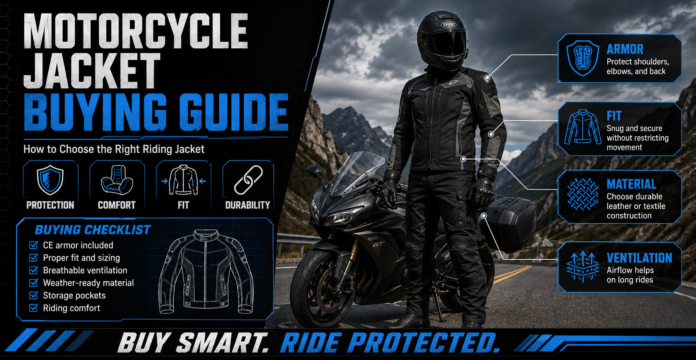
Many people only view motorcycle jacket buying guide riding jackets as a fashion accessory, but in fact, they are critical safety gear: these jackets are equipped with CE-certified protective padding on the shoulders, elbows, and back. They can prevent impact injuries and abrasions during accidents, and also block wind, rain, and debris during daily commutes. This guide explains that choosing a high-quality jacket is an investment in your personal safety and health.
Understanding Different Jacket Types
Motorcycling Riding Gear Purchase Guide
[Title 1] Categories of Riding Gear on the Market
The first step in this motorcycling riding gear purchase guide is to sort out the different categories of riding gear available on the market—every style is designed for a specific riding posture and usage scenario. Sport/racing riding gear is made for the aggressive forward-leaning riding posture, with pre-curved sleeves, a length design that is shorter at the front and longer at the back, and a tight cut that holds
protective gear firmly in place during high-speed riding;
long-distance touring riding gear prioritizes comfort over long distances and weather resistance, suits the upright riding posture, leaves room for layering inner clothing, and is equipped with multiple pockets, ventilation zippers, and a waterproof lining;
off-road adventure riding gear combines the features of sport and long-distance models, works for both on-road and off-road scenarios, and adds extra protection to the shoulder and elbow areas; cruiser riding gear has a classic casual style, fits the upright riding posture, uses a loose cut and thick leather material, and features a retro design; urban commuting riding gear balances daily styling and protective performance, looks similar to an ordinary casual jacket, has built-in protective gear and added wear-resistant materials, and meets the protection needs for daily riding.
Leather vs. Textile: Which Material is Right for You?
When selecting motorcycle jacket buying guide riding gear, the choice of material is the core decision-making factor. Leather and fabric materials each have unique strengths that can
meet different usage needs. Leather has top-tier abrasion resistance in the industry; 100% tanned cowhide, which is commonly used in high-end models, provides first-class protection when a rider slides across the road after a crash, and it will gradually conform to the wearer’s body shape with long-term use. However, leather is
heavy, has poor breathability, and requires high maintenance standards. In comparison, fabric riding gear has strong general applicability: most types are waterproof and breathable, and they are lighter. Common blended fabrics including Cordura and Kevlar also deliver excellent abrasion resistance, and their design and routine care are much simpler.
Essential Safety Features to Look For
Every motorcycle jacket buying guide should emphasize safety features. When shopping, look for these critical elements:
- CE-Rated Armor: Quality motorcycle jacket buying guide include armor in the shoulders, elbows, and back. Look for CE Level 2 armor for maximum impact protection.
- Abrasion-Resistant Materials: Leather remains the gold standard, but high-quality textiles like Cordura or Kevlar blends offer excellent protection.
- Reflective Elements: Reflective piping, logos, or panels improve visibility for night riding.
- Reinforced Stitching: Double or triple stitching in high-stress areas indicates quality construction.
- Impact Protection Zones: Covers the shoulders, elbows, and back. Some motorcycle jacket buying guide also offer chest armor options.
Comfort Features for All-Day Riding
Comfort is crucial for enjoying your ride. This motorcycle jacket buying guide highlights features that make a jacket comfortable for long hours.
Ventilation is important for hot weather. Look for jackets with zippered vents at the chest, arms, and back. The biker jacket men from Eco Jersey features quality polyester lining that provides breathability while keeping you comfortable.
The adjustable design allows you to tailor the motorcycle jacket buying guide to fit your body shape.
Combined with adjustment features on the waist belt, cuffs, and neckline, it not only achieves a snug fit but also prevents the fabric from flapping during high-speed riding.
A detachable liner enhances the motorcycle jacket buying guide adaptability across all seasons: a warmth-retaining liner handles low winter temperatures, while a waterproof liner blocks rain on wet days.
The pre-curved sleeve shape fits the natural riding posture, reduces physical fatigue, and prevents fabric bunching at the shoulders and elbows. Stretch fabric is used in high-movement areas like the shoulders and elbows, which maintains protective performance while ensuring flexibility.
Finding the Perfect Fit
When purchasing a motorcycle jacket buying guide, a proper fit is the core prerequisite to ensure safety and comfort. This article sorts out practical
judgment criteria for ordinary buyers: the shoulder seam must lie on the edge of the shoulder—if the seam sags outward, the jacket is too large; if it pulls inward, the motorcycle jacket buying guide is too
small. The sleeve length must cover the wrist when the arm is extended forward, so that the sleeves do not slide up and shrink when the rider grips the handlebars.
Chest and Waist should feel snug without restricting movement. You should be able to take a deep breath comfortably. The leather biker jacket from Eco Jersey features adjustable laced sides for a customized fit.
Armor Position is critical. The armor must stay in place over your joints when you move. If it shifts, the motorcycle jacket buying guide does not fit properly.
Jacket Length should overlap with your riding pants, especially at the back. Your lower back must remain covered when you lean forward.
Weather Protection and Versatility
Weather conditions can change in the blink of an eye, so your motorcycle jacket buying guide riding gear must be able to adapt to these changes.
This motorcycle jacket buying guide gear purchasing guide focuses specifically on weather protection features.
Waterproof features keep you dry when riding in the rain: gear with inherent waterproofing or a waterproof lining is available, and you should choose styles with taped seams to achieve full waterproof performance.
Windproof features block cold air from entering the gear; styles made with windproof fabric or a windproof lining can trap body heat, and the full-polyester lining of the high-end Eco Jersey model delivers excellent windproof effects. Temperature regulation features boost riding comfort: ventilation zippers work well for warm weather, while removable warm liners are suitable for cold days.
Customization and Personalization
Many motorcycle riders seek riding jackets that highlight their personal style.
This buying guide for motorcycle jackets introduces various customization options.
For logo and marking customization, users can add fabric patches or embroidery;
high-end jackets are equipped with internal zipper openings to simplify the process of sewing on patches. For color customization, the jacket can be matched to the motorcycle jacket buying guide or the rider’s personal style, and high-end models also support custom exclusive colors. For fit adjustment, the motorcycle jacket buying guide come with waist cinchers and sleeve length adjusters to suit different body types.
Budget Considerations
High-quality motorcycle riding jackets span price ranges from affordable to premium.
This buying guide clarifies the differences in features across these price tiers: entry-level models come with basic protective gear, suit casual riders, but lack advanced functions;
mid-range models are equipped with CE-rated protective gear and reliable fabrics, delivering outstanding cost-performance;
high-end models adopt top-tier fabrics, Level 2 protective gear, and integrate advanced design elements. They offer maximum protection and comfort for serious riders. The brown biker jacket womens from Eco Jersey offers premium style with soft PU leather and a cropped oversized design for all-day comfort.
Frequently Asked Questions
What is the most important feature in a motorcycle jacket?
CE-rated armor in the shoulders, elbows, and back is the most critical safety feature. Abrasion-resistant materials and proper fit are also essential for protection.
Should I choose a leather or textile jacket?
Leather offers the best abrasion resistance for maximum protection. Textile jackets are more versatile, offering better weather protection and breathability. Your choice depends on your riding style and climate.
How should a motorcycle jacket fit?
A jacket should fit snugly without restricting movement. The shoulder seams should sit at the edge of your shoulders, the sleeves should cover your wrists, and the armor should stay in place over your joints.
Can I wear my motorcycle jacket in all seasons?
Yes, if you choose a jacket with removable liners and ventilation. These features allow you to adapt the jacket for warm, cool, or rainy weather.