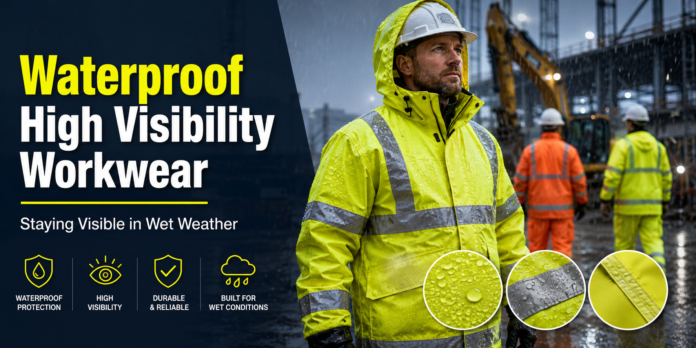
Rain can make a normal workday harder, colder, and more dangerous. When the ground is wet, the sky is dark, and vehicles are moving nearby, workers need clothing that does more than cover the body. Waterproof high visibility workwear is made to keep workers dry while helping them stay easy to see in poor weather. It is useful for road crews, construction teams, warehouse yard workers, delivery teams, utility workers, security staff, and outdoor maintenance teams. Good waterproof high visibility workwear combines bright fabric, reflective tape, sealed seams, weather protection, and practical comfort. It helps workers stay focused because they are not fighting rain, soaked clothing, or low visibility. The main goal is simple: workers should remain visible, dry, and able to move safely during wet weather. For many jobs, waterproof high visibility workwear is not just a clothing choice. It is part of a safer working system.
What Makes Waterproof High Visibility Workwear Different?
Waterproof high visibility workwear is different from regular rainwear because it protects against water and supports visibility at the same time. A normal rain jacket may keep a person dry, but it may not be bright enough for busy work areas. A normal hi-vis vest may help with visibility, but it may not stop rain from soaking through the worker’s clothes. Waterproof high visibility workwear solves both problems together. It usually uses bright fluorescent colors like yellow, orange, or lime because these colors stand out during the day. It also uses reflective tape that shines when headlights or site lights hit it at night. Waterproof fabric, sealed seams, storm flaps, adjustable cuffs, and covered zippers help stop water from entering. This makes the clothing better for outdoor jobs where rain, wind, mud, spray, or low light can affect safety. The best waterproof high visibility workwear should also feel practical, not stiff or heavy, because workers still need to bend, lift, climb, walk, and handle tools.
Why Visibility Matters More in Wet Weather
Wet weather reduces visibility in many ways. Rain can blur a driver’s view, fog can hide workers from a distance, and dark clouds can make daytime work feel like evening. Wet roads and surfaces also reflect lights, which can make it harder for drivers and equipment operators to judge distance. This is why waterproof high visibility workwear is important for people working around moving vehicles, forklifts, cranes, trucks, and roadside traffic. Bright fabric helps workers stand out during daylight, while reflective tape improves visibility in low light. For teams that work near roads, yards, loading areas, or construction sites, hi-vis workwear gives an extra layer of safety because it makes the body more noticeable from different angles. Visibility should never depend on one small strip of reflective tape. A worker needs clear visibility across the chest, back, arms, and sometimes legs, especially when rain jackets cover the clothing underneath. Waterproof high visibility workwear helps reduce the chance of workers blending into the wet background.
Waterproof High Visibility Workwear for Outdoor Job Sites
Waterproof high visibility workwear is especially useful on outdoor job sites where the weather can change quickly. A worker may begin the day in dry conditions and face heavy rain by afternoon. If the clothing is not waterproof, the worker can become cold, uncomfortable, and distracted. Wet clothing can also become heavier, which makes movement slower. On construction sites, road projects, landscaping jobs, and delivery yards, workers need gear that protects them from rain without hiding their visibility. A good waterproof jacket should cover the upper body properly, while waterproof trousers or bibs can protect the legs during heavy rain. Hoods should fit safely and should not block side vision. Sleeves should allow arm movement without pulling up. Pockets should be placed where tools, phones, or gloves can be reached easily. Waterproof high visibility workwear should support the worker through the full shift, not only during short rain exposure. The right gear helps teams keep working safely when the weather is not perfect.
Important Features to Look For
Choosing waterproof high visibility workwear becomes easier when you know which features matter most. The fabric should resist rain while still allowing some airflow, because workers can sweat even in cold or wet weather. Seams should be taped or sealed, because water often enters through stitching lines. Reflective tape should be placed around the body in a clear pattern so the worker can be seen from the front, back, and sides. A longer back hem can help stop rain from entering when bending. Adjustable cuffs can keep water from running down the sleeves. A storm flap over the zip gives extra protection from wind-driven rain. If the worker carries tools or small items, waterproof pockets are also helpful. Some teams may choose a high visibility jacket because it gives strong upper-body visibility while also protecting against wet and windy conditions. The best waterproof high visibility workwear balances safety, comfort, movement, and long working hours.
One Simple Checklist Before Buying
Before buying waterproof high visibility workwear, check these points carefully:
- Choose bright fluorescent fabric for daytime visibility.
- Make sure reflective tape is clear and well placed.
- Look for waterproof fabric with sealed seams.
- Pick a fit that allows bending, lifting, and walking.
- Check pockets, cuffs, hood shape, and zipper protection.
- Choose the right garment for the job, not only the weather.
- Make sure workers can wear layers underneath in cold conditions.
Comfort Is Also a Safety Feature
Comfort may sound less important than visibility, but it has a direct effect on safety. If waterproof high visibility workwear is too tight, workers may not move freely. If it is too loose, it may catch on tools, machines, or materials. If it is too hot, workers may unzip it or remove it, which reduces protection and visibility. If it is too heavy, the worker may feel tired faster. Good design should allow movement while keeping rain out. Breathable waterproof fabrics, mesh linings, underarm vents, and flexible cuts can make the clothing easier to wear for long hours. The hood should protect the head without covering the eyes. The collar should protect the neck without rubbing. Waterproof high visibility workwear should also allow layering because wet weather is often cold. A worker may need a base layer, mid-layer, and waterproof outer layer. When clothing feels comfortable, workers are more likely to keep it on and use it correctly through the full shift.
Jacket, Vest, or Full Rainwear Set?
The right waterproof high visibility workwear depends on the job and the weather level. A vest can improve visibility, but it does not protect the arms or body from rain. A jacket protects the upper body and is often the best daily option for outdoor workers. A full rainwear set, including trousers, is better for heavy rain, roadside work, utility work, and long outdoor shifts. In light rain, a waterproof high visibility jacket may be enough. In heavy rain or standing water, workers may need full waterproof gear to prevent soaked trousers and cold legs. A rainwear option is useful when the main challenge is staying dry for longer periods, especially when workers are exposed to rain, spray, or muddy conditions. The best choice should match the risk level. Workers near traffic need stronger visibility. Workers handling tools need better flexibility. Workers standing for long hours need warmth and weather protection. Waterproof high visibility workwear should always fit the real job, not only the product name.
Common Mistakes Workers and Buyers Make
One common mistake is buying bright workwear that is not truly waterproof. It may look suitable at first, but rain can pass through after a short time. Another mistake is buying waterproof rainwear that is not visible enough for job sites. Dark rain jackets may be fine for casual use, but they are not safe around traffic or machinery. Some buyers also ignore seam sealing. Even strong waterproof fabric can fail if the seams are not protected. Poor fit is another issue. Clothing that is too big can flap in the wind, while clothing that is too small can limit movement. Some teams also forget that jackets may cover reflective shirts or vests underneath, so the outer layer must be visible itself. Waterproof high visibility workwear should not be treated like normal clothing. It must be checked for color, reflection, waterproofing, comfort, and job use. Small mistakes can reduce both safety and performance during wet weather.
Care and Maintenance for Longer Use
Waterproof high visibility workwear needs proper care if you want it to last. Dirt, mud, oil, and dust can reduce brightness and make reflective tape less effective. If reflective areas become dull, the worker may not be seen clearly at night. Always follow the care label because some waterproof coatings can be damaged by high heat, harsh detergent, or bleach. Clothing should be cleaned gently and dried correctly. Avoid ironing reflective tape unless the care instructions clearly allow it. If the fabric starts leaking or seams begin peeling, the garment may no longer give proper rain protection. Workers should also check zippers, cuffs, pockets, and hood adjustments before starting a shift. Waterproof high visibility workwear should be stored dry because damp storage can cause smell, fabric damage, or mildew. Regular inspection is important for companies because worn-out safety clothing can create hidden risks. Clean, bright, and well-maintained gear works better and looks more professional.
Conclusion
Waterproof high visibility workwear is the better choice when workers need to stay dry and visible in rain, fog, wind, spray, or low light. It is useful because it combines two important safety needs in one garment: weather protection and clear visibility. A good option should include bright color, reflective tape, waterproof fabric, sealed seams, practical pockets, safe hood design, and a comfortable fit. It should also match the work environment, whether the job is road work, construction, delivery, maintenance, security, or outdoor industrial work. Waterproof high visibility workwear helps workers stay focused because they are not distracted by soaked clothing or poor visibility. When chosen well and cared for properly, it supports safer movement, better comfort, and a more professional workday. In wet weather, the best workwear is not only about staying dry. It is about being seen, protected, and ready to work safely until the job is done.
FAQs
What is waterproof high visibility workwear?
Waterproof high visibility workwear is safety clothing designed to keep workers dry while making them easy to see. It usually uses bright fluorescent fabric, reflective tape, waterproof material, and sealed seams for wet and low-light work conditions.
Is waterproof high visibility workwear better than a normal rain jacket?
Yes, waterproof high visibility workwear is better for job sites because it protects against rain and improves visibility. A normal rain jacket may keep you dry, but it may not be bright or reflective enough for work near traffic, machinery, or moving equipment.
Which workers need waterproof high visibility workwear?
Road workers, construction crews, delivery teams, utility workers, security staff, warehouse yard workers, airport ground staff, and outdoor maintenance teams can benefit from waterproof high visibility workwear, especially during rain or low-light conditions.
How do you care for waterproof high visibility workwear?
Wash it according to the care label, avoid bleach, keep reflective tape clean, dry it properly, and inspect seams, zippers, and waterproof areas often. Replace it when the fabric leaks, reflective tape fades, or visibility becomes weak.