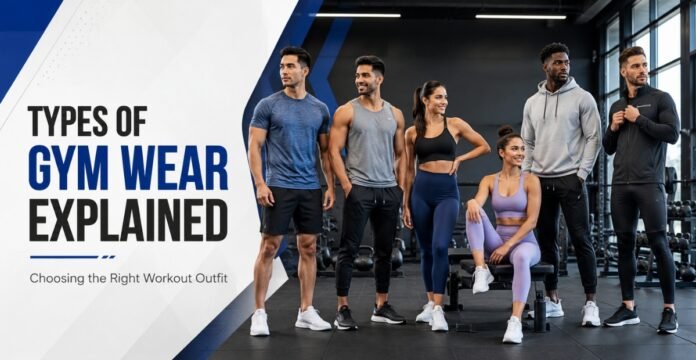
Workout shirts and tank tops, sports bras, compression shirts, gym shorts and pants, joggers, hoodies, socks, and athletic shoes are all common types of gym wear apparel. Each of these items offers unique benefits and serves different purposes. There are items to help keep the body cool, items that aid in support and coverage, and items that offer flexibility and warmth. Yoga practitioners may prefer soft and stretchy apparel, while those lifting weights may opt for a fitted shirt paired with flexible shorts. Runners typically require light apparel that is secure. Different styles of gym apparel allow one to select their apparel based on the workout, rather than choosing items based on style, design, and fashion.
Why Choosing the Right Types of Gym Wear Matters
Choosing the right types of gym wear can make exercise more comfortable and less distracting. Clothing should allow you to bend, stretch, run, jump, and lift without pulling against your body. It should also stay in place instead of rolling down, riding up, or becoming heavy with sweat. Before buying anything, think about your workout, the temperature, the amount of support you need, and how close you want the clothing to fit. The gym wear collection shows several types of gym wear designed for different training activities. The best gym outfit is not always the most expensive one. It is the outfit that helps you move freely and focus on your exercise.
Workout T-Shirts and Tank Tops
Workout T-shirts and tank tops are some of the most common types of gym wear because they suit strength training, cardio, running, and general fitness. A training T-shirt gives more shoulder and chest coverage, while a tank top allows more air to reach the upper body. Lightweight materials are often better for hard workouts because thick fabric can trap heat. People who lift weights may prefer sleeveless designs that allow the arms and shoulders to move freely. The gym tank tops range includes breathable designs made for activities such as weight training and fitness sessions. When comparing these types of gym wear, check the arm openings, neckline, fabric weight, and overall fit.
Sports Bras and Compression Tops
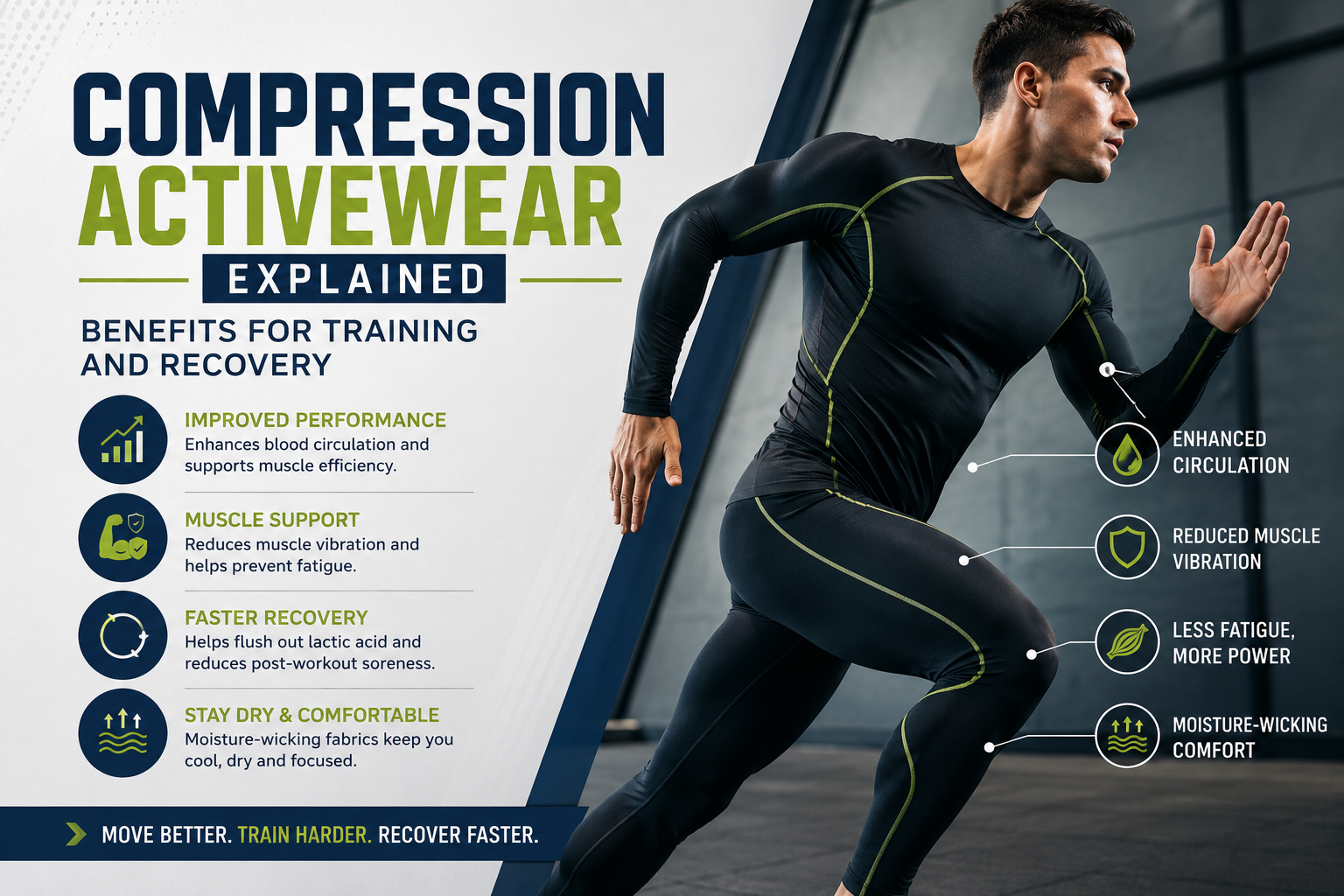
Sports bras and compression tops are supportive types of gym wear that sit close to the body. Sports bras are available in low, medium, and high-support designs. Low support is suitable for walking, stretching, or gentle yoga, while high support is better for running, jumping, and intense workouts. Compression tops can be worn alone or under another shirt. They reduce loose fabric and follow the body during movement. The women’s compression shirt is an example of a fitted workout layer designed for flexible movement. These types of gym wear should feel secure without making breathing difficult or placing painful pressure around the chest, shoulders, waist, or arms.
Gym Shorts for Flexible Movement
At the gym, shorts are a staple. They are great when you do any sort of gym activity from cycling and running to strength training and working out in the gym when it is warm. There are shorts that are designed to be looser, which offer more airflow, whereas tighter shorts help minimize the amount of material that gets in the way. Some shorts are designed with a tighter layer underneath with a looser layer on the outside, which can help give both freedom of movement and coverage. As you work out, shorts should sit comfortably on your waistband, without shifting.
Leggings and Training Tights
Leggings are worn for many types of workouts from yoga to gym classes and cycling. Full length leggings are great to help keep you warm during your workouts but can be more covered than cropped leggings. High waisted leggings should stay high waisted during your entire workout, and should keep their shape throughout. The fabric of the legging should be durable enough to not become see-through while doing squats and should not rub against your skin.
Joggers and Sweatpants
Joggers and sweatpants make excellent warm-up and workout attire. Even after a workout, joggers and sweatpants are great to wear during traveling, outdoor exercises, and low-impact training. Sweatpants that are straight or relaxed fit provide more space but can feel warm when exercising. Joggers that taper keep excess fabric away from feet. Both types of clothing can have waistbands that adjust, flexible fabric, ankle cuffs, and pockets. There are benefits and disadvantages to both sweatpants and joggers. While thicker sweatpants can trap heat, joggers are better to wear when the gym is warm, and sweatpants are better to wear during colder weather.
Important Features to Check
The best types of gym wear should match your body, workout, climate, and comfort needs. Check these important features before choosing a workout outfit:
- Fit: The garment should stay in place without squeezing the body or hanging too loosely.
- Stretch: The fabric should move easily when you squat, bend, twist, reach, or run.
- Breathability: The material should allow heat and air to move during demanding exercise.
- Moisture control: The fabric should not become too heavy or uncomfortable when you sweat.
- Seams: Smooth seams should reduce rubbing around the shoulders, thighs, waist, and underarms.
- Coverage: The clothing should remain secure and provide enough coverage during movement.
- Support: Sports bras and fitted clothing should support the body without causing pain.
- Waistband: Shorts and leggings should stay flat without rolling or sliding down.
- Pockets: Storage should be secure and should not disturb movement during training.
- Durability: The clothing should keep its shape after regular wearing, stretching, and washing.
Using this checklist makes different types of gym wear easier to compare, even when two products look almost the same.
Choosing Types of Gym Wear for Different Workouts
Different types of gym wear are needed for different workouts. For weight training, fitted t-shirts or tank tops with either shorts, leggings, or tapered joggers that allow a full range of motion are recommended. Outfits for running should feel lightweight and have a secure waistband that won’t slide while you move. Clothing for yoga or pilates should be soft and flexible, yet stay in place when bending or stretching. For cycling, avoid clothing with loose material that can get caught in the moving parts. Clothing for high-intensity training should be breathable, but can also withstand a lot of movement and sweating. Lastly, walking or light exercise clothing should be comfortable, even if it lacks compression.
Choosing the Right Fabric and Fit
Considerations for fabric and fit are both integral when selecting different styles of gym wear. Cotton is soft and comfortable, but it absorbs sweat and can be heavy in gym wear. Blends of polyester and nylon feel lighter and dry faster, making them ideal for clothing that is subjected to heavy wear. Spandex or elastane is often added for stretch. Fit can be classified as slim, compression, or relaxed. No type of fit is ideal for all people. The best gym wear moves as you do without the risk of sagging or applying pressure. Fit should always be evaluated with the proper movement before determining a final decision.
Building a Simple Gym Wear Wardrobe
The essentials of a functioning workout wardrobe don’t require many items. Start with 2-3 tops, 2 bottoms, 1 supportive layer, and 1 light outer layer. Select colors that allow multiple combinations. After you have the basics, add other pieces as needed. For the frequent gym goer, that might mean lightweight shorts and a high-support sports bra, while the outdoor gym goer might prioritize joggers and a warm layer. A few quality gym wear pieces are much better than a closet full of clothes that don’t fit. Only expand the assortment of types of gym wear as needed for the workouts you do.
Conclusion
Having the knowledge of the options available for different styles of gym wear can play a huge part in selecting clothing that works with vs against your training. Start with what sort of training you’re doing, and consider the movement you’ll need, the temperatures you’ll face, and the support you need. Think of coverage, the fabric you’ll need, and how you prefer the fit. Tops and shorts work in warmer conditions. Leggings and compression tops add a close fit. Joggers and hoodies can add warmth to the clothing choices as well. The best gym wear choices aren’t always the costliest or the most stylish.
FAQs
What Are the Basic Types of Gym Wear for Beginners?
The basic types of gym wear for beginners include a breathable T-shirt or tank top, comfortable shorts or leggings, supportive underwear or a sports bra, training socks, and suitable shoes. A light hoodie or jacket can also be useful for travelling, warming up, and cooling down.
Should Gym Wear Be Tight or Loose?
Gym wear should feel secure without stopping movement or making breathing difficult. Fitted types of gym wear work well for running, cycling, lifting, and yoga because they reduce loose fabric. Relaxed clothing may feel more comfortable during walking, stretching, warm-ups, or low-impact training.
Which Fabric Is Best for Gym Wear?
Polyester blends, nylon blends, and fabrics containing elastane are common choices because they can provide stretch and faster drying. Cotton feels soft, but it may hold more sweat during demanding workouts. The best fabric depends on the activity, temperature, workout length, and personal comfort.