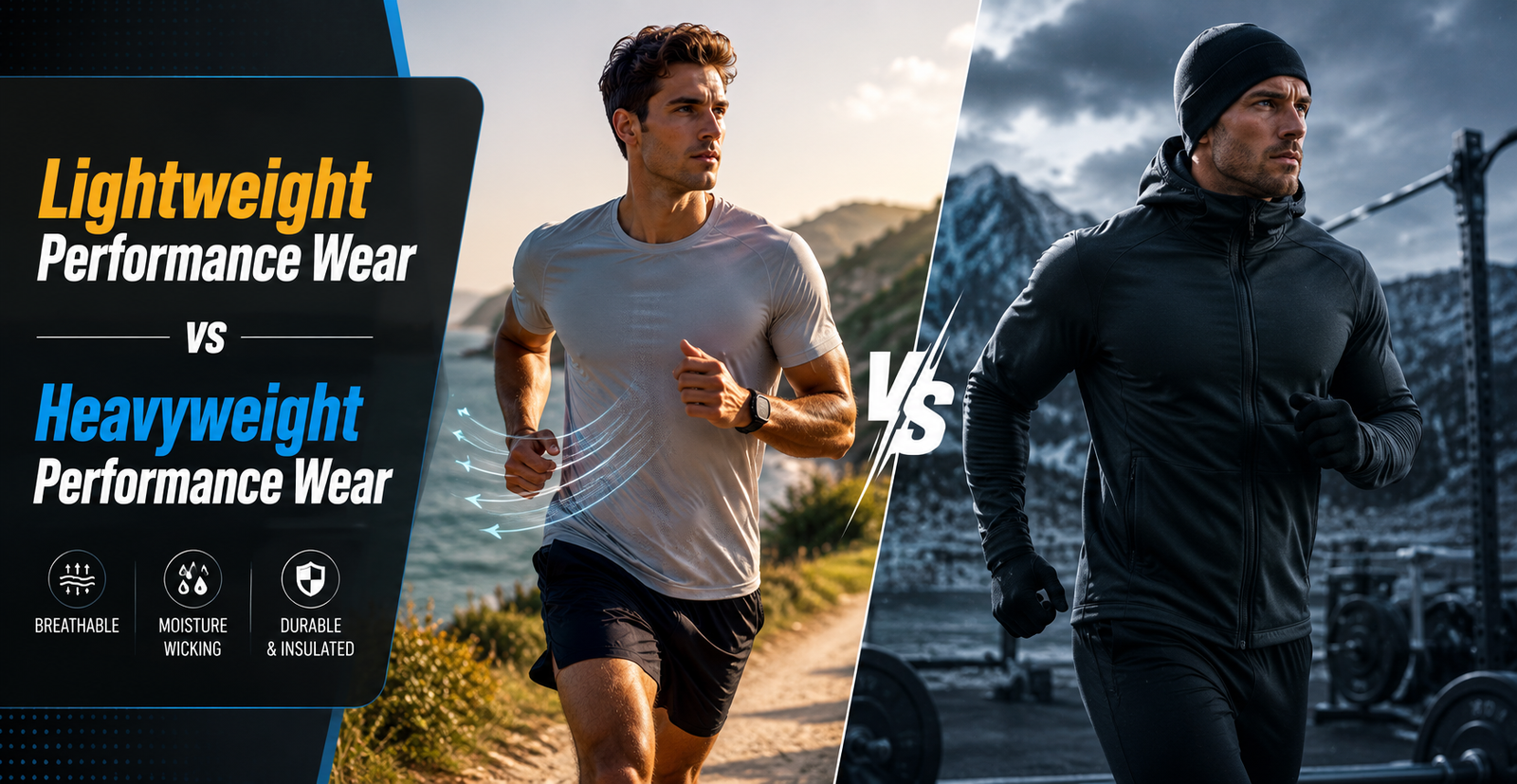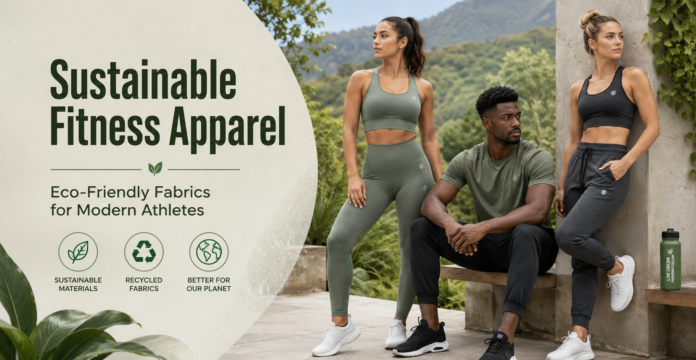
Sustainable fitness apparel is becoming more important because athletes now want clothing that feels good, performs well, and supports better choices for the planet. Modern gym wear is no longer only about stretch, sweat control, or a stylish fit. People also care about how the fabric is made, how long the garment lasts, and whether it creates less waste after repeated use. This is why sustainable fitness apparel has become a smart option for athletes, fitness brands, gyms, sports teams, and everyday active people. A good workout outfit should help the body move freely, stay comfortable during sweat, and still hold its shape after many washes. At the same time, it should be made with thoughtful fabrics and better production methods. Sustainable fitness apparel does not mean weak, boring, or less technical clothing. It means active clothing that balances comfort, strength, performance, and responsibility in a practical way.
What Sustainable Fitness Apparel Means
Sustainable fitness apparel means workout clothing made with lower-impact fabrics, longer-lasting construction, and smarter design choices. It may include recycled polyester, organic cotton, bamboo blends, TENCEL-style fibers, recycled nylon, or durable cotton blends. The main goal is to reduce waste while still giving athletes clothing that works during training. For example, a gym top should manage sweat, a jogger should allow movement, and a training shirt should stay soft after many uses. Sustainable fitness apparel also focuses on quality stitching, strong seams, and fabrics that do not lose shape quickly. This matters because the most eco-friendly garment is often the one people can wear for a long time. When clothing lasts longer, customers buy fewer replacements, and brands reduce unnecessary production. For modern athletes, this makes sustainable fitness apparel a better mix of comfort, function, and responsible buying.
Sustainable Fitness Apparel for Everyday Training
Sustainable fitness apparel is useful for many types of workouts, including gym training, running, yoga, stretching, weightlifting, and outdoor exercise. Athletes need clothing that keeps up with their routine without feeling heavy or rough on the skin. A simple training wardrobe may include breathable tees, flexible joggers, supportive leggings, stringers, hoodies, and compression tops. Brands can build these products with better fabric choices while still keeping the look clean and modern. For example, fitness brands can explore Eco Jersey’s fitness apparel collection when planning workout clothing that fits active use and brand needs. This type of category helps buyers see how different gym products can work together in one activewear range. Sustainable fitness apparel works best when each item has a clear purpose, such as airflow, stretch, coverage, support, or comfort during long training sessions.
Why Fabric Choice Matters Most
Fabric is the heart of sustainable fitness apparel because it controls how the garment feels, moves, breathes, and lasts. If the fabric is too thick, the athlete may overheat. If it is too weak, the garment may tear or stretch out quickly. If it traps sweat, the wearer may feel sticky and uncomfortable. Good sustainable fitness apparel uses fabrics that match the activity. Recycled polyester can be useful for quick-dry training shirts because it handles moisture well and supports performance. Organic cotton blends can feel softer for light workouts, warmups, and casual gym wear. Bamboo and cellulosic blends may offer a smooth hand feel for low-impact exercise. Recycled nylon can work well in leggings and fitted pieces that need stretch and shape recovery. The best choice depends on the product, the workout, and the customer’s comfort needs.
Recycled Polyester for Performance Wear
Recycled polyester is one of the most common fabrics used in sustainable fitness apparel because it gives performance benefits while using existing plastic-based material. It can be made into lightweight, quick-dry, and durable fabrics for gym tops, training shirts, and performance layers. Athletes like it because it does not usually feel heavy when wet, and it can help move sweat away from the body. It also works well with elastane when stretch is needed. For gym-focused products, items like compression t-shirts can show how close-fitting activewear supports movement, body shape, and workout comfort. However, recycled polyester still needs careful fabric finishing and good garment construction. Sustainable fitness apparel is not only about using recycled yarn. It is also about making sure the product performs well, lasts longer, and avoids becoming waste too quickly.
Organic Cotton and Natural Blends
Organic cotton and natural blends are helpful for sustainable fitness apparel when softness, breathability, and comfort are the main goals. Cotton is not always the best choice for high-sweat training because it can hold moisture, but it is excellent for warmups, stretching, walking, casual gym wear, and recovery outfits. Organic cotton can feel gentle on the skin, which is useful for people who dislike synthetic fabric against the body. When cotton is blended with recycled polyester, modal, bamboo, or elastane, the fabric can become more flexible and practical. This balance helps brands create clothing that feels natural but still supports movement. Sustainable fitness apparel often works best when natural comfort and technical performance are combined. A soft oversized tee, breathable jogger, or relaxed training top can still be part of an eco-friendly active wardrobe when the fabric and stitching are chosen carefully.
Fit, Stretch, and Comfort During Movement
Fit is just as important as fabric in sustainable fitness apparel because athletes need clothing that moves with the body. A shirt that pulls at the shoulders, leggings that slip down, or joggers that feel tight at the knees can ruin the workout experience. Stretch helps the garment support squats, lunges, running, lifting, and stretching without discomfort. However, too much stretch without recovery can make the garment lose shape. This is why elastane blends are often used carefully. Sustainable fitness apparel should offer enough stretch for movement but also enough structure to stay in place. The right fit depends on the product. Compression wear should feel supportive but not painful. Relaxed tees should feel roomy but not sloppy. Joggers should allow movement without extra bulk. A good fit makes eco-friendly gym clothing more useful, more wearable, and more likely to stay in a customer’s wardrobe.
Key Features to Look For
When choosing sustainable fitness apparel, buyers should look at the full garment, not only the fabric name.
- Choose breathable fabrics that help the body stay cooler during training.
- Pick stretch fabrics that move without losing shape after use.
- Look for strong seams because workouts put pressure on clothing.
- Select quick-dry materials for sweaty gym sessions and cardio.
- Use soft fabrics for warmups, recovery wear, and daily comfort.
- Avoid weak garments that look good once but fail after washing.
- Check whether the fabric suits the real activity, not only the trend.
- Choose simple designs that customers can wear many times.
- Prefer durable pieces because longer use means less waste.
- Match fabric weight with the season, workout, and target customer.
Style Still Matters in Eco-Friendly Activewear
Sustainable fitness apparel should not look plain or outdated. Modern athletes want clothing that performs in the gym and still looks good outside it. This is why style matters. A customer may wear a stringer during weight training, joggers during travel, or a drop-shoulder tee after a workout. If the garment looks better, people wear it more often, which supports the idea of longer use. For example, gym brands can study products like graphics stringers when planning bold fitness tops with strong visual appeal and training comfort. Sustainable fitness apparel becomes more successful when design, branding, fit, and fabric all work together. The goal is not just to make eco-friendly clothing. The goal is to make clothing people actually enjoy wearing again and again.
Durability Makes Apparel More Sustainable
Durability is one of the most practical parts of sustainable fitness apparel. A garment made from recycled or organic fabric is not truly useful if it falls apart quickly. Athletes wash gym clothing often because sweat, odor, and daily training create heavy use. This means the fabric, seams, waistband, cuffs, printing, and labels must handle repeated washing. Strong stitching helps prevent seam breakage. Good fabric recovery helps leggings and fitted tops hold shape. Quality printing helps graphics stay clean for longer. A durable garment can also protect the brand’s reputation because customers remember clothing that lasts. Sustainable fitness apparel should be tested for real use, not only showroom appearance. If a product survives hard training, regular washing, and daily wear, it creates better value for the buyer and less waste over time.
Best Uses for Sustainable Fitness Apparel
Sustainable fitness apparel can be used across many product types, but each item should be made for its real purpose. For high-sweat workouts, recycled polyester or recycled nylon blends may work better because they dry faster and feel lighter. For yoga, stretching, and light movement, soft natural blends can feel more comfortable. For weight training, athletes may prefer flexible tops, breathable stringers, or fitted compression layers. For casual activewear, oversized tees, joggers, and hoodies can give comfort without looking too technical. Sustainable fitness apparel also works well for private-label brands that want a clear identity. A brand can build a full collection around eco-friendly fabrics, clean designs, neutral colors, and long-lasting comfort. The key is to avoid random fabric choices. Each garment should solve a real problem for the athlete.
Conclusion
Sustainable fitness apparel is a smart choice for modern athletes because it brings together comfort, movement, durability, and better fabric decisions. It helps people train with clothing that feels good while also reducing waste through longer-lasting design. The best eco-friendly workout clothing should not only sound sustainable on a label. It should breathe well, stretch properly, wash easily, and stay useful after many workouts. Brands should choose fabrics based on the activity, not only based on trends. Recycled polyester, organic cotton blends, recycled nylon, bamboo blends, and soft cellulosic fabrics can all work when used for the right product. In the end, sustainable fitness apparel is better when it is simple, strong, comfortable, and made for real athletes who need clothing they can trust every day.
FAQs
What is sustainable fitness apparel?
Sustainable fitness apparel is workout clothing made with better fabric choices, longer-lasting construction, and lower-waste design. It may use recycled, organic, or responsibly sourced materials while still supporting comfort, movement, and performance.
Is sustainable fitness apparel good for gym workouts?
Yes, sustainable fitness apparel can be very good for gym workouts when the fabric matches the activity. Quick-dry recycled polyester, stretch blends, and breathable fabrics can support lifting, cardio, yoga, and daily training.
Which fabric is best for eco-friendly fitness clothing?
There is no single best fabric for every workout. Recycled polyester is useful for sweat control, organic cotton is good for softness, recycled nylon works well for stretch, and natural blends are helpful for comfort-focused activewear.
Does sustainable fitness apparel last long?
Sustainable fitness apparel can last long when it uses strong stitching, quality fabric, good stretch recovery, and proper washing care. Durability is important because clothing that lasts longer creates less waste.