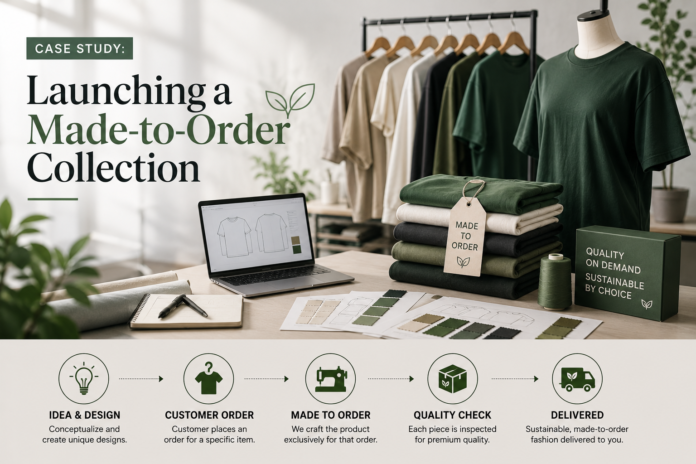
Launching a made-to-order collection sounds exciting. However, for many brands, the reality of turning that idea into physical garments feels overwhelming. Where do you start? What does the production process actually look like? And what decisions make or break the launch?
This case study walks through a realistic, step-by-step example of how a small fashion brand successfully launched a made-to-order collection — from the very first design conversation to the final delivery.
The Brand: Starting from Scratch
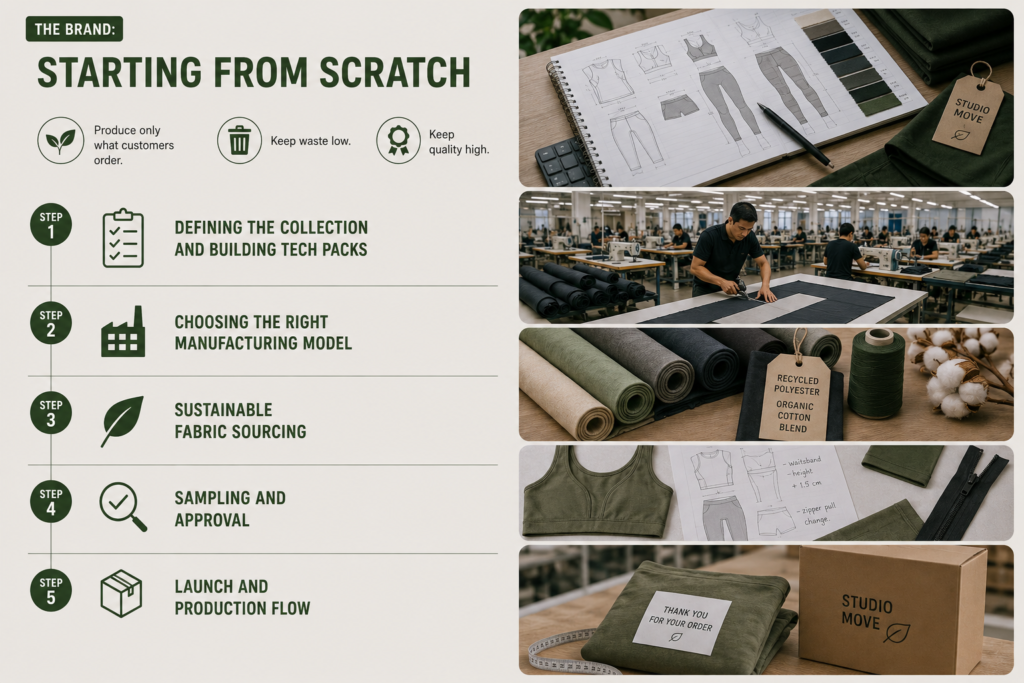
Meet a small activewear brand — let us call them Studio Move. They had a clear vision: a six-piece performance collection built around sustainable fabrics, flexible sizing, and zero excess inventory. They did not want to produce 500 units upfront and gamble on what would sell. Instead, they chose to launch a made-to-order apparel model from day one.
Their goal was simple. Produce only what customers order. Keep waste low. Keep quality high.
Step 1 — Defining the Collection and Building Tech Packs
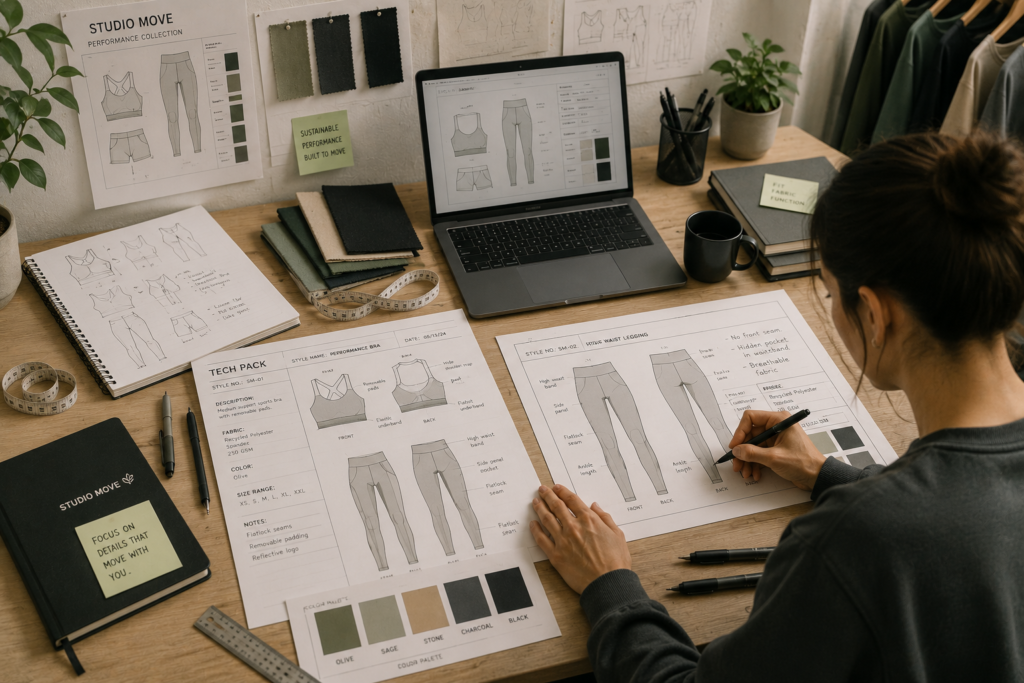
Before anything went into production, Studio Move spent three weeks nailing down their specifications. They worked with a manufacturer to develop detailed tech packs for all six styles — covering measurements, fabric choices, stitching types, and branding details.
This step turned out to be the most valuable part of the entire process. Because they had clear specs from the start, every later stage moved faster and with far fewer revisions. A thorough tech pack eliminates guesswork on the factory floor and protects the brand from costly sampling errors.
Additionally, they connected their sizing specs with proper fit development to ensure the collection worked across XS through XXL — not just in their hero size.
Step 2 — Choosing the Right Manufacturing Model
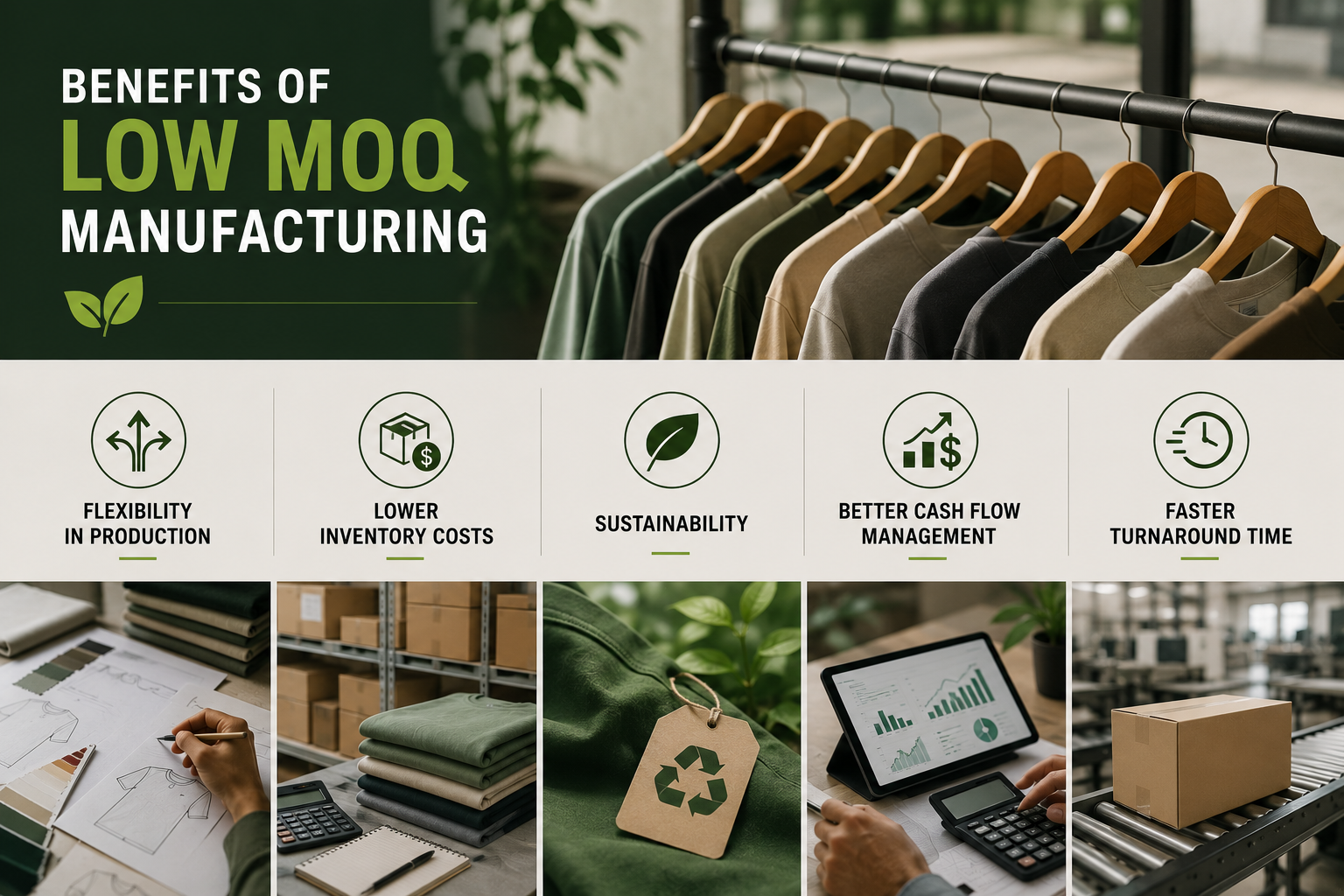
Studio Move considered a few different production models before committing. They looked at bulk production, but the minimum quantities felt too risky for a first launch. They explored low MOQ clothing manufacturing, which gave them the flexibility to produce small runs without inflating per-unit costs.
Furthermore, they structured their agreement as a contract clothing manufacturing arrangement. This meant the factory committed to producing each style on demand, within a fixed lead time, at agreed pricing. That structure gave the brand predictability — which is essential when you are promising customers a specific delivery window.
[Image Placement: A production floor showing fabric being cut and sewn into activewear garments with workers at sewing machines] Alt Text: Garment factory production floor during made-to-order collection manufacturing with fabric cutting and sewing in progress
Step 3 — Sustainable Fabric Sourcing
One of Studio Move’s non-negotiables was sustainability. They chose recycled polyester for their performance pieces and organic cotton blends for their lifestyle styles. Working with a sustainable apparel manufacturer made this straightforward, because the factory already had relationships with certified fabric suppliers.
Moreover, because they were producing made-to-order, they only purchased fabric after orders came in. As a result, they had virtually no leftover fabric at the end of the launch window — a significant win for both their sustainability goals and their cash flow.
Step 4 — Sampling and Approval
Once the tech packs were approved, the factory produced one sample per style. Studio Move reviewed each sample carefully against their specifications. They checked measurements, fabric feel, stitching quality, label placement, and overall finish.
Two styles needed minor adjustments — one needed the waistband height increased by 1.5 cm, and another needed a different zipper pull. Both changes went back into the tech pack. Consequently, when bulk production started, those corrections were already locked in.
This is why sampling matters so much. It is far cheaper to fix a problem on one sample than to discover it across fifty finished units.
Step 5 — Launch and Production Flow
Studio Move opened their pre-order window for two weeks. Orders came in steadily — not in a single rush, but in a manageable flow. Because they had structured their production as FPP apparel manufacturing — where the factory handled full package production including fabric sourcing, cutting, sewing, finishing, and packaging — the brand did not need to manage multiple suppliers or logistics chains.
Orders batched together every few days and went into production. Within four weeks of the pre-order window closing, all orders shipped.
What Worked — Key Takeaways
Here is what made this launch successful:
- Strong tech packs from the beginning: Every production decision flowed from clear, complete specs. Without them, the sampling stage would have taken twice as long and cost significantly more.
- Choosing the right production partner: Working with a manufacturer experienced in demand-driven, flexible production made it possible to batch orders efficiently and hit delivery windows consistently. Brands that try to force a bulk-focused factory into a made-to-order workflow often run into problems with minimum quantities and rigid scheduling.
Final Thoughts
Launching a made-to-order collection is absolutely achievable — even for a small or first-time brand. However, success depends on preparation. Solid tech packs, the right manufacturing partner, and a clear production structure make all the difference.
The brands that struggle with made-to-order launches are usually the ones who skip the foundational steps and jump straight to production. The brands that succeed take their time upfront, get their specs right, and then let the manufacturing process do its job.
FAQs
What is a made-to-order collection launch?
A made-to-order collection launch means a brand accepts orders first and then produces garments only after those orders are confirmed — eliminating unsold inventory and reducing upfront financial risk.
How long does it take to launch a made-to-order collection?
From tech pack development to first delivery, most small collections take between eight and fourteen weeks — depending on sampling rounds, fabric sourcing, and order volume.
Do I need a large budget to launch a made-to-order collection?
Not necessarily. Made-to-order is actually one of the more accessible launch models because you do not need to finance large upfront inventory. You produce what you sell.
What is the biggest mistake brands make when launching made-to-order?
Skipping or rushing the tech pack stage. Incomplete specs cause sampling delays, production errors, and costly rework — all of which push back your delivery dates.
Can made-to-order work for activewear and performance garments?
Absolutely. Made-to-order works well across all garment categories, including activewear, where fit precision and fabric performance specs are especially important to get right from the start.