Construction sites are busy places with moving tools, heavy materials, vehicles, dust, noise, and changing weather. Workers need clothing that protects them without slowing them down. Good construction workwear features help people stay visible, move freely, carry tools, and remain comfortable during long shifts. These construction workwear features also support better focus because workers do not need to keep fixing loose clothing or searching for small items. When a company chooses the right construction workwear range, it can build a safer and more organized team. The best construction workwear features are practical, strong, easy to wear, and suited to the real needs of the job.
Construction Workwear Features That Improve Visibility
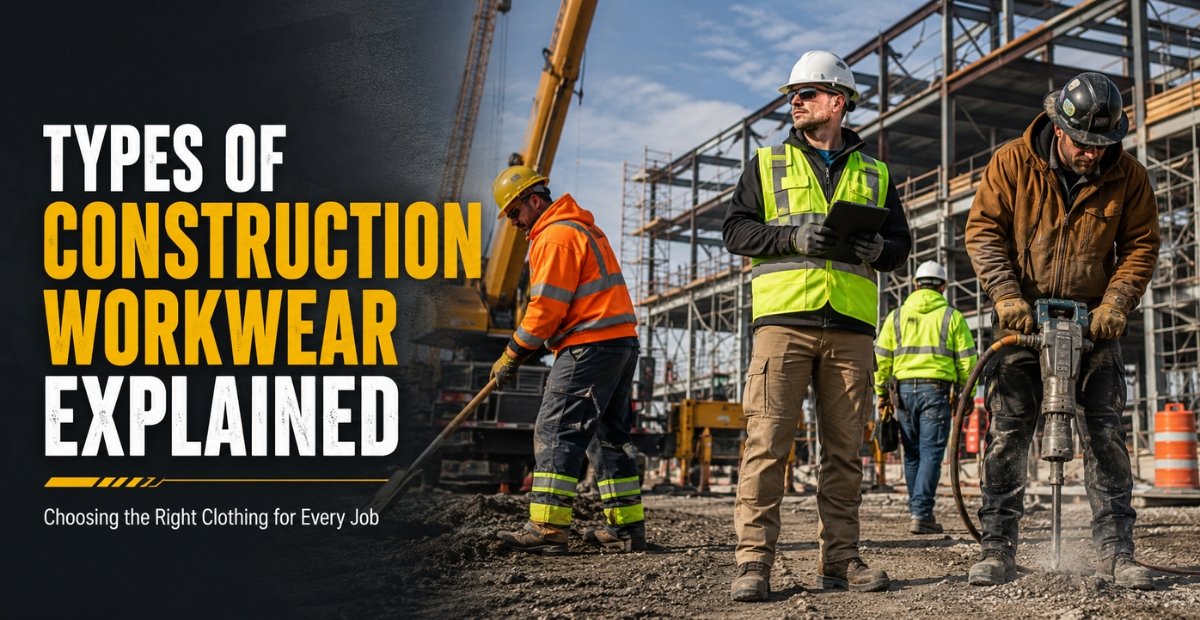
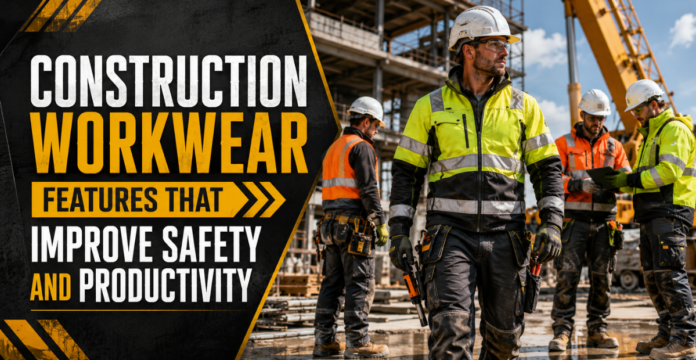
Visibility is one of the most important construction workwear features, especially near roads, cranes, trucks, or low-light areas. Bright colors help workers stand out during the day, while reflective tape returns light from vehicle lamps at night. A well-designed safety vest for construction wear can cover the chest, shoulders, waist, and back so the worker can be seen from several directions. These construction workwear features are useful during early morning work, evening shifts, fog, rain, or dusty conditions. Clear visibility also helps machine operators notice workers sooner. For this reason, construction workwear features should match the work area, lighting level, traffic risk, and worker position.
Strong Fabrics for Demanding Daily Work
Construction clothing comes into contact with rough and sharp surfaces and materials. It can also get dirty and be subjected to repeated washing. One of the features of workwear for construction is strong fabric. Cotton blends are comfortable, but polyester blends are stronger and more durable, hold their shape, and dry faster. When more resistance is needed, construction workwear features like heavy duty twill, ripstop, and coated fabrics can be used. These construction workwear features can also reduce the early tearing of garments in the knees, elbows, seat, and pocket areas. A garment that does not wear out and need to be replaced often is also more economical.
Reinforced Areas That Prevent Early Damage
Some areas of work clothing become damaged faster than others. Damage can occur in the knees, elbows and pocket regions due to contact with surfaces and tools. Reinforcement is one of the construction workwear features that increases the life of garments. More fabric, stronger thread, and bar tacks can all be used to reinforce peices of construction workwear. These construction workwear features can also prevent small tears from becoming larger holes. For navigating around knee damage, companies can use reinforced kneepads, and for increased safety and comfort, a strong pocket corner can hold a heavier load.
Flexible Fit for Safer Movement
With constant bending, reaching, lifting, and climbing, work can take a toll on the body and, if not properly dressed, can create potential hazards. Considering that construction workwear is important for productivity, a good workwear pattern provides a close fit with room around the shoulders, seat, hips, and knees. Stretch fabric, shaped knees, gussets, and elastic can be used to improve movement and help with fitting.
Key Construction Workwear Features Workers Need
- High-visibility colors help workers stand out in busy areas.
- Reflective tape improves visibility in low light and bad weather.
- Reinforced knees and elbows protect high-wear areas.
- Strong seams reduce the risk of sudden tearing.
- Useful pockets keep small tools close and organized.
- Stretch zones support bending, climbing, and lifting.
- Weather-resistant layers help block wind and light rain.
- Breathable fabric reduces heat and discomfort.
- Secure cuffs and closures prevent loose fabric from catching.
- Easy-care materials support clean and professional uniforms.
Useful Pockets That Save Time
Pockets are not a construction workwear afterthought. The right pockets will make the difference between an outfit that helps improve productivity and an outfit that slows you down. Workers carry phones and tools. The right pocket arrangement can decrease both weight and imbalance while optimizing access to these items. A good construction workwear pocket arrangement will include deep, secure, closure pockets, zipper pockets, tool loops, or perhaps even a ruler pocket. These construction workwear features will help reduce the time a worker spends hunting for tools. Pockets, like all construction workwear, should adjust and remain closed during normal use and activity.
Weather Protection Without Too Much Bulk
Outdoor construction work continues through wind, cold, light rain, and sudden temperature changes. Weather protection is therefore among the most valuable construction workwear features. A good outer layer can block wind and moisture while still allowing the worker to move. A practical construction work jacket may include insulation, a coated outer shell, reflective details, and an adjustable hood. These construction workwear features can help workers stay warm and visible without wearing several heavy layers. The right jacket should suit the local climate and the activity level. Too much insulation may cause sweating, while too little protection can reduce comfort, focus, and work speed.
Breathability and Comfort During Long Shifts
Comfort is not just about how good you feel. Comfort can affect your attention, how much energy you have, and the quality of your work. Adding breathable fabrics is good construction workwear because it helps your body release sweat and moisture. Adding vent panels, lighter inner fabrics, smooth seams, and waistbands can help your long shifts. These features can help construction workers who work in the summer, on indoor projects, and on projects that cause you to sweat a lot. Your clothing should not have tight edges, rough labels, or seams that aren’t smooth because they can rubbed on your skin.
Secure Closures, Easy Care, and Team Identity
Construction workwear that has loose fabric, open cuffs, and weak zippers can be dangerous because they can snag on tools or other equipment. Getting closures to snug up fabric helps control clothing. Some features that can help construction workwear become more safe and more fitted are strong zippers, covered snaps, adjustable cuffs, and elastic waists with short, secured drawcords. Easy-care fabrics are useful construction workwear features because work clothing becomes dirty quickly. Construction workwear should help teams look clean because they are washing materials that dry quickly and retain their shape.
Conclusion
The optimal construction clothing must prioritize safety, comfort, strength, and ease of daily use. Some important features of construction workwear include high visibility, reflective details, reinforced areas, flexibility of fit, and pockets of utility. The construction workwear features listed can aid confidence movement, tool retrieval, comfort, and visibility. Attorney clothing damage is also mitigated, as is maintaining a more professional appearance. Every construction site presents a unique set of hazards, so users must select construction workwear features based on the specific tasks, climate, lighting, and movement needs.
FAQs
What are the most important construction workwear features?
The most important features include high visibility, strong fabric, reinforced areas, useful pockets, flexible fitting, and weather protection. The right features depend on the worker’s job and work environment.
How does construction workwear improve productivity?
Comfortable and practical clothing allows workers to move easily and keep small tools close. Workers spend less time adjusting clothing, searching for equipment, or taking unnecessary breaks.
Why is reflective tape important on construction clothing?
Reflective tape makes workers easier to see when light shines on them. It is especially useful during night work, early morning shifts, bad weather, and roadside construction.