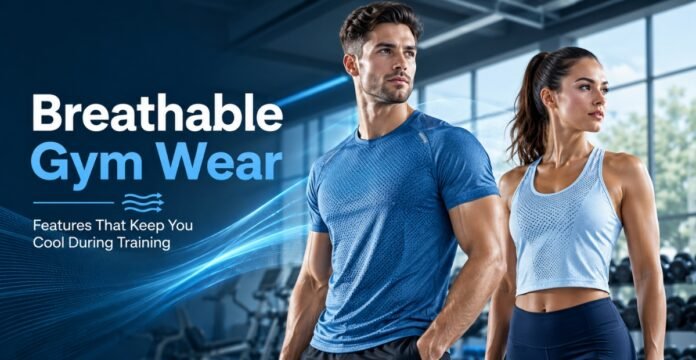
Breathable gym wear uses a fabric technology system that helps heat and moisture escape from your body during a workout. This type of gym wear does not prevent sweating since your body cools itself through sweating. Instead, it helps you manage your sweat and allows your body to release heat. This helps eliminate the annoying feeling of damp clothes. A good example of this type of gym wear is light and flexible (meaning it moves with your body), dries quickly, and helps you stay comfortable during the various workouts you may do. If all of these elements are combined, you can focus on your workout and not on the irritation of wet clothes.
Why Your Body Gets Hot During Exercise
When you work out, the muscles in your body actually create heat and cause you to sweat to control the temperature of your body. When gym clothes trap this heat and moisture, it starts to cling and get uncomfortable. Breathable gym wear offers more options for heat and moisture to escape. But, this type of gym wear cannot help prevent you from getting overheated. This type of gym wear is meant to help the body cool itself and is not to be a replacement for your regular cooling habits of drinking water and taking breaks.
Breathable Gym Wear Starts With the Right Fabric
The fabric has the biggest effect on how breathable gym wear feels. Lightweight polyester, nylon, modal blends, and fine cotton blends can allow useful airflow when they have a thin or open structure. Fabric weight also matters because thick material usually holds more heat than lighter material. The knit should have enough small spaces between its yarns to let air pass through. Many gym wear options also contain stretch fibers, helping clothes move with the body without becoming loose or baggy. The best breathable gym wear balances airflow, softness, strength, and enough stretch for the planned activity.
Moisture-Wicking and Quick-Dry Performance
Fabric that is made to assist in the drying process pulls moisture away from the skin and disperses it over a larger area. When air comes into contact with the larger surface area, drier moisture is pulled away. Gym wear can be made with fabrics that are both quick-drying and moisture-wicking, but they are not synonymous. Certain fabrics can assist in the wicking of moisture and drying, but can also be made such that they are thick and opaque. Durable gym wear aids in the drying process of wicking sweat without compromising stiffness and opacity. This can be particularly beneficial for cardio and circuit training, as well as cycling.
Mesh Panels and Ventilation Zones
Mesh panels add extra airflow in areas that often become hot, including the back, chest, sides, and underarms. A well-designed breathable gym tank top may use open mesh or lighter fabric in these areas while keeping stronger material around its shoulders and seams. This allows breathable gym wear to feel cooler without making the whole garment weak. Ventilation zones should be placed carefully so they do not rub or irritate the skin. Breathable gym wear with poorly placed mesh may stretch too much or lose its shape. Smart panel placement supports airflow while helping the garment survive regular training and washing.
Fit, Stretch, and Freedom of Movement
The fit of the garment influences airflow around your body. Fabric that has poor moisture management and a very tight fit can feel hot. On the other hand, very loose clothing may be distracting. Breathable gym wear should fit close to the body but not be tight or restrict movement. Stretch is important for the clothing to be used for exercises that require a large range of motion in multiple directions like squats, lunges, and floor exercises. Stretch needs to be coupled with recovery (the fabric returning to its original state after being stretched). A fit that is athletic and balanced has enough room for airflow but keeps the areas like the sleeves, waistbands, and hems secure and in place.
Seams, Gussets, and Garment Construction
Fabric alone cannot make breathable gym wear comfortable. The construction of gym wear also affects heat, movement, and skin rubbing. Flat seams also help reduce the thick ridges that press against the body during repeated movements. Gussets help improve construction of areas that experience a lot of movements. Gussets can reduce the pulling of inner legs and underarms. Breathable gym wear also should have as few layers as possible, especially in areas most affected by sweat. Care should be taken that reinforced stitching does not create a heavy, stiff section. Breathable gym wear with construction that is clean and flexible can allow the garment to keep cool, strong, and comfortable during demanding workouts.
Key Features to Check Before Buying
- Choose breathable gym wear made with lightweight fabric that does not feel heavy before training.
- Look for moisture-wicking material that moves sweat away from your skin.
- Check for quick-dry performance so the garment does not remain wet for a long time.
- Select mesh panels or ventilation zones in areas that normally become hot.
- Make sure the breathable gym wear stretches without becoming thin or losing its shape.
- Check flat seams, smooth waistbands, and soft edges to reduce rubbing.
- Choose breathable gym wear that supports movement without squeezing your body.
- Read the care label because correct washing helps performance features last longer.
Choosing Tops and Bottoms for Different Workouts
Different activities need different types of breathable gym wear. Sleeveless tops and lightweight T-shirts work well for strength training because they allow the shoulders and arms to move freely. Fitted base layers can help manage sweat, while relaxed tops may provide more airflow during low-impact exercise. Shorts often feel cooler in warm gyms, while lightweight joggers provide additional coverage. A women’s compression shirt can work as a close-fitting layer when its fabric controls sweat properly. The right breathable gym wear should match your workout, local climate, personal comfort, and preferred level of body coverage.
Washing and Caring for Performance Fabrics
To preserve softness, stretch, and moisture control of breathable gym wear, proper care is key. Stinky, sweaty apparel should never be left in a tightly closed gym bag for too long. To keep gym wear in good condition, be sure to wash with cool or warm water and consider the care label, using as little detergent and no fabric softener as possible. It may be a good idea to wash gym wear inside out to preserve the outside, as well as any prints. Air-drying is good to keep gym wear in good condition, but be sure to follow any care directions. Keeping breathable gym wear clean helps it feel fresh and keeps odor from becoming a problem.
Conclusion
Breathable gym wear makes comfortable training possible by using airflow, moisture control, quick drying, flexible fits, ventilation zones, and seamless construction. None of these features functions independently. The fabric must correspond with the design and the design with the activity. When you shop for breathable activewear, assess the fabric, thickness, stretch, seams, and think about where you sweat. Breathable gym wear does not make exercise easy, but it can help control heat, moisture, and the friction that causes the most distraction. This means you can train comfortably, focused, and confidently.
FAQs
What Is Breathable Gym Wear?
Breathable gym wear is workout clothing designed to let heat and damp air escape. It normally uses lightweight, moisture-managing fabrics, mesh sections, or ventilation zones to improve comfort during exercise.
Does Breathable Gym Wear Stop Sweating?
No, breathable gym wear does not stop your body from sweating. It helps move moisture away from your skin and allows it to dry faster, reducing the wet and sticky feeling during training.
Which Fabric Is Best for Breathable Gym Wear?
Lightweight polyester, nylon, modal blends, and performance fabric blends can work well. The best choice depends on the fabric’s weight, knit structure, moisture control, stretch, and intended workout.