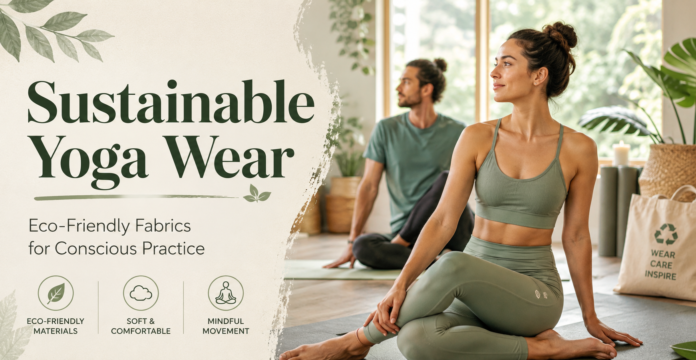
Yoga is not only about exercise. It is also about balance, breathing, calm thinking, and respect for the body. That is why many people now choose sustainable yoga wear instead of regular workout clothes. Sustainable yoga wear is made with better fabric choices, cleaner production ideas, and designs that support comfort without creating unnecessary waste. When you wear clothing that feels soft, stretches well, and is made with care, your practice becomes more peaceful and focused. Good yoga clothing should not distract you during bending, stretching, sitting, or deep breathing. It should move with your body and feel easy on your skin. Sustainable yoga wear also helps people think about where their clothes come from, how long they will last, and how they affect the planet. For a conscious yoga practice, the right outfit is not only about looking good. It is about feeling good, moving freely, and making a smarter choice for everyday wellness.
What Is Sustainable Yoga Wear?
Sustainable yoga wear means yoga clothing made with eco-friendly fabrics, responsible materials, and durable construction. It can include leggings, shorts, sports bras, crop tops, tank tops, and relaxed yoga pants that are designed for comfort and movement. The main goal of sustainable yoga wear is to reduce harm while still giving the wearer strong performance. This type of clothing often uses materials like organic cotton, recycled polyester, bamboo blends, TENCEL, modal, hemp, or recycled nylon. These fabrics are chosen because they can reduce waste, use fewer harmful chemicals, or last longer than cheap fast-fashion fabrics. Sustainable yoga wear also focuses on fit, breathability, sweat control, and softness, because yoga requires clothing that supports gentle movement as well as active flow. A person may wear it for morning yoga, stretching, meditation, Pilates, walking, or even casual daily outfits. In simple words, sustainable yoga wear is clothing that respects your body, your movement, and the environment at the same time.
Sustainable Yoga Wear Fabrics for Better Comfort
The best sustainable yoga wear starts with the right fabric. Yoga clothing needs stretch, softness, and breathability because the body moves in many directions during practice. Organic cotton feels natural and gentle, but it may hold moisture longer than performance blends. Recycled polyester can help reduce plastic waste while giving better drying speed and shape recovery. Bamboo-based fabrics can feel smooth and breathable, making them useful for relaxed yoga and light movement. TENCEL and modal are also popular because they feel soft, drape well, and support comfort in warm conditions. For people who want broader performance clothing, Eco Jersey’s activewear catalog shows how movement-friendly clothing can be built for comfort, stretch, and daily use. Sustainable yoga wear should not feel rough, heavy, or tight in the wrong areas. A good fabric should allow the skin to breathe, help the body stay comfortable, and return to shape after stretching. When fabric quality is better, the clothing lasts longer, which also makes it a more sustainable choice.
Why Eco-Friendly Fabrics Are Better for Yoga Practice
Eco-friendly fabrics are better for yoga practice because they support comfort and reduce unnecessary waste. During yoga, the body needs freedom, and the mind needs calm. If your clothing feels itchy, hot, stiff, or too tight, it becomes hard to focus. Sustainable yoga wear made from better fabric can help solve this problem. These fabrics are usually selected to feel softer on the skin and perform better during slow or active movements. Eco-friendly materials can also support cleaner fashion habits because they encourage people to buy fewer but better pieces. Instead of replacing cheap leggings after a few washes, a strong sustainable pair can stay useful for a longer time. This matters because clothing waste is a real issue in modern fashion. Yoga teaches awareness, and sustainable yoga wear fits that idea perfectly. It reminds us that every small choice has an effect. Choosing eco-friendly yoga clothing is not about being perfect. It is about choosing better when possible, caring for what you own, and building a wardrobe that feels good for both body and mind.
Stretch, Fit, and Movement in Sustainable Yoga Wear
Stretch is one of the most important features in sustainable yoga wear. Yoga includes poses like lunges, forward folds, twists, downward dog, warrior pose, and seated stretches. If the fabric does not stretch properly, it can pull, feel tight, or lose shape. A good yoga garment should stretch with the body and recover after movement. This means leggings should not become loose at the knees, waistbands should not roll down, and tops should not restrict the shoulders. Eco-friendly fabrics can be blended with elastane or spandex to improve flexibility. The goal is not to make the clothing overly tight, but to make it supportive and easy to move in. Many people also like relaxed silhouettes for slower yoga styles, especially when comfort is more important than compression. Eco Jersey’s yoga wear catalog is a relevant example of how yoga-focused apparel can include flexible pieces for different practice needs. Sustainable yoga wear works best when the fit matches the activity, the body shape, and the comfort level of the wearer.
Breathability and Sweat Control During Yoga
Breathability is very important in sustainable yoga wear because yoga can be calm or physically challenging depending on the style. In slow yoga, you may need soft fabric that feels easy while sitting or stretching. In hot yoga, power yoga, or long practice sessions, you may need clothing that can handle sweat better. Breathable fabrics allow air to move through the garment, which helps the body feel cooler. Moisture-control fabrics help pull sweat away from the skin, which reduces discomfort and stickiness. Cotton can feel comfortable at first, but it may become heavy when wet. Recycled polyester blends can dry faster, while TENCEL and modal blends can feel smooth and cool. Sustainable yoga wear should balance natural comfort with performance. The best choice depends on the type of yoga you practice. If you sweat a lot, choose lighter fabric and better moisture control. If you practice gentle yoga, choose softness and relaxed comfort. A breathable outfit helps you stay focused on breathing, balance, and movement instead of worrying about heat or sweat.
Key Features to Look for in Sustainable Yoga Wear
When buying sustainable yoga wear, choose pieces that are comfortable, useful, and made to last. Look for soft eco-friendly fabrics that feel smooth on the skin. Choose four-way stretch so the clothing moves with your body. Pick breathable material if you practice active yoga or sweat easily. Select strong seams so the garment does not tear during stretching. Choose a waistband that stays in place without digging into the skin. Look for opaque fabric so leggings are not see-through during bending. Pick moisture-wicking fabric for hot yoga or intense sessions. Select versatile colors if you want to wear the outfit outside the yoga studio too. Choose durable clothing instead of very cheap pieces that lose shape quickly. Buy sustainable yoga wear that fits your real practice, not only what looks good in pictures.
Choosing Yoga Bottoms: Leggings, Shorts, and Wide-Leg Pants
Yoga bottoms should feel secure, flexible, and comfortable in every pose. Leggings are popular because they stay close to the body and reduce extra fabric movement. They are useful for active yoga, Pilates, gym stretching, and everyday wear. Yoga shorts are better for warm weather, hot yoga, or people who prefer lighter clothing. Wide-leg yoga pants are excellent for relaxed practice, meditation, travel, and casual comfort. The best sustainable yoga wear bottom depends on how you move and what makes you feel confident. If you do many standing poses, fitted leggings may feel more stable. If you prefer calm stretching or home practice, loose pants may feel easier. Eco Jersey’s wide-leg yoga pants are a relevant option for people who want relaxed movement, comfort, and a soft yoga-inspired style. Always check the waistband, stretch level, fabric thickness, and opacity before choosing yoga bottoms. Sustainable yoga wear should support your practice without slipping, pulling, or making you feel uncomfortable.
Choosing Yoga Tops and Supportive Pieces
Yoga tops should stay comfortable during stretching, bending, twisting, and breathing. A good top should not ride up too much, feel too tight around the chest, or restrict shoulder movement. Some people prefer fitted crop tops because they stay close to the body during poses. Others prefer loose tops for relaxed yoga or meditation. Sports bras are important for support, especially during active yoga, gym workouts, or fast movement. The right level of support depends on the body and the activity. Light support may work for slow yoga, while medium support is better for flow yoga or training. Sustainable yoga wear tops should also use breathable fabrics because the upper body can heat up quickly during practice. Soft seams are important too, because rough stitching can rub against the skin. A good yoga top should make movement feel simple and natural. It should let you breathe fully, raise your arms easily, and stay comfortable from the first pose to the last resting position.
How to Make Sustainable Yoga Wear Last Longer
Sustainable yoga wear becomes even more eco-friendly when you take care of it properly. Washing clothing too harshly can damage stretch fibers, fade colors, and reduce softness. Use cold or gentle washing when possible, because high heat can weaken elastic materials. Avoid strong bleach because it can harm fabric structure and color. Turn leggings, shorts, and tops inside out before washing to protect the surface. Air drying is often better than high dryer heat because it helps preserve stretch and shape. Do not wash yoga clothes with rough items like jeans, zippers, or towels because they can create friction. Store your yoga wear folded or hanging neatly so it does not stretch in the wrong areas. Sustainable yoga wear is not only about buying eco-friendly clothing. It is also about caring for the clothing so it stays useful for longer. When one item lasts through many practices, fewer items need to be replaced, and that makes your wardrobe more mindful.
Conclusion
Sustainable yoga wear is a smart choice for people who want comfort, better movement, and a more conscious lifestyle. It helps connect your clothing choices with the values of yoga, such as balance, care, awareness, and respect. You do not need to replace your whole wardrobe at once. Start with the pieces you use most, such as leggings, yoga pants, shorts, tops, or sports bras. Choose fabrics that feel soft, stretch well, breathe properly, and last longer. Sustainable yoga wear should make practice easier, not more complicated. It should help you move, breathe, stretch, and relax with confidence. The best choice is the one that fits your body, your practice, your climate, and your daily routine. When you buy carefully and care for each item properly, sustainable yoga wear becomes more than clothing. It becomes part of a mindful practice that supports both personal comfort and better fashion habits.
FAQs
What is sustainable yoga wear?
Sustainable yoga wear is yoga clothing made with eco-friendly fabrics, responsible materials, and durable construction. It is designed to support comfort, stretch, breathability, and conscious buying habits.
Which fabric is best for sustainable yoga wear?
The best fabric depends on your practice. Organic cotton is soft, recycled polyester dries faster, bamboo blends feel smooth, and TENCEL or modal blends offer breathable comfort.
Is sustainable yoga wear good for hot yoga?
Yes, sustainable yoga wear can be good for hot yoga if it uses breathable, lightweight, and moisture-wicking fabric. Avoid heavy cotton if you sweat a lot.
How can I make sustainable yoga wear last longer?
Wash it gently, use cold water, avoid bleach, turn garments inside out, and air dry when possible. Proper care helps protect stretch, color, and softness.