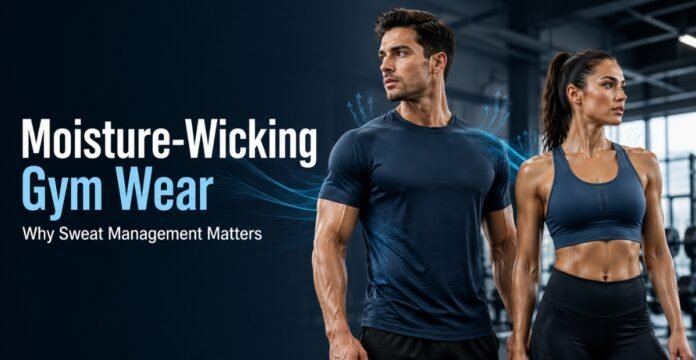
During exercise, the body produces sweat to cool itself. While this is a natural process, having sweat get trapped between the skin and fabric shouldn’t happen. Fabrics that get wet can stick to the skin, causing an increase in discomfort and the feeling of heaviness. Gym wear made of moisture-wicking fabric is able to move the sweat away from the skin to the outside of the fabric. There, sweat can dry quicker. The benefits of moisture-wicking fabric can be felt during any activity, from cycling to running to weight training.
Why Moisture-Wicking Gym Wear Keeps You More Comfortable
Good workout clothing should help you move without making you think about sweat every few minutes. Moisture-wicking gym wear can reduce the damp feeling that often develops around the back, chest, waist, and underarms. It does not stop the body from sweating, but it helps handle moisture after sweat appears. People exploring different activewear options should look at fabric type, airflow, fit, and drying speed together. Well-designed moisture-wicking gym wear feels more useful because it supports comfort from the warm-up to the final set.
How the Moisture-Wicking Process Works
Firstly, liquid moisture is pulled away from the skin by the small pockets that are formed in the fabric. The moisture is then pulled away from the skin and transported to the pockets in the fabric. Air is able to reach the moisture and the fabric quickly dries leaving only a thin layer of moisture. This is usually the case of a fabric that has a large wet patch. Moisture-wicking apparel utilizes many different kinds of synthetic performance fibers. Sometimes the fibers are arranged in a different way. Other times finishing techniques are used. When it comes to apparel, moisture wicking is a performance feature as well. Some fabrics are polyester, but are not moisture whicking.
Why Wet Clothing Can Hurt Workout Comfort
Cotton spills feel soft at the beginning of the workout, but during a workout cotton holds moisture and becomes heavy. This causes the workout to be uncomfortable. The difference in moisture-wicking apparel is that the fabric does not hold moisture, but instead moves it. Additionally, moisture-wicking apparel helps the user keep their focus on the workout as the fabric does not contain large patches of moisture that require constant adjustment.
Better Airflow Makes Sweat Control More Effective
Moisture movement works best when the garment also allows heat and warm air to escape. Mesh panels, open knit zones, sleeveless cuts, and lighter fabrics can improve ventilation in areas that heat up quickly. For example, breathable gym tank tops can support upper-body airflow during lifting, cardio, and indoor training. Moisture-wicking gym wear should not depend on wicking alone. When airflow and quick drying work together, moisture-wicking gym wear can feel cooler, less clingy, and more comfortable during repeated movements and high-effort exercise.
Sweat Management Can Reduce Rubbing
The combination of sweat, heat, and friction from movement makes contact between fabric and skin increasingly irritating. This is especially true when the fabric comes in contact with skin through repeated movements such as running, cycling, and rowing. Moisture-wicking fabrics can eliminate excess, undesirable, skin contact. When combined with the right design features like seamless construction, a soft elastic band, and a snug fit, this fabric can eliminate the irritating contact that occurs when sweat and poor garment construction come together.
Moisture-Wicking Gym Wear Supports Different Workouts
Every kind of workout leads to sweating in different areas and at different degrees. For example, a person who does cardio may need clothes that are lightweight and allow for rapid evaporation. In contrast, someone lifting weights may need a top that’s tougher and able to withstand contact with gym equipment. Additionally, stretching and other exercises that promote mobility may benefit from clothing that is softer, stretchier, and fits snugly. Instead of using a single design for every sport, moisture-wicking gym wear should be tailored to the particular activity. Depending on the training and movement of the individual, flexibility of the fabric, body-mapped ventilation, and various styles of support may be necessary.
Key Features to Check Before Choosing Gym Wear
- Choose moisture-wicking gym wear that feels light before it becomes wet.
- Check whether the fabric spreads moisture instead of holding one dark, soaked patch.
- Look for breathable mesh or ventilation zones in high-sweat areas.
- Select moisture-wicking gym wear with enough stretch for the planned activity.
- Choose smooth seams that do not rub during repeated movement.
- Check that waistbands, armholes, and necklines stay secure without feeling tight.
- Pick moisture-wicking gym wear that dries quickly after washing.
- Read the care label because high heat and fabric softener may reduce performance.
Fit Has a Direct Effect on Sweat Control
A garment that is too loose may not collect sweat from the skin quickly, while a garment that is too tight may trap heat or limit movement. The best fit depends on the activity and the fabric. A close-fitting women’s compression shirt can work as a base layer because it stays near the skin and moves with the body. However, moisture-wicking gym wear should still allow comfortable breathing and full motion. Properly fitted moisture-wicking gym wear supports moisture transfer without pinching, rolling, sagging, or becoming distracting during exercise.
Fabric Choice and Construction Both Matter
Natural fibers can take a while to dry. Fabrics like Polyester or Nylon, along with performance blends, dry faster, allowing moisture to be wicked away. Spandex is used for stretch, but a dense fabric can still trap heat. The weight of the fabric, along with the knit density, texture, and ventilation all can impact the rate at which moisture is wicked away. Dense fabrics can contain performance fibers and still poorly manage sweat. Balanced materials and good construction along with a thoughtful design are critical for a gym wear.
Caring for Moisture-Wicking Gym Wear
If you want your moisture wicking gym clothes to be their best, you need to wash them the right way. Probably the best way to maintain performance is to wash gym clothes as soon as you can instead of leaving them in your gym bag for cleaning later. Per the label instructions, use the gentle cycle with cool or warm water, and use a mild detergent. Detergent residue can diminish the wicking quality of the fabric, so refrain from using more than the recommended amount. Fabric softener can also coat the fabric and diminish the moisture wicking quality.
Conclusion
Sweating is a part of any good workout, but it doesn’t have to mean drenched and heavy clothes. Gym clothes that are moisture wicking help disperse sweat to help speed up the drying process for better comfort and less cling. It also helps support better airflow and helps eliminate rubbing. Caring for your gym clothes also helps achieve those goals. Gym clothes that have been tested and moisture wicking for the right purpose help give athletes a more comfortable and confident option for their workouts.
FAQs
Does Moisture-Wicking Gym Wear Stop Sweating?
No. Moisture-wicking gym wear does not stop the body from producing sweat. It moves moisture away from the skin and helps it spread so it can dry more quickly.
Is Moisture-Wicking Gym Wear Good for Weight Training?
Yes. Moisture-wicking gym wear can help during weight training by reducing the wet, sticky feeling caused by sweat. Choose durable fabric with enough stretch and smooth seams.
Which Fabric Is Best for Moisture-Wicking Gym Wear?
Polyester, nylon, and blended performance fabrics are common choices. The best result also depends on fabric structure, ventilation, weight, fit, and construction quality.