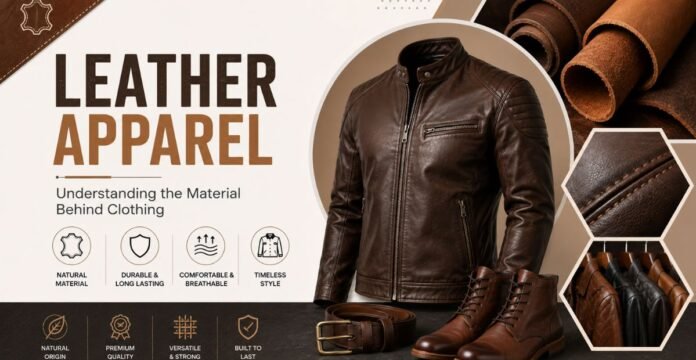
Leather clothing has been worn for protection, durability and style since thousands of years. It is still one of the most popular materials used in fashion and industrial apparel today. This material is used for everything from rugged work jackets and protective gloves to protective aprons. It’s valued for its natural durability, resistance to wear and ability to improve over time.
But not all leather is the same. The type of leather, the way it is tanned and the construction of a garment will determine its quality, durability and performance. This guide will explain what leather is, how it’s made, and the various grades. It will also show you how to select the best leather for your personal use or work.
What is leather clothing?
Leather clothing includes jackets, vests and gloves made of tanned hide. Leather is tough and resistant against abrasion. It has been used for many years not only for fashion but also for protective clothing for demanding workplaces.
The hide is what determines the performance of these garments. Leather that is thicker and less processed tends to last longer, while leather that is thinner and more heavily processed can be chosen for its comfort, flexibility or refined appearance. Leather naturally conforms to your body with time. This is why leather clothing that fits well becomes more comfortable over time.
It is important to understand these differences before selecting leather clothing, whether for everyday use or for industrial purposes. The wrong grade of leather could mean the difference between an item that will last for years and a piece that will wear out after a few months.
What are the different grades of leather used in apparel?
Leather clothing is usually made of one of four grades of leather. Each grade has a different balance between durability, appearance and cost.
Full-grain is the strongest and most durable option. It is the grade that is used in high-quality leather garments meant to last for years, developing a rich patina with wear over time. It is the most durable and strongest option. This grade is used to make high-quality leather clothing that will last for many years.
Top-grain is made from the top layer of the hide, but it’s also buffed or sanded to remove any imperfections. This results in a more uniform, smoother surface. This leather is slightly less durable than the full-grain, but it still holds up very well. It’s a good choice for outerwear and leather jackets.
Genuine leather is made of lower and less dense layers and is therefore less durable and breathable. This leather is more affordable and therefore used in lower-end leather products. However, it will not hold up to heavy use or repeated wear.
Bonded leather is the lowest quality leather, and it’s made of leftover leather scraps. Fibers are also bound with adhesives. It may have some leather in it, but it peels and deteriorates quickly. This is not suitable for everyday wear.
Why leather is used in protective and industrial clothing
Leather clothing is used in protective and industrial clothing. Leather’s resistance to heat, abrasion and punctures make it perfect for workers who face physical hazards every day. Leather aprons and jackets are often used by welders, operators of machines, and workers who handle rough materials as standard protective equipment.
Leather clothing is so versatile because of the crossover between fashion, function and style. Leather jackets, for instance, offer protection from wind, abrasion and minor impacts. This is why leather continues to be a staple in general clothing used by manual and industrial trades.
Leather Clothing for High-Risk Work Environments
Leather gear is commonly chosen in industries such as oil and gas where workers are exposed to heat and sparks. It also offers a natural resistance to abrasion. As part of a oil-and-gas workwear outfit, leather aprons and chaps are often layered over other protective gear, especially in roles that involve welding or heavy machinery.
Leather can also be treated with waterproof membranes to provide both moisture and abrasion protection. When looking for this type of dual-purpose gear, businesses often turn to waterproof workwear collection that combine leather trims or panels with weatherproof fabrics.
Quality Leather Apparel: What to Look for
It is important to understand that not all leather garments are made the same way.
- Leather Grade:Full grain or top grain leather for maximum durability
- Stitching Quality:Double-stitched reinforced seams resisting splitting under stress
- Thickness & weight:Heavier hides are used for industrial or protective purposes, while lighter hides are for everyday comfort.
- Tanning Process:Vegetable tanning or chrome tanning methods with different effects on flexibility, smell and environmental impact
- Hardware Quality:Durable snaps, buckles and zippers that resist rust.
- Finishing and treatment:Flame-resistant or water-resistant treatments when extra protection is required
By paying attention to these small details, leather clothing will perform well on the job site as well as in everyday wear.
Leather Clothing for Branding and Corporate Use
Leather clothing is not only for heavy industry. Leather elements, such as jacket trimmings, accessories or premium outerwear, are often incorporated into branded employee apparel to give it a polished and professional look. It is common for companies to combine durability and a refined look when creating corporate clothing.
Leather is a durable material that can be used for accessories such as belts, bags, gloves and straps.
Leather Clothing: Industry Specific Uses
The specific hazards in each trade will dictate how leather garments are used. Workers in agriculture and logistics, for example, may prefer flexible leather boots and gloves that are designed to be used on a daily basis. These needs are so diverse that many businesses look to workwear suppliers to tailor leather components for a specific trade.
Customization ensures leather gear is not only protective, but also suited for the tasks and dangers workers face every day.
What to Look for When Choosing Leather Clothing
The first step in choosing the best leather clothing is to identify its intended purpose. Leather jackets for everyday use are designed to be comfortable, stylish, and durable, while clothing made of industrial leather must be able to withstand heat, repeated abrasions, and rough handling.
Then, you should consider the type of leather, the construction, and the additional treatments required for the environment in which it will be used. The tanning process is also important. Vegetable-tanned hides tend to be more rigid and environmentally friendly and develop a deeper patina with time. Chrome-tanned hides are typically softer and more flexible and are better suited for garments which need to move along the body.
When outfitting teams in leather garments, businesses should consider consistency between sizes and branding requirements. This is especially true if leather items are part a larger uniform program. When working with a leather manufacturer who understands the aesthetic and technical aspects of leather production, it is easier to achieve consistent results throughout an order.
The role of custom manufacturing in leather apparel
Custom apparel manufacturers are increasingly popular as the demand for well-fitted, durable leather garments grows. They can create clothing that is tailored to specific trades and safety requirements. They can also produce clothing that is branded to meet branding needs.
ECO-JERSEY manufactures and supplies custom apparel, including leather-based accessories and workwear to businesses all over the world. Our team will work directly with our clients to create clothing that meets their exact specifications without compromising quality or consistency.
Conclusion
Leather clothing is one of the most versatile fabrics available. It’s valued for its durability and natural protective properties, as well as its ability to age gracefully over time. The quality of the leather and its construction determines the performance of the garments, whether they are worn in a rugged industrial setting or as part a polished corporate outfit.
If you are looking for leather garments that will perform in any environment, whether it is protective workwear, branded uniforms, or a combination of both, working with ECO-JERSEY, an experienced manufacturer, ensures the quality and reliability of each piece.
FAQs
What is leather apparel?
This term refers to clothing made from tanned animal hide, including jackets, vests, aprons, and gloves, valued for its natural durability, abrasion resistance, and ability to improve with age.
What is the best type of leather for apparel?
Full-grain leather is generally considered the best type for clothing because it comes from the strongest, least processed layer of the hide, offering the greatest durability and the most natural appearance over time.
What is the difference between genuine leather and full-grain leather?
Genuine leather is made from lower, less dense layers of the hide and is less durable, while full-grain leather comes from the top layer of the hide and retains its natural strength and texture, making it significantly more long-lasting.
Is leather clothing good for industrial or protective work?
Yes, leather clothing is commonly used in industrial settings because it naturally resists abrasion, punctures, and short bursts of heat, making it a practical choice for aprons, gloves, and jackets in trades like welding and manufacturing.