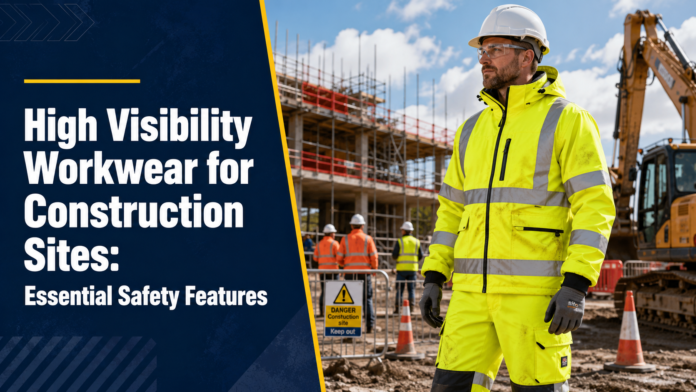
Construction sites are busy places where people, tools, vehicles, and machines move at the same time. Workers may walk near trucks, cranes, loaders, forklifts, and road traffic. In these places, being seen quickly can help prevent serious accidents. That is why high visibility workwear for construction is not just a uniform choice. It is a safety need. Bright clothing helps workers stand out in daylight, while reflective details help them stay visible in low light, fog, rain, dust, or early morning work. A worker wearing normal dark clothing can blend into the background, especially around concrete, steel, mud, and machinery. But the right high visibility clothing makes the body easier to notice from a distance. Good high visibility workwear for construction should help drivers, machine operators, supervisors, and other workers see each other before danger gets too close. It also helps create a more organized and professional job site.
2. What High Visibility Workwear Really Means
High visibility clothing is workwear made with bright colors and reflective materials to make workers easier to see. Most designs use colors like fluorescent yellow, orange, or lime because these colors stand out better than normal fabric colors. Reflective tape is added on key areas like the chest, back, shoulders, arms, and legs so light can bounce back toward the source. This makes the worker more visible when headlights, site lamps, or vehicle lights shine on them. High visibility workwear for construction can include safety vests, jackets, rainwear, trousers, coveralls, shirts, and gloves. The main purpose is simple: help the worker stay visible from different angles and in different working conditions. However, not every bright garment is proper safety clothing. Good high visibility workwear for construction must have the right color, enough reflective area, strong stitching, safe fit, and suitable fabric for the job. It should also match the site risk level.
3. High Visibility Workwear for Construction
High visibility workwear for construction should be chosen according to the work environment, not only by style or price. A road construction worker may need more reflective coverage than a warehouse helper. A night-shift worker may need a jacket with reflective tape on the arms and back. A worker on a rainy site may need waterproof hi-vis rainwear instead of a simple vest. When companies plan a full safety clothing setup, they can review Eco Jersey’s hi-vis workwear collection to understand common garment options for construction and outdoor site use. The best choice is usually the one workers can wear properly for the whole shift. If the garment is too hot, too tight, too loose, or too heavy, workers may remove it or wear it open. That reduces safety. Good high visibility workwear for construction should be bright, practical, comfortable, and strong enough for daily work.
Essential Safety Features to Check First
Before buying high visibility workwear for construction, buyers should check the safety features one by one. The garment should have a clear bright color that does not look dull, faded, or weak. Reflective tape should be placed where it can be seen from the front, back, and sides. The garment should cover the body properly without hiding reflective areas under tool belts, backpacks, or outer layers. Pockets should be useful but not too bulky. Closures should be easy to fasten, even when workers wear gloves. A safety vest is often a simple starting point because it is light, easy to wear, and suitable for many daytime tasks. For teams that need a basic outer layer, a custom safety vest can be a practical option when branding, visibility, and team identification are needed together. Still, high visibility workwear for construction should always be checked for comfort, coverage, and durability before bulk buying.
Bright Colors and Reflective Tape
The two most important parts of high visibility workwear for construction are bright fabric and reflective tape. Bright fabric helps in daylight because it catches the eye quickly. Reflective tape helps in low light because it shines back when light hits it. Both features work together. A vest with bright color but poor reflective tape may not be enough for evening work. A jacket with reflective tape but dull fabric may not stand out well during daytime tasks. Placement also matters. Reflective bands across the body help show the worker’s position. Tape on the arms helps show movement, which can warn drivers or machine operators that a person is walking, turning, or signaling. Good high visibility workwear for construction should make the worker visible from different directions, not just from the front. Buyers should also check whether the reflective tape stays attached after washing and rough use. If the tape cracks, peels, or loses shine, the garment should be replaced.
Fit and Movement on the Job
A safe garment must also fit well. High visibility workwear for construction should be loose enough for bending, lifting, climbing, and reaching, but not so loose that it catches on tools, scaffolding, fencing, or machinery. A vest should not swing open while walking. A jacket should not pull tightly across the shoulders. Sleeves should not cover the hands or block grip. Trousers should allow workers to kneel, step, and climb without tearing or exposing skin. Fit is especially important when workers wear layers underneath during cold weather. If the garment becomes too tight over a hoodie or thermal layer, it may limit movement. If it is too large, the reflective tape may sit in the wrong place. Good high visibility workwear for construction should help workers move naturally while keeping bright and reflective areas visible. The right fit also makes workers more likely to wear safety clothing correctly throughout the whole shift.
7. Weather Protection for Outdoor Sites
Construction workers often deal with sun, wind, rain, mud, dust, and cold weather. That is why high visibility workwear for construction should match the season and site conditions. In summer, lightweight and breathable fabrics help workers stay cooler. In winter, insulated hi-vis jackets help protect against cold while keeping the body visible. On wet sites, rainwear should be both protective and visible, because rain can make roads slippery, reduce driver vision, and hide workers behind spray or mist. A high-visibility jacket can be useful for outdoor construction crews that need warmth, coverage, and visibility in one garment. However, weather protection should not cover or block reflective tape. If workers wear normal coats over hi-vis clothing, the safety feature is lost. The outermost layer should usually be the visible layer. Strong high visibility workwear for construction keeps workers seen and protected in changing weather.
8. One-Paragraph Buyer Checklist
When choosing high visibility workwear for construction, check these points before ordering:
- Choose bright colors that stand out on the site.
- Make sure reflective tape is clear and well placed.
- Check visibility from the front, back, and sides.
- Pick the right garment for day, night, rain, or cold.
- Avoid very loose clothing near machines and tools.
- Make sure workers can bend, climb, and lift easily.
- Choose durable stitching for rough site use.
- Select breathable fabric for hot working days.
- Use weatherproof outerwear for wet outdoor sites.
- Keep logos and pockets from covering reflective tape.
- Test samples before placing a large order.
- Replace faded, torn, or damaged garments quickly.
9. Durability and Fabric Strength
Construction work is hard on clothing. Workers brush against concrete, metal, timber, bricks, soil, and tools. Poor-quality garments may tear, fade, or lose shape quickly. That is why high visibility workwear for construction needs strong fabric, strong seams, and good finishing. A cheap vest may look fine at first, but it may not last if workers wear it every day. Jackets and trousers need even more strength because they face more rubbing and movement. Reflective tape should stay fixed after washing, folding, and outdoor use. Zippers, snaps, hook-and-loop closures, and pockets should also be strong enough for daily work. Durability matters because damaged clothing can reduce visibility. If a bright color becomes dull or the reflective strips fall off, the garment no longer does its job properly. Good high visibility workwear for construction should balance comfort with long-term use. It should feel practical, but it should also survive real job-site conditions.
Team Branding and Professional Appearance
Safety comes first, but appearance also matters. A construction team wearing clean and matching high visibility clothing looks more organized and professional. It helps supervisors identify workers, visitors, contractors, and different teams on site. Company logos, role labels, and color differences can also help site control. However, branding should never reduce safety. Logos should not cover large reflective areas, and dark printed designs should not make the garment less visible. High visibility workwear for construction should still look bright and clear after branding is added. For example, a small front logo and a larger back logo may work if they are placed carefully. Role-based designs can also help, such as different colors for supervisors, visitors, and general workers. Still, visibility should remain the main purpose. The best high visibility workwear for construction makes the team look professional while keeping workers easy to see in active, crowded, and risky site areas.
Care, Washing, and Replacement
Even the best safety clothing needs proper care. High visibility workwear for construction should be washed according to the care label so the fabric color and reflective tape last longer. Harsh washing, bleach, heavy dirt, oil, cement dust, and chemicals can reduce visibility. Workers should not ignore faded or damaged garments because they may still feel wearable but no longer provide proper visibility. If reflective tape becomes cracked, dull, peeled, or missing, the garment should be replaced. If the bright color looks weak or stained, it may also need replacement. Companies should set a simple inspection routine so workers can report damaged clothing before it becomes a problem. Good care saves money because garments last longer, but safety should always come before saving cost. High visibility workwear for construction is only useful when it stays bright, reflective, clean enough, and properly fitted for the job.
Conclusion
High visibility workwear for construction is essential because it helps workers stay seen around vehicles, machines, low light, bad weather, and busy job-site movement. The best clothing uses bright colors, strong reflective tape, safe fit, durable fabric, and weather-ready protection. Buyers should not choose hi-vis clothing only by price or appearance. They should think about the real site risks, working hours, weather, movement, and comfort. A garment that workers can wear easily for the full shift is often safer than one that looks protective but feels uncomfortable. In the end, high visibility workwear for construction should protect visibility, support movement, last through daily work, and help every worker return home safely.
FAQs
What is high visibility workwear for construction?
High visibility workwear for construction is safety clothing made with bright colors and reflective tape. It helps workers stay visible around vehicles, machines, and low-light areas.
Why do construction workers wear high visibility clothing?
Construction workers wear high visibility clothing so drivers, machine operators, and other workers can see them quickly. This helps reduce the risk of accidents on busy sites.
What features should high visibility workwear have?
It should have bright fabric, reflective tape, strong stitching, safe fit, and weather protection when needed. It should also allow easy movement during work.
When should high visibility workwear be replaced?
It should be replaced when the color fades, reflective tape cracks, fabric tears, or stains reduce visibility. Damaged clothing may not protect workers properly.