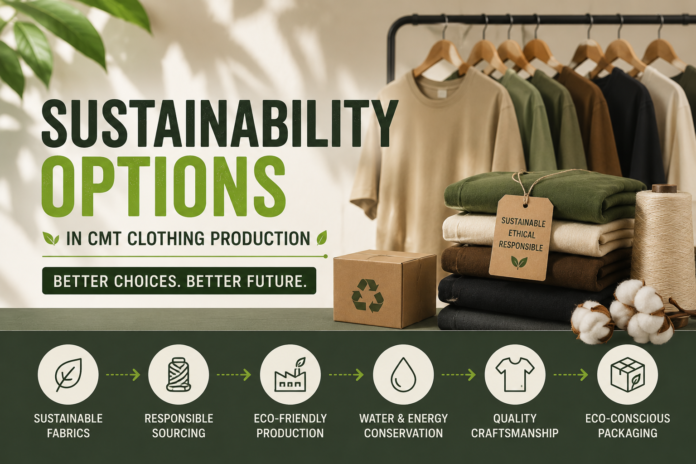
Sustainability is becoming a priority for fashion brands everywhere, and CMT Clothing Production is no exception. CMT, which stands for Cut, Make, Trim, allows brands to supply their own fabrics and designs while factories handle the production. This gives brands full control over materials, making it easier to introduce eco-friendly practices.
For businesses seeking professional support, partnering with a CMT Clothing Manufacturer is an ideal first step. These manufacturers can guide brands in reducing waste, optimizing fabric use, and maintaining high-quality standards while being eco-conscious.
Eco-Friendly Fabrics and Materials
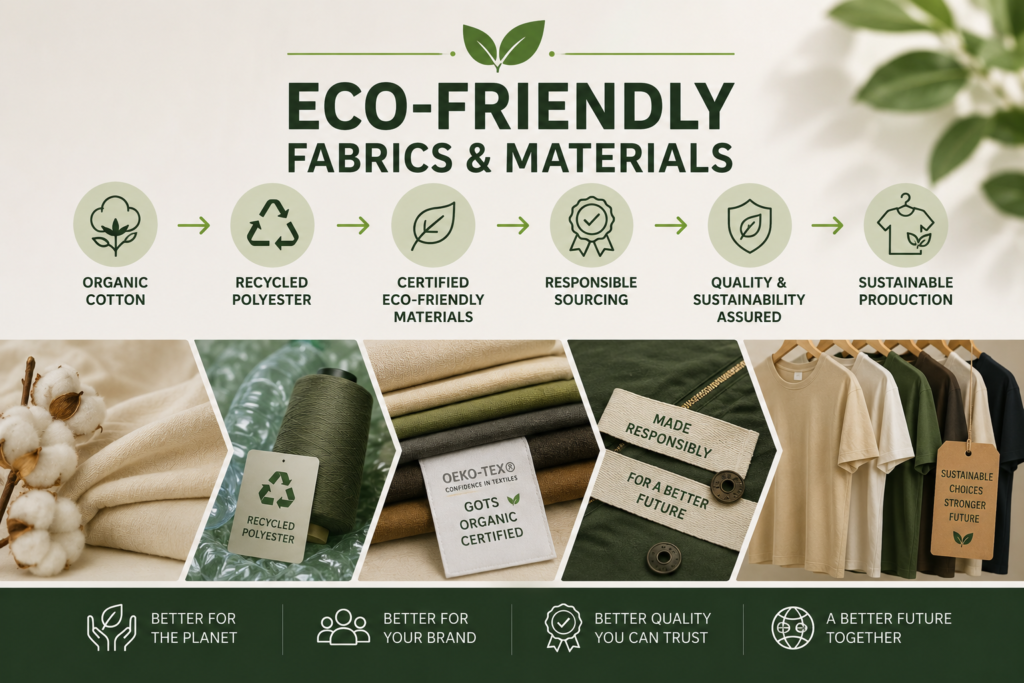
One of the simplest ways to make CMT Clothing Production sustainable is by carefully choosing fabrics. Brands can opt for organic cotton, recycled polyester, or other certified eco-friendly materials. Providing your own fabrics allows you to control quality and sustainability from the start.
Many factories also offer advice on sourcing materials responsibly. For example, a Sustainable Apparel Manufacturer can suggest fabrics and trims that are both high-quality and eco-conscious, while a Bulk Apparel Manufacturer helps scale production efficiently without compromising sustainability.
Sustainable Production Practices
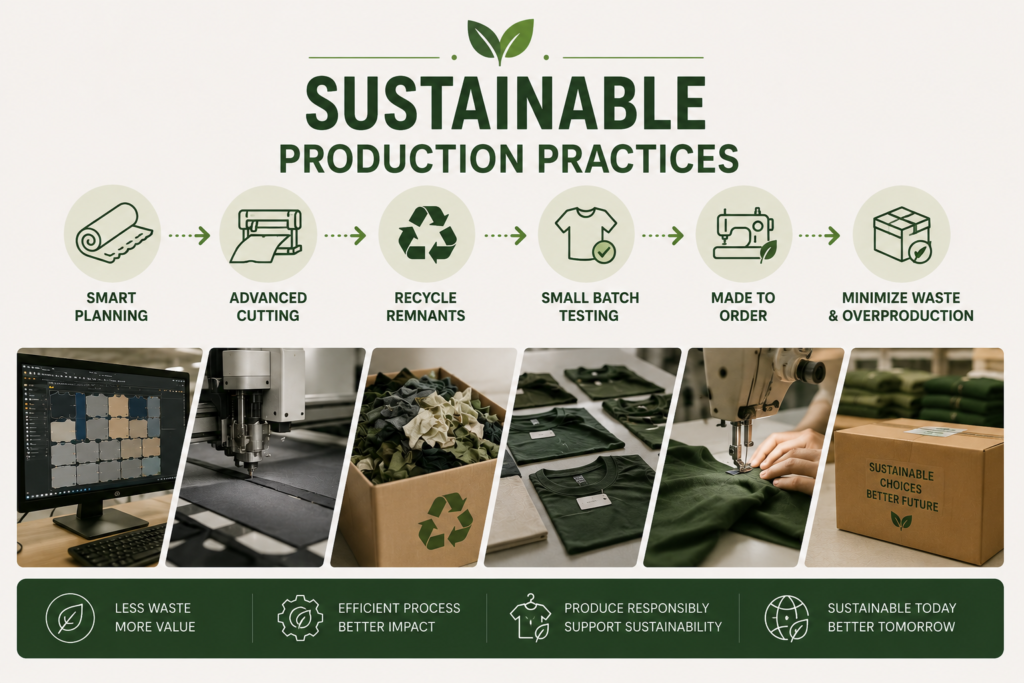
A major factor in sustainable CMT production is waste management. Sustainable production is really only achieved when the raw materials are used and consumed fully.
Mistakes in cutting or overproducing clothing leads to wasted time and material. To avoid this, brands can partner with manufacturers to:
- Implement advanced cutting layouts.
- Recycle remnants.
- Produce smaller testing runs.
Brands can rely on the Low MOQ Clothing Manufacturer to produce only what they need to minimize overproduction, thus maintaining flexibility and preventing excessive inventory. If brands want to create custom designs while maintaining sustainability, they might work with a Made-to-Order Apparel Manufacturer, thereby saving material and energy.
Energy Efficiency and Responsible Practices
To be truly sustainable, CMT Clothing Production needs to keep its fabrics and sustainable, but so does the overall factory. Factories that use energy-efficient sewing machines, renewables, and low-water finishing processes let brands minimize even more of their footprint.
Some brands use FPP Apparel Manufacturers for big production runs, knowing the machines and processes are eco-conscious. Getting the right factory on the side also helps brands see energy/water consumption, so the factory can become more sustainable.
Benefits of Sustainable CMT Clothing Production
There are many CMT Clothing Production benefits to sustainable practices. Once brands adopt sustainability in fabrics and production, they can
- Ensure the quality and materials they choose.
- Ease their environmental footprint with minimal waste and efficient energy consumption.
- Attract eco-sensitive consumers while enhancing their brand’s image.
- Prevent losses from overproduction.
For brands needing support in meeting sustainability targets while managing their production, a Contract Clothing Manufacturer is the right partner.
Conclusion
Sustainable CMT Clothing Production provides brands a means to control their creativity in a mindful way.
Selecting green fabrics and streamlining energy use and waste are just a few steps to create a brand that is more environmentally friendly.
Whether you are launching a new collection or expanding an existing one, working with manufacturers such as CMT Clothing Manufacturer and Sustainable Apparel Manufacturer allows you to maintain the production’s efficient, flexible, and sustainable production goals.
FAQs
What is CMT Clothing Production?
CMT Clothing Production is an acronym for Cut, Make, Trim. In this case, a brand provides its own fabric and designs, while the factory takes care of the cutting, sewing, and finishing of the garments.
In what way is CMT production sustainable?
It can be more sustainable by employing eco-friendly fabrics, cutting for less waste, and when using energy-efficient factories that work on smaller production runs.
Which companies should consider sustainable CMT production?
This is a viable option for independent brands, fashion starts, and designers that want to retain control over the materials and want to integrate environmentally friendly processes into their business.