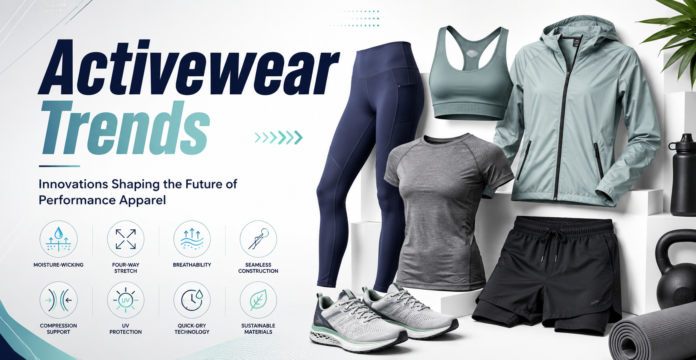
Activewear trends are evolving as consumer preferences shift. Previously, they purchased simple gym shirts, leggings, and shorts. Nowadays, they have higher expectations and look for clothing that offers moisture control, durability, and comfort with the added benefit of style. Performance clothing isn’t just for athletes anymore. It is used for traveling, walking, casual outfits, at-home workouts, yoga, and athleisure. Because of this, brands are forced to rethink their fabrics and stitching along with how fit and comfort factors into their clothing. The goal should be that clothing can be worn during a workout and still be worn after the workout is done.
Activewear Trends Basics
Activewear trends are built around comfort, performance, and lifestyle use. A full category like the activewear collection can include leggings,Tops, shorts, sports bras, jackets, hoodies, and training sets are all key products in Athleisure. With all of the different products available, customers must have adequate knowledge as to what product is useful. Some trends focus on body support. Some trends focus on fabrics technologies. Some trends prioritize sustainability, styling, or fit. The best future activewear trends will not focus on just color or design. The best future activewear will be able to combine all of the above with stretch, breathability, sweat control, softness, and durability.
Moisture-Wicking and Quick-Dry Fabrics
One of the biggest trends in activewear is using quick-dry and moisture-wicking fabric. This type of fabric pulls moisture away from the skin and enables the fabric to dry quickly. This feature makes fabric feel less heavy and less sticky during workouts. It is useful in all outdoor and indoor activities. Fabric that is lightweight and strong is the best to look for. This type of fabric is also very useful for traveling. Washing and drying is a quick process when using quick-dry fabric. Low moisture will continue to be a huge fabric trend.
Four-Way Stretch and Shape Recovery
Four-way stretch is another innovation taken on by more brands to produce clothing that moves better. What this particular innovation does is allows stretch not only up and down but also side to side. Obviously if you are going to be doing a lot of physical activity such as squats, lunges, running, stretching, or yoga, you would prefer clothing that is very flexible. However, stretch is not the only factor. Material should be recovery. Meaning that it returns to its original state after the physical activity. Bad recovery results in leggings losing their stretch, waistbands rolling, and tops no longer fitting. The future of activewear will be focused on recovery and stretch.
Seamless and Smooth Construction
Active consumers tend to prefer clothing that performs more like a second skin. The designs of traditional activewear often have seams which can rub, irritate, and even feel bulky. Seamless or low-seam designs are less frictional and therefore more comfortable. This design of construction tends to be more useful for leggings, sports bras, fitted tops, and compression garments. Seamless construction tends to have a more modern aesthetic and a less bulky design. Thus, activewear is more modern and appealing beyond the gym. A category like performance wear benefits from better seam placement because the garment must support real movement. Future designs will focus more on comfort-focused construction.
Compression Zones and Body Support
The third activewear trend everywhere is compression. Performance apparel used to regard tight fitting fabrics as the gold standard; now apparel brands are showing that tight clothing is not enough. Different fabrics are being used to target different sections of the body. Depending on the apparel, gradual support may be added to the waist, thighs, calves, chest, arms, etc. On the market, clients should avoid purchases that feel overly constricting. The perfect balance of compression is firm, smooth, and flexible.
Breathable Panels and Heat Control
Breathability is one of the most functional activewear designs for both athletes and everyday users. The body generates both heat and sweat during physical activity. Fabric zones that are featherweight, and panels and inserts that are mesh and breathable, aid in the circulation of air to and through the fabric. These are primarily situated on the back, underarms, sides, and behind the knees. Heat-control designs are optimal for gym apparel, training and workouts that are done outdoors, running, and workouts that are done in warmer climates. A category like gym wear needs strong sweat control because indoor training can still create heavy heat. Future activewear will focus more on smart ventilation without making the garment look too technical.
Athleisure and Everyday Styling
Athleisure’s runaway popularity is primarily due to most consumers desire items they can wear not only during training. The perfect outfit is one you can easily transition from training to errands, travel to coffee or even the office. Performance apparel needs to have a stylish appearance and greater versatility. Consumers are valuing all these qualities in addition to shape, color, and fabric. Apparel needs to match shoes, jackets, and accessories. The vision for future activewear apparel needs to capture thoughts for not only workouts, but be versatile for all day wear and easy match dressing.
Simple One-Line Trend Checks
These checks make activewear trends easier to understand before buying or approving production.
- Check sweat control because activewear should stay comfortable during training.
- Check stretch because the garment must move with the body.
- Check recovery because fabric should return to shape.
- Check seams because smooth construction reduces rubbing.
- Check breathability because workouts create heat and sweat.
- Check support because compression should feel firm but comfortable.
- Check styling because activewear should work beyond the gym.
These one-line checks help buyers understand future activewear without difficult textile language.
Sustainability and Longer Product Life
An area of growing concern among activewear customers and brands is sustainability. The average consumer is looking for activewear that is less likely to end up in landfills. The type of activewear that is more environmentally responsible is not made in a vacuum. Sustainability in activewear includes sturdy and durable fabrics and better product stitching. Sustainability entails the activewear product remaining intact and keeping its shape, color, and elasticity for a longer time. Long-lasting activewear provides customers with better value. To gain and maintain customers and create more environmentally responsible products, brands will need to consider comfort, function, and durability of the product during the production phase.
Final Guide to Future Activewear
The emerging activewear trends emphasize the ideal combination of performance and comfort for everyday use. Consumers need to select activewear intended for movement, moisture management, breathability, elasticity, and garment stability post-wash. Companies need to concentrate on transparency with fabric choices, improved sizing systems, flat seam construction, and overall design and construction durability and versatility. The evolution of performance apparel integration will progress to the incorporation of intelligent textiles, enhanced comfort, and greater focus/consideration on sustainability and the design of athleisure apparel. An excellent activewear trend guide should simplify product pages and enhance consumer purchasing apparel confidence. The most advanced and optimal activewear of the future will be designed to look great and enhance functionality for real life.
FAQs
What are activewear trends?
Activewear trends are the new fabric, fit, design, and performance features shaping workout clothing and athleisure apparel.
Why are activewear trends important?
Activewear trends are important because buyers now want clothing that supports workouts, comfort, sweat control, daily styling, and long-term use.
Which activewear technology is most useful?
Moisture-wicking, four-way stretch, quick-dry fabric, breathable panels, smooth seams, and compression support are all useful activewear technologies.
Is athleisure part of activewear trends?
Yes, athleisure is a major part of activewear trends because customers want performance clothing that also works for daily outfits.
How should buyers choose future activewear?
Buyers should compare activewear trends by checking fabric quality, stretch recovery, breathability, sweat control, seam comfort, durability, and styling use.