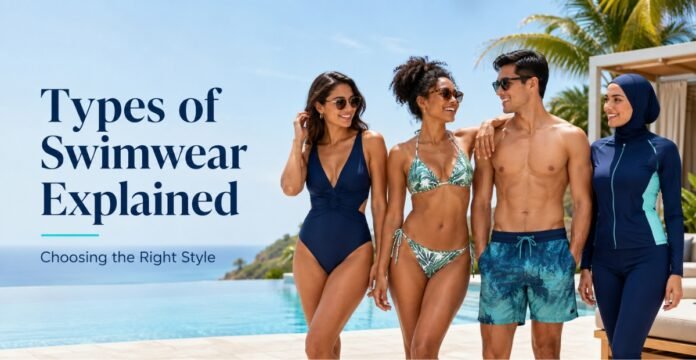
Swimwear is clothing made for swimming, beach visits, water sports, and relaxing near a pool. The best style should feel secure, dry reasonably fast, and allow easy movement. Since people have different body shapes, comfort needs, and activity levels, the right choice is not the same for everyone. Learning about the main types of swimwear makes shopping much easier. A complete swimwear collection can also help you compare coverage, cuts, and designs before choosing. Understanding types of swimwear helps you focus on function instead of buying only by appearance.
Types of Swimwear for Different Needs
One-pieces, bikinis, tankinis, modest suits, skirted designs, swim briefs and swim shorts, racing suits, and sports suits are a few of the main swimwear types. However, these styles provide different combinations of coverage, support, and movement. Some styles, like swim shorts, are designed for relaxation on the beach while others, like racing suits, are designed for regular swimming. Think about the purpose of the swimwear before you cover it up with color or the latest trend.
One-Piece Swimwear for Support and Security
Because a one-piece covers the trunks and has shoulder straps, it is popular swimwear. There is security while swimming, diving, and playing water games. Many designs of one-pieces include built-in cups, shaping panels, and tummy support, and can have straps that are significantly wider. Some sporty designs have racerback straps which ensure the straps do not move during rapid motion. One-piece designs vary and can include cut-outs, belts, or varying designs on the neck. One-piece swimwear is one of the most popular choices for swimwear because it is fitted, offers support and design coverage, and has minimal changing or adjusting.
Bikinis and Two-Piece Swim Sets
Two-piece designs of swimwear include bikinis, which are made of a top and bottom and can range in a multitude of cuts: bandeau, triangle, halter tops; high-waisted or hipster bottoms; and string bottoms. For two-piece designs, the upper and lower portions can be of different fits which is not possible for one-piece designs. Two-piece designs can be more convenient for sunbathing and holidaying in warmer climates. Straps and fasteners are important as they are the main concern while active swimming. When choosing which type of swimwear to buy, check the coverage, support, adjustable straps, and fabric stretch.
Tankinis for Flexible Coverage
Tankinis combine a longer top with a separate swim bottom. These types of swimwear offer more body coverage than most bikinis but are often easier to put on than a one-piece suit. Some tops sit near the waist, while others reach the hips. Buyers can pair them with briefs, shorts, or skirts depending on comfort. The tankinis for women page shows how this style can balance coverage and movement. Among the different types of swimwear, tankinis are useful for family holidays, casual swimming, and people who prefer a two-piece design without showing as much skin.
Quick Points for Choosing the Right Swimwear
- Choose one-piece types of swimwear for secure coverage and dependable support.
- Pick bikinis when you want flexible sizing and easy mix-and-match styling.
- Select tankinis when you prefer a two-piece suit with extra stomach coverage.
- Consider modest types of swimwear when full-body coverage is important.
- Try skirted styles when you want extra coverage around the hips and upper legs.
- Use athletic types of swimwear for lap swimming, training, or water sports.
- Check adjustable straps when your shoulders and chest need a more personal fit.
- Choose chlorine-resistant fabric when you swim in a pool several times each week.
Modest Swimwear for Greater Coverage
Modest swimwear covers more of the arms, legs, chest, and hips while still allowing movement in water. These types of swimwear may include long sleeves, leggings, a tunic top, a hood, or a secure head covering. Good designs use lightweight stretch fabric so the suit does not become too heavy when wet. The modest swimwear option is useful for people who want more coverage for personal, cultural, religious, or sun-protection reasons. When comparing modest types of swimwear, check that the top stays down and that all pieces fit closely without feeling tight.
Skirted Swimwear for Comfort and Confidence
Skirted swimsuits have a swim skirt that is either attached to swim briefs or a fitted bottom, or is worn over swim bottoms. Having a swim skirt provides coverage for the hips, bottom, and upper thighs. Skirted swimwear comes as either a one-piece, tankini, or a skirt that is a separate piece. The best designs have small fitted skirts that allow for less drag in the water. Many people prefer to wear skirted swimwear for beach walks and family swims. The best designs stay in place, feel light when wet, and have a secure inner brief.
Men’s Swim Briefs, Thongs, and Swim Shorts
Men’s swimwear encompasses a range of styles such as swim briefs, square leg swim suits, swim thongs, jammers, board shorts, and swim trunks of varying lengths. For the most part, swim briefs and thongs are least obstructive to movement and fabric resistance, however, they also offer minimal coverage. Jammers extend from the waist to just above the knee and are designed with a training purpose in mind. More casual and surf-inspired swimwear typically offer more coverage, such as board shorts. When determining swimwear styles, consider the type of activity and desired support, coverage, and waistband security.
Athletic Swimwear for Training and Water Sports
Athletic swimwear is designed with the purpose of maintaining a close fit to the body to minimize fabric movement in the water. Examples of this swimwear style include racing suits, jammers, fitted one-piece swimsuits, swim throngs, and swim rash guards. These swimwear styles are constructed with firmer fit and highly elastic stretch fabrics, flatlock seams, and a chlorine resistant finish. While these swim styles should fit closely to the body, they also should not be unpleasant or painful to wear. When choosing athletic swimwear, consider the weekly pool schedule, fit, the fabric’s ability to maintain its stretch, and the edges of the fabric.
How to Check Fit, Fabric, and Comfort
Once you’ve picked out a potential swimsuit, you’ll want to do some movement tests to ensure the swimsuit will stay put while you move. Stretching fabric will also need to return to its original form, and seams should lie flat. Check the fit for the chest, waist, leg openings, and straps to see if they all have an even fit and if they leave a mark. Lighter swimsuits may be see-through when wet, and thin fabrics may require a lining. A good patterned swimsuit will often have a fabric blend of nylon or polyester and elastane for stretch. Check the care label, as all swimsuits have a lifespan.
Conclusion
When picking out the best swimsuit, consider the activity you will be doing while wearing it, your comfort, preference of coverage, and how it fits your body. There is a range of swimsuit styles to accommodate all of these preferences, from one-piece swimsuits to bikinis and everything in between. One-pieces offer full coverage and support, while tankinis offer a bit of coverage but more styling, with skirted swimsuits offering a more supportive swimsuit. When picking swimsuits for more active use, athletic swimsuits are a better choice, while more relaxed swimsuits are great for vacations. The best swimsuits often have a blend of comfort, support, and style, but take into account the lining and fit (seams, straps, etc.) before buying.
FAQs
What Are the Most Common Types of Swimwear?
The most common types of swimwear are one-piece suits, bikinis, tankinis, swim shorts, briefs, modest suits, skirted styles, and athletic suits. Each one offers a different level of support, coverage, and freedom of movement.
Which Types of Swimwear Are Best for Swimming Laps?
Fitted one-piece suits and jammers are usually good for lap swimming because they stay close to the body. These types of swimwear reduce loose fabric and are less likely to move during turns, dives, and repeated strokes.
What Swimwear Gives the Most Coverage?
Modest suits, long-sleeve swim sets, skirted suits, and full-coverage one-piece designs offer more coverage. These types of swimwear are useful for sun protection, personal comfort, or cultural and religious preferences.