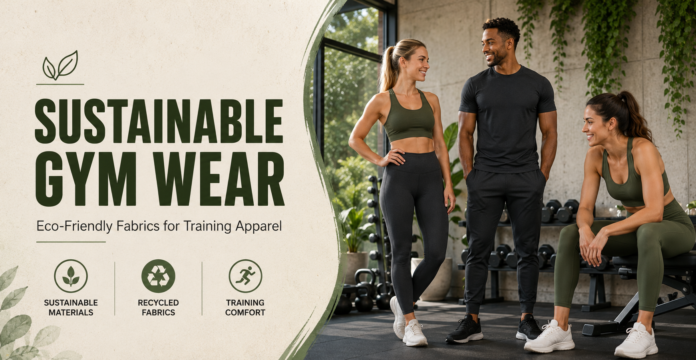
Sustainable gym wear is training clothing made with better fabric choices, smarter production ideas, and longer-lasting construction so athletes can move comfortably while reducing waste. Most people think gym clothes are only about stretch, sweat control, and style, but the fabric behind the garment matters just as much. A shirt that loses shape after five washes is not really a good purchase, even if it looks nice on day one. A pair of shorts that traps heat, smells quickly, or feels rough during training will not support regular exercise either. That is why sustainable gym wear focuses on comfort, durability, performance, and responsible material use together. It is made for real workouts, not only for perfect photos. Whether someone is lifting weights, running, stretching, doing home workouts, or walking after work, the right fabric can make training easier. Good sustainable gym wear should feel soft on the skin, move with the body, dry at a useful speed, and stay strong through repeated washing. It should also help people buy fewer low-quality items and choose pieces that can be worn again and again.
What Sustainable Gym Wear Really Means
Sustainable gym wear does not mean weak, boring, or old-fashioned clothing. It means gym apparel designed with materials and methods that aim to reduce environmental impact while still giving the wearer strong performance. The word “sustainable” can include recycled polyester, organic cotton, TENCEL, modal, bamboo blends, hemp blends, low-impact dyes, water-saving finishing, and better quality stitching. It can also mean choosing pieces that last longer, because the most sustainable gym wear is often the item you do not need to replace quickly. For a simple example, a high-quality training T-shirt that lasts two years is usually a better choice than a cheap shirt that twists, fades, and smells after a few months. Sustainable gym wear should still support sweating, movement, recovery, and daily comfort. The goal is not to make training harder. The goal is to make gym clothing smarter. When a brand combines eco-friendly fabrics with athletic fit, breathable panels, stretch recovery, and strong seams, sustainable gym wear becomes practical for everyday athletes and serious training routines.
Sustainable Gym Wear Fabrics That Work for Real Training
The fabric is the heart of sustainable gym wear, so it should match the type of exercise instead of just sounding eco-friendly. Recycled polyester is useful for high-sweat training because it is lightweight, strong, and quick-drying, especially when blended with elastane for stretch. Organic cotton feels soft and breathable, but it holds more moisture, so it is better for light gym sessions, warm-ups, walking, stretching, or casual active days. TENCEL and modal are smooth, cool-feeling fibers that work well in light training tops, everyday gym layers, and soft performance basics. Bamboo viscose blends can feel comfortable, but buyers should still check quality, weight, and transparency because not every bamboo fabric is made the same way. Hemp blends are strong and breathable, but they may feel more textured than smooth synthetic performance fabrics. For people comparing fabric choices, Eco Jersey’s activewear catalog can fit naturally into research because activewear includes different training pieces for movement, comfort, and daily use. The best sustainable gym wear is not one single fabric. It is the right fabric for the right workout.
Why Eco-Friendly Gym Wear Still Needs Performance Features
Sustainable gym wear must do more than carry an eco-friendly label, because gym clothing has to survive heat, sweat, stretching, washing, and friction. A good workout top should manage moisture so sweat does not sit heavily on the skin. Good leggings or shorts should stretch without becoming loose at the knees, waist, or seat. A good hoodie or jogger should feel comfortable before and after training without looking worn too fast. This is where performance features matter. Look for breathability, four-way stretch, shape recovery, flat seams, soft waistbands, durable stitching, and fabric weight that fits the season. Lightweight fabrics help during cardio and summer training, while midweight fabrics can feel better for warm-ups, travel, cooler gyms, and outdoor workouts. Sustainable gym wear should also avoid scratchy labels, rough thread, and stiff panels that rub during movement. Comfort is not a small detail. If the clothing distracts the athlete, the workout becomes harder. The best eco-friendly training apparel supports the body quietly, so the wearer can focus on movement, strength, and consistency.
Best Sustainable Gym Wear for Different Workouts
Different workouts need different sustainable gym wear because running, lifting, yoga, and casual gym training do not put the same pressure on clothing. For cardio, people usually need lightweight tops, quick-dry shorts, and breathable fabrics that release heat fast. For weight training, they need stronger garments with stretch, shape recovery, and seams that can handle squats, presses, pulls, and repeated movement. For yoga, Pilates, and mobility work, soft stretch fabrics are more important than heavy compression, because the garment must bend without digging into the skin. For walking, travel, and daily active use, joggers, relaxed tops, and soft layers often work better than tight performance pieces. A useful place to understand this product direction is the Eco Jersey gym wear catalog, because gym wear covers many everyday training needs, from tops to bottoms and comfort-focused pieces. Sustainable gym wear becomes easier to choose when the buyer starts with the workout first, then chooses the fabric, fit, and garment type after that.
Sustainable Gym Wear vs Regular Gym Wear
Sustainable gym wear and regular gym wear can look similar, but they are not always built with the same priorities. Regular gym wear often focuses on low price, fast production, bright style, and quick trend turnover. Some pieces perform well, but others may use lower-quality fabric that pills, smells, stretches out, or fades too soon. Sustainable gym wear tries to balance performance with better material choices and longer use. This does not mean every sustainable item is automatically better. A poorly made recycled fabric shirt is still a poorly made shirt. A well-made regular performance garment may last longer than a badly made “green” product. That is why buyers should look past labels and check real features: fabric weight, stitching, stretch recovery, opacity, softness, washing instructions, and how the garment is meant to be used. Sustainable gym wear wins when it combines honest fabric selection, strong construction, and real training comfort. Regular gym wear may win on price, but if it needs replacing quickly, the lower price can become more expensive over time.
Tank Tops, Joggers, Shorts, and Training Shirts
A full sustainable gym wear wardrobe should not be built from one type of garment only. Tank tops are useful for hot gyms, upper-body training, and cardio because they allow airflow around the shoulders and arms. Training T-shirts are better for people who want more coverage and a simple daily option. Joggers are helpful for warm-ups, travel, light workouts, and cooler weather, especially when the fabric is breathable but not too thin. Gym shorts work well for running, cycling, HIIT, and leg days because they allow freer movement. Compression-style shirts can support a close fit, but they should not feel painfully tight or restrict breathing. For hot training days, products like gym tank tops can be a natural example of how minimal coverage and breathable design help comfort during movement. The smartest sustainable gym wear wardrobe has a mix of pieces, not just one favorite style. This lets the wearer dress properly for the workout, the weather, and the amount of sweat expected.
Quick Buying Points for Sustainable Gym Wear
• Choose recycled polyester or nylon blends for sweaty training when you need quick drying and strength.
• Choose organic cotton or modal blends for light workouts, warm-ups, stretching, and everyday comfort.
• Check stretch recovery by making sure the garment returns to shape after pulling or bending.
• Look for flat seams or smooth stitching if you train for long sessions or have sensitive skin.
• Avoid very thin leggings or shorts if they become see-through during squats, lunges, or bending.
• Pick breathable fabric for cardio and slightly stronger fabric for lifting, travel, and repeated wear.
• Read washing instructions because sustainable gym wear lasts longer when washed gently and dried properly.
• Do not buy only because a label says eco-friendly; check comfort, fit, durability, and real use.
• Choose neutral colors if you want fewer pieces that match more outfits and stay useful longer.
• Buy the garment that fits your workout first, then choose the fabric and style after that.
How Fit Changes Comfort, Sweat Control, and Movement
Fit can change the whole experience of sustainable gym wear. A relaxed fit gives airflow and comfort, but it may move around too much during fast workouts. A slim fit gives a cleaner shape and less loose fabric, but it should still allow easy movement. A compression fit sits close to the body and may feel supportive, but it must be chosen carefully because too much tightness can feel uncomfortable. For women, a close-fit training top can help during running, lifting, or classes, while still needing soft stretch and breathable construction. For example, a women’s compression shirt can be relevant when the workout needs a secure fit and smooth movement without extra fabric shifting around. Sustainable gym wear works best when the fit supports the activity instead of fighting it. If a shirt rides up, shorts dig in, leggings roll down, or seams rub the skin, the fabric may be eco-friendly, but the garment is still not right for training.
Common Mistakes People Make When Buying Sustainable Gym Wear
One common mistake is buying sustainable gym wear only because it uses a popular eco-friendly word. A fabric name alone does not prove comfort or quality. Another mistake is choosing cotton for every workout. Cotton can feel soft and natural, but it holds sweat, so it may feel heavy during intense cardio. Some buyers also choose very tight compression for all training, even when a lighter stretch fit would be more comfortable. Others buy very cheap recycled polyester garments and expect premium durability. Recycled fabric still needs good yarn quality, good knitting, good dyeing, and strong stitching. People also forget about washing habits. Hot water, harsh detergent, high dryer heat, and rough washing can damage stretch fibers and reduce garment life. Sustainable gym wear should be treated like performance clothing, not like a disposable item. The best buying habit is simple: choose fewer pieces, check the fabric, test the fit, match the item to your workout, and care for it properly after each use.
Stretch Fitness Apparel vs Compression Fitness Apparel in Sustainable Gym Wear
Stretch fitness apparel and compression fitness apparel are both important in sustainable gym wear, but they solve different problems. Stretch apparel is made to move easily with the body, so it is good for yoga, Pilates, functional training, warm-ups, walking, and general gym sessions. It gives comfort without always feeling tight. Compression apparel is closer to the body and can feel more supportive during running, lifting, cycling, and high-movement workouts. However, compression should not feel painful, block movement, or make breathing difficult. For most beginners, stretch fitness apparel is easier to wear every day because it feels natural and flexible. For athletes who want a secure fit and less fabric movement, compression pieces can be useful. In sustainable gym wear, the best choice depends on activity, fabric quality, fit, and personal comfort. Stretch is better for freedom and relaxed movement. Compression is better for support and close body control. Neither is automatically better for everyone, so the right choice is the one that helps you train with confidence.
Conclusion
Sustainable gym wear is better when it is chosen with clear thinking, not only because it looks modern or has an eco-friendly tag. The right training apparel should feel comfortable, handle sweat, stretch with the body, keep its shape, and last through many washes. Recycled polyester can work well for sweaty workouts. Organic cotton, modal, and TENCEL blends can feel better for lighter movement and daily comfort. Strong seams, smooth waistbands, useful fabric weight, and proper fit all matter. Sustainable gym wear is not about buying more clothes. It is about buying the right clothes and using them longer. A small wardrobe of good training tops, shorts, joggers, and flexible layers can support many workouts without waste. In the end, sustainable gym wear is best when it helps the person train regularly, feel comfortable, and make a smarter choice for both performance and long-term value.
FAQs
What is sustainable gym wear?
Sustainable gym wear is workout clothing made with better fabric choices, longer-lasting construction, and lower-impact thinking. It may use recycled polyester, organic cotton, modal, TENCEL, bamboo blends, or other responsible materials while still supporting comfort and movement.
Is sustainable gym wear good for hard workouts?
Yes, sustainable gym wear can be good for hard workouts when the fabric is chosen correctly. Recycled polyester and nylon blends are often better for sweat-heavy training because they dry faster and stay stronger than many soft casual fabrics.
Is organic cotton good for gym wear?
Organic cotton can be good for light gym sessions, walking, warm-ups, stretching, and everyday activewear. It is soft and breathable, but it can hold sweat, so it may not be the best choice for intense cardio or very sweaty workouts.
Which is better, stretch or compression gym wear?
Stretch gym wear is better for comfort, flexibility, and daily movement. Compression gym wear is better when you want a closer, more secure fit. The better choice depends on your workout, body comfort, and how tight you like your training clothes to feel.