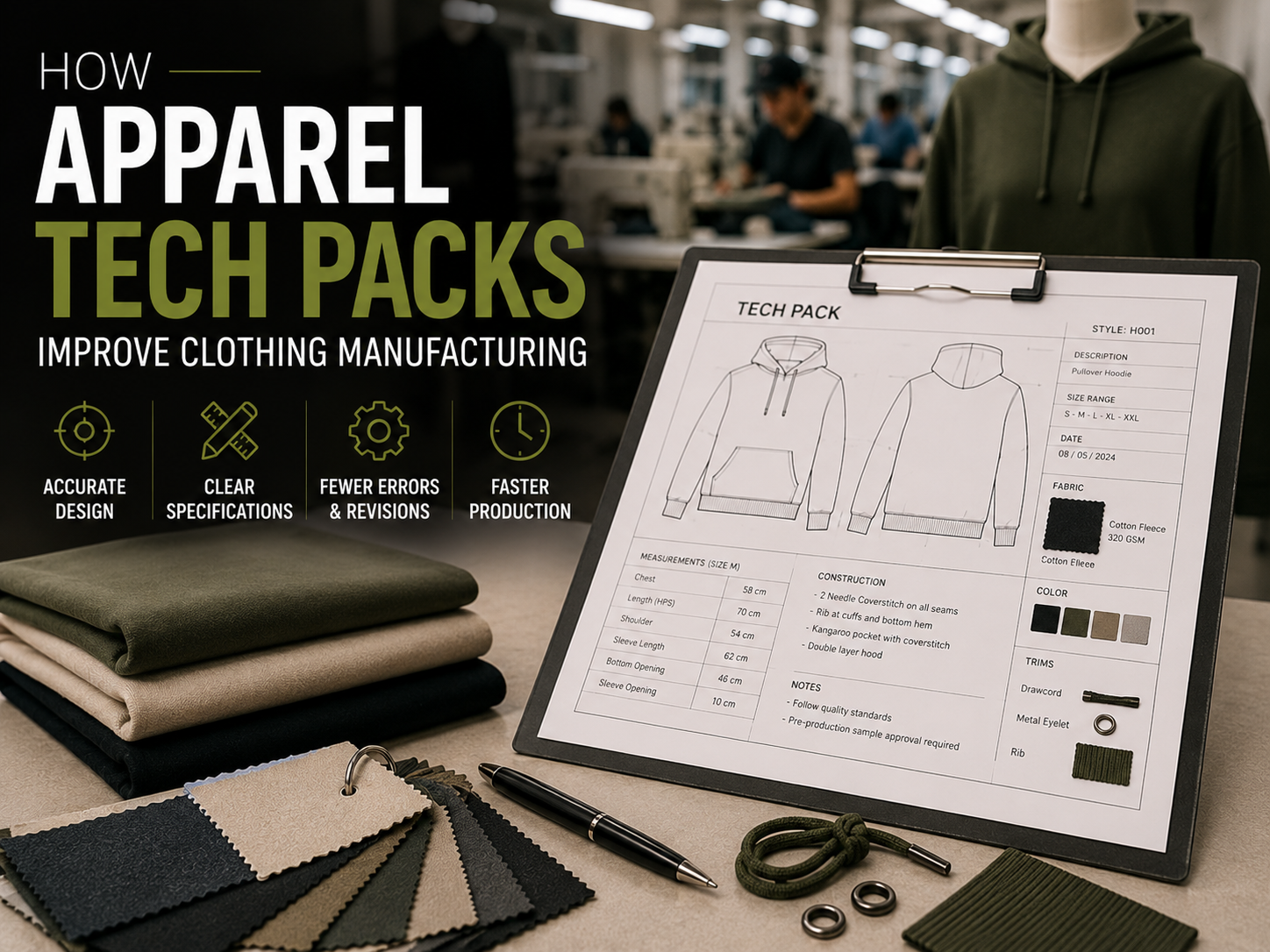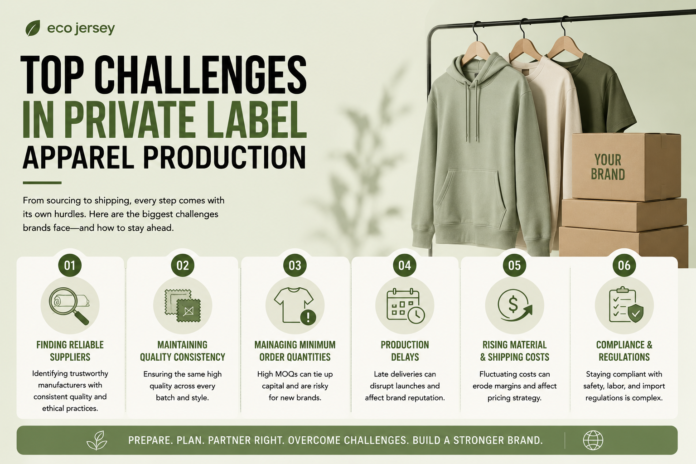
Private label apparel production brings unique hurdles for brands creating custom clothes. Since you design everything from the ground up, delays and high prices are common. A small mistake in sizing can ruin entire batches. Good planning can help you overcome these problems. ECO JERSEY and other partners make the process easier.
High production costs hit hard
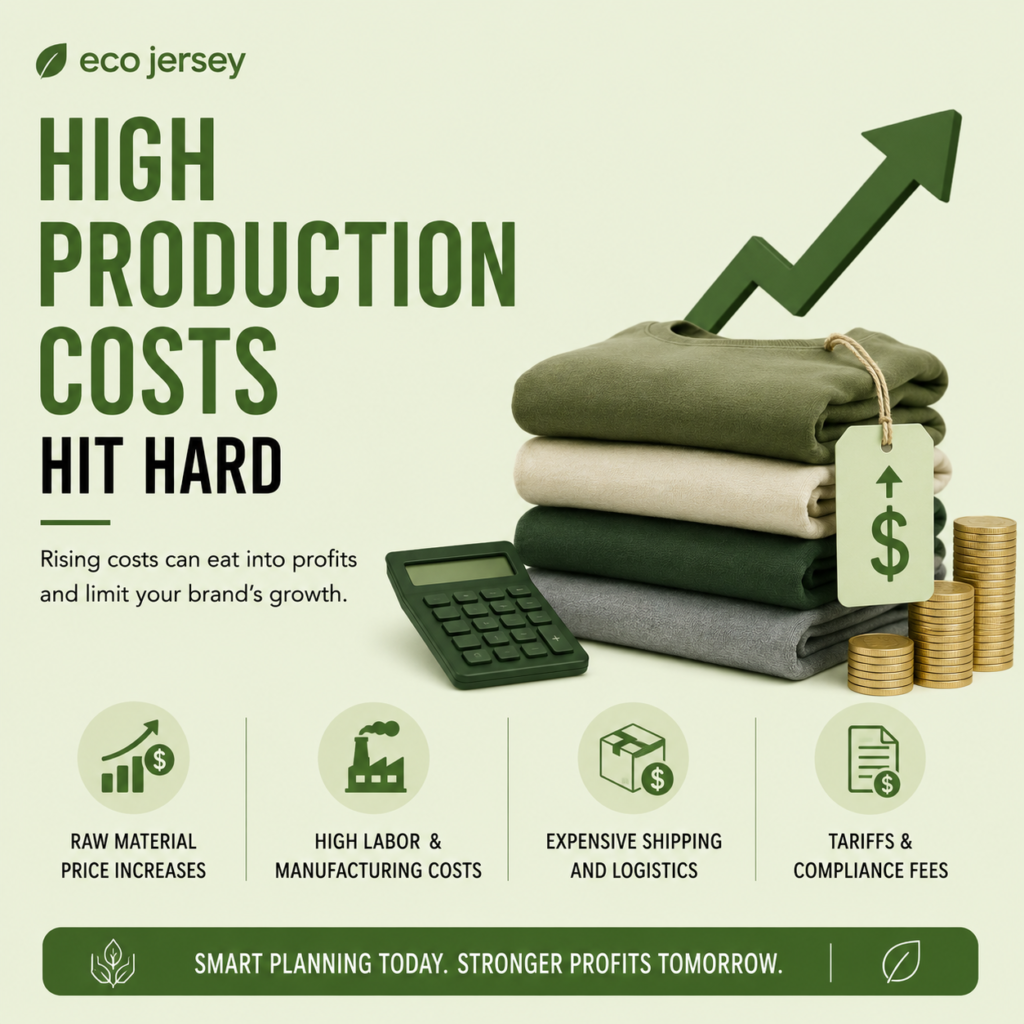
Custom designs drive up expenses in private label apparel production. Special fabrics and patterns are more expensive than standard items. Small runs are also charged extra by factories, since they set up machines for you. Samples can add up to your bill even before you sell a single piece. Budgets can quickly balloon without careful cost checking upfront.
Long lead times slow launches
Private label apparel production is plagued by long waiting periods. The approval process, fabric sourcing and sample rounds can take a long time. While your clothing is in the factories, trends change. Summer styles, for example, are often completely out of season. During peak periods, backlogs in factories can also build up. Timing becomes a constant struggle.
Quality Control Remains Tricky
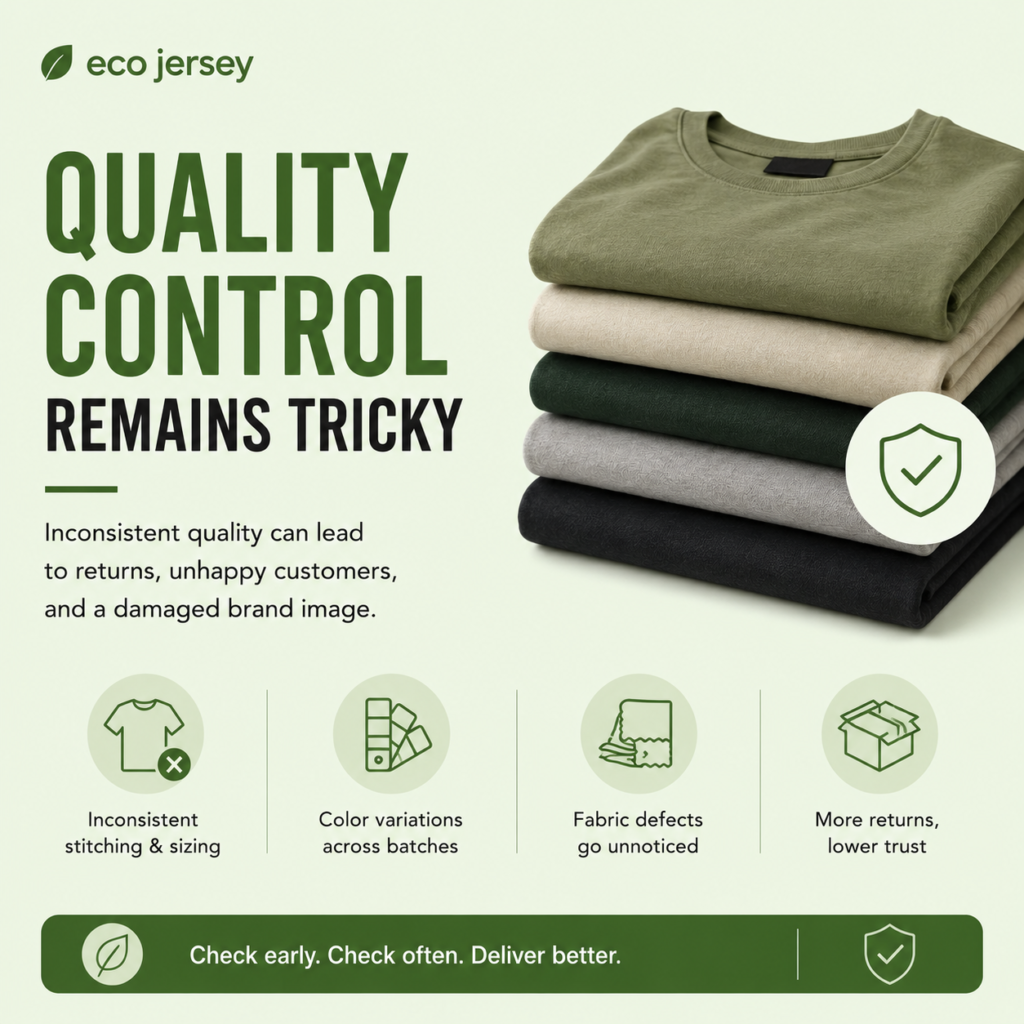
Private label clothing production often fails quality tests on new designs. After one wash, the workers may have different batches because they are learning your patterns. Customers stop buying immediately when they notice any flaws. Fixing errors also means additional delays and costs. Multiple sample rounds can save you headaches in the future.
Supply chain breakdowns cause chaos
Global sourcing can cause supply problems in the private label apparel industry. Fabric mills can delay shipments, or suddenly run out of stock. Containers are backed up in ports for weeks. Cotton prices can spike overnight. One late fabric roll can stop your entire order. Local partners reduce these risks in a smart way.
Start-ups are snared by large minimum orders
Private label apparel producers are challenged by the high minimums demanded by manufacturers. You can’t spend the money you need to market your brand if you order 500 shirts. Stock that is not sold sits in storage, resulting in expensive storage fees. Also, if you get the sizes wrong, you will always have extra stock. Negotiate smaller starting quantities whenever possible.
Design Mistakes Waste Resources
Tech packs are often confusing for factories in the private label clothing production. Sketches depict one sleeve, but the samples are shorter. The chart measurements are not the same as their tools. The colors also appear different in the factory lighting. Clear communication is essential to avoid costly reworks.
The demand for skilled workers is high
Private label clothing production is plagued by labor shortages. Stitchers with experience move to larger factories in search of better wages. New workers stitch poorly on complicated designs. Without consistent skills, quality drops in batches. Training is time-consuming, which factories are rarely willing to give.
Final Thoughts
Private label apparel production is a test for brands, as it can be costly, delayed, and contested on quality. To win, plan carefully, test frequently, and choose reliable partners such as ECO JERSEY. You can create clothes that customers will love, despite all the obstacles. Solving these challenges will also help you build a stronger brand in the long run. Start small and grow steadily.
FAQs
What are the main causes of cost problems?
Costs are high due to custom fabrics, low run fees and multiple samples.
How do delays hurt new collections?
Approvals and sourcing for months can miss trends.
Why is there such a wide variation in quality?
Workers learn from your batches and new patterns.
Can local partners solve supply issues?
They can reduce shipping delays and fabric waiting times by a significant amount.
How do you handle large minimum order?
Negotiate smaller production starts and test the demand before scaling up.