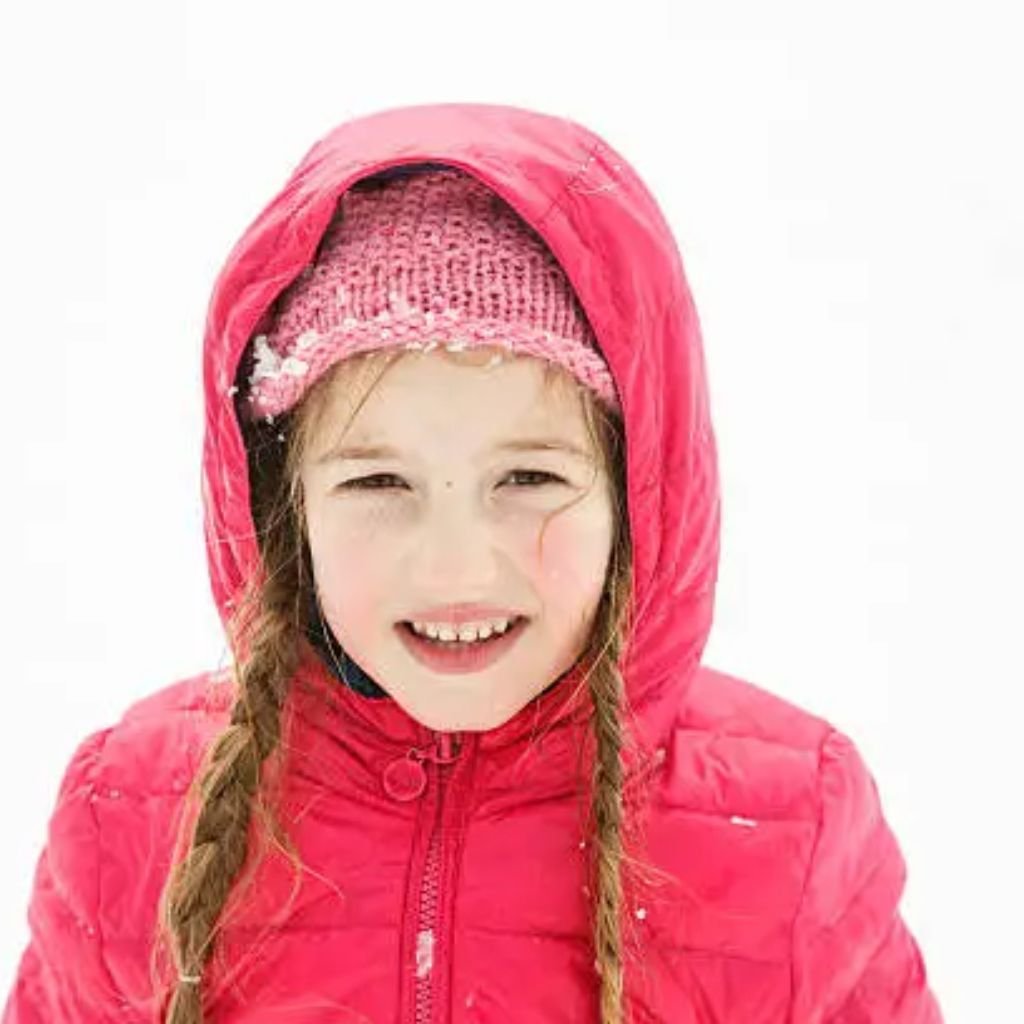
An All-Weather Winter Coat is designed to handle every challenge winter brings.It offers reliable protection from rain, snow, cold temperatures, and strong winds.Unlike traditional winter jackets, this coat focuses on adaptability.Therefore, it performs well in changing and unpredictable weather conditions.Modern winters no longer follow one clear pattern.As a result, outerwear must work in more than one situation.Later, strong winds may lower the temperature suddenly.Because of this, relying on a single-purpose coat often fails.An All-Weather Winter Coat solves this problem effectively.It combines warmth, weather resistance, and comfort in one design.People today spend time both indoors and outdoors.An all-weather design allows heat to escape when needed.At the same time, it traps warmth during colder moments.This balance improves comfort throughout the day.
History of the All-Weather Winter Coat
The history of the All-Weather Winter Coat is closely connected to human survival.From the earliest times, people needed protection from cold, wind, and moisture.Early humans used animal skins and natural fibers to stay warm.These materials offered basic insulation but limited weather resistance.As societies developed, clothing became more structured and functional.This marked the beginning of purpose-driven winter outerwear.In colder regions, extreme weather forced innovation.People living in snowy and windy climates layered garments carefully.They learned that blocking wind mattered as much as trapping heat.Over time, woven fabrics replaced raw hides.These fabrics improved durability and comfort.However, protection from rain and snow remained limited.
The next major development came from exploration and travel.Explorers crossing mountains and polar regions needed reliable outerwear.They required coats that worked in freezing temperatures and harsh winds.Therefore, layered systems became more common.Heavy outer shells protected against wind and snow.Inner layers focused on warmth and insulation.Military needs played a crucial role in shaping winter coats.Soldiers operated in cold and wet environments for long periods.Standard coats often failed during rain or snowfall.As a result, military designers introduced water-resistant fabrics.They also improved insulation techniques.These designs later influenced civilian winter clothing.
Types of All-Weather Winter Coats
The market for All-Weather Winter Coats offers a wide variety of styles to suit different needs.Understanding these types helps buyers choose the best coat for their lifestyle.Each style balances warmth, protection, and mobility differently.Some are designed for extreme outdoor conditions, while others focus on urban style.The choice depends on daily activities, climate, and personal preference.Despite differences, all types share core all-weather features like insulation, breathability, and moisture protection.
Parka-Style All-Weather Coats
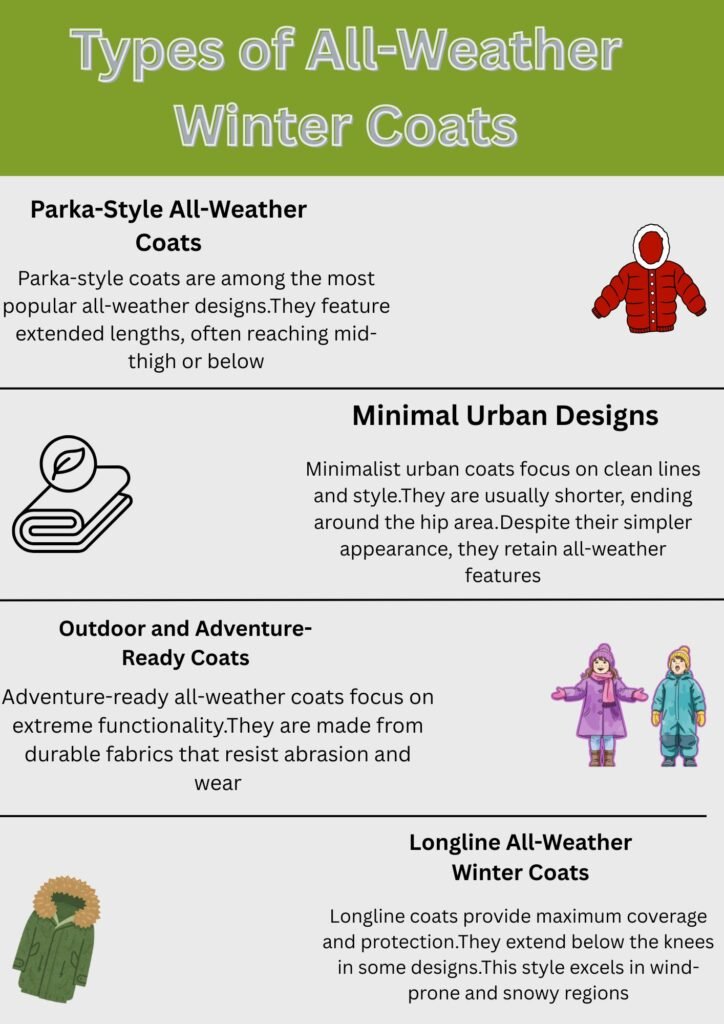
Parka-style coats are among the most popular all-weather designs.They feature extended lengths, often reaching mid-thigh or below.This provides extra coverage against wind and snow.The hood is usually insulated and adjustable, offering head and neck protection.Parkas are heavier than other styles, but they excel in extremely cold environments.They often include multiple layers and reinforced materials for durability.This style is ideal for regions that experience long winters and heavy snowfall.
Minimal Urban Designs
Minimalist urban coats focus on clean lines and style.They are usually shorter, ending around the hip area.Despite their simpler appearance, they retain all-weather features.The outer shell blocks rain and wind efficiently.Insulation remains adequate for moderate winter temperatures.These coats appeal to urban professionals who prioritize style alongside protection.
Outdoor and Adventure-Ready Coats
Adventure-ready all-weather coats focus on extreme functionality.They are made from durable fabrics that resist abrasion and wear.The insulation is designed to perform even in wet conditions.These coats include reinforced hoods, adjustable hems, and protective collars.They are ideal for hiking, skiing, or extended outdoor activities.Performance and durability take priority over aesthetic considerations.
Longline All-Weather Winter Coats
Longline coats provide maximum coverage and protection.They extend below the knees in some designs.This style excels in wind-prone and snowy regions.The extended length prevents cold drafts from reaching the legs.They often include insulated linings and adjustable features for warmth.Longline coats combine durability with comfort for extended wear.
What Is an All-Weather Winter Coat?
An All-Weather Winter Coat is a winter garment designed for changing conditions.It protects the body from cold temperatures, rain, snow, and strong wind.Unlike traditional winter coats, it does not serve one single purpose.Instead, it adapts to different weather situations throughout the season.This adaptability makes it suitable for modern winter lifestyles.People no longer face the same weather every day during winter.At its core, an All-Weather Winter Coat combines protection and comfort.It includes an outer layer that resists moisture and wind.At the same time, it contains insulation that traps body heat.This combination keeps the wearer warm and dry.However, the coat also allows excess heat to escape.As a result, it prevents overheating during movement.
A key feature of this type of coat is balance.Too much insulation can feel heavy and uncomfortable.Too little insulation can leave the body cold.An all-weather design avoids both problems.It provides enough warmth without adding unnecessary bulk.Therefore, it feels comfortable during long wear.Another important aspect is weather resistance.Winter often brings rain mixed with snow.Moisture can quickly reduce body warmth.An All-Weather Winter Coat blocks moisture effectively.This helps maintain a stable body temperature.Consequently, the wearer stays comfortable even in wet conditions.
Key Features of an All-Weather Winter Coat
An All-Weather Winter Coat stands out because of its carefully designed features.Each feature works together to provide protection, comfort, and flexibility.Unlike ordinary winter jackets, these coats focus on balance.They protect against harsh weather while maintaining breathability.This combination makes them suitable for daily wear.Understanding these features helps buyers make better choices.
Weatherproof Outer Shell Protection
The outer shell plays a crucial role in an All-Weather Winter Coat.It acts as the first line of defense against rain and snow.High-quality shells prevent water from soaking into the fabric.At the same time, they block strong winter winds.This protection helps the body retain warmth.As a result, the wearer stays dry and comfortable for longer periods.A durable outer shell also improves the coat’s lifespan.It resists wear from daily use and outdoor exposure.Therefore, the coat performs well season after season.This reliability defines true all-weather performance.
Thermal Insulation for Consistent Warmth
Insulation determines how warm a winter coat feels.An All-Weather Winter Coat uses insulation wisely.It traps heat close to the body without excessive bulk.This keeps the wearer warm during cold temperatures.At the same time, it avoids the heavy feeling of traditional coats.Good insulation adjusts to changing conditions.It provides warmth during freezing weather.However, it does not overheat during mild winter days.This flexibility improves comfort throughout the day.
Breathability and Moisture Control
Breathability is essential for all-day comfort.Physical movement creates heat and moisture inside the coat.Without airflow, sweat builds up quickly.An All-Weather Winter Coat allows moisture to escape gradually.This keeps the inner layers dry.As a result, the wearer feels comfortable during activity.Moisture control also helps maintain body temperature.Dry clothing retains heat more effectively.Therefore, breathability directly supports warmth.This feature separates all-weather coats from heavy jackets.
Adjustable Design for Better Fit
Fit greatly affects winter comfort.An All-Weather Winter Coat includes adjustable elements.These adjustments help seal warmth inside the coat.They also block cold air from entering.As a result, heat stays where it is needed most.A flexible fit also allows layering.This becomes useful during extreme cold.The coat adapts easily without restricting movement.Therefore, comfort remains consistent throughout winter.
Best Materials Used in All-Weather Winter Coats
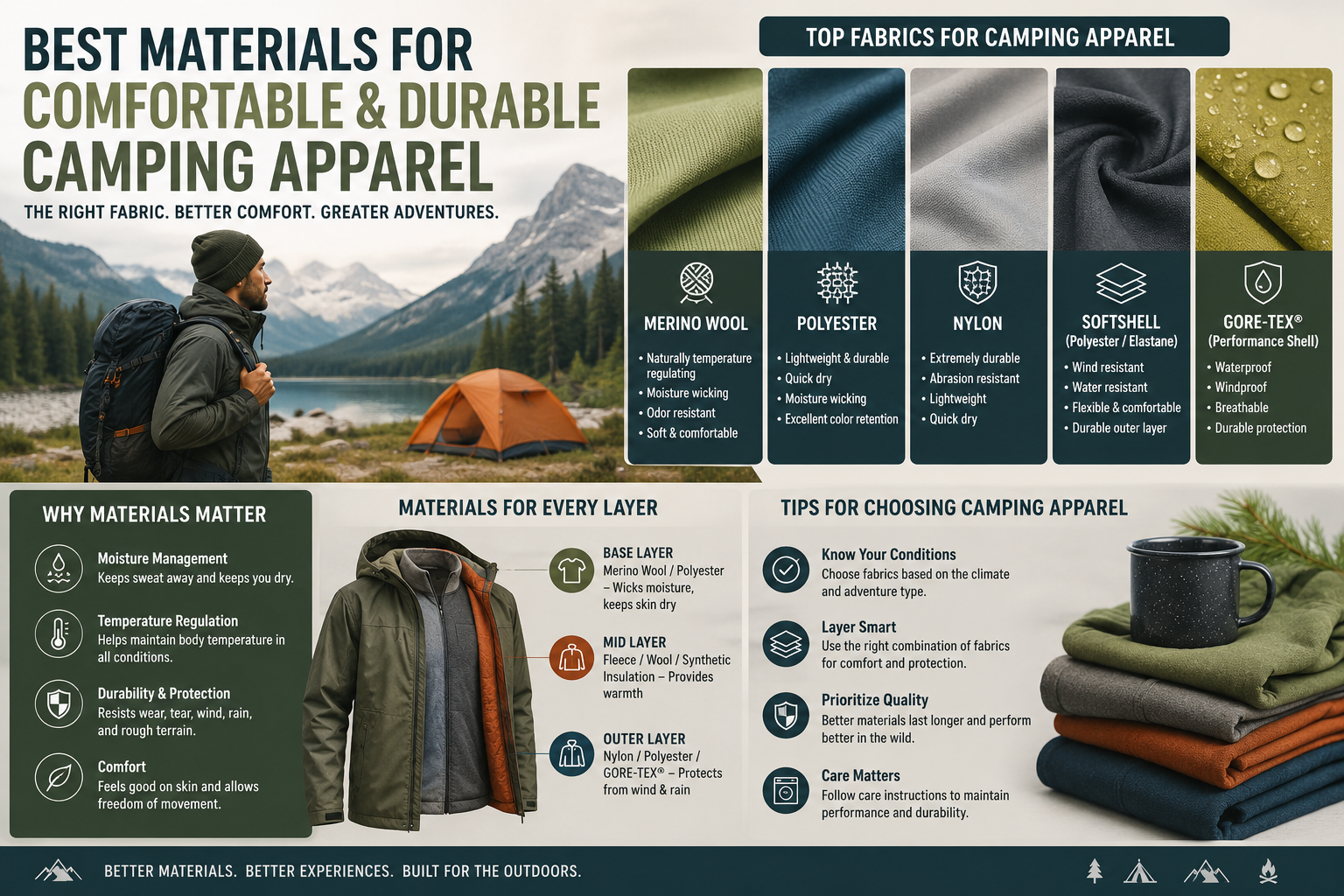
The performance of an All-Weather Winter Coat depends heavily on the materials used.Each layer plays a specific role in protecting the body.Manufacturers carefully select fabrics to balance warmth, durability, and comfort.Modern technology has improved material performance significantly.As a result, today’s all-weather coats perform better than older winter designs.Material choice directly affects how the coat feels and functions.
Waterproof Membranes and Advanced Shell Fabrics
The outer shell is the first line of defense against harsh weather.High-quality all-weather winter coats use advanced waterproof membranes.These membranes block rain and snow effectively.At the same time, they allow internal moisture to escape.This balance keeps the wearer dry from both outside and inside.Therefore, comfort remains stable throughout the day.Many modern membranes are bonded to durable fabrics.This construction improves strength and flexibility.It also prevents cracking during cold temperatures.As a result, the coat lasts longer.The wearer experiences consistent protection.This reliability defines a true All-Weather Winter Coat.
Gore-Tex and Similar Performance Technologies
Gore-Tex remains one of the most trusted materials in winter outerwear.It provides exceptional waterproof protection.At the same time, it offers strong breathability.This combination suits unpredictable winter conditions perfectly.Therefore, it is widely used in premium all-weather coats.Its reputation is built on long-term performance.Other similar technologies now offer comparable results.These alternatives focus on flexibility and lightweight design.They also reduce stiffness during cold weather.As a result, movement feels more natural.This improves comfort during daily wear.Innovation continues to improve these materials.
Recycled Polyester and Eco-Friendly Fabrics
Sustainability now plays an important role in winter coat materials.Many brands use recycled polyester for outer shells.This material reduces waste and conserves resources.At the same time, it maintains durability and strength.Therefore, performance does not suffer.Eco-conscious buyers benefit greatly from this approach.Recycled fabrics also resist moisture effectively.They hold waterproof coatings well.This helps the coat maintain weather protection.Additionally, they reduce environmental impact.As a result, sustainability and performance work together.This aligns with modern consumer values.
Merino Wool Blends for Natural Temperature Control
Merino wool blends add natural performance benefits.They regulate body temperature effectively.This helps maintain warmth without overheating.Wool fibers trap air naturally.At the same time, they wick moisture away from the skin.This keeps the body dry and comfortable.In all-weather winter coats, wool is often blended with synthetics.This improves durability and reduces weight.The blend also dries faster than pure wool.As a result, the coat performs well in wet conditions.This combination enhances overall comfort.It suits long winter days perfectly.
How an All-Weather Winter Coat Protects in Different Conditions
An All-Weather Winter Coat is designed to handle changing winter environments.It does not focus on one condition alone.Instead, it adapts to rain, snow, wind, and temperature shifts.This adaptability makes it more reliable than traditional winter coats.Each weather condition presents different challenges.However, an all-weather design responds effectively to each one.

Protection in Rain and Wet Snow Conditions
Rain and wet snow create the most discomfort in winter.Moisture quickly penetrates low-quality winter jackets.An All-Weather Winter Coat prevents this problem.Its outer shell blocks water from entering the fabric.At the same time, seams are sealed carefully.This prevents leakage through stitching.Wet snow often melts on contact with body heat.Therefore, moisture resistance becomes critical.The coat allows water to slide off the surface.As a result, inner layers remain dry.Dry clothing maintains warmth more effectively.This improves comfort during long exposure.
Protection in Extreme Cold Temperatures
Extreme cold demands reliable insulation.An All-Weather Winter Coat traps body heat efficiently.It creates a thermal barrier around the body.This barrier slows heat loss significantly.Therefore, warmth stays consistent even during freezing conditions.This protection becomes essential in harsh climates.The coat also reduces cold spots.Heat remains evenly distributed across the body.As a result, comfort improves during extended wear.The wearer does not need excessive layering.This simplifies winter dressing.It also improves mobility.
Protection in Windy Winter Environments
Wind increases the feeling of cold quickly.It strips away body heat through convection.An All-Weather Winter Coat blocks wind effectively.Its tightly woven outer fabric resists airflow.This prevents cold air from reaching inner layers.As a result, warmth stays locked inside.Wind protection also improves energy retention.The body does not work harder to stay warm.This reduces fatigue during outdoor activities.Urban environments benefit greatly from this feature.Open areas amplify wind exposure.The coat ensures consistent protection.
All-Weather Winter Coat vs Regular Winter Coat
An All-Weather Winter Coat differs significantly from a regular winter coat in purpose and performance.A regular winter coat usually focuses only on warmth.It works well in cold temperatures but struggles in changing weather.In contrast, an all-weather winter coat handles multiple conditions.It protects against cold, rain, snow, and wind at the same time.This makes it more adaptable to modern winter environments.Warmth is often the main feature of traditional winter coats.They rely on thick insulation and heavy fabrics.While this provides heat, it can feel bulky.Movement often becomes restricted.An All-Weather Winter Coat approaches warmth differently.It traps heat efficiently without excessive thickness.Weather resistance highlights another major difference.Regular winter coats may absorb water during rain or wet snow.Once wet, insulation loses effectiveness
How to Care for an All-Weather Winter Coat
Proper care is essential to maintain the performance and longevity of an All-Weather Winter Coat.Because these coats are designed to protect against rain, snow, wind, and cold, the fabrics and insulation require careful handling.Regular maintenance ensures that the coat remains effective season after season.Neglecting care can reduce warmth, compromise waterproofing, and make the coat less comfortable over time.Understanding proper cleaning, drying, and storage techniques helps preserve both the appearance and functionality of the coat.
Washing and Cleaning
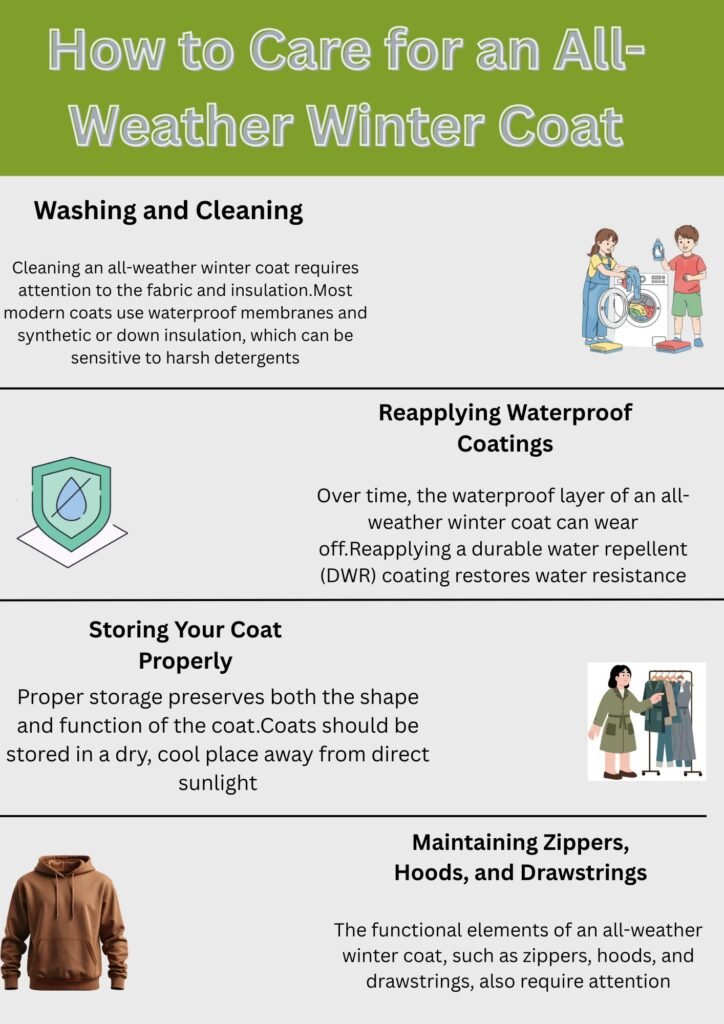
Cleaning an all-weather winter coat requires attention to the fabric and insulation.Most modern coats use waterproof membranes and synthetic or down insulation, which can be sensitive to harsh detergents.It is important to use a mild detergent designed for technical outerwear.Harsh soaps or fabric softeners can damage waterproof coatings and reduce breathability.Machine washing is often possible, but gentle cycles with cold water are recommended to avoid weakening the fibers.Spot cleaning is useful for small stains or dirt, preventing unnecessary full washes.
Reapplying Waterproof Coatings
Over time, the waterproof layer of an all-weather winter coat can wear off.Reapplying a durable water repellent (DWR) coating restores water resistance.This is especially important for coats exposed to frequent rain or snow.Water that beads and rolls off the fabric indicates the coating is active.If water starts soaking into the fabric, it is time to refresh the treatment.Sprays, wash-in products, or professional services can be used depending on the manufacturer’s recommendations.Maintaining the waterproof coating ensures the coat continues to perform in wet conditions while prolonging its lifespan.
Storing Your Coat Properly
Proper storage preserves both the shape and function of the coat.Coats should be stored in a dry, cool place away from direct sunlight.Excessive heat or moisture can damage fabrics and insulation.Hanging the coat on a wide, sturdy hanger helps maintain the shape of the shoulders and prevents creasing.Avoid compressing down or synthetic insulation for extended periods, as this reduces loft and warmth.During off-seasons, lightly covering the coat with a breathable garment bag protects it from dust and accidental damage.Regularly checking the coat for damage, loose threads, or worn areas also ensures that minor repairs can be made before problems worsen.
Maintaining Zippers, Hoods, and Drawstrings
The functional elements of an all-weather winter coat, such as zippers, hoods, and drawstrings, also require attention.Zippers should be kept clean and free of dirt or debris, as this ensures smooth operation.Occasionally lubricating the zipper with a technical wax or silicone product prolongs its lifespan.Hoods, especially insulated and adjustable ones, should be adjusted carefully to avoid tearing seams.Drawstrings and elastic components should be checked for fraying or loss of elasticity.Proper care of these functional parts ensures the coat maintains both fit and performance over time.
Why All-Weather Winter Coats Are Important
An All-Weather Winter Coat simplifies winter dressing.It replaces the need for multiple jackets.This saves money and storage space.It also reduces decision fatigue during winter mornings.Moreover, it provides reliable protection every day.Therefore, it supports both comfort and convenience.
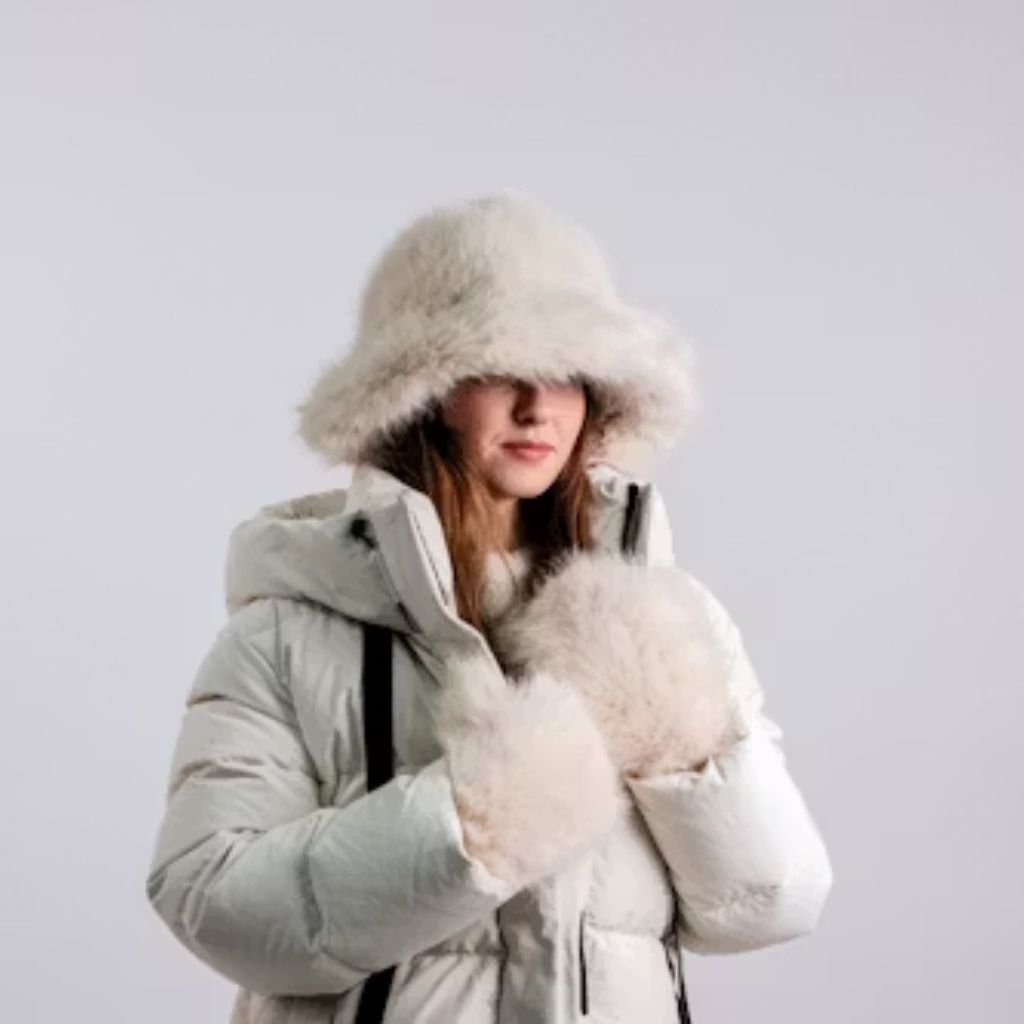
Uses of an All-Weather Winter Coat
Daily commuting becomes easier with proper protection.Traveling feels more comfortable across regions.Outdoor activities remain enjoyable in winter.Work environments benefit from reliable warmth.Students and professionals stay protected throughout the day.
Thus, the coat suits many uses.
Who Should Buy an All-Weather Winter Coat
Daily commuters face sudden weather changes.Travelers experience varying climates.Urban professionals require style and function.Students walk long distances in winter.Outdoor workers face harsh conditions daily.Therefore, this coat suits a wide audience.
How to Choose the Best All-Weather Winter Coat
Climate and Temperature Consideration
Climate determines insulation needs.Colder regions require higher thermal protection.Milder climates need breathable designs.Therefore, choose according to location.
Fit and Layering Compatibility
Proper fit allows layering underneath.Avoid overly tight designs.Comfort and movement remain essential.
Length and Design
Longer coats provide extra coverage.Shorter styles improve flexibility.Choose based on activity level.
Hood and Collar Design
A protective hood shields the head.High collars block cold air.These features enhance overall warmth.
Sustainable and Eco-Friendly All-Weather Winter Coats
Sustainability now shapes winter fashion.Many brands use recycled materials.This reduces environmental impact significantly.PFC-free coatings protect water systems.Ethical manufacturing supports fair labor.Therefore, eco-friendly coats benefit everyone.
Common Myths About All-Weather Winter Coats
Many believe these coats are too heavy.Modern materials prove otherwise.Others think they suit extreme cold only.Breathability makes them suitable for mild winters.Some assume they lack airflow.Advanced fabrics allow proper ventilation.
Price Range and Value for Money
Prices vary based on materials and technology.Budget options offer basic protection.Premium coats include advanced features.Cost-per-wear makes higher prices worthwhile.Durable construction ensures long-term use.Therefore, value remains high.

conclusion
The All-Weather Winter Coat is more than just a winter jacket; it represents a complete solution for unpredictable cold-weather conditions.It combines warmth, wind protection, waterproofing, and breathability in a single garment, allowing wearers to face rain, snow, and gusty winds with confidence.Unlike traditional winter coats, which often focus only on insulation, the all-weather design adapts to changing climates and daily activity levels, keeping the body comfortable without restricting movement.Its versatility makes it suitable for urban commuting, outdoor adventures, travel, and daily routines, eliminating the need for multiple coats for different conditions.
FAQs
Is an All-Weather Winter Coat Worth It?
An All-Weather Winter Coat is a valuable investment because it replaces multiple jackets.Unlike regular winter coats, it adapts to rain, snow, wind, and temperature changes.Its versatility reduces the need for buying separate coats for different conditions.Moreover, high-quality materials and construction extend the lifespan of the coat.Over time, this makes it cost-effective and practical for anyone facing unpredictable winter weather.Therefore, investing in an all-weather winter coat is worthwhile for comfort, convenience, and long-term performance.
Can I Wear an All-Weather Winter Coat in Rain and Snow?
Yes, an all-weather winter coat is specifically designed for wet conditions.Its outer shell blocks water and prevents moisture from reaching inner layers.Sealed seams enhance this protection, stopping rain and snow from leaking through stitching.Aany all-weather coats also feature water-repellent coatings that cause water to bead and roll off the fabric.This ensures that the wearer remains dry during prolonged exposure to wet weather.At the same time, insulation continues to provide warmth even if the outer layer gets damp on the surface.
Are All-Weather Winter Coats Warm Enough for Freezing Temperatures?
Most all-weather winter coats are equipped with thermal insulation that retains body heat efficiently.The insulation can be synthetic or down, both of which trap warmth close to the body.Additionally, windproof outer fabrics prevent heat loss from gusts, keeping the wearer comfortable.Layering underneath the coat can further enhance warmth for extreme cold.The coat’s adaptability ensures it performs well in freezing conditions without causing overheating during mild activity.As a result, these coats are suitable for both moderate and harsh winter climates.