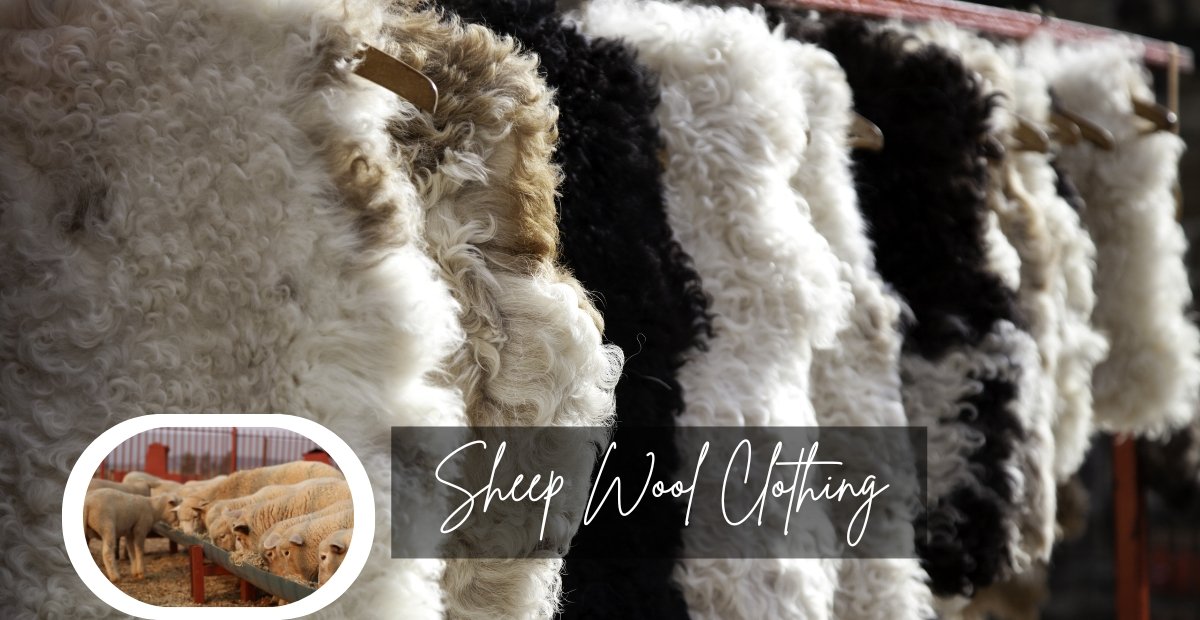
Sheep wool is one of the few materials that offer comfort, warmth, and eco-friendliness all at the same time. For centuries, the world has utilized this natural fiber to manufacture clothes that enable people to endure and thrive in the frigid climates. With the global seek for sustainable fashion, the utilization of sheep wool in clothing has enjoyed a well-deserved revival.
In this article, we discuss the origins, benefits, and uses of sheep wool clothing, how to best care for wool garments, and the benefits of investing in natural fibers in your wardrobe.
1. A Brief History of Sheep Wool Clothing
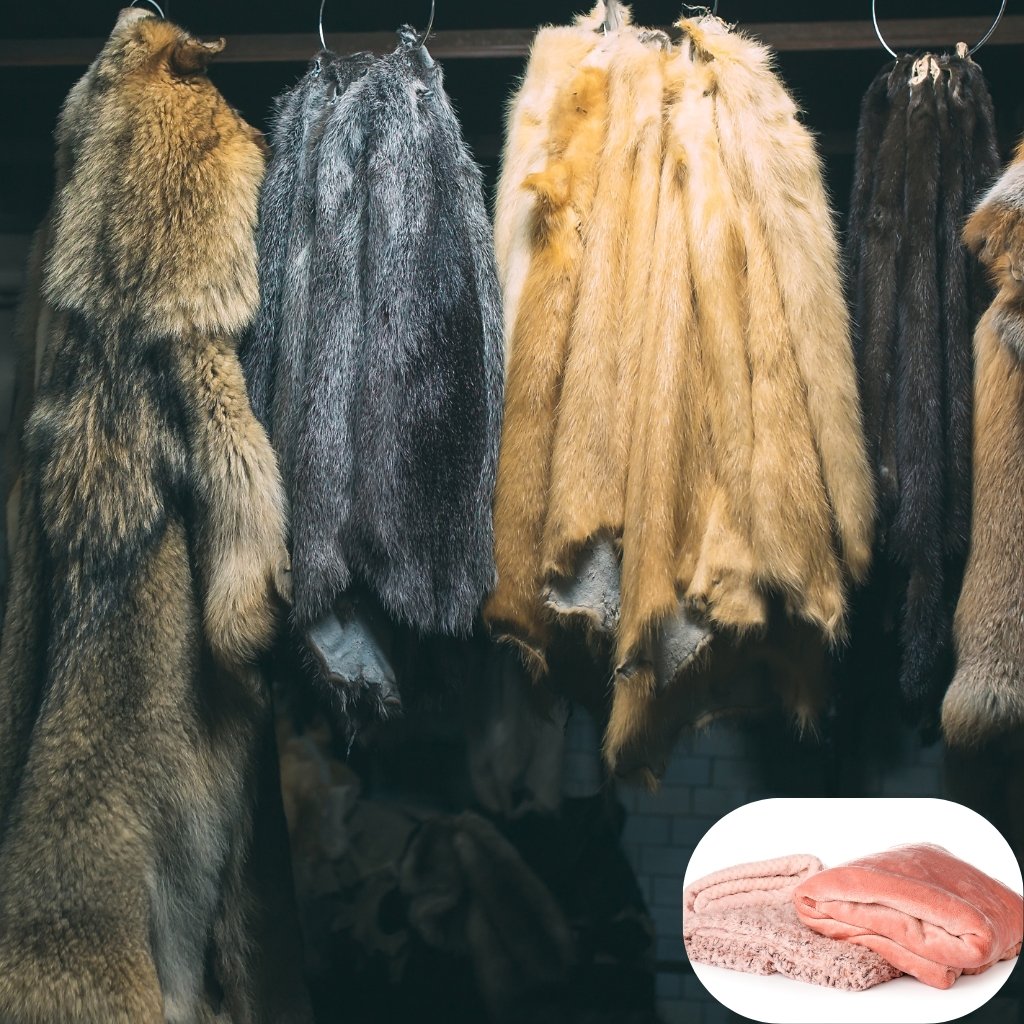
Sheep have been domesticated for thousands of years, and their wool has always been highly valued. Early civilizations relied on wool garments to stay warm in cold regions. Over time, as textile technology improved, wool was transformed into softer and finer fabrics.
Eventually, wool became a symbol of quality and durability. In fact, it was often preferred over other fibers because of its natural ability to regulate body temperature. Even today, wool garments are considered timeless classics, often passed down through generations.
2. Why Sheep Wool Clothing Is Special
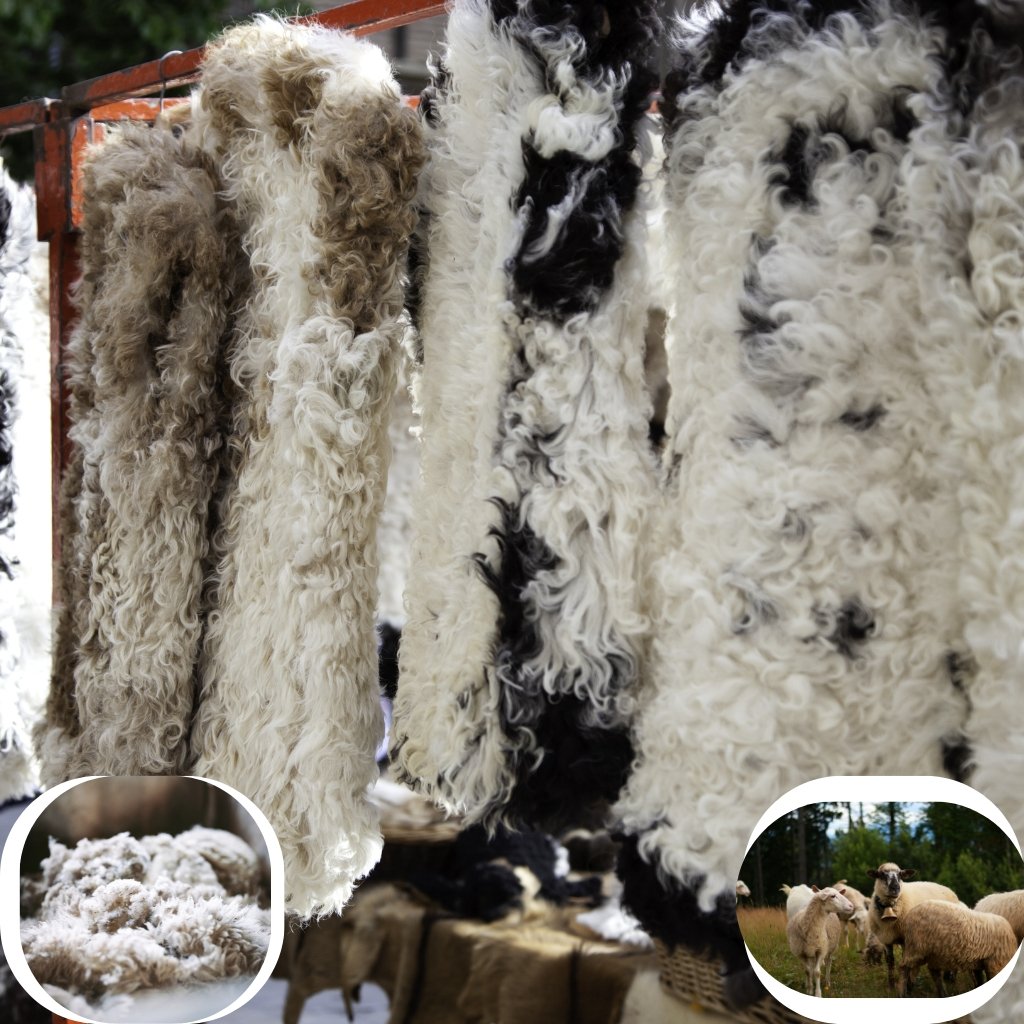
Unlike synthetic fibers, wool is 100% natural. It grows on sheep without harming them and is shorn at least once a year. This makes it one of the most renewable resources in the textile industry.
Another unique quality of wool is its crimped structure. This structure traps air, which creates a natural insulating layer. As a result, wool clothing keeps the body warm in winter and cool in summer. Additionally, wool is breathable, which helps regulate moisture and prevents overheating.
Most garments made of wool do not wrinkle, making sheep wool clothing useful in both casual and formal attires. Wool garments are also naturally elastic and therefore can retain their shape for many years.
3. The Sustainability Advantage
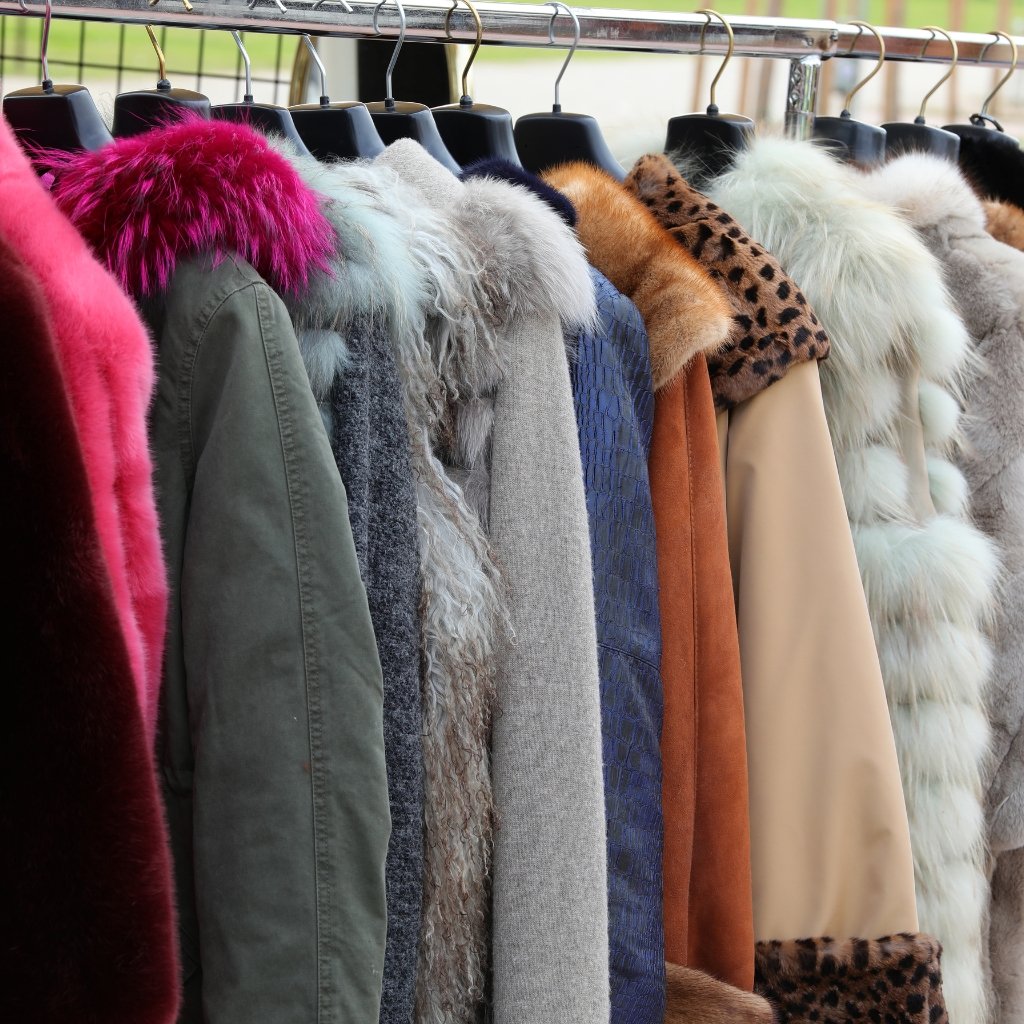
One of the main reasons wool clothing is becoming increasingly popular again is its environmental benefits. Unlike synthetic materials, sheep wool clothing is biodegradable. This means it breaks down naturally without releasing harmful microplastics into the environment. Read more….Alpaca wool fabric
In addition, sheep wool production requires less energy compared to synthetic fibers. Because wool garments last longer, they reduce the need for frequent replacements. Therefore, choosing sheep wool clothing is an excellent way to support sustainable fashion and lower your environmental footprint.
It’s also worth mentioning that many wool producers now follow ethical farming practices, ensuring that sheep are treated humanely.
Types of Sheep Wool Clothing
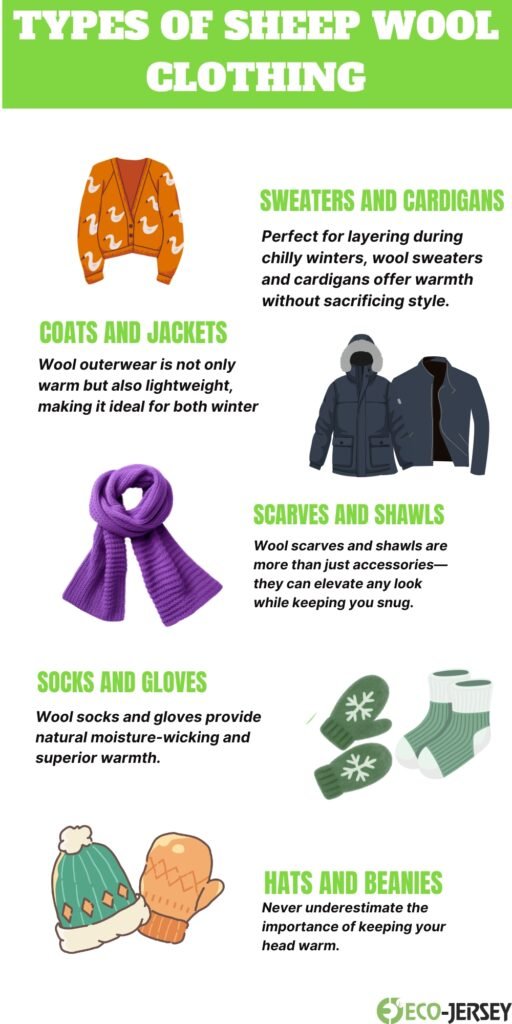
The variety of garments that can be made from sheep wool is endless. From fine coats to comfy sweaters, there is a wool garment for every occasion. Some of the more popular garments made of wool are:
- Sweaters and Cardigan: Great for layering in the winter.
- Coats and Jackets: Wool outerwear is warm and lightweight.
- Scarves and Shawls: The right accessories can elevate any outfit.
- Socks and Gloves: Warmth and natural moisture-wicking are a perfect combination.
- Hats and Beanies: Your extremities need protection just as much as your body.
Every season brings new styles created with sheep wool clothing and every season brings improved and modern accessories to the market.
5. Sheep Wool compared to Materials, Cotton and Synthetic Fabrics
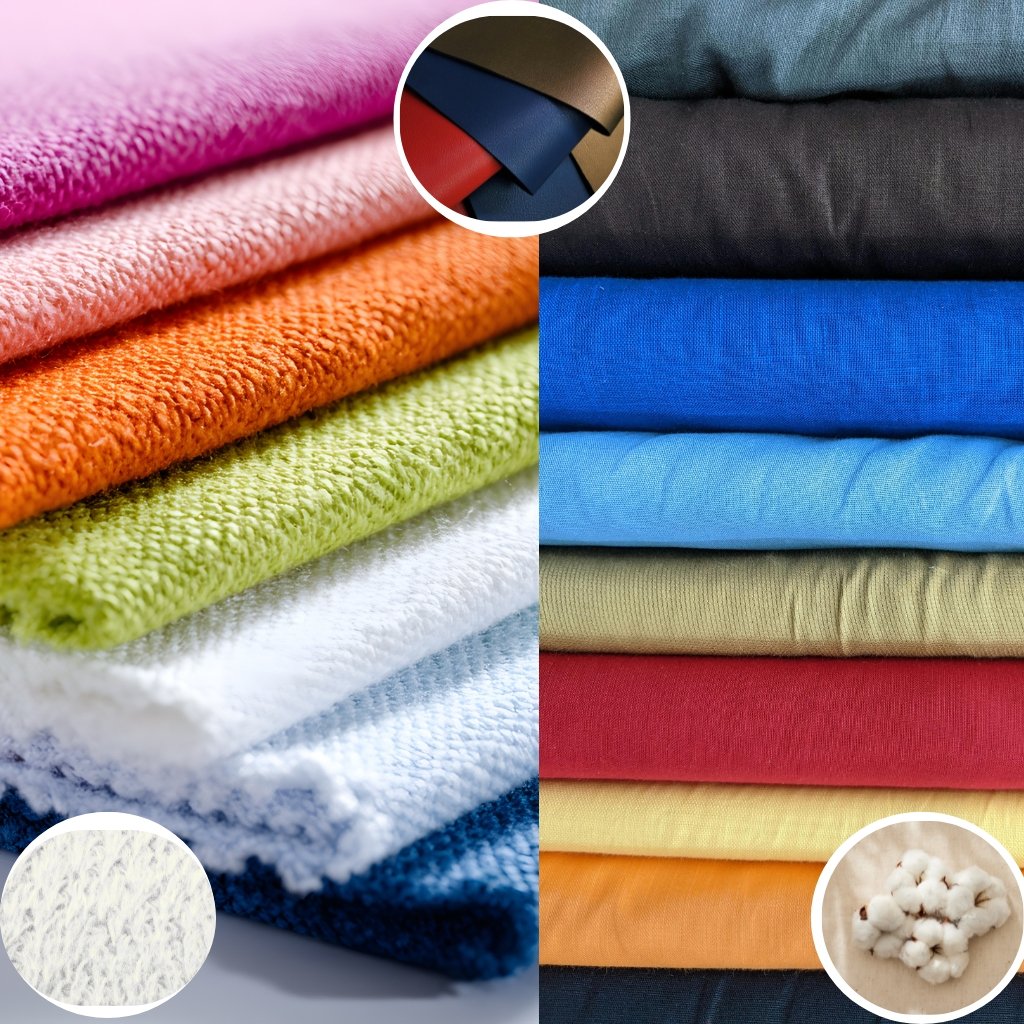
Cotton is a breathable fabric but does not insulate as effectively as wool. Synthetic fabrics are cheaper and more durable but do not breathe as well as natural fabrics, which makes them quite uncomfortable.
Wool is the most effective insulator, absorbs water, preserves it, and has a lasting odor prevention mechanism. Wool absorbs the odors and moisture your body excretes. Your wool clothing also saves water as washing it is only needed after several wears. Read more…..What is wool fabric
6. Caring for Wool Clothing
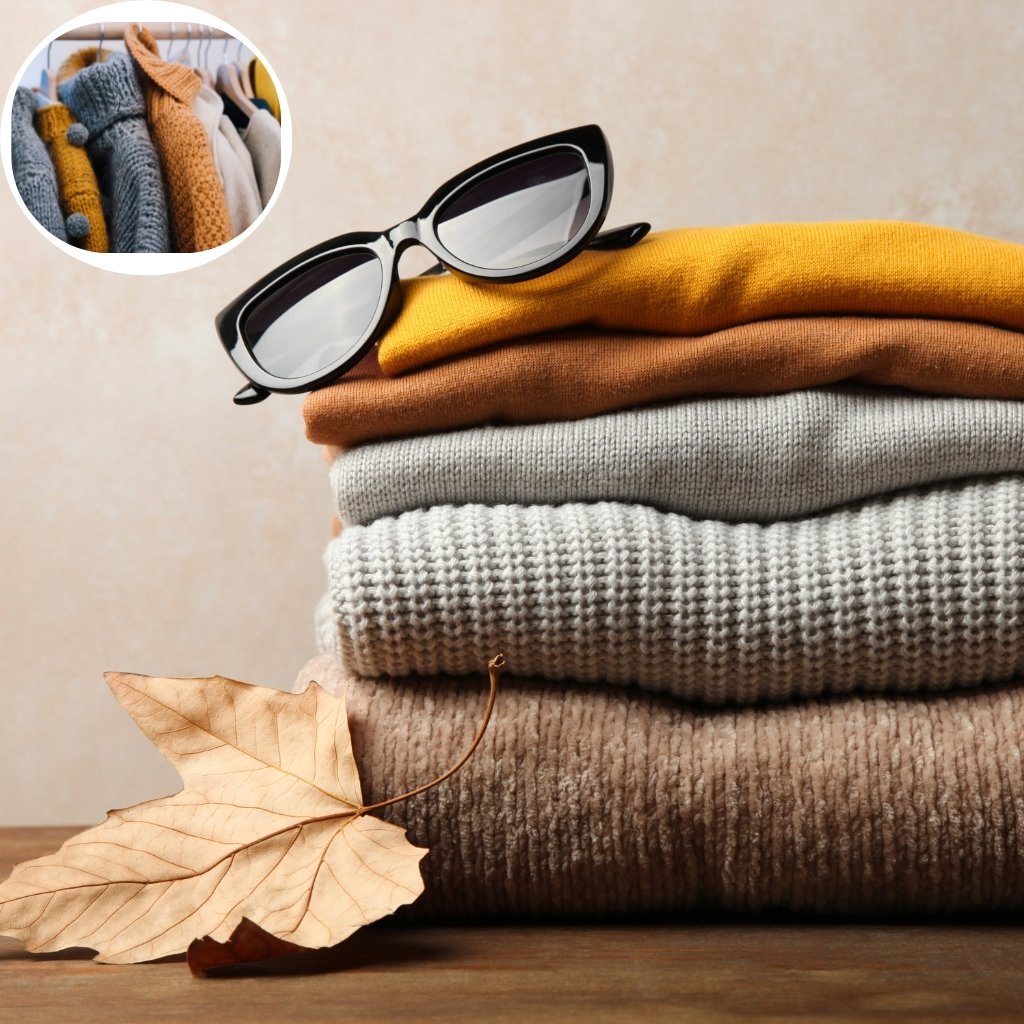
Wool is quite durable but without proper care, it will not last. You will be surprised but wool clothes do not need to be washed as often as you think. Because the fibers are odor-resistant, a simple airing out will do.
For washing wool, it is advisable to use cold water and gentle wool-wash detergents. Most sheep wool clothing items are hand washable; some, however, are dry cleanable. Remember to never wring or twist wool, as it can wreak havoc on the wool fibers.
Avoid hanging woolen garments; instead, lay them flat to dry to reduce the risk of stretching and help them maintain their original shape. Maintaining quality can also be aided by proper storage, like folding as opposed to hanging sweaters.
7. Fashioning With Wool
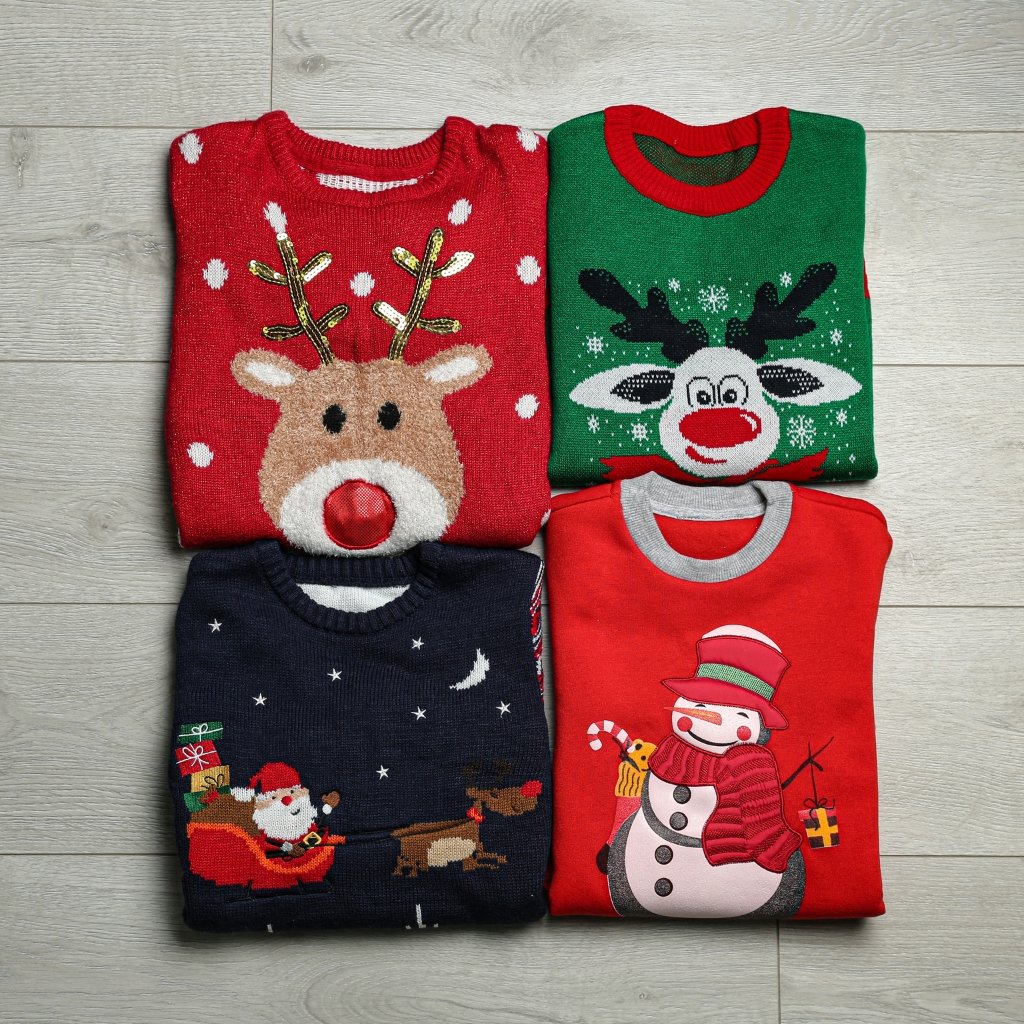
Gone is the time when wool is confined to heavy winter sweaters. A growing number of modern brands are reinventing the use of the fabric. Lightweight wool can be used to create dresses, suits, and even athleisure.
With the rise of sustainable fashion, sheep wool clothing is becoming popular in eco-conscious collections. Wool is often paired with other natural fibers to make stylish and adaptable garments for year-round wear. Read more….Shearling wool fabric
8. Advantages of Choosing Sheep Wool Clothing
With that, here are the key points on the benefits of sheep wool clothing:
- Natural Insulation: Cold weather, keeps warm, and hot weather, keeps cool.
- Moisture-Wicking: Keeps sweat away from the body, keeps dry.
- Odor Resistance: Less frequent washes required.
- Durability: Shape and quality maintained for years.
- Eco-Friendly: Renewable, biodegradable, and long-lasting.
- Comfort: Soft, breathable, and non-itchy provided it’s processed correctly.
These benefits make wool the preferred fabric for consumers seeking comfort and sustainable practices.
9. Common Myths About Wool
Wool does have its benefits, but there are still myths that surround the textile. One frequent misconception is that sheep wool clothing is always itchy. In the past, this had some truth, but with modern processing, wool has become much softer.
Many people also think that caring for sheep wool clothing is difficult. In fact, wool is stain-resistant and with a few proper washing techniques, it is easy to maintain.
Lastly, people believe wool can only be worn in winter. In reality, sheep wool clothing has great temperature regulating properties, and can be worn comfortably in spring and autumn.
10. How to Choose Quality Wool Garments
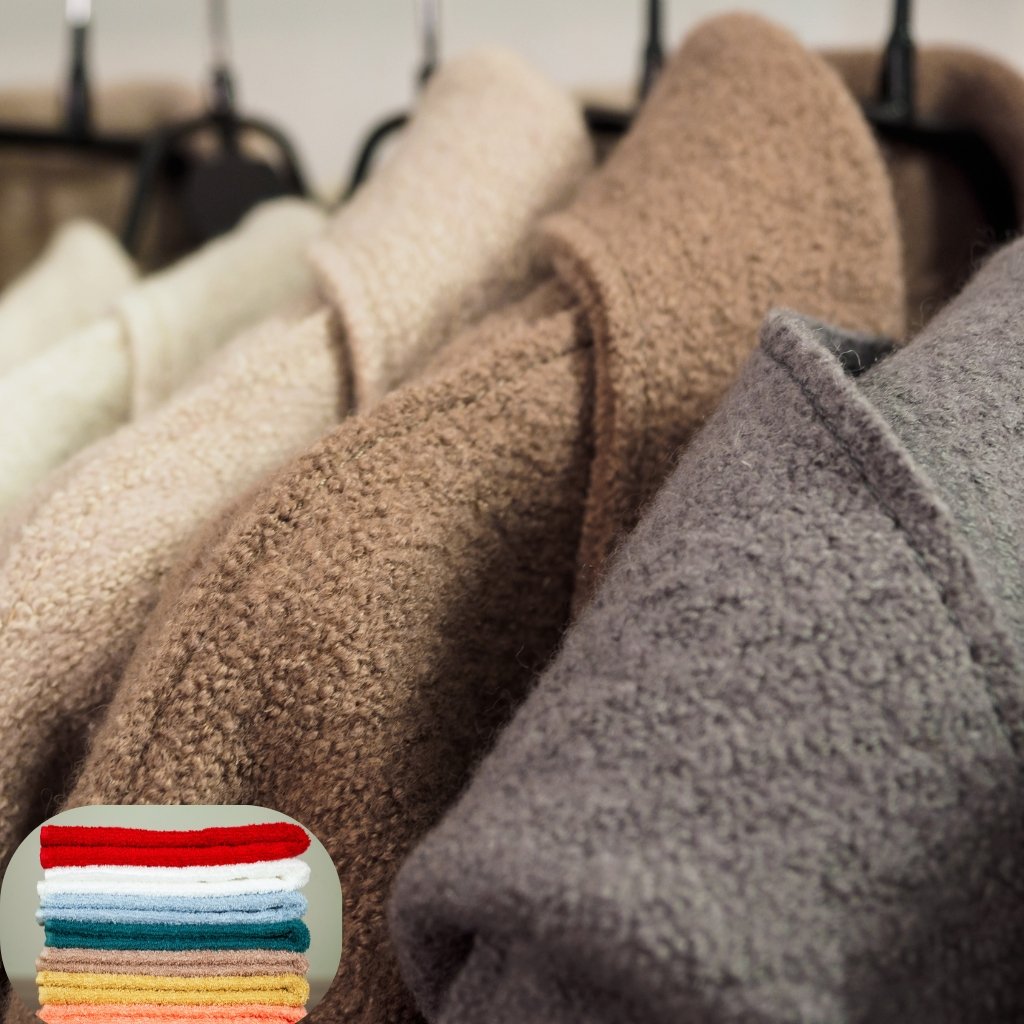
If you are going to invest in clothing made with sheep wool, it’s important to know the hallmarks of quality wool garments. Quality garments have:
- Soft, fine, and non-itchy wool.
- Consistent and tight seams.
- A tag specifying pure sheep wool clothing or high wool content.
Information on Sustainable and Ethical Sourcing
Rather than purchasing fast-fashion items, it is advisable to invest in fewer, high-quality pieces that are durable. Additionally, opting for timeless styles guarantees that your sheep wool clothing apparel will remain in vogue for years to come.
11. Locations to Don Wool Attire
Wool apparel is quite adaptable. A sheep wool clothing pullover is suitable for a leisurely getaway, a non-formal dinner, and a business meeting. Likewise, a wool overcoat enhances the elegance of any winter ensemble.
Wool socks and base layers are essential for outdoor activities like camping and hiking as they provide warmth, moisture control, and insulation. Because sheep wool clothing is warm even when it is wet, it is an ideal material for outdoor enthusiasts.
12. Wool Fashion’s Upcoming Trends
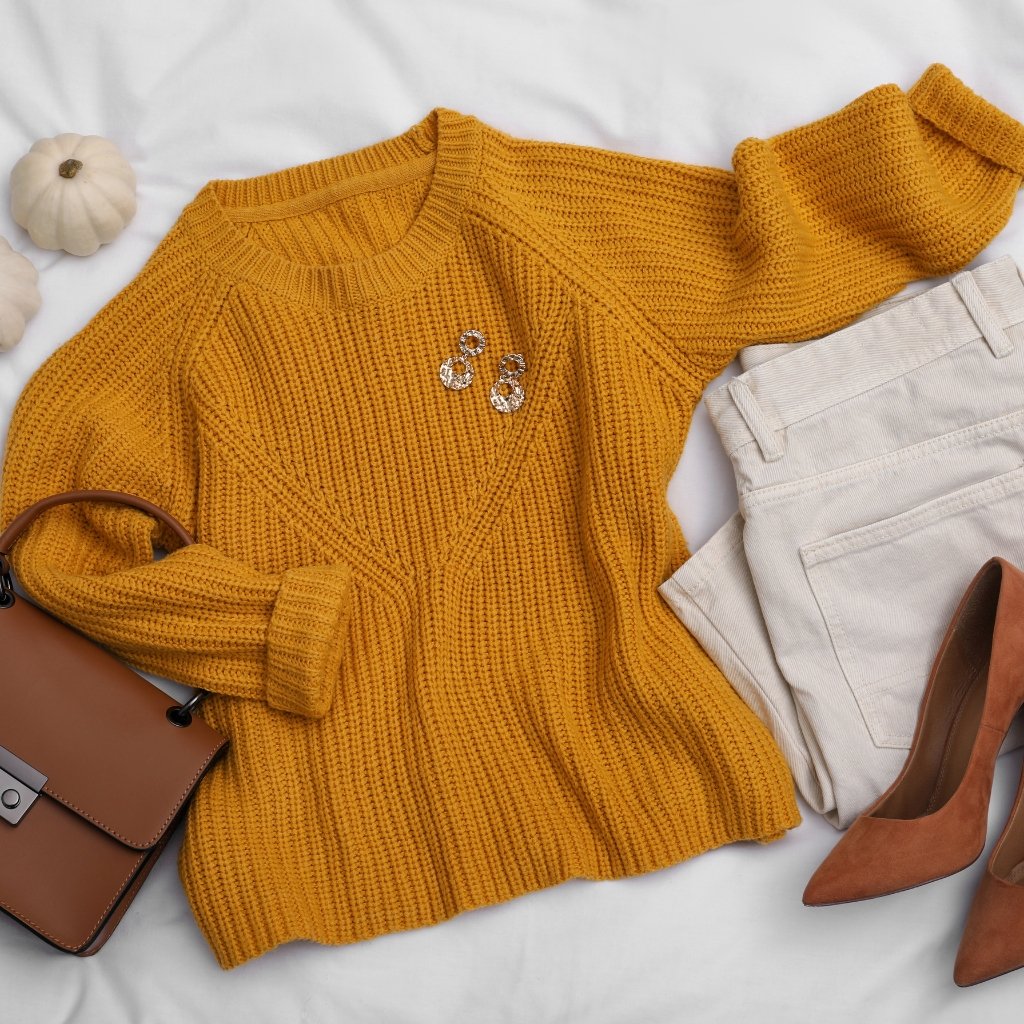
Wool will be of great importance as the industry continues to focus on sustainability in fashion. The use of new innovations in textile technology is resulting in lighter, softer, and more adaptable sheep wool clothing. Because of this, designers are pushing the limits of new styles, and are bold in the use of colors and textures.
In the future, it is likely that sheep wool clothing will be incorporated into more daily items and not just high-end clothing. Wool’s renewable qualities and classic styles will make it a key fabric in the sheep wool clothing era of sustainable fashion.
Final Thoughts
To many people, sheep wool clothing is what winter fashion is all about. However, it reflects a shift toward the adoption of high-quality sustainable fabrics. People who care about the environment, and their own comfort and durability of the clothing made of wool shall appreciate its benefits.
Investing in wool clothing benefits the environment, ethical farming, and waste reduction besides providing clothing that can be cherished for a lifetime. Therefore, the next time people add a sweater, scarf, sheep wool clothing, or wool sweater to their cart, they also need to understand that their winter fashion choice is warming.
FAQs
What is sheep wool clothing?
Sheep wool clothing is made from the soft, insulating fibers sheared from sheep. It’s known for its warmth, breathability, and eco-friendly qualities.
Is wool sustainable?
Yes. Wool is a renewable and biodegradable natural fiber. Unlike synthetic fabrics, it doesn’t release harmful microplastics into the environment.
Does wool make you feel itchy?
Modern processing techniques have made wool much softer than before. High-quality wool garments are gentle on the skin and non-itchy.