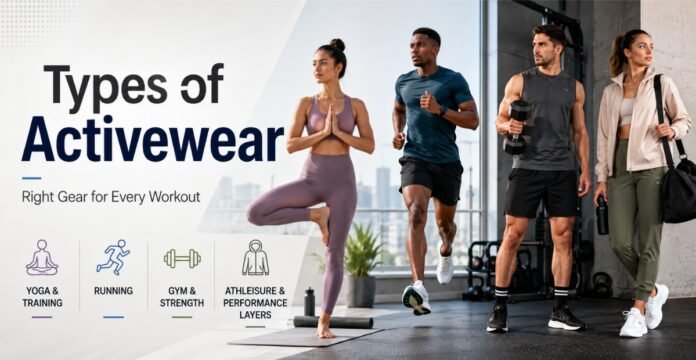
Types of activewear includes clothing made to support movement, control sweat, and keep the body comfortable during exercise. However, not every workout needs the same outfit. A good starting point is to explore a complete activewear collection that includes different cuts, fabrics, and performance features. When choosing between the types of activewear, think about your workout intensity, body movement, training location, and personal comfort. The right gear should move with your body instead of making exercise harder.
Running Activewear for Speed and Endurance
Activewear for runners needs to have specific features, such as lightness and breathability, because of the nature of the activity. Important types of activewear for runners include shorts, leggins, moisture-wicking shirts, sports bras, windbreakers, and special socks. Fabrics for runners need to be moisture-moving to prevent a “wet and heavy” feeling. Flat seams help reduce friction along the thighs and under the arms and along the shoulders. Thighs and shoulders and under arms. Runners that are active outdoors need special features like the addition of reflective materials, UV protecting materials, and thin waterproof materials. Activewear for runners should not bounce, and should not slide down, or become loose as your body warms up.
Gym Wear for Strength and Machine Training
Gym clothing needs to provide a balance of movement, coverage, and durability. Common types of activewear for gym sessions include training T-shirts, tank tops, joggers, shorts, leggings, lifting tops, and supportive sports bras. Many gym wear options use flexible materials that support full-body movement without feeling too thin. Among the different types of activewear, gym wear should offer enough stretch for deep movements and enough structure to maintain coverage. Breathable panels can also help release heat during hard training sessions.
Types of Activewear for Yoga and Pilates
Yoga and Pilates require smooth, controlled movement, so comfort and flexibility are the main priorities. The best types of activewear for these workouts include high-rise leggings, stretch shorts, fitted tops, soft sports bras, and lightweight cover-ups. Loose clothing may fall toward the face during downward poses, which is why many people prefer fitted garments. However, fitted clothing should still feel soft and should not dig into the skin. A good yoga wear range normally uses flexible fabrics that stretch in several directions. These types of activewear should allow the hips, knees, shoulders, and back to move without resistance. A wide waistband can provide gentle support without rolling down.
Compression Wear for Support and Recovery
Compression wear, typical among types of activewear, includes shirts, tights, shorts, and sleeves, and sports extra tight clothing which provides full body and limb coverage. Athletes use these garments during and after workouts to help support muscle recovery. Like all clothing, compression wear fits tightly around the body. In addition to making athletes feel more supported, this tight fit helps eliminate unwanted movement of the garments. It is important that athletes using compression wear recognize that items should fit snugly, but should still allow and maintain normal limb and body function, and should not cause numbness or overly excessive tightness or pressure. Items that are too small should not be used as a substitute for compression wear.
Swimwear for Training and Water Exercise
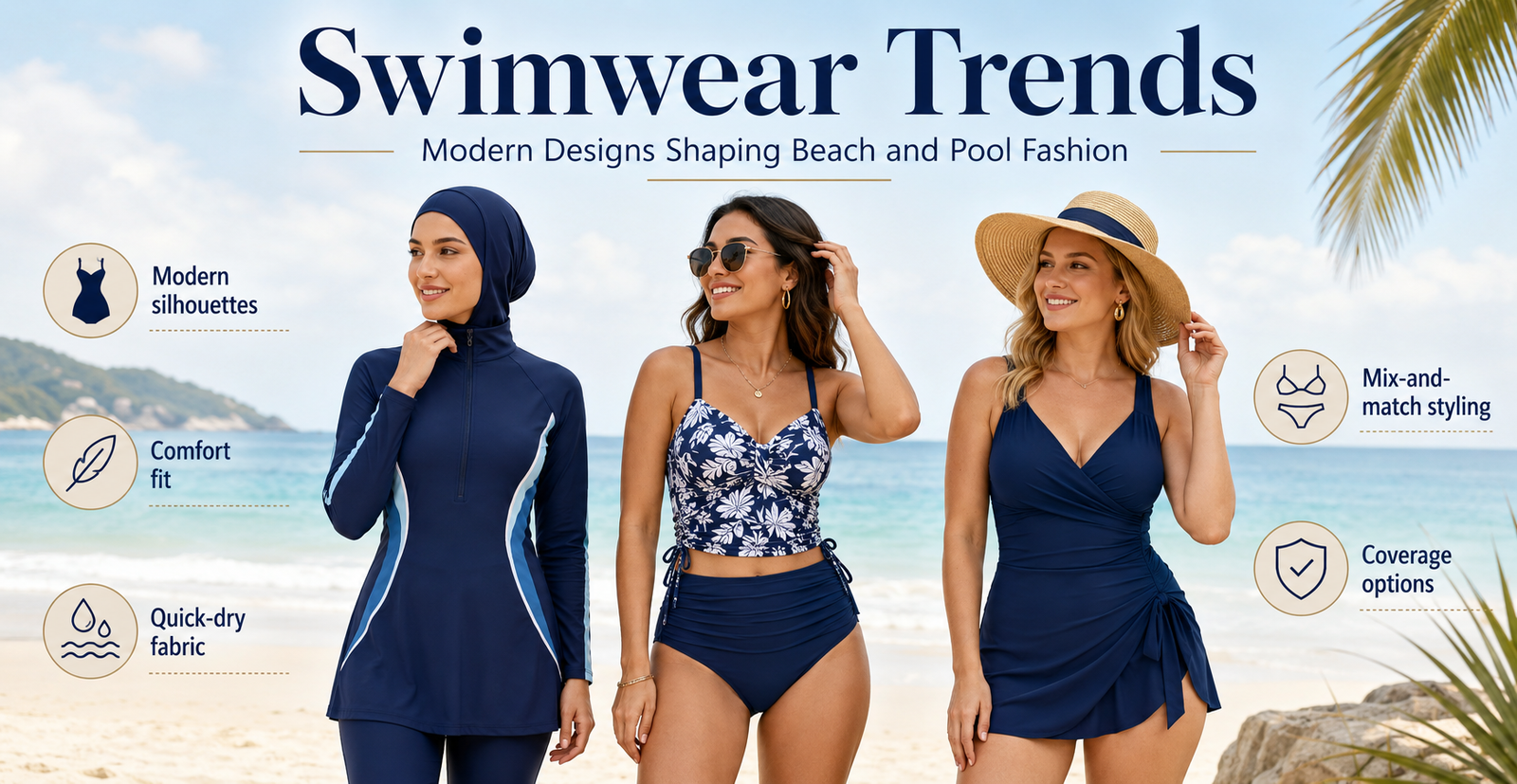
In swimming, fabric performs differently in water than land. Activewear options include swim shorts, jammers, one-piece swimsuits, two-piece sets, swim leggings, hijabs, and rash guards. All swimwear should have a tight fit due to drag from loose swimwear. Chlorine-resistant swimwear is beneficial for swimmers who primarily swim in indoor pools. Swimmers who primarily swim outdoors may need swimwear with more coverage to accommodate UPF protection. Unlike most other activewear items, swimwear must be durable and able to dry quickly after leaving the water.
Athleisure for Light Activity and Daily Life
A style featuring sports-inspired designs and comfort combined with daily style and wear is called athleisure. Athleisure pieces include coordinated sets, leggings, hoodies, polos, joggers, cropped tops, and trainers. Athleisure can be worn on travels, during shopping, in casual work settings, and can be worn during light exercises. Not all pieces of athleisure are made for high-intensity workouts. Some focus on style over function because they lack the capability to absorb sweat, lack elasticity, or lack breathability. While comparing activewear, consider if the piece is meant for real workouts or is sporty in style only
Performance Wear for High-Intensity Workouts
High performance workout clothing is designed for demanding, repetitive movements such as those used in sports. These clothes are lightweight, dry quickly, and have features like four-way stretch. Performance tops may have mesh under the arm, while leggings may include stronger panels for those high-stress areas. These features help clothes stay comfortable for long, demanding workouts. Performance activewear lines also feature better stretch and moisture control.
Essential Activewear Choices for Different Workouts
- Running: Choose light, quick-drying tops, secure shorts, leggings, and supportive footwear.
- Weightlifting: Wear flexible clothing that stays close to the body and does not catch on equipment.
- Yoga: Select soft, four-way-stretch leggings and fitted tops that remain in place during poses.
- Pilates: Use smooth, supportive garments with flat seams and a comfortable waistband.
- Swimming: Pick chlorine-resistant swimwear with secure straps and a close, streamlined fit.
- Cycling: Wear padded shorts, breathable jerseys, and fitted layers that reduce air resistance.
- Hiking: Choose moisture-wicking layers, durable trousers, and weather-resistant outerwear.
- Team sports: Wear lightweight uniforms that provide ventilation and unrestricted movement.
- Recovery: Select gentle compression clothing or soft, loose garments that do not restrict circulation.
- Everyday activity: Choose simple types of activewear that combine comfort, easy movement, and practical pockets.
Choosing Activewear Fabric, Fit, and Support
The right fabric and fit can mean the difference between comfort and irritation during a workout. Most activewear is made of different combinations of polyester, nylon, and elastane. Polyester is fast drying, and training shirts are usually 100% polyester. Nylon is usually strong and has a smooth texture. Elastane is what adds stretch, and helps garments keep their shape. Activewear that is made correctly should fit the body without skin being cut, or without loose folds formed. Activewear needs to be tested by raising arms, bending, squatting, and twisting.
Matching Activewear to Weather and Workout Conditions
You should adjust your attire based on the conditions in which you train. Indoor workouts tend to require lightweight, breathable activewear. Outdoor workouts often necessitate protection from the elements. When training outdoors in the heat, you should opt for lightweight, loose, and quick drying activewear. In the cold, a good option is several thin layers that can be peeled off as the body warms. The cold weather layer should be a moisture-wicking base layer, a sweat-keeping middle layer, and a wind blocking outer layer. Cold, wet weather requires a moisture-wicking activewear outer layer.
Conclusion
There is no doubt there are many styles of activewear. Building a stylish yet functional workout wardrobe can be challenging, but it doesn’t have to be. Easy to pack running apparel, secure gym clothing, smoothly stretching yoga activewear, and water ready swim apparel are all essential types of activewear. Some pieces of activewear can even be compression based. Compression pieces are supportive and close while athleisure wear is best for gentle, low impact, everyday activities. It is not necessary to build a full activewear collection at once. Only buy what you need for your predominant workout activities.
FAQs
What are the most common types of activewear?
The most common types of activewear include running wear, gym wear, yoga clothing, compression wear, swimwear, cycling apparel, performance wear, and athleisure.
How should activewear fit?
Activewear should fit securely without causing pain, pinching, or restricted movement. The correct fit depends on the activity, support level, and fabric stretch.
Is cotton suitable for every workout?
Cotton is comfortable for walking and light exercise, but it absorbs sweat and dries slowly. Quick-drying synthetic fabrics are usually better for intense workouts.