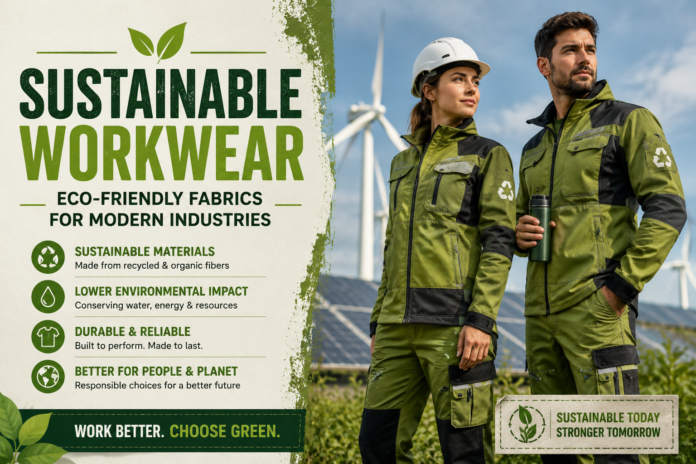
Sustainable workwear is becoming important because modern industries need clothing that protects workers and also supports better environmental choices. In the past, many uniforms were chosen only for strength, price, and basic function. Today, companies also think about fabric source, garment life, water use, waste, worker comfort, and long-term value. Sustainable workwear does not mean weak, thin, or less protective clothing. It means work clothing made with smarter materials, better construction, and longer-lasting design. A strong jacket, trouser, shirt, or uniform that lasts longer can reduce waste because workers do not need replacements so often. For industries like construction, logistics, maintenance, manufacturing, oil and gas, hospitality, and corporate teams, sustainable workwear can help build a cleaner brand image while still keeping daily performance practical. The goal is simple: choose workwear that is safe, comfortable, durable, and kinder to the planet.
Sustainable Workwear
Sustainable workwear means work clothing designed to reduce environmental harm while still doing its job properly. It may use recycled polyester, organic cotton, responsibly sourced fibers, low-impact dyeing, stronger stitching, repairable construction, or long-life fabric blends. Sustainable workwear can also include uniforms that are easier to wash, dry faster, keep their shape, and stay useful after many wears. For companies starting a new uniform program, browsing a complete workwear collection can help them compare different garment types before choosing eco-friendly fabric options. The best sustainable workwear is not only about the label on the fabric. It is about the full product life, from raw material to daily use and final disposal. If a garment looks eco-friendly but tears quickly, it may create more waste. Real sustainable workwear must balance durability, comfort, cost, and responsible material choice.
Eco-Friendly Fabrics Used in Modern Workwear
Eco-friendly fabrics for sustainable workwear can include recycled polyester, organic cotton, hemp blends, Tencel-style cellulosic fibers, recycled nylon, and durable cotton-poly blends with improved sourcing. Recycled polyester is often used because it can give strength, shape recovery, and quick drying while reducing the need for virgin polyester. Organic cotton can feel soft and breathable, but it still needs strong construction for heavy work. Hemp blends can be strong and breathable, although they may feel rougher if not blended well. Some modern cellulosic fibers can improve comfort for indoor uniforms because they feel smooth and manage moisture better. Sustainable workwear should not be selected by fabric name alone. A good fabric must match the job. Heavy outdoor work needs strong abrasion resistance. Indoor corporate uniforms may need softness and wrinkle control. Wet environments may need water resistance. Hot work areas may need breathable fabrics that help workers stay comfortable.
Recycled Polyester in Sustainable Workwear
Recycled polyester is one of the most common fabric choices in sustainable workwear because it can offer strength, easy care, and good color retention. It is often made from recycled plastic sources, which can help reduce the demand for new petroleum-based fiber. For workwear, recycled polyester works well in jackets, vests, polo shirts, trousers, softshells, and outer layers. It can also be blended with cotton to improve comfort while keeping the garment stronger and easier to maintain. However, recycled polyester is not perfect for every job. It may not be ideal near flame or high heat unless it is specially engineered and tested for that use. It can also trap odor if the fabric is not finished or constructed well. That is why sustainable workwear should always be matched to the work environment. A recycled fabric is only a smart choice when it performs safely, lasts long, and supports the worker during real use.
Organic Cotton and Natural Fiber Workwear
Organic cotton is useful in sustainable workwear because it feels soft, breathable, and familiar to workers. It can be a good choice for shirts, light uniforms, aprons, casual work tops, and indoor workwear. Compared with many synthetic fabrics, cotton can feel more natural on the skin, especially during long shifts. Still, cotton has limits. It can hold moisture, take longer to dry, and shrink if not processed correctly. For heavy-duty sustainable workwear, organic cotton is often blended with polyester, recycled polyester, or other stronger fibers. This improves shape, strength, and wash performance. Natural fibers like hemp and linen blends may also help in some workwear categories, especially where breathability matters. The key is not to choose natural fibers just because they sound green. Sustainable workwear must be tested for tear strength, colorfastness, comfort, shrinkage, and daily durability before bulk production.
Sustainable Workwear for High-Visibility Jobs
High-visibility clothing needs careful planning because worker safety comes first. Sustainable workwear for road crews, warehouse teams, transport staff, construction workers, and outdoor maintenance workers must be visible, comfortable, and durable. Eco-friendly fabric choices can support sustainability, but reflective tape, bright colors, stitching quality, and garment fit are also very important. When companies review hi-vis workwear, they should think about visibility needs, weather, washing frequency, and fabric strength. Sustainable workwear in this area should not fade too quickly because faded garments may lose their professional look and practical value. It should also allow movement because workers may bend, lift, climb, or stand for long hours. A high-vis vest that wears out fast is not truly sustainable. A better option is a strong garment that keeps its color, holds its shape, and remains useful for a longer time.
Sustainable Workwear for Oil, Gas, and Heavy Industry
Heavy industries need workwear that handles tough conditions. Sustainable workwear for oil, gas, mining, utilities, and manufacturing must be stronger than normal uniforms. These jobs may involve dirt, abrasion, weather exposure, long shifts, tools, and harsh movement. In some cases, workers may also need flame-resistant or chemical-resistant protection, so fabric choice must follow safety needs first. Eco-friendly choices can still be part of the plan, but they must never replace proper protection. For example, a company may choose longer-lasting fabrics, better repair systems, recycled content in safe garment areas, or durable trims that reduce early replacement. Teams exploring oil and gas workwear should focus on protection, comfort, garment life, and responsible sourcing together. Sustainable workwear for heavy industry must prove itself in real conditions. If it cannot survive the job, it will create more waste instead of reducing it.
One-Paragraph Sustainable Workwear Buyer Checklist
When choosing sustainable workwear, follow these simple checks before ordering:
- Choose fabrics that match the actual job, not only the eco label.
- Check whether recycled or organic fibers are suitable for the work environment.
- Select durable stitching because longer garment life reduces waste.
- Avoid weak fabrics that look green but fail after a few washes.
- Ask for samples before placing a large uniform order.
- Test comfort during bending, lifting, walking, and long shifts.
- Pick colors and finishes that stay professional after repeated washing.
- Choose breathable fabrics for hot indoor and outdoor jobs.
- Use waterproof or protective finishes only where the job truly needs them.
- Make sure branding, logos, and trims do not reduce garment life.
- Plan repairs, replacement rules, and responsible disposal from the start.
- Train workers to wash and care for sustainable workwear correctly.
Waterproof and Weather-Ready Sustainable Workwear
Outdoor workers often need clothing that protects them from rain, wind, and changing weather. Sustainable workwear for wet conditions can include recycled polyester shells, water-resistant finishes, breathable membranes, sealed seams, and durable outer layers. However, waterproof workwear must be chosen carefully because some finishes may have a bigger environmental impact than others. A better choice is a garment that gives the right level of weather protection without being heavier or more chemical-heavy than needed. For light rain, water-resistant workwear may be enough. For long outdoor shifts, waterproof layers may be necessary. Breathability is also important because workers can overheat if the garment traps sweat. Sustainable workwear should help workers stay dry from outside rain and comfortable from inside moisture. A garment that is waterproof but uncomfortable may be left open or removed, which reduces protection and creates poor results on the job.
How Sustainable Workwear Improves Brand Image
Sustainable workwear can help a business look more responsible, modern, and professional. Uniforms are seen by workers, customers, visitors, delivery partners, and the public. When a company chooses better fabrics and longer-lasting clothing, it shows that it cares about quality and responsibility. This is especially helpful for industries that want to improve their public image, such as hospitality, corporate services, logistics, cleaning companies, retail teams, and field service brands. Sustainable workwear can also support employee pride because workers often feel better wearing uniforms that are comfortable and thoughtfully made. However, the message must be honest. Companies should avoid fake green claims or unclear wording. Instead of saying every product is perfect for the planet, they can explain simple facts such as recycled content, longer garment life, lower replacement needs, or better fabric sourcing. Honest communication makes sustainable workwear more trustworthy and useful for brand value.
Fit, Comfort, and Daily Performance
Fit is one of the most important parts of sustainable workwear because clothing that feels bad will not be used properly. A uniform can have recycled or organic fabric, but if it pulls, overheats, shrinks, or restricts movement, workers will not like it. Good sustainable workwear should allow normal work actions such as walking, reaching, bending, lifting, sitting, and climbing. Shirts should not feel too tight across the shoulders. Pants should not pull at the knees. Jackets should close comfortably over base layers. Breathable fabrics are important for hot environments, while layered designs are useful for cold or changing weather. Comfort also affects safety because tired and uncomfortable workers may adjust their clothing in unsafe ways. The best sustainable workwear supports real human movement. It should feel practical, clean, and strong enough for the job, not like a fragile eco product made only for marketing.
Care, Washing, and Longer Garment Life
Proper care is a big part of sustainable workwear. Even a good garment can fail early if it is washed badly. Companies should give workers simple care instructions, such as washing at the correct temperature, avoiding harsh bleach, closing zippers before washing, and drying garments properly. Stronger fabrics and better stitching help, but care habits also matter. Workwear that keeps its size, color, and shape after many washes is usually a better long-term choice. Sustainable workwear should also be inspected often. Torn seams, broken zippers, faded reflective parts, and damaged fabric should be repaired or replaced before they become a problem. For large teams, a uniform care plan can reduce waste and cost. Instead of replacing everything quickly, companies can repair selected items, rotate uniforms properly, and order better-quality garments that last longer. Longer use is one of the clearest ways to make workwear more sustainable.
Conclusion
Sustainable workwear is not only about using recycled or organic fabric. It is about choosing smart work clothing that lasts longer, fits better, protects workers, and reduces waste over time. Modern industries need garments that can handle real work while supporting better environmental choices. The right fabric depends on the job. Recycled polyester may work well for durable outer layers. Organic cotton may suit softer uniforms. Blends may offer the best balance for daily use. Heavy industries may need stronger protective garments, while corporate teams may need comfortable and professional uniforms. The best sustainable workwear is practical, honest, and built for real people doing real jobs every day.
FAQs
What is sustainable workwear?
Sustainable workwear is work clothing made to reduce waste and environmental impact. It may use recycled fibers, organic cotton, durable construction, or longer-lasting fabric blends. The goal is to keep workers comfortable and protected while reducing unnecessary replacement.
Is sustainable workwear strong enough for industrial jobs?
Yes, sustainable workwear can be strong enough if the fabric and construction match the job. Heavy industries need stronger fabrics, reinforced seams, and proper protective features. Eco-friendly material should never replace required safety performance.
Which fabric is best for sustainable workwear?
There is no single best fabric for every job. Recycled polyester is strong and easy to care for, while organic cotton feels soft and breathable. Blended fabrics often give the best balance of comfort, strength, and longer garment life.
How can companies make workwear more sustainable?
Companies can choose durable fabrics, test samples, reduce fast replacement, repair damaged garments, and train workers on proper care. They can also select recycled or organic materials when suitable. Longer garment life is one of the easiest ways to reduce waste.