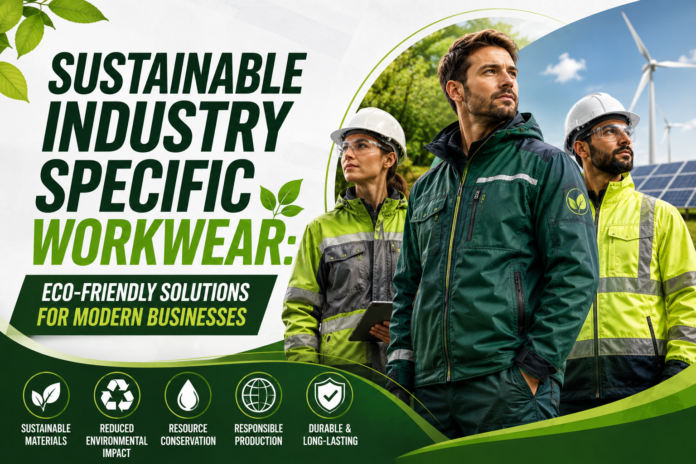
Sustainable industry-specific workwear is important for modern businesses because they want clothing that supports their workers, protects the brand image and reduces waste. Poor-quality workwear can lead to more waste, cost and replacements over time.
It is not just about recycling fabric. The choice of durable garments is important, as are better fitting clothes, materials that last longer, and clothing that fits the job role. To compare clothing options, businesses can browse the collection for a wider range of workwear.
What is Sustainable Industry Specific Workwear (SIW)?
Sustainable industry-specific workwear is professional clothing that has been designed specifically for a particular industry, while also taking into consideration environmental impact, durability and comfort. Instead of using a uniform that is universal, it should be tailored to the specific tasks performed by each worker.
Workwear can include hi-vis clothing, waterproof clothing, clothing that is stronger for industrial teams and uniforms designed for customers. The goal is to reduce the amount of waste produced without compromising performance.
Why sustainability is important in workwear
Because businesses buy uniforms in large quantities, it is important to choose workwear that is industry-specific. When garments lose their shape, fade, shrink or tear quickly, they need to be replaced more frequently. This leads to an increase in cost and waste.
It is better to purchase garments that perform better and last longer. Workwear that is durable, has strong stitching and a correct fit can last longer than clothing made of cheap fabric.
Start with the industry need
Workwear that is eco-friendly must also be suitable for the task. It is useless to use a recycled fabric or one with a lower impact if the worker cannot perform their task. The garment must first address the workplace needs, such as visibility or weather protection. It should also be durable, allow for movement and look professional.
‘s industry-specific collection of workwear helps businesses to think about roles and work environments. It is much better to choose a uniform style that fits all departments than to have one uniform for the entire company.
High Visibility Workwear for Sustainability
Workers wear hi-vis clothing to ensure they are visible near vehicles, forklifts and other machinery, as well as outdoor sites, loading docks and construction sites. These garments should be made with durable reflective tape and bright colors that will last a long time.
‘s hi-vis collection is designed to support teams in warehouse, transport, logistics and construction. A hi-vis item that remains bright even after washing is better than one that quickly fades and requires replacement.
Waterproof Workwear for Longer Use
Waterproof clothing is essential for outdoor workers who are exposed to rain, wind and other wet conditions. Waterproof clothing should be durable to withstand repeated use, without losing comfort, shape, or water resistance.
Waterproof Workwear Should be tested for seam strength and coating quality. Also, check the closure design, breathability and washing instructions. Waterproof trousers or jackets that last longer can reduce waste and increase worker comfort.
Oil and Gas Workwear Considerations
Safety and performance are paramount in oil and gas environments. Workers can face rough surfaces, dirt, outdoor exposure and equipment contact.
Oil & Gas Workwear should also be chosen based on fabric strength, durability and comfort. In industries that are tough, the best option is usually the garment which performs well and lasts a long time.
Corporate Uniforms & Eco-Friendly Options
Corporate uniforms help to build brand awareness, team cohesiveness, and customer trust. Sustainable choices for office, retail and reception teams can include durable fabrics with easy-care finishes. They also have timeless colors and simple designs.
Corporate uniforms must look professional and be comfortable to wear. Clean uniforms with subtle branding will last longer and prevent frequent redesigns.
Choose Durable Fabrics
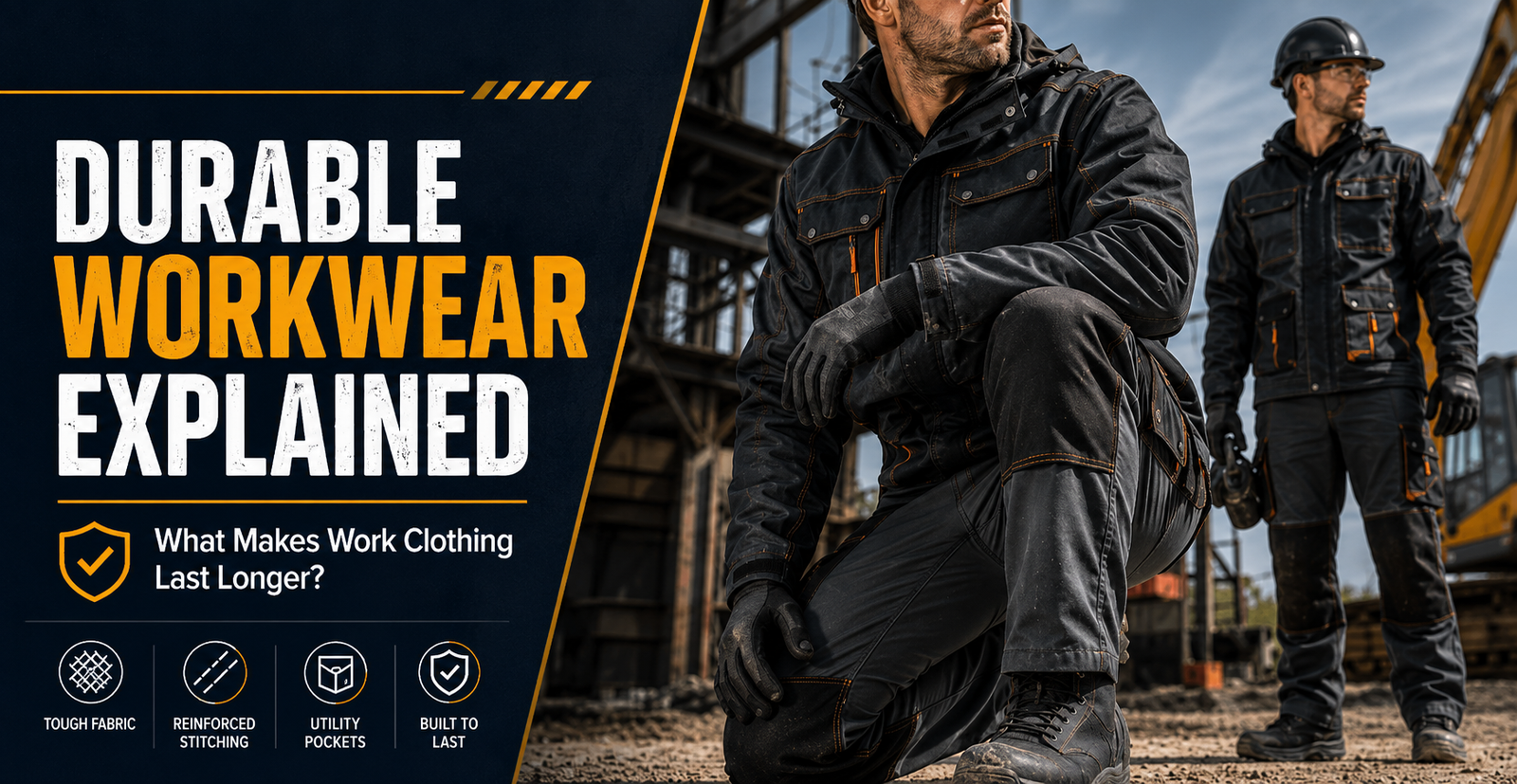
Durability is the first thing to consider when creating a sustainable workwear plan. Fabric that lasts for longer reduces waste, as the garment doesn’t need to be replaced so soon. Fabric that is durable protects the investment of the company.
A good fabric should be resistant to fading, shrinking and tearing. It also shouldn’t pill or lose its shape. Depending on the industry, you need to choose the right fabric. The right fabric depends on the industry. Outdoor teams require weather-resistant fabrics, industrial teams require stronger fabrics and corporate teams require smooth professional fabrics.
When Practical, Use Reliable Materials
Materials that are environmentally friendly include recycled polyester or organic cotton. The final garment should still be suitable for the workplace and the role of the employee.
Sustainable industry-specific workwear for modern buyers should balance responsible materials and real performance. Fabrics are only good if they support comfort, wash life, safety requirements, and everyday movement.
Better Fit Reduces Wastage
Unsuitable fit can lead to waste, as workers may not wear the uniform or ask for replacements. Clothing that is tight can limit movement while clothing that’s loose can look unprofessional and catch on equipment.
Better size ranges can help workers feel more confident and comfortable. Before bulk orders, businesses should test the samples and select fits that are comfortable for bending, walking and lifting. They can also support long shifts, driving and sitting.
Easy-care clothing saves resources
The garments that are easy to care for can help support sustainability, as they require less ironing and harsher washing methods. They also need fewer replacements. Workwear should look good after washing, without losing its color, shape or functionality.
Please read the instructions carefully. Washing methods may differ for hi-vis clothing, industrial workwear, or waterproof garments. When garments are properly cared for, they last longer and remain useful.
Plan for Repairs and Replacements
Repair and replacement rules should be included in the planning of sustainable workwear. Repairing small problems like missing buttons or loose stitching may be possible. Damaged garments that affect safety, visibility, waterproofing protection, professional appearance, and safety should be replaced.
Workwear should be inspected regularly by businesses. Do not ignore worn-out waterproof coatings, broken zippers or torn and peeling seams.
Checklist for Sustainable Workwear
Check this list of sustainable workwear specific to your industry before you choose eco-friendly clothing for the workplace:
- Wear clothing that matches your job role.
- Select durable fabrics for longer usage.
- Wear hi-vis clothing when visibility is important.
- Select waterproof clothing when working in wet conditions.
- Choose stronger clothing for industrial teams.
- Clean corporate uniforms are recommended for roles that require you to interact with customers.
- Before ordering in bulk, make sure to check the fit.
- To prolong the life of your garments, follow the care instructions on the label.
- Repair minor damages where it is safe.
- Replace clothing when the function of the garment is reduced.
Common mistakes to avoid
A common mistake is to choose eco-friendly clothing based solely on the material. It may be a recycled fabric, but it still needs to perform well for the job. Durability, comfort and washing needs, as well as safety, are all equally important.
A second mistake is to buy cheap clothes and replace them frequently. Workwear of low quality can generate more waste than garments that are stronger and last longer. Sustainable purchasing should be based on value over the long term, and not just price.
Conclusion
Sustainable industry-specific workwear can help modern businesses reduce waste, while maintaining safety, comfort, durability and professional appearance. Material alone is not enough to determine the best eco-friendly clothing. It must be suitable for the job at hand and perform well in daily use.
Businesses should select garments based on the industry, role of workers, fabric strength and durability, weather conditions, brand image, and washing life. Workwear that lasts longer and fits better is a smarter choice for employers, employees and the environment.
FAQs
What makes workwear more sustainable?
Durable fabric, longer garment lifespan, responsible materials and easy care, as well as repair planning and reduced replacement waste, make workwear more environmentally friendly.
Is it always better to use recycled fabric for workwear?
Not always. The fabric can be recycled if it still provides comfort, safety, durability and performance.
How can high-visibility workwear be made more sustainable?
Bright fabric and reflective tape that last through daily washing and use make hi-vis workwear more durable.