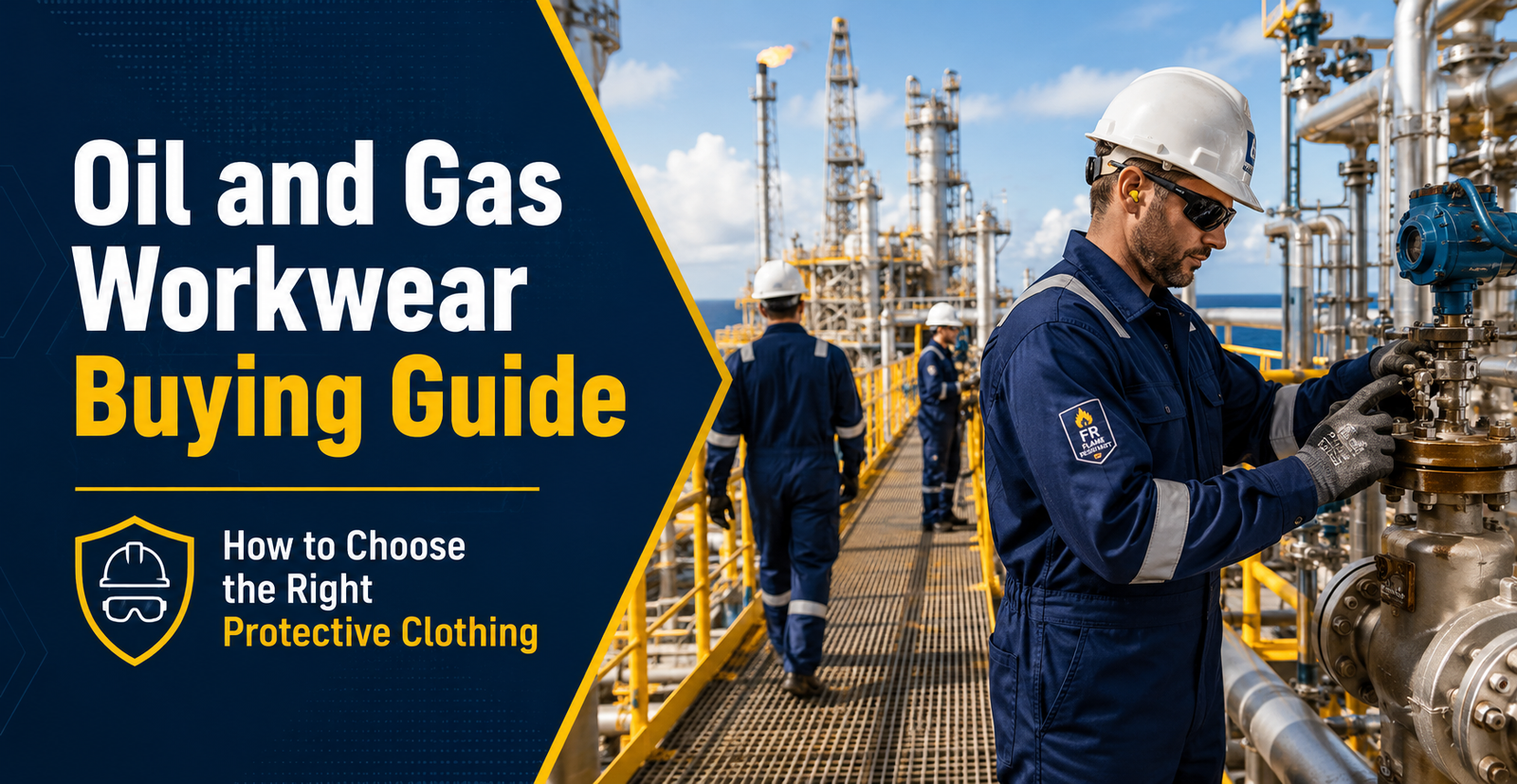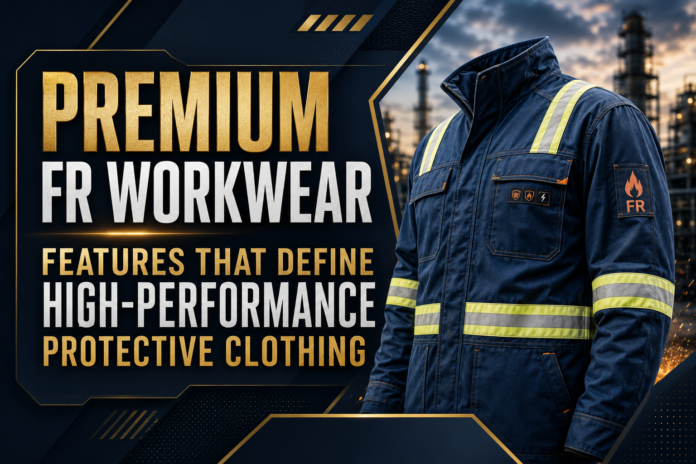
Premium FR workwear was designed for workers in areas where there may be flame, heat or spark hazards. This is not just regular workwear that has a more robust name. This is protective clothing designed to reduce the risk of injury when working in an environment with thermal hazards.
High-performance FR apparel should balance comfort, fit, durability and the correct workplace usage. Protective clothing is selected based on the job risk and not just by its appearance. PPE reduces exposure to workplace hazards. Compare the different options of protective clothing for different industrial teams by exploring the collection.
What is Premium FR Workwear?
Premium FR workwear is high-quality, flame-resistant clothing that can withstand the demands of demanding jobsites. FR is a term that means clothing designed to resist flames and heat.
Clothing for this type may include coveralls and jackets. It can also include pants, shirts and layers of protection. It is not the goal to make a worker fireproof. When the clothing is selected to match the workplace requirements, hazard rating and garment, the goal is to offer a higher level of protection.
Why high-performance FR clothing is important
Premium FR workwear is important because regular clothing can be dangerous in environments with flame and arc hazards. Fabrics can melt, drip or burn for a long time, increasing the risk of injury. OSHA’s guidance for electric power workers explains that clothing should be carefully selected when flame or electric arc hazards exist.
Protective clothing that is high-performance helps workers to stay safe while still being able to bend, reach and work. Workers may not be able to wear a protective garment that is too hot, stiff or poorly fitted for the entire shift.
Correct Hazard Matching
Correct hazard matching is the first quality feature of FR clothing. Buyers should begin by assessing the risk of the job, and not just the name of the product. Sparks, welding, electrical arc risks, heat or combustibles dust may be present in different workplaces.
OSHA’s PPE guidelines state that employers must first assess their workplace to determine if hazards are present, or are likely to be present, before choosing PPE. This means that FR clothing must be selected based on a thorough safety assessment and not just by price, style, or color.
Protective Coverage that is Certified and Labeled
The label, product details and technical sheet should mention the fabric type, care instructions, protection rating and intended use. Labels, product details and technical sheets should include fabric type, care instructions and protection rating. Safety clothing cannot be described in vague terms.
OSHA says that for electric arc hazards exposed employees need protective clothing and gear with an arc rating equal or greater than the estimated heat exposure. Buyers should always check the garment’s rating, and not assume that every FR item will protect against all hazards.
High-Quality FR fabrics
Premium FR workwear should be made from fabrics that provide protection, comfort and long-lasting service. Some FR materials are flame-resistant by nature, as the protection is built right into the fabric. Some fabrics are treated with a chemical finish to make them flame-resistant.
The protection level of both fabrics can be used to determine which is best. The choice of fabric depends on many factors, including the type of work, the washing method, comfort requirements, budget and wear-life. Fabrics should be strong, but not stiff enough to restrict movement.
FR Coveralls provide full-Body coverage
When workers require one-piece coverage, FR coveralls can be useful. These coveralls can reduce the gap between the shirt, pants and boots, which is useful in industrial work where there may be sparks, heat or flash exposure.
Flame resistant coveralls can be found in many industrial settings, including oil and gas, utility work, welding support, maintenance and heavy-duty environments. Coveralls should be able to cover the entire body while allowing workers freedom of movement.
FR Jackets as Protective Layering
They are used as an outer layer of protection for workers who need it. These jackets are commonly used in industrial settings, such as outdoor work, cold jobsites, maintenance areas and other environments that require protective layering.
A jacket that is flame-resistant must have a strong fabric, a secure closure, adequate sleeve cover, durable cuffs and sizing that allows for movement. The jacket shouldn’t rise excessively when the worker bends or reaches.
Pants for lower-body protection
When workers require separate clothing instead of coveralls, FR pants are a good option. These pants should be durable for repeated washing, kneeling, walking and climbing.
Flame resistant pants must fit properly at the waist, seat and knees. Pants too loose can catch on equipment while pants too tight can restrict movement and cause discomfort during long shifts.
Wear FR Shirts Everyday for Daily Industrial Wear
They are commonly used because they can be worn with FR jackets, pants or other protective layers. These shirts are ideal for teams who need to wear flame-resistant clothing on a daily basis without wearing a full suit.
Flame resistant shirts must have a comfortable fabric and durable stitching. They should also offer adequate arm coverage. The FR shirt shouldn’t feel like a casual shirt. It should be designed for repeated use.
Comfort and Breathability
The clothing should be comfortable for long shifts. Workers may have to stand, walk up, bend over, lift or work in hot conditions. Clothing that feels heavy or traps heat can interfere with productivity.
Fabric weight, breathability and moisture control are all factors that affect comfort. Pattern design, fabric weight, and proper sizing also play a role. The best protective apparel balances both safety and wearability. It is better to have a garment that employees can wear all day than one that looks like it will protect them.
Strong Construction and Stitching
The construction quality of FR workwear is an important indicator. The seams, cuffs and collars of the garments as well as pockets, zippers and snaps are all important for industrial use. Weak stitching is prone to failure, particularly in areas with high movement.
The placement of pockets is important. Pockets must be functional without causing safety issues or adding unnecessary bulk. The garment will last longer and perform more efficiently if it has reinforced stress points, secured closures and clean stitching.
Durable Trims & Closures
Reflective trims and buttons, zippers, hooks-and-loops, snaps and closures should be chosen to match the protective purpose of the garment. Even a strong fabric can fail under real-world conditions if the trims are weak. The garment as a whole should be designed to achieve the same performance goals.
Closures must also be easily accessible with gloves. Closures should be easy to use with gloves.
Easy to wash and care for
The clothing should be washed according to the instructions. The wrong washing method can damage the treated finish, reduce garment longevity, and affect comfort. Always follow the instructions on the label.
After washing and using the garments, they should be checked again. Before continuing to use protective clothing that is damaged, contaminated, heavily used, or badly faded, it may be necessary to review the item. Maintaining appearance, comfort and protection value is easier with good care.
Role-based FR Clothing Selection
Not all workers need the same clothing. Some workers require coveralls while others need shirts, pants and jackets to layer. The best choice will depend on the task at hand, the weather, your movement requirements, and any hazards.
Comparing different garments is easy with the FR Workwear Category. The FR clothing program must be tailored to each worker’s role. Do not give the same thing to everyone without considering their job requirements.
Premium FR Workwear Checklist
Checklist to use before purchasing protective clothing
- The garment should be matched to the workplace hazards.
- Check the product label and FR rating.
- Select a fabric that offers both protection and comfort.
- Select coveralls for fuller body coverage.
- Choose shirts and trousers for everyday wear.
- When you need to layer up, add jackets.
- Check the stitching on closures, pockets, cuffs and sleeves.
- Follow the instructions for washing and caring.
- Test for fit and movement prior to bulk orders.
- Regularly check for worn or damaged clothing.
Common Purchase Mistakes
A common mistake is to choose FR clothing based solely on price. Although low-cost clothing may seem acceptable at first glance, weak fabric, poor fitting, and low durability will increase replacement costs and decrease worker confidence.
A second mistake is to buy based on the word “FR”, without checking the protection details. Safety clothing should be reviewed according to hazard, label, fabric, workplace requirements, and rating. Name alone is not sufficient.
Conclusion
Premium FR workwear includes more than just flame-resistant fabric. It should also include clear labeling, sturdy construction, durable trimmings, comfortable fit, practical comfort and reliable washing performance.
The best protective clothing will keep workers safer while not making their daily tasks more difficult. Select garments according to workplace risks, body coverage, movements, fabric performance and care requirements. These details combined can make FR clothing a safety investment that is high-performance, rather than just another uniform.
FAQs
What is flame-resistant in workwear?
FR means usually flame-resistant. It is clothing that resists ignition and reduces continued burning.
Is clothing made of fire retardant material fireproof?
No, FR clothing does not make you fireproof. Although it reduces the risk, workers must still use safe procedures and wear correct PPE.
What are the most common garments in FR workwear?
FR coveralls and jackets are common garments.