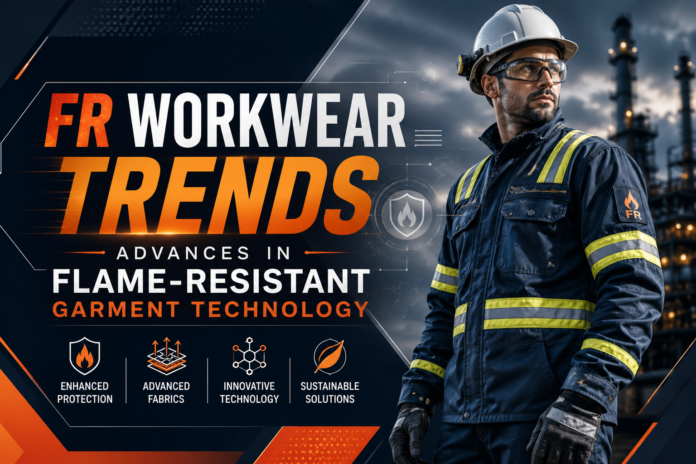
The FR workwear trends have changed because the industrial workforce now needs protective clothing which is more comfortable and safer to wear during long hours. The flame-resistant clothing is no longer judged solely on its protection. The garments are now also evaluated on fit, breathability and durability as well as real workplace comfort.
Protective clothing is essential for workers who work in environments with high levels of heat, fire, electric arcs or sparks. The collection can be used by companies to find the right protective clothing for their job role, industry, or working conditions.
What are the latest trends in FR workwear?
The FR trends in workwear are the modern advances made to flame-resistant garment design, textile technology, construction and comfort. The trends are lighter fabrics, moisture management, tighter stitching, better fit, more clear labeling, garments based on roles, and sustainable clothing.
It is important to create FR clothing that is both safe and comfortable. Wearing a garment that is comfortable but also protects may be incorrect. Modern FR designs are designed to provide both daily protection and safety.
Intelligent Flame-Resistant fabrics
Smarter fabric design is a major advancement in the FR industry. Modern fabrics have been designed to reduce the amount of fire, resist ignition and provide better comfort for long working days. While some fabrics are treated with FR, others have an inherent flame-resistance.
Fabrics with flame resistance built in are called inherent FR. Special finishing is used on treated FR fabrics to make them resistant to flame. They are both useful when the job hazards, garment ratings, and workplace safety needs match.
Wearing lighter and more comfortable clothing
Protective clothing from the past was usually heavy, stiff and uncomfortable. The newer clothing focuses on lighter fabrics without neglecting protection. It helps the workers to move more easily and remain comfortable throughout long shifts.
Comfort is a major factor in the design of FR clothing, as it affects safety. Workers who feel hot or constrained may roll up their sleeves or leave the buttons unbuttoned. Improved comfort allows workers to stay safe for the entire shift.
Wear Better FR Shirts Everyday
Workers who require flame resistant clothing on a daily basis are likely to wear FR shirts. Modern FR shirts have become softer, breathable and more comfortable to wear. The shirts are designed to be cleaner, more professional and easier to move in than the older industrial shirts.
Flame resistant shirts are compatible with flame-resistant pants, jackets or other layers of protection depending on your work environment. The FR shirt must cover the arm properly, be able to close tightly, and remain comfortable even after repeated washing.
The construction of the FR pants has been improved.
The FR pant is also getting better with stronger seams and pockets, a stronger fabric, and a more comfortable fit. Pants must be able to support the movements of workers who bend, crawl, kneel, sit, or walk for hours.
Flame resistant pants must fit correctly around the waist and seat. They should also be fitted properly at the thighs, knees, bottom, and hem. Too tight pants can limit movement. Pants too loose could catch on equipment and feel uneasy.
The FR coveralls that offer better mobility
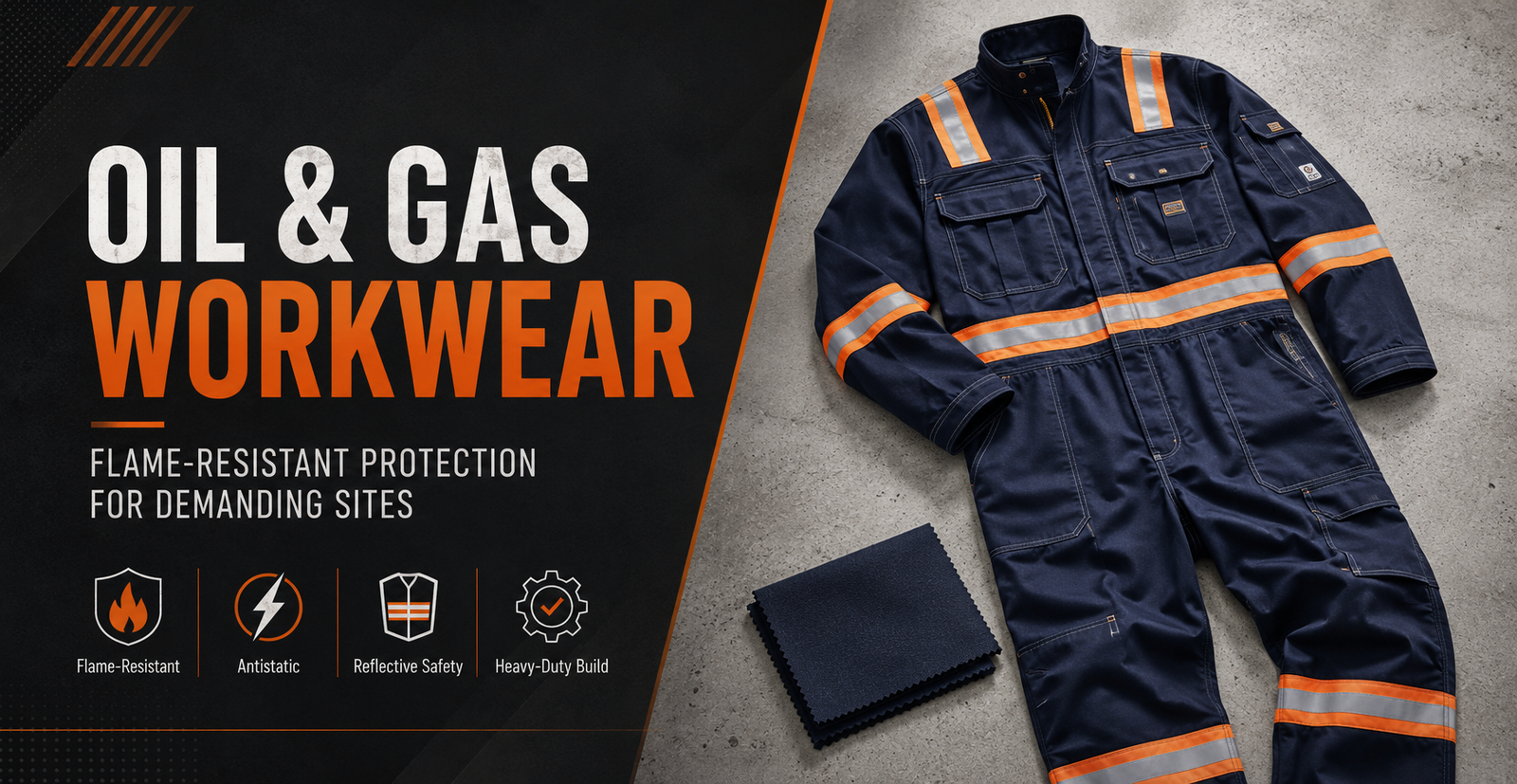
When workers require a fuller coverage of the body, FR coveralls can be useful. Coveralls of the modern era are designed to have improved patterns, strengthened stress points and greater movement at the shoulder, knee, and seat.
Flame resistant coveralls can be found in many industrial jobsites, including oil and gas work, maintenance and utility services, as well as on job sites. Coveralls should be designed to reduce exposure of the body without the wearer feeling trapped.
The FR jackets are designed to provide layers of protection.
The use of FR jackets is important in colder climates, outdoor jobs, or for layered protection systems. The newer FR Jackets are designed with better closures and stronger cuffs. They also have improved sleeve movements, as well as fabric that is durable enough to handle industrial wear.
A flame-resistant jacket must allow the worker to reach overhead, bend and even work without having their body exposed. A good jacket should provide warmth, protection and movement while also being durable.
The Breathability and Moisture Control of the Fabric
The technology of flame resistant garments is increasingly focusing on breathability. Clothing that manages heat and moisture is essential for workers in warm environments. The garment can be uncomfortable if it traps heat.
Fabrics of the future may be made from moisture-wicking fibers, lightweight structures, ventilator-friendly designs or blends that are breathable. It is important to keep the clothing suitable for workplace hazards while reducing heat stress.
Stretchy and movement-friendly design
Modern FR clothing focuses on improving movement by incorporating better fabric combinations, panel designs, and garment shapes. Stretching and mobility can make it easier for workers to bend, climb and lift more easily.
Not all FR clothing should stretch. Fabrics must still meet required levels of protection. The design of protective clothing is changing to be more movement friendly, as it must fit the body and not work against it.
Seams, trims and closures are stronger
Fabric is only one part of garment technology. Performance is also affected by seams, zippers and snaps as well as buttons, pockets, trims, cuffs and pockets. Even a strong fabric can fail prematurely in the real world if it is constructed poorly.
Workwear for FR should be made with durable stitching and reinforced stress points. Pocket placements must also be practical. The details will help to make the garment more durable and useful for repeated industrial use.
Clarified Product Labeling
Before buying protective clothing, buyers need more information. The label of a good garment will include information about the fabric, its protection, how to care for it, as well as size and usage. Safety clothing should not be described in vague terms.
The trend for FR workwear also includes greater transparency, as buyers are more interested in knowing exactly what they’re ordering. Labeling is important to help companies select the best FR coveralls, jackets and pants for their job roles.
Sustainable FR Clothing Development
Protective apparel is increasingly becoming sustainable. The companies are searching for clothing that will last longer, have less replacement waste, be made from responsible materials, and work better after repeated washing.
Safety should always come first. FR clothing’s first task is to protect. Buyers can then consider durable fabric, wash life, responsible sourcing and repair planning.
Workwear Systems Based on Role
Each worker has different needs. Some workers require coveralls while others need pants and shirts, while still others need outer protection. The clothing can be matched to the job by using a role-based system.
Comparing different types of garments can be done by comparing the workwear category. For a better FR program, clothing should be chosen based on hazard and comfort. Also, consider weather conditions, job responsibilities, movement, as well as the type of work.
Enjoy a longer-lasting garment with easy care
The washing properties of modern FR clothes are also improved. After regular washing, garments should retain their comfort and shape. Care labels are essential to ensure that garments do not get damaged by incorrect washing.
Protective clothing is an important investment. Fabrics with strong seams and trims and the correct way to wash them can reduce costs and maintain uniformity.
FR Workwear Trends: Checklist
Check out this FR Workwear Trends checklist to help you choose modern flame-resistant clothing.
- Fabrics should be chosen based on workplace hazards.
- Please check the garment label and instructions for care.
- When it comes to heat comfort, lighter fabrics are best.
- For long, active shifts, choose breathable clothing.
- Choose shirts and trousers for everyday wear.
- Select coveralls for fuller body coverage.
- When you need to layer up, add jackets.
- Sewn seams and trims should be checked, as well as cuffs and closures.
- Check the washing performance of bulk orders before ordering.
- Choose the right garment for each worker.
Common Purchase Mistakes
A common FR fashion mistake is to choose garments that look modern without considering the protection features. The garment can look modern, but still need to meet workplace requirements, hazard rating, fabric properties, and fabric performance.
A second mistake is to ignore worker comfort. Workers may be unable to wear FR clothing properly if it feels heavy, stiff or hot. Safety, durability and comfort are all important factors in choosing the best protective clothing.
Conclusion
The latest trends in flame-resistant clothing show that the technology behind it is moving towards safer, lighter and stronger garments. Modern FR clothing must provide protection for workers, while also allowing them to move, breathe, perform well in the washing machine, and have a long-lasting service.
It is important to choose the best FR clothes based on more than just trend. The best FR clothing should be chosen based on hazard rating, fabric type, size, style, daily needs, and garment quality. FR clothing is more effective for industrial teams when it combines comfort and protection.
FAQS
What is flame resistant in clothing?
FR means usually that the garments are flame-resistant. Clothing designed to reduce the risk of burning and resist ignition is described as FR clothing.
What is the latest in FR workwear?
These include improved comfort, lighter fabrics, stronger constructions, more clarity in labeling and sustainability as well as better garment mobility.
Which garments have the most FR?
Common clothing includes FR shirts and pants, jackets, coversalls, protective outer layers, etc.