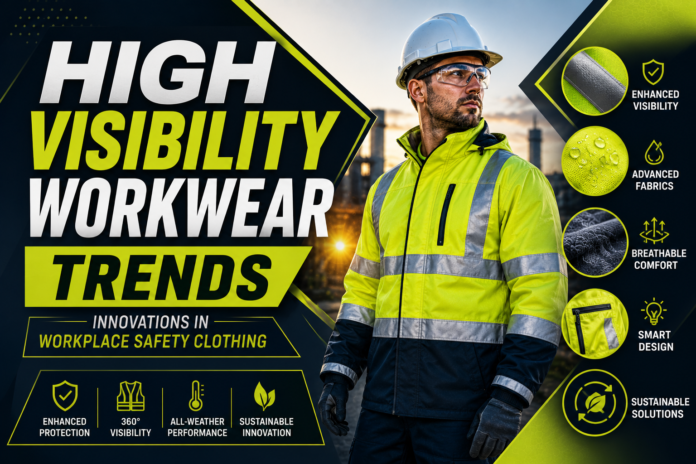
The high visibility workwear trends is changing, because workplaces today need clothing that’s comfortable, durable and appropriate for everyday tasks. Hi-vis clothing has evolved beyond the bright vest. The new hi-vis clothing includes improved reflective tape, weather protection and lightweight fabrics. It also has role-based designs.
Clothing that makes it easier for workers to be seen around machinery, vehicles, loading zones and busy work areas is needed in the warehouse, logistics, construction and roadwork industries. Businesses can choose from the collection of workwear for safety apparel that suits different teams or working conditions.
What are the latest trends in high-visibility workwear?
High visibility workwear is a modern change in safety clothing features and design. It also includes fabric, fit, visibility, and workplace performance. These trends include brighter materials, better reflective tape, breathable fabrics, weather-ready clothing, inclusive sizing and improved role identification.
The goal is clear. Safety clothing should make workers visible while not making them uncomfortable. Workers will not be supported properly by a garment that is too bright, but also stiff, loose or weak.
Better Bright Fabric Technology
Modern hi-vis clothing is made with brighter, more stable colors. Fluorescent orange, yellow, and lime are still very popular colors because they stand out on common backgrounds such as concrete, pallets and shelves, vehicles and soil.
Hi-Vis workwear collection includes garments for warehouse workers, logistics workers and outdoor crews. It can also include garments designed for road workers, industrial workers, or workers in the outdoors. The fabric should be durable and maintain its color even after repeated washings. This will prevent visibility from fading too fast.
Better Reflective Tape Positioning
The placement of reflective tape is getting more precise. Newer designs may include simple reflective stripes, but older garments focus on visibility in all directions, including the front, rear, sides, shoulders and arms.
In low-light conditions, drivers and machine operators can see workers better when they are placed in reflective material. This also helps to show body shape and movements, which can be useful near forklifts and trucks.
Lightweight Safety Vests
Safety vests are still one of the best hi-vis clothing options. These vests are simple to wear and easy to layer. They’re useful for visitors, warehouse staff, supervisors and road crews.
Custom safety vests are also useful for branding and role identification. Businesses can use labels, logos or department names to distinguish between visitors, managers, security officers and general workers.
Smarter hi-vis jackets
Hi-vis jackets have become more popular because workers require visibility, warmth, coverage and mobility. The jacket shouldn’t just look bright. The jacket should be comfortable to wear, allowing workers to lift, bend, reach, drive and work.
A high-visibility jacket can be used for cold weather, outdoor work, or in areas such as loading yards, construction sites, and logistics yards. Modern jackets are designed with a focus on fit, durability, fabric and reflective details.
Weather-Ready Rainwear
Safety clothing is increasingly designed to protect workers from the weather. The weather can affect worker comfort and visibility. Wet clothing can make it difficult to move during outdoor work, such as loading or delivery.
Rainwear keeps workers dry and visible. Rainwear that is comfortable and easy to wear should be reflective, bright, and light. It should be able to protect you from the rain without being too heavy or rigid.
Stronger safety jackets
Safety jackets can be useful on tough jobsites where vests alone are not sufficient. Workers may require a jacket with a stronger fabric, greater body coverage, pockets that are secure, zippers that are durable, and protection against outdoor conditions.
Safety Jackets are useful for construction crews, warehouse workers, transport workers, industrial crews, and more. A quality jacket will combine comfort, durability and practical features into one garment.
Layered Workwear Systems
The importance of layering in clothing for the workplace is increasing. During the same shift, workers may be moving from warm indoor areas, to cold loading bays or yards, to rainy zones or vehicle areas. It is possible that one garment will not be sufficient for all conditions.
A jacket is a great way to support uniform layers when you need warmth, storage and durability. It can be used in conjunction with reflective or hi-vis pieces to create a more robust safety clothing system.
Comfort-Focused Designs
Because workers wear safety apparel for long hours, comfort is a major trend in high-visibility workwear. Workers may not be wearing clothing correctly if it feels hot, heavy, tight or loose.
Modern designs are characterized by breathable fabrics, lighter materials, improved sleeve movements, adjustable closures and the right sizing. Comfortable clothing allows workers to stay protected while lifting, walking, scanning or loading.
Role-Based Safety Clothing
Not all workers need the same hi-vis clothing. A warehouse worker might need a lightweight vest while a loading-dock worker might need rainwear. A supervisor might need to be identified by a different label or color so that the team can quickly identify them.
Safety clothing that is based on roles improves organisation. Different labels, colors or types of clothing can be used to separate drivers, managers, forklift operators and safety staff. This can help reduce confusion at busy sites.
Safety Gloves & Complete Workwear Planning
The modern workplace safety clothing does not only include vests and jackets. Depending on the work, workers may need to wear gloves, rain protection footwear, helmets and other protective gear.
Safety gloves can be used to handle boxes, pallets and other rough materials. Workwear plans should include safety clothing and other items that workers will need to perform their daily tasks.
Durability and wash performance
The durability of the hi-vis clothing is a key factor in selecting it. After a few wears, a safety garment shouldn’t fade, tear, shrink, or lose its reflective qualities. Clothing that is visible and professional should be worn by workers every day and washed repeatedly.
All of these factors are important: strong stitching, reflective tape that is stable, zippers with good quality, and fabric that will not fade. A durable garment will last longer than a cheap one that requires frequent replacement.
Hi-Vis Clothing Sustainability
Several companies are looking to make more environmentally responsible choices in safety clothing. Some of these include garments that last longer, those made from recycled materials, improved washing performance and reduced waste.
Safety should not be compromised for sustainability. First, a hi-vis garment needs to be visible, comfortable, and suitable for the jobsite. The company can then consider the fabric, durability, packaging and garment life.
The Technology of Visibility Apparel
High visibility workwear also includes new technologies such as better reflective materials, moisture control fabrics, breathable finishes, stronger performance textiles, and waterproof finishes. These changes make the garments more effective in different lighting and weather conditions.
It is not necessary to have advanced features for every job. However, each feature should be able to solve a specific problem. A lighter jacket, a better reflective tape or breathable rainwear can all be more practical than a design feature that is only fashionable.
Checklist of High Visibility Workwear Trends
Check this list before you choose hi-vis safety clothing
- Bright colors are best.
- Reflective tape is a great way to improve visibility in low light.
- Choose vests that are lightweight for indoor use.
- Select jackets that are suitable for cold or outdoor conditions.
- Rainwear is essential for all wet weather activities.
- Wear the right clothes for your role.
- Before ordering in bulk, check comfort.
- Select durable stitching, and secure closures.
- Keep your garments visible and clean.
- Replace worn or damaged safety apparel.
Conclusion
High visibility workwear is becoming more stylish, comfortable, durable and practical. Modern hi-vis clothing focuses now on bright fabrics, reflective tapes, weather protection and role identification.
Safety clothing should be chosen according to the actual work environment. Choose vests to provide simple visibility, jackets to protect you from the elements, rainwear in wet weather, and gloves when handling tasks. Hi-vis workwear is more effective when it combines comfort, durability, and visibility.
FAQs
What are modern high visibility workwear trends?
They include better bright fabrics, improved reflective tape, comfort-focused fits, weather-ready garments, and role-based safety clothing.
Why is reflective tape important?
Reflective tape helps workers stay visible when light hits the garment, especially at night or in low-light areas.
Are safety vests still useful?
Yes, safety vests are still useful because they are lightweight, affordable, easy to layer, and simple to identify.