Home Blog Page 21

What Materials Are Used in Making a High Quality Leather Bag

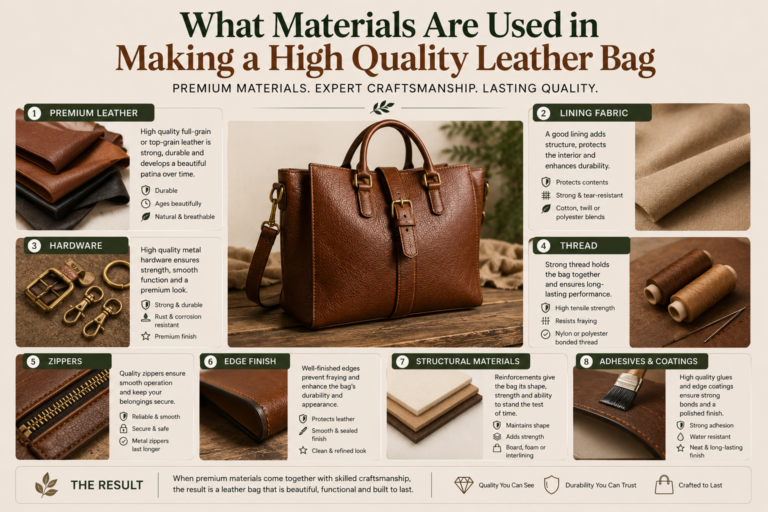
When you pick up a leather bag that feels just right — firm yet supple, structured yet comfortable — you are holding the result of dozens of carefully made decisions. Every stitch, lining, zipper, and panel reflects a choice the manufacturer made long before the bag ever reached your hands. Understanding what goes into a high quality leather bag helps you shop smarter, source better, and appreciate craftsmanship on a whole new level.

The Leather Itself: Where Everything Begins

The single biggest factor in any high quality leather bag is the type of hide used. Not all leather is created equal, and the difference between grades is enormous.

Full-grain leather is widely considered the finest option available. It retains the complete outer layer of the hide, including all natural markings and grain patterns. This makes it exceptionally durable and gives it a character that improves with age — developing what leather lovers call a “patina.” If you have ever seen a leather bag that looks better after ten years than it did on day one, it was almost certainly made from full-grain leather.

Classified by processing criteria, leathers used in the leather goods sector fall into two main categories: Top-grain leather retains the surface layer of raw hide, and is a high-end material that not only has excellent color retention, but also features natural, aesthetically pleasing inherent grain. Many people mistakenly assume that leather

materials labeled “genuine leather” are of superior quality, but in reality, this type of genuine leather is essentially low-grade split leather. When categorized by the source of raw hide, cowhide has high strength and is

easy to source, making it the most commonly used material for luggage and bags; lambskin has a soft texture, making it suitable for fashionable leather goods; goatskin has a pebble grain that can hide scratches, making it suitable for everyday-use luggage and bags.

High Quality Leather Bag Materials: Hardware and Fastenings

for high-quality leather bags is leather. In fact, the strength of any bag is determined by its weakest component. For most bags, the critical weak point is hardware—that is, all the metal parts used to secure the bag body and maintain its

functions. Solid brass is the top choice for zippers, D-rings, buckles, and lock clasps: it resists corrosion, retains its plating well, and its weight conveys a solid, premium quality feel. Zinc alloy is a low-cost alternative; if its plating is properly applied, it is fully

sufficient for daily use. Zippers from Japan’s YKK are used in nearly all high-end bags, and their smooth operation greatly improves the user experience. Choosing the right hardware is the core of making a high-quality bag.

The way hardware is attached is equally important. Riveted attachments are far more reliable than stitched ones for high-stress connection points like strap rings. A leather jacket manufacturer who understands structural stress applies the same logic to bag construction — reinforcing load-bearing points where the material faces repeated strain.

Linings, Thread, and Internal Structure

leather handbag, do not rush to examine its exterior first—its internal craftsmanship best reflects a brand’s overall production philosophy. The

linings of premium leather goods are most often made of suede, cotton twill, or polyester microfiber. These materials protect the items stored inside from abrasion by rough edges, maintain the bag’s structural shape, and enhance its overall texture. Cheap linings, by contrast, are a

cost-cutting choice: they are prone to damage and cannot support the bag’s form. The stitching used in quality bags is waxed nylon or polyester thread, which is moisture-resistant, load-bearing, and does not fray. The saddle stitch technique ensures that even if one section of the seam is cut, the entire line of stitching will not unravel; machine-made lockstitch, however, fails along its full length if just one thread loop breaks.

Internal structure is achieved through interfacing and stiffeners. Cardboard-backed panels give a base shape but deteriorate with moisture. High-end bags use thermoplastic stiffeners or layered leather panels that maintain their shape for years. This is the same attention to form that goes into a well-made leather coat — the silhouette holds because the underlying construction supports it.

Straps, Handles, and Reinforcement

The strap is where a bag’s construction faces its greatest test. Every time you lift the bag, the full weight transfers through the handle or shoulder strap into the body panels. A weak connection here means the bag fails — often quickly.

Quality straps are made from thick, vegetable-tanned leather — the same tanning method used in traditional leather belt manufacturing. Vegetable tanning uses natural tannins from bark and plants rather than chemicals, producing leather that is firmer, more resistant to stretching, and ages beautifully.

The quality evaluation criteria for leather luggage and bags proposed in this study are structured following a logical sequence that progresses from core functional requirements to supplementary aesthetic specifications: First, three requirements for load-bearing components are clearly defined: adjustable shoulder straps must be fitted with sturdy, smoothly operating sliders; the connection points of

fixed carry handles must be reinforced with double or triple stitching; after hardware is attached, reinforcement patches made of leather or fabric must be added to distribute the load and prevent tearing of the bag’s outer panel. Next, standards for comfort-focused components are supplemented: padded shoulder straps, which are commonly used

Finishing Treatments and Edge Work

must adopt a structure with an outer layer of leather or suede and an inner core of foam or gel, and the quality of both the padding layer and the outer leather equally impacts the comfort of the bag during long-term use. Finally, the qualifying requirements for surface finishing processes are sorted out: the three edge treatment techniques of

sanding and polishing, edge oil coating, and folded-edge stitching all require substantial time and labor. Untreated raw edges will fray and crack with regular use; leather conditioning oil maintains the softness of the leather, and some variants can also enhance the material’s color; wax sealing provides protection against mild moisture; matte finishes create a low-profile appearance, while glossy and glazed finishes are suited for formal-style leather bags.

This finishing philosophy carries across all leather categories — the same care that makes a fine leather vest feel polished applies directly to bag construction. A manufacturer who understands finishing across product types brings that knowledge to every piece they produce.

Sustainable and Alternative Materials

sustainable transformation trends of the leather goods industry. Currently, the industry’s attention to sustainable procurement and alternative materials continues to grow. Producers that prioritize environmental protection have widely adopted three types of measures:

chrome-free tanning, recycled linings, and responsible raw hide sourcing. Plant-based leathers made from cacti, mushroom mycelium, and apple waste have also entered the high-end market. While they cannot yet match the durability of traditional full-grain leather across all use scenarios, they feature a fast iteration speed and meet the demands of eco-friendly buyers who pursue high quality.

Some manufacturers now produce leather gloves and accessories under the same sustainability standards, allowing brands to offer a cohesive, responsibly made product range from a single source.

Why the Full Supply Chain Matters

A high quality leather bag is not the product of one good decision. It is the result of dozens of correct choices made across the entire supply chain — from the grade of hide selected to the type of thread used to close the lining. When any one of those choices is compromised, the final product suffers.

This is why experienced buyers and brands look carefully at manufacturer capabilities. A factory that produces leather skirts alongside bags demonstrates command across different leather applications — different thicknesses, construction methods, and finishing requirements. Similarly, a facility capable of crafting precision items like leather aprons has the attention to detail that translates directly into higher quality bag output.

When evaluating a potential manufacturing partner, look beyond their product photos. Ask about material sourcing, tanning methods, hardware suppliers, and quality control processes. The answers will tell you everything about what kind of high quality leather bag you can expect them to deliver.

Conclusion

High-quality leather bags are made with premium materials to ensure durability, comfort and timeless style. Every component of the bag, from full-grain and top-grain leather, to durable zippers, soft linings and solid metal hardware plays a role in its overall quality. The bag’s appearance and durability are improved by carefully selected materials. If you are looking for a bag to use in fashion, for travel or daily life, a high-quality leather bag will provide long-term value and reliability.

FAQs

What is the best type of leather for a bag that will last decades?

Full-grain leather is widely considered the most durable option. It retains the complete natural grain of the hide, develops a beautiful patina over time, and holds up to decades of daily use when properly cared for.

Is genuine leather the same as real leather?

Not exactly. “Genuine leather” is a trade term that refers to lower-quality split leather layers, not the premium outer hide. All leather is technically real, but genuine leather is a much lower grade than full-grain or top-grain.

How do I know if a leather bag has quality hardware?

Check for smooth zipper action, solid weight in rings and clasps, and corrosion-resistant finishes. YKK zippers and solid brass metal components are strong indicators of quality hardware in any high quality leather bag.
How Denim Jackets Are Made: A Step-by-Step Manufacturing Process

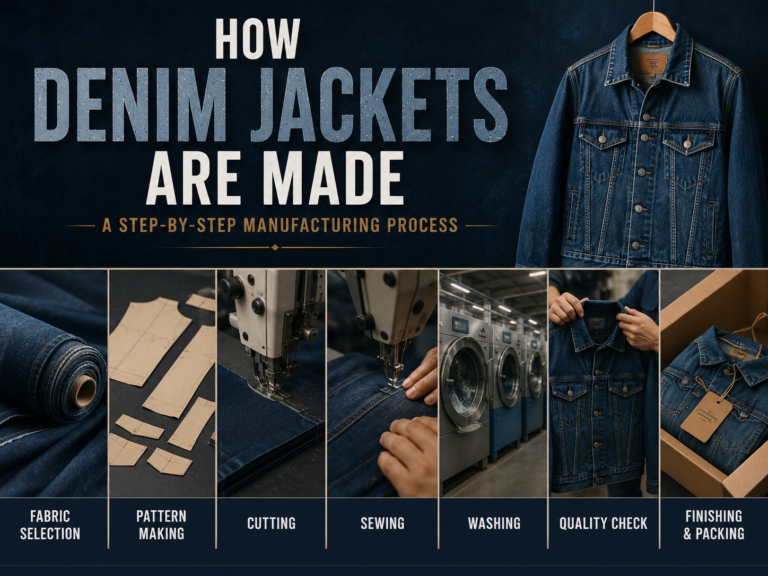
Understanding how denim jackets are made can help fashion brands improve the quality of their products, fit, and customer satisfaction. Although denim jackets appear simple, their production process includes several key stages.

Every step, from fabric selection to final washing and stitching, affects the durability and look of the product. To ensure consistency in production, brands often work with denim jacket Manufacturer service providers. Modern denim manufacturing today combines expert craftsmanship and advanced production techniques to produce stylish and durable outerwear.

Fabric Selection and Product Development

Selecting the right denim fabric is the first step in manufacturing. Fabric weight, stretch, texture and wash compatibility are all factors that influence the final jacket look.

Many fashion brands choose premium denim fabrics because they are stronger and more durable. This increases customer satisfaction. Many companies also work with professional denim apparel manufacturers to create collections that are in line with modern fashion trends. In this phase, the manufacturers finalize all measurements, trimmings, buttons and labels before they begin production.

Denim Jackets are made by cutting and stitching.

The cutting and sewing process is a crucial part of understanding how denim jackets are made. The first step is to create production patterns using approved designs and size charts. Then, the large denim rolls are layered and carefully cut with precision cutting machines. The panels are then sewn together by skilled workers, while sleeves, collars and pockets, as well as inner labels, are attached. Denim jackets are subjected to heavy wear and tear, so it is important that the stitching be strong.

Because matching denim ensembles are still highly popular on global fashion markets, many fashion brands expand their coordinated collections by using Denim Jeans Supplier. The quality of the stitching affects both the durability and structure of the garment.

The Washing and Finishing Techniques

After sewing, denim jackets are washed and finished. The stage allows for different textures, levels of softness, and vintage effects. The final look of the jacket is affected by stone washing, enzyme-washing, distressing and garment dyeing.

Many modern fashion brands use customized finishing techniques to create unique retail collection. Many companies develop trend-focused product through professional Denim Streetwear Manufacturer service providers because modern streetwear continues to shape denim fashion around the world. Finishing techniques improve comfort and give jackets an elegant appearance.

Quality control in Denim Jackets Manufacturing

How denim jackets are made is a product that requires quality control, as even minor production errors can have a negative impact on customer satisfaction. Before approving a product for shipment, manufacturers carefully check the stitching, measurements, fabric strength and consistency of washing, as well as their quality.

Common quality checks include the following:

  • Stitching Inspection
  • Checks for fabric consistency
  • Measurement Check
  • Quality control of washing

These inspections allow brands to maintain higher production standards and reduce returns. Private label denim manufacturing is a popular choice for many growing businesses, as it allows them to control quality and brand identity.

Denim collections beyond jackets

Fashion brands that are successful tend to expand their collections beyond jackets and create denim collections for various customer categories. Many companies are strengthening their casualwear lines by using Denim shirt manufacturers because denim shirts remain popular in men’s and woman’s fashion.

The summer collection is often boosted by the products of Denim shorts Manufacturer. Because denim skirts are still a popular item in retail fashion, many women’s collections include designs by Denim Skirts manufacturers. Brands can reach a wider audience by expanding product categories. This will improve their long-term sale opportunities.

Denim Fashion: Modern Manufacturing Trends

Denim continues to evolve as brands place more emphasis on sustainability, automation and customer customization. To improve efficiency, manufacturers are now using advanced cutting machines, eco friendly washing techniques, as well as digital pattern systems. Many companies produce youth-oriented collections using professional Kids’ Denim Manufacturer service because the demand for trendy kids’ denim clothing continues to grow globally.

Fashion companies that know How denim jackets are made will make better choices when it comes to selecting fabrics, suppliers and production methods.

Conclusion

Learn How denim jackets are made to help fashion brands better understand product quality, manufacturing standards and customer expectations. Every stage of production, from fabric sourcing to cutting, stitching, washing and quality inspection affects the final product. Brands that partner with manufacturing partners who have experience in denim production usually produce stronger and more successful collections. Manufacturers who combine modern production techniques with quality craftsmanship and denim fashion will continue to be highly competitive on the global apparel market as denim continues to evolve.

FAQs

How to make denim jackets step-by-step?

Denim jackets can be made by fabric sourcing and pattern cutting, sewing, washing, finishing and quality inspection.

Why is denim jacket washing important?

Denim jackets are improved by washing. They become softer, more comfortable, and have a better final appearance.

What is the most common fabric used to make denim jackets?

Denim jackets are usually made from cotton denim, which comes in different weights and stretches.

Why is quality control so important in denim production?

Quality control is important for brands to maintain consistency in their products and reduce defects.

Can denim brands manufacture products besides jackets?

Denim jeans, shirts and shorts are also available from many brands.

Real Leather vs Faux Leather Bags Which Material Is Best for Your Brand

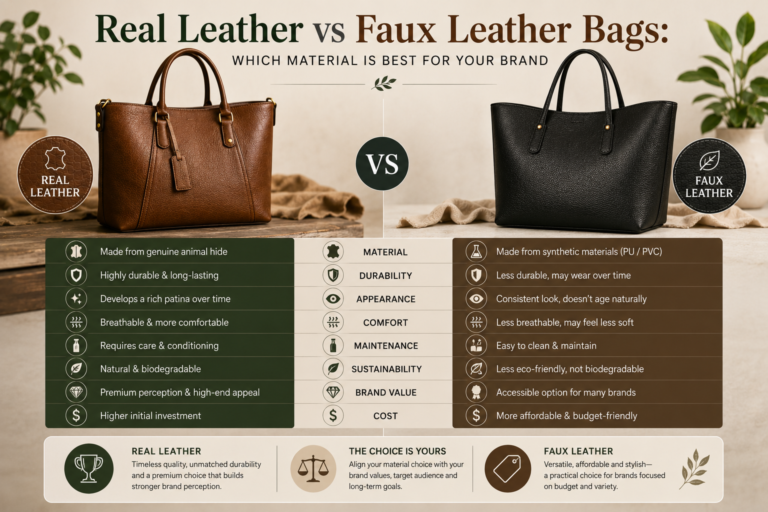
The material selection for luggage and bags directly impacts brand image, customer satisfaction, and long-term sales. Before launching their products, most fashion brands compare genuine leather (Real Leather) and artificial leather (Real Leather vs Faux Leather Bags), with the core dimensions guiding their decision-making being budget, target audience, quality goals, and sustainability preferences.

Brands that focus on premium craftsmanship often work with professional manufacturers like Eco Jersey Leather Bags Manufacturer to create stylish and durable leather products for modern consumers.

Understanding Real Leather vs Faux Leather Bags

and imitation leather handbags covered in this popular science discussion stems from their raw materials genuine leather is sourced from animal hides, and features traits including durability and natural texture, while imitation leather, as a synthetic alternative, is positioned as a low-cost material created to replicate genuine leather.

Many premium outerwear brands also use genuine leather in products such as Leather Jackets Manufacturing Services because real leather provides a timeless and high-end appearance that many customers prefer.

Durability and Long-Term Value

Value” as its core theme, and conducts a comparison between genuine leather and faux leather handbags. A properly maintained genuine leather handbag can be used for many years; it undergoes natural aging to develop rich surface textures, endowing the product with a unique tactile quality.

Real Leather vs Faux Leather Bags are usually more affordable, but they may crack or peel after extended use. However, they are still popular among fast-fashion brands and businesses targeting budget-conscious buyers. Many brands also combine leather products with stylish collections like Leather Coats Manufacturer to build a complete fashion line.

Cost and Production Flexibility

growth-stage bag manufacturing enterprises, the core consideration in material selection is cost. Compared with genuine leather, artificial leather has lower production costs, can support low-priced trendy designs, and enables flexible new product launches and trial-and-error, without requiring large upfront investments.

Real leather costs more, but it offers stronger brand positioning and higher perceived value. Fashion brands that focus on premium accessories often expand into matching products like Leather Belts Manufacturer to maintain a luxury identity across their collections.

Sustainability and Brand Image

importance on the sustainability and ethical production attributes of products. This trend has turned the debate over choosing between genuine leather and faux leather handbags into a core issue that global fashion brands must confront directly. Some consumers opt for genuine leather because they value its natural durability, while others choose faux leather to avoid animal-derived materials.

Modern fashion businesses often diversify their collections with products like Leather Aprons Manufacturer to attract different customer groups while maintaining a professional leather product range.

Style and Customer Preference

contrasting dimension between genuine leather bags and artificial leather bags. Genuine leather inherently has a high-end appearance and tactile feel, which aligns with the positioning of luxury brands; artificial leather offers flexible options in color and texture, making it more suited to current fashion trends.

Many fashion labels also create matching accessories such as Leather Gloves Manufacturer to complete their seasonal collections and improve customer experience.

Real Leather vs Faux Leather Bags for Fashion Brands

The decision between Real Leather vs Faux Leather Bags depends on your brand goals. If you want luxury, durability, and premium market positioning, real leather is often the better choice. If affordability, vegan fashion, and trend-based production matter more, faux leather can be the right option.

Several fashion businesses also expand their product categories with stylish items from Leather Skirts Manufacturer and Leather Vests Manufacturer to create stronger brand identity and attract wider audiences.

Conclusion

The debate around Real Leather vs Faux Leather Bags ultimately comes down to your brand vision, customer expectations, and pricing strategy. Real leather offers luxury, durability, and timeless value, while faux leather provides affordability, flexibility, and vegan appeal. Both materials have strong market demand, and the best choice depends on the identity you want your brand to build in the fashion industry.

FAQs

Which is better real leather or faux leather bags?

Real leather bags are more durable and premium, while faux leather bags are more affordable and vegan-friendly.

Are faux leather bags good quality?

Yes, high-quality faux leather bags can look stylish and perform well, but they usually do not last as long as genuine leather.

Why do luxury brands prefer real leather?

Luxury brands prefer real leather because of its natural texture, durability, and premium appearance.

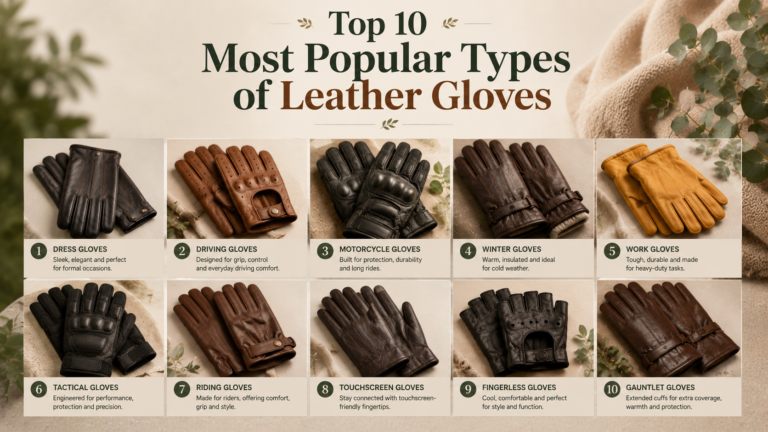
Top 10 Most Popular Types of Leather Gloves

Leather gloves are still one of the most fashionable and useful accessories available in fashion today.Leather gloves are used for winter protection, riding and luxury fashion.top 10 types of leather gloves are still a strong performer in the global fashion market.

Today, many fashion businesses partner with professional Leather Gloves Manufacturer services to create premium collections that combine comfort, durability, and modern style.

Brands must be aware of the latest glove trends as customer preferences continue to change.

Why Leather Gloves Continue Trending

Leather gloves are still popular, because they combine both fashion and utility. Their durability, premium appearance and comfortable fit are appreciated by customers.

Modern fashion brands are also focused on the quality of materials and craftsmanship, as customers expect durable products.

Many growing businesses collaborate with experienced Leather Apparel Manufacturer services to maintain strong quality standards across their leather collections.

Strong craftsmanship helps brands build long-term customer trust.

Top 10 Types of Leather Gloves in Fashion

A number of glove styles continue to dominate the fashion and utility market because they meet modern customer needs.

Winter leather gloves are still very popular, as they offer warmth and elegance. Driving gloves are also on trend because they provide comfort and grip when driving.

Premium brands continue to be in high demand for fashion gloves that complement luxury clothing. Customers are increasingly buying touchscreen leather gloves because they want style and convenience.

Many fashion collections also pair gloves with products from professional Leather Jackets Manufacturer services to create matching leather fashion combinations.

Customers today expect both style and functionality in their products.

top 10 types of leather gloves for Different Customer Needs

Leather glove styles are designed for different purposes. Customers may prioritize warmth while others are more interested in fashion or durability.

Biker gloves, for example, are usually made of thicker leather with a stronger protection. Luxury fashion gloves, on the other hand, are more focused on elegant finishes and soft textures.

Winter gloves are popular, as well as biker gloves and touchscreen gloves. Other categories include driving gloves.

Many seasonal collections also include products from experienced Leather Coats Manufacturer services because outerwear and gloves work well together in winter fashion collections.

Understanding customer lifestyle helps brands choose better product categories.

Customization Makes Leather Gloves More Valuable

Modern leather fashion has increasingly emphasized customization. Customers prefer personalized and exclusive products.

Fashion brands enhance leather glove collections with custom stitching and embossed logos. They also use premium linings and color combinations.

You can customize your order by:

  • Premium leather textures
  • Personalized branding
  • Custom stitching styles
  • Soft inner lining

These features can help improve the product’s identity and increase customer recognition.

Many brands also expand accessory collections through professional Leather Belts Manufacturer services to maintain consistent styling across fashion collections.

Customization helps products stand out in competitive markets.

top 10 types of leather gloves and Fashion Expansion

Many fashion brands that are successful now offer complete leather collections, rather than focusing only on one product category.

Some businesses, for example, enhance their fashion collections by utilizing Leather Bags Manufacturers to provide matching accessories.

Others expand seasonal collections through professional Leather Vests Manufacturer services to create layered fashion products.

Some brands also introduce modern apparel collections with products from experienced Leather Skirts Manufacturer services.

Product variety helps businesses attract wider customer audiences.

Quality Still Matters Most

Leather gloves are still a popular choice for customers, even though the fashion trend continues to change. Customers expect them to be comfortable and durable.

Poor stitching or materials that are weak can damage brand reputation and customer satisfaction.

Many fashion businesses also improve utility collections through professional Leather Aprons Manufacturer services because durable craftsmanship remains important across all leather categories.

High-quality production helps brands compete more effectively in modern fashion markets.

Conclusion

As fashion trends and consumer preferences continue to change, the top 10 types of leather gloves will also evolve. Winter gloves, touchscreen glove, biker gloves and fashion gloves are all still very popular today.

Successful brands, however, focus on more factors than just trends. When creating new collections, they prioritize comfort, quality, customization and the lifestyle preferences of their customers.

Fashion businesses can develop leather glove collections with a long-term profit by understanding the market and working with manufacturing partners who have experience.

FAQs

Why are leather gloves still popular today?

Leather gloves combine durability, comfort, warmth, and timeless fashion appeal.

Which leather glove styles are trending most?

Winter gloves, touchscreen gloves, biker gloves, and driving gloves are highly popular.

Why is customization important for leather gloves?

Customization helps brands create unique products and stronger market identity.

Can leather brands expand into other products?

Yes, many brands also offer jackets, bags, belts, skirts, and vests.

Why does product quality matter in leather gloves?

High-quality craftsmanship improves comfort, durability, and customer satisfaction.

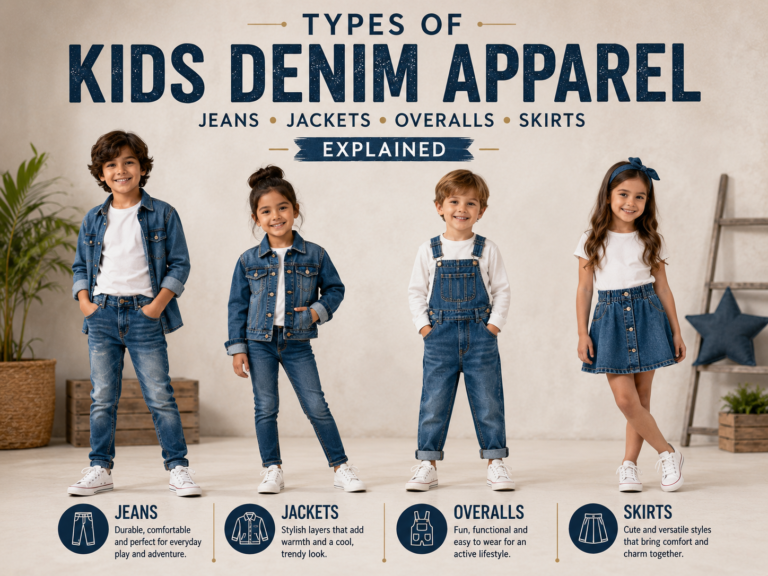
Types of Kids Denim Apparel: Jeans, Jackets, Overalls, Skirts Explained

Choosing the right denim fabric is essential for comfort, durability, and flexibility in Types of Kids Denim Apparel. Brands must consider softness, movement, and wash resistance to ensure children stay comfortable while parents trust the product season after season. Poor fabric choices can lead to complaints, returns, and damage to a brand’s reputation in the kidswear market.

This guide will help you choose between the different types of denim fabrics for children’s clothing.

The fabric choice is more important in kids denim

Denim for children is subjected to demands that denim for adults does not. Children’s denim must be able to withstand climbing frames, soccer in the garden, and art classes.

Children’s skin, however, is much more sensitive than that of adults. The fabric may feel fine to adults, but it can be uncomfortable or scratchy to children. A child who is uncomfortable will not wear the garment no matter how nice it looks.

Parents wash their children’s clothes more often than they do. After ten washings, a kids denim fabric which fades badly or shrinks dramatically, or loses shape, is likely to cause complaints.

Fabric selection for kids denim is one of the first decisions that a brand must make before they begin any design work.

Stretch Denim

The most popular kids’ denim style is stretch denim. It has also become the predominant material for children’s shorts and jeans.

By adding elastane, typically between 2 and 4 percent of the fabric’s composition, a rigid denim becomes a fabric which moves with a child’s body. It means that jeans won’t limit movement when running, climbing or sitting cross-legged in a classroom. Shorts that do not bind or pull during active play. It means wearing a garment which is comfortable for a whole day of activities.

Stretch denim tends to recover shape better after washing than rigid jeans, so it can be washed more often before it shows the bagging or distortion that parents dislike.

Stretch denim, in particular for kids jeans shorts and trousers, is the best fabric to balance the aesthetics of traditional denim with functional requirements of active wear.

Soft Washed Denim

Even in lighter weights, rigid denim can be stiff and uncomfortable on sensitive skin. This is especially true for children. Soft-washed denim directly addresses this. The washing process softens the stiffness of the denim and gives it a more comfortable, supple handfeel. Children will tolerate this much better.

Soft-washed denim suits younger children better than stiffer fabrics. Denim is a great choice for overalls, and shirts which sit close to skin over a larger area.

Denim that has been heavily washed will have less fabric integrity, which can reduce its durability. The balance between structural strength and softness depends on the garment and age.

Lightweight Denim

The fabric weight, measured in ounces/square yard, has a significant impact on how kids denim feels and wears. Denim for adults is usually between ten and fourteen ounces. A lighter weight, typically between seven and nine ounces, is more practical for children’s clothing.

It’s easier to move around in lighter denim. Wearing lighter denim is easier for children, especially younger ones who are still learning to coordinate and develop strength. It dries quicker after washing, which is a benefit parents appreciate.

Lightweight denim is a great choice for kids’ denim jackets. It makes a big difference in comfort and wearability. A denim jacket that is heavy enough for an adult can be cumbersome to wear on a child. A jacket made of lighter denim that is well constructed will move freely and feel comfortable throughout the day.

Organic Denim

Denim is not an exception. Parents are becoming more concerned about the clothing their children wear. They are asking questions about chemical usage, fabric sourcing and environmental impact.

Organic denim, made from cotton grown without synthetic fertilizers or pesticides, addresses chemical concerns directly. Organic denim certified by GOTS provides independent verification of the fabric’s organic standards across the entire supply chain.

Organic fabric can be a significant and credible differentiator for brands who want to position their kids denim collection around sustainability credentials. This opens up retail channels, including premium independents and conscious lifestyle stores that require sustainable fabric.

denim clothing manufacturer that has established sustainable fabric sourcing can provide certified organic options and the documentation that retailers and conscious parents increasingly demand.

Denim-Jersey Blend

A denim-jersey mix — also known as jegging fabric, jersey denim or denim jersey — is a combination of the appearance and comfort of denim with jersey knit’s stretch. This fabric looks similar to denim but is much softer and flexible on the skin.

It is popular with babies and toddlers, where woven denim may be too stiff or heavy. This fabric is also an excellent choice for denim trousers, especially in smaller sizes.

The limit is durability. They can lose their shape or develop holes more easily at stress points. They are better suited to garments for young children who grow out of clothing quickly and use cases with lower intensity than active older children.

How to test before approving any kids denim fabric

No matter which type of fabric you choose, testing is mandatory before mass production in children’s jeans. It’s more important to test children’s denim than adult clothing because poor fabric performance can affect the comfort and safety for a child.

The key tests for denim fabrics for children include the washability test, which includes a minimum thirty cycles of washing, checking for shrinkage and colour fade. Stretch recovery tests confirm that fabrics with elastane content return to their original size after use. Skin sensitivity tests — using OEKOTEX Standard 100 certification or an equivalent — confirm that the fabric does not contain harmful chemicals that can affect sensitive skin.

denim private label manufacturer who has experience with children’s clothing will have tested fabrics and follow clear protocols. They will also be able provide documentation of certification that you, your retail partners, and customers can rely on.

Check out these key denim fabric properties before you approve any product:

  • After thirty wash cycles, the shrinkage rate is calculated.
  • Colour retention and fade consistency throughout the wash range
  • Stretch recovery after repeated washing and use
  • The resistance to pinning under frictional and active wear conditions
  • Chemical safety certification for compliance with skin contact

How to match fabric to product type

Different denims for kids are made from different fabrics. By matching them correctly at the beginning, you can avoid costly development issues later.

Stretch denim with a weight of seven to nine ounces is the best choice for kids’ jeans and shorts. It offers the perfect balance between durability, comfort and movement. Lightweight denim jackets in the same weight range are more wearable than heavier fabrics. Soft washed denim is the perfect fabric for shirts and overalls. It provides comfort and flexibility that young children require. Denim-jersey mix is ideal for skirts of smaller sizes. It offers comfort and flexibility.

Organic certified stretch denim is ideal for brands that prioritize sustainability in their entire range. It combines the benefits of stretch and the certifications that conscious parents actively seek.

These decisions are made much more quickly and accurately by working with a denim manufacturer who is familiar with the different fabric types and weights and understands their performance in children’s clothing.

Conclusion


Fabric types of denim for children’s clothing are more diverse than many brands expect. Understanding the Types of Kids Denim Apparel helps brands choose the right fabric for comfort, durability, flexibility, and sustainability. Stretch denim works well for activewear, soft wash denim improves comfort, lightweight denim is ideal for layering and jackets, organic denim supports eco-friendly collections, and denim jersey is perfect for younger age groups.

It is important to choose a manufacturer who can test and source your product consistently, while also delivering it at the high quality that you expect.

Explore the range of kid denim manufacturing and find the best production partner for you.

FAQ

Which denim fabric is best for kids’ jeans?

 The strongest option is stretch denim, in a weight of seven to nine ounces. It moves with the child and maintains its shape even after washing.

Why is lightweight denim better for children’s clothing? 

It is easier to move around in lighter-weight denim, it is less physically demanding, and it dries quicker after washing. These are all advantages for active children’s wear.

What does denim-jersey fabric mean?

 It is a fabric that has the appearance of denim and the softness and stretch of jersey knit. This fabric is popular with babies, toddlers and younger children who are looking for comfort and mobility.

Can organic denim be used on children with sensitive skin?

 Organic denim that is GOTS certified is free of harmful chemicals and synthetic pesticides, which makes it an excellent choice for brands looking to appeal to parents who have sensitive children.

How Leather Gloves Are Sized and Why Getting the Right Fit Matters

Leather gloves are not just a fashion accessory. They are used for riding, winter protection, luxury styling, and workwear. Even the best-quality gloves may feel uncomfortable if they are not sized correctly.

sizing of leather gloves are expected to be comfortable, flexible, and secure. Proper glove sizing is now one of the most critical factors for customer satisfaction.

Many fashion brands now work with professional Leather Gloves Manufacturer services to create gloves that combine premium craftsmanship with accurate fitting standards.

Understanding glove size helps brands improve product quality and the customer experience.

Why Proper Sizing Matters

Gloves that are too tight can restrict movement, while gloves that are too large may feel uncomfortable and reduce grip performance. Gloves too tight or oversized can limit movement and cause discomfort.

Modern customers are looking for gloves that are comfortable and fit well.

Many businesses collaborate with experienced Leather Apparel Manufacturer services because professional manufacturing helps maintain consistent sizing and better product quality.

Good sizing improves customer satisfaction and reduces product return rates.

sizing of leather gloves and Measuring Hand Size Correctly

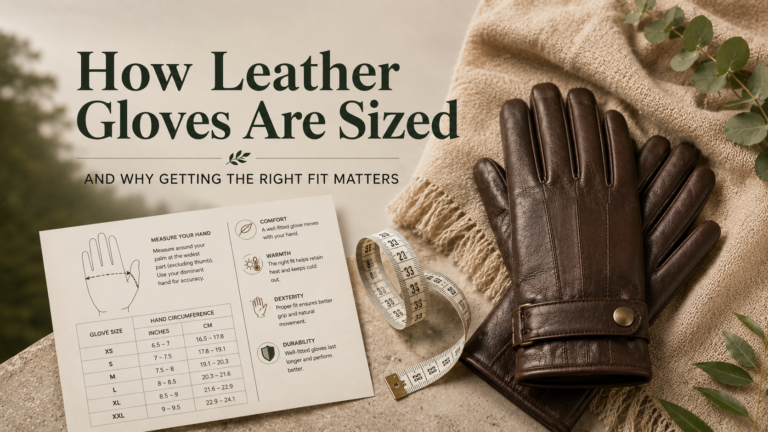
The production of leather gloves is a complex process that requires accurate hand measurements. The manufacturers measure the hand width by measuring around the knuckles, excluding the thumb.

This measurement is used to determine the glove size that will provide you with maximum comfort and flexibility.

Similarly, different glove categories can also have slightly different standards of fitting. Winter gloves, for example, often have extra space to allow for the lining while fashion gloves are usually slimmer.

Many premium fashion collections also pair gloves with products from professional Leather Jackets Manufacturer services to create coordinated leather fashion collections.

Proper sizing creates a more premium customer experience.

Materials Also Affect Glove Fit

The leather material is important for glove fit because it stretches and softens differently with time.

After regular use, soft leather materials will often adapt to the shape of your hand. Thick leathers may initially feel stiffer, but will gradually become more flexible.

Materials must be carefully selected to match product functionality and customer expectations.

Many winter fashion collections also include products from experienced Leather Coats Manufacturer services because matching outerwear and glove collections remain highly popular during colder seasons.

Material selection directly influences glove comfort and durability.

sizing of leather gloves for Fashion and Utility Products

Depending on the intended use of each glove, different sizes are required.

Fashion gloves are usually designed to be slimmer and more elegant. Riding gloves and work gloves require more flexibility and grip strength.

The sizing process also takes into account the stitching, inner lining and wrist fit.

You can customize your order by:

  • Adjustable wrist closures
  • Soft inner lining
  • Flexible leather panels
  • Personalized fitting details

These features help improve both comfort and usability.

Many brands also strengthen accessory collections through professional Leather Belts Manufacturer services to maintain consistent leather styling across multiple product categories.

Understanding customer needs helps brands develop better-fitting products.

Expanding Leather Collections Beyond Gloves

Some fashion companies now offer complete leather collections, instead of just focusing on one product category.

Leather Bags Manufacturers can help some brands to expand their product ranges into accessories.

Others strengthen fashion collections with products from professional Leather Skirts Manufacturer services.

Many modern collections also include products from experienced Leather Vests Manufacturer services to create layered fashion looks.

Product variety helps brands attract wider customer audiences.

Quality and Craftsmanship Improve Fit

Poor workmanship can affect glove fit and comfort even with accurate measurements. Poor finishing, poor lining and uneven stitching can affect the overall performance of a product.

Gloves with a professional finish maintain a better structure, are more flexible, and have enduring durability.

Many brands also expand into utility-focused collections through professional Leather Aprons Manufacturer services because durable construction remains important across all leather categories.

Strong quality standards help brands maintain customer trust and long-term growth.

Conclusion

Sizing of leather gloves is important for comfort, flexibility and customer satisfaction. The right size makes gloves more comfortable and durable.

But good fitting is not just about measurements. The final performance and comfort of gloves is influenced by the material selection, workmanship, customization and glove purpose.

Fashion brands that work with manufacturing partners who understand customer expectations and have experience in the field can create leather gloves which are both stylish and comfortable.

FAQs

Why is proper glove sizing important?

Proper sizing improves comfort, flexibility, and overall glove performance.

How are leather gloves usually measured?

Manufacturers measure hand width around the knuckles without including the thumb.

Do leather gloves stretch over time?

Yes, many leather materials soften and stretch slightly with regular use.

Why do different glove styles fit differently?

Fashion gloves, work gloves, and riding gloves all require different fitting standards.

Why does craftsmanship matter in glove sizing?

High-quality craftsmanship improves comfort, durability, and consistent fitting.

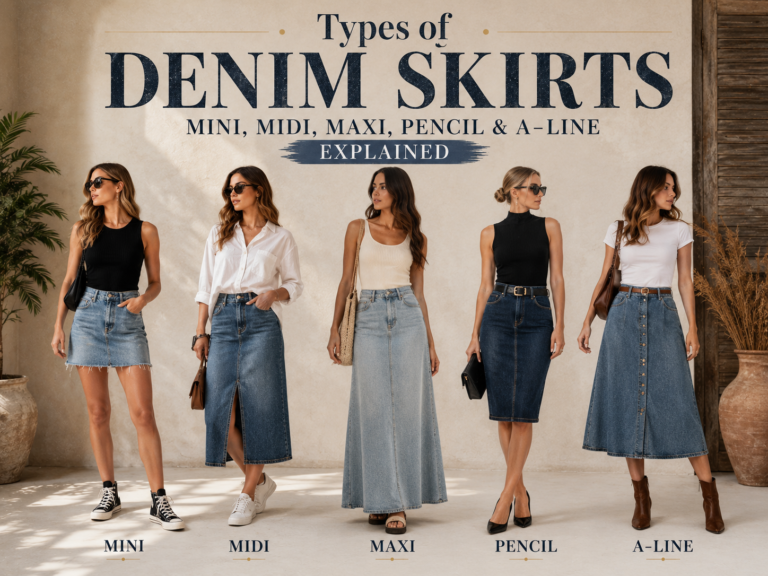
Types of Denim Skirts: Mini, Midi, Maxi, Pencil & A-Line Explained

Denim skirts have remained a timeless fashion staple for decades. From casual streetwear looks to trendy seasonal outfits, different Types of Denim Skirts continue to dominate the fashion industry. Their versatility, comfort, and stylish appeal make them popular among fashion brands and consumers worldwide. Businesses working with professional denim suppliers like Eco Jersey Denim Apparel Manufacturer can create modern collections that fit every market demand.

Understanding Types of Denim Skirts

There are many Types of Denim Skirts available today, and each design offers a different style and purpose. Some skirts are designed for casual everyday wear, while others suit premium fashion collections. Fashion manufacturers often combine denim skirts with matching denim products from Denim Jeans Manufacturer to create complete lifestyle collections for brands.

Mini Denim Skirts

Younger style audiences love mini skirts as one of the most popular Types of Denim Skirts. Sitting above the knee, mini skirts are perfect for summer, street style, and casual aesthetics. Pair them with crop tops or oversized hoodies with sneakers.

Fashion brands that focus on modern youth collections often work with Streetwear Denim Manufacturer to create trendy mini denim skirts inspired by urban fashion culture.

Midi Denim Skirts

Midi skirts are one of the other stylish Types of Denim Skirts. Falling below the knee, they are a perfect balance of comfort and elegance. These skirts work for casual and even semi-formal fashion aesthetics.

Many fashion companies combine midi skirts with stylish outerwear from Denim Jacket Manufacturer to create coordinated denim collections that attract modern customers.

Maxi Denim Skirts

Maxi skirts are long, flowing, and comfortable. These traits make them one of the most versatile Types of Denim Skirts. They are perfect for relaxed and everyday wear, as well as modest fashion aesthetics. Since oversized and loose-fit clothing is a growing trend worldwide, maxi denim skirts are becoming even more popular.

Fashion labels often pair these skirts with products from Denim Shirts Manufacturer to create complete denim-on-denim fashion looks.

Pencil Denim Skirts

The more fitted and professional style of a pencil skirt is also one of the Types of Denim Skirts. Designed to give a slimmer silhouette, these skirts are perfect for a smart casual fashion and office wear styles.

Premium fashion brands frequently develop fitted denim collections alongside products from Private Label Denim Manufacturer to build exclusive branded apparel lines.

A-Line Denim Skirts

A-Line Denim Skirts have earned their place in fashion history. Fitted at the waist with a flattering gradual widen at the bottom, these types of denim skirts truly cater to all body types.

Many brands also expand their collections with matching fashion items from Denim Vest Manufacturer to create stylish seasonal outfits for women’s fashion collections.

Why Types of Denim Skirts Remain Popular

Denim skirts have something for everybody, which is why they have remained popular for so long. Whether casual, professional, or fashionable – there are different styles of denim skirts available. With washes, hems, embroideries, and modern details, denim skirts have the bonus of infinite customization.

Fashion businesses often diversify their collections with products from Denim Overalls Manufacturer and Denim Shorts Manufacturer to target broader audiences and seasonal fashion trends.

Types of Denim Skirts for Kids and Family Fashion

Family fashion collections are now complete with Types of Denim Skirts for kids and teens. Kids’ denim has actually gained a lot of attention and popularity as parents love the durable and easy to wear styles Available.

Many brands now expand into children’s collections through Kids Denim Manufacturer to meet the growing demand for stylish kidswear products.

Conclusion

Different Types of Denim Skirts offer unique fashion possibilities for every style preference and customer group. From mini skirts for trendy streetwear to elegant midi and professional pencil designs, denim skirts continue to evolve with changing fashion trends. Brands that understand these styles can create more appealing collections, attract wider audiences, and stay competitive in the growing denim fashion industry.

FAQs

What are the main Types of Denim Skirts?

The main Types of Denim Skirts include mini, midi, maxi, pencil, and A-line denim skirts.

Which denim skirt style is best for casual wear?

Mini and A-line denim skirts are commonly preferred for casual everyday outfits.

Are maxi denim skirts trending?

Yes, maxi denim skirts are currently popular because oversized and relaxed fashion styles are in demand.

Men vs Women Leather Gloves: A Complete Style and Function Comparison

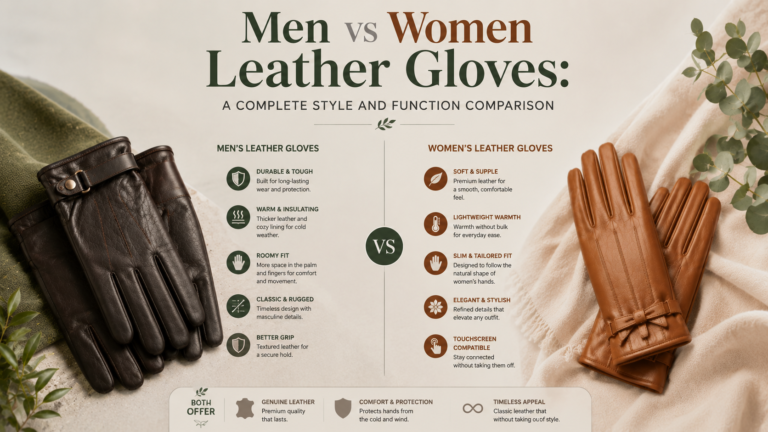
Leather gloves are still a popular choice for modern clothing and seasonally. men vs women leather gloves prefer different styles of gloves, details about the fitting, and functional features, based on their comfort and fashion preferences.

Customers have different priorities when it comes to leather gloves. Some are more concerned with warmth and durability while others focus on elegance, slim fit, and style versatility. Due to this, brands need to understand the differences in customer expectations between male and women leather glove collections.

Many businesses today work with Leather Gloves Manufacturer to create collections that are both stylish and functional.

Fashion brands can build more targeted and stronger product lines by understanding these differences.

Understanding Style Differences in Leather Gloves

Leather gloves for men are usually larger, with darker colors and a stronger construction. These gloves are often designed for durability, comfort and everyday practical use.

Women’s leather gloves, on the other hand, are often slimmer, with softer textures and more fashionable detailing. Some designs feature decorative stitching or elegant finishes.

Fashion brands collaborate with Leather Clothing Manufacturer because they want to maintain the quality of their products across collections.

A good design balance makes products appealing to a wider range of customers.

Men vs Women Leather Gloves in Fit and Comfort

The fitting structure is one of the most important differences between men vs women leather gloves. Because male hands are typically wider, men’s leather gloves usually have more room for the fingers and palm.

Women’s gloves are more focused on a slim fit and flexibility, creating a refined look without sacrificing comfort.

The choice of material can also influence the fit. Leather materials that are softer adapt more easily to the hand’s movement and longer use.

Some premium fashion collections combine gloves with professional Leather jackets Manufacturer service providers to create coordinated seasonal collections.

The right fitting increases both customer satisfaction and usability.

Functionality Matters for Different Customers

Fashion is still important but functionality plays a big role in the design of gloves.

Leather gloves for men are often designed with warmth, grip support and riding comfort in mind. Some styles include an insulated lining to keep you warm in cold weather.

For women’s gloves however, the focus is often on lightweight comfort and elegant styling.

Due to the popularity of matching outerwear with gloves, modern brands are expanding their winter collections by using Leather Coats Supplier services.

Brands can choose better features by understanding the lifestyle of their customers.

Men vs Women Leather Gloves and Fashion Trends

Every season, fashion trends continue to shape the leather glove market. men vs women leather gloves are continue to be attracted by minimalist leather designs, touchscreen gloves and oversized winter gloves.

Luxury fashion brands are now focusing on customisation and premium details to create exclusive products.

Features of customizing your order may include:

  • Soft inner lining
  • Custom stitching details
  • Adjustable wrist closures
  • Personalised branding

The additions enhance both the comfort and the product identity.

Several brands strengthen their accessory collections by using professional Leather Belts Supplier services in order to maintain consistency of leather styling throughout multiple fashion products.

Customization makes collections more unique and premium.

Expanding Leather Collections Beyond Gloves

Modern fashion businesses do not focus solely on leather products. To reach a wider audience, brands create complete leather collections.

Some companies, for example, expand their fashion accessories by using Leather Bags Supplier services.

Other companies enhance seasonal fashion collections by professional leather vests Manufacturer service.

Because coordinated fashion continues to be a global trend, many women’s collections include products from Leather Skirts Supplier.

Brands can remain competitive by ensuring they have a diverse product range.

Quality and Craftsmanship Influence Customer Experience

Even the most stylish leather glove can disappoint customers with poor craftsmanship. Uneven stitching or materials that are weak can affect customer satisfaction.

Gloves with a professional finish are more durable, have a better fit, and offer optimum value.

Professional Leather Apron Manufacturer services are also used by many businesses to expand their leather product categories, especially those that focus on utility.

Fashion brands can build trust with their customers by using high-quality craftsmanship.

Conclusion

Men and women have different preferences when it comes to leather gloves. Customer satisfaction is largely determined by the fit, comfort, choice of material, and functionality.

Women’s gloves are often more elegant, slim-fitting, and fashionable. Men’s gloves tend to focus on durability, practicality, and style.

Fashion brands can create leather gloves that are stylish, comfortable, and of high quality by working with manufacturing partners who have experience.

FAQs

What’s the difference between women’s and men’s leather gloves?

Women’s gloves are usually slimmer and more elegant, while men’s gloves tend to be a bit larger.

Women’s leather gloves are smaller than those of men?

Women’s gloves are generally narrower and have slimmer fingers.

What is the importance of glove fit?

A proper fit improves comfort, flexibility and overall usability.

Men and women like different styles of gloves?

Customer preferences can vary depending on the fashion trend, lifestyle, and comfort.

Why is craftsmanship important in leather gloves?

The quality of the workmanship improves durability and customer satisfaction.

How to Get Custom Labels & Branding on Denim Jeans For Bulk

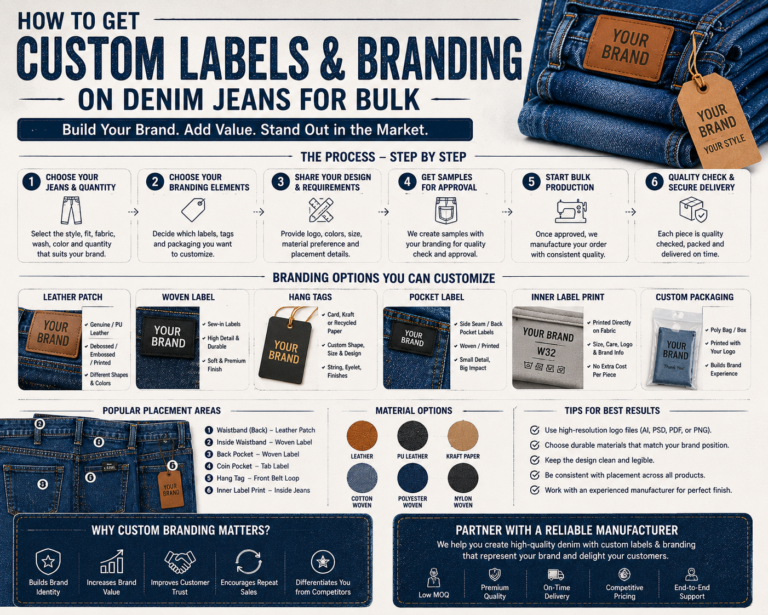
Branding denim goes far beyond just stamping on a logo. Denim has more branding touchpoints than any other article of clothing. Moreover, each of these touchpoints has to be executed precisely, consistently, and uniformly across every pair that is made in bulk.

Brand your jeans the right way, and each one strengthens your branding when it is delivered to the customer. Brand them poorly, and customers will show off the inconsistencies of your jeans. They will also let you know why they are returning the product and which stores are reporting poor audits.

This guide covers the branding points for denim jeans, the touchpoints, and how to produce in bulk consistently.

Why Labels & Branding on Denim Jeans Are Different

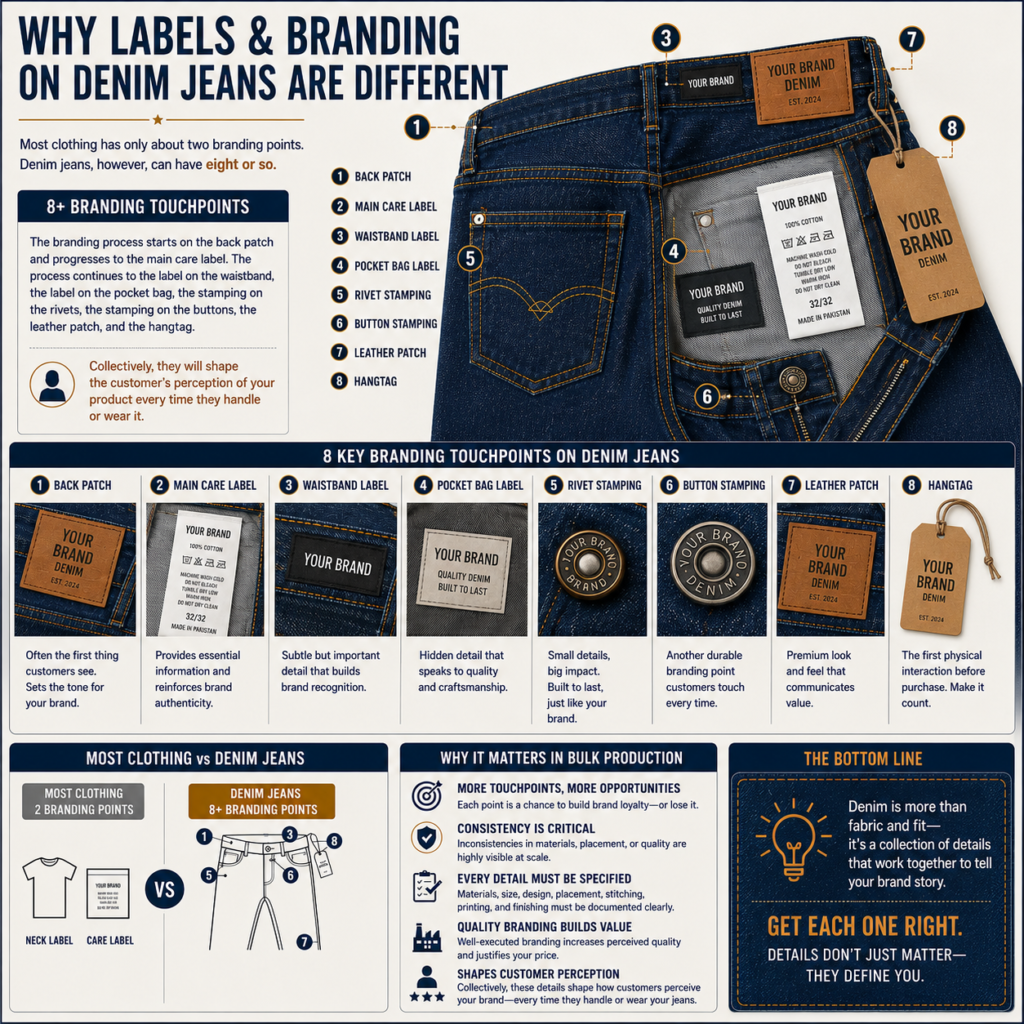
Detailed denim branding infographic illustrating eight branding touchpoints on jeans, including leather patches, care labels, waistband labels, rivet stamping, button branding, and hangtags.
Denim jeans offer multiple branding touchpoints that work together to strengthen brand identity, customer perception, and product value in bulk production.

Most clothing has only about two branding points. Denim jeans, however, can have eight or so. The branding process starts on the back patch and progresses to the main care label. The process continues to the label on the waistband, the label on the pocket bag, the stamping on the rivets, the stamping on the buttons, the leather patch, and the hangtag. Collectively, they will shape the customer’s perception of your product every time they handle or wear it.

The layering process leaves many touchpoints for denim jeans and creates many places to execute branding properly (and improperly). In bulk production, denim jeans will create a myriad of touchpoints, and each will have to be specified and branded accurately.

The Back Patch: Your Most Visible Brand Statement

The biggest branding element of a pair of jeans is the patch that goes on the back right side, at the rear waistband. Since that’s the first thing people see when looking at someone from behind, it sets the standard for the rest of the brand experience.

The material for back patches includes leather, vegan leather, woven fabric, or paper card. Leather and vegan leather are the premium standard. They elongate the life of the patch, but also serve as an unspoken signal for high quality before the stitching or hardware is seen.e.

For brands building in the private label denim space, the back patch is often the most important customisation decision — it’s what visually separates your branded product from the base garment.

Specify the patch material, dimensions, logo emboss or print method, and attachment stitching precisely in your tech pack. Inconsistency in patch placement — even by a few millimetres — is visible at a glance.


Waistband Labels and Flag Labels

The main care and composition label is located at the inner center back of the waistband. This label must meet the standards of the markets you sell into. The label must correctly state the care instructions and the fiber contents. The origin and size must also be stated on the label.

The left side of the waistband has another small attachment called the Flag label. This label is also a secondary branding opportunity. This is where a brand may decide to place its logo or a small branding attachment.

Both labels need to be consistent in placement, print quality, and attachment across every unit. A denim apparel manufacturer with experience in international market labeling requirements can guide you through what each label must include, so you don’t need to reprint and relabel after production.


Rivets and Button Stamping

Rivets and fly buttons are structural elements that also serve as places to communicate your brand. By adding your brand name and/or logo to a rivet or button, you are creating a detail that your customers will appreciate.

Both the quality of the rivet and/or button and the quality of the stamp matter. A solid, deep, clean stamp communicates that your product is quality; a shallow, off-centre stamp communicates the opposite.

Specify rivet and button material, finish, stamping depth, and logo or text precisely in your tech pack. Confirm consistency across a minimum of ten units before approving bulk production. A denim jeans manufacturer with strong hardware sourcing will have clear specifications for their rivet and button suppliers — and will provide approval samples before bulk stamping begins.


Pocket Bag Labels and Interior Details

Interior branding builds customer delight after the purchase. With the ‘pocket bag’ interior branding label feature, premium denim customers are justifiably proud to display labels woven into the front pocket.

They may be even prouder to own brands with even more creative branding, like branded pocket bag fabric, stamp logos on the inner waistbands, or coin pocket stitches.

These interior details cost relatively little to add but significantly increase the perception of quality and brand intention. For brands producing streetwear denim or premium fashion jeans, interior branding is a meaningful differentiator.


Hangtags and Packaging

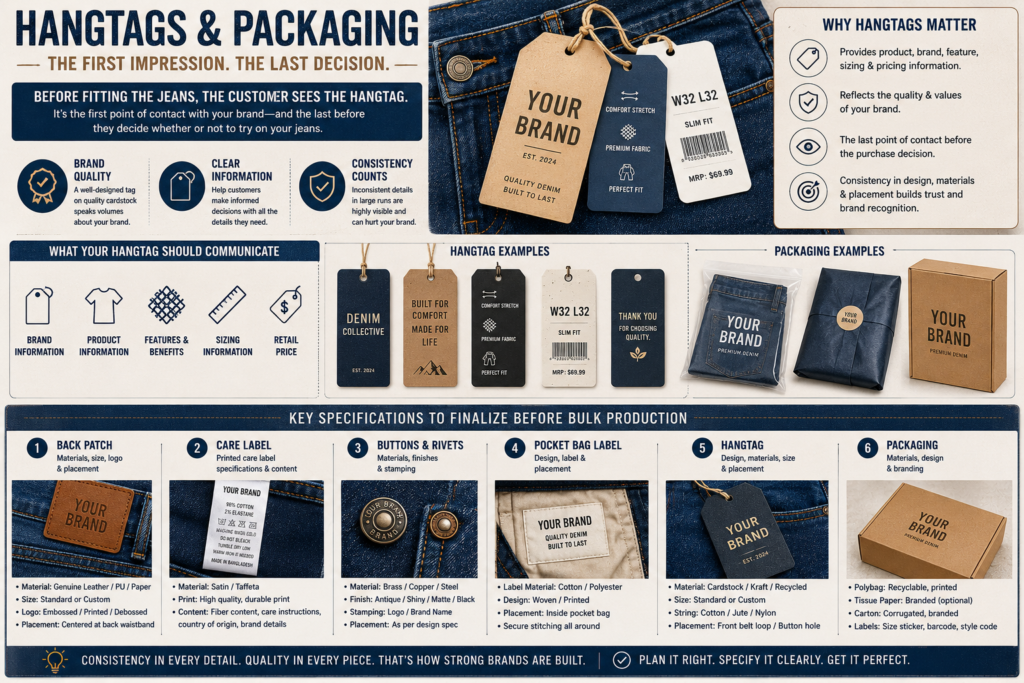
Denim branding infographic featuring custom hangtags, packaging examples, care labels, rivets, back patches, and packaging specifications for bulk denim production.
Hangtags and packaging create the first impression of your denim brand and help communicate quality, identity, and product value before purchase.

Before fitting the jeans, the customer sees the hangtag, which serves as the first point of contact for the brand. The hangtag provides the customer with product information, brand information, useful product features, sizing information, and recommended retail price. The hangtag is the customer’s last point of contact before deciding whether or not to try on the jeans.

Hangtags are evidence of the brand’s quality. A hangtag with a fuzzy logo on flimsy cardstock is a reflection of the brand. A tag on quality cardstock with a logo printed on the tag with quality and care communicates a different message.

Attention to consistency is key. A detail that’s easily dismissed, like consistent positioning during a large run, is highly visible when it is inconsistent.

The specifications to be detailed before a large production run include the following:

  • Materials, size, logo, and placement of the Back Patch
  • Printed care label specifications and content
  • Specifications of button and rivet materials, finishes, and stamping
  • Design of the pocket bag label and the label’s placement
  • Specifications of hangtag design, materials, size, and placement

Conclusion

Labels & branding on denim jeans are extremely vital, as they are essential to the product. The labels placed on the denim and bag patches help communicate the brand. Be sure to detail and document everything with a manufacturer that values consistent branding just as much as construction quality.

When you’re ready to develop your branded denim collection, explore the full range of denim jeans manufacturing options and find the right production partner for your brand.


FAQs

What are the main branding touchpoints on a pair of denim jeans?

Back patch, care label, waistband flag label, rivets, fly button, pocket bag label, and hangtag — each one contributing to the overall brand experience.

What material should a denim back patch be made from?

Leather and vegan leather are the premium standard. Woven fabric and paper card are also used — at lower price points or for brands with specific aesthetic preferences.

Do rivets and buttons need to be branded?

Not always — but stamping your brand name or logo into the rivet and button face adds a premium detail that customers notice and significantly elevates perceived quality.

How do I ensure branding consistency across a large bulk run?

Document every branding specification precisely in your tech pack, approve a fully branded sample before bulk begins, and confirm in-line checks for branding placement throughout production.

Private Label Denim Vests: How Small Brands Are Building Big with OEM Manufacturing

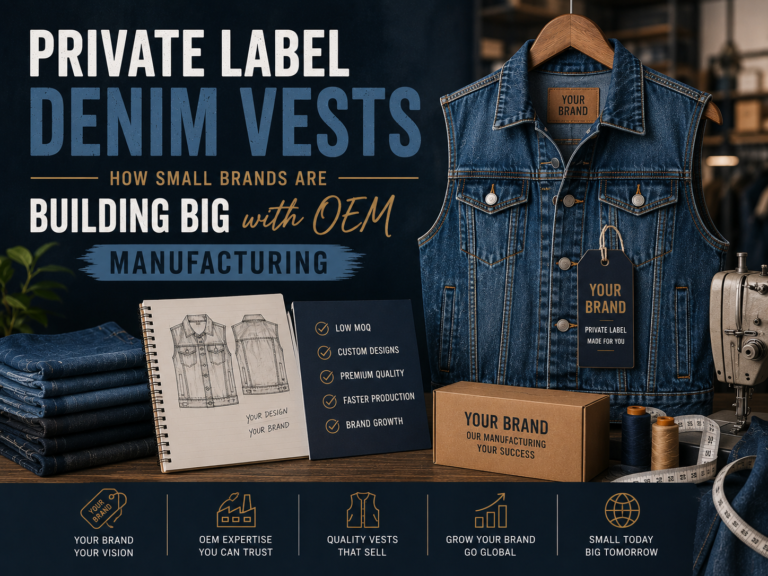
Starting small doesn’t mean thinking small. Across the global fashion industry, small brands are launching competitive, distinctive denim collections — and private label denim vests are becoming one of their strongest entry points. OEM manufacturing has democratized fashion production in a way that simply wasn’t possible a decade ago. Today, a small brand with a clear vision and the right manufacturing partner can compete confidently with established players — and win.

What Is OEM Manufacturing and Why Does It Matter?

OEM stands for Original Equipment Manufacturer. In fashion, OEM manufacturing means a factory produces garments according to your brand’s specific designs, specifications, and requirements — exclusively for you. You own the design. You own the product. The manufacturer simply has the expertise and equipment to bring it to life at scale.

This model gives small brands access to professional production capabilities — advanced machinery, skilled labor, wash facilities, and quality control systems — without the enormous capital investment of building their own factory. The result is a finished product that looks and performs like it came from a major brand — because it went through the same professional production process.

Why Denim Vests Are a Smart Private Label Starting Point

Denim vests occupy a unique commercial sweet spot. They are simpler to construct than full denim jackets — making sampling and development faster and more cost-effective. Yet they carry strong fashion credibility across multiple market segments simultaneously — streetwear, festival fashion, vintage-inspired collections, and workwear crossover styles.

For small brands entering denim manufacturing, vests offer a lower-risk product development entry point with genuine market demand behind them. A successful vest launch builds the brand confidence, customer data, and revenue needed to expand into more complex products like denim jeans and full outerwear collections.

How Small Brands Build Big With Private Label Denim Vests

The brands winning with private label denim vests follow a clear, repeatable strategy. They don’t try to compete on price — they compete on identity.

Here’s what that looks like in practice:

  • Develop a signature wash or finish a specific acid wash, a unique distressing pattern, or a raw indigo finish that becomes instantly recognizable as your brand’s aesthetic
  • Customize hardware consistently branded buttons, custom rivets, and distinctive metal finishes that run across your entire collection
  • Build a strong fit identity oversized, cropped, relaxed, or structured — and own that fit consistently across every season
  • Add signature details custom embroidery, patches, contrast stitching, or inside lining prints that surprise and delight customers beyond the obvious exterior

A professional denim vest manufacturer makes all of these customizations accessible — even at relatively small order quantities — giving emerging brands the same creative tools that large fashion houses use to build recognizable product identities.

The Role of Private Label Manufacturing in Brand Scaling

Private label OEM manufacturing doesn’t just produce your first vest. It builds the operational foundation your brand scales on. Once you establish a working relationship with a reliable private label denim manufacturer, expanding your range becomes significantly more efficient.

Your manufacturer already knows your quality standards, fit preferences, brand specifications, and communication style. Adding denim shirts, denim shorts, or denim skirts to your collection becomes a faster, smoother process with every new season — because the foundational relationship and brand understanding already exist.

That compounding efficiency is one of the most underrated advantages of building with OEM manufacturing from the very beginning.

What to Expect From a Strong OEM Partnership

Not all OEM manufacturers deliver equally. The strongest partners offer more than just production. They offer genuine collaboration — guiding you through fabric selection, wash development, hardware sourcing, and quality standards with the expertise that comes from producing thousands of garments across dozens of brands.

Look for OEM partners who also serve streetwear denim brands and understand the fast-moving, trend-sensitive nature of fashion production. These manufacturers understand deadlines, seasonal pressures, and the importance of getting products to market at exactly the right moment.

A strong denim apparel manufacturing partner invests in your brand’s success — because your growth directly drives their long-term business relationship with you.

Conclusion

Private label denim vests give small brands something genuinely powerful — a distinctive, exclusive product built to their exact specifications, backed by professional OEM manufacturing, and ready to compete confidently in the market. The brands building big today didn’t start big. They started smart — with the right product, the right manufacturing partner, and a clear brand identity worth building around. Your denim vest collection could be exactly that starting point.

FAQs

What is the typical MOQ for private label denim vests through OEM manufacturing?

Most OEM manufacturers offer private label denim vest production starting from 50 to 100 pieces per style — making it genuinely accessible for small and emerging brands.

How long does it take to develop a private label denim vest from concept to delivery?

The full development process — from initial brief through sampling, approval, bulk production, and delivery — typically takes eight to fourteen weeks depending on customization complexity.

Can I protect my private label denim vest designs from being copied?

Yes. Reputable OEM manufacturers sign non-disclosure agreements and produce your designs exclusively for your brand — your designs remain your intellectual property throughout the relationship.

Do I need a large budget to start with private label OEM denim manufacturing?

Not necessarily. Many OEM manufacturers work with emerging brands at accessible entry points — focusing on building long-term relationships rather than demanding large upfront commitments from day one.