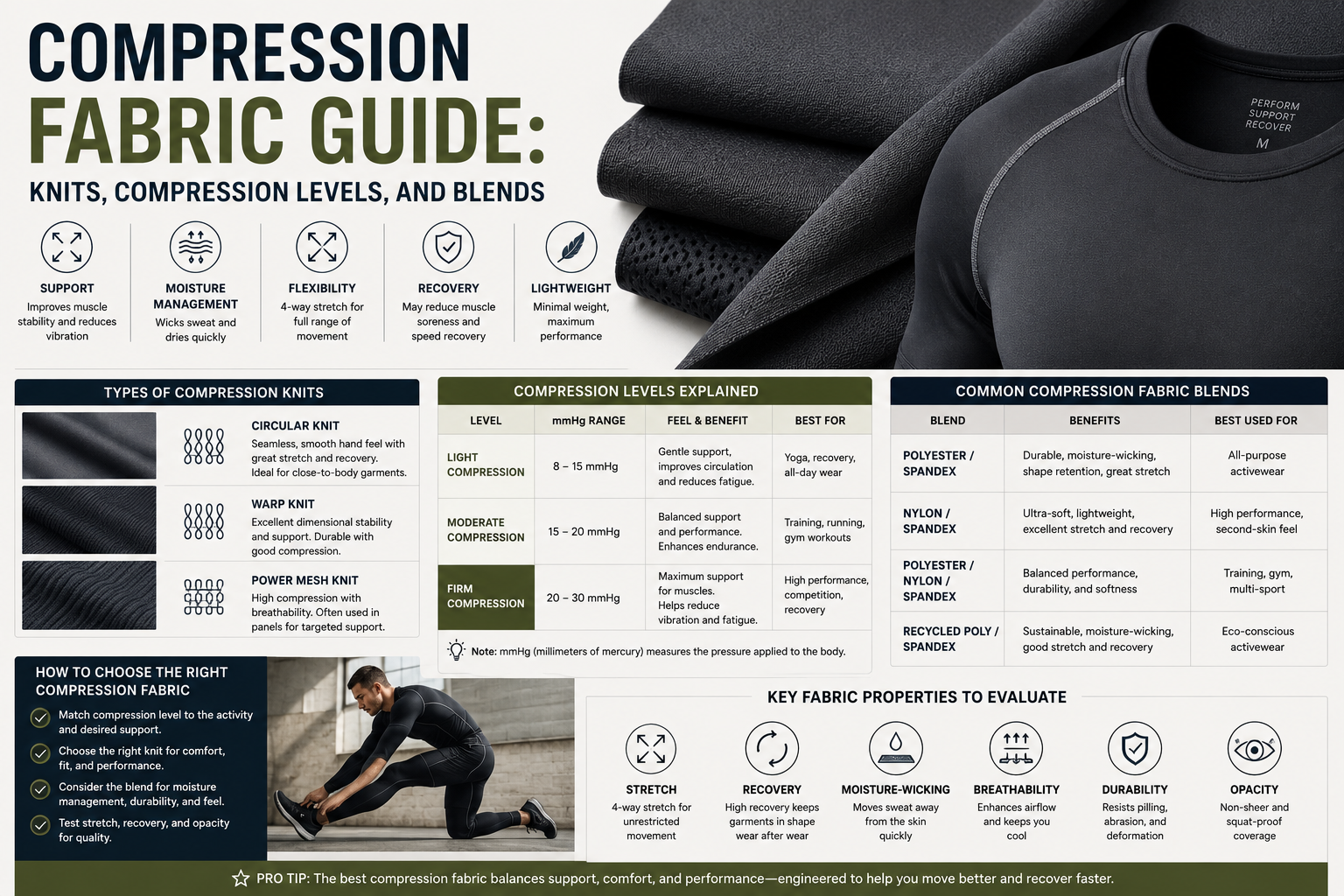
High Performance gear is helpful for high intensity training because these types of training hold such an entirely different level of movement and stress on the fabric in comparison to someone’s everyday light workouts. These types of training include stuff like circuit training, sprint cats, HIIT, conditioning, and other fast body weight movements and patterned movements. Normal clothing becomes heavy and should be changed after a short amount of time. Good performance wear for high-intensity training should not only allow the user to minimize these distractions, but also allow them to move freely and comfortably. Most people get clothing for training purposes because of how pretty they think it looks.
Performance Wear for High-Intensity Training Basics
Performance wear for high-intensity training starts with clothing that can handle sweat and movement at the same time. A full category like the performance wear collection can include base layers, tank tops, sweatshirts, tops, and training pieces. These clothes serve a variety of functions but aim at the same end goal: comfort under pressure. They need to feel breathable and flexible as well as lightweight and tough. They shouldn’t trap the heat. They also shouldn’t constrict. Buyers are encouraged to evaluate the quality of the fabric and its stretch recovery, evaluate the seams, and the fit as well as the control of sweat and the durability after washing when choosing apparel for training that is high intensity.
Breathable Fabric for Sweat-Heavy Workouts
Breathable fabric is crucial to high-intensity training performance wear. The body’s temperature can rise quickly during high-intensity training. If a fabric traps heat, the body can feel uncomfortable and too sticky. Heat trapping fabrics can also impact freshness during fast movement training. Breathable fabrics allow the flow of air and help heat trapping fabrics feel fresher. Training fabrics need to balance strength and flexibility. Potential buyers should look for fabrics that are the ideal weight while being the right softness with the right texture for the level of ventilation the fabric provides. Training fabrics need to help and not hinder focus during the session.
Moisture Control and Quick-Dry Comfort
During high-intensity training, users inevitably sweat a lot, so all performance training apparel should come with efficient moisture control. The optimal fabric for this purpose pulls sweat away from the skin, relieving the garment of moisture. This fabric also should dry quickly. Users should pay close attention to how the moisture control fabric feels. If the fabric is damp, it will most likely feel heavy. High-intensity training incorporates rapid-transitions, so users should pay close attention to how the garment feels while the user is constantly moving. Customers should choose clothes that feel ready to keep working out no matter how long the workout is. The best control of moisture also provides the most comfortable fabric.
Base Layers for Support and Warm-Up
Base layers can be useful in performance wear for high-intensity training when the workout starts in cooler conditions or includes outdoor movement. A product like a ski base layer should feel smooth, flexible, and comfortable under other garments. Bace layers worn for high intensity training should be lightweight and unobtrusive, and should not be too warm unless needed for the climate. They should allow for unrestricted movement, and should stay closely fitted with out twisting or bunching. Since base layers are the first layer up against the skin, it’s important they have seams that lie flat. A good base layer helps the performance wear for high-intensity training stay comfortable before, during, and after their training.
Stretch and Shape Recovery
performance wear for high-intensity training used for high-intensity training needs to be stretchy. High-intensity workouts often involve lots of vigorous movements such as jumping, bending, lunging, and pulling, as well as sudden shifts in direction. Apparel needs to stretch along with the body rather than constrict the body at the shoulders, chest, waist, or hips. Shape recovery is important as well. Shape recovery is the fabric’s ability to return to its original shape after stretching. Apparel that loses shape and remains stretched out will be uncomfortable and look old and worn out. Apparel meant to be used for training should allow full movement and return to the original shape after use.
Tank Tops for Heat Control and Arm Movement
Tank tops are useful in performance wear for high-intensity training because they improve airflow and allow easy shoulder movement. A product like tank tops for women can support warm workouts, gym sessions, conditioning, and active movement when the fabric and fit are right.Armholes should not rub the skin when the armholes are in motion. They should have a smooth quality. A neckline should not shift during movement. Additionally, the fabric should be able to absorb sweat without becoming heavy. A desirable tank top should consider all of these factors in addition to the ability to support movement, breathability, and comfort, and should maintain its shape after multiple washing, and after prolonged and/or rigorous use.
Seam Strength and Anti-Rub Comfort
Seams matter in performance wear for high-intensity training that’s built for intense training. Items for serious workouts have to be able to handle a lot more stress than everyday items. Seams tend to give out first at the shoulders, sides, armholes, hems, and cuffs. If a seam gives out, that perforated area leaves skin exposed, and can chafe or rub. To protect skin and perforation, seams need to be smooth and stay solid. Stitching also needs to be strong and placed strategically. With seams you want to check for loose threads, finish and even stitch lines, and check for stress points.
Simple One-Line Training Checks
These checks make performance wear for high-intensity training easier to compare before buying or approving production.
- Check breathability because intense workouts create heat.
- Check moisture control because heavy sweat needs quick handling.
- Check stretch because fast movement needs flexibility.
- Check recovery because garments should return to shape.
- Check seams because high movement can stress stitching.
- Check fit because clothing should stay secure without restriction.
- Check care needs because training apparel is washed often.
These one-line checks help buyers understand high-intensity training apparel without difficult fabric words.
Warm Layers for Cool-Weather Training
Layering can be part of performance wear for high-intensity training when workouts happen outdoors, during warm-ups, or in cooler settings. A sweatshirt can help before training starts or during low-intensity recovery periods. A product like a camo sweatshirt can work as a practical layer for outdoor movement, warm-ups, travel, and casual active styling. However, high-intensity workouts can heat the body quickly, so layers should be easy to remove. Warm layers should allow arm movement, feel comfortable over base pieces, and keep shape after washing. Good layering supports changing workout conditions.
Final Guide to Choosing the Right Apparel
The last piece of advice for considering performance wear for high-intensity training is quite straightforward. Select apparel that is supportive of sweat, movement, and comfort, and is also durable. Customers should look for fabric that is breathable, has moisture control, has a quick-dry, has stretch recovery, and has strong seams. Additionally, look at fit, layering, and care. Apparel for high-intensity training should look great, and brand photos should be great, but apparel should also perform and be reliable after being laundered. Brands should highlight these attributes, since customers are interested in purchase high performance apparel. The performance wear for high-intensity training guide better clarifies product pages and assists customers in selecting training apparel with support of enhanced self-confidence.
FAQs
What is performance wear for high-intensity training?
Performance wear for high-intensity training is active clothing made for fast movement, sweat control, comfort, and durability.
What fabric is best for intense workouts?
Good fabric should be breathable, flexible, smooth, quick-drying, and strong enough for repeated movement.
Why is stretch recovery important?
Stretch recovery helps clothing return to shape after jumping, bending, stretching, and washing.
How can training apparel last longer?
Wash gently, avoid high heat, air dry, and store garments fully dry.