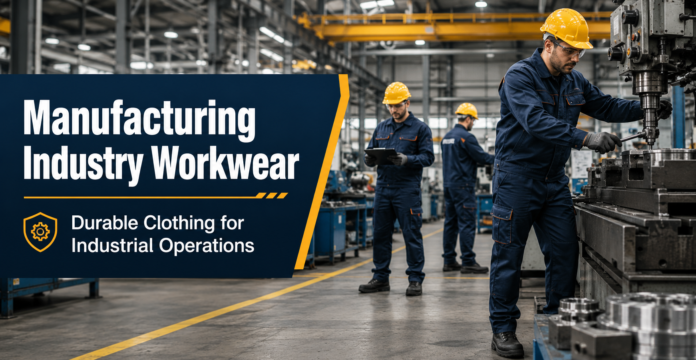
Manufacturing floors are busy places where people move, lift, bend, carry tools, handle machines, and work around materials all day. Because of that, normal clothing is not enough for industrial jobs. Manufacturing industry workwear is made to support workers in real conditions, not just to create a uniform look. It helps protect the body, keeps teams comfortable, and gives workers clothing that can handle long shifts. In factories, clothing may face dust, grease, sparks, rough surfaces, light rain, sharp edges, and constant movement. Good workwear reduces daily discomfort and helps workers focus on their task instead of fixing sleeves, pulling tight pants, or worrying about weak fabric. Manufacturing industry workwear also gives a company a cleaner and more professional image. When workers wear the right clothing, they look organized, feel prepared, and perform better. The best choice is always clothing that matches the job, the workplace, and the safety needs of the team.
Manufacturing Industry Workwear
Manufacturing industry workwear means durable clothing made for factory workers, production teams, warehouse staff, machine operators, maintenance crews, and industrial support workers. It can include work jackets, safety vests, work pants, coveralls, gloves, rainwear, hi-vis jackets, and protective layers. The main purpose is to give workers clothing that is stronger than casual wear and more practical than fashion clothing. Manufacturing industry workwear must allow easy movement because workers often reach, stretch, squat, climb, and walk for long hours. It should also be made with fabric that can handle repeated washing and daily use. Some workplaces need lightweight workwear for indoor production, while others need heavier garments for outdoor yards, loading areas, and maintenance tasks. A factory buyer should not choose workwear only by price. The better choice is workwear that improves comfort, supports safety, and lasts longer. When selected carefully, manufacturing industry workwear becomes part of the worker’s daily protection system.
Durable Clothing for Daily Factory Use
Durability is one of the most important features of manufacturing industry workwear. Factory clothing should not tear easily, lose shape quickly, or become uncomfortable after a few washes. Workers may rub against benches, carry boxes, lean near machines, or kneel during repairs, so weak fabric can fail fast. Durable workwear normally uses stronger stitching, practical pocket placement, reliable zippers, and fabric that can handle friction. For general industrial clothing planning, Eco Jersey’s workwear collection can help buyers understand different garment options for factory and industrial teams. Still, durability should never mean stiff or heavy clothing only. The best manufacturing industry workwear gives strength and comfort together. If a jacket is strong but too stiff, workers may avoid wearing it. If pants are comfortable but weak, they may not last on the production floor. Good manufacturing workwear should support the job without slowing the worker down.
Comfort During Long Industrial Shifts
Comfort matters because factory workers often wear the same clothing for many hours. A small issue, like tight sleeves or rough fabric, can become a big problem after a full shift. Manufacturing industry workwear should feel comfortable while standing, walking, lifting, and moving between work areas. Breathable fabric helps reduce heat buildup, especially in warm production spaces. A good fit keeps clothing close enough to stay safe but loose enough to move naturally. Sleeves should not pull when the worker reaches forward. Pants should not feel tight when bending. Jackets should close easily over inner layers. Manufacturing industry workwear should also avoid extra bulk because bulky clothing can disturb movement around machines or tools. Comfort also affects safety. When clothing feels right, workers are less likely to roll sleeves, remove jackets, or wear personal clothing that may not be suitable for the workplace. For daily operations, comfortable workwear is not a luxury. It is a practical need.
Visibility for Busy Work Areas
Many manufacturing sites have forklifts, loading zones, moving equipment, delivery areas, and outdoor yards. In these places, workers need to be seen clearly. Manufacturing industry workwear may include hi-vis vests, bright jackets, or reflective details to improve visibility in low-light or high-traffic spaces. Visibility is especially useful near warehouse doors, truck loading areas, maintenance zones, and night shifts. A team that works around vehicles or moving machinery should not rely on dark casual clothing. For high-visibility planning, Eco Jersey’s hi-vis workwear range is relevant for teams that need brighter and more visible work clothing. However, visibility should be matched with comfort and durability. A vest that is too loose can snag, while a jacket that is too hot may not be worn properly. The best manufacturing industry workwear keeps workers visible without making the job harder. It should be easy to wear, easy to recognize, and suitable for the work area.
Fabric Choice for Industrial Clothing
The fabric used in manufacturing industry workwear affects comfort, strength, breathability, and garment life. Cotton-rich fabrics can feel comfortable and soft, while polyester blends can add strength, shape retention, and faster drying. Some garments use canvas, twill, ripstop, fleece, or coated fabrics, depending on the job. Indoor workers may need lighter breathable materials, while outdoor teams may need thicker jackets, water-resistant layers, or protective shells. Fabric weight is also important. Very heavy fabric may last longer but can feel hot and tiring. Very light fabric may feel better but may not be strong enough for rough jobs. Manufacturing industry workwear should also be easy to clean because factory clothing often collects dust, dirt, and sweat. Buyers should always think about washing, shrinkage, color fading, and long-term wear. The right fabric does not only protect the worker. It also saves money because better fabric usually means fewer replacements and better daily performance.
Key Features to Check Before Buying
Before ordering manufacturing industry workwear, buyers should check the garment carefully instead of choosing only by style.
- Choose fabric that matches the real work environment.
- Check strong stitching at stress points.
- Make sure the fit allows bending and reaching.
- Select pockets that are useful but not bulky.
- Avoid loose details near machines.
- Choose breathable clothing for warm factory floors.
- Add hi-vis items for traffic and loading areas.
- Pick jackets that close properly over layers.
- Use gloves where grip and hand protection are needed.
- Test samples before placing a bulk order.
- Confirm washing instructions before team use.
- Replace damaged garments before they become unsafe.
Outdoor and Wet-Condition Workwear
Not all manufacturing work happens inside a clean production hall. Some workers move between factory floors, storage yards, loading docks, maintenance areas, and delivery points. In these cases, manufacturing industry workwear may need protection from rain, wind, and changing temperatures. Wet clothing can make workers uncomfortable and distracted, especially during long shifts. Rainwear, water-resistant jackets, and layered clothing help workers stay dry while continuing their tasks. Eco Jersey’s rainwear is a relevant option for teams that need protection during outdoor industrial work or wet conditions. Still, rain protection should not block movement or trap too much heat. The best manufacturing industry workwear for wet areas should be practical, easy to wear, and strong enough for daily use. If workers regularly move outdoors, buyers should plan a full clothing system instead of adding random outerwear later. This helps the team stay prepared in every season.
Safety Gloves and Hand Protection
Hands are used constantly in manufacturing work. Workers may lift materials, hold tools, move boxes, handle parts, or work near rough surfaces. That is why gloves are often an important part of manufacturing industry workwear. The right glove can improve grip, reduce hand fatigue, and support safer handling. However, gloves should be selected carefully. Thick gloves may protect better in some tasks but can reduce finger control. Thin gloves may improve movement but may not be strong enough for rough work. The best glove depends on the task, material, grip need, and workplace risk. Manufacturing industry workwear should be planned as a complete system, which means clothing, gloves, jackets, and other items should work together. Workers should also receive the right size because loose gloves can slip, while tight gloves can cause discomfort. Good hand protection helps workers stay confident and productive during daily industrial operations.
Branding, Team Identity, and Professional Look
Workwear is also part of how a company presents itself. Clean and consistent clothing makes a manufacturing team look more organized, especially when visitors, buyers, auditors, or clients enter the facility. Manufacturing industry workwear can include company colors, logos, department labels, and role-based garment choices. This helps identify workers quickly and creates a stronger team image. However, branding should not reduce function. A logo should not make fabric stiff in the wrong area, and decoration should not disturb comfort or movement. Workwear colors should also match the workplace. Dark colors can hide stains better, while brighter colors can improve visibility. Manufacturing industry workwear should support the company’s professional image while still serving the worker first. A smart uniform program gives each team the right garment for the job. Production workers, warehouse staff, maintenance teams, and outdoor crews may all need different clothing, even if the branding stays consistent.
Conclusion
The best manufacturing industry workwear is practical, durable, comfortable, and suitable for the real job. It should protect workers from daily wear, support movement, improve visibility where needed, and handle repeated use. A good workwear plan does not start with the cheapest product. It starts with the worker’s tasks, the workplace conditions, and the safety needs of the team. Buyers should check fabric, fit, stitching, pockets, outer layers, gloves, and washing rules before making a decision. Manufacturing industry workwear should also be tested before bulk ordering because a garment that looks good online may feel different during real factory work. When chosen properly, workwear helps workers feel ready, keeps the team looking professional, and supports smoother industrial operations every day.
FAQs
What is manufacturing industry workwear?
Manufacturing industry workwear is durable clothing made for factory, warehouse, production, and industrial workers. It includes jackets, vests, pants, gloves, rainwear, and other garments that support safety, comfort, and daily performance.
Why is manufacturing industry workwear important?
Manufacturing industry workwear is important because industrial workers need clothing that can handle long shifts, movement, dust, rough use, and changing work conditions. It also helps teams look professional and stay better prepared.
What should I check before buying manufacturing industry workwear?
Before buying manufacturing industry workwear, check fabric strength, stitching, comfort, fit, visibility needs, pocket placement, washing instructions, and suitability for the actual job. Testing samples before bulk orders is also a smart step.
Is hi-vis clothing needed in manufacturing workwear?
Hi-vis clothing is useful when workers are near vehicles, forklifts, loading areas, outdoor yards, or low-light spaces. Not every factory job needs it, but it is a smart choice for busy or mixed-traffic industrial areas.