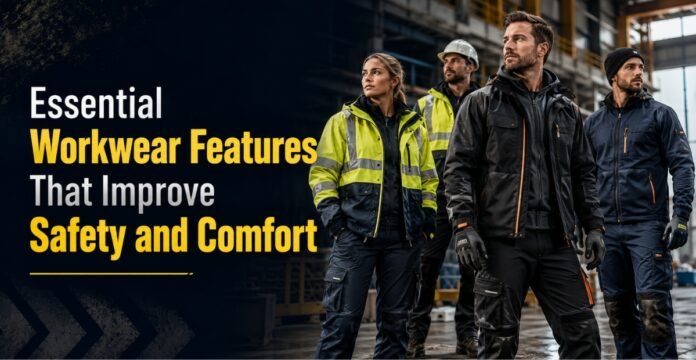
Work clothing is different from a uniform. Work clothing helps employees work for long, tiring, and possibly harmful and dangerous shifts. The right workwear features can remove, reduce, or eliminate discomfort, make movement easier, and help employees become more aware of potential workplace risks. Workwear features that provide more beneficial clothing help employees work for many long hours. Employees should be able to raise their arms to work overhead. Workers can also stretch and squat to work when they have workwear that fits them correctly. Workwear that fits correctly helps employees maneuver protective layers. Workwear should keep employees comfortable and safe.
Workwear Features Begin With the Correct Fit
A workwear fit that is proper and correct means employees can work safely for long shifts. The right fit of a design and construction of a garment means employees can work safely for long shifts. Workers should be able to raise their arms to work overhead. Workers can also stretch and squat to work when they have workwear that fits them correctly. Workwear that fits correctly allows workers to maneuver protective layers. Correct fitting workwear design and construction means employees can work safely for long shifts.
Durable Fabric Gives Reliable Protection
Strong fabric is another key part of safe work clothing. The best workwear features use materials that can handle rubbing, pulling, washing, dirt, and repeated daily use. Cotton blends may offer softness and airflow, while polyester blends can improve strength and drying speed. Ripstop fabric can also help stop a small tear from spreading across the garment. Buyers exploring different workwear options should match the fabric weight and construction to the actual job. Good workwear features should protect the body without making the clothing so heavy that workers become tired or overheated during a normal shift.
High Visibility Helps Workers Be Seen
Visibility is essential around traffic, moving equipment, warehouses, road projects, and low-light work areas. Bright colours and reflective tape are workwear features that help workers stand out from their surroundings. Effective workwear features place reflective material around the body, arms, and legs so movement can be noticed from different directions. A suitable hi-vis workwear range may include safety vests, jackets, hoodies, trousers, and coveralls for different working conditions. Reflective areas should remain clean and clear because dirt, damage, or poor placement can make workers harder to see during darkness or bad weather.
Weather Protection Keeps the Body Comfortable
Rain, wind, and cold can quickly reduce comfort and concentration. Useful workwear features for outdoor jobs include water-resistant fabric, protected seams, storm flaps, adjustable hoods, and secure cuffs. Breathable panels or inner linings are also important because waterproof clothing can feel hot when sweat becomes trapped inside. A practical waterproof workwear selection helps teams compare jackets, trousers, and protective sets for wet environments. The best workwear features block rain and wind while allowing some body heat and moisture to escape during walking, lifting, climbing, and other physical tasks.
Essential Safety and Comfort Details
- Good workwear features use reflective tape to improve visibility.
- Reinforced knees protect areas that face regular wear.
- Adjustable cuffs reduce gaps around gloves and sleeves.
- Ventilation panels support airflow during active work.
- Stretch zones make bending, kneeling, and climbing easier.
- Secure pockets help stop small tools from falling.
- Covered zippers reduce scratching and snagging risks.
- Soft inner collars reduce rubbing around the neck.
- Strong seams help clothing survive repeated movement.
- Practical workwear features help workers stay dry and focused.
Breathability and Movement Reduce Tiredness
Working is tough on the body. With all of the walking, lifting, kneeling, climbing, and reaching, airflow and comfortable movement become essential. Breathable fabrics, underarm vents, mesh sections, and inner surfaces are just some of the convenient workwear features for active or warm work environments. Stretch panels around the knees, elbows, back, and waist can prevent uncomfortable pulling. These features on workwear help the garment follow natural body movement instead of fighting against it. This leads to a reduction in the overall tiredness workers experience during long shifts.
Practical Pockets Improve Safe Tool Storage
Pockets can support the job instead of simply providing more storage space. Be Smart with your Workwear and look for features such as tool loops, pen sections, phone compartments, and reinforced cargo pockets. These work wear features also provide easy access to tools to help prevent them from falling into unsafe areas. These features also help prevent keys and small parts from falling into unsafe areas. These workwear features help the garment follow natural body movement instead of fighting against it. Pockets should be placed to allow access with putting pressure on the body. Annoyingly enough, a simply designed pocket based on the tasks performed each workday is a safer option than simply adding many large pockets.
Reinforcement and Easy Care Extend Garment Life
Knee breaks, elbow breaks, broken pocket edges, breaks at the shoulders, broken cuffs, and broken seats on clothing can be some of the most common occurring occurrences of breakdown on clothing. Heavily reinforced construction and solid reinforcement stitching are some of the workwear features designed to relieve some of the greater most of the strain. Double tacking, double stitching, and heavy reinforcement patches designed to reduce early damage work wear features that work appropriately with correctly used safety equipment tailored to fit each individual worker the best, and returning to the right working features that support daily task the most of the strain.
Choose Features That Match the Real Job
Not every worker needs the same clothing. Warehouse workers, road workers, mechanics, delivery drivers, medical teams, and oil-field workers all face different risks. Employers should study the workplace before choosing workwear features, including the heat, weather, traffic, machinery, chemicals, sharp surfaces, and required movement. The right workwear features should support daily tasks, work properly with other safety equipment, and fit each worker correctly. Employers should also ask workers what causes discomfort in their current clothing. Their daily experience can reveal problems with pocket position, fabric heat, tight areas, weak seams, heavy materials, or poor sizing that may not appear during a short fitting.
Conclusion
The best work clothing protects workers while remaining comfortable enough for a full shift. Correct fit, strong fabric, visibility, weather resistance, airflow, movement, safe storage, reinforcement, and easy care are valuable workwear features. These workwear features should be selected according to real workplace risks rather than appearance alone. The finest work clothing strikes the ideal balance between optimal safety and comfort for an entire work shift. There are many other important factors to consider when thinking about value in workwear, such as a good fit and fabric with good strength, visibility, and resistance to the elements, airflow and movement, along with safe storage and easy care.
FAQs
What are the most important features of workwear?
The most important features include a correct fit, durable fabric, good visibility, easy movement, secure pockets, and weather protection. The exact features should match the worker’s job and workplace risks.
How does high-visibility clothing improve worker safety?
High-visibility clothing uses bright colours and reflective tape to make workers easier to notice. It is especially useful near vehicles, machinery, roads, warehouses, and low-light areas.
Why is breathability important in protective clothing?
Breathability allows heat and moisture to escape from inside the garment. It helps workers stay cooler, more comfortable, and focused during active or warm working conditions.