What is Industry Specific Workwear Professional clothing that is designed to meet the needs of an industry, job or workplace. The workwear required by a warehouse worker, an outdoor worker, an oil and gas worker or a delivery driver is different from that of a worker in the office.
Workwear must support safety, comfort and movement. It should also be durable, protect against the weather, and look professional. Businesses can compare the different clothing options available for different roles and industries by exploring the collection.
What is Industry Specific Workwear (ISP)?
Workwear tailored to a particular industry is clothing that’s designed for a specific job or workplace. This is not the same as general workwear, because it’s selected based on daily tasks, safety hazards, weather conditions and movement requirements, along with company image.
A logistics worker might need clothing with high visibility, while an outdoors worker would need layers that are waterproof. An oil and gas worker might need industrial clothing that is stronger, while a corporate employee needs a clean uniform. It is important to match the clothing to the actual job.
Why Industry-Specific Workwear is Important
What is Industry Specific Workwear This is a better way to dress employees according to their profession’s risks and requirements. Clothing that is appropriate for the job allows workers to move more easily, feel more comfortable and appear more professional.
It may seem simple to use one uniform for all workers, but this can cause problems. Some workers may require visibility, others may require rain protection and still others may want to look good in front of customers. Clothing tailored to the industry can help you avoid making these mistakes.
What is the difference between general workwear and industry-specific workwear?
General workwear is the basic clothing for many different types of jobs. This includes simple jackets and trousers, shirts and uniforms. This is a good option when there are no safety, weather or performance requirements.
Workwear that is industry-specific is more focused. The workwear is chosen for specific environments, like warehouses, transport yards or industrial sites. It can also be worn in offices, outdoors, and outdoor jobs. is a collection of industry-specific clothing that helps businesses select clothing for real work conditions, instead of using a uniform for all roles.
High-Visibility Workwear For Warehousing And Logistics
Workers in warehouses and logistics often have to move around trucks, forklifts and other equipment. They also need to be able navigate busy areas. Visibility is crucial in these environments because workers need to be easily visible.
The collection of hi-vis workwear is ideal for teams who need bright colors with reflective details. Hi-vis clothing is useful for ensuring workers are visible in busy areas. This includes around vehicles, equipment and low-light environments.
Waterproof Workwear for Outdoor Professions
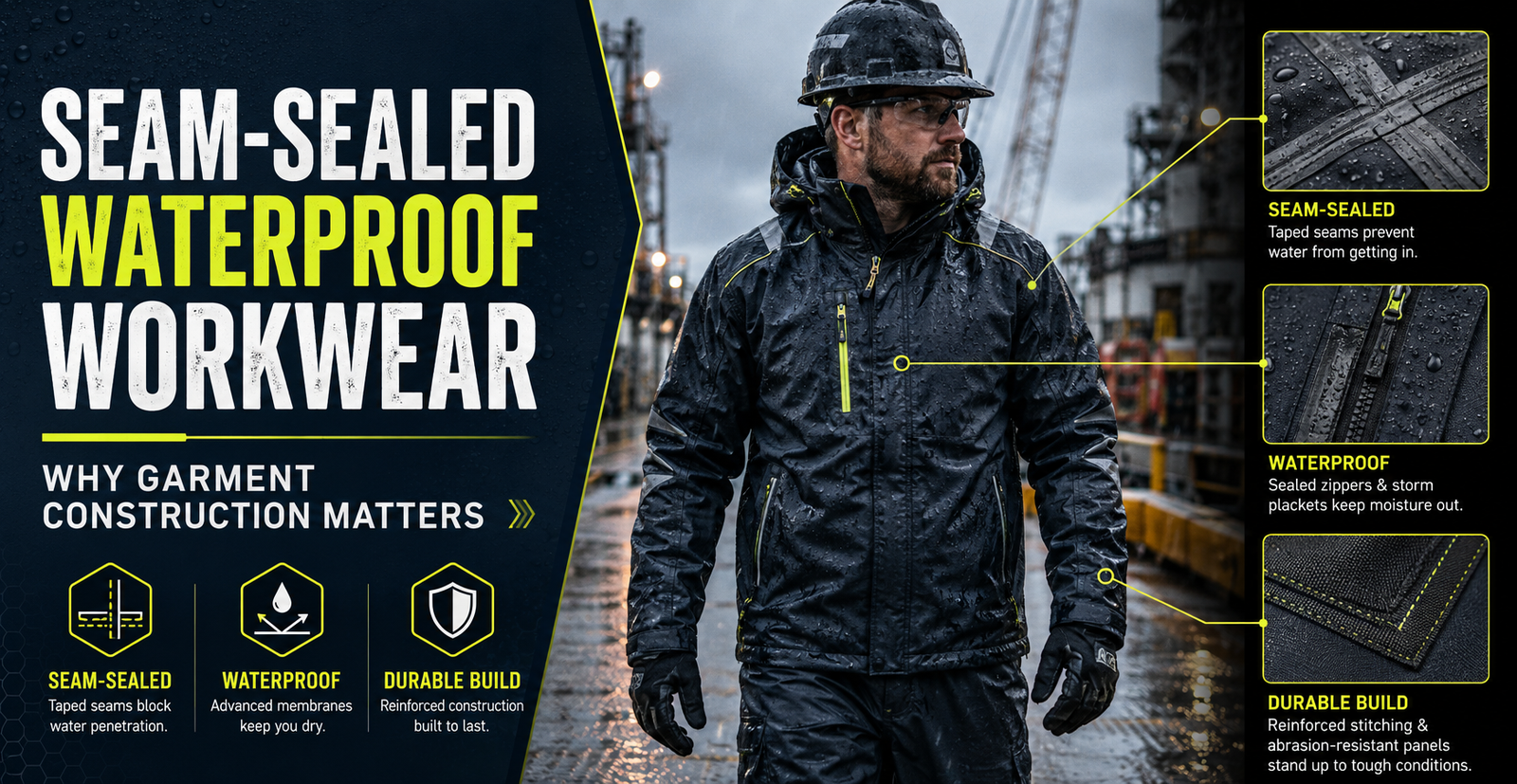
Workers in the outdoors are exposed to rain, wind and wet conditions. Workers may lose concentration and become less able to move freely if their clothing is wet. Many outdoor occupations require waterproof clothing.
Waterproof Workwear can be used by delivery teams, construction crews and outdoor maintenance staff. It is also useful for transport workers. A good waterproof garment should provide protection from rain, while still allowing for bending, lifting and walking.
Oil and Gas Workwear For Demanding Sites
The oil and gas industry requires a more robust planning process because of the harsh conditions that workers can face. These include rough surfaces, dirt and heat, as well as outdoor exposure and equipment contact. These professions require more than basic clothing.
Oil & gas workwear should consider fabric strength, comfort and durability. Also, the job-related risk. These workers need clothing that is comfortable and durable, but also allows for easy movement.
Corporate uniforms for office and customer-facing roles
Some industry-specific clothing may not be heavy-duty, protective or durable. Workwear is needed for some professions to support brand image, customer confidence, and a professional appearance. Office staff, retail teams and receptionists, sales teams and service workers are all included.
Corporate uniforms make employees appear organized and easily recognizable. Shirts and blouses should be well-fitting, stylish, and comfortable. Blazers and trousers are also a good choice.
What is Industry Specific Workwear (ISW)? For Employers
What is Industry-Specific Workwear? Employers can create a clothing plan that is practical and matched to each employee’s job instead of having every department wear the same outfit. It improves comfort, safety and durability for businesses.
Employers must consider each occupation separately. A warehouse worker may require lightweight clothing with high visibility. Weather-ready layers may be needed by a driver. A worker on a construction site may require a stronger fabric. A receptionist might need a uniform that is polished.
Fabric Selection by Professional
Fabric selection is important. Wrong fabrics can cause workers to be too hot, restricted or unprotected. The fabric can also fade, shrink, tear or lose shape quickly.
Indoor workers may need breathable fabric. Outdoor workers might need materials that are waterproof or resistant to water. Workers in the industrial sector may require stronger fabrics. Some corporate workers need materials that are wrinkle-resistant and smooth.
Fit and Movement
Wearing the right workwear shouldn’t stop workers from performing their jobs properly. Clothing that is too snug can limit bending, lifting and reaching, as well as preventing you from sitting or climbing. Clothing that is too tight can cause equipment to catch or make it look untidy.
Clothing that is appropriate for the industry should be matched to the movement of workers. Forklift operators and warehouse workers need to be able to lift and move easily. Comfort is important for drivers. Workers who spend time outdoors need to be able to layer. Office teams require a fit that is clean and comfortable.
Safety Features
Certain professions require special safety features. Some of these features include reflective tape, bright colors, reinforced seams and secure closures. The workplace determines the features required.
What is Industry Specific Workwear (ISP)? Workwear that has the features needed for the job, rather than adding random details. The garment should be able to solve real-life problems and not just look good in pictures.
Durability and washing life
The workwear must be durable enough to withstand repeated washings and wear. Poor quality garments can fade, shrink, tear or lose shape in a short period of time. This can lead to higher replacement costs, and the team will look less professional.
Workwear that is durable should be made of strong stitching, stable fabrics, secure zippers and hems. Clothing that is durable and lasts longer will be more cost-effective than clothing that breaks down quickly.
Branding and Team Identity
Branding can be done on workwear that is industry-specific. Customers and supervisors can quickly identify employees by using logos, colors and trims. It is ideal for warehouses, retail stores and delivery services, as well as industrial sites.
Branding should be simple and functional. Small logos or labels that clearly define the role of the uniform are often more professional looking than large printing. The uniform should be able to support the brand while allowing for comfort, safety, and movement.
Checklist for Industry-Specific Workwear
Use this checklist to choose the right professional clothing for your industry. Checklist before selecting professional clothing
- Workwear should be chosen based on the actual job role of the worker.
- Wear hi-vis clothing when visibility is important.
- Select waterproof clothing for outdoor work or wet conditions.
- Select stronger fabrics for industrial environments.
- Corporate uniforms are a great way to show your team’s professionalism and pride.
- Before ordering, check comfort, size, and movement.
- Fabrics should be chosen according to the weather conditions and the daily tasks.
- Keep your branding professional and clean.
- Check the durability of your garments and how long they can be washed.
- Samples are available for testing before bulk orders.
Common mistakes to avoid
A common mistake is to choose workwear based solely on price. Although cheap garments might seem attractive at first, they may fade, shrink or tear after repeated wear. Long-term, better workwear is often more expensive.
Giving all employees the same uniform is another mistake. Diverse professions require different garment features. The workwear of a warehouse worker, an outdoor loader or a corporate employee should never be the same.
Conclusion
Using industry-specific workwear allows businesses to dress employees according to their actual job requirements. It’s more practical to use a different uniform for each department than a basic uniform because every profession has its own risks, movements and appearance requirements.
What is Industry Specific Workwear (ISP)? Clothing that is designed to match the environment, task, safety requirements, comfort and brand role of the worker. Businesses that choose workwear based on the profession of their employees will see an improvement in how they look, feel, and perform.
FAQs
What are industry-specific clothing?
It is specific work clothing that is designed to fit a particular job, profession or industry.
What are the benefits of industry-specific workwear?
This helps workers to stay visible, comfortable, safe and professional as they perform their daily tasks.
Are hi-vis clothes industry specific workwear?
Hi-vis clothing can be used by workers in any industry who need to be more visible around machines, vehicles or busy sites.