Trends for oil and gas workwear evolve, as today’s energy sectors need workwear that performs in even more demanding scenarios. Employees spend long hours on work sites that include drilling, refining, maintenance, and exploratory activities. Since uniforms are put through constant use, today’s workwear is more than just protection. Workwear is expected to be durable, comfortable, flexible, and professional (and safe) for the entirety of the work shift. Trends for oil and gas workwear trends aim to support workplace safety while minimizing the need for garment replacement. Knowing these trends will give customers insight for purchasing more protective workwear and ensure that the investment is better.
Modern Design in Oil and Gas Workwear Trends
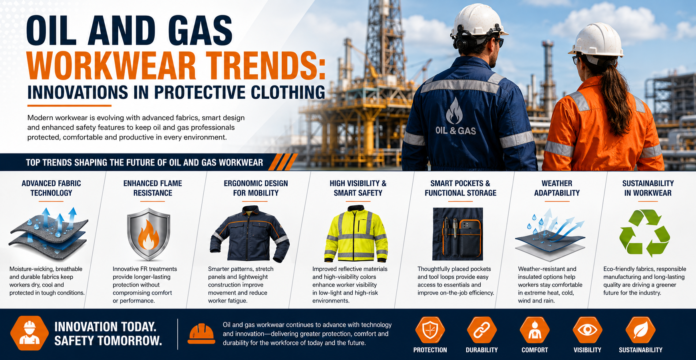
Perhaps the most significant trend in oil and gas workwear is more effectively designed smart garments. Today’s protective workwear is designed using construction and tailoring that balances protection with the natural movement of the body. A complete workwear collection shows how industrial garments have developed beyond simple uniforms into purpose-built protective apparel. Oil and gas workwear trends now emphasize ergonomic construction, improved pocket placement, better stitching, flexible movement, and stronger fabrics. These improvements help workers remain productive while reducing discomfort during physically demanding tasks.
Stronger Coveralls for Daily Operations
Coveralls continue to lead oil and gas workwear trends because they remain one of the most important protective garments in the industry. Modern oil & gas safety coveralls are designed with reinforced construction, durable materials, practical pockets, and improved comfort for extended work shifts. Innovations occurring today favor improved mobility with assured safety during drilling and maintenance operations. In oil and gas workwear, customers expect coveralls to have both a longer life cycle and increased comfort. Improvements in garment engineering allow the workforce to conduct more physically demanding and efficient operations without being restricted in movement by the coveralls.
Advanced Jacket Construction
More recent oil and gas workwear trends have seen the evolution of protective jackets. Modern jackets strike a balance between comfort and protection. Reinforced stitching, ergonomic sleeves, and adjustable cuffs helped create a lighter, stronger jacket. These contributed to jackets along with the pockets becoming easier to climb. Features of protective work jackets have also been improved seen protective jackets focusing on mobility and durability.
Better Fabric Technology
One of the notable trends in oil and gas workwear is the advancement in fabric development. A big lightweight and sturdy textile balance is sought by manufacturers. Modern fabrics have been created with the ability to resist abrasions and repeated washings as well as the demands of physically intensive close contact work, but still have the flexibility and comfort required for the situation. Better construction of materials has also perhaps made workwear more comfortable and breathable. Workwear for the oil and gas industry has been trending towards innovative fabric development.
Improved Visibility Features
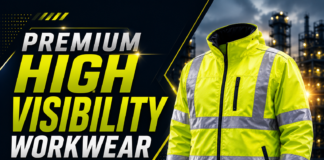
Due to the many vehicles, cranes, machines, and workers swiftly moving about, oil and gas workwear trends have put extra focus on visibility. High-visibility workwear makes workers easier to see and therefore, easier to avoid. Modern reflective materials are effective even after many washes, and better reflective element placement improves visibility from all angles. Trends in oil and gas workwear focus mostly on safety and comfort. Visibility is then very important for modern protective clothing.
Ergonomic Comfort for Long Shifts
One quickly evolving trend is worker comfort. Companies are realizing that comfortable employees are more productive. Modern protective clothing works to minimize the restriction of movement while assisting workers with bending, climbing, lifting, walking, and inspecting equipment. Fatigue that occurs throughout long work shifts is minimized with better-fitting patterns ergonomically constructed in a balanced weight design. Trends in oil and gas work attire have also integrated worker safety, drawing in with ergonomics. Worker comfort translates to productive comfort throughout the full extent of industrial operations, coupled with improved satisfaction, especially at the job’s end.
Smarter Utility Features
Oil and gas workwear trends show that practicality and utility drive their design. Oil and gas workers carry phones, gloves, measuring tools, notebooks, pens, and IDs. Workwear must have a place to store these items. Workwear improves its ability to accommodate the daily needs of workers by having upgraded pocket systems, improved closures, stress point reinforcements, and improved overall structure of the workwear. These design upgrades will help limit disruptions by having the necessary tools conveniently located. Trends show that modern work clothing must be as practical as it is durable.
Simple Trend Evaluation Checklist
Before selecting garments based on oil and gas workwear trends, buyers should review these important features:
- Advanced industrial fabrics
- Reinforced stitching
- Ergonomic garment construction
- High visibility
- Durable closures
- Practical utility pockets
- Long-term comfort
Reviewing these features helps companies select protective clothing that matches modern workplace expectations.
Sustainability and Long-Term Value
An additional identifying thread in oil and gas workwear trends places a premium on longer-term value stemming from superior construction and durability. Stronger work clothing provides an economic advantage—reducing the costs related to the purchase of replacement clothing. For clothing that will sustain company goals related to environmental sustainability, reduced replacement clothing is a positive gain. Stronger construction, better fabrics, and quality work again result in an overall better value. This construction will strengthen clothing and sustain the safety standards of the work clothing across the variety of industrial operations.
Final Thoughts on Oil and Gas Workwear Trends
An ongoing trend in oil and gas workwear is the increasing incorporation of safety features, comfort, and a professional appearance. Modern garments made for protection are built with the goal of enhancing the performance and comfort of the workers on the industrial floor. Buyers need to examine the quality of the garment, the construction, and the fabric’s durability, as well as the ergonomics and functionality of the garment, to make the best purchase decisions. Keeping in mind the trends of oil and gas workwear, companies are able to purchase protective suits that help improve the work performance of the personnel and help achieve the operational goals of the company in the long run.
FAQs
What are current oil and gas workwear trends?
Current trends focus on stronger fabrics, ergonomic design, improved comfort, visibility, and durability.
Why is ergonomic design important?
It improves movement, reduces fatigue, and supports worker productivity during long shifts.
How do modern fabrics improve workwear?
They increase durability while maintaining flexibility and long-term comfort.
What should buyers evaluate first?
Buyers should check fabric quality, construction, visibility, durability, and practical workplace features.