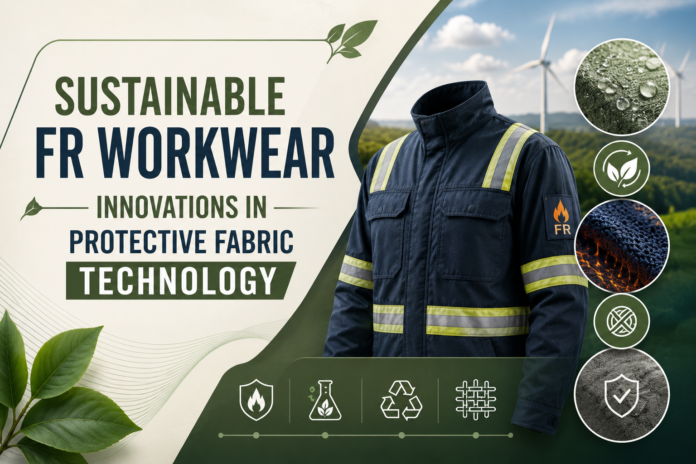
Sustainable FR workwear has become more important as companies seek to provide workers with protective clothing while reducing waste and costs. FR is usually a synonym for flame-resistant. This means that the clothing has been designed to resist ignition, and to reduce further burning when exposed certain heat or flame hazards.
It is not just about using eco-friendly materials. This includes a longer life span of the garment, improved washing performance, environmentally friendly fabric selections, repair-friendly construction and smarter planning. To compare the different protective clothing options available for different work roles and environments, industrial teams can browse the collection.
What is sustainable FR workwear?
Sustainable FR workwear is a type of flame-resistant protective clothing that has been designed with safety and ethical production in mind. The clothing should meet all the requirements of the workplace while reducing waste.
Sustainable clothing should never compromise safety in the name of environmentally-friendly marketing. Always start with the protection of actual hazards. Then, the business can consider fabric, durability, wash life, repair options and packaging.
Sustainability in FR Clothing
It is important to have durable FR workwear because they are frequently used in harsh conditions and need to be replaced on a regular basis. The company may have to replace the fabric frequently if it fades, shrinks or tears too quickly. The company will incur more costs and waste textiles.
Fabric technology that is more durable and comfortable can make garments last longer. Clothing that performs well after repeated washing and wear supports sustainability and safety goals. Long-lasting FR garments are often more responsible than cheap garments that fail rapidly.
Safety comes before sustainability
It is important to remember that FR clothing should protect workers first. Fabrics can be organic, recycled or low-impact but they still need to meet workplace requirements, hazard ratings and garment ratings. It is important to note that sustainable claims should not replace product safety and testing.
Before making a purchase, buyers should review the label, the garment’s details, its care instructions and intended use. Protective clothing that promotes safety, comfort and durability while also supporting responsible sourcing is the best option.
Eco-Conscious FR Fabric Innovation
Modern fabric technology has improved the way FR garments can be made. Some fabrics are designed to provide long-lasting flame resistance while others use cotton blends that have been treated for industrial protection. Suppliers are exploring other options, such as recycled fibers, low-impact dyeing and stronger fabric structures.
Sustainable FR workwear can be made using innovation in the fiber selection, spinning and weaving, finishing and garment construction. The goal is to minimize the environmental impact of clothing without compromising its protective function.
FR Fabrics Inherent
Fabrics with inherent FR are made from fibers that already have flame-resistant properties. The protection can be built into the fiber, rather than relying on the surface finish. These fabrics are used in situations where durability and frequent washing is important.
For companies who need durable protective clothing, FR clothing with an inherent fire retardant component can be a good option. Buyers should still consider the rating, comfort and suitability of the garment. It is not always better to have an inherent garment.
Treated FR Fabrics
Treated FR fabric is usually made of materials like cotton or cotton blends, which are treated with flame-resistant treatment. These fabrics are comfortable and familiar to wear, especially for coveralls, shirts and pants.
When they offer the necessary protection, treated fabrics are a good option. Buyers should carefully follow the washing instructions because incorrect care can affect the life of a garment. Comfort, cost and tested performance should be balanced in the selection of FR clothing.
Recycled Fibers and Responsible Fiber Use
Some protective clothing programs explore recycled polyester blends, and other fiber options. FR workwear, however, is more complicated than regular apparel due to the fact that it must perform in hazardous conditions.
The recycled content must be carefully inspected. The use of recycled fibers or responsible fibers is only useful when the garment still provides the protection, durability and comfort needed. Safety should not be compromised by sustainability.
Sustainability and FR Coveralls
When workers require one-piece coverage, FR coveralls can be useful. Sustainable design focuses on durable fabric, repairable seams and a fit that allows for long-term usage. Coveralls that last longer may require fewer replacements.
Flame resistant coveralls are suitable for oil and gas, utility, welding, maintenance and industrial environments. Buyers should consider fabric durability, washing performance and reinforced stress points when ordering in bulk.
FR Jackets for Long-Term Layering
In cooler and outdoor work environments, FR jackets can be used as an outer layer. A durable FR can reduce the need for replacement jackets because they may be exposed to abrasions, weather exposure and repeated movements.
A jacket that is flame resistant must have strong cuffs and reliable seams. It should also be able to support layering. When a jacket can last longer, it is more cost-effective and sustainable.
FR Pants for Daily Durability
Strong pants are needed for FR workwear because workers bend, walk, climb, kneel and sit all day. Weak pants can fail at the knees, pockets or hems. Durable construction extends the life of garments.
Flame resistant pants must fit correctly and allow for movement without being too tight or loose. Stable fabric, reinforced seams and strong pockets can improve safety and value over time.
FR Shirts and Comfort Innovation
The FR shirt is a common industrial garment because it can be worn with FR jackets, pants or other layers of protection. The comfort of the shirt is important, as workers will wear it for long periods in hot and active environments.
Flame resistant shirts must be durable, breathable and easy to care for. It is important to choose a shirt that will last through repeated washings and feel comfortable. This can help reduce waste, while also helping workers wear the correct PPE.
Durability is a sustainability feature
The sustainability of FR workwear is not just about the material used, but also how long they perform safely. By using proper care, a garment can last longer, keep its fit and stay protective.
Fabric strength, seam quality and abrasion resistance are all factors that affect durability. Also, correct washing, colorfastness control, shrinkage prevention, and fabric strength will determine how durable the garment is. When it comes to protective clothing, a longer lifespan is only valuable if the garment can still be used in the workplace.
Low-impact Dyeing & Finishing
Clothing’s environmental impact can be affected by the dyeing and finishing process. Modern fabric suppliers are focusing on better colorfastness, chemical management and lower water dyeing. These methods can reduce waste and increase garment life.
Finishing is important for FR clothing because it affects comfort and performance. A good finish will support fabric feel, washability, workplace durability, and protection.
Plan for Repair, Reuse and Replacement
Knowing when to repair or replace a garment is part of a sustainable workwear plan. Repairing minor issues such as loose stitching is possible if it does not compromise protection. Tightly woven, unclean, or contaminated garments are not suitable for use.
Companies should implement a transparent inspection system. Workers must know how to report damages, when to stop wearing a garment and how to properly care for FR clothes. It reduces waste and protects safety standards.
Cleaning and Care Efficiency
Clothing made of FR can last longer with proper care. Clothing can last longer if they are washed with cold water or the recommended detergent, dried properly, and avoided harmful chemicals. Always follow the care label.
The wrong washing can damage fabric, reduce comfort or reduce the life of garments. In order to maintain a sustainable uniform program, workers should be trained on the proper care of their uniforms.
Sustainable FR Workwear Guide
Check this list of sustainable FR workwear before purchasing protective clothing
- Match the garment with the actual workplace hazards.
- Never choose sustainability before protection.
- Check the FR rating on the label and follow care instructions.
- Choose durable fabrics for a longer-lasting garment.
- Check the washing performance of bulk orders before ordering.
- Choose coveralls or shirts by role.
- Check the seams, closures and stress points.
- Ask about fabrics made from responsible fibers or those with lower impact.
- Plan your repair, inspection and replacement rules.
- Comfort features are important to help workers correctly wear their PPE.
Common Purchase Mistakes
A common misconception is that all eco-friendly fabrics are suitable for FR clothing. Protective clothing requires more testing and care compared to normal clothing. Before sustainability claims are taken seriously, a fabric must be suitable for its intended use.
A second mistake is to buy cheap FR clothing and replace them frequently. Although low-quality clothing might seem affordable, frequent replacements can lead to more waste and higher costs in the long run. When they are stronger and meet safety requirements, more durable garments may be a good investment.
Conclusion
Sustainable FR workwear must protect workers and promote environmental responsibility. The best garments combine tested fire resistance, durable construction and practical comfort with responsible material selection, proper care performance, and appropriate cleaning.
A sustainable FR clothing program that is effective should reduce waste, without compromising safety. Select garments based on hazard, rating and fit. Also consider durability, wash life and the real needs of your job. FR workwear is safer, more intelligent, and more responsible when protective performance and sustainability are combined.
FAQs
What does flame-resistant mean?
FR means that the clothing is designed in a way to resist ignition, and to reduce further burning.
Can FR workwear have a sustainable future?
It can be made more sustainable by using durable fabrics, longer-lasting garments, responsibly-sourced fibers, better cleaning, and reducing replacement waste.
What is the most sustainable feature of FR clothing?
Durable garments are important because they reduce the frequency of replacement and waste.