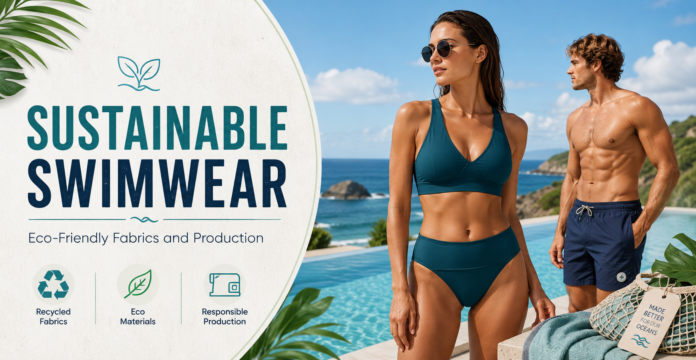
Sustainable swimwear is swim clothing made with better fabric choices, cleaner production methods, and a stronger focus on reducing waste. Normal swimwear is often made from synthetic materials, and these materials can take a long time to break down after use. Sustainable swimwear tries to solve this problem by using recycled fibers, long-lasting construction, and smarter manufacturing steps. It is not only about looking good at the beach or pool. It is also about choosing swimwear that feels comfortable, performs well in water, lasts longer, and creates less harm for the planet. Today, many buyers want swimwear that supports movement, dries quickly, keeps its shape, and still follows eco-friendly values. This is why sustainable swimwear has become important for modern brands, private labels, and customers who care about quality and responsibility.
What Sustainable Swimwear Really Means
Sustainable swimwear means swimwear that is designed with environmental care from fabric selection to final production. It often uses recycled nylon, recycled polyester, organic trims, low-waste cutting, water-saving dyeing, and stronger stitching so the garment can last longer. The main idea is simple: make swimwear that works well without creating unnecessary waste. A swimsuit should stretch, recover, dry fast, and resist chlorine, salt water, and sunlight as much as possible. If the fabric becomes loose after a few wears, it becomes waste quickly. That is not sustainable. Real sustainable swimwear focuses on long-term use, not only recycled fabric labels. A strong fabric, good fit, safe dyeing, neat sewing, and careful packaging all help make the final product more responsible. For brands, sustainable swimwear also means being honest with customers and explaining what materials are used, how the product is made, and why it is a better choice.
Why Sustainable Swimwear Matters Today
Sustainable swimwear matters because fashion waste is a real problem, and swimwear is usually made from plastic-based fibers. These fibers are popular because they stretch well and dry fast, but they also create environmental pressure if they are produced and thrown away carelessly. Better swimwear production can help reduce waste by using recycled materials from sources like discarded fishing nets, plastic bottles, or textile scraps. This gives old materials a second life instead of sending them straight to landfills. Customers are also becoming more aware. They do not only want a nice color or trendy style; they want a product with a better story. For example, a brand can build a full swimwear collection using a responsible product direction, and customers looking for different styles can explore options through a natural category like eco-conscious swimwear styles when comparing cuts, coverage, and design ideas. Sustainable swimwear is not just a trend; it is becoming a basic expectation for many modern buyers.
Eco-Friendly Fabrics Used in Sustainable Swimwear
The fabric is the heart of sustainable swimwear because it decides comfort, stretch, drying speed, shape recovery, and durability. Recycled nylon is one of the most common choices because it can offer strong stretch and a smooth swimwear feel. Recycled polyester is also used because it dries quickly and can perform well in active water use. Some brands also use blends with elastane or spandex because swimwear needs flexibility. Without stretch, the garment may feel tight, rough, or uncomfortable. However, the goal is to use these blends wisely and make the product last longer. A long-lasting swimsuit is usually more sustainable than a weak swimsuit made with a small eco-friendly claim. Fabric weight also matters. Too thin, and the swimwear may feel weak or see-through. Too heavy, and it may feel slow to dry. The best sustainable swimwear balances softness, stretch, coverage, recovery, and strength so the user feels confident in and out of water.
Sustainable Swimwear Production Process
Sustainable swimwear production is not only about fabric; it is also about how the garment is made. A responsible production process starts with smart design planning. The pattern should reduce waste during cutting. The factory should try to use fabric efficiently, so fewer leftover pieces are thrown away. Dyeing and printing should also be managed carefully because color work can use water, energy, and chemicals. Digital printing, controlled dyeing, and better washing systems can reduce unnecessary waste. Stitching is another important part because swimwear faces stress during swimming, stretching, sitting, and drying. Weak stitching can break early, which makes the product useless. Strong seams help sustainable swimwear last longer. Packaging also matters. Many brands now use recycled polybags, paper-based packaging, or minimal packaging. These small steps work together. When fabric, cutting, dyeing, stitching, quality control, and packaging are all improved, sustainable swimwear becomes more than a marketing word.
Sustainable Swimwear for Different Body Coverage Needs
Sustainable swimwear should be made for different people, not only one body type or one fashion trend. Some customers want bold beachwear, some want sporty swimwear, and some prefer more coverage. Better sustainability also means making styles that people actually feel comfortable wearing for a long time. If a swimsuit fits a real lifestyle, it is less likely to be wasted. For example, customers who want more covered designs may prefer styles similar to modest swimwear options because coverage, comfort, and movement can all matter together. Sustainable swimwear can include one-piece suits, tankinis, skirted swimwear, rash guards, swim leggings, and custom private-label designs. The fabric still needs stretch and recovery, but the design should match the user’s comfort level. A good sustainable swimwear collection respects different cultures, body shapes, age groups, and activity needs while still keeping the product modern and useful.
Key Features of Good Sustainable Swimwear
Good sustainable swimwear is easy to understand when you look at its main features.
- Recycled fabric helps reduce the need for new plastic-based fibers.
- Strong stretch allows easy movement in water and on land.
- Shape recovery helps the swimwear stay fitted after repeated use.
- Quick-dry performance keeps the wearer comfortable after swimming.
- Chlorine resistance helps protect the fabric from pool damage.
- Saltwater resistance helps the garment perform better at the beach.
- UV resistance helps reduce fading caused by sunlight.
- Smooth lining improves comfort and coverage.
- Flat seams reduce rubbing during movement.
- Strong stitching makes the garment last longer.
- Better packaging reduces extra waste after purchase.
These features are important because sustainable swimwear should not only be eco-friendly in name. It should also perform well, feel good, and stay useful for many wears.
Difference Between Normal Swimwear and Sustainable Swimwear
Normal swimwear and sustainable swimwear may look similar at first, but the difference is found in the material, production, and life span. Normal swimwear often focuses mainly on price, style, and quick production. Sustainable swimwear looks at the full product journey. It asks where the fabric comes from, how the fabric is dyed, how much waste is created, how long the garment will last, and what happens after the customer uses it. This does not mean sustainable swimwear is always perfect. It still often uses synthetic fibers because swimwear needs stretch and water performance. The difference is that recycled or better-managed materials reduce the need for new resources. Sustainable swimwear also encourages slower buying habits. Instead of buying many cheap swimsuits that lose shape quickly, customers can buy fewer, better pieces. This makes the product more valuable and more responsible. Better quality means less replacement, and less replacement means less waste.
How Fit and Comfort Affect Sustainable Swimwear
Fit is one of the most important parts of sustainable swimwear because people keep wearing clothes that feel good. If a swimsuit digs into the skin, slips while swimming, or feels too tight, the customer may stop wearing it. That creates waste, even if the fabric is recycled. A good fit should support the body without making movement difficult. Swimwear needs stretch in all directions, especially around the shoulders, hips, waist, and chest. Lining should be smooth, and seams should be placed where they do not rub. For sporty use, some swimwear can take ideas from active clothing construction because activewear also needs comfort, movement, and durability. Brands that produce both swim and performance clothing can study comfort from activewear fabric and fit categories to improve sustainable swimwear design. When fit is right, customers feel more confident, use the product more often, and keep it longer.
How Brands Can Build a Sustainable Swimwear Collection
Brands can build sustainable swimwear by starting with clear product goals. First, they should decide who the collection is for: beach customers, pool swimmers, resort wear buyers, modest wear customers, active swimmers, or private-label retailers. Then they should choose fabric based on real use. A fashion bikini may need a different fabric weight than a full-coverage swim set. A sporty swimsuit may need more compression and stronger recovery. Next, the brand should choose simple colors and repeatable designs when possible because this can reduce sampling mistakes and production waste. Size range is also important. If a product fits more people correctly, it creates better customer satisfaction and fewer returns. Quality control should check stretch, color, stitching, lining, measurement, and final finishing. Sustainable swimwear also needs clear product descriptions. Customers should understand whether the fabric is recycled, how to care for it, and why the garment is made to last.
Care Tips That Make Sustainable Swimwear Last Longer
Sustainable swimwear becomes more sustainable when it lasts longer, and care plays a big role in that. Customers should rinse swimwear with cool clean water after using it in the pool or sea. Chlorine, salt, sunscreen, and sweat can weaken fibers if they stay in the fabric for too long. Swimwear should not be twisted harshly because this can damage stretch fibers. It is better to gently press out extra water and let the garment dry flat in shade. Direct strong sunlight can fade colors over time, especially if the swimwear is left outside for many hours. Machine washing should be gentle, and hot water should be avoided. Harsh bleach and strong detergents can damage both color and elasticity. When customers follow simple care steps, sustainable swimwear keeps its shape, color, and comfort for more seasons. This reduces the need to buy replacements quickly and supports the real purpose of eco-friendly clothing.
Conclusion
Sustainable swimwear is better for brands and customers when it combines eco-friendly fabrics, careful production, strong stitching, good fit, and long-lasting comfort. It is not enough to use recycled fabric and call the product sustainable. The whole garment must be planned with responsibility, from design to packaging. Sustainable swimwear should stretch well, dry quickly, keep its shape, and feel comfortable for different body types and swim needs. It should also be easy to care for, because longer product life means less waste. For modern fashion businesses, sustainable swimwear is a smart direction because customers now care about both performance and environmental impact. A well-made swimsuit can look stylish, support movement, and reduce waste at the same time. In the end, sustainable swimwear is not only about swimming. It is about making better choices for comfort, quality, and the planet.
FAQs
What is sustainable swimwear?
Sustainable swimwear is swimwear made with eco-friendly materials, cleaner production methods, and long-lasting construction. It often uses recycled nylon or recycled polyester to reduce waste and lower the need for new synthetic fibers.
Is sustainable swimwear comfortable?
Yes, sustainable swimwear can be very comfortable when it uses soft stretch fabric, smooth lining, and proper fit. Good sustainable swimwear should move with the body and feel secure in water.
What fabrics are best for sustainable swimwear?
Recycled nylon and recycled polyester are common choices for sustainable swimwear. These fabrics are often blended with elastane or spandex to provide stretch, shape recovery, and better movement.
How can I make sustainable swimwear last longer?
Rinse it after swimming, avoid hot water, do not use bleach, dry it in shade, and avoid twisting it harshly. Proper care helps sustainable swimwear keep its color, shape, and stretch for longer.