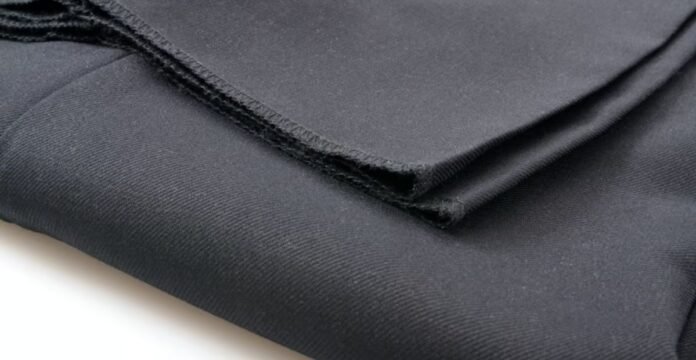
Winter weather can feel harsh, especially when wind and moisture hit together. That is why people now prefer smart thermal textiles instead of heavy layers. Polar Guard Heat Retention Fabric is one of the most reliable innovations in modern winter clothing. It provides excellent warmth while still staying breathable and lightweight.
This advanced heat retention fabric helps trap body heat in a controlled way. As a result, it keeps you warm without making you feel sweaty. Many brands now use it as a high-end thermal performance fabric for outdoor and daily wear. It also works well as a strong winter insulation material for extreme climates.
In addition, Polar Guard is designed for comfort and flexibility. It performs better than many older cold fabrics. That is why it has become a trusted cold-weather textile in winter fashion and sportswear. If you want warmth without bulk, this fabric becomes a smart solution.
What Is Polar Guard Heat Retention Fabric?
Polar Guard Heat Retention Fabric is a specially engineered textile made to reduce heat loss. It traps warmth close to the body while still allowing airflow. Therefore, it feels comfortable even during long wear. Many people choose it for winter because it balances warmth and performance.
This fabric is usually made from synthetic blends. Most manufacturers use polyester, microfiber, and fleece-based fibers. Sometimes, they also add elastane for stretch and flexibility. Because of this blend, Polar Guard stays strong, soft, and long-lasting.
The real strength of Polar Guard comes from its insulation technology. It uses tiny fiber structures that create small air pockets. These air pockets work as thermal insulation and prevent body heat from escaping. At the same time, the fabric supports moisture-wicking for dryness.
Moreover, Polar Guard is also known as a breathable winter fabric. It does not trap sweat like cheap materials. Many versions also offer extra protection as a wind-resistant textile. That makes it a complete winter-ready solution.
History of Polar Guard Heat Retention Fabric
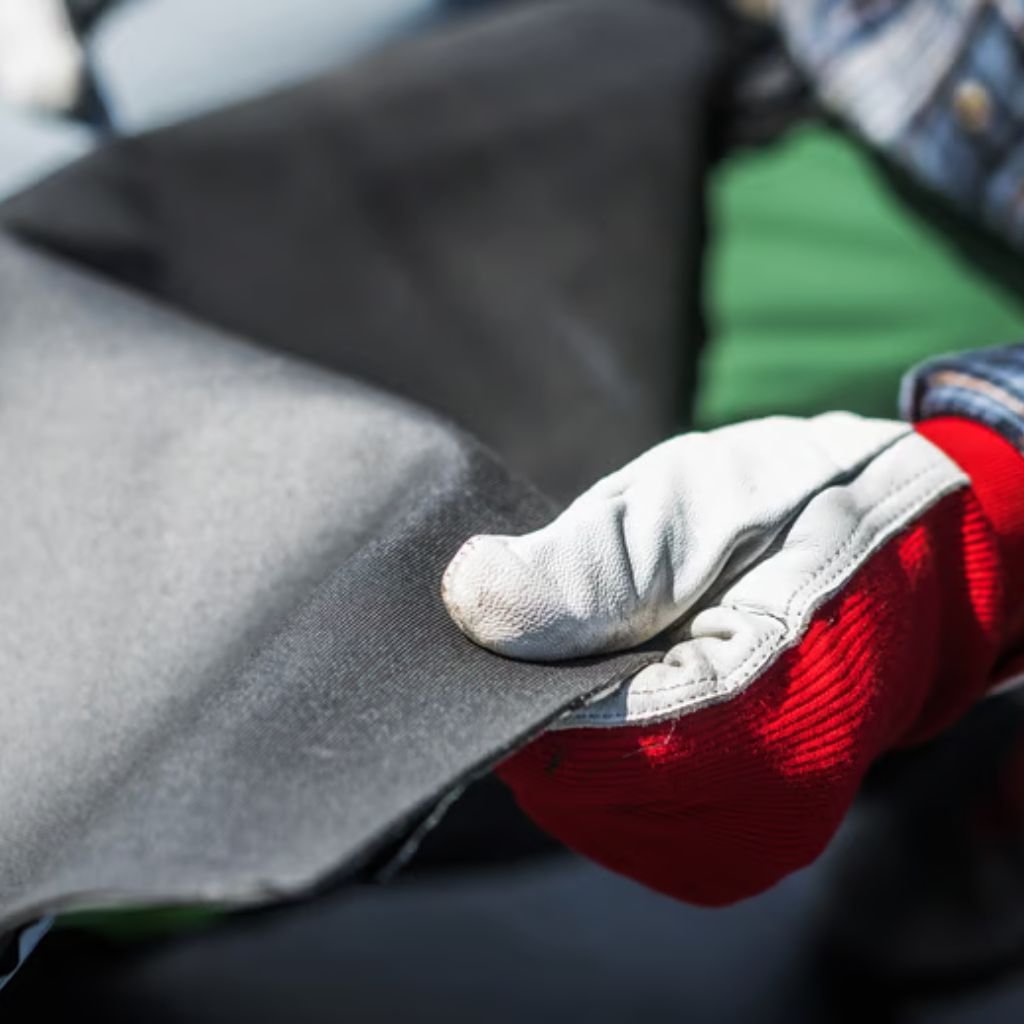
Thermal fabrics have existed for decades, but early versions were heavy and uncomfortable. Wool and thick cotton layers were common choices in the past. However, these materials absorbed moisture and became heavy quickly. As a result, winter clothing often felt bulky and restrictive.
Later, synthetic fibers like polyester changed the fabric industry. Manufacturers started producing lighter and faster-drying insulation fabrics. This shift improved winter clothing performance for hikers, skiers, and workers. Still, many early synthetics lacked breathability. They often caused overheating during movement.
That is where Polar Guard-style innovation became important. Fabric engineers began combining microfiber structures with thermal layering techniques. This helped trap heat while still allowing moisture to escape. Over time, Polar Guard Heat Retention Fabric became a modern answer to winter comfort problems.
Today, many outdoor brands prefer it because it fits active lifestyles. It delivers warmth without adding extra weight. Therefore, it represents the next generation of thermal performance fabric.
Types of Polar Guard Heat Retention Fabric (With Subheadings)
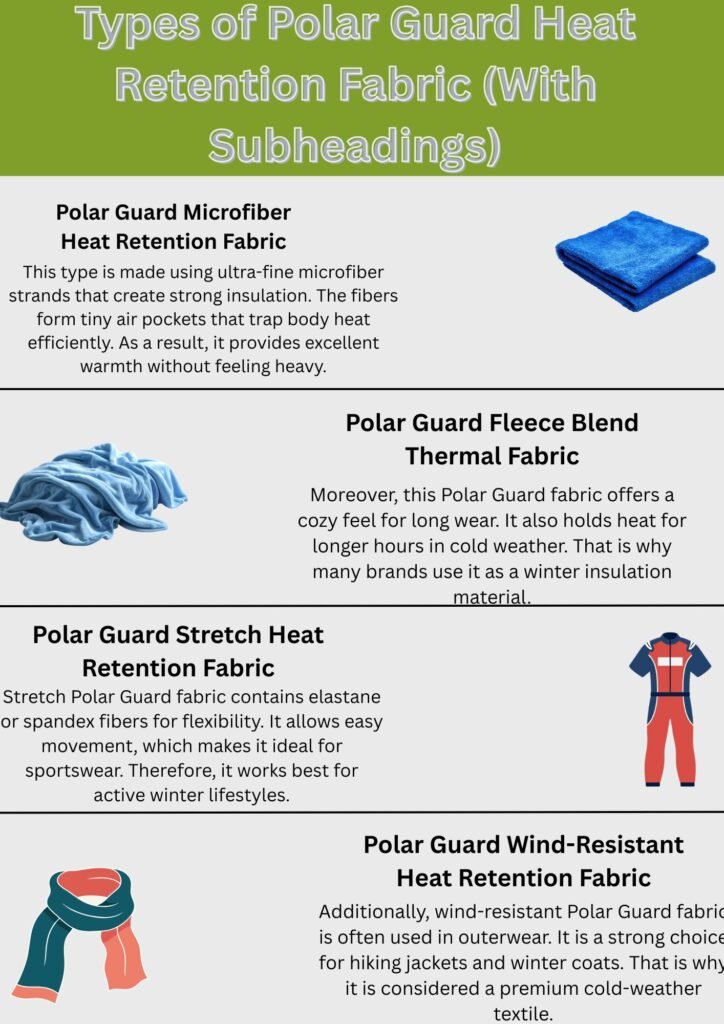
Polar Guard Heat Retention Fabric comes in different types to meet different winter needs. Some types focus on maximum warmth, while others focus on flexibility and breathability. That is why brands design multiple variations for outdoor clothing, sportswear, and daily winter fashion. Each type offers a unique balance of insulation, comfort, and performance.
Polar Guard Microfiber Heat Retention Fabric
This type is made using ultra-fine microfiber strands that create strong insulation. The fibers form tiny air pockets that trap body heat efficiently. As a result, it provides excellent warmth without feeling heavy.
In addition, microfiber Polar Guard is soft and smooth on the skin. It also dries quickly after washing or sweating. Therefore, it is a popular choice for thermal base layers and innerwear.
Polar Guard Fleece Blend Thermal Fabric
This type combines Polar Guard technology with a fleece-style texture. It provides a soft and fluffy surface that feels warm instantly. Because of its thicker structure, it works well for jackets and winter hoodies.
Moreover, this Polar Guard fabric offers a cozy feel for long wear. It also holds heat for longer hours in cold weather. That is why many brands use it as a winter insulation material.
Polar Guard Stretch Heat Retention Fabric
Stretch Polar Guard fabric contains elastane or spandex fibers for flexibility. It allows easy movement, which makes it ideal for sportswear. Therefore, it works best for active winter lifestyles.
This type fits close to the body, so it improves heat retention. It also supports comfort during workouts and outdoor activities. As a result, it is widely used in leggings, thermal tops, and gloves.
Polar Guard Wind-Resistant Heat Retention Fabric
This type is designed with a tighter weave or a special wind-blocking layer. It reduces cold air penetration and protects the body in windy climates. Because of this, it performs well in harsh winter conditions.
Additionally, wind-resistant Polar Guard fabric is often used in outerwear. It is a strong choice for hiking jackets and winter coats. That is why it is considered a premium cold-weather textile.
How Does Polar Guard Heat Retention Fabric Work?
Polar Guard Heat Retention Fabric works through smart insulation science. It traps warm air near your body and reduces heat escape. This process keeps your temperature stable even in cold environments. It also prevents sudden chills caused by wind exposure.
Heat-Trapping Mechanism
The fabric contains tiny fibers that create a dense structure. This structure traps warm air inside small gaps. Because air is a natural insulator, it holds warmth effectively. Therefore, your body heat stays protected for longer hours.
At the same time, the fabric prevents heat from escaping outward. This reduces the need for heavy layers. As a result, you feel warm without extra bulk.
Air-Pocket Insulation Technology
Polar Guard uses advanced air-pocket design in its weave. These air pockets form a thermal barrier between skin and cold air. That barrier slows down heat transfer. Therefore, the fabric improves thermal insulation significantly.
This technology works even better when you layer clothing properly. It creates multiple insulation zones that protect you. That is why Polar Guard works well for extreme winters.
Moisture Control System
Sweat can reduce warmth because moisture cools the skin. Polar Guard solves this issue through moisture-wicking fibers. These fibers pull sweat away from the body. Then, the moisture spreads across the surface and dries faster.
Because of this, the fabric stays dry and comfortable. It also reduces bad odor buildup. That makes Polar Guard a premium breathable winter fabric.
Breathability vs Overheating
Many thermal fabrics trap heat but also trap sweat. Polar Guard avoids this problem through balanced airflow. It allows excess heat to escape when your body warms up. Polar Guard Heat Retention Fabric:Therefore, you stay comfortable during movement.
This breathability makes it ideal for sportswear. It works well in hiking, skiing, and running. That is why it is considered a smart thermal performance fabric.
Key Features of Polar Guard Heat Retention Fabric
Polar Guard Heat Retention Fabric includes several strong features. These features make it reliable for winter clothing and outdoor gear. It also supports comfort for daily use.
- High thermal efficiency for long-lasting warmth
- Lightweight yet warm design for easy wear
- Stretchable and flexible feel for active movement
- Quick-drying properties for sweat and washing
- Windproof capability in special fabric versions
- Durable and long-lasting structure for repeated use
Because of these features, Polar Guard competes with premium winter insulation material. It also stays effective in harsh weather. Therefore, it has become a top-rated cold-weather textile option.
Benefits of Using Polar Guard Heat Retention Fabric
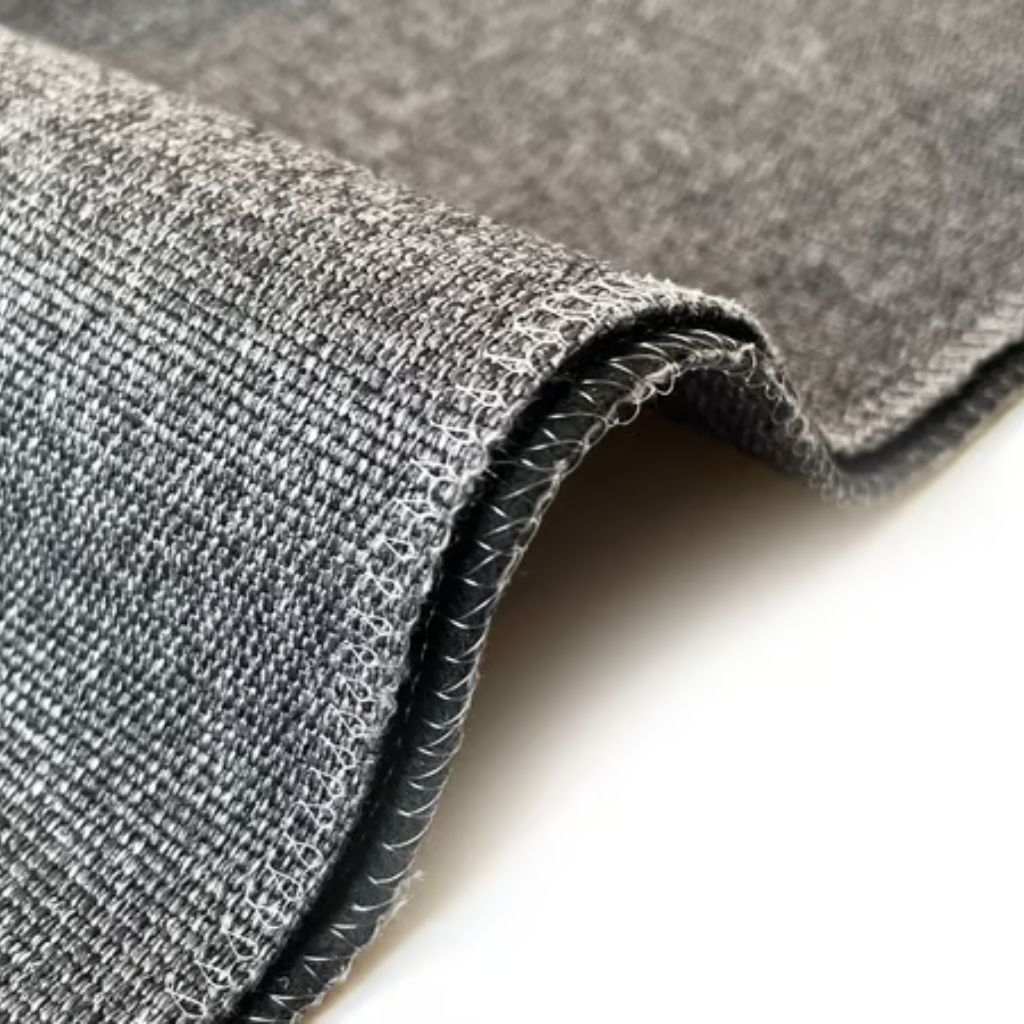
Polar Guard offers benefits that directly solve winter comfort problems. It supports warmth, dryness, and easy wear. That is why many people now prefer it over traditional fabrics.
Keeps Body Warm in Extreme Cold
Polar Guard traps body heat efficiently. As a result, it protects you in freezing weather. It works well in snow and cold wind conditions. Therefore, it becomes ideal for outdoor winter life.
Comfortable for Long Wear
Some winter fabrics feel itchy or heavy. However, Polar Guard feels soft and smooth on skin. It stays comfortable even after hours of wear. That is why it works well for daily clothing.
Ideal for Layering
Layering is important for winter survival. Polar Guard fits easily under jackets and coats. It does not add unnecessary bulk. Therefore, it makes layering more practical and stylish.
Energy-Efficient Warmth
When your clothing keeps you warm, your body uses less energy. That means you feel less tired in cold conditions. Therefore, Polar Guard supports comfort during long winter walks. It also improves performance for sports activities.
Suitable for Outdoor Activities
Polar Guard supports flexibility and breathability. Because of this, it works well for hiking and skiing. It also performs well for outdoor workers. Therefore, it is a complete thermal performance fabric solution.
Applications & Uses of Polar Guard Heat Retention Fabric
Polar Guard Heat Retention Fabric is used in many winter products. It supports both fashion and functional clothing. That is why it attracts commercial demand.
Winter Jackets
Winter jackets need insulation without heavy padding. Polar Guard helps jackets stay warm while remaining lightweight. It also improves comfort during movement. Therefore, many modern jackets include this fabric technology.
Thermal Innerwear
Innerwear needs softness and sweat control. Polar Guard works well because it wicks moisture away. It also traps heat close to the skin. As a result, it becomes a trusted heat retention fabric for base layers.
Sportswear
Outdoor sports require breathable and flexible fabric. Polar Guard provides warmth without overheating. Therefore, it supports skiing, cycling, and winter running. It also helps athletes stay dry during intense activity.
Hiking Apparel
Hikers need warmth but also need comfort. Polar Guard offers strong thermal insulation with lightweight feel. It also resists cold wind in special versions. That makes it an excellent cold-weather textile for mountain wear.
Gloves, Caps, and Scarves
Accessories lose heat quickly because they face direct wind. Polar Guard helps keep hands and head warm. It also feels soft, so it stays comfortable. Therefore, it is widely used in winter accessories.
Outdoor Workwear
Workers in cold areas need reliable insulation. Polar Guard offers durability and warmth for long shifts. It also dries quickly if exposed to moisture. That is why many winter workwear brands choose it.
Is Polar Guard Heat Retention Fabric Waterproof?
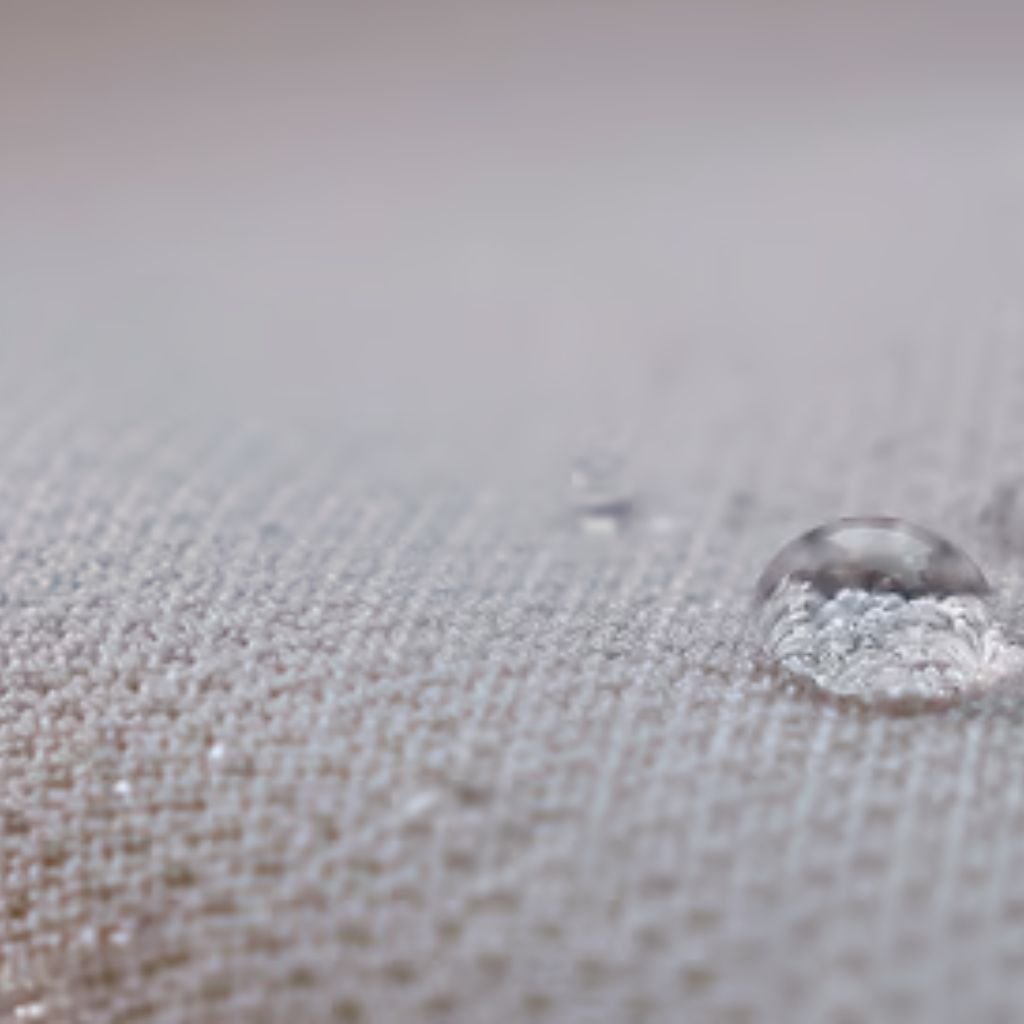
Polar Guard Heat Retention Fabric is not always fully waterproof. However, some versions include water-resistant coating. These coated fabrics can repel light rain and snow. Still, heavy rain may require a waterproof outer shell.
Is Polar Guard Breathable?
Yes, Polar Guard is designed to be breathable. It allows airflow while trapping warmth. Therefore, it reduces sweating during activity. This makes it a reliable breathable winter fabric.
Can It Be Used in Extreme Snow?
Yes, Polar Guard works well in snowy conditions. It traps heat and blocks cold air. However, you should pair it with a waterproof outer layer. That combination gives full winter protection.
Is It Machine Washable?
Most Polar Guard fabric products are machine washable. You should still check the label before washing. Gentle washing helps maintain fiber strength. Therefore, proper care extends fabric life.
Does It Shrink?
Polar Guard usually does not shrink much because it uses synthetic fibers. However, high heat drying can damage it. Therefore, air drying is a safer option.
Advantages and Disadvantages of Polar Guard Heat Retention Fabric
Balanced content builds trust and improves SEO value. Polar Guard has many strengths, but it also has some limitations. Understanding both helps buyers make smart choices.
Advantages
Polar Guard provides strong warmth without heavy weight. It also supports moisture-wicking, so it stays dry. In addition, it remains flexible and comfortable for movement. Many versions also resist wind effectively.
It also dries quickly after washing. That saves time and effort. Moreover, it lasts longer than many cheap winter insulation materials. Therefore, it is a long-term investment fabric.
Disadvantages
Polar Guard is often more expensive than basic fleece. That may not suit every budget. Also, not all versions are waterproof. Therefore, heavy rain protection needs an extra outer layer.
Some low-quality versions may pill after repeated washing. That happens when manufacturers use weaker fiber blends. Therefore, buying from trusted brands is important.
How to Care for Polar Guard Heat Retention Fabric
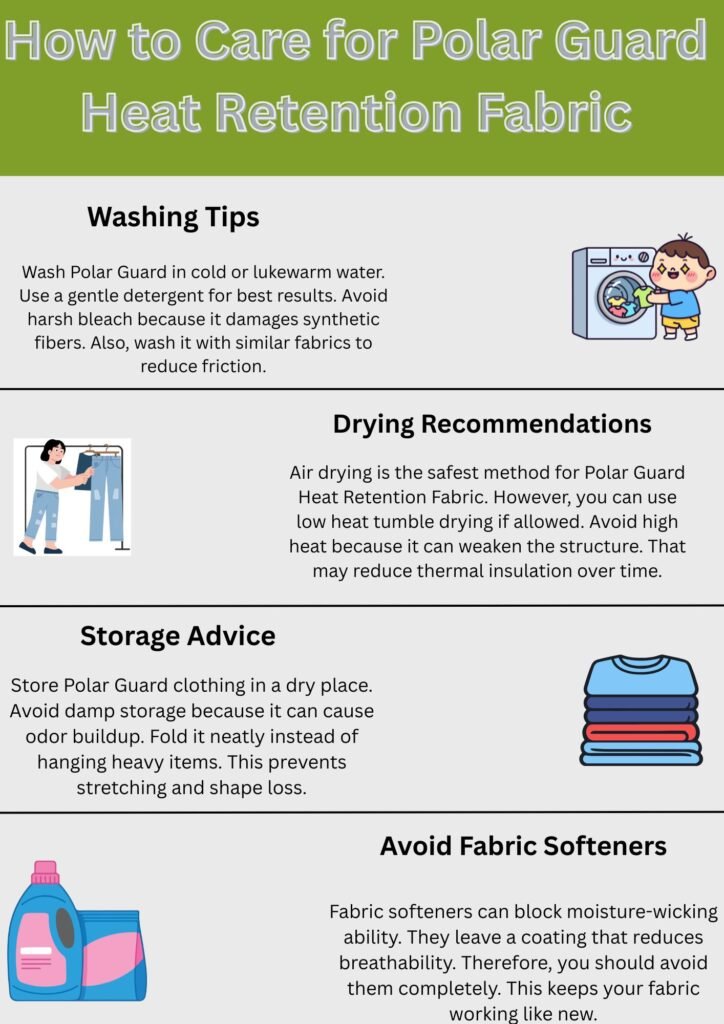
Proper care helps Polar Guard maintain warmth and performance. If you wash it incorrectly, fibers can weaken. Therefore, you should follow simple maintenance rules.
Washing Tips
Wash Polar Guard in cold or lukewarm water. Use a gentle detergent for best results. Avoid harsh bleach because it damages synthetic fibers. Also, wash it with similar fabrics to reduce friction.
Drying Recommendations
Air drying is the safest method for Polar Guard Heat Retention Fabric. However, you can use low heat tumble drying if allowed. Avoid high heat because it can weaken the structure. That may reduce thermal insulation over time.
Storage Advice
Store Polar Guard clothing in a dry place. Avoid damp storage because it can cause odor buildup. Fold it neatly instead of hanging heavy items. This prevents stretching and shape loss.
Avoid Fabric Softeners
Fabric softeners can block moisture-wicking ability. They leave a coating that reduces breathability. Therefore, you should avoid them completely. This keeps your fabric working like new.
Why Polar Guard Heat Retention Fabric Is Popular in Winter
People want warmth, but they also want comfort. Polar Guard provides both without compromise. It feels light, yet it protects against cold weather. Therefore, it has become popular in modern winter clothing.
Another reason is its moisture management performance. It keeps sweat away, so you stay warm and dry. That matters because wet clothing causes rapid heat loss. As a result, Polar Guard improves winter safety.
In addition, Polar Guard supports modern fashion needs. It fits well into slim jackets and stylish outfits. Therefore, people can stay warm without looking bulky. That makes it a top cold-weather textile choice.
Is Polar Guard Heat Retention Fabric Eco-Friendly?
Sustainability is now an important buying factor. Many brands produce Polar Guard Heat Retention Fabric using recyclable polyester. Some versions also include recycled microfiber materials. Therefore, they reduce plastic waste.
In addition, Polar Guard supports energy efficiency. Because it keeps the body warmer, people may rely less on indoor heating. That indirectly reduces energy usage. Many companies also use cleaner dyeing processes to reduce pollution.
However, not every Polar Guard fabric is eco-certified. Therefore, you should check product labels for recycled fiber claims. Choosing responsible brands improves sustainability impact.
Buying Guide: How to Choose Polar Guard Heat Retention Fabric
Buying the right Polar Guard fabric product depends on your lifestyle. Different climates and activities need different fabric thickness. Therefore, you should check key quality factors.
What to Check Before Buying
Always check fabric softness and flexibility. Look for stitching quality in clothing products. If seams are weak, warmth will escape. Therefore, construction matters as much as fabric.
GSM Level
GSM means grams per square meter. Higher GSM means thicker and warmer fabric. For mild winters, medium GSM is enough. However, for extreme winters, higher GSM works better.
Fabric Thickness
Thicker Polar Guard provides more insulation. However, thinner types work better for layering. Therefore, your choice depends on your clothing style.
Activity Level Suitability
If you hike or run, choose breathable stretch Polar Guard. If you work outdoors, choose thicker wind-resistant Polar Guard. This ensures comfort and performance together.
Climate Suitability
For dry cold areas, standard Polar Guard works well. For wet snow climates, choose water-resistant versions. Also, use a waterproof jacket shell for full protection.
Conclusion
Polar Guard Heat Retention Fabric is a modern solution for winter comfort. It combines insulation, breathability, and moisture control in one smart textile. Therefore, it delivers both performance and daily wear comfort.It works well for jackets, sportswear, hiking clothing, and workwear. It also offers flexibility, quick drying, and long-lasting durability. While it may cost more than basic fleece, it gives better long-term value.
If you want warmth without heavy layers, Polar Guard becomes an ideal choice. It is a premium heat retention fabric that fits modern winter lifestyles. In short, it truly proves that comfort can meet performance.
FAQs
What makes Polar Guard Heat Retention Fabric different from normal fleece?
Polar Guard traps heat more efficiently using air-pocket technology. It also offers better moisture-wicking. Therefore, it stays warmer and drier than basic fleece.
Is Polar Guard Heat Retention Fabric good for sensitive skin?
Yes, most Polar Guard fabrics feel smooth and soft. They do not cause itching like wool. Therefore, many people with sensitive skin prefer it.
Can Polar Guard Heat Retention Fabric be used for thermal bedding?
Yes, some manufacturers use similar heat retention fabric technology in blankets. It helps trap warmth while staying breathable. Therefore, it can be suitable for winter bedding products.