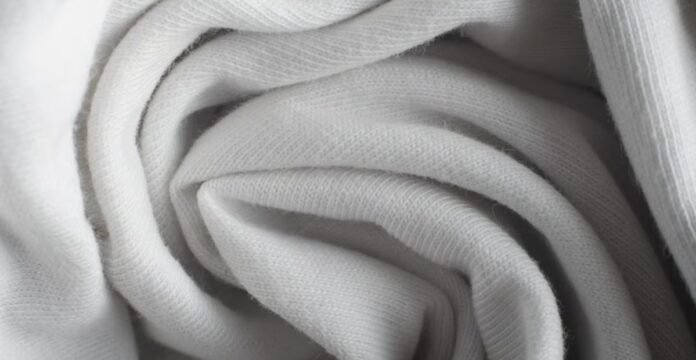
Winter weather creates serious challenges for daily life and outdoor comfort. Cold winds, freezing temperatures, and snow make it difficult to stay warm without wearing heavy layers. Moreover, many winter fabrics feel stiff and thick, which reduces flexibility and makes movement uncomfortable. As a result, people often feel restricted while walking, working, traveling, or doing sports during winter. In addition, bulky clothing can trap sweat and create a damp feeling, which makes the body feel colder later. Therefore, choosing the right winter performance fabric becomes extremely important for comfort and protection.
This is where Frost Flex Stretch Thermal Fabric becomes a modern and practical solution. It provides warmth while still allowing freedom of movement. Unlike traditional thermal materials, it does not feel heavy or uncomfortable. Furthermore, it works well for people who need both warmth and flexibility in their winter clothing. Frost Flex Stretch Thermal Fabric is designed as a premium stretch thermal fabric that supports active lifestyles. It also acts as a reliable cold-weather stretch textile, making it ideal for outdoor conditions. For this reason, it has become a popular flexible insulation material for modern winter wear.
What Is Frost Flex Stretch Thermal Fabric?
Frost Flex Stretch Thermal Fabric is a specially engineered winter textile designed to provide insulation along with stretch performance. It is made to trap heat close to the body while still staying flexible and comfortable. Moreover, it supports movement without pulling or tightening, which makes it a perfect option for activewear and outdoor clothing. This fabric is often used in winter clothing where both warmth and mobility are required.
The composition of Frost Flex Stretch Thermal Fabric usually includes polyester as the main fiber. Polyester provides strength, durability, and shape retention. In addition, elastane or spandex is blended into the fabric to create stretch. Many variations also include a fleece lining or brushed inner layer that adds softness and warmth. As a result, the fabric feels comfortable against the skin and works effectively in cold weather. Furthermore, many manufacturers enhance this fabric with moisture control properties, which allows it to perform like a modern moisture-wicking fabric.
This fabric differs from traditional thermal fabrics because it focuses equally on comfort and flexibility. Traditional thermals often provide warmth but lack stretch, which causes stiffness and discomfort. Frost Flex, however, supports a balanced structure where insulation and movement work together. Therefore, it becomes an ideal winter activewear fabric. In addition, its insulation remains breathable, which makes it a form of breathable insulation that helps prevent overheating. For this reason, the combination of warmth and 4-way stretch matters a lot for modern winter clothing.
History of Stretch Thermal Fabric Technology
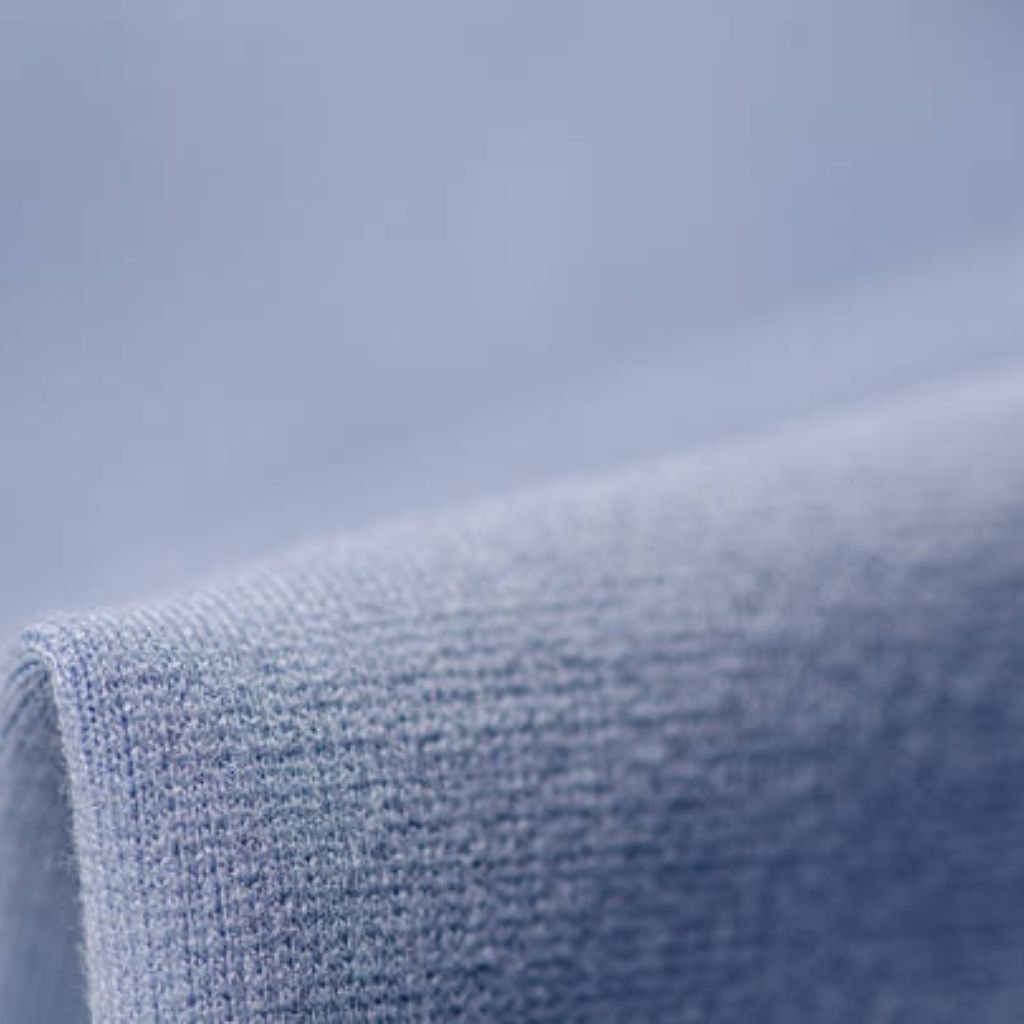
Thermal fabrics have been used for centuries to protect humans from cold climates. In earlier times, people relied on natural materials such as wool, animal fur, and heavy cotton layers. These materials provided warmth, but they were often heavy and difficult to maintain. Moreover, they were not designed for active movement, which made them uncomfortable for work and travel. Therefore, textile manufacturers started searching for better solutions.
During the late 20th century, polyester became one of the most widely used winter materials. It provided warmth, resisted shrinking, and offered easier washing compared to natural fibers. In addition, synthetic fibers allowed textile engineers to create fabrics that could trap heat more efficiently. As a result, thermal wear became lighter and more affordable. Later, elastane technology changed the clothing industry by introducing stretch fabrics that improved mobility and comfort.
After elastane became popular in sportswear, manufacturers began combining stretch fibers with insulation fabrics. This created the foundation for modern stretch thermal textiles. Therefore, winter clothing improved in both comfort and performance. Today, Frost Flex Stretch Thermal Fabric represents a modern development of this textile evolution. It combines insulation, stretch, and breathability into one fabric, which makes it highly useful for modern winter lifestyles.
Types of Frost Flex Stretch Thermal Fabric (Latest Variations)
Frost Flex Stretch Thermal Fabric comes in different types because winter needs are not the same for everyone. Some people need extra warmth for snow areas, while others want lightweight comfort for daily wear. Moreover, fabric manufacturers create variations by changing the lining, thickness, and fiber structure. Therefore, understanding the types helps you select the best stretch thermal fabric for your purpose. In addition, each type offers a different balance of insulation, breathability, and flexibility. As a result, Frost Flex works well for many winter clothing categories.
Brushed Fleece-Lined Frost Flex Stretch Thermal Fabric
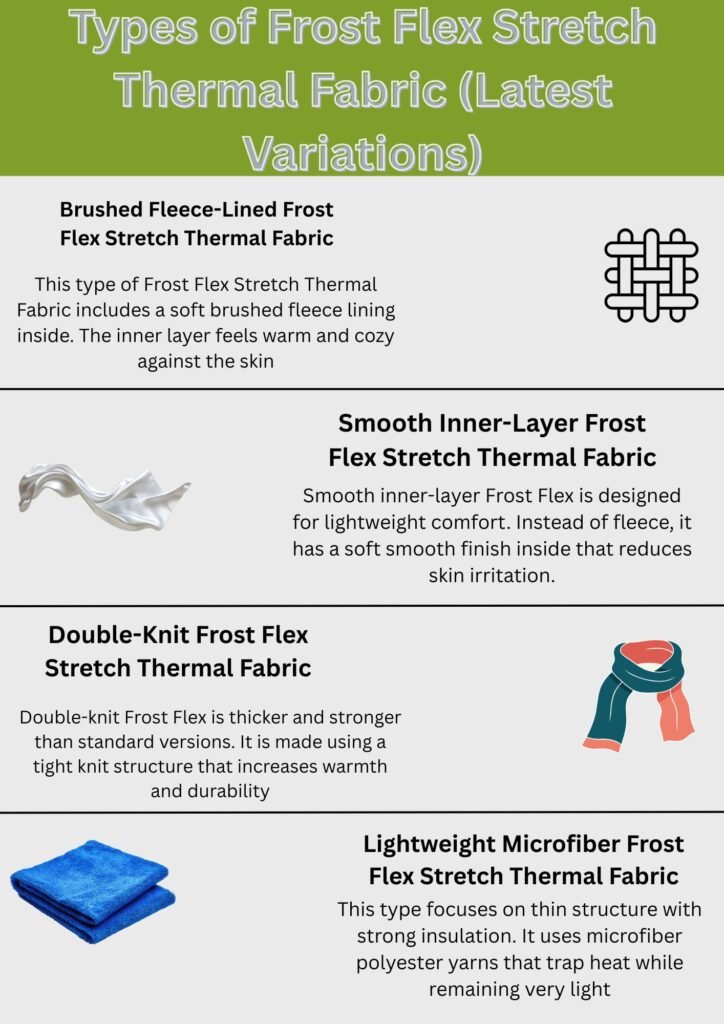
This type of Frost Flex Stretch Thermal Fabric includes a soft brushed fleece lining inside. The inner layer feels warm and cozy against the skin. Moreover, it traps body heat effectively, which improves thermal insulation. Therefore, it becomes an excellent option for base layers, thermal leggings, and winter inner shirts. In addition, this variation is very popular for people living in colder climates because it provides extra warmth without heavy weight.
Smooth Inner-Layer Frost Flex Stretch Thermal Fabric
Smooth inner-layer Frost Flex is designed for lightweight comfort. Instead of fleece, it has a soft smooth finish inside that reduces skin irritation. Moreover, it slides easily under jackets and sweaters, making layering much easier. Therefore, it is often used in winter activewear and gym thermal clothing. In addition, it provides breathable insulation, which prevents overheating during workouts. As a result, it works well for mild winter activities and indoor sports.
Double-Knit Frost Flex Stretch Thermal Fabric
Double-knit Frost Flex is thicker and stronger than standard versions. It is made using a tight knit structure that increases warmth and durability. Moreover, this type provides better wind resistance because the fabric weave blocks airflow. Therefore, it is often used in winter trousers, hiking pants, and heavy-duty outerwear linings. In addition, it keeps its shape for a long time, which improves garment life. As a result, it is a reliable cold-weather stretch textile for rough use.
Lightweight Microfiber Frost Flex Stretch Thermal Fabric
This type focuses on thin structure with strong insulation. It uses microfiber polyester yarns that trap heat while remaining very light. Moreover, it dries quickly and performs well as a moisture-wicking fabric. Therefore, it is commonly used for running wear, cycling base layers, and travel clothing. In addition, it is a great option for people who want warmth without thick clothing. As a result, it becomes ideal for active winter lifestyles.
Key Features of Frost Flex Stretch Thermal Fabric
Frost Flex Stretch Thermal Fabric includes advanced features that make it different from ordinary winter textiles. One of its strongest features is its ability to stretch in multiple directions. This improves comfort and allows the fabric to move naturally with the body. Moreover, it provides thermal insulation that helps trap heat and reduce cold air contact. As a result, it keeps the wearer warm even in harsh winter conditions.
Another important feature is moisture control. Many Frost Flex variations include moisture-wicking technology that pulls sweat away from the skin. Therefore, the wearer stays dry and avoids the uncomfortable cold feeling caused by damp fabric. In addition, the fabric dries quickly, which makes it useful for sports and outdoor work. The fabric is also lightweight compared to heavy winter materials. As a result, it reduces bulk while still providing strong warmth.
Wind resistance is another valuable feature in many Frost Flex designs. The tight fabric structure helps block cold air, which improves winter comfort. Moreover, the fabric stays durable even with repeated stretching and washing. Therefore, it works as a long-lasting winter performance fabric that supports everyday use.
Benefits of Frost Flex Stretch Thermal Fabric
The benefits of Frost Flex Stretch Thermal Fabric make it highly useful for people living in cold climates. The biggest advantage is improved mobility. Many winter fabrics feel stiff and restrict movement. However, Frost Flex allows easy bending, stretching, and walking without discomfort. Therefore, it becomes a strong option for outdoor sports and active lifestyles. Moreover, it supports better performance in activities like skiing, hiking, running, and climbing.
Another major benefit is layering comfort. Winter layering is necessary, but thick materials can make clothing feel uncomfortable. Frost Flex stays lightweight and flexible, which makes it easier to wear under jackets and coats. As a result, people can stay warm without feeling bulky. In addition, the soft inner surface feels comfortable against the skin. Therefore, it is often used for base layers and thermal leggings.
Frost Flex also performs well in extreme cold conditions when the right thickness is chosen. It traps heat efficiently and reduces heat loss. Moreover, its breathable insulation helps balance body temperature during movement. As a result, the wearer avoids overheating while still staying protected. Durability is another important benefit because this fabric holds its shape and elasticity for a long time. Therefore, it remains useful even after repeated washing and regular use.
How Does Frost Flex Stretch Thermal Fabric Work?
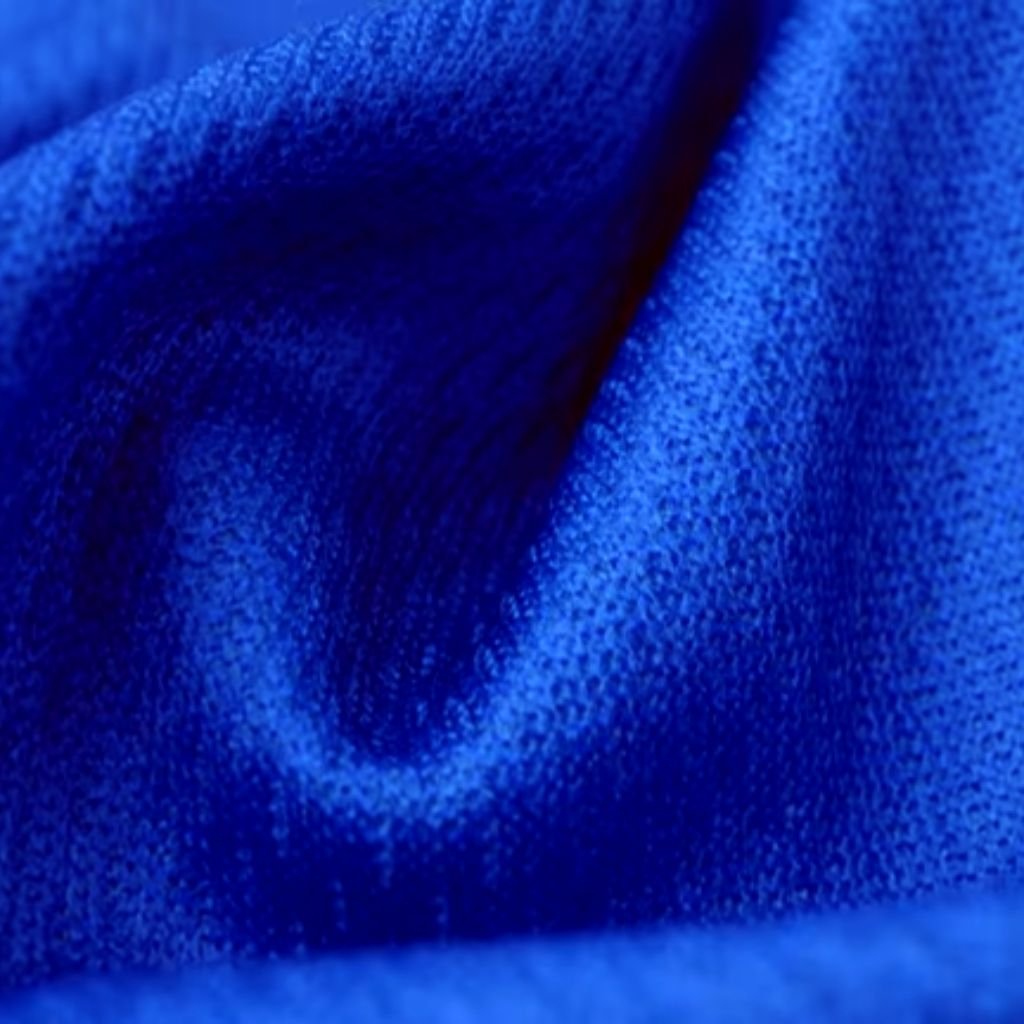
Frost Flex Stretch Thermal Fabric works by using advanced fiber structure and insulation design. It traps warm air close to the body by creating tiny air pockets inside the fabric. These air pockets reduce heat escape and maintain body warmth. Therefore, the wearer stays warm even in cold outdoor environments. In addition, the fleece lining or brushed inner layer helps increase heat retention by keeping warmth close to the skin.
Another key working principle is moisture management. When the body produces sweat, Frost Flex moves moisture away from the skin surface. As a result, the body stays dry and comfortable. This is important because damp fabric can quickly lower body temperature in winter. Therefore, moisture-wicking ability makes Frost Flex highly reliable for winter sportswear and outdoor workwear.
Stretch integration is also an important part of how it works. Elastane fibers stretch with body movement and return back to their original shape. This allows the fabric to remain fitted while still offering comfort. Therefore, Frost Flex provides flexibility without losing its insulating ability. For this reason, it is considered one of the most advanced cold-weather stretch textile options available.
Frost Flex Stretch Thermal Fabric vs Other Winter Fabrics
Many people compare Frost Flex with other winter fabrics to find the best option. When compared to fleece, Frost Flex provides better stretch and more body-hugging comfort. Fleece offers warmth, but it often lacks flexibility. Therefore, Frost Flex becomes a better option for sports and active clothing. Moreover, Frost Flex dries faster than fleece, which improves performance during sweat-heavy activities.
When compared to wool, Frost Flex feels lighter and smoother. Wool provides excellent warmth, but it can feel itchy and heavy for some users. In addition, wool absorbs moisture and dries slowly. Therefore, Frost Flex becomes a better choice for people who need quick drying and moisture control. Many users also compare wool vs stretch thermal fabrics, and Frost Flex usually wins in mobility and comfort.
Compared to basic polyester thermals, Frost Flex provides better stretch performance. Standard polyester thermals can feel stiff and less breathable. However, Frost Flex includes stretch fiber integration, which improves flexibility. In addition, it often includes better moisture-wicking performance. Therefore, it ranks higher as a winter performance fabric.
When compared to softshell fabrics, Frost Flex feels more comfortable for base layers. Softshell fabrics are often used for wind protection, but they may not feel as soft against the skin. Therefore, Frost Flex works better as an inner layer fabric, while softshell works better as an outer protective layer.
Common Uses of Frost Flex Stretch Thermal Fabric
Frost Flex Stretch Thermal Fabric is used in many winter clothing categories. It is commonly used in winter sportswear because it provides warmth without restricting movement. Skiers and snowboarders often prefer stretch thermal fabrics because they need flexibility during fast movement. Moreover, it is also used in hiking clothing because it allows bending and climbing without discomfort. As a result, it becomes a popular winter activewear material.
Many brands use Frost Flex in thermal leggings and base layers. This is because it stays soft and fitted while still keeping the body warm. In addition, it works well for outdoor workwear because it supports long hours of comfort in cold conditions. Workers who spend time outside need flexible insulation material that does not feel heavy. Therefore, Frost Flex becomes a reliable choice for cold environments.
This fabric is also used in gloves, winter caps, and thermal accessories. These items require warmth but must remain lightweight. Therefore, Frost Flex supports better comfort in winter accessories as well. For this reason, it is now widely used in modern winter clothing production.
Is Frost Flex Stretch Thermal Fabric Good for Extreme Cold?
Yes, Frost Flex Stretch Thermal Fabric is suitable for extreme cold conditions when the right fabric thickness is chosen. Higher GSM versions provide better insulation and stronger heat retention. Therefore, they perform well in freezing temperatures. In addition, layering improves its performance even more. As a result, many people use it under jackets in harsh winter climates.
However, Frost Flex is not fully waterproof by default. It can resist light moisture in some designs, but heavy rain protection requires a waterproof outer layer. Therefore, it works best as an inner thermal layer in wet winter environments. Wind resistance is another advantage because many versions have tight weaves that block airflow. As a result, it protects the body against cold winds.
For sub-zero temperatures, Frost Flex can work well when combined with proper layering. Moreover, it stays breathable, which prevents overheating. Therefore, it remains comfortable even during active movement in extreme cold weather.
Buying Guide: How to Choose the Best Frost Flex Stretch Thermal Fabric
Choosing the best Frost Flex Stretch Thermal Fabric requires attention to quality and performance factors. Fabric weight is one of the most important factors. Higher GSM fabric provides stronger warmth and better insulation. Therefore, people living in very cold climates should choose thicker versions. However, lighter versions are better for mild winter and indoor use. As a result, GSM selection depends on your environment.
Stretch percentage also matters when buying stretch thermal fabric. A higher elastane blend provides better flexibility and movement comfort. Therefore, fabrics with a balanced polyester and elastane ratio are ideal. In addition, fabric blend quality matters because cheap materials may lose elasticity quickly. For this reason, it is important to check fabric labeling before purchase.
Intended use is another important factor. If you need base layers, choose breathable lightweight Frost Flex. However, if you need outerwear lining, thicker insulated versions are better. Moreover, quality certifications like OEKO-TEX provide trust and safety assurance. Therefore, certified fabric is often a better choice for long-term use.
Pros and Cons of Frost Flex Stretch Thermal Fabric
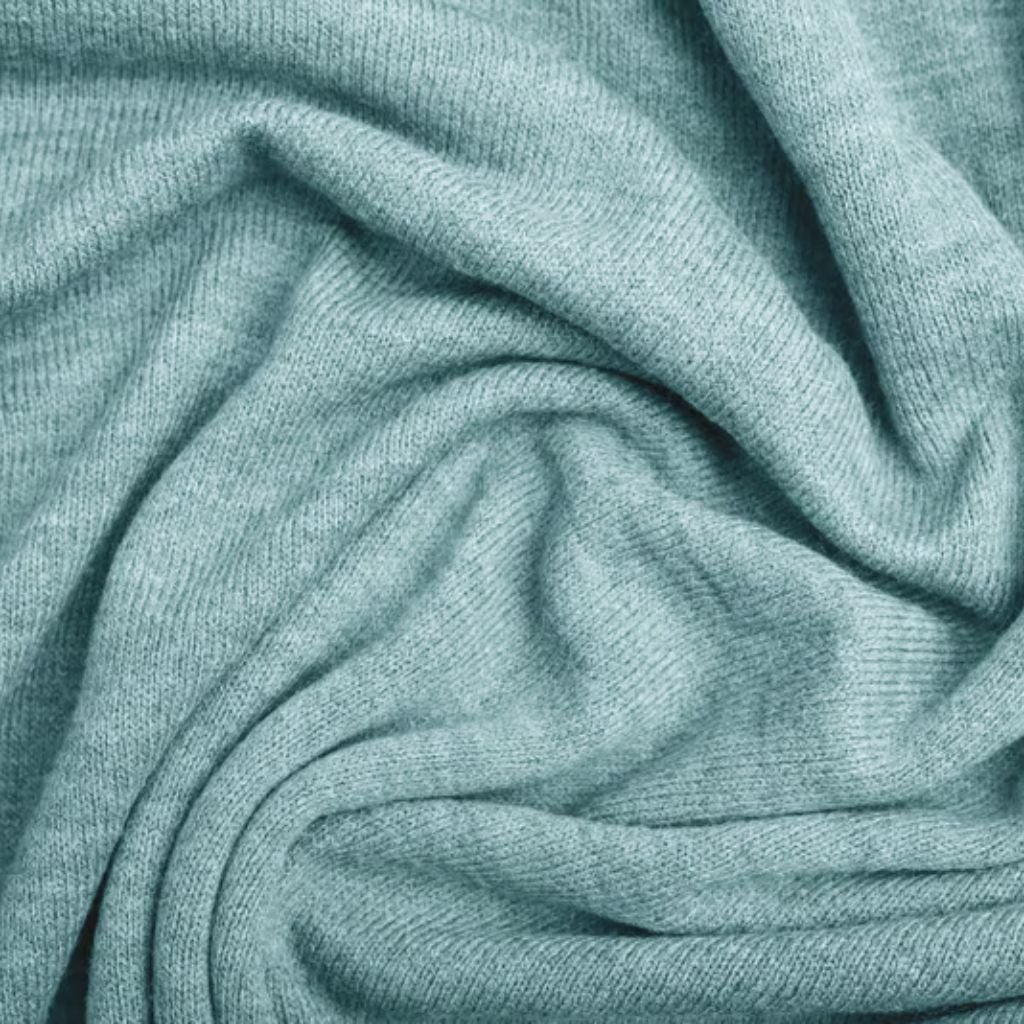
Frost Flex Stretch Thermal Fabric offers many strong advantages. It provides excellent warmth without making clothing heavy. Moreover, it offers high flexibility due to its stretch structure. As a result, it supports comfort for sports, work, and daily winter wear. It also dries quickly and controls moisture, which makes it ideal for active people. In addition, it remains durable and long-lasting even after repeated use.
However, it also has some limitations. It is not always waterproof unless coated. Moreover, premium quality Frost Flex fabrics can be more expensive than standard thermals. Low-quality copies may lose elasticity after washing. Therefore, buyers should focus on quality when purchasing.
Why Frost Flex Stretch Thermal Fabric Is So Popular
The popularity of Frost Flex Stretch Thermal Fabric comes from its balance of warmth and flexibility. People no longer want stiff winter clothing that limits movement. Therefore, Frost Flex provides a modern solution for comfort. Moreover, it supports breathable insulation and moisture-wicking technology, which improves overall winter wear experience.
Care and Maintenance Guide for Frost Flex Stretch Thermal Fabric (Long Life Tips)
Taking proper care of Frost Flex Stretch Thermal Fabric is very important if you want long-lasting warmth and flexibility. This fabric contains stretch fibers like elastane, so harsh washing can damage its elasticity. Moreover, incorrect drying can weaken its thermal performance over time. Therefore, you should follow the right cleaning routine to keep it soft, warm, and durable. In addition, proper maintenance also protects the moisture-wicking ability of the fabric. As a result, your winter clothing stays comfortable for many seasons.
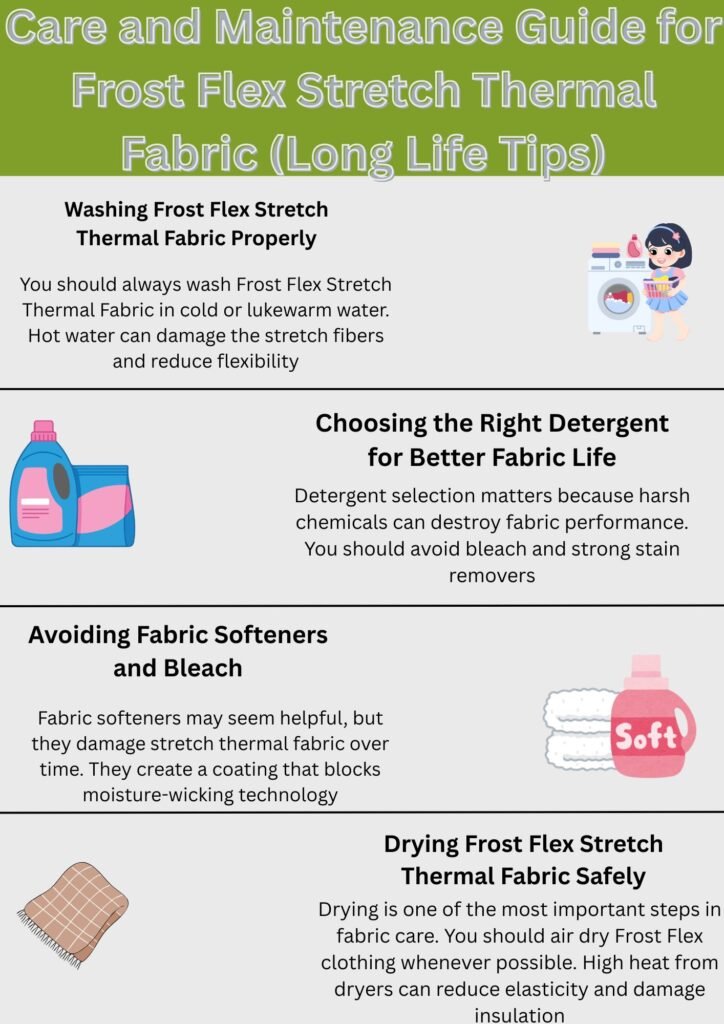
Washing Frost Flex Stretch Thermal Fabric Properly
You should always wash Frost Flex Stretch Thermal Fabric in cold or lukewarm water. Hot water can damage the stretch fibers and reduce flexibility. Moreover, strong washing cycles may weaken the fabric structure. Therefore, using a gentle cycle is the best choice. In addition, mild detergent works better than heavy chemical cleaners. As a result, the fabric stays soft, breathable, and durable for long-term use.
Choosing the Right Detergent for Better Fabric Life
Detergent selection matters because harsh chemicals can destroy fabric performance. You should avoid bleach and strong stain removers. Moreover, these chemicals can reduce the thermal insulation quality. Therefore, always use a mild liquid detergent for best results. In addition, fragrance-heavy detergents can affect moisture-wicking layers. As a result, simple detergent keeps the fabric safe and effective.
Avoiding Fabric Softeners and Bleach
Fabric softeners may seem helpful, but they damage stretch thermal fabric over time. They create a coating that blocks moisture-wicking technology. Moreover, bleach can break down elastane fibers and weaken the fabric. Therefore, both should be avoided completely. In addition, avoiding these products keeps the fabric breathable and flexible. As a result, Frost Flex Stretch Thermal Fabric performs better for winter sports and activewear.
Drying Frost Flex Stretch Thermal Fabric Safely
Drying is one of the most important steps in fabric care. You should air dry Frost Flex clothing whenever possible. High heat from dryers can reduce elasticity and damage insulation. Moreover, overheating may cause the fabric to lose its original shape. Therefore, if you use a dryer, always choose low heat. As a result, the fabric remains stretchy and warm for a long time.
Conclusion
Frost Flex Stretch Thermal Fabric is a modern winter textile designed for warmth, flexibility, and comfort. It solves the problem of bulky winter fabrics by providing insulation without heaviness. Moreover, it supports smooth movement through its stretch technology. As a result, it becomes a strong choice for sportswear, hiking wear, and winter workwear.
FAQs
What makes Frost Flex Stretch Thermal Fabric different?
Frost Flex Stretch Thermal Fabric combines thermal insulation with stretch technology. Therefore, it provides warmth without restricting movement. Traditional thermal fabrics usually focus only on insulation.
Is Frost Flex Stretch Thermal Fabric breathable?
Yes, it is breathable because it allows airflow while trapping heat. Moreover, breathable insulation prevents overheating during physical activity. As a result, it stays comfortable for long wear.
Can it be used for gym workouts?
Yes, Frost Flex works well for gym workouts in cold weather. It stretches easily and controls sweat. Therefore, it supports comfort during training sessions.