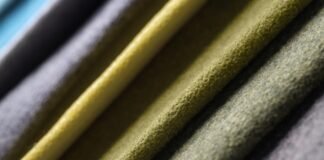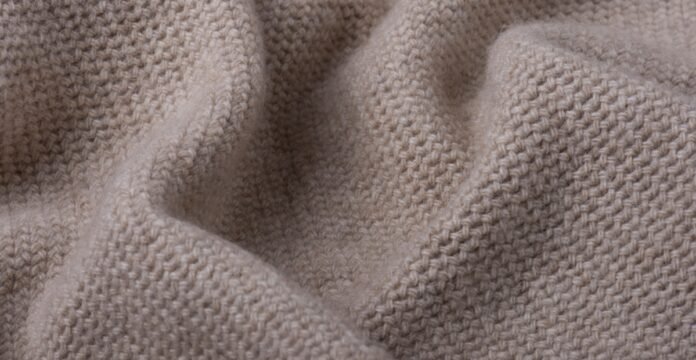
The Woven Grade C Cashmere wool strikes a balance between elegance, affordability and durability. Woven Grade C Cashmere is a great alternative to the premium grades that often dominate the luxury market. It offers softness, durability and versatility, but at an affordable price. It has therefore become more popular with fashion brands, textile producers, and consumers looking for value-driven luxury.
Woven Grade C Cashmere may not have the ultra-fine texture as Grade A, but it is still warm, comfortable, and has a timeless appeal. When woven correctly, Grade C cashmere transforms into an extremely durable, stylish and functional textile that is suitable for coats and scarves. It can also be used to create home decor and sweaters. Cashmere woven fabric Grade C is a great solution for commercial textile production and mid-range fashion collections.
This comprehensive guide will examine the benefits, applications and maintenance tips of Grade C woven cashmere fabric, as well as its manufacturing process.
Understanding Grade C Cashmere Fabric
Cashmere comes from the undercoats of cashmere goats. The fibers can be classified into different grades according to their diameter, length and softness. Cashmere of Grade C is typically characterized by:
- Fiber diameter slightly thicker
- Moderate fiber length
- Acceptable softness
- Good durability
It may not be as silky as cashmere of Grade A, but it provides warmth and comfort that is noticeable. It is also widely praised for its affordability.
The fabric is stronger because the Grade C fibers tend to be thicker. Cashmere woven in Grade C can be more durable than other grades. It is therefore ideal for outerwear, structured garments and other clothing.
What makes woven cashmere different?
The Woven Grade C Cashmere is made by weaving yarns in a right angle using a loom. Contrary to knitted cashmere which is stretchable and flexible, woven fabric offers:
- More structure
- Enhanced durability
- Reduced stretch
- Finish: Crisp and clean
Woven Grade C Cashmere is used in coats, jackets and shawls. It also provides a refined finish that improves the dye absorption as well as print clarity.
The fabric is strengthened by the weaving process. The final product is stable, smooth and polished. The softness of the final product may be reduced slightly compared to knitted versions. However, the durability is increased significantly.
The Manufacturing Process for Woven Grade C Cashmere
Each stage of the production process is important. Each step contributes to the quality and performance of fabric.
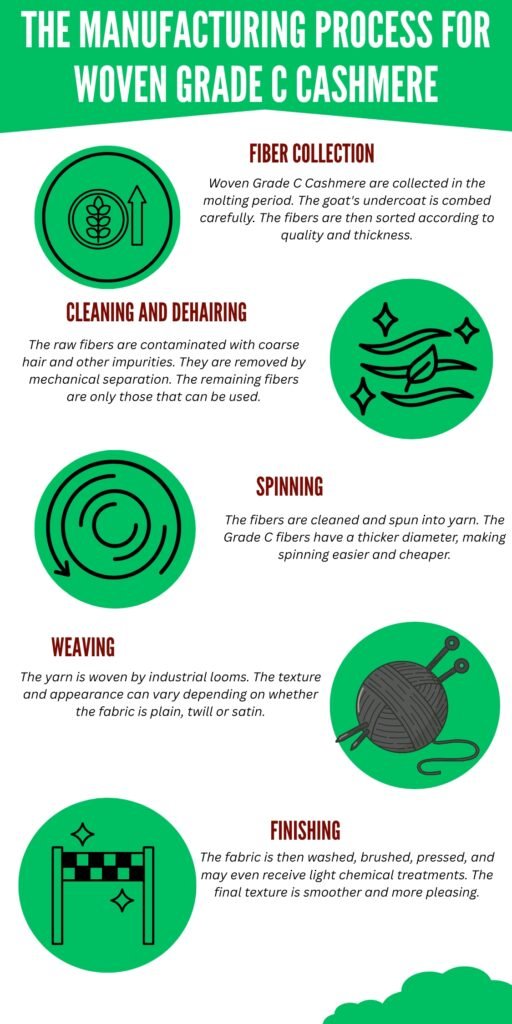
1. Fiber Collection
Woven Grade C Cashmere are collected in the molting period. The goat’s undercoat is combed carefully. The fibers are then sorted according to quality and thickness.
2. Cleaning and Dehairing
The raw fibers are contaminated with coarse hair and other impurities. They are removed by mechanical separation. The remaining fibers are only those that can be used.
3. Spinning
The fibers are cleaned and spun into yarn. The Grade C fibers have a thicker diameter, making spinning easier and cheaper.
4. Weaving
The yarn is woven by industrial looms. The texture and appearance can vary depending on whether the fabric is plain, twill or satin.
5. Finishing
The fabric is then washed, brushed, pressed, and may even receive light chemical treatments. The final texture is smoother and more pleasing.
Cashmere Woven Grade C: Key Characteristics
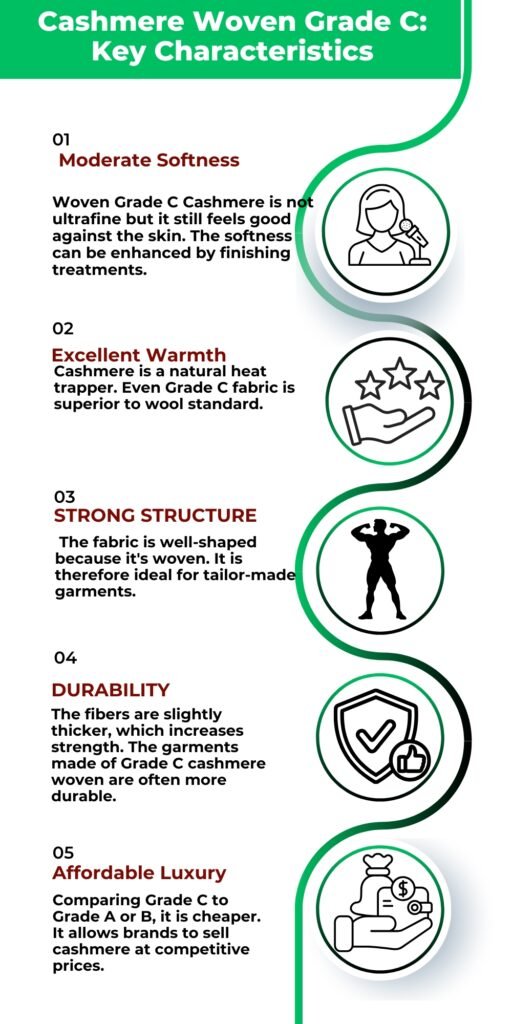
1. Moderate Softness
Woven Grade C Cashmere is not ultrafine but it still feels good against the skin. The softness can be enhanced by finishing treatments.
2. Excellent Warmth
Cashmere is a natural heat trapper. Even Grade C fabric is superior to wool standard.
3. Strong Structure
The fabric is well-shaped because it’s woven. It is therefore ideal for tailor-made garments.
4. Durability
The fibers are slightly thicker, which increases strength. The garments made of Grade C cashmere woven are often more durable.
5. Affordable Luxury
Comparing Grade C to Grade A or B, it is cheaper. It allows brands to sell cashmere at competitive prices.
Woven Grade C Cashmere Fabric: Benefits
Cost-Effective Production
First, the cost of raw materials is lower. The manufacturers can therefore produce stylish clothing without having to charge premium prices.
Applications that are versatile
Second, cashmere woven Grade C is adaptable to different product categories. It can be used for many things, from outerwear to accessories.
Increased longevity
The fabric is stronger and resists tearing better than the finer grades.
Elegant Appearance
The woven finish is Grade C but still has a polished appearance. Moreover, proper dyeing enhances color vibrancy.
Commercial Scalability
Its affordability also supports large-scale production on global markets.
Common Applications
Cashmere fabric in grade C is used widely for:
- Winter coats
- Structured jackets
- Shawls, wraps and other accessories
- Scarves
- Blankets
- Upholstery Blends
It is a great material for outerwear because of its strength. Designers often combine it with synthetic or wool fibers to increase durability and reduce costs.
Compare Cashmere Grade C to Other Grades
| Features | Grade A | Grade B | Grade C |
|---|---|---|---|
| Fiber Diameter | Finest | The Medium | The thickness of the sandpaper has been increased |
| Softness | Ultra-soft | Soft | Soft to moderately firm |
| Price | Highest | Mid-range | Buy Tickets Online |
| Durability | Delicate | Balance | Stronger |
| Common Use | Luxury clothing | Premium fashion | Commercial Fashion |
While Grade A is still the standard, Grade C offers practicality. Businesses that target mid-market customers often choose Grade C woven cashmere.
Sustainability Issues
Modern textile production has a strong focus on sustainability. Responsible sourcing is important for ensuring environmental balance, even though lower grades can sometimes cause concern about quality.
In addition, controlled grazing and ethical goat farming protect grasslands. Cashmere recycled initiatives also reduce waste. Cashmere woven Grade C can contribute to sustainable fashion strategies if it is sourced responsibly.
Garments last longer because they are more durable. In turn, this reduces the amount of textile waste.
Maintenance and Care Tips
To maintain woven Grade C cashmere fabric:
- Handwash in cold water
- Use mild detergent
- Avoid wringing
- Dry flat
- Fold and store instead of hanging
Even though it is stronger, gentle handling is still recommended. Proper handling can extend the lifespan of your product.
Market Demand and Business Opportunities
The global demand for luxury at affordable prices continues to increase. Cashmere woven Grade C has a strong position on the market. Many brands are looking for cost-effective materials that don’t sacrifice elegance.
Moreover, emerging fashion markets are increasingly looking for textiles that offer value. Cashmere woven Grade C is a good choice for bulk production because of its competitive price.
Profit margins are also higher for retailers. This fabric is a good choice for fashion wholesalers and entrepreneurs.
Quality Control Standards
The following are typical components of a quality assessment:
- Tests for fiber diameter
- Strength measurement
- Checks for colorfastness
- Shrinkage Evaluation
Although Grade C is not as refined as higher grades, a consistent quality control assures reliability. Reputable suppliers ensure uniformity in standards between production batches.
Design Possibilities
The grade C woven cashmere fabric can be customized.
- Simple plain weave for simplicity
- Textured with a Twill weave
- Softening Brushed Finish
- Blended compositions to add strength
Both vibrant shades and pastels perform well because it accepts dye well. Digital printing is also a great way to apply contemporary patterns.
Modern collections are attracted by its design flexibility. It is therefore suitable for both traditional and trendy markets.
Challenges and limitations
Some limitations are present despite its many benefits:
- Softening slightly
- Potential pilling over time
- Reduced exclusivity perception
These drawbacks, however, can be minimized by blending, finishing treatments and appropriate marketing. The fabric is therefore still competitive.
Why choose Woven Grade C Cashmere fabric?
Cashmere woven in Grade C is a good choice for a balanced look. While the premium grades are more luxurious, Grade C is more practical. It appeals to both consumers and manufacturers.
Its strength also makes it ideal for everyday use. It is a great choice for mass market collections because it is affordable and durable.
Cashmere woven Grade C continues to gain popularity as the consumer demand for affordable luxury increases.
Future Trends
The textile industry is evolving rapidly. Cashmere woven Grade C is expected to remain relevant due to:
- Demand for mid-range luxury is increasing
- Innovations in sustainable production
- Blended fabrics
- Expanding global fashion markets
Investments in this area are therefore likely to be profitable.
The conclusion of the article is:
The woven Grade C Cashmere fabric is a great alternative to the Grade A. It may not have the ultra-fine feel of Grade A but it is still a very warm fabric that has a high level of durability and affordability. It meets both consumer and commercial expectations.
Its woven structure also enhances its strength and versatility. Its market potential is high because it offers affordability and elegance. The woven Grade C Cashmere fabric is proof that luxury can also be accessible, durable, and practical.
FAQs
What is woven Grade C cashmere fabric?
Woven Grade C cashmere fabric is made from slightly thicker cashmere fibers that are interlaced on a loom to create a structured, durable textile. Although it is less soft than Grade A, it offers excellent warmth and affordability.
Is Grade C cashmere real cashmere?
Yes, Grade C cashmere is genuine cashmere. However, the fibers are slightly thicker and shorter compared to higher grades. Therefore, it is more affordable while still providing natural insulation.
How is woven cashmere different from knitted cashmere?
Woven cashmere is produced by crossing yarns at right angles, which creates a firm and structured fabric. In contrast, knitted cashmere is stretchable and softer. Consequently, woven Grade C cashmere is ideal for coats and jackets.