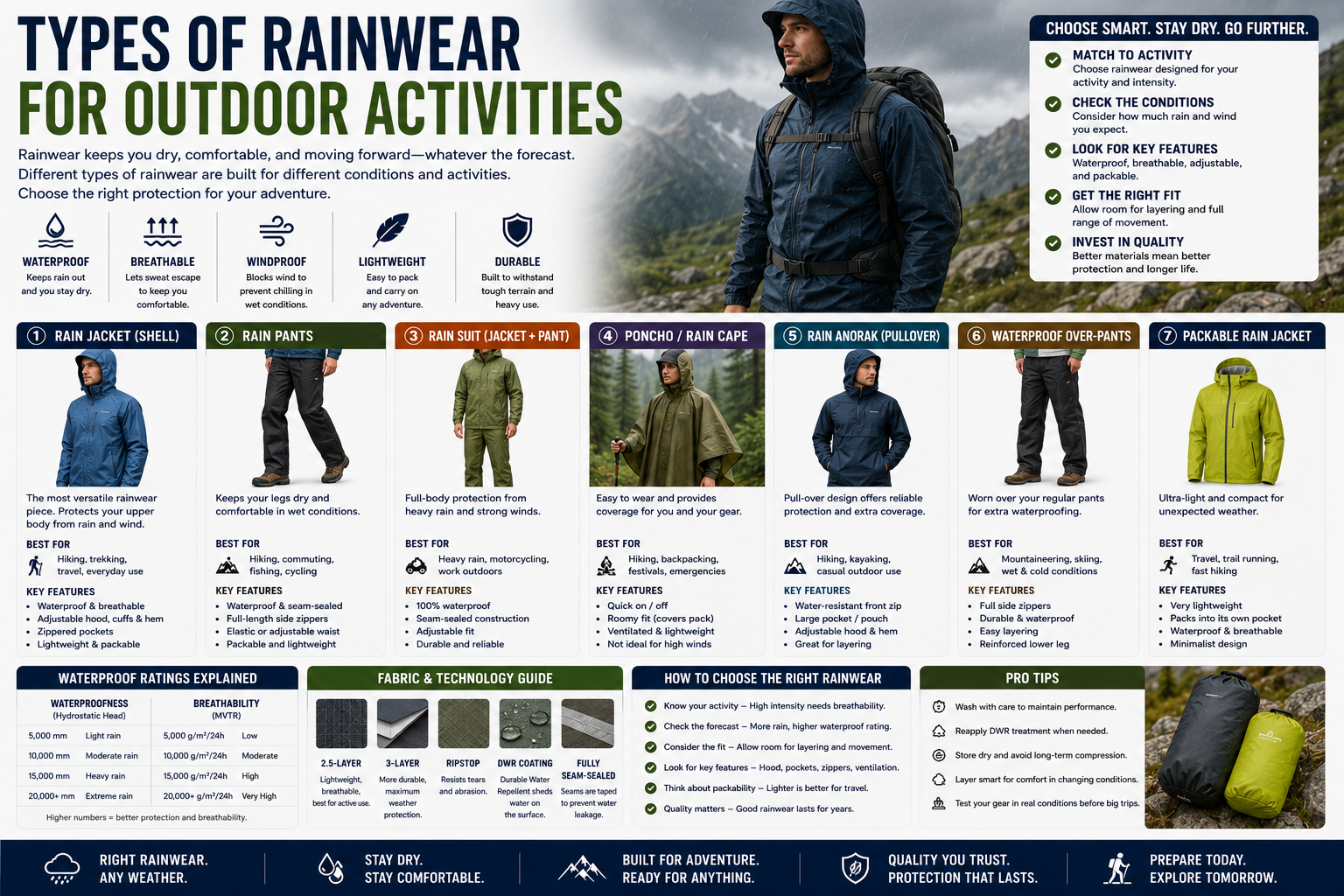
Winter weather becomes far more uncomfortable when cold winds start blowing.Even moderate temperatures can feel unbearable once wind enters the picture.This happens because moving air strips warmth from the skin rapidly.As a result, the body struggles to maintain its natural heat balance.Many people believe thick winter coats are enough for protection.However, thickness alone fails when cold air passes through fabric layers.This is exactly where a Cold Wind Blocking Winter Coat makes a difference.It focuses on stopping air movement before it reaches your body.By blocking wind, the coat reduces heat loss significantly.Therefore, you feel warmer even in harsh outdoor conditions.Unlike standard jackets, these coats work with science, not against it.Within the first few minutes outdoors, the difference becomes obvious.
History of Cold Wind Blocking Winter Coats
Humans have always searched for ways to block cold winds.Early civilizations relied on animal hides and layered furs.These natural materials trapped warmth while stopping airflow.Indigenous Arctic communities perfected this method centuries ago.Their clothing designs focused on sealing the body completely.Wind protection was always the first priority.As time progressed, textile technology evolved significantly.During the industrial era, woven wool coats became popular.They offered moderate wind resistance but lacked full protection.The real breakthrough came during military research in the 20th century.Scientists developed windproof fabrics for soldiers in extreme climates.These innovations later entered civilian outerwear.Outdoor brands adopted wind-blocking technology for explorers and climbers.Eventually, urban consumers recognized its everyday benefits.

What Is a Cold Wind Blocking Winter Coat?
A Cold Wind Blocking Winter Coat is designed to stop airflow completely.Its primary function is to prevent cold wind from reaching your skin.Unlike ordinary jackets, it uses specialized outer shell fabrics.These fabrics create a barrier against moving air.As a result, internal warmth stays trapped inside the coat.This design dramatically improves thermal efficiency.Standard winter jackets often focus only on insulation thickness.However, insulation becomes useless if wind penetrates the shell.Cold wind blocking winter coats solve this flaw at the source.They combine windproof materials with effective insulation.This combination works in both urban and outdoor environments.Therefore, these coats perform consistently across different winter conditions.People wear these coats during commuting, travel, and snowstorms.They also work well during long outdoor exposure
Types of Cold Wind Blocking Winter Coats
Cold wind blocking winter coats come in several styles, each designed to handle specific winter conditions and lifestyles. Although all of them focus on stopping freezing winds, their structure, length, and insulation levels vary. Understanding these types helps you select a coat that matches your environment, activity level, and comfort needs.
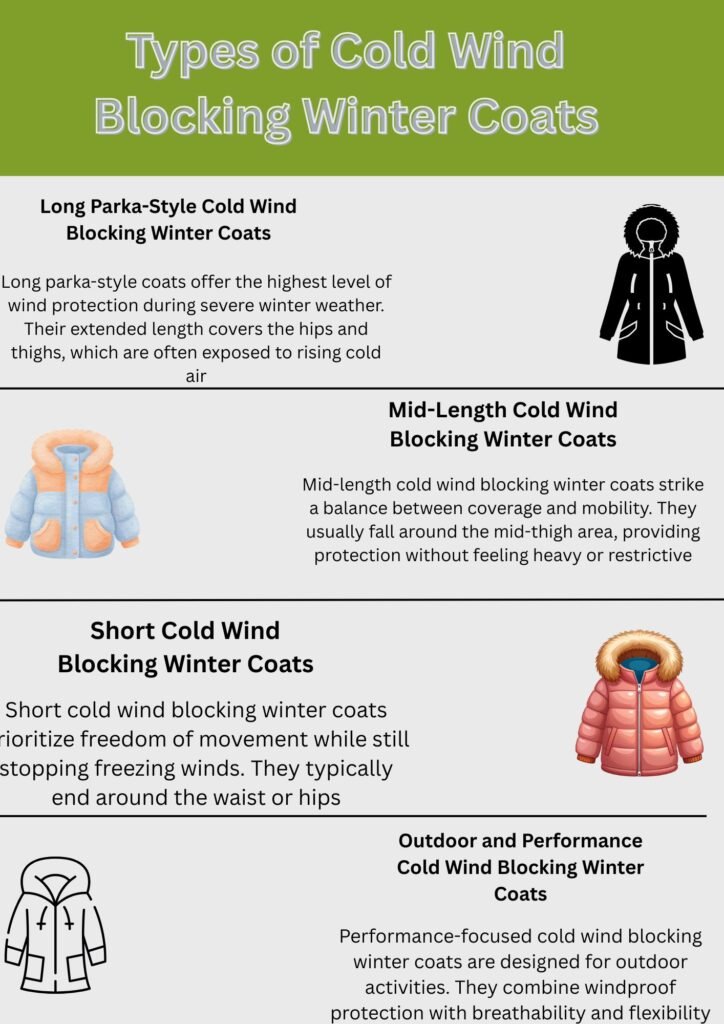
Long Parka-Style Cold Wind Blocking Winter Coats
Long parka-style coats offer the highest level of wind protection during severe winter weather. Their extended length covers the hips and thighs, which are often exposed to rising cold air. Because wind tends to travel upward from the ground, this added coverage significantly reduces heat loss. These coats usually feature strong windproof outer shells combined with thick insulation, making them ideal for regions with extreme cold and constant wind.
Mid-Length Cold Wind Blocking Winter Coats
Mid-length cold wind blocking winter coats strike a balance between coverage and mobility. They usually fall around the mid-thigh area, providing protection without feeling heavy or restrictive. These coats work well in urban environments where wind exposure is frequent but movement is constant. Because they block wind effectively while allowing flexibility, they suit commuting and everyday activities.
Short Cold Wind Blocking Winter Coats
Short cold wind blocking winter coats prioritize freedom of movement while still stopping freezing winds. They typically end around the waist or hips. Although shorter in length, they rely on high-performance windproof shells to maintain warmth. These coats work best in milder winter climates or for short outdoor exposure.
Outdoor and Performance Cold Wind Blocking Winter Coats
Performance-focused cold wind blocking winter coats are designed for outdoor activities. They combine windproof protection with breathability and flexibility. These coats allow moisture to escape during physical movement while preventing cold wind from entering. As a result, they maintain comfort during hiking, winter sports, or long outdoor tasks.
How Cold Wind Affects Body Heat and Wind Chill
Wind chill describes how cold air feels colder due to wind.When wind blows, it removes the warm air surrounding your body.This process increases heat loss through convection.As wind speed rises, heat loss accelerates rapidly.Therefore, the body loses warmth faster than expected.Even mild temperatures can feel freezing under windy conditions.Without wind protection, your body works harder to stay warm.Energy consumption increases, leading to faster fatigue.Prolonged exposure may cause numbness or discomfort.In extreme cases, it increases health risks.Windproof outer layers stop this heat loss effectively.They preserve the insulating air layer around the body.A cold wind blocking winter coat prevents wind from entering fabric layers.
Key Features That Make a Winter Coat Wind Blocking
A winter coat becomes truly effective against harsh winds when its design focuses on stopping airflow rather than just adding thickness. Wind blocking depends on a combination of fabric technology, construction quality, and smart design choices. Each feature plays a specific role, and together they create a protective barrier that keeps cold air out while preserving body heat inside.
Windproof Outer Shell Materials
The outer shell is the first and most important defense against cold wind. Wind blocking winter coats use tightly woven or membrane-based fabrics that prevent air from passing through. Materials like advanced nylon, high-density polyester, and technical membranes are engineered to stop wind penetration at the surface level. Because the air cannot move through the fabric, the chilling effect of wind is reduced immediately. This allows the warmth generated by your body to remain stable, even during strong gusts or open exposure.
In addition, many outer shells feel smooth and compact, which further reduces air friction. This structure ensures that cold wind slides over the coat instead of pushing through it. As a result, the coat performs well in both urban wind tunnels and open outdoor environments.
Durable Water Repellent Coating for Wind Support
Although wind blocking and waterproofing are different functions, a durable water repellent coating strengthens wind resistance. This coating prevents snow and light moisture from soaking into the fabric. When fabric stays dry, it maintains its windproof structure more effectively. Wet fabric tends to collapse and allow airflow, which reduces insulation performance.
By keeping the outer shell dry, the coat preserves its ability to block wind consistently. This feature becomes especially important in snowy or damp winter conditions where wind and moisture work together to increase cold exposure.
Insulation That Works with Wind Protection
Insulation alone does not stop wind, but it works best when wind is blocked first. In a wind blocking winter coat, insulation stays protected behind a sealed outer shell. This allows materials like down or synthetic fibers to trap warm air properly. When wind cannot disturb the insulation layer, heat retention improves significantly.
Synthetic insulation performs particularly well in windy and wet climates because it maintains loft even when exposed to moisture. Down insulation also benefits greatly from wind blocking shells, as airflow is one of the main reasons down loses warmth efficiency in harsh conditions.
Sealed Construction and Stitching
Even the best fabric fails if wind enters through weak points. That is why sealed construction is a defining feature of wind blocking winter coats. Taped or sealed seams prevent air leakage through stitching lines. Without this protection, cold wind finds its way inside through tiny gaps.
Zippers also receive special attention in wind blocking designs. Storm flaps and internal guards cover zipper tracks to stop drafts from reaching the body. These details may seem small, but they dramatically improve overall warmth during prolonged outdoor exposure.
Windproof Versus Wind Resistant Winter Coats
Many people assume that windproof and wind resistant winter coats offer the same level of protection. However, this assumption often leads to disappointment during harsh winter weather. Although both types of coats aim to reduce the impact of cold wind, their performance differs greatly. Understanding this difference helps you choose the right outerwear for your climate and lifestyle.
Windproof winter coats are designed to block cold air completely. Their fabrics prevent wind from passing through the outer shell. As a result, the warm air trapped inside the coat remains stable. This feature becomes especially important during strong winds, open exposure, or long outdoor stays. When wind cannot enter the coat, your insulation works efficiently and consistently.In contrast, wind resistant winter coats only slow down airflow. They reduce wind penetration but do not stop it fully. These coats rely on tightly woven fabrics rather than specialized wind-blocking membranes. While they feel comfortable in mild winter conditions, they struggle during strong gusts. Over time, cold air seeps through the fabric and lowers body temperature.
How to Choose the Right Cold Wind Blocking Winter Coat
Choosing the right cold wind blocking winter coat requires more than picking a thick jacket. Wind protection, fit, and usability all work together to determine how warm you feel outdoors. When you understand what truly matters, you can select a coat that performs well in real winter conditions and stays comfortable throughout the season.
Choosing the Correct Fit for Wind Protection
Fit plays a critical role in how well a cold wind blocking winter coat performs. A coat that fits too loosely allows cold air to circulate inside. This airflow reduces the effectiveness of insulation and increases heat loss. On the other hand, a coat that fits too tightly restricts movement and limits layering.
Selecting the Right Length for Maximum Wind Coverage
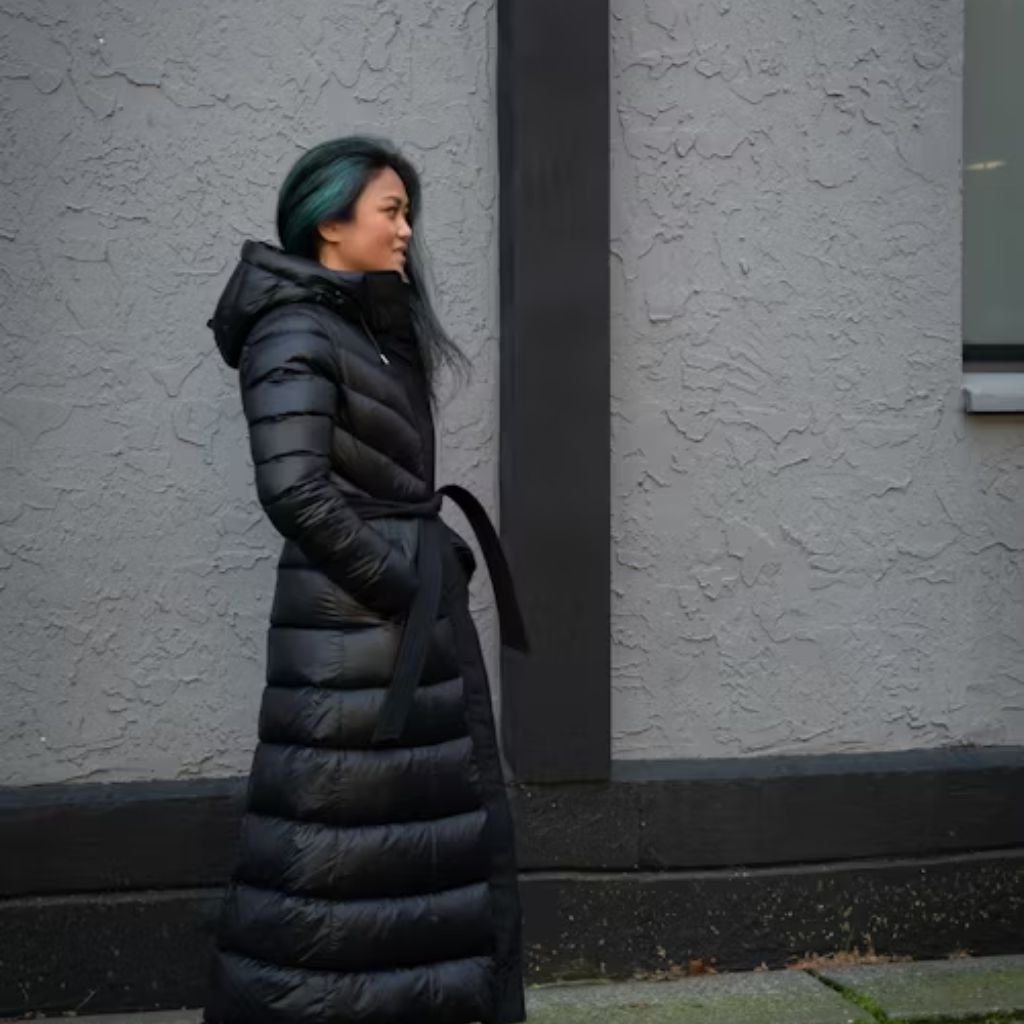
Length directly affects how much of your body stays protected from wind. Longer coats provide better coverage by blocking wind from the lower body. This is especially important in windy regions where cold air rises from the ground. Mid-length coats offer a balance between warmth and mobility, making them suitable for daily wear.
Evaluating the Outer Shell Fabric
The outer shell determines how well the coat blocks wind. High-quality cold wind blocking winter coats use tightly woven or membrane-based fabrics. These materials prevent airflow from passing through the coat. When the shell stops wind, insulation remains stable and effective.
Understanding Insulation and Layering Compatibility
Insulation works best when wind stays outside the coat. Down insulation offers excellent warmth in dry conditions, while synthetic insulation performs better in wet and windy environments. However, insulation alone does not guarantee warmth. It must work alongside a windproof shell.
Are Cold Wind Blocking Winter Coats Waterproof?
Windproof and waterproof features serve different purposes.Windproof fabrics block air movement.Waterproof fabrics block liquid penetration.Some coats combine both technologies.This combination benefits snowy and rainy climates.However, breathability must remain balanced.Not all windproof coats are fully waterproof.Many resist light moisture only.Heavy rain requires waterproof membranes.Snowy regions benefit from dual protection.Dry cold climates prioritize wind blocking.Understanding weather patterns helps selection.Modern fabrics often integrate both functions.They block wind while shedding moisture.These advanced materials improve versatility.However, they usually cost more.
Performance justifies the investment.Comfort remains consistent across conditions.
Cold Wind Blocking Winter Coats for Men, Women, and Kids
Men’s cold wind blocking winter coats emphasize durability.They often feature broader shoulders and longer cuts.Women’s designs focus on tailored insulation placement.These designs improve warmth without bulk.Kids’ coats prioritize flexibility and lightweight comfort.All designs share the same windproof principles.Children benefit greatly from wind protection.They lose heat faster than adults.Wind-blocking coats reduce exposure during play.Parents prefer these coats for safety.Comfort encourages outdoor activity.Winter becomes more enjoyable for families.Sizing accuracy remains essential across all categories.Proper fit ensures full wind protection.Adjustable features accommodate growth in kids.Family winter wear trends now emphasize function.Matching sets gain popularity.Protection remains the shared goal.
Sustainable and Eco-Friendly Cold Wind Blocking Winter Coats
Sustainability influences modern winter outerwear.Many brands now use recycled fabrics.Recycled polyester reduces environmental waste.PFC-free coatings replace harmful chemicals.These changes protect ecosystems.Consumers increasingly value ethical production.Insulation alternatives also support sustainability.Recycled synthetic fibers perform efficiently.Responsibly sourced down reduces animal harm.Eco-friendly options no longer sacrifice performance.Wind protection remains uncompromised.Sustainability meets functionality.Demand for ethical winter coats continues to rise.Consumers seek long-lasting products.Durability reduces frequent replacements.This approach benefits both users and the planet.Wind-blocking coats align well with this mindset.Responsible choices shape future fashion.
Common Mistakes to Avoid When Buying a Wind Blocking Coat
Many buyers overlook breathability.Poor ventilation causes sweating and discomfort. Others prioritize style over protection.Fashion-focused coats often lack proper sealing.Incorrect sizing reduces thermal efficiency. These mistakes lead to dissatisfaction. Marketing claims often confuse consumers.Terms like wind resistant sound impressive. However, they may lack real protection.Always check fabric specifications carefully.Test mobility and comfort.Informed decisions prevent regret.Ignoring climate conditions also causes problems.A coat suited for mild winters fails elsewhere.Regional weather should guide selection.Proper research saves money.Performance matters more than appearance.Winter demands preparation. Read more about:Pioneer Topcoat
How to Care for a Cold Wind Blocking Winter Coat
Proper care plays a major role in preserving the performance of a cold wind blocking winter coat. Even the most advanced materials lose effectiveness if they are not maintained correctly. When you follow the right care routine, the coat continues to block freezing winds and provide reliable warmth season after season.
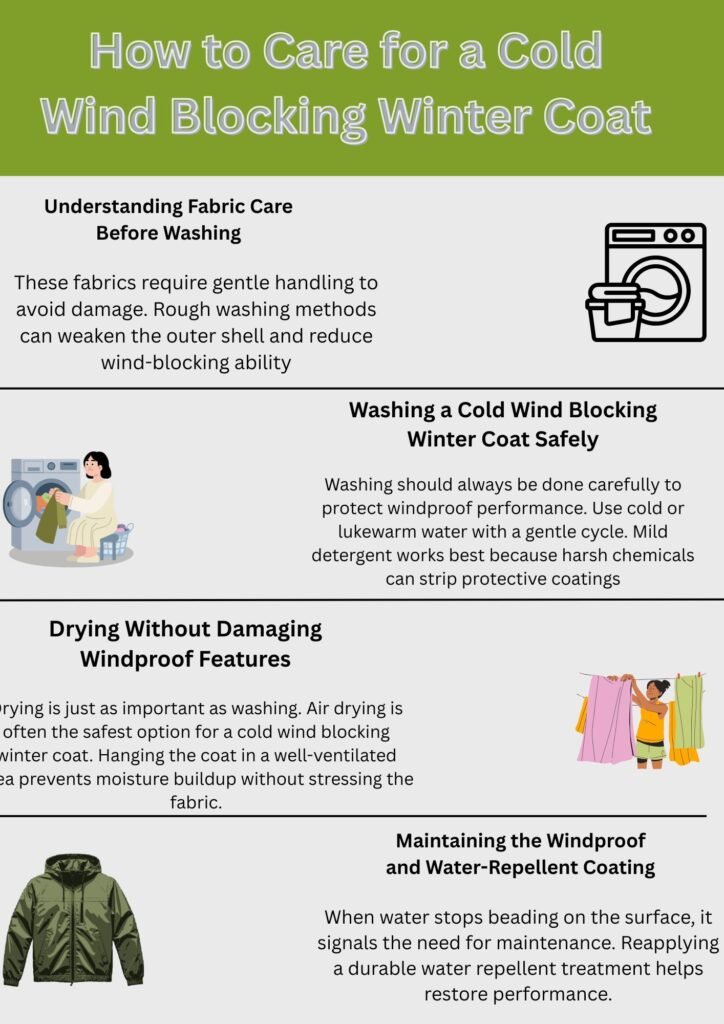
Understanding Fabric Care Before Washing
Before washing your cold wind blocking winter coat, it is important to understand the fabric structure. Windproof shells often use tightly woven materials or special membranes. These fabrics require gentle handling to avoid damage. Rough washing methods can weaken the outer shell and reduce wind-blocking ability.
Washing a Cold Wind Blocking Winter Coat Safely
Washing should always be done carefully to protect windproof performance. Use cold or lukewarm water with a gentle cycle. Mild detergent works best because harsh chemicals can strip protective coatings. Avoid fabric softeners because they clog fabric pores and reduce breathability.
Drying Without Damaging Windproof Features
Drying is just as important as washing. Air drying is often the safest option for a cold wind blocking winter coat. Hanging the coat in a well-ventilated area prevents moisture buildup without stressing the fabric. If machine drying is allowed, use low heat only.
Maintaining the Windproof and Water-Repellent Coating
Over time, the outer coating of a wind blocking winter coat may lose effectiveness. When water stops beading on the surface, it signals the need for maintenance. Reapplying a durable water repellent treatment helps restore performance.
Conclusion
A cold wind blocking winter coat is more than just a seasonal clothing item. It is a practical solution designed to protect the body from one of winter’s most uncomfortable elements. Cold wind increases heat loss, intensifies chill, and makes even mild temperatures feel harsh. When wind is properly blocked, warmth becomes easier to maintain and outdoor comfort improves immediately.
FAQs
Do cold wind blocking winter coats really keep you warmer?
Yes, cold wind blocking winter coats keep you noticeably warmer because they stop moving air from reaching your body. When wind cannot pass through the fabric, heat loss slows down significantly. As a result, your body maintains a stable temperature even in harsh winter conditions.
Is a cold wind blocking winter coat enough for extreme cold weather?
A cold wind blocking winter coat provides essential protection, but insulation level also matters in extreme cold. When strong wind protection combines with proper insulation, the coat performs very well. In extremely low temperatures, layering underneath further improves warmth and comfort.
Can cold wind blocking winter coats remain breathable?
Yes, modern cold wind blocking winter coats are designed to balance wind protection and breathability. Advanced fabrics allow moisture to escape while stopping cold air from entering. This balance keeps you dry and comfortable during daily movement or outdoor activities.