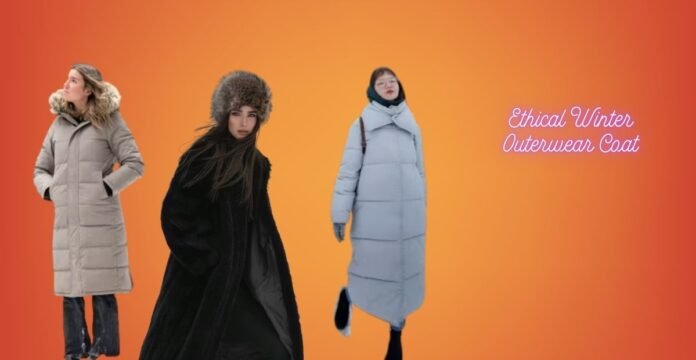
An Ethical Winter Outerwear Coat represents a powerful shift in how people approach winter fashion. Instead of choosing warmth at any cost, buyers now seek responsibility, transparency, and sustainability. This change reflects growing awareness about environmental damage and labor exploitation within the fashion industry.
Winter outerwear traditionally relies on heavy materials, chemical treatments, and animal-based insulation. Because of this, winter coats often carry a larger environmental footprint than other garments. Therefore, ethical alternatives have become increasingly important.
Ethical winter outerwear focuses on warmth without harm. It combines comfort, durability, and design while respecting people, animals, and the planet. As climate concerns rise globally, consumers now recognize that fashion choices directly affect environmental health.
History of Ethical Winter Outerwear Coats
The history of the Ethical Winter Outerwear Coat reflects a broader shift in the fashion industry toward responsibility and awareness. While winter coats have existed for centuries, ethical considerations entered the picture much later. Over time, social movements, environmental concerns, and technological advances shaped the evolution of ethical winter outerwear. This journey highlights how warmth and ethics gradually came together.

What Is an Ethical Winter Outerwear Coat
An Ethical Winter Outerwear Coat is designed and produced using responsible practices at every stage. From material sourcing to final stitching, ethical values guide each decision. These coats prioritize sustainability, fair labor, animal welfare, and environmental protection.
Unlike conventional coats, ethical winter outerwear avoids shortcuts that damage ecosystems or exploit workers. Instead, brands focus on long-term quality and reduced environmental impact. This approach ensures that the coat remains wearable for many winters.
Additionally, ethical coats often include transparent information about materials and manufacturing locations. This openness helps buyers trust the brand and make informed choices. Ultimately, ethical winter outerwear reflects a balance between warmth, integrity, and conscious living.
Why Ethical Fashion Matters in Winter Wear
Winter clothing demands thick insulation and protective layers. Consequently, it uses more resources than lighter garments. When produced irresponsibly, winter outerwear contributes significantly to pollution and waste. Therefore, ethical practices become even more essential in winter fashion.
Ethical winter outerwear reduces reliance on harmful chemicals and non-renewable materials. It also limits waste through durable construction. Moreover, ethical production supports workers who often face unsafe conditions in fast fashion factories.
As consumers spend more time outdoors during winter, they also value breathable, skin-friendly materials. Ethical winter coats often use safer fabrics that reduce irritation and allergies. Thus, ethical fashion enhances comfort while protecting health.
Because winter coats remain wardrobe staples for years, choosing ethical options creates lasting positive impact.
What Makes a Winter Coat Ethical
An ethical winter coat follows clear principles that protect both people and the environment. These principles shape how materials are sourced, processed, and assembled.
Ethical sourcing plays a central role in sustainable outerwear. Brands select materials that minimize harm to ecosystems. Ethical brands ensure workers receive proper pay and work in secure environments. This respect builds stronger communities and supports long-term industry change.
Transparency further separates ethical coats from conventional options. Ethical brands openly share details about factories, suppliers, and certifications. As a result, buyers gain confidence in their purchasing decisions.
Low-impact production methods complete the ethical process. These methods reduce water use, energy consumption, and chemical discharge. Therefore, ethical winter outerwear coats leave a much smaller environmental footprint.
Types of Ethical Winter Outerwear Coats
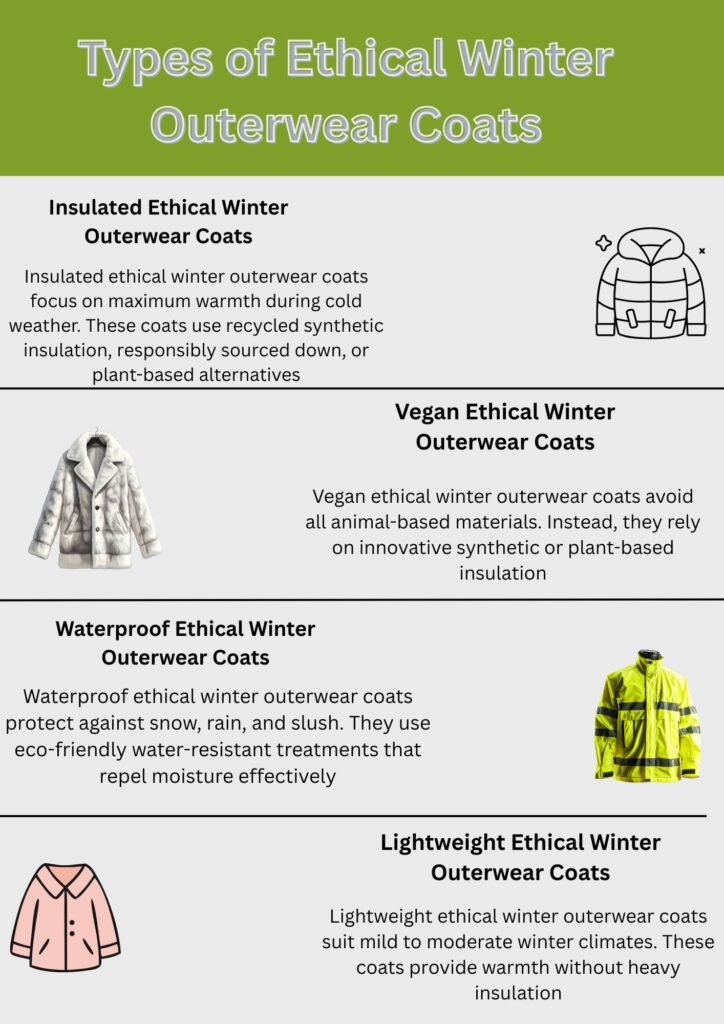
An Ethical Winter Outerwear Coat comes in many styles to suit different climates, lifestyles, and fashion needs. Ethical brands now design coats that balance sustainability, comfort, and performance across various winter conditions. Understanding the different types helps buyers choose the most suitable ethical option while maintaining environmental responsibility.
Insulated Ethical Winter Outerwear Coats
Insulated ethical winter outerwear coats focus on maximum warmth during cold weather. These coats use recycled synthetic insulation, responsibly sourced down, or plant-based alternatives. The insulation traps body heat efficiently while remaining lightweight.
Because of their design, insulated ethical coats work well in freezing temperatures. They provide reliable warmth without excessive bulk. As a result, they remain comfortable for daily wear and outdoor activities.
Vegan Ethical Winter Outerwear Coats
Vegan ethical winter outerwear coats avoid all animal-based materials. Instead, they rely on innovative synthetic or plant-based insulation. These materials offer strong thermal performance while supporting cruelty-free values.
A vegan Ethical Winter Outerwear Coat appeals to consumers who prioritize animal welfare. Additionally, vegan insulation often performs better in wet conditions. This makes these coats practical and ethical at the same time.
Waterproof Ethical Winter Outerwear Coats
Waterproof ethical winter outerwear coats protect against snow, rain, and slush. They use eco-friendly water-resistant treatments that repel moisture effectively. These coatings avoid harmful chemicals and preserve environmental safety.
Because moisture reduces insulation efficiency, waterproof ethical coats help maintain warmth. They suit regions with heavy snowfall or frequent winter rain. Therefore, they offer dependable protection in harsh weather.
Lightweight Ethical Winter Outerwear Coats
Lightweight ethical winter outerwear coats suit mild to moderate winter climates. These coats provide warmth without heavy insulation. They allow freedom of movement and comfortable layering.
A lightweight Ethical Winter Outerwear Coat works well for daily errands, travel, and urban wear. Its versatility makes it a popular choice for transitional winter conditions.
Ethical Winter Outerwear Coat vs Conventional Winter Coats
The difference between an Ethical Winter Outerwear Coat and a conventional winter coat goes far beyond appearance. While both aim to provide warmth, their impact on the environment, workers, and long-term value varies greatly. Understanding these differences helps buyers make smarter and more responsible winterwear choices.
Environmental Impact Comparison
An Ethical Winter Outerwear Coat focuses on reducing environmental harm from the start. Brands use recycled, organic, or renewable materials that lower carbon emissions and waste. Production processes also consume less water and energy, which protects natural resources.
Labor Practices and Worker Welfare
Ethical winter outerwear brands prioritize fair wages and safe working conditions. They partner with factories that respect labor rights and provide transparent working environments. This approach creates stable employment and improves worker well-being.
Durability and Long-Term Wear Value
An Ethical Winter Outerwear Coat is designed to last for many winters. High-quality stitching, durable fabrics, and thoughtful construction increase lifespan. Because of this, ethical coats reduce the need for frequent replacement.
Conventional winter coats often prioritize fast production over durability. Materials may weaken quickly, leading to wear and tear after limited use. Over time, this cycle creates more waste and higher overall costs.
Price Difference and Sustainability Value
Ethical winter outerwear usually costs more at the time of purchase. However, this price reflects responsible materials, fair labor, and long-lasting quality. When measured through cost-per-wear, ethical coats often prove more economical.
Sustainable Materials Used in Ethical Winter Outerwear Coats
Material choice defines both performance and ethics in winter outerwear. Ethical brands carefully select fabrics that balance warmth and sustainability.
Organic cotton provides breathable comfort without chemical exposure. It protects soil health and farmer safety. Recycled polyester transforms plastic waste into functional insulation, reducing landfill pollution.
Recycled wool offers natural warmth while extending the life of existing fibers. Responsibly sourced down follows strict animal welfare standards, ensuring humane treatment.
Plant-based insulation alternatives have also gained popularity. Materials like kapok and recycled cellulose deliver impressive warmth while remaining vegan-friendly. These innovations reduce dependence on animal products.
Low-impact dyes and eco-friendly finishes complete the material process. These treatments consume less water and avoid toxic runoff. Consequently, ethical winter outerwear protects both the wearer and surrounding ecosystems.
Cruelty-Free and Vegan Ethical Winter Outerwear
Cruelty-free and vegan winter fashion has become a major part of the ethical clothing movement. A cruelty-free Ethical Winter Outerwear Coat avoids harm to animals while still providing reliable warmth and comfort. As awareness grows, more consumers now seek winter coats that align with compassionate values. This shift proves that ethical responsibility and winter performance can exist together without compromise.
What Makes an Ethical Winter Outerwear Coat Cruelty-Free
A cruelty-free Ethical Winter Outerwear Coat eliminates the use of animal fur, leather, and feathers obtained through harmful practices. Brands ensure that no animals suffer during material sourcing or production. Instead of traditional animal-based components, manufacturers choose advanced alternatives that meet strict ethical standards. Because of this approach, cruelty-free winter outerwear supports animal welfare while maintaining high performance.
Vegan Alternatives to Fur and Animal Down
Vegan ethical winter outerwear replaces fur and animal down with innovative synthetic or plant-based insulation. These materials trap heat effectively and perform well in cold and damp conditions. Many vegan insulations also resist moisture better than traditional down. As a result, a vegan Ethical Winter Outerwear Coat often offers practical advantages alongside ethical benefits.
Benefits of Choosing Vegan Ethical Winter Outerwear
Choosing vegan ethical winter outerwear supports a lifestyle based on compassion and sustainability. These coats often feel lighter and dry faster, which improves everyday comfort. Additionally, vegan materials reduce the risk of allergies and skin irritation. Because vegan outerwear avoids animal products completely, it offers peace of mind for conscious consumers seeking ethical winter warmth.
Warmth and Performance Without Compromise
One common concern about ethical fashion is whether it can truly handle harsh winter conditions. However, a modern Ethical Winter Outerwear Coat proves that sustainability does not weaken performance. Through innovation and careful design, ethical outerwear now delivers dependable warmth, weather protection, and everyday comfort. As technology improves, ethical coats continue matching and even exceeding the standards of conventional winter wear.
Insulation Performance in an Ethical Winter Outerwear Coat
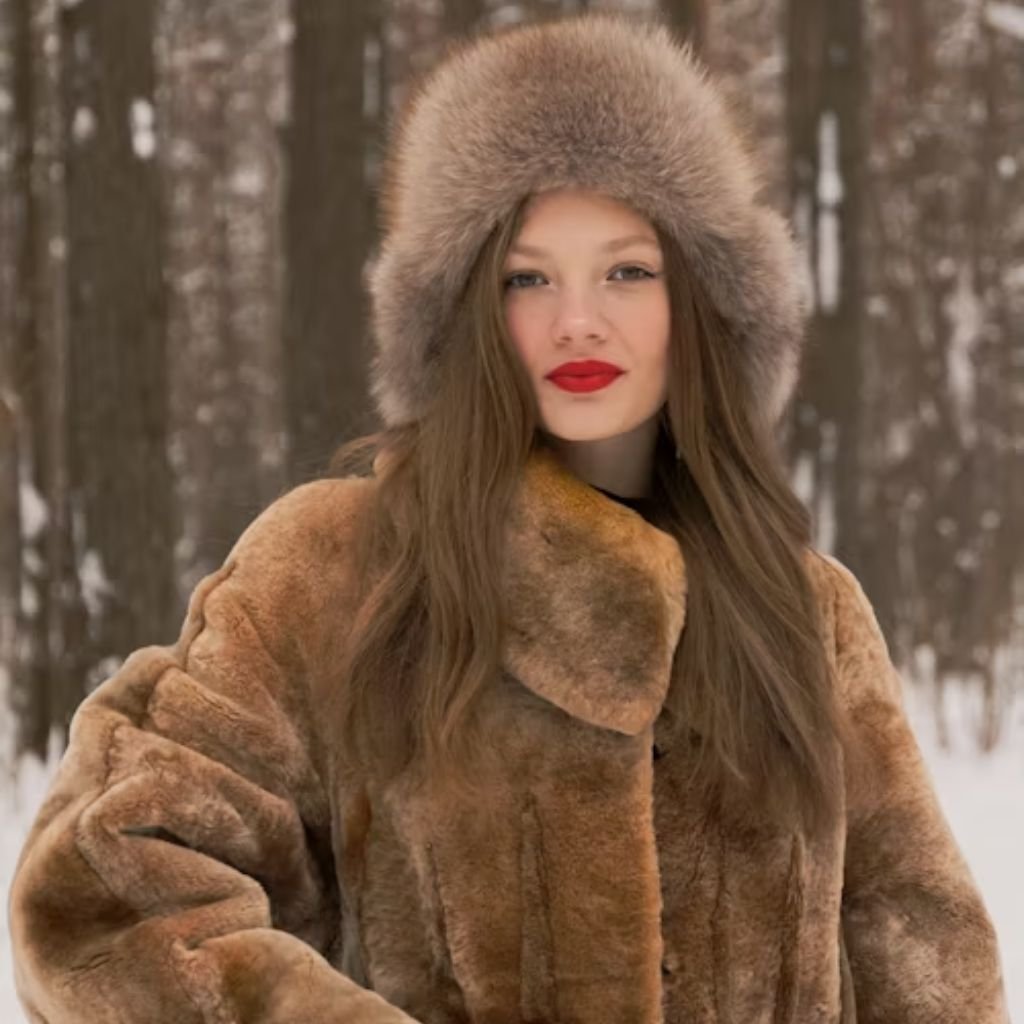
An Ethical Winter Outerwear Coat uses advanced insulation that traps body heat efficiently. Recycled synthetic fibers and plant-based insulation create small air pockets that retain warmth. These materials maintain consistent thermal performance even during long exposure to cold.
Unlike traditional insulation, ethical alternatives perform well in damp conditions. They continue insulating even when exposed to snow or light rain. Because of this reliability, ethical winter coats provide steady warmth throughout changing winter weather.
Windproof Protection for Cold and Harsh Conditions
Cold wind often reduces body heat faster than low temperatures. Ethical winter outerwear addresses this challenge through tightly woven outer shells. These shells block wind while remaining breathable.
A high-quality Ethical Winter Outerwear Coat prevents cold air from penetrating inner layers. As a result, the body stays warm without overheating. This balance improves comfort during outdoor activities and daily commuting.
Water-Resistant Performance Without Harmful Chemicals
Many ethical winter coats feature water-resistant finishes that repel snow and rain. Instead of toxic chemical coatings, brands use safer alternatives. These finishes protect against moisture while preserving environmental health.
Because moisture reduces insulation efficiency, water resistance becomes essential. Ethical winter outerwear maintains warmth even during wet winter days. This feature ensures performance without environmental compromise.
Ethical Winter Outerwear for Different Weather Conditions
Ethical winter coats adapt to various climates and seasonal needs. For extreme cold, heavier coats feature thicker insulation and extended coverage. These designs retain heat effectively during freezing temperatures.
In milder winters, lightweight ethical coats offer flexibility. They provide warmth without bulk, making them ideal for daily wear.
Waterproof ethical coats suit wet and snowy environments. They protect against moisture while remaining breathable. As a result, ethical winter outerwear meets diverse weather demands effortlessly.
Style and Design in Ethical Winter Outerwear Coats
Ethical fashion has evolved beyond basic designs. Today’s ethical winter outerwear coats reflect modern aesthetics and timeless appeal.
Designers focus on clean lines, balanced proportions, and versatile silhouettes. These elements ensure coats remain stylish for multiple seasons.
Ethical coats suit both casual and formal settings. Tailored designs complement professional attire, while relaxed styles work for everyday wear.
Color trends often reflect nature, with earth tones leading collections. However, vibrant colors now appear through sustainable dye methods, adding variety without harm.
How to Choose the Right Ethical Winter Outerwear Coat
Selecting the right ethical winter coat requires thoughtful evaluation. Proper fit ensures warmth and comfort. Therefore, allow enough room for layering underneath.
Climate plays a crucial role in selection. Cold regions require thicker insulation, while moderate climates benefit from lighter designs.
Material quality also matters. Always check insulation type, shell durability, and lining comfort.
Certifications provide valuable guidance. Labels such as GOTS, Fair Trade, and OEKO-TEX confirm ethical claims. These certifications help buyers avoid greenwashing.
Benefits of Investing in an Ethical Winter Outerwear Coat
Choosing an Ethical Winter Outerwear Coat offers multiple long-term advantages. It significantly reduces environmental impact by lowering waste and pollution.
Ethical coats also last longer due to superior craftsmanship. This durability reduces replacement frequency and saves money over time.
By supporting ethical brands, buyers promote fair labor practices and safer working conditions.
Additionally, ethical materials often feel gentler on the skin, improving overall comfort and health.
Care and Maintenance of Ethical Winter Outerwear
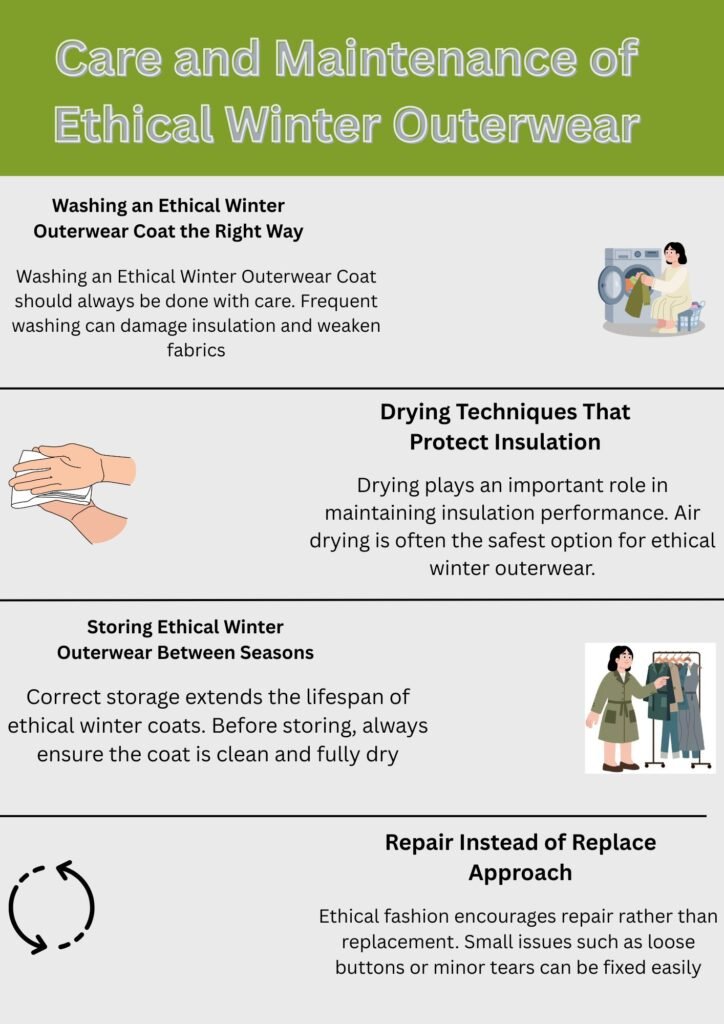
Proper care plays a vital role in preserving the quality and performance of an Ethical Winter Outerwear Coat. Because ethical coats use sustainable materials, they require thoughtful handling to maintain their structure and insulation. With the right maintenance habits, ethical winter outerwear can remain warm, stylish, and functional for many seasons. Moreover, good care reduces waste and supports long-term sustainability.
Washing an Ethical Winter Outerwear Coat the Right Way
Washing an Ethical Winter Outerwear Coat should always be done with care. Frequent washing can damage insulation and weaken fabrics. Therefore, it is best to wash the coat only when necessary. Cold water washing helps preserve fibers and prevents shrinkage.
Using mild, eco-friendly detergents protects both the fabric and the environment. These detergents avoid harsh chemicals that can break down sustainable materials. As a result, the coat retains its warmth and comfort for a longer time.
Drying Techniques That Protect Insulation
Drying plays an important role in maintaining insulation performance. Air drying is often the safest option for ethical winter outerwear. It prevents heat damage and fabric stress.
If machine drying becomes necessary, low heat settings work best. Gentle drying helps restore insulation loft without causing fiber damage. Proper drying ensures that the Ethical Winter Outerwear Coat continues to provide reliable warmth.
Storing Ethical Winter Outerwear Between Seasons
Correct storage extends the lifespan of ethical winter coats. Before storing, always ensure the coat is clean and fully dry. Moisture can cause fabric deterioration over time.
Breathable garment bags offer ideal storage conditions. They protect the coat from dust while allowing airflow. Hanging the Ethical Winter Outerwear Coat properly also helps maintain its shape and structure.
Repair Instead of Replace Approach
Ethical fashion encourages repair rather than replacement. Small issues such as loose buttons or minor tears can be fixed easily. Repairing extends the coat’s usability and reduces unnecessary waste.
Many ethical brands also offer repair services or spare parts. This support aligns with sustainability goals and strengthens long-term garment value. A well-maintained Ethical Winter Outerwear Coat can last for many winters.
Ethical Winter Outerwear Coat Trends for 2025
Ethical winter fashion continues evolving through innovation. Circular fashion leads future trends, with coats designed for recycling and reuse.
Minimalist designs gain popularity due to their timeless appeal. These styles support slow fashion principles effectively.
Traceable supply chains improve transparency through digital tracking systems. Consumers gain deeper insight into garment origins.
Local and small-batch manufacturing reduces emissions and supports regional economies. This trend strengthens ethical production globally.

Are Ethical Winter Outerwear Coats Worth the Price
Ethical winter outerwear coats often cost more initially. However, cost-per-wear analysis reveals strong value. Because ethical coats last longer, each wear becomes more affordable.
Fast fashion coats may seem cheaper but require frequent replacement. Over time, they cost more financially and environmentally.
For conscious consumers, ethical winter outerwear delivers unmatched value. It aligns with personal ethics while providing reliable winter protection.
Conclusion
An Ethical Winter Outerwear Coat represents a responsible approach to winter fashion. It delivers warmth, comfort, and style without sacrificing ethics.By choosing ethical outerwear, consumers reduce environmental damage and support fair labor practices.These coats also provide long-lasting quality, making them smart investments.As sustainability becomes essential, ethical winter outerwear leads positive change.Now is the perfect time to choose warmth that truly matters.
FAQs
Are Ethical Winter Outerwear Coats warm enough for cold climates
Yes, an Ethical Winter Outerwear Coat provides reliable warmth in cold weather. Modern ethical coats use advanced insulation made from recycled or plant-based materials. These materials trap heat effectively and perform well in low temperatures. As a result, ethical winter coats offer comfort without sacrificing performance.
Do Ethical Winter Outerwear Coats last longer than conventional coats
Ethical winter outerwear coats often last longer because brands focus on quality construction. Strong stitching and durable fabrics help maintain shape and insulation. Because of this focus, ethical coats resist wear and tear better over time. Long-lasting use also supports sustainable fashion goals.
Are Ethical Winter Outerwear Coats more expensive
An Ethical Winter Outerwear Coat usually costs more at first. However, the higher price reflects fair wages, safe production, and durable materials. Over time, fewer replacements reduce overall spending. Therefore, ethical winter outerwear offers better long-term value.