
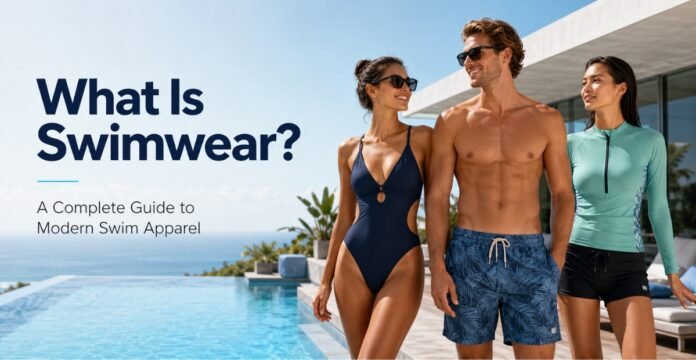
What is swimwear a special clothes designed to be worn while swimming or engaging in water activities. Swimwear is made to stay comfortable when wet and be designed to allow easy movement. While regular clothes are made from common fabrics like cotton and polyester, swimwear is made from stretchy, smooth, and quick drying fabrics. Many people think that swimwear is simply a swimsuit, however, modern swimwear is considered to be a variety of water safe clothing such as swim trunks, swim shorts, tankinis, rashguards, modest suits, skirted suits, and numerous other styles. Swimwear is any water safe clothing that is designed to perform well in water.
Why Swimwear Is Different from Normal Clothing
To distinguish swimwear from regular clothing, the first thought in mind is probably water. Everyday clothing soaks up water and gets heavy. Swimwear has been designed to avoid this. Most swimwear is created in a way that it is close enough to your body to prevent it from getting heavy by water, while still allowing complete motion of the arms and legs. The design of swimwear is made to be comfortable and is functional.
What Is Swimwear Used For?
What is swimwear used for in daily life? People wear it for pool swimming, beach trips, surfing, water parks, boating, sunbathing, and water-based exercise. Some styles are made for serious training, while others focus more on comfort, fashion, or body coverage. A swimmer may choose a close-fitting suit for speed, while a family visiting the beach may prefer a relaxed and practical design. The wide swimwear collection shows how many styles can fit different users. Therefore, what is swimwear depends partly on where and how the garment will be worn.
Main Types of Modern Swimwear
What is swimwear also determined by the variety available in the modern market? A common type of swimwear for women is a one-piece swimsuit, bikini, tankini, swim dress, skirted suit, and full-coverage swimwear. For men, swimwear may be swim briefs, swim trunks, board shorts, jammers, and thong swimwear. A common type of children’s swimwear comes in the form of secure one-piece swimsuits, shorts, swim rash guards, and coordinated matching swimwear sets. It is important to note that each of these swimwear types provides varying coverage, freedom, and support, and ensures safety in the water.
Swimwear for Coverage and Modesty
What is swimwear for people who want greater body coverage? It can include long-sleeve tops, full-length leggings, attached hoods, tunic-style tops, swim skirts, and layered pieces. Modern modest swimwear is designed to provide coverage without using heavy everyday fabrics. These garments can still stretch, dry quickly, and support movement in the water. Skirted swimwear is another option for people who want added hip and upper-leg coverage. This shows that what is swimwear is not limited to revealing designs. It can meet personal, cultural, comfort, and lifestyle needs.
How Tankinis and Two-Piece Styles Work
What is swimwear when it comes in separate pieces? Two-piece swimwear includes bikinis, tankinis, swim tops, shorts, briefs, and skirts that can be mixed together. A tankini swimwear set usually combines a longer top with separate bottoms. It gives more coverage than many bikinis while making changing and bathroom use easier than with some one-piece suits. What is swimwear should always include practical choices for different bodies and routines. Two-piece designs let wearers choose the support, coverage, color, and fit that feel best for them.
Common Fabrics Used in Swimwear
To answer “what is swimwear?” one must consider the fabric. About 70% of swimwear contains nylon, polyester, and elastane, or combinations thereof. Of the 3, elastane is the only stretchy fiber. Performance-wise, nylon and polyester can offer durability and an even finish. Polyester is often preferred during swim practice because some varieties are more chlorine-resistant than basic fashion materials. In general, a good swimwear fabric should withstand the elongation from stretch and should not become transparent when wet. The answer to “what is swimwear?” is deeply entwined with fabric performance because even the most beautiful swimwear design cannot be swimwear if the fabric performs poorly and becomes bulky, rough, and slow to dry.
Key Features of Good Swimwear
When asking what is swimwear worth buying, look for these useful features:
- The fabric should stretch without becoming loose.
- The garment should stay secure during movement.
- The seams should feel smooth against the skin.
- The lining should provide comfort and coverage.
- The material should dry faster than normal clothing.
- The fit should not pinch, roll, or slide.
- The straps and waistbands should stay in place.
- The design should match the planned activity.
These points make the meaning of what is swimwear easier to understand because quality depends on performance, not only appearance.
How Swimwear Should Fit
When it comes to close-fitting garments like swimwear, swimwear should fit close to the body. Though, swimwear should never fit in a way that is painful or that restricts natural movement. A suit that is too loose will shift, fill with water, and fall out of position. However, a suit that is too tight can dig into your skin and make swimming an unpleasant experience. A suit’s straps can and should remain flat and a suit’s legs and waist should not cut into your body. To the best of your capability, test a suit’s fit by bending, sitting, walking, and most importantly, moving your arms. Swimwear should fit and be able to perform its intended function.
Choosing Swimwear for Different Activities
Swimwear for a holiday and swimwear for a training session serve two very different purposes. Swimwear designed for training is usually designed with a more snug fit, more secure straps, and a more simplistic design to limit disruption of water movement. Beach swimwear typically is more freely designed and often more decorative. Swimwear designed for surfing is typically designed with a greater level of skin coverage, like board shorts, and includes rash guards. Swimwear designed for water aerobics should have a greater level of support and should facilitate easy movement.
Swimwear Care and Longer Garment Life
Swimwear care matters because chlorine, salt, and even the sun and rough surfaces from the pool can ruin the integrity of the fabric and elastic. Swimwear should be rinsed in cool, clean water post-use and should gently be washed with a mild detergent. Bleach and other harsh chemicals should be avoided. Wringing the garment can be detrimental to the fibers and should be avoided. Swimwear should be dried in the shade and away from direct heat and the sun. This care prolongs the suit’s color, shape, and stretch and all comes down to knowing how to care for swimwear.
Conclusion
Swimwear is meant for the act of swimming and other water-related activities, and is also meant for comfort around water. In modern times, swimwear refers to what is available to men, women, and children, ranging from training suits to swim shorts and tankinis to more modest or skirted swims. The best swims are the result of making decisions based on what will best support the activity planned. What is swimwear can be an easy question when swimwear is made to fit, to stretch, to dry, to support, and to allow movement while making the user feel confident and helping the user to remain comfortable both in and out of the water.
FAQs
What Is Swimwear Made From?
Swimwear is commonly made from polyester, nylon, elastane, or blended fabrics. These materials provide stretch, shape recovery, and faster drying than most everyday clothing.
Can Regular Clothes Be Used as Swimwear?
Regular clothes are not ideal because they may become heavy, lose their shape, dry slowly, or restrict movement. Proper swimwear is safer and more comfortable for most water activities.
How Tight Should Swimwear Be?
Swimwear should feel close and secure without causing pain or limiting movement. It should stay in place when you bend, walk, stretch, or swim.



