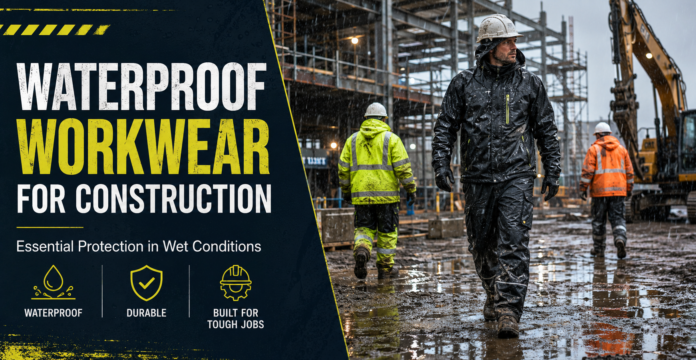
Rain can turn a normal construction site into a harder and more dangerous place to work. Ground becomes muddy, tools become slippery, concrete areas become slick, and workers can feel cold very quickly when water reaches their clothing. That is why waterproof workwear for construction is not just about staying dry. It is about keeping the body warm, keeping movement steady, and helping workers stay focused during long wet shifts. A worker who is soaked through may move slower, lose grip strength, or feel tired earlier in the day. Good waterproof clothing creates a strong outside barrier while still allowing the worker to bend, climb, carry, and use tools. The best choice depends on the weather, job role, worksite risk, and how many hours the worker spends outside. For builders, road crews, roofing teams, maintenance staff, and site supervisors, waterproof workwear for construction gives practical protection when wet conditions cannot be avoided.
Waterproof Workwear for Construction: What It Really Means
Waterproof workwear for construction means clothing made to block rain, splashes, and wet surface contact while still supporting real jobsite movement. It is different from simple rainwear because construction workers need stronger seams, tougher fabric, safer visibility, and space for layers underneath. A cheap rain jacket may keep water out for a short walk, but it may tear, trap sweat, or limit arm movement during heavy work. Proper waterproof workwear for construction should cover the body well, protect high-contact areas, and hold up against rubbing from tools, belts, ladders, and rough materials. Buyers can start by checking a focused waterproof workwear category because it keeps the selection closer to the real need instead of mixing normal clothing with protective jobsite clothing. The main goal is simple: workers should stay dry enough, comfortable enough, and safe enough to finish the job without clothing becoming another problem.
How Wet Weather Creates Real Construction Risks
Wet weather affects more than comfort. It can reduce balance, lower body temperature, and make simple tasks feel harder than they should. When clothes absorb water, they become heavier, and the extra weight can slow workers down. Cold rain can also make hands stiff, shoulders tight, and the back feel uncomfortable during bending or lifting. On construction sites, water can collect around scaffolding, trenches, unfinished floors, and temporary access routes. This increases the chance of slipping or stepping badly. Waterproof workwear for construction helps reduce these risks by keeping rain away from the body and helping workers maintain better focus. It also supports a cleaner workflow because workers do not need to stop again and again to dry clothing or change layers. Good protection cannot remove every risk from a wet site, but it gives workers a better chance to move with control, stay warmer, and keep their attention on the task.
Choosing a Waterproof Jacket for Construction Work
A waterproof jacket is usually the first item workers think about because the upper body faces direct rain first. A good jacket should protect the shoulders, chest, arms, and back without feeling like a plastic sheet. For construction, the jacket should have strong outer fabric, sealed or protected seams, a secure front closure, and a hood that can work with the job role. Some workers need a hood that fits over head protection, while others need a cleaner neck design for better movement. The cuffs should close well because water often enters through sleeves when workers lift their arms. Pockets are also important, but they should not collect water. When choosing waterproof workwear jackets, look for designs that balance rain protection with easy movement, because waterproof workwear for construction must allow reaching, lifting, carrying, and tool handling. The best jacket keeps rain out but does not make the worker feel trapped inside it.
Why Waterproof Pants Matter More Than Many Buyers Think
Many people buy a waterproof jacket first and forget the pants, but the lower body often faces mud, splash water, wet ground, and dripping rain from the jacket. Construction workers kneel, bend, climb, and walk through unfinished areas, so ordinary trousers can become wet very quickly. Once pants are wet, discomfort stays for hours because the fabric remains close to the legs. Waterproof workwear for construction should protect the lower body as well as the upper body, especially for road work, concrete work, roofing support, outdoor maintenance, landscaping, and loading tasks. Good waterproof pants should have enough room for movement, strong stitching, and a fit that works over base layers or regular work trousers. When selecting waterproof workwear pants, think about knee movement, boot coverage, waistband comfort, and whether the worker needs quick on-and-off access. Dry legs help workers walk better, bend easier, and stay warmer during wet shifts.
Visibility Is Also Part of Wet Weather Protection
Rain often comes with low light, grey skies, fog, moving vehicles, and busy site traffic. This makes visibility a key part of waterproof workwear for construction. A worker may be wearing a strong waterproof jacket, but if drivers, machine operators, and other workers cannot see them clearly, the protection is incomplete. Bright colors and reflective tape help the body stand out in poor light. This is especially important for road crews, delivery zones, outdoor loading areas, and construction sites near public roads. High visibility waterproof clothing supports both weather protection and visual safety in one garment. For best results, visibility should be planned across the full outfit, not just one item. Workers may need bright jackets, reflective strips, clean outer surfaces, and contrast panels so the body shape remains clear in rain. Waterproof workwear for construction works better when dry protection, reflective details, and safe color choices all support each other.
Fabric, Seams, and Breathability Explained Simply
The fabric decides how well waterproof clothing blocks rain, but seams decide whether water can sneak through the stitched areas. Even strong waterproof fabric can fail if the seams are weak, open, or badly finished. That is why waterproof workwear for construction should be judged by the full garment, not only by the fabric name. Breathability also matters because workers sweat during lifting, walking, carrying, and climbing. If the clothing blocks rain but traps too much body heat, the inside can become damp from sweat. Then the worker still feels wet, even though rain did not enter from outside. A balanced garment should reduce rain entry while allowing some heat and moisture to escape. This is very important during long shifts because comfort affects focus. Strong fabric, sealed seams, storm flaps, adjustable cuffs, and simple ventilation features can all help. The aim is not fancy clothing. The aim is dry, steady, and practical protection that works in real construction conditions.
Fit and Layering Make Waterproof Clothing Work Better
The right fit can make waterproof workwear for construction more useful and more comfortable. If the clothing is too tight, workers cannot stretch, reach, kneel, or climb properly. If it is too loose, extra fabric can catch on tools, flap in wind, or allow rain to enter. The best fit gives room for movement and enough space for layers in cold weather. Layering is important because waterproof clothing is usually the outside shell, not the full warmth system. A worker may wear a base layer to manage sweat, a middle layer for warmth, and a waterproof outer layer to block rain. This setup is easier to adjust during changing weather. For example, a worker may remove the middle layer when the job becomes more active but keep the waterproof layer on during rain. Good waterproof workwear for construction should support this kind of simple layering without feeling bulky. A practical fit helps workers stay dry, warm, and ready.
One-Paragraph Buying Checklist for Site Teams
Before buying waterproof workwear for construction, check these points as a full team checklist:
- The jacket should cover the lower back when the worker bends.
- The pants should allow kneeling, climbing, and walking without pulling.
- The seams should be sealed, taped, or protected against water entry.
- The cuffs, hem, hood, and waist should adjust enough to block rain.
- The fabric should feel strong enough for tools, ladders, and rough site contact.
- The outfit should support visibility when rain makes the site darker.
- The pockets should be useful but not shaped in a way that collects water.
- The clothing should leave room for base layers in cold weather.
- The garment should be easy to clean after mud, dust, and cement splash.
- The final choice should match the job role, not just the lowest price.
This checklist keeps the buying process simple and helps teams avoid clothing that looks good online but fails on the site.
Care and Maintenance for Longer Use
Waterproof clothing needs care because dirt, cement dust, oil, and repeated washing can reduce performance over time. Workers should clean waterproof workwear for construction according to the garment instructions instead of using harsh washing methods. Heavy scrubbing, strong bleach, and high heat can damage coatings, seams, reflective tape, or outer fabric. Mud should be removed before it dries too deeply into the fabric. Zippers, snaps, and hook-and-loop closures should be closed before washing to reduce damage. After cleaning, the garment should dry fully before storage because damp storage can create odor and weaken materials. Teams should also inspect jackets and pants regularly for torn seams, worn knees, broken closures, or damaged reflective areas. Small damage can become a bigger problem in heavy rain. Proper care saves money because the clothing lasts longer, but it also protects workers better. Waterproof workwear for construction performs best when it is cleaned, dried, stored, and checked with care.
Conclusion
The best choice is the clothing that matches the worker, the weather, and the jobsite risk. Waterproof workwear for construction is better than normal work clothing when rain, mud, splash water, and cold wet wind are part of the workday. A complete setup usually includes a waterproof jacket, waterproof pants, secure closures, strong seams, useful pockets, and visibility features when the site has traffic or low light. Comfort is also important because workers need to move freely, not fight against stiff clothing all day. A good outfit should keep rain out, reduce cold stress, and support normal construction movement. For light rain, a simple waterproof shell may be enough. For long wet shifts, full waterproof workwear for construction gives better protection and better value. In the end, dry workers can focus better, move safer, and finish the job with less discomfort.
FAQs
What is waterproof workwear for construction?
Waterproof workwear for construction is protective clothing made to help workers stay dry in rain, mud, splash water, and wet jobsite conditions. It usually includes jackets, pants, sealed seams, strong fabric, and sometimes reflective details for visibility.
Is waterproof workwear better than normal rainwear?
Yes, waterproof workwear is usually better for construction because it is designed for rougher use. Normal rainwear may keep rain out for a short time, but it may not handle tools, kneeling, ladders, heavy movement, or long shifts.
Do construction workers need both waterproof jackets and pants?
Yes, many workers need both because rain and mud affect the full body. A jacket protects the upper body, but waterproof pants protect the legs from mud, splash water, wet ground, and dripping rain.
How should waterproof construction clothing fit?
It should fit with enough room for movement and layers, but it should not be so loose that it catches on tools or flaps in wind. A good fit helps workers bend, climb, kneel, and carry materials safely.