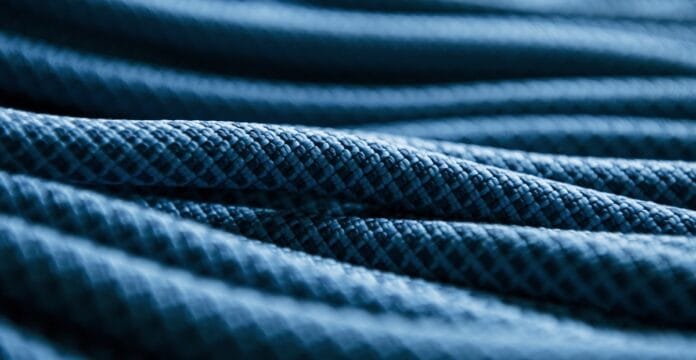
The textile industry considers polyester one of the most versatile synthetic fibers. While plain polyester is smooth and shiny, one can modify it to create different finishes. Textured Polyester is one of the most popular variations because of its unique appearance and performance; manufacturers widely use it in clothing, furnishings, and industrial products.
What is Textured Polyester?
Polyester yarn is treated to change the surface and structure of textured. This process usually involves heat, chemicals, or mechanical methods.
As a result, the yarns become crimped, curled, or twisted, giving them extra bulk and elasticity. Although the fiber is still polyester at its core, its look and feel are very different. Read More…
Key Features of Textured Polyester
Polyester fabrics offers qualities that plain polyester cannot. Some of its main features include:
- Soft Feel – Feels smoother and more natural on the skin.
- Elasticity – Offers stretch, making it ideal for sportswear.
- Breathability – Provides better airflow compared to flat polyester.
- Insulation – Traps heat, keeping garments warmer.
- Wrinkle Resistance – Retains shape with little ironing.
- Lightweight Strength – Strong yet easy to wear.
- Variety of Designs – Can mimic natural fibers like wool or silk.
How is Textured Polyester Made?
Some common methods include:
- False-twist texturing twists, heats, and then cools yarn.
- jet texturing Air – pressure creates loops and curls in air.
- Draw Texturing – Combines stretching and texturing in one step.
- Chemical Texturing – Special treatments give the yarn permanent crimp.
These techniques give polyester a more natural look and softer touch.
Uses of Textured Polyester
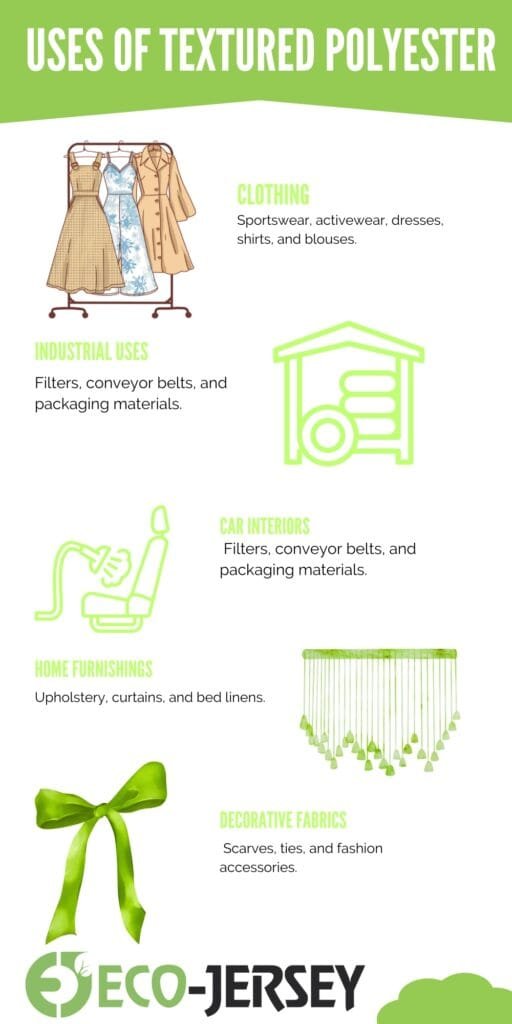
Because of its enhanced comfort and appearance, Polyester fiber is used in many industries. Common applications include:
- Clothing – Sportswear, activewear, dresses, shirts, and blouses.
- Home Furnishings – Upholstery, curtains, and bed linens.
- Industrial Uses – Filters, conveyor belts, and packaging materials.
- Car Interiors – Seat covers and headliners.
- Decorative Fabrics – Scarves, ties, and fashion accessories.
Therefore, it is a fabric that combines style with practicality.
Advantages of Textured Polyester
Textured is preferred for many reasons:
- It looks and feels closer to natural fibers.
- It offers more comfort and breathability.
- It is stretchable, making it suitable for sports and active use.
- It is cost-effective compared to silk, wool, or cotton.
- It dries quickly and resists wrinkles.
Environmental Aspect of Textured Polyester
This means they are not biodegradable. However, many manufacturers now use recycled polyester (rPET) for texturizing.
Although recycling textured fabrics is still challenging, using rPET helps reduce waste and lowers the carbon footprint.
Conclusion
Textured Polyester is a versatile, durable, and stylish fabric. It combines the strength of polyester with the comfort and softness of natural fibers. Because of its elasticity and breathability, it is especially popular in sportswear and home furnishings.
Although environmental challenges exist, innovations in recycled are helping make textured fabrics more sustainable. In short, Textured is a smart choice for industries and consumers looking for comfort, strength, and style in one fabric.
FAQS
What is Textured Polyester?
Heat, air, or chemicals crimp, curl, or twist polyester yarn to give textured more softness and elasticity.
How is Textured Polyester made?
Texturizing methods such as false-twist, air-jet, draw texturing, or chemical treatment change the structure of the yarn.
What are the main uses of Textured ?
The sportswear, activewear, upholstery, curtains, bed linens, car interiors, decorative fabrics, and industrial applications use it.