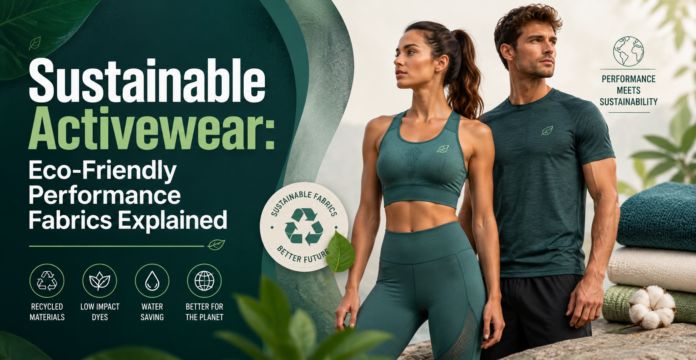
Sustainable activewear is workout clothing made with fabrics and production choices that reduce waste, save resources, and support better long-term use. It is designed for people who want comfort, movement, sweat control, and durability without ignoring the environmental cost of clothing. Good activewear should help the body move freely, stay dry, and feel comfortable during exercise. Sustainable activewear adds one more important goal: it tries to lower harm by using recycled fibers, organic fibers, responsible dyeing, longer-lasting construction, and smarter fabric blends. This matters because gym clothes, yoga sets, compression tops, running shirts, swimwear, and performance layers are used often and washed many times. If the fabric is weak, it becomes waste quickly. If the fabric is strong, breathable, and responsibly made, it can serve the wearer for longer. The best choice is not always the most expensive item. The best choice is the one that fits the activity, lasts through regular use, and gives real comfort without unnecessary waste.
What Sustainable Activewear Really Means
Sustainable activewear means clothing that balances performance, comfort, and environmental responsibility. It is not only about using one “green” fabric. It is about the full life of the garment, from fiber selection to dyeing, stitching, packing, wearing, washing, and final disposal. A simple gym T-shirt made from recycled polyester can be sustainable if it lasts long, dries fast, and keeps its shape. A yoga legging can also be sustainable if it uses a durable stretch blend, safe dyes, and strong seams that do not tear after a few uses. Sustainable activewear should still perform like normal activewear because workout clothing must handle sweat, stretching, bending, heat, and repeated washing. The goal is not to make weak clothing that only sounds eco-friendly. The goal is to make useful clothing that works well and creates less waste over time. When buyers understand this, they can choose garments with more confidence.
Why Fabric Choice Matters in Activewear
Fabric choice is one of the biggest parts of sustainable activewear because the material decides how the garment feels, performs, and lasts. A workout top needs breathability, but leggings need stretch and recovery. A running shirt needs moisture control, but a gym hoodie may need softness, warmth, and shape retention. This is why many brands study different activewear fabric and product options before choosing a final material for their collections. A poor fabric may look good at first, but it can smell faster, shrink, lose color, pill, or stretch out. A better fabric can stay useful for a longer time, which reduces the need to replace it again and again. Sustainable activewear is not only about natural fibers. Sometimes a recycled synthetic fabric can be better for sports because it dries quickly and lasts longer. The right fabric depends on the activity, the climate, the fit, and how often the garment will be washed.
Recycled Polyester and Recycled Nylon
Recycled polyester and recycled nylon are common materials in sustainable activewear because they can give strong performance while reducing the need for virgin synthetic fibers. Polyester is popular in sports clothing because it is lightweight, quick-drying, and durable. Nylon is often used when the garment needs a smoother feel, stronger stretch, and better abrasion resistance. When these fibers are recycled, they can help reduce waste and lower dependence on new raw materials. However, recycled does not automatically mean perfect. The fabric still needs good construction, safe dyeing, and proper finishing. A recycled polyester shirt that loses shape quickly is not truly useful. A recycled nylon legging that lasts for years is a better example of sustainable activewear. These fabrics are especially helpful in high-sweat activities because they dry faster than many natural fibers. That is why they are often used in running tops, training shorts, gym wear, swimwear, and outdoor performance layers.
Organic Cotton and Natural Fiber Options
Organic cotton can be useful in sustainable activewear when softness, skin comfort, and casual wear are the main goals. It feels familiar, breathable, and gentle on the body. It can work well for low-impact workouts, warm-up clothes, lounge sets, athleisure T-shirts, and everyday active styles. However, cotton absorbs sweat and dries slower than polyester or nylon, so it may not be the best choice for intense training. This does not make cotton bad. It simply means cotton has a different purpose. Sustainable activewear should be chosen according to real use, not only according to fabric name. Natural fibers can be great for comfort, but they need good fabric weight, strong stitching, and proper finishing to last longer. Some brands also use hemp, bamboo-based viscose, modal, or blends with cotton to improve softness and breathability. These materials can feel comfortable, but buyers should check quality carefully because processing and durability matter a lot.
Plant-Based and Cellulosic Performance Fabrics
Plant-based and cellulosic fabrics are becoming more common in sustainable activewear because they can offer softness, breathability, and a smooth feel against the skin. Modal, lyocell, bamboo viscose, and other regenerated cellulose fibers are often used in tops, underwear, yoga wear, and light athleisure pieces. These fabrics can feel cooler and softer than basic cotton, which makes them attractive for people who want comfort during daily movement. Still, not every plant-based fabric performs the same way. Some are better for gentle exercise, while others need blending with elastane or recycled polyester to improve stretch, recovery, and durability. Sustainable activewear made with these fibers should be tested for shrinkage, colorfastness, seam strength, and sweat performance. A soft fabric is not enough if it loses shape after washing. The best cellulosic activewear fabrics give comfort while staying strong enough for repeated wear. This makes them useful for modern clothing that sits between sportswear and everyday fashion.
Stretch Fitness Fabric and Compression Support
Stretch is important in sustainable activewear because the body bends, lifts, runs, stretches, and twists during exercise. Without stretch, clothing can feel tight, stiff, or uncomfortable. Most stretch fabrics use elastane or spandex because these fibers help garments return to shape. Compression clothing goes one step further because it fits closer to the body and gives a supported feel. Items like compression T-shirts are often chosen for training because they stay close to the body while allowing movement. For sustainable activewear, the challenge is to use stretch wisely. Too much elastane can make recycling harder, but too little stretch can make the garment useless for workouts. A balanced blend can improve comfort, reduce bagging, and help the garment last longer. Compression tops, leggings, and shorts should feel supportive, not painful. They should move with the body, manage sweat, and keep their fit after many washes.
Key Benefits of Sustainable Activewear
Sustainable activewear gives comfort because better fabrics feel smoother and work better during movement.
Sustainable activewear can reduce waste because durable clothing does not need to be replaced quickly.
Sustainable activewear can support better moisture control when recycled polyester, nylon, or smart blends are used.
Sustainable activewear can feel better for daily wear when soft fibers like organic cotton, modal, or lyocell are blended properly.
Sustainable activewear can help brands build trust because customers now care about fabric quality, transparency, and responsible choices.
Sustainable activewear can work for many categories, including gym wear, yoga wear, athleisure, compression wear, swimwear, and outdoor performance clothing.
Sustainable activewear is most valuable when the garment is comfortable, useful, washable, and long-lasting instead of only being promoted with eco-friendly words.
Sustainable activewear should always be judged by real performance because a garment that does not last is not truly sustainable.
How to Choose Sustainable Activewear for Different Workouts
The best sustainable activewear depends on the workout. For yoga, the fabric should be soft, stretchy, and smooth so the body can move without restriction. For gym training, the clothing should be strong, breathable, and able to handle friction from equipment. For running, the fabric should be lightweight and quick-drying. For swimming, the material should resist water, sun, and repeated use. For outdoor exercise, the garment may need UV protection, wind resistance, or better moisture movement. People choosing performance wear should think about the activity first and the fabric second. A beautiful fabric is not useful if it does not match the workout. Sustainable activewear should make exercise easier, not harder. The right item should feel comfortable when standing, stretching, sweating, and moving. If the fabric pulls, sticks, overheats, or loses shape, it is not the right choice for that activity.
Durability, Washing, and Long-Term Value
Durability is one of the most important parts of sustainable activewear because longer use means less waste. A garment that lasts two years is usually better than one that looks eco-friendly but fails after a few months. Good durability comes from strong yarns, proper GSM, stable dyeing, quality stitching, and correct washing. Users can also make sustainable activewear last longer by washing it in cold water, avoiding harsh bleach, drying it naturally when possible, and not overheating stretch fabrics. Activewear should be turned inside out before washing to protect the outer surface. Strong seams are also important because workout clothing faces pulling and stretching. Flatlock seams can reduce rubbing, while reinforced seams can improve strength. A sustainable activewear product should not only feel good on the first day. It should keep its shape, color, comfort, and performance after many wears. Long-term value is where real sustainability becomes visible.
Sustainable Activewear and Brand Responsibility
Sustainable activewear is also important for brands because customers are becoming more careful about what they buy. They want to know what fabrics are used, why those fabrics are chosen, and whether the clothing will last. A brand does not need to use complicated language to explain sustainability. Simple, honest information works better. For example, a brand can say that a shirt uses recycled polyester for quick drying, organic cotton for softness, or a nylon-spandex blend for stronger stretch. It can also explain care instructions clearly so customers do not damage the garment. Sustainable activewear becomes more trustworthy when brands avoid fake promises and focus on real product value. Good brands should test samples, compare fabric options, check stitching, and make sure the final garment fits its purpose. When a product is comfortable, useful, and honestly explained, customers are more likely to trust it and buy again.
Common Mistakes When Buying Sustainable Activewear
One common mistake is buying sustainable activewear only because the label says “eco-friendly.” A label is not enough. The fabric must still match the activity. Another mistake is choosing very soft fabric for high-intensity training when the garment actually needs fast drying and better shape recovery. Some buyers also ignore stitching, which can cause the garment to fail even when the fabric is good. Another mistake is thinking natural fabric is always better than synthetic fabric. For sports, recycled polyester or recycled nylon may perform better because they dry faster and last longer. People also make the mistake of washing activewear too harshly. Hot water, strong detergents, and high heat can damage stretch fibers. Sustainable activewear works best when buyers choose the right fabric, check the fit, follow care instructions, and use each garment for the purpose it was designed for.
Conclusion
Sustainable activewear is not just a trend. It is a smarter way to think about workout clothing. The best garments combine comfort, movement, durability, and lower environmental impact. Recycled polyester, recycled nylon, organic cotton, modal, lyocell, and smart stretch blends can all be useful when they are chosen for the right reason. No single fabric is perfect for every workout. A yoga set, compression shirt, gym short, swimwear piece, and running top all need different fabric qualities. Sustainable activewear should be easy to wear, easy to understand, and strong enough for regular use. When a garment lasts longer, performs better, and feels comfortable, it gives more value to the user and creates less waste. The best choice is simple: choose sustainable activewear that matches your activity, supports your body, and stays useful after many washes.
FAQs
What is sustainable activewear?
Sustainable activewear is workout clothing made with eco-friendly or lower-impact materials, better production choices, and durable construction. It is designed to support movement, comfort, and long-term use while reducing unnecessary waste.
Which fabric is best for sustainable activewear?
There is no single best fabric for all sustainable activewear. Recycled polyester is good for quick-drying performance, recycled nylon is good for strength and stretch, organic cotton is good for softness, and modal or lyocell can be good for breathable comfort.
Is recycled polyester good for workouts?
Yes, recycled polyester can be good for workouts because it is lightweight, durable, and quick-drying. It is often used in sustainable activewear for gym shirts, running tops, training shorts, and performance layers.
How can I make sustainable activewear last longer?
Wash sustainable activewear in cold water, avoid bleach, use gentle detergent, turn garments inside out, and avoid high heat drying. Proper care helps protect stretch, color, shape, and fabric performance.