Home Blog Page 87

High-Density Wool Fabric: Why It’s Perfect for Cold Weather

High-Density Wool Fabric is a premium type of wool known for its exceptional warmth and durability. This fabric stands out from regular wool due to its tightly packed fibers, which offer superior insulation and natural wind resistance. When winter temperatures drop, this fabric provides comfort without excessive layering, making it ideal for coats, jackets, blazers, and winter trousers. Moreover, high-density wool maintains its shape and structure over time, which makes it a reliable choice for garments that undergo frequent wear. Its versatility in both fashion and practical applications has made it a staple in cold-weather wardrobes.

High-density wool differs from regular wool because it is engineered to retain heat more efficiently. Its tightly woven or compacted fibers limit heat loss while allowing just enough breathability to prevent overheating. Additionally, it is naturally odor-resistant and moisture-wicking, making it comfortable for extended use even in harsh winter climates. With the combination of performance, durability, and eco-friendliness, high-density wool has become a top choice for those seeking quality winter fabrics.

History of High-Density Wool Fabric

The story of high-density wool fabric begins centuries ago, rooted in the evolution of textile techniques and the human need for warmth. Wool has been used as a primary material for clothing since ancient civilizations, with early societies in Mesopotamia, Egypt, and Europe relying on it for protection against harsh climates. The earliest wool garments were hand-spun and loosely woven, providing basic insulation but lacking the structural density and durability seen in modern high-density fabrics. Over time, as weaving and knitting techniques advanced, artisans discovered ways to produce wool that was more tightly constructed, offering greater warmth and longevity.
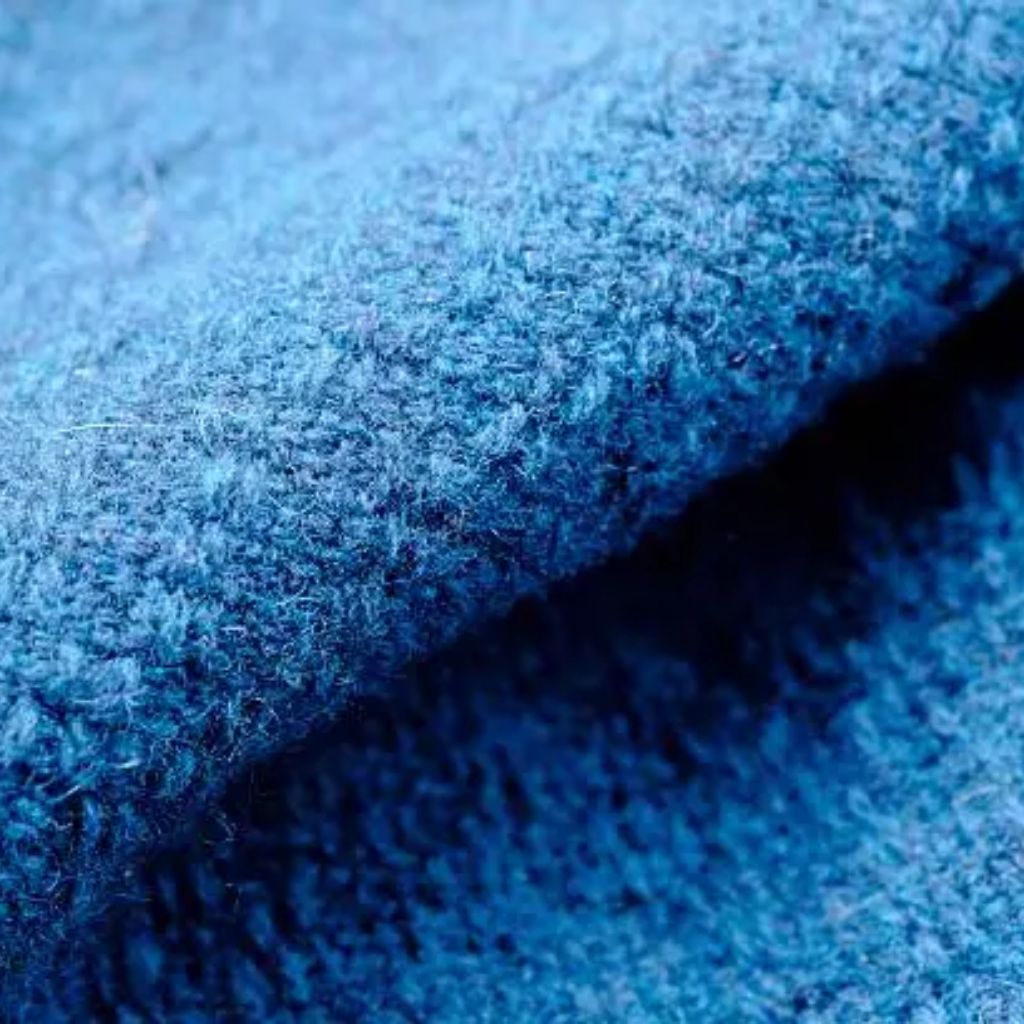
“Close-up of bright blue fuzzy fabric with a soft, plush texture.”
High-Density Wool Fabric:
Close-up view of blue fuzzy fabric.

How High-Density Wool Fabric Is Made

The creation of high-density wool fabric begins with the careful selection of quality wool fibers. Wool from Merino, Shetland, or recycled sources is commonly used. Merino wool provides fine, soft fibers that ensure comfort against the skin. Shetland wool, being coarser, adds strength and thermal insulation, while recycled wool contributes to sustainability without compromising density.

The method of fabric construction is crucial to achieving high density. Weaving involves interlacing warp and weft threads tightly, resulting in a fabric that is both strong and insulating. Felting uses heat, moisture, and pressure to compress wool fibers into a dense mat, producing excellent wind and moisture resistance. Compact knitting, another technique, loops the yarn tightly to create elasticity without sacrificing thickness. Each method contributes differently to the feel, weight, and thermal efficiency of the fabric.

Yarn count and fabric weight, measured in grams per square meter (GSM), play a critical role in defining the performance of high-density wool. Higher yarn counts and GSM indicate a thicker, heavier, and more insulating fabric. Manufacturers carefully balance these factors based on the intended use of the garment, whether for outdoor winter coats, urban fashion wear, or insulating home textiles.

Finishing processes further enhance the density of the fabric. Pressing, brushing, and calendaring compress the fibers, improving wind resistance and surface smoothness. These finishing techniques ensure that high-density wool fabric is not only warm but also maintains its durability and refined appearance over time.

Key Properties of High-Density Wool Fabric

High-density wool fabric possesses multiple properties that make it exceptionally suitable for cold weather. It provides superior thermal insulation because the tightly packed fibers trap body heat effectively. The compact structure also acts as a natural windbreaker, reducing heat loss in windy conditions. Despite its thickness, the fabric is able to wick moisture away from the skin, preventing dampness and keeping the wearer comfortable.

Breathability is another defining characteristic, allowing air circulation while preserving warmth. This balance ensures that the wearer does not overheat, even during active outdoor activities. The fabric is highly durable, resisting abrasion and maintaining its shape over time. Its natural elasticity allows garments to move comfortably with the body, enhancing the overall fit and feel. Additionally, the fabric’s density makes it resistant to pilling, which is a common issue in lower-quality wool fabrics.

Types of High-Density Wool Fabric

High-density wool fabric comes in a variety of types, each offering unique characteristics in terms of warmth, texture, and durability. Understanding these types helps in selecting the right fabric for different winter garments, home textiles, and outdoor applications. Each variety is crafted through specific fibers, weaving techniques, and finishing processes to achieve the density and performance required for extreme cold weather.
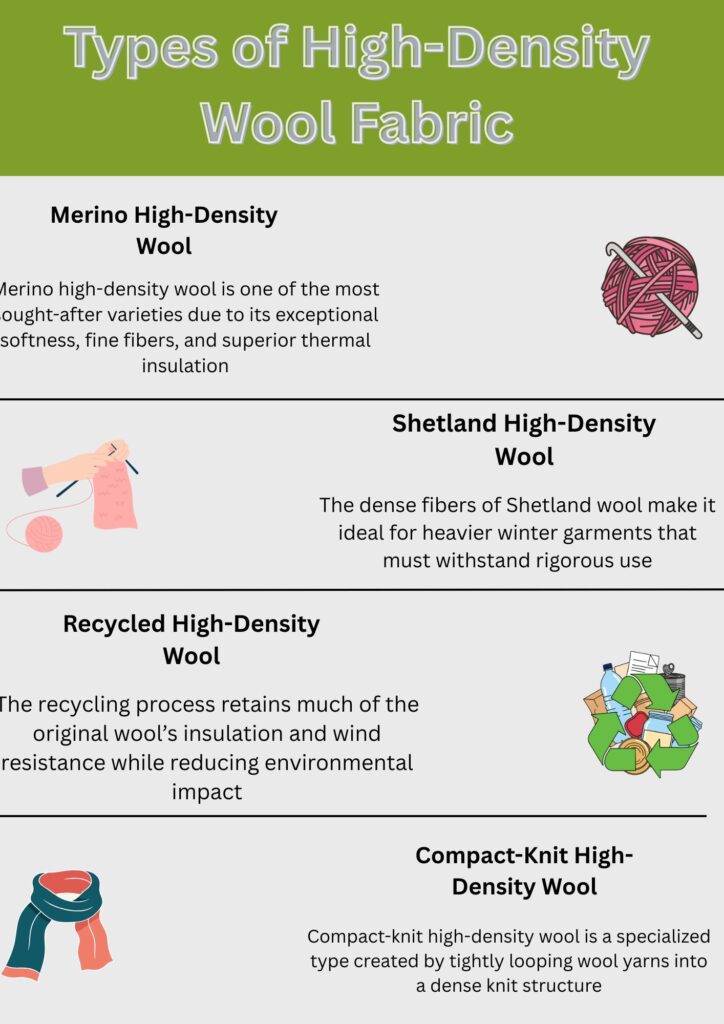
“Infographic titled ‘Types of High-Density Wool Fabric’ with sections for Merino High-Density Wool, Shetland High-Density Wool, Recycled High-Density Wool, and Compact-Knit High-Density Wool, including small illustrations.”High-Density Wool Fabric:
Types of High-Density Wool Fabrics: Merino, Shetland, Recycled, and Compact-Knit varieties with brief notes on their characteristics and uses.

Merino High-Density Wool

Merino high-density wool is one of the most sought-after varieties due to its exceptional softness, fine fibers, and superior thermal insulation. The Merino sheep produce wool that is naturally smooth, allowing it to be tightly woven or knitted without losing comfort. High-density Merino wool is particularly popular for garments that require both warmth and a luxurious feel, such as winter coats, blazers, and fine trousers. In addition to providing insulation, Merino wool regulates body temperature efficiently, preventing overheating during outdoor activities. Its elasticity ensures a comfortable fit, while its dense construction provides wind resistance, making it highly versatile for both urban and outdoor winter wear.

Shetland High-Density Wool

Shetland high-density wool is slightly coarser than Merino but excels in durability and warmth. The dense fibers of Shetland wool make it ideal for heavier winter garments that must withstand rigorous use. This type of high-density wool is often used for outerwear such as overcoats, thick scarves, and insulated jackets. Its texture gives garments a robust structure, which allows them to retain shape over long periods. Additionally, Shetland wool naturally resists moisture and wind, offering protection in harsh winter climates. While it may not be as soft as Merino, the fabric compensates with resilience, thermal performance, and long-lasting wear.

Recycled High-Density Wool

Recycled high-density wool is an eco-friendly option that combines sustainability with performance. This fabric is made from post-consumer or post-industrial wool, which is cleaned, sorted, and re-spun into dense, durable yarns. The recycling process retains much of the original wool’s insulation and wind resistance while reducing environmental impact. Recycled high-density wool is suitable for winter coats, home textiles like blankets, and industrial insulation applications. Its production supports the circular economy, providing a responsible alternative to virgin wool while maintaining warmth and longevity comparable to traditional high-density wool fabrics.

Compact-Knit High-Density Wool

Compact-knit high-density wool is a specialized type created by tightly looping wool yarns into a dense knit structure. This type offers both flexibility and insulation, allowing garments to move comfortably with the body while retaining heat. It is often used in winter sweaters, cardigans, and thermal underlayers that require stretch without compromising warmth.

Benefits of High-Density Wool Fabric for Winter

High-density wool provides warmth without excessive bulk, making it possible to wear fewer layers while staying comfortable. This is especially beneficial for people who live in regions with severe winter conditions. Moreover, garments made from this fabric retain their shape and structure, even after repeated use, which makes them a reliable choice for daily wear and professional attire.

Another advantage is its natural odor resistance. The fibers absorb moisture but inhibit the growth of bacteria that cause unpleasant smells. This means garments remain fresh longer, reducing the need for frequent washing. In addition, high-density wool is eco-friendly and biodegradable. Unlike synthetic fabrics, it is made from renewable resources and contributes less to environmental pollution.

The fabric is also highly versatile and comfortable in extreme cold climates. Its balance of warmth, breathability, and elasticity allows freedom of movement and reduces the risk of overheating or dampness. Whether for urban commuting or outdoor winter activities, high-density wool provides reliable comfort and performance.

Common Uses of High-Density Wool Fabric

High-density wool is widely used in clothing and home textiles due to its performance properties. It is a preferred choice for winter coats, overcoats, and jackets, offering warmth and wind resistance without the need for heavy layering. Blazers and formal wear crafted from this fabric maintain their structure and present a crisp, luxurious appearance. Wool trousers and skirts provide professional comfort while remaining durable enough for frequent wear.

In the home and industrial sectors, high-density wool is used for blankets, upholstery, and insulating liners. Its density provides excellent thermal insulation, while the natural fiber structure adds durability and softness. High-density wool is also used in acoustic panels to absorb sound effectively, showcasing its versatility beyond clothing applications.
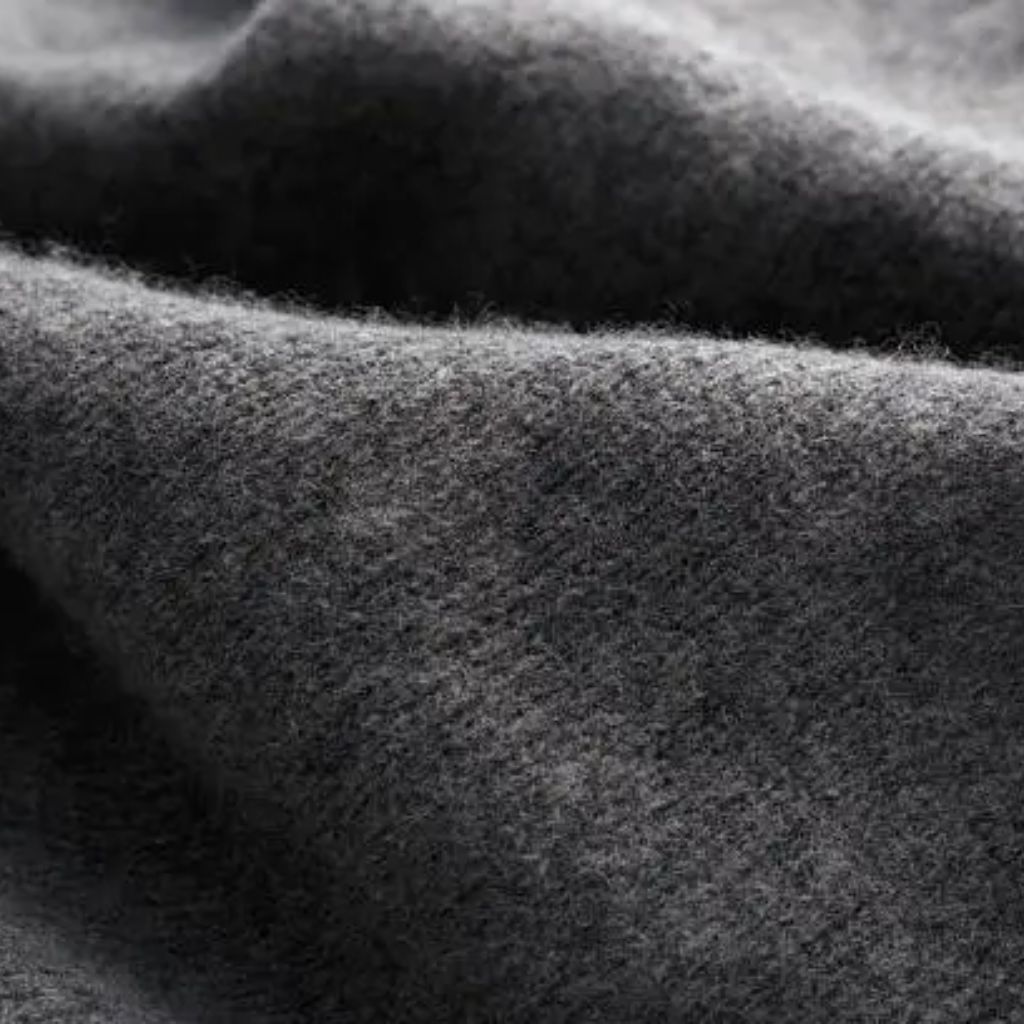
“Close-up black-and-white photo of soft, textured wool fabric with a fuzzy surface.”
High-Density Wool Fabric:
Close-up of soft, textured wool fabric in grayscale.

High-Density Wool Fabric vs Other Winter Fabrics

Comparison With Cashmere

High-density wool fabric differs from cashmere in both structure and performance. While cashmere is renowned for its softness and lightweight feel, it is generally less dense than high-density wool. As a result, cashmere provides moderate warmth but may not perform as well in windy or extremely cold conditions. High-density wool, on the other hand, combines the insulating properties of dense fibers with durability, maintaining its structure over prolonged use. Moreover, high-density wool tends to be more resistant to pilling and wear, whereas cashmere often requires extra care to preserve its delicate texture. Therefore, for individuals seeking both warmth and longevity, high-density wool offers a more practical solution without compromising comfort.

Comparison With Fleece

Fleece is a popular winter fabric due to its affordability and lightweight feel, but it differs significantly from high-density wool. Fleece is typically made from synthetic fibers, which can trap heat but lack breathability and natural moisture regulation. In contrast, high-density wool fabric naturally wicks away moisture while allowing airflow, preventing the damp, clammy feeling often associated with synthetic fabrics. In addition, fleece is less sustainable and contributes to microplastic pollution when washed, whereas high-density wool is biodegradable and renewable. While fleece is ideal for casual or athletic wear, high-density wool provides superior warmth, eco-friendliness, and structural longevity, making it a more versatile choice for winter clothing and professional attire.

Comparison With Synthetic Insulation

Synthetic insulation, often found in down-alternative jackets, is designed to retain heat efficiently and resist water. However, high-density wool fabric offers a natural alternative that combines insulation, breathability, and sustainability. Unlike synthetic fibers, high-density wool does not release microplastics and is fully biodegradable, giving it a significant environmental advantage. Moreover, the dense structure of the wool provides natural wind resistance and odor control, which synthetic insulation may lack. While synthetic insulation is lightweight and can dry faster, it often loses its thermal properties over time, whereas high-density wool maintains warmth and structure even after years of use. Therefore, for those prioritizing long-term performance, comfort, and sustainability, high-density wool is a superior option.

Summary of Differences

Overall, high-density wool fabric outperforms cashmere in durability and wind resistance, surpasses fleece in breathability and eco-friendliness, and offers a natural, long-lasting alternative to synthetic insulation. Its combination of warmth, moisture control, and resilience makes it one of the best natural fabrics for winter clothing. People who choose high-density wool benefit from a versatile material that adapts to both urban and outdoor winter conditions, providing reliable performance without the need for constant maintenance or replacement.

Is High-Density Wool Fabric Good for Extreme Cold?

High-density wool fabric is exceptionally well-suited for extreme cold conditions due to its unique combination of natural insulation, wind resistance, and moisture management. Unlike regular wool or synthetic alternatives, high-density wool has tightly packed fibers that trap body heat effectively while preventing cold air from penetrating the garment. This dense structure acts as a natural barrier against frost and biting winds, which is especially valuable in regions where temperatures regularly drop below freezing. As a result, garments made from this fabric, such as winter coats, overcoats, and insulated trousers, provide consistent warmth without the need for excessive layering.

In addition to insulation, high-density wool offers remarkable breathability, which sets it apart from many synthetic winter fabrics. While synthetic materials can trap heat, they often retain moisture, leaving the wearer feeling damp and uncomfortable during prolonged exposure to cold weather. High-density wool, on the other hand, naturally wicks moisture away from the skin. This ensures that sweat does not accumulate, which could otherwise lower body temperature and increase the risk of chills. Consequently, this fabric is highly practical for both outdoor winter activities and urban commuting, where fluctuating temperatures demand adaptive warmth.

How to Identify High-Quality High-Density Wool Fabric

Determining high-quality high-density wool fabric involves evaluating several factors. The fabric weight, measured in GSM, indicates density and insulation capacity. A heavier fabric typically provides better warmth. The touch and compression test can reveal quality, as high-density wool springs back when pressed. Fiber origin labeling, such as Merino or certified recycled wool, helps confirm authenticity and quality.

Weave tightness is also a key factor, as closer knitting or weaving increases density and insulation. Certifications like RWS or OEKO-TEX offer additional assurance of ethical sourcing and safety. By checking these aspects, consumers can ensure that the wool they purchase offers maximum performance and longevity.

How to Care for High-Density Wool Fabric

Proper care is essential to maintain the performance, appearance, and longevity of high-density wool fabric. Although it is durable and naturally resilient, this fabric requires attention to washing, drying, storage, and general handling to prevent shrinkage, pilling, and damage to the fibers. Following simple care techniques ensures that high-density wool garments remain soft, warm, and functional for years.
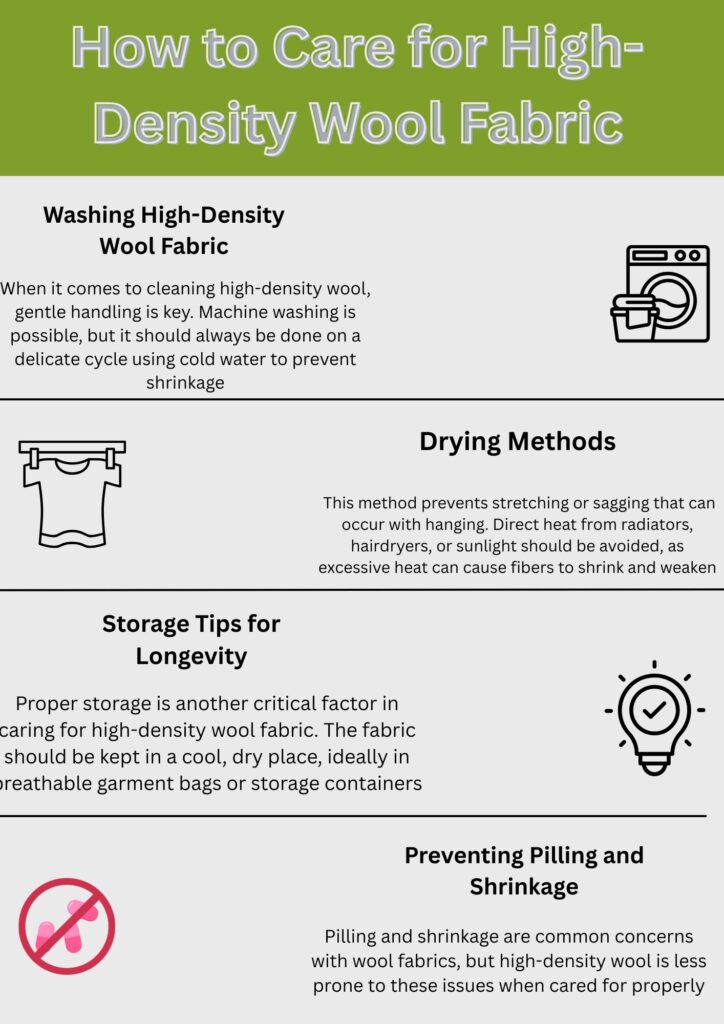
“Infographic titled ‘How to Care for High-Density Wool Fabric’ with sections: Washing, Drying Methods, Storage Tips for Longevity, and Preventing Pilling and Shrinkage, each with brief descriptions and simple icons.”
High-Density Wool Fabric:
How to Care for High-Density Wool Fabric: Washing, Drying, Storage, and Pilling/Shinkage prevention tips.

Washing High-Density Wool Fabric

When it comes to cleaning high-density wool, gentle handling is key. Machine washing is possible, but it should always be done on a delicate cycle using cold water to prevent shrinkage. Using harsh detergents can strip the wool of its natural oils, which help maintain insulation and softness. Therefore, it is recommended to use mild, wool-specific detergents that preserve fiber integrity. In addition, hand washing is often the safest method for delicate garments, such as tailored coats or fine wool blazers.

Drying Methods

After washing, high-density wool fabric should be dried carefully to maintain its shape and texture. The most effective method is flat drying, where the garment is laid on a clean, dry towel and gently reshaped to its original dimensions. This method prevents stretching or sagging that can occur with hanging. Direct heat from radiators, hairdryers, or sunlight should be avoided, as excessive heat can cause fibers to shrink and weaken.

Storage Tips for Longevity

Proper storage is another critical factor in caring for high-density wool fabric. The fabric should be kept in a cool, dry place, ideally in breathable garment bags or storage containers. Avoid plastic coverings, as they can trap moisture and create an environment for mold or mildew. High-density wool is also attractive to moths, so it is advisable to use natural repellents such as cedar blocks or lavender sachets when storing garments for extended periods.

Preventing Pilling and Shrinkage

Pilling and shrinkage are common concerns with wool fabrics, but high-density wool is less prone to these issues when cared for properly. Friction from repeated wearing or improper washing can lead to small fiber balls on the surface. To minimize pilling, it is best to rotate garments, avoid rubbing them against rough surfaces, and use gentle laundering techniques.
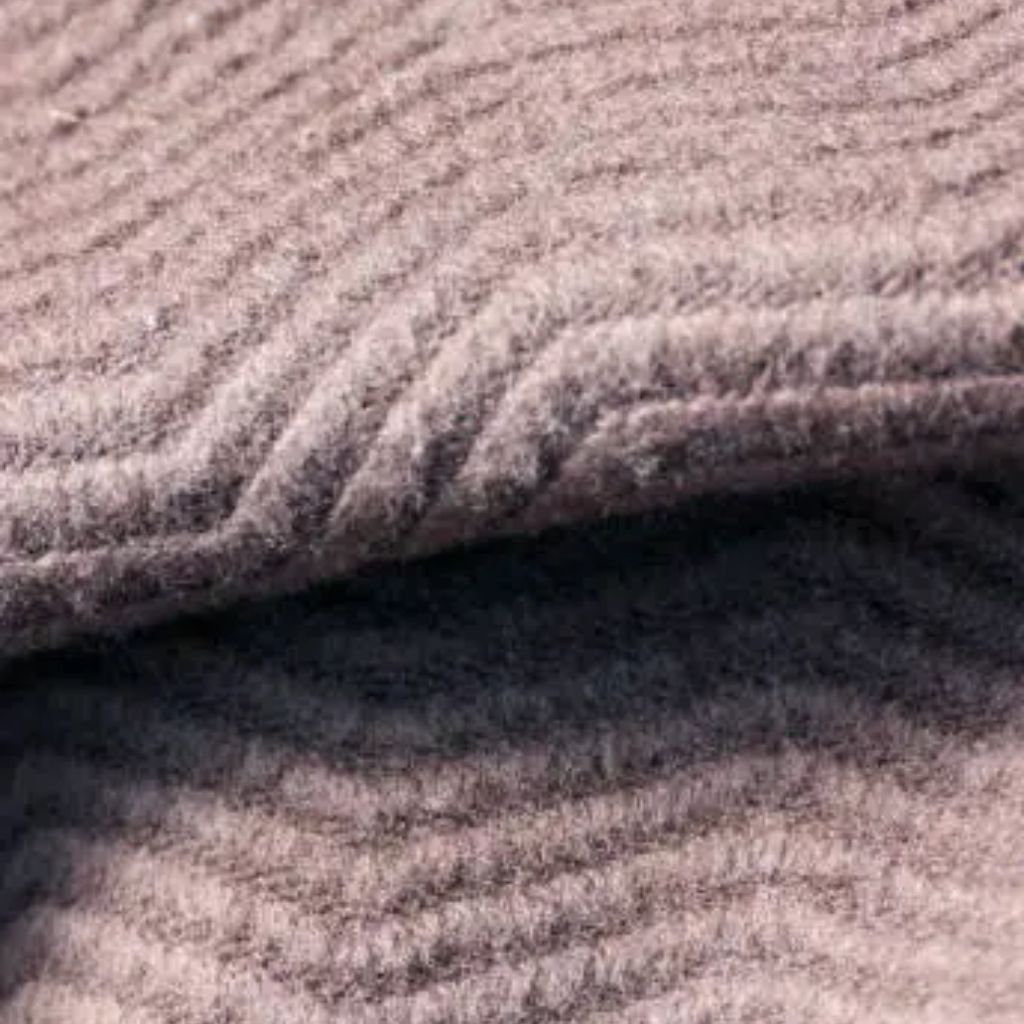
“Close-up photo of soft, pinkish-beige velvet or chenille fabric with a plush, ribbed texture.”
High-Density Wool Fabric:
Close-up of soft, plush fabric with a ribbed texture.

Is High-Density Wool Fabric Sustainable?

High-density wool is a sustainable choice for winter fabrics. Wool fibers are renewable, biodegradable, and have low environmental impact compared to synthetic fabrics. Unlike synthetics, they do not release microplastics into water systems during washing. Recycled wool options further enhance sustainability, reducing waste and supporting environmentally responsible production.

Choosing high-density wool helps reduce reliance on synthetic materials, making it an eco-conscious option for clothing and home textiles. It combines performance with responsibility, allowing consumers to enjoy warmth and durability without compromising environmental values.

Read More>> What is GSM in Fabric?

Pros and Cons of High-Density Wool Fabric

The main advantages of high-density wool include exceptional warmth, natural breathability, and durability. Its biodegradable nature and long-lasting structure make it a sustainable and reliable winter fabric. The natural elasticity provides comfort, while its dense structure resists wear and tear.

On the downside, high-density wool is more expensive than regular wool. It is heavier, which may not suit everyone’s preference, and requires careful maintenance to avoid shrinkage or damage. Despite these challenges, the benefits typically outweigh the drawbacks for those seeking premium winter wear.

High-Density Wool Fabric Buying Guide

When purchasing high-density wool, the ideal GSM for winter coats ranges from 350 to 500, providing maximum insulation without excessive weight. Lighter densities are suitable for indoor garments or layered outfits, while heavier fabrics are preferred for outdoor use. Price ranges vary depending on origin, fiber quality, and production method, typically from $50 to $200 per meter.

Buying tips include purchasing from certified online retailers and feeling the fabric in person when possible. Checking fiber content, certifications, and weave tightness ensures that the wool offers both warmth and longevity, making it a worthwhile investment for winter garments.

Conclusion

High-Density Wool Fabric is worth the investment for anyone seeking natural warmth, durability, and eco-friendliness during winter. Its superior insulation, wind resistance, and ability to maintain shape make it ideal for both urban and outdoor use. Whether for professional attire, winter coats, or home textiles, this fabric combines style, comfort, and sustainability. Choosing high-density wool ensures warmth, longevity, and environmentally responsible fashion during the coldest months.

FAQs

Is high-density wool itchy?

Merino-based high-density wool is soft and rarely causes itching. Coarser fibers may irritate sensitive skin.

Can it be worn in mild winter?

Lighter high-density wool fabrics are suitable for mild winter conditions and can be layered with other garments.

Is it better than Merino wool?

High-density Merino wool combines the softness of Merino with superior insulation, durability, and wind resistance.

Does it shrink after washing?

Improper washing can cause shrinkage. Cold water washing, gentle handling, and flat drying prevent this issue.
Vegan Winter Fabric Explained: Ethical Warmth Without Wool

Vegan Winter Fabric Explained is a new approach to winter clothes. It talks of clothes that are warming without involving any animal fabric. These fabrics do not use wool, fur, silk, leather, and all the animal coating. They instead use plant fibers and high technology synthetic. This makes winter fashion more amiable, protective, and welcoming to most individuals.

Vegan winter clothes are becoming popular in the fashion industry today. Customers are now wondering about the way their garments are produced.Vegan Winter Fabric Explained: They are animal welfare and environmental conscious. Thus, cruelty-free winter collections are created by the brands at a rapid pace. This change is not a trend. It is a slow movement towards green fashion.

In addition, vegan fabrics are not the same as cruelty-free and sustainable fabrics. Vegan fabrics do not include any animal contribution. Cruelty-free fabrics do not involve testing, however, they could make use of wool or silk. Environmentally friendly fabrics are concerned with environmental degradation. The terms are of different meanings. Such differences are known to enable buyers make better decisions.

Vegan Winter Fabric Explained is noticeable in the first hundred words. This enhances the visibility of search. Concurrently, it leads the readers in the right direction. Nonwool warm clothes will be applied in practice to cold seasons.

History of Vegan Winter Fabrics

Vegan Winter Fabric Explained has roots that stretch back more than a century. The idea of replacing animal fibers began during early industrial textile development. When wool shortages appeared during wars and economic crises, scientists searched for alternatives.Vegan Winter Fabric Explained: As a result, the first synthetic fibers entered winter clothing production.

In the late nineteenth century, rayon became the first regenerated plant fiber. It offered a silk-like feel without using silkworms. Although rayon lacked strong warmth, it proved that animal-free textiles were possible. This moment marked the beginning of vegan textile history.

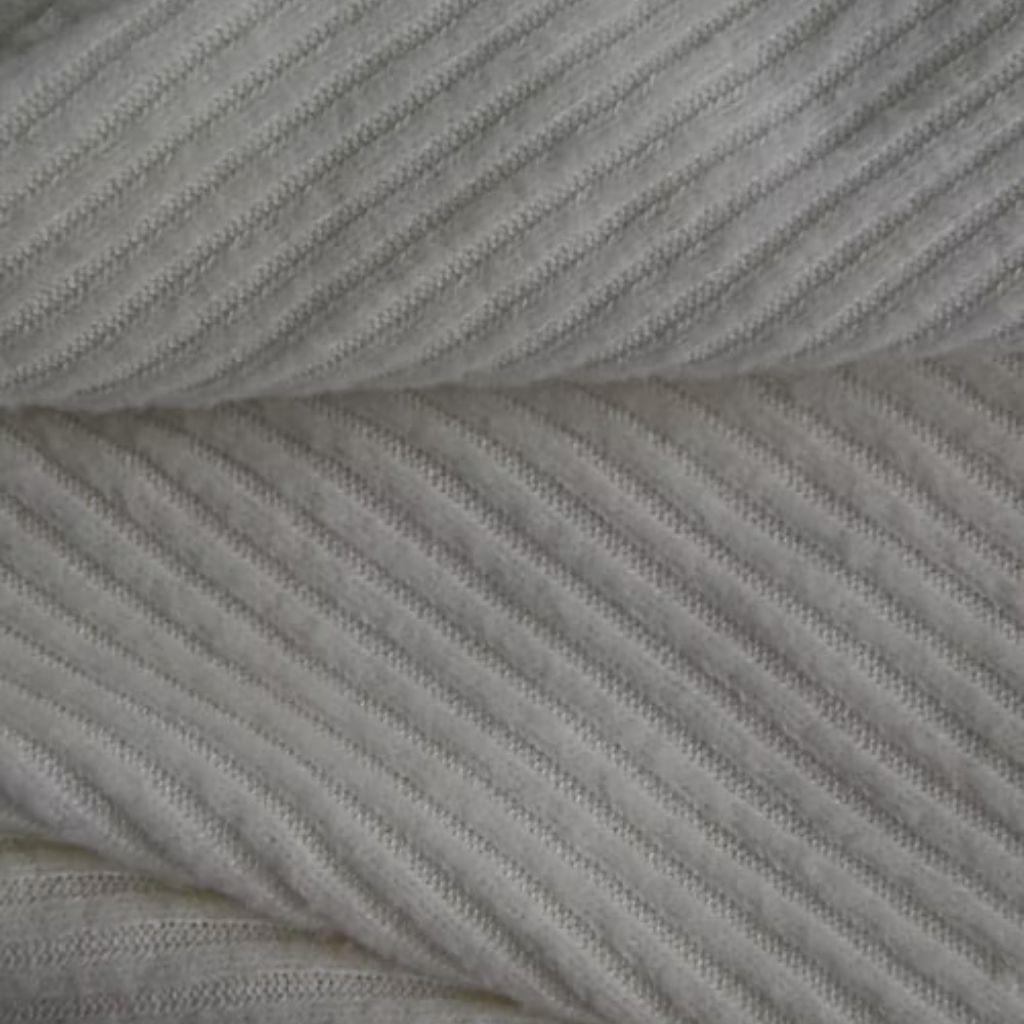
Alt text: “Close-up of light gray ribbed knit fabric with diagonal ridges, folded over itself.”Vegan Winter Fabric Explained:
Caption: “Textured gray ribbed knit fabric fold.”

What Makes a Fabric Vegan?

A vegan cloth has no animal substance of any sort in the manufacturing process. This is applicable to fibers, dyes, finishes and processing agents. By even assessing minor quantities of coating of animal origin, a fabric is automatically not a vegan one. Hence, rigid discipline is still necessary.Vegan Winter Fabric Explained:

Wool, cashmere, alpaca, fur, silk and leather are animal materials to be avoided. The Lanolin contained in the sheep wool also violates the vegan principle. Because of this, manufacturers have to be able to scrutinize all the supply stages. Vegan fashion starts to be based on transparency.

The certification is significant. PETA-Approved Vegan labels assure that no animal products are used. OEKO-TX certification guarantees safety of chemicals. It is GOTS certified organic plant firbers. Such labels save the buyer the price of false statements.Vegan Winter Fabric Explained:

It is also clear labelling which helps in preventing confusion. Other fabrics appear vegan and have abstract animal finishes. Hence, tag reading needs careful attention. Ethical shopping is enlightened.

Why Choose Vegan Winter Fabrics?

Most winter clothes are based on ethical values. Animal suffering is eliminated by vegan winter fabrics. They eliminate farming, shearing, and trapping of the fashion chain. Winter clothes are therefore a charitable affair.

Another reason is provided by environmental protection.Vegan Winter Fabric Explained: Farming of animals consumes a lot of water and land. It is a source of greenhouse gases as well. Vegan Winter Fabric Explained:Vegan clothing eases this load by a long way. When plant fibers and recycled ones are used, emissions reduce even more.

The vegan materials also crack and are pleasant to the skin. A lot of individuals are itchy towards wool. Fabrics of vegan are smoother and soft to the touch. Hence, they are highly favored by skin sensitive users.

Moreover, the irritation is decreased by hypoallergenity. Eczematous and allergic people are beneficiaries. One cloth option fulfills the needs of comfort and ethics.

Best Vegan Winter Fabrics Explained

Brushed or fleeced, organic cotton is warmly soft. It encloses air between fibers and forms light weight insulation. The breathability is also good and this avoids overheat. Absorptive product Moisture absorption is natural and keeps the skin dry. Organic agriculture lowers the application of pesticides and safeguards the condition of the soil. Hoodies, pajamas, liners, light winter suitings are some of the garments that fit this fabric.

Hollow fibers give good insulation by using recycled polyester. It is effective at harnessing heat even in cold air. Modern methods of weaving enhance the breathability.Vegan Winter Fabric Explained: Moisture wicking ensures the body does not get wet when it is in use. Sustainability is enhanced through minimization of plastic waste. This cloth is the leading one in jackets, puffers, and insulated coats.

TENCEL™ Lyocell is lightweight, and it offers high temperature control. It acclimates to the warmth of the body and eliminates chilliness.Vegan Winter Fabric Explained: In layered systems, breathability remains high. The moisture is diffused rapidly off the skin. The closed-loop production restricts the waste of chemicals. It is a cloth that is most efficient in thermal underwear and base layers.

The bamboo is a moderate warm material that has a natural softness. It is well balanced in terms of insulation and air flow. Daily wear is maintained when keeping moisture. Sustainability relies on processing procedures. It is responsible production that enhances its eco profile.Vegan Winter Fabric Explained: This cloth is good in long-sleeved tops, liners, and sweaters.

Modal fabric offers soft warmth and is smooth. It controls heat and does not retain unnecessary moisture. The movement is not accompanied by changes in breathability. The sourcing is made more environmentally friendly. This is a cloth used in indoor winter attire and base.Vegan Winter Fabric Explained:

Wool-like acrylic fabric has the same insulating power. It is very effective with capturing air and is lightweight. Breathability remains moderately high and needs to be layered. There is still limited moisture control. Sustainability remains low because of petroleum origin. This cloth comes in sweaters, scarves and knitwear.

Vegan leather keeps the wind out and keeps the surface heat. It is effective as an external coating. There is still low breathability and, therefore, lining is necessary. Bio based forms minimise environmental impact. The material is applicable in jackets, coats and winter boots.

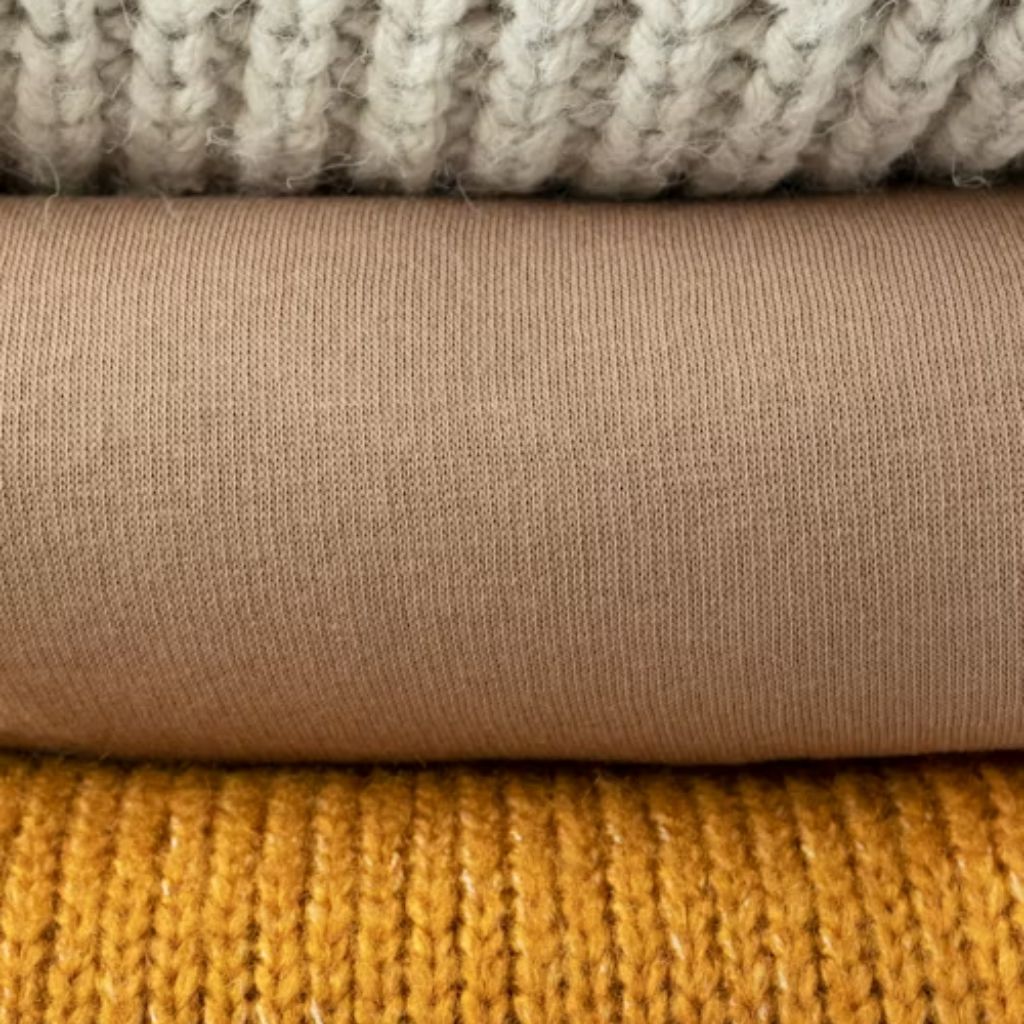
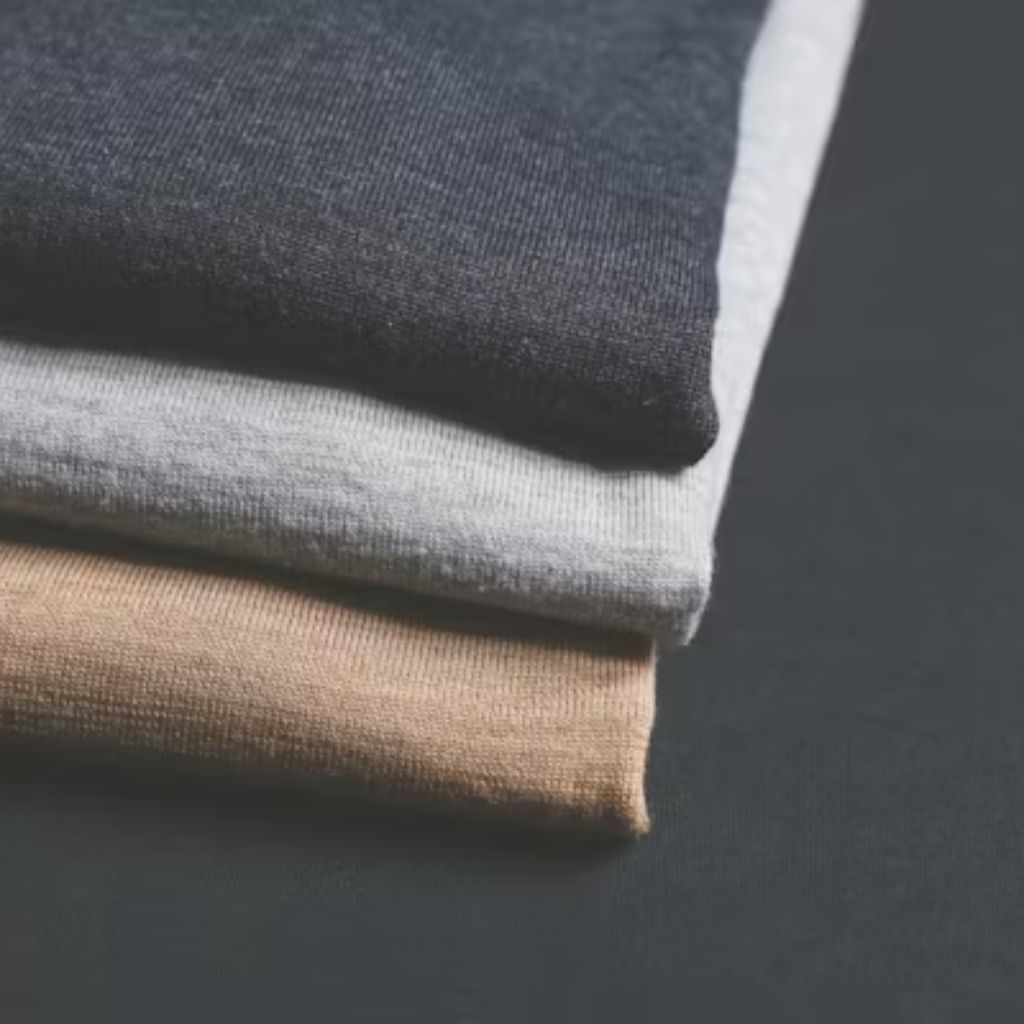
Alt text: “Stack of three folded fabrics: top appears as a chunky knit in light gray, middle is smooth camel/beige knit, bottom is mustard yellow ribbed knit.”Vegan Winter Fabric Explained:
Caption: “Layers of cozy knit fabrics in neutral, camel, and mustard tones.”

Warmth Comparison: Vegan vs Animal-Based Fabrics

Wool and cashmere insulate by the means of natural crimped fibers. They entrap air and trap heat effectively. On the contrary, vegan fabrics are based on artificial fibers. Vegan Winter Fabric Explained:The modern insulation is not far behind this performance.

Extremely cold conditions makes layering the primary technique. The vegan insulation involves hollow fiber, quilted batting and thermal lining. These techniques conserve the body heat.Vegan Winter Fabric Explained: That is why vegan winter clothing can be used even during extreme weather conditions.
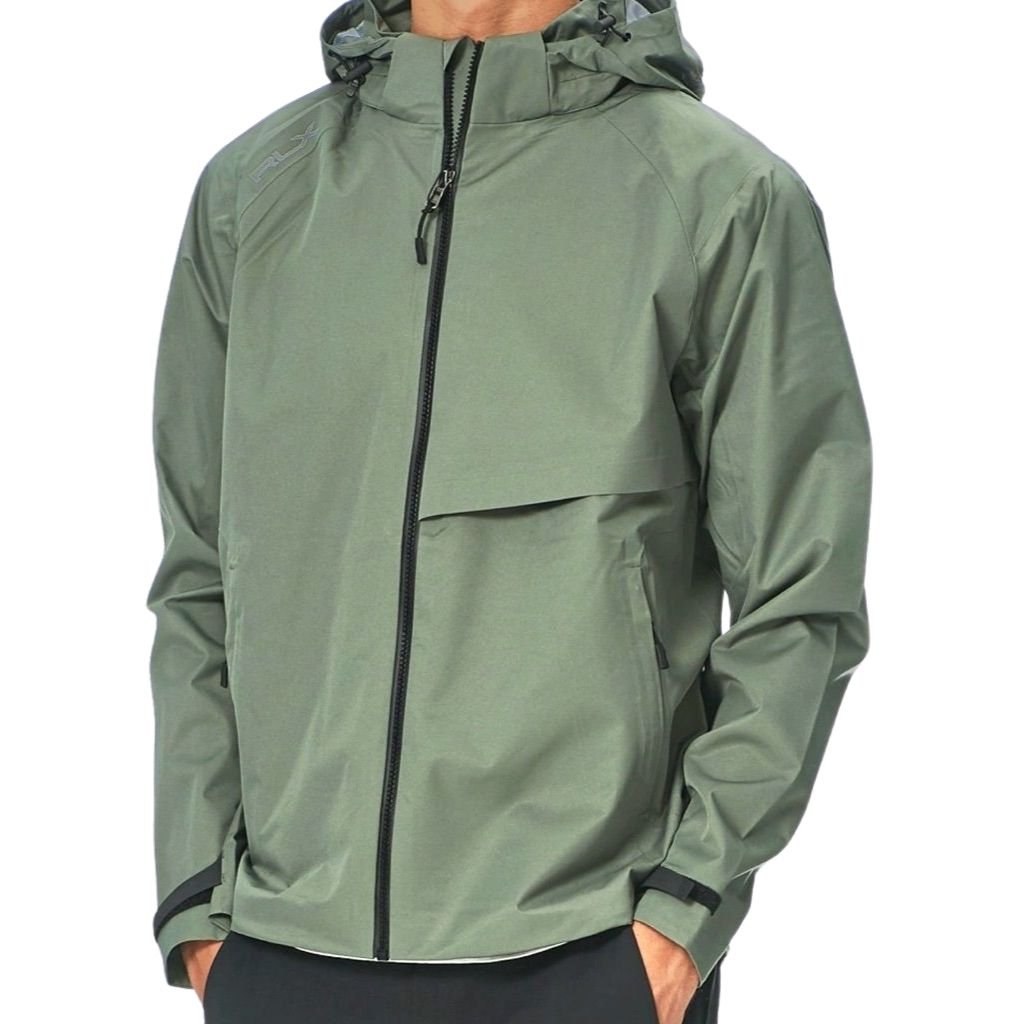
High-tech stitching and shell fabrics enhance the ability to resist the wind. The amount of heat loss is minimized. Consequently, the vegan coats have become as warm as the traditional wool coats.

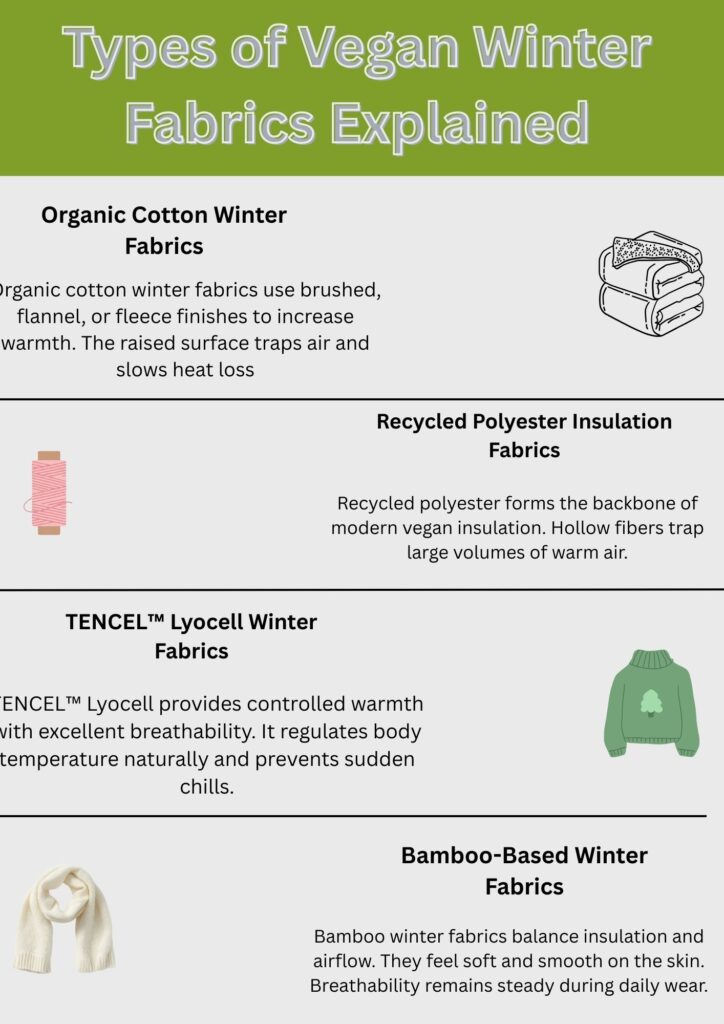
Types of Vegan Winter Fabrics Explained

Vegan Winter Fabric Explained includes a wide range of fabric types designed for cold climates. Each type offers a different balance of warmth, breathability, durability, and sustainability. Understanding these types helps buyers choose fabrics that match their climate, activity level, and ethical goals.

“Infographic titled ‘Types of Vegan Winter Fabrics Explained’ with sections for Organic Cotton Winter Fabrics, Recycled Polyester Insulation Fabrics, TENCEL Lyocell Winter Fabrics, and Bamboo-Based Winter Fabrics. Each section has a brief description and a small illustration (stacked fabrics, spool of thread, sweater, scarf).”Vegan Winter Fabric Explained:
“A guide to different vegan winter fabrics, outlining organic cotton, recycled polyester insulation, TENCEL Lyocell, and bamboo-based options with simple illustrations.”

Organic Cotton Winter Fabrics

Organic cotton winter fabrics use brushed, flannel, or fleece finishes to increase warmth. The raised surface traps air and slows heat loss. Breathability remains high, which prevents overheating indoors.

Moisture absorption keeps the skin dry in mild cold. Organic farming reduces chemical pollution and protects soil health. Therefore, organic cotton suits light winter layers and indoor garments.

Recycled Polyester Insulation Fabrics

Recycled polyester forms the backbone of modern vegan insulation. Hollow fibers trap large volumes of warm air. Heat retention remains strong even in freezing temperatures.

Moisture moves away from the body quickly. Sustainability improves by reusing plastic waste. As a result, this fabric dominates jackets, puffers, and thermal coats.
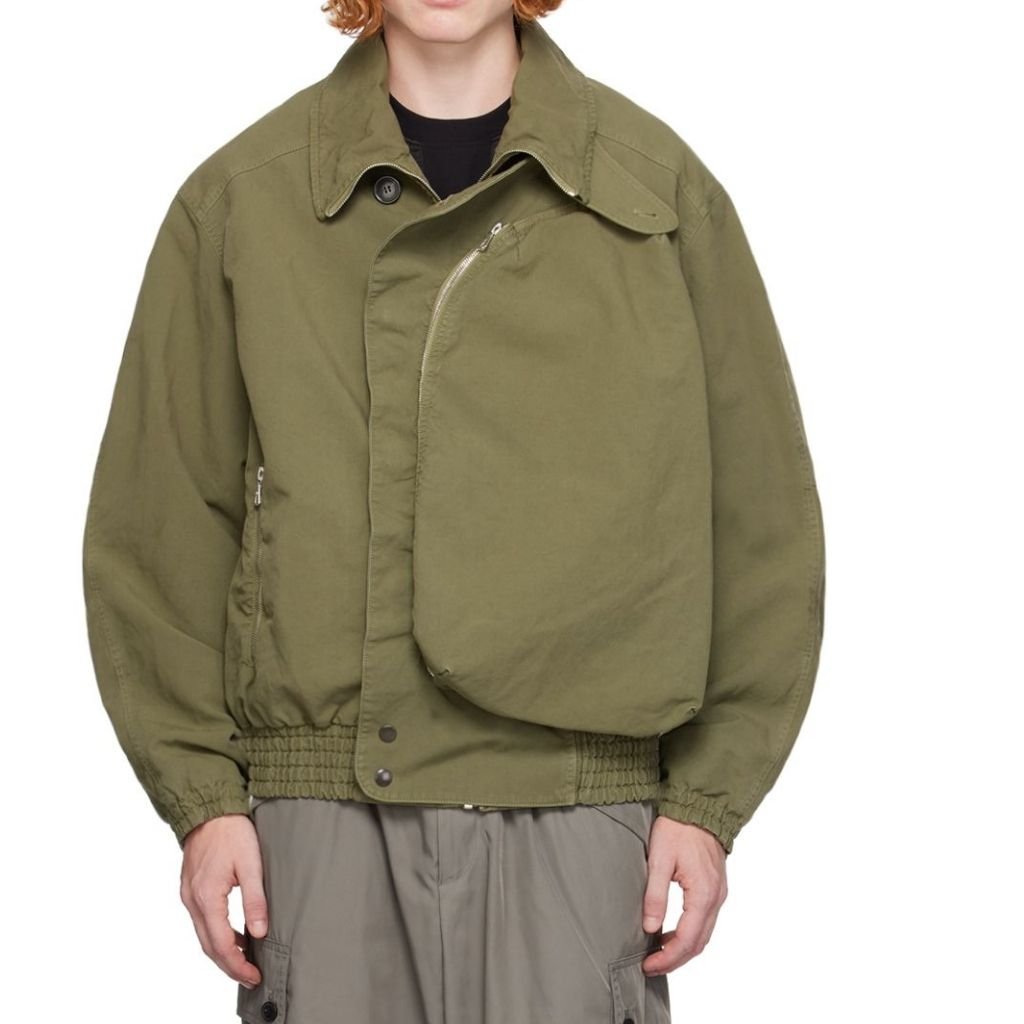
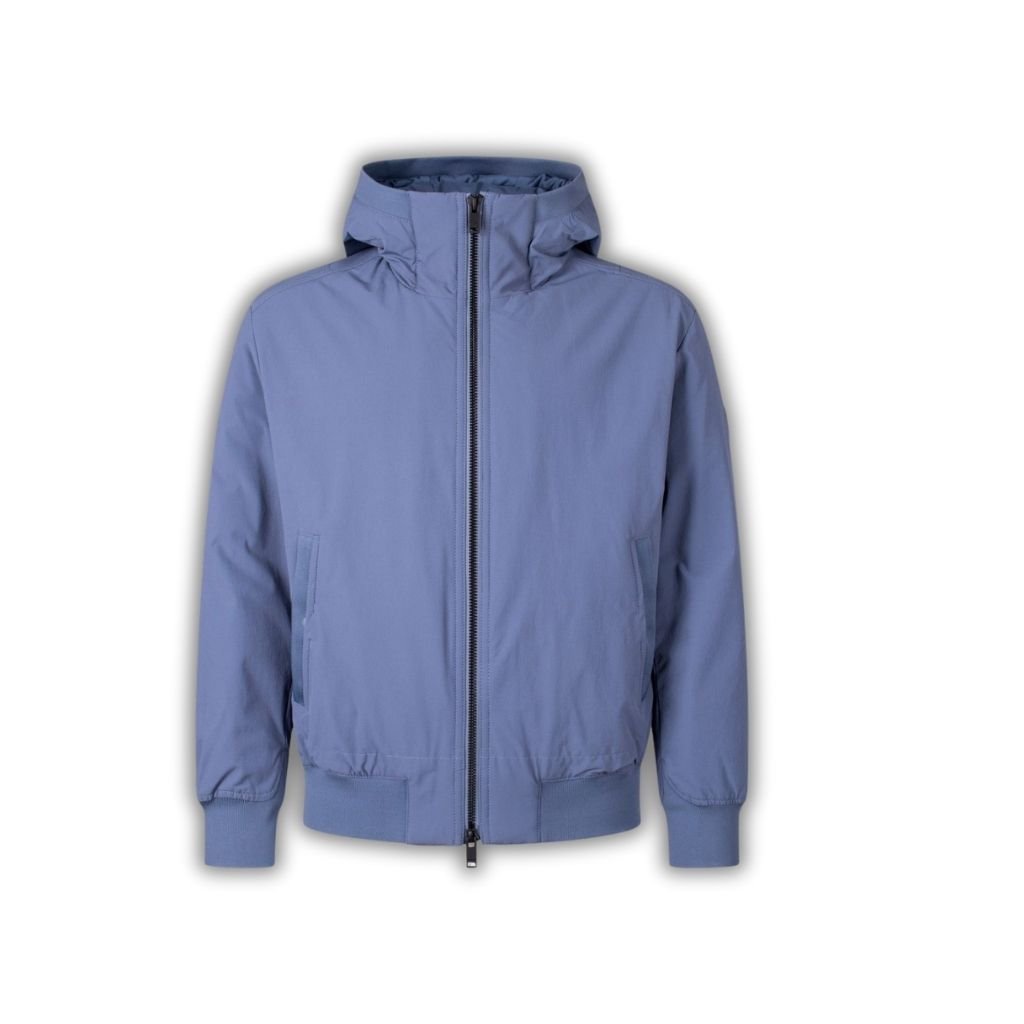
TENCEL™ Lyocell Winter Fabrics

TENCEL™ Lyocell provides controlled warmth with excellent breathability. It regulates body temperature naturally and prevents sudden chills.

Closed-loop production reduces chemical waste. Soft texture protects sensitive skin. Therefore, this fabric works best in base layers and thermal underwear.

Bamboo-Based Winter Fabrics

Bamboo winter fabrics balance insulation and airflow. They feel soft and smooth on the skin. Breathability remains steady during daily wear.

Moisture control works naturally through fiber structure. Sustainable impact depends on processing method. This fabric suits sweaters and inner layers.

Are Vegan Winter Fabrics Eco-Friendly?

Vegan Winter Fabric Explained often raises an important environmental question.Vegan Winter Fabric Explained: Many buyers assume vegan always means green. However, eco-friendliness depends on fiber type, production method, and end-of-life impact. Therefore, this topic requires careful and balanced analysis.Vegan Winter Fabric Explained:

Vegan winter fabrics include both natural and synthetic materials. Each category affects the planet in a different way. Understanding these differences helps consumers choose more responsible winter clothing.Vegan Winter Fabric Explained:

Natural Vegan Fabrics and Environmental Impact

Natural vegan fabrics such as organic cotton, bamboo, hemp, and TENCEL™ come from plants or regenerated cellulose. These fibers usually break down naturally over time. Therefore, their long-term pollution risk remains low.

Organic farming reduces pesticide use and protects soil health. temperaturesWater use still matters, especially for cotton. However, certified organic systems manage resources more carefully. Vegan Winter Fabric Explained:As a result, natural vegan fabrics often show a smaller environmental footprint.

Synthetic Vegan Fabrics and Microplastic Concerns

Synthetic vegan fabrics include recycled polyester, acrylic, and polyurethane. These materials provide strong warmth and durability. However, they release microplastics during washing.temperatures These tiny fibers enter rivers and oceans easily.

Modern filtration systems and washing bags reduce this problem. Brands also develop low-shed yarns. Therefore, synthetic impact can be managed with better technology and consumer care.

Recycled Fibers and Circular Fashion

Recycled polyester and recycled nylon reduce plastic waste significantly. They turn bottles and fishing nets into insulation fibers. This process saves energy compared to virgin plastic production.

Circular fashion models encourage reuse and recycling. Vegan Winter Fabric Explained:Garments designed for disassembly improve end-of-life recovery. Vegan Winter Fabric Explained:As a result, recycled vegan fabrics support a more sustainable fashion system.

Sustainable Production Methods

Eco-friendly production focuses on clean energy, low water use, and safe chemicals. Closed-loop systems recover solvents and reuse water. Certifications verify these practices clearly.

When brands combine vegan ethics with clean production, environmental benefits increase strongly. Therefore, vegan winter fabrics can become both cruelty-free and truly sustainable.

Common Uses of Vegan Winter Fabrics

Vegan Winter Fabric Explained shows that cruelty-free materials fit every part of winter life. These fabrics appear in daily clothing, outdoor gear, home textiles, and accessories. Their versatility makes them practical for both urban and cold rural environments. Understanding their common uses helps buyers select the right fabric for each purpose.

Winter Jackets and Coats

Winter jackets rely heavily on vegan insulation. Recycled polyester fills trap warm air efficiently. Windproof shells block cold drafts and snow. Vegan Winter Fabric Explained:As a result, vegan coats protect the body even in freezing temperatures.

Designers also use layered construction to improve heat retention.temperatures Quilted panels distribute warmth evenly. Therefore, vegan winter jackets now match traditional wool coats in performance.

Sweaters and Hoodies

Sweaters and hoodies use acrylic, organic cotton, bamboo, and modal blends. These fabrics provide moderate warmth with soft texture. Breathability remains balanced for indoor and outdoor use.

Moisture control keeps the skin dry during movement. Therefore, vegan knitwear suits daily wear, travel, and casual winter activities.

Thermal Wear and Base Layers

Thermal wear plays a vital role in winter comfort. TENCEL™, bamboo, and recycled polyester manage sweat effectively. They move moisture away from the skin quickly.

These base layers prevent chilling during rest. As a result, they improve overall warmth when layered under outer garments.

Blankets and Bedding

Vegan winter fabrics also appear in home textiles. Brushed cotton and microfiber provide gentle insulation. They retain body heat without heavy weight.

Breathability prevents overheating during sleep. Therefore, vegan blankets and bedding improve winter comfort indoors.

Accessories: Scarves, Gloves, and Hats

Accessories complete winter protection. Fleece, acrylic, and recycled knits insulate hands, neck, and head. These areas lose heat quickly in cold air.

Soft textures prevent skin irritation. As a result, vegan accessories offer both warmth and comfort throughout winter days.

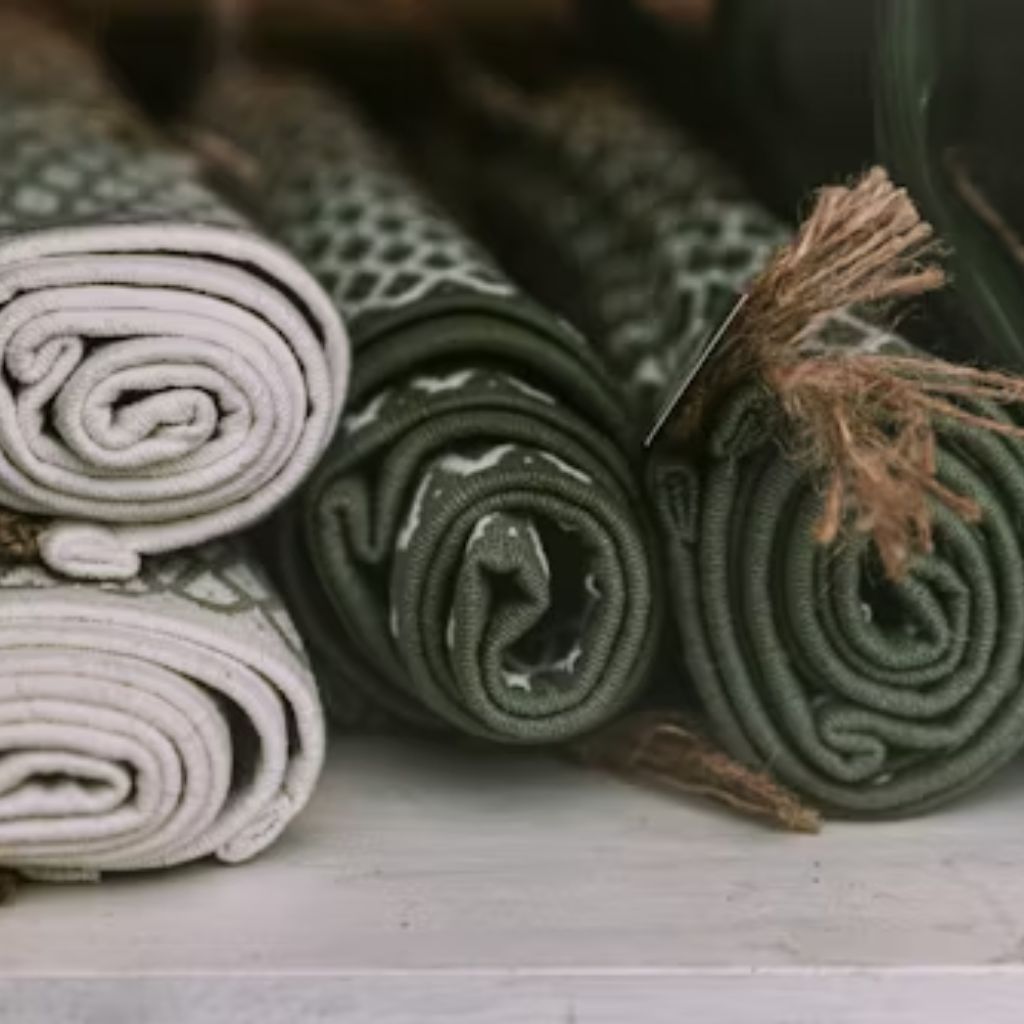
Alt text: “Rolled fabric textiles in neutral tones (light gray and olive green) with a small bundle of brown fibers resting on top.”Vegan Winter Fabric Explained:
Caption: “Rolled fabric in muted greens and grays with a natural accent.”

Vegan Winter Fabrics for Extreme Cold

Vegan Winter Fabric Explained proves that cruelty-free materials can protect the body even in severe winter conditions. Extreme cold places heavy demands on clothing systems. Low temperatures, strong winds, and snow increase heat loss rapidly. Therefore, vegan winter fabrics must work together through smart layering and insulation design.

In very cold climates, a single fabric never provides enough protection. Instead, warmth depends on a complete clothing system. Each layer performs a specific role. When these layers work in balance, vegan winter clothing can maintain comfort even below freezing.

Layering Systems with Vegan Materials

Layering remains the most reliable method for extreme cold protection. The base layer touches the skin and manages moisture. Bamboo, TENCEL™, and recycled polyester move sweat away quickly. This prevents dampness, which causes rapid heat loss.temperatures

The mid layer traps warm air close to the body.Vegan Winter Fabric Explained: Fleece, brushed cotton, and lightweight synthetic insulation perform this task well. These materials create air pockets that slow heat escape. Therefore, body temperature remains stable during rest and movement.

The outer layer blocks wind, snow, and rain. Vegan shells made from recycled polyester or polyurethane form a strong barrier. Windproof membranes reduce convective heat loss significantly. As a result, inner layers can retain warmth effectively.

Insulated Vegan Outerwear

Insulated vegan jackets use synthetic down alternatives. These fibers mimic the loft of animal down. They trap large volumes of air while staying light in weight. Even when wet, synthetic insulation continues to provide warmth.

Modern quilting techniques distribute insulation evenly. Cold spots reduce greatly through smart stitching patterns. Therefore, heat remains balanced across the entire garment surface.temperatures

Shell fabrics also improve thermal performance.Vegan Winter Fabric Explained: Durable water-repellent coatings keep snow from soaking in. Wind-resistant weaves reduce heat loss during storms. These features allow vegan outerwear to perform well in polar conditions.

Best Fabric Combinations for Harsh Climates

Extreme cold requires careful fabric combinations.temperatures A moisture-wicking base layer pairs best with a thick insulating mid layer. This system prevents sweat buildup while trapping heat efficiently.

Recycled polyester insulation works well with fleece mid layers. Bamboo or TENCEL™ base layers add comfort and dryness. Together, these fabrics create a stable thermal system.

Outer shells made from laminated recycled fabrics block wind penetration. When sealed seams are added, snow and ice stay outside.

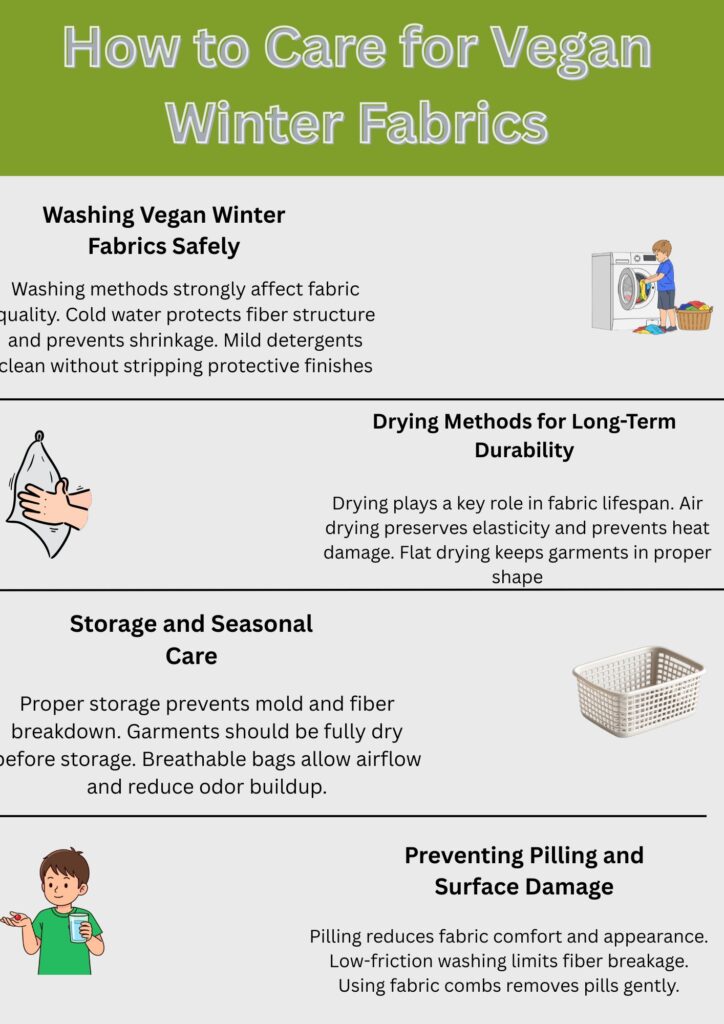
How to Care for Vegan Winter Fabrics

Vegan Winter Fabric Explained also depends on proper care for long-term performance. Winter fabrics face stress from cold, moisture, and frequent washing.Vegan Winter Fabric Explained: Without correct care, fibers lose strength and insulation drops. Therefore, learning proper maintenance becomes essential for durability and comfort.

“Infographic titled ‘How to Care for Vegan Winter Fabrics’ with sections on Washing, Drying, Storage and Seasonal Care, and Preventing Pilling. Includes small illustrations of a person washing a machine, a hand with a cloth, a laundry basket, and a child holding a bottle.”
Vegan Winter Fabric Explained:
“A guide infographic on caring for vegan winter fabrics, covering safe washing, drying methods, storage, and pilling prevention.”

Washing Vegan Winter Fabrics Safely

Washing methods strongly affect fabric quality. Cold water protects fiber structure and prevents shrinkage. Mild detergents clean without stripping protective finishes. Gentle cycles reduce friction and surface damage.

Turning garments inside out protects outer surfaces. Washing similar fabrics together prevents abrasion. Therefore, careful washing preserves softness and insulation.

Drying Methods for Long-Term Durability

Drying plays a key role in fabric lifespan. Air drying preserves elasticity and prevents heat damage. Flat drying keeps garments in proper shape. Low tumble settings may be used for sturdy synthetics.

High heat weakens fibers and reduces loft. Therefore, slow drying protects warmth and texture for many seasons.

Storage and Seasonal Care

Proper storage prevents mold and fiber breakdown. Garments should be fully dry before storage. Breathable bags allow airflow and reduce odor buildup.

Folding heavy knits prevents hanger stretching. Clean storage protects fabrics during long off-season periods.

Preventing Pilling and Surface Damage

Pilling reduces fabric comfort and appearance. Low-friction washing limits fiber breakage. Using fabric combs removes pills gently.

Avoiding rough surfaces prevents abrasion. Therefore, surface care maintains smoothness and insulation.

Pros and Cons of Vegan Winter Fabrics

Vegan winter fabrics offer cruelty-free production. They remain affordable and widely available. Innovation continues to improve warmth and comfort.

Some fabrics still have warmth limits. Synthetic sustainability concerns remain. However, research reduces these drawbacks steadily.

Vegan Winter Fabric Certifications to Know

PETA-Approved Vegan confirms animal-free production. GOTS certifies organic fibers. OEKO-TEX® ensures chemical safety. GRS verifies recycled content. These labels guide ethical purchasing clearly.

Common Myths About Vegan Winter Fabrics

Many believe vegan fabrics cannot provide enough warmth. Modern insulation proves this wrong. Some think all vegan fabrics are synthetic.temperatures Many plant-based options exist. Others believe vegan always means eco-friendly. Sustainability still depends on production.

How to Choose the Best Vegan Winter Fabric

Climate remains the first factor. Cold regions require strong insulation. Activity level affects breathability needs. Budget guides material choice. Sustainability preference refines the final decision.

Balancing warmth, comfort, and ethics leads to smart choices. Informed selection improves winter comfort greatly.

Alt text: “Close-up of three folded knitted fabrics in dark navy, light gray, and beige stacked on top of each other.”
Vegan Winter Fabric Explained:
Caption: “Stacked knit fabrics in neutral tones.”

Conclusion

Vegan Winter Fabric Explained shows that ethical warmth is no longer a dream. Modern textile science now provides cruelty-free materials that protect the body in cold climates. temperaturesThese fabrics avoid animal suffering while offering reliable insulation and comfort. Therefore, winter fashion can become both humane and high performing.

Throughout this article, the history, types, uses, and care of vegan winter fabrics reveal steady progress. Innovation has replaced wool, fur, and down with advanced plant-based and synthetic alternatives. As a result, consumers no longer need to choose between warmth and ethics.

FAQs

What Is the Warmest Vegan Fabric for Winter?

Recycled polyester insulation provides the highest warmth among vegan fabrics. Hollow fibers trap large volumes of air and slow heat loss effectively. When used in thick jackets, this insulation performs well even in freezing climates. Therefore, it suits extreme cold conditions strongly.

Is Vegan Fabric Better Than Wool?

Vegan fabric offers ethical advantages by avoiding animal use. In terms of warmth, modern vegan insulation can match wool through engineered fiber design. Wool regulates moisture naturally, while vegan fabrics rely on structure and layering. Therefore, both can perform well when chosen correctly.

Are Vegan Winter Fabrics Sustainable?

Some vegan winter fabrics are highly sustainable. Organic cotton, TENCEL™, and recycled polyester reduce environmental damage. However, not all vegan fabrics are eco-friendly. Sustainability still depends on production methods and fiber source.

Windproof Winter Fabric Material Guide: Warmth Without Bulk

Windproof winter fabric refers to textiles designed specifically to prevent the cold wind from penetrating the material and stripping away body heat. Unlike regular winter fabrics that rely mostly on thickness or insulation to keep the wearer warm, windproof materials block airflow directly, maintaining body warmth without adding unnecessary bulk. By preventing convective heat loss, these fabrics create a thermal barrier that feels comfortable even in freezing conditions.Windproof Winter Fabric Material Guide:

Wind protection is especially critical during winter because cold air moving across the skin can make temperatures feel much lower than they actually are. For example, a 0°C day with strong wind can feel closer to -10°C, creating a chilling effect known as wind chill. Traditional winter fabrics like thick wool or standard polyester may provide warmth initially but cannot prevent rapid heat loss when exposed to wind. This is why windproof materials have become a staple for outdoor winter clothing. The difference lies in design philosophy.

History of Windproof Winter Fabrics

The history of windproof winter fabrics is rooted in humanity’s struggle to survive harsh climates. Early humans relied on animal hides to shield themselves from biting cold winds. These hides provided a natural barrier against air, trapping some body warmth, but they were often heavy, stiff, and uncomfortable. Over time, the development of tightly woven wool and spun cotton introduced more flexible, breathable, and practical options.Windproof Winter Fabric Material Guide: People no longer had to sacrifice comfort for protection, and these early innovations formed the foundation for modern textile technology.

The twentieth century brought a significant shift in fabric science, driven largely by military needs. Soldiers exposed to extreme weather required clothing that was both protective and lightweight. Researchers began to explore fabric construction, wind permeability, and insulation strategies more systematically. This led to tightly woven synthetics, laminated membranes, and innovative coatings designed specifically to block wind. Windproof Winter Fabric Material Guide:During the same period, outdoor enthusiasts began to adopt these materials, transforming how civilians approached winter wear. By the late twentieth century, softshells, hardshells, and membrane-integrated fabrics became standard for winter sports, hiking, and urban clothing.

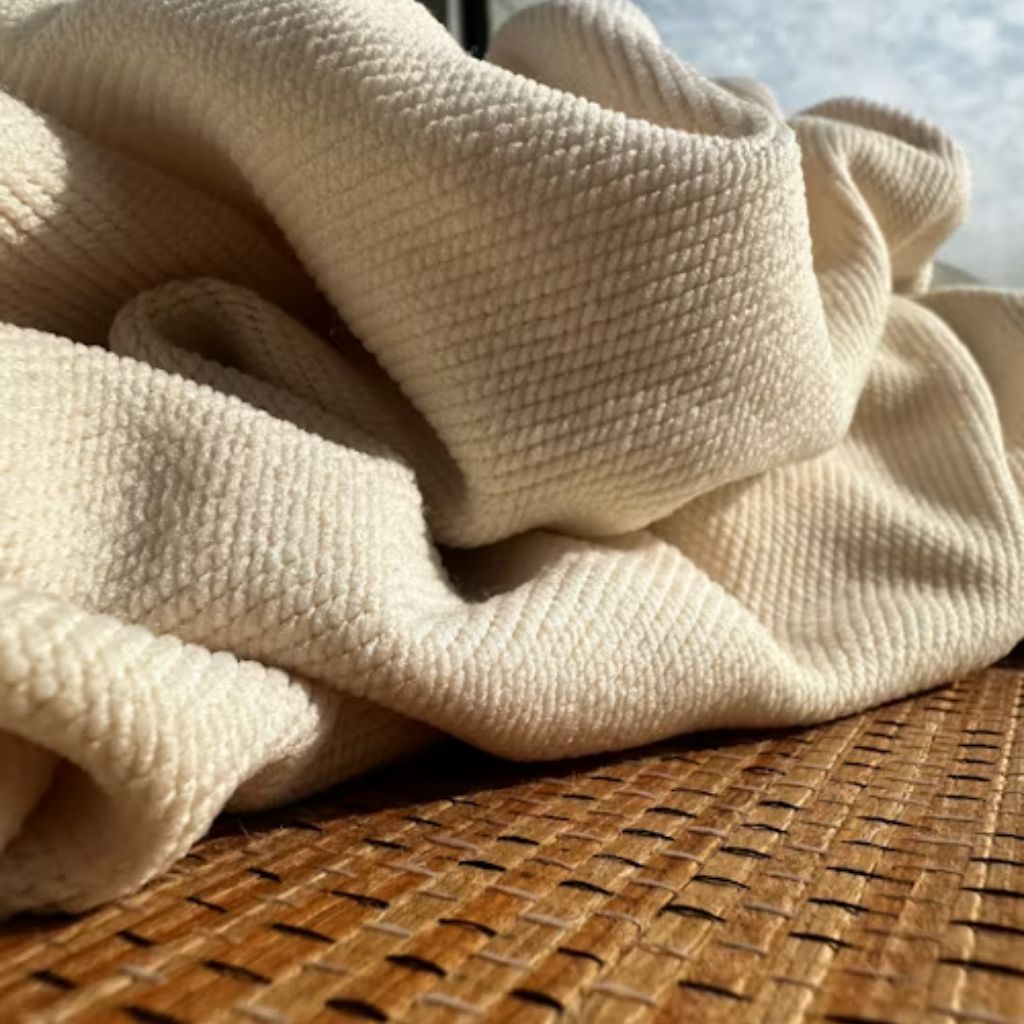
Close-up of cream-colored textured fabric (terry or knit) draped and folded over a woven surface.
Windproof Winter Fabric Material Guide:
Soft, cream-toned textured fabric casually arranged over a woven surface.

How Windproof Fabric Works

Wind accelerates heat loss through a process called convection. Moving air strips away the thin layer of warm air trapped close to the skin, forcing the body to expend more energy to maintain warmth. Windproof fabrics counter this by creating a barrier that prevents cold air from penetrating, thereby preserving the natural thermal layer around the body.

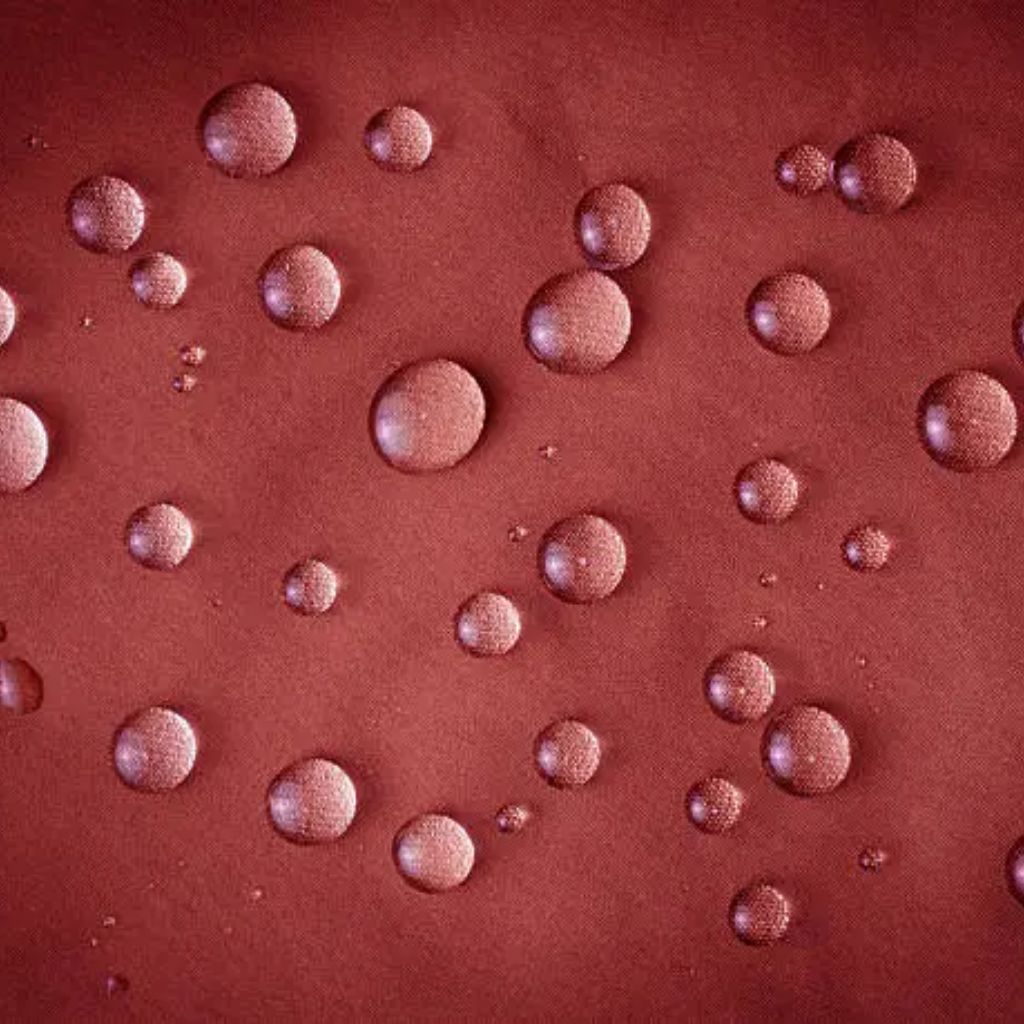
Modern windproof fabrics achieve this through a combination of tight weaves, membranes, and surface coatings. Tightly woven fibers reduce the spaces through which wind can pass, while ultra-thin membranes act as impermeable shields that block airflow completely.Windproof Winter Fabric Material Guide: Coatings applied to the fabric surface can further enhance wind resistance, often creating water-repellent properties as a secondary benefit. Every method has its advantages: tightly woven fabrics offer softness and flexibility, membranes provide near-total protection, and coatings add durability against environmental factors.

Types of Windproof Winter Fabric Materials

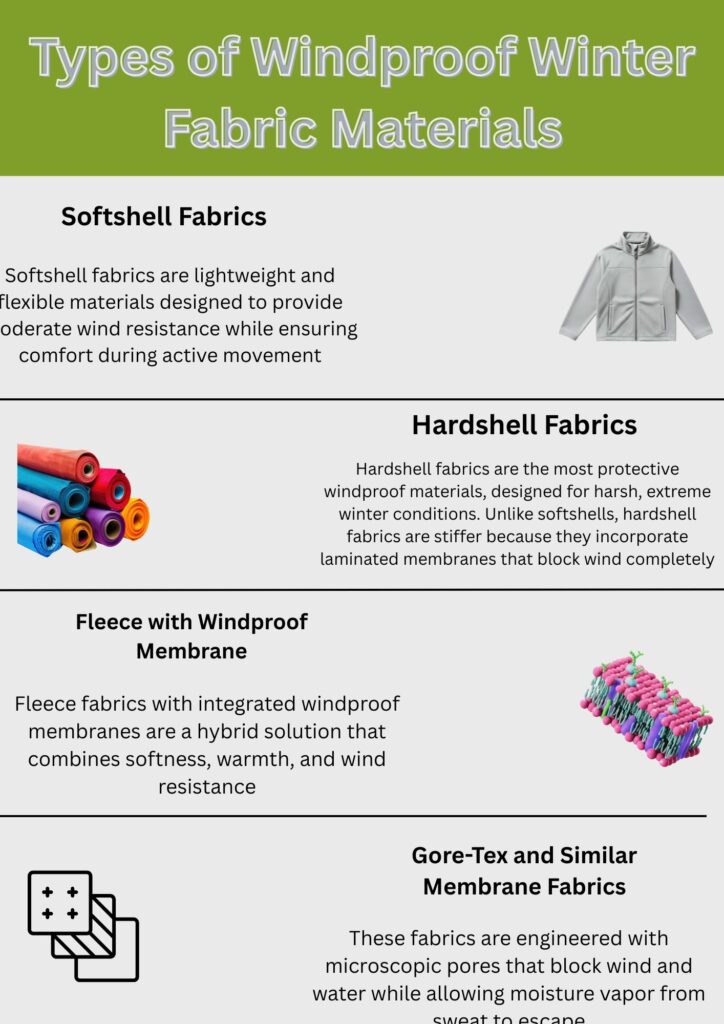
Windproof winter fabrics vary significantly depending on the level of protection, comfort, and activity requirements. Understanding the types of fabrics helps in selecting the right material for specific winter conditions. This section of the Windproof Winter Fabric Material Guide explains the main categories of windproof fabrics and how they differ in performance, warmth, and flexibility.

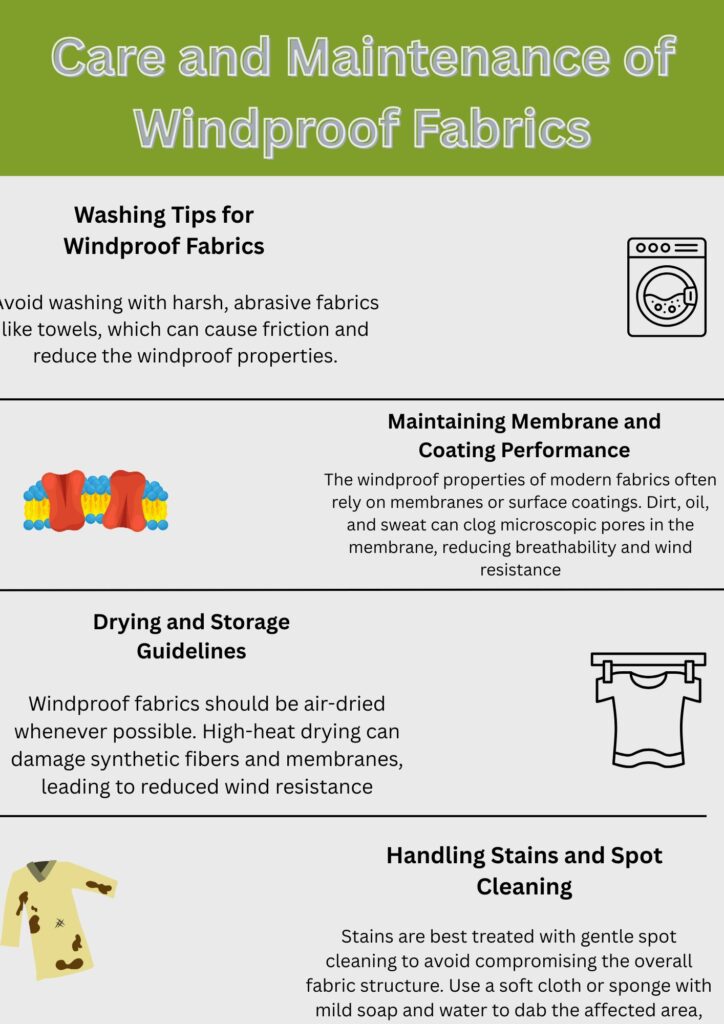
A vertical infographic titled “Care and Maintenance of Windproof Fabrics” with a green header. Sections include: “Washing Tips for Windproof Fabrics” with a washing icon; “Maintaining Membrane and Coating Performance” with a membrane illustration; “Drying and Storage Guidelines” with a clothesline icon; and “Handling Stains and Spot Cleaning” with a stain illustration. Light gray background sections separated by thin black lines.
Windproof Winter Fabric Material Guide:
Care and Maintenance of Windproof Fabrics: Practical tips for washing, maintaining membranes and coatings, drying and storage, and stain cleaning.

Softshell Fabrics

Softshell fabrics are lightweight and flexible materials designed to provide moderate wind resistance while ensuring comfort during active movement. They typically combine tightly woven synthetic fibers with a thin membrane or water-resistant coating. This construction creates a barrier that blocks wind without restricting mobility. Softshell fabrics are quiet, stretchy, and often breathable, making them ideal for outdoor activities such as hiking, cycling, or skiing where freedom of movement is essential.Windproof Winter Fabric Material Guide:

Hardshell Fabrics

Hardshell fabrics are the most protective windproof materials, designed for harsh, extreme winter conditions. Unlike softshells, hardshell fabrics are stiffer because they incorporate laminated membranes that block wind completely. They are often combined with waterproof layers, creating garments that protect against wind, rain, and snow simultaneously.

Fleece with Windproof Membrane

Fleece fabrics with integrated windproof membranes are a hybrid solution that combines softness, warmth, and wind resistance. The fleece component traps body heat, while the membrane prevents cold air from penetrating the material. This combination creates a comfortable and lightweight option for moderately cold and windy conditions.

Gore-Tex and Similar Membrane Fabrics

Gore-Tex and similar advanced membrane fabrics represent the high-performance end of windproof materials. These fabrics are engineered with microscopic pores that block wind and water while allowing moisture vapor from sweat to escape. The result is a highly functional material that remains breathable while offering superior protection against wind chill.

Windproof Fabrics for Different Winter Conditions

Selecting the right windproof fabric requires understanding the environmental and activity context.Windproof Winter Fabric Material Guide: Hardshell fabrics are best for extreme cold with strong winds, offering complete protection and compatibility with layered systems. For everyday winter wear, softshell fabrics provide a comfortable compromise between mobility, warmth, and wind resistance.

Active winter sports, such as skiing, snowboarding, and mountain climbing, demand fabrics that combine wind resistance with breathability. Membrane-integrated fleece or softshell fabrics meet these requirements by allowing moisture escape while maintaining thermal efficiency. Urban winter jackets often rely on synthetic insulated fabrics that deliver warmth without adding unnecessary bulk. These fabrics allow for stylish cuts and ease of movement while protecting against cold, windy conditions. Choosing the right fabric depends on balancing protection, comfort, and functionality for each situation.

Common Uses of Windproof Winter Fabrics

Windproof winter fabrics are highly versatile and are used in a wide range of clothing and gear to protect against cold, windy conditions. Windproof Winter Fabric Material Guide:Their ability to block wind while maintaining warmth without bulk makes them indispensable for outdoor activities, urban wear, and specialized winter gear. This section explores the common applications of these fabrics and how they improve comfort, performance, and safety during winter.

Windproof Winter Jackets and Coats

The most popular use of windproof fabrics is in winter jackets and coats. These garments are designed to block cold air, reduce heat loss, and provide comfort during daily wear or outdoor adventures. Softshell jackets use lightweight, flexible windproof fabrics for active movement, while hardshell coats offer maximum protection in extreme weather. The windproof property ensures that even in strong gusts, the body remains warm, allowing people to stay outdoors longer without discomfort.

Windproof jackets often incorporate additional features such as adjustable hoods, high collars, and storm flaps to further prevent heat loss.Windproof Winter Fabric Material Guide: By using membranes, tight weaves, or coatings, these jackets allow for warmth without excessive bulk, making them practical for both urban and outdoor settings.

Gloves, Hats, and Other Accessories

Windproof fabrics are also widely used in winter accessories. Gloves made from windproof materials prevent heat loss from the hands, which are particularly vulnerable to cold winds. Hats and beanies constructed from these fabrics protect the head and ears while remaining lightweight and comfortable.

Scarves, neck gaiters, and other small accessories benefit from windproof construction as well. They help maintain body warmth by creating an additional barrier against wind, especially in exposed areas where heat loss can occur quickly. Windproof Winter Fabric Material Guide:Incorporating windproof fabrics into accessories complements jackets and coats, ensuring full-body protection from cold and wind.

Close-up of a tan-colored fabric with a black-and-gray striped inner layer visible at the seam.Windproof Winter Fabric Material Guide:
A detailed close-up of a tan garment showing a seam and striped inner lining.

Windproof Versus Waterproof and Breathable Fabrics

Windproof fabrics primarily prevent airflow, whereas waterproof fabrics resist water penetration. Breathable fabrics facilitate moisture transfer from the skin to the atmosphere, preventing overheating and sweat accumulation. Understanding the distinctions between these characteristics is critical for selecting winter clothing that meets your needs.

In dry, cold climates, windproof fabrics alone can provide sufficient warmth. However, wet snow or rain conditions require waterproof layers to prevent moisture penetration. Breathability becomes particularly important during active outdoor activities, as trapped sweat can cool the body and reduce comfort. Windproof Winter Fabric Material Guide:Modern windproof fabrics often incorporate limited breathability to strike a balance, allowing them to function effectively in a variety of winter conditions.

Benefits of Windproof Winter Fabrics

Windproof fabrics provide several key advantages over traditional winter materials. By preventing convective heat loss, these fabrics maintain stable body temperature and reduce the need for heavy insulation.Windproof Winter Fabric Material Guide: As a result, clothing feels lighter and less restrictive, improving mobility and comfort. Windproof materials also enhance performance during outdoor activities, allowing individuals to remain active without feeling chilled. These fabrics ensure that warmth is preserved efficiently, making them indispensable in both extreme and moderate winter environments.

Limitations of Windproof Materials

While windproof winter fabrics provide excellent protection against cold air and help maintain warmth, they are not without limitations. Understanding these drawbacks is essential for making informed clothing choices. Although these fabrics improve comfort and thermal efficiency, certain factors may reduce their overall effectiveness or suitability for specific activities.

Reduced Breathability in Some Fabrics

One of the most significant limitations of windproof materials is reduced breathability. Fabrics designed to block wind often have tightly woven fibers or membranes that prevent airflow. While this is excellent for retaining warmth, it can trap moisture and sweat during high-intensity activities. Windproof Winter Fabric Material Guide:When the body perspires and the fabric cannot release moisture effectively, condensation builds up inside the clothing, leading to dampness and a cooling effect that counteracts the fabric’s warmth.

This issue is particularly noticeable in hardshell materials and membranes that prioritize wind resistance over vapor permeability. While advanced technologies like Gore-Tex or windproof softshell fabrics improve moisture management, complete windproofing may still reduce airflow enough to make prolonged physical activity less comfortable. Users engaging in vigorous outdoor activities may need to layer strategically to avoid overheating or moisture buildup, balancing warmth with breathability.

Higher Cost of Windproof Materials

Another limitation of windproof fabrics is their higher cost compared to standard winter textiles. The specialized construction methods, such as tight weaves, laminated membranes, and protective coatings, require advanced manufacturing techniques and quality materials. Windproof Winter Fabric Material Guide:These factors increase production expenses, which are reflected in the price of garments.

While investing in windproof fabrics is worthwhile for extreme winter conditions or frequent outdoor use, casual wearers may find them more expensive than conventional insulated jackets or fleece. Consumers must weigh the benefits of wind protection against budget constraints. In some cases, lightweight synthetic clothing fabric hybrid options may provide adequate wind resistance at a lower cost, though they may not offer the same durability or performance as high-end membranes.

Not Always Waterproof

Although windproof fabrics excel at preventing airflow, most are not fully waterproof. Cold air penetration and water infiltration are separate challenges. A garment that blocks wind effectively may still allow rain, sleet, or snow to penetrate unless it includes a waterproof coating or membrane.

This limitation is important for outdoor activities in wet climates, where wind and moisture often occur simultaneously. Users may assume that windproof garments alone are sufficient, but without additional waterproofing, clothing may become wet and lose insulation properties. Windproof Winter Fabric Material Guide:Layering waterproof shells over windproof garments or choosing hybrid fabrics that combine wind resistance with water repellency can address this concern, ensuring protection against both elements.

Choosing the Right Windproof Winter Fabric

Selecting the appropriate windproof fabric involves considering climate, activity level, and layering needs. Regions with consistent wind require stronger wind resistance, whereas milder areas may allow softer fabrics. High-intensity activities demand breathable fabrics to prevent moisture buildup, while urban wear emphasizes style, comfort, and lightweight performance. Windproof Winter Fabric Material Guide:Fabric weight and thickness also influence warmth and mobility. Finally, sustainability is increasingly important, with eco-friendly options such as recycled polyester, PFC-free membranes, and responsible outdoor brands becoming more widely available.

Applications in Clothing and Accessories

Windproof fabrics extend beyond jackets and coats. Gloves, hats, pants, and base layers benefit from wind-resistant construction, preventing heat loss in extremities and maintaining thermal comfort. Outdoor gear, such as sleeping bags and shelters, also employs windproof fabrics to protect against chilling drafts. Windproof Winter Fabric Material Guide:The versatility of windproof materials ensures that winter protection can be applied throughout the wardrobe and outdoor equipment, making these fabrics an essential part of winter preparation.

Close-up of smooth, shiny, white satin fabric with soft folds and sheen.Windproof Winter Fabric Material Guide:
A close-up of glossy satin fabric showcasing its luxurious drape and texture.

Care and Maintenance of Windproof Fabrics

Proper care and maintenance are essential for ensuring that windproof fabrics retain their protective qualities and longevity. Although these fabrics are designed to withstand harsh winter conditions, neglecting them can reduce wind resistance, compromise breathability, and shorten the garment’s lifespan. This section of the Windproof Winter Fabric Material Guide explains practical tips and best practices to maintain windproof fabrics effectively.

A vertical infographic titled “Care and Maintenance of Windproof Fabrics” with a green header. Sections include: “Washing Tips for Windproof Fabrics” with a washing icon; “Maintaining Membrane and Coating Performance” with a membrane illustration; “Drying and Storage Guidelines” with a clothesline icon; and “Handling Stains and Spot Cleaning” with a stain illustration. Light gray background sections separated by thin black lines.
Windproof Winter Fabric Material Guide:
Care and Maintenance of Windproof Fabrics: Practical tips for washing, maintaining membranes and coatings, drying and storage, and stain cleaning.

Washing Tips for Windproof Fabrics

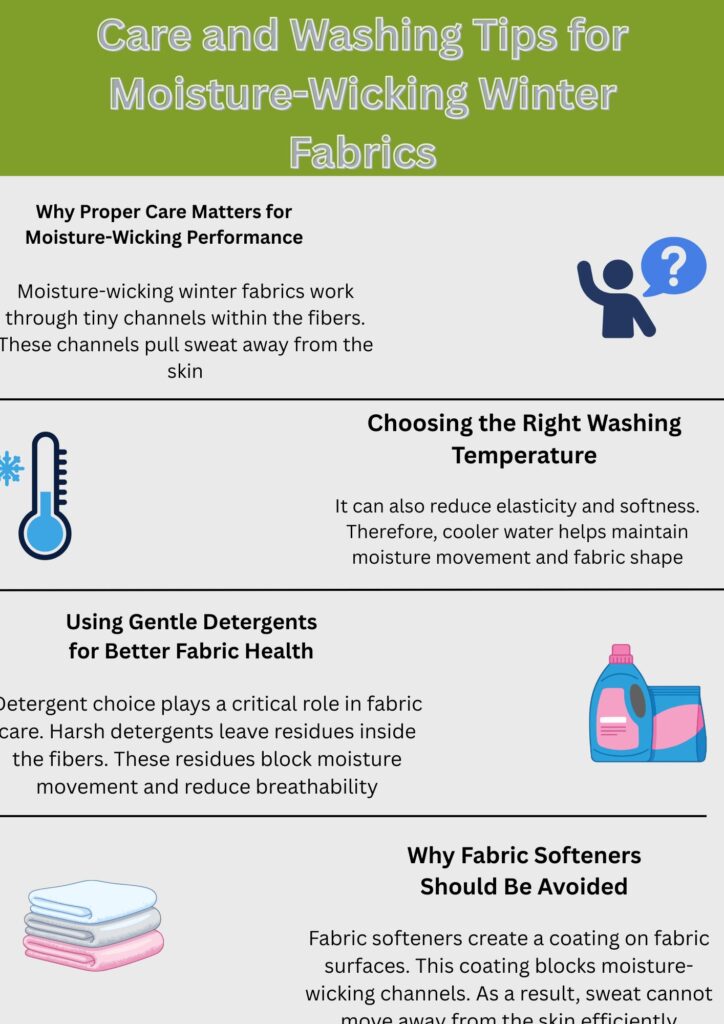
Windproof fabrics require gentle washing to preserve their structure and membrane performance. Always use a mild detergent that does not contain bleach or fabric softeners, as these chemicals can damage the protective coating or membrane. Avoid washing with harsh, abrasive fabrics like towels, which can cause friction and reduce the windproof properties.

Maintaining Membrane and Coating Performance

The windproof properties of modern fabrics often rely on membranes or surface coatings. Dirt, oil, and sweat can clog microscopic pores in the membrane, reducing breathability and wind resistance. Regular cleaning ensures that these pores remain functional.

Drying and Storage Guidelines

Windproof fabrics should be air-dried whenever possible. High-heat drying can damage synthetic fibers and membranes, leading to reduced wind resistance. If machine drying is necessary, use a low-heat setting and remove the garment promptly to avoid overheating.

Handling Stains and Spot Cleaning

Stains are best treated with gentle spot cleaning to avoid compromising the overall fabric structure. Use a soft cloth or sponge with mild soap and water to dab the affected area, avoiding vigorous scrubbing. Immediate attention to stains prevents buildup and reduces the need for full washing, which can stress the fabric over time.

Sustainable and Eco-Friendly Options

Eco-conscious consumers can now choose windproof fabrics that minimize environmental impact. Recycled polyester and nylon offer durability and wind protection while reducing waste. PFC-free membranes eliminate harmful chemicals, making these fabrics safer for both users and ecosystems. Windproof Winter Fabric Material Guide:Brands focusing on sustainable outdoor gear continue to innovate, providing high-performance materials that align with environmental responsibility. The integration of sustainability into windproof fabrics ensures that warmth and protection do not come at the expense of the planet.

Common Myths About Windproof Fabrics

A common misconception is that windproof always equals waterproof, which is not true. While some windproof materials resist water, many require additional layers to prevent moisture penetration. Another myth is that thicker fabrics automatically provide better wind protection. In reality, the construction and permeability of the material determine effectiveness more than thickness alone. Finally, breathability is often overlooked, yet it remains essential for comfort during activity. Understanding these myths ensures informed fabric choices and optimal performance.

Conclusion

Windproof winter fabrics have transformed cold-weather clothing by blocking chilling winds while minimizing bulk. They maintain warmth, enhance mobility, and improve comfort across diverse winter conditions. This Windproof Winter Fabric Material Guide highlights different fabric types, their benefits, limitations, and applications in everyday and extreme environments. By understanding how windproof materials function, readers can make informed choices that maximize warmth, comfort, and performance throughout the winter season.

FAQs

What is the best windproof fabric for winter?

Hardshell fabrics with membranes provide the strongest protection for extreme cold.

Is windproof fabric breathable?

Modern windproof fabrics allow controlled moisture escape to maintain comfort.

Can windproof fabric keep you warm?

Yes, it reduces heat loss effectively and works well with layering.

Moisture-Wicking Winter Fabric Explained: Benefits & Uses

Moisture-Wicking Winter Fabric Explained explains winter clothes that are used to move sweat off the body to keep it dry. These materials draw the moisture off of the skin and distribute it on the fabric so that it can dry quicker. Consequently, the body is always warm, dry and comfortable in cold weather. This aspect renders moisture-wicking clothes indispensable in the contemporary winter clothes systems.

During winter, moisture control is important since sweating has a potential to make the body chilled easily. Under the condition that moisture remains on the skin, heat is dissipated very fast and leads to chills. Thus, winter clothes have to be able to deal with heat and humidity. Warm fabrics are breathless, whereas moisture-wicking fabrics regulate sweat. Combine to form a balanced winter protection making it more comfortable and safe.Moisture-Wicking Winter Fabric Explained:

History and Evolution of Moisture-Wicking Winter Fabric.

The concept of dampness management in winter clothes is not new. Early man had to use natural fibers such as wool since wool kept the human being warm even when damp. The property was a natural help to the people to survive cold and wet climates. Gradually, the knowledge in the textile industry increased, and individuals started to know how the fibers react to moisture.

In the twentieth century, scientific studies changed the technology of fabrics. Artificial fibers like polyester and nylon were developed that had high moisture-moving capabilities. Such materials were also quicker to dry than natural fibers and were also lighter to wear. Moisture-Wicking Winter Fabric Explained:With the growth of outdoor sports and the winter activities, the demand in the moisture-wicking winter garments grew. Modern winter textiles today are a combination of traditional-based knowledge and modern engineering to enhance performance and comfort.

A close-up of vibrant blue fabric with a smooth, satiny texture and soft folds.Moisture-Wicking Winter Fabric Explained:
Close-up of glossy blue fabric with gentle folds.

How Moisture-Wicking Fabric Works in Cold Weather

The explanation of Moisture-Wicking Winter Fabric is presented by simple science to understand the efficiency. These materials are supported by a mechanism of moving moisture off the skin through the mechanism of capillary. The fibrous structure forms small passageways that drag out sweat. As soon as moisture comes in contact with the outer surface it becomes more widespread and evaporates faster. This takes place in the form of continuous wear.

The evaporation rate is slower in cold than in warm air. Moisture-Wicking Winter Fabric Explained:Nonetheless, dampness is minimized by moisture-wicking garments. These fabrics do not allow a quick loss of heat because they keep away sweat on the skin. This means that the body remains warmer even in the course of physical activity. Moisture-Wicking Winter Fabric Explained:This is the balance of the moisture movement and heat retention, which determines the excellent winter performance fabrics.

Fiber Structure and Capillary Action.

This is because moisture can move along the surfaces of fibers without the use of force, which is achieved through the process known as capillary action. This is a process that is reliant on the shape of the fiber and the energy of the surface. Moisture-wicking fabrics contain fibers stimulating the flow of water. Thus, it does not keep sweat against the skin. This is constant moisture delivery which enhances comfort during day.

The Regulation of Evaporation and Body Heat.

When the moisture is lying on the skin, the body becomes cooled by the evaporation of sweat. This cooling effect in winter is dangerous. Fabrics that have moisture properties wick away such risks, by absorbing sweat. The skin is dry and this is good at retaining heat compared to wet skin. Moisture-Wicking Winter Fabric Explained:Consequently, moisture-wicking garments are used to maintain body temperature during a cold environment.

Breathability and Insulation Equilibrium.

The ability to get moisture vapors out of the fabric is known as breathability. The insulation pockets the warm air near the body. Winter clothes that are wicked to moisture balance these requirements. Moisture-Wicking Winter Fabric Explained:They also permit the evaporation of sweat and keep warm. This equilibrium is good in both activity and rest.

Why Moisture-Wicking Is Important in Winter Clothing

Moisture-Wicking Winter Fabric Explained importance becomes clear during real winter use. Sweat buildup under heavy clothing causes discomfort and cold stress. Moisture-wicking fabrics prevent this issue by keeping the skin dry. Dry skin maintains warmth and reduces fatigue.

Additionally, moisture-wicking fabrics reduce odor and bacterial growth. Bacteria thrive in damp environments. By limiting moisture, these fabrics keep winter clothing fresher. Moisture-Wicking Winter Fabric Explained:This benefit matters during long wear periods. Therefore, moisture-wicking fabrics support hygiene, comfort, and health during winter.

Types of Moisture-Wicking Fabrics for Winter

Different moisture-wicking fabrics serve different needs. Each fabric offers unique properties related to warmth, softness, durability, and sustainability. Choosing the right fabric depends on climate, activity level, and personal comfort preferences.

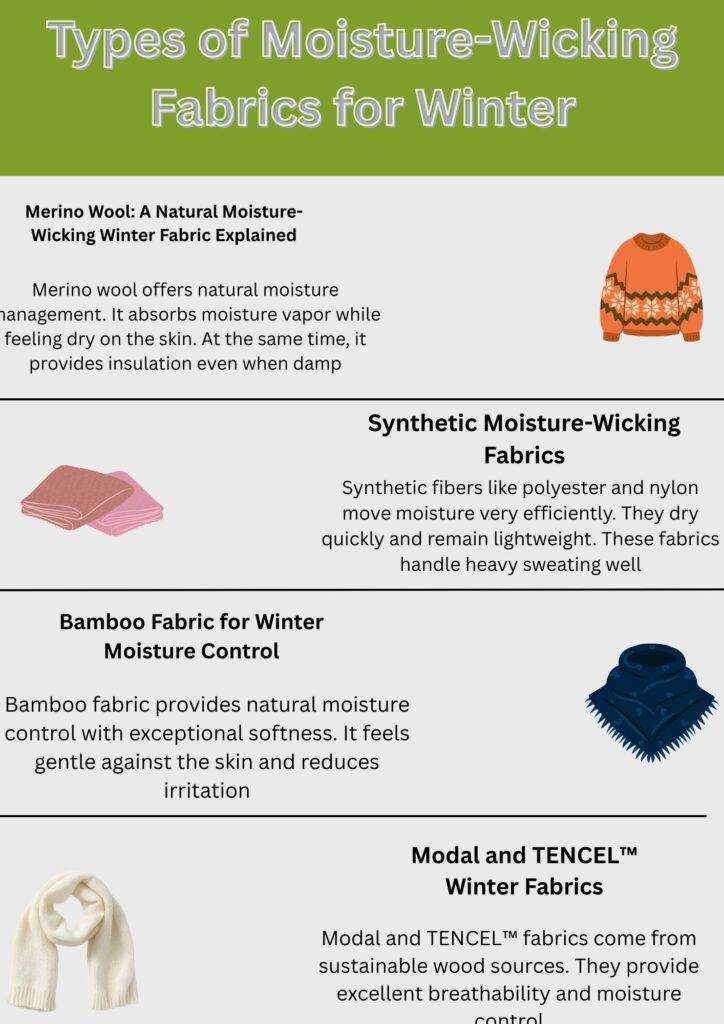
An infographic titled “Types of Moisture-Wicking Fabrics for Winter.” It lists four fabric types with small illustrative icons: Merino Wool sweater, synthetic fabrics, bamboo fabric scarf, and modal/TENCEL winter fabrics, each with a brief description.Moisture-Wicking Winter Fabric Explained:
Types of Moisture-Wicking Fabrics for Winter: quick overview of natural and synthetic options and their moisture-management benefits.

Merino Wool: A Natural Moisture-Wicking Winter Fabric Explained

Merino wool offers natural moisture management. It absorbs moisture vapor while feeling dry on the skin. At the same time, it provides insulation even when damp. This ability makes merino wool ideal for winter base layers. Additionally, it regulates temperature effectively and resists odor naturally. Therefore, it suits both active and everyday winter wear.

Synthetic Moisture-Wicking Fabrics

Synthetic fibers like polyester and nylon move moisture very efficiently. They dry quickly and remain lightweight. These fabrics handle heavy sweating well. Moisture-Wicking Winter Fabric Explained:As a result, they dominate winter sportswear and thermal clothing. Their durability also supports repeated washing and rough use.

Bamboo Fabric for Winter Moisture Control

Bamboo fabric provides natural moisture control with exceptional softness. It feels gentle against the skin and reduces irritation. This fabric suits sensitive skin types very well. Bamboo also offers moderate insulation, making it suitable for inner winter layers. Therefore, it balances comfort and performance.

Modal and TENCEL™ Winter Fabrics

Modal and TENCEL™ fabrics come from sustainable wood sources. They provide excellent breathability and moisture control. These fabrics feel smooth and luxurious on the skin. They regulate moisture without trapping heat excessively. As a result, they work well for premium winter innerwear and base layers.

Moisture-Wicking vs Thermal Fabric Explained Clearly

Moisture-Wicking vs Thermal Fabric Explained Clearly helps remove confusion many people face when choosing winter clothing. Although both fabric types support cold-weather comfort, they serve very different purposes. Moisture-wicking fabrics focus on moisture control, while thermal fabrics focus on heat retention. Moisture-Wicking Winter Fabric Explained:Understanding this difference helps people dress smarter during winter.

Moisture-wicking fabrics work by pulling sweat away from the skin. Moisture-Wicking Winter Fabric Explained:When the body moves, it naturally produces moisture, even in cold weather. If that moisture stays on the skin, it creates a cooling effect. As a result, the body can feel colder very quickly. Moisture-wicking fabrics prevent this problem by moving sweat to the outer surface of the fabric. There, the moisture can dry faster. Therefore, the skin remains dry and comfortable.

Thermal fabrics work in a very different way. Instead of focusing on sweat movement, thermal fabrics trap warm air close to the body. They use thick fibers, brushed surfaces, or insulated structures to hold heat. This trapped air acts as a barrier against cold temperatures. Moisture-Wicking Winter Fabric Explained:As a result, thermal fabrics perform best in very cold environments where heat retention matters most.Moisture-Wicking Winter Fabric Explained:

A close-up macro of blue fabric with a fine dotted texture and soft folds.
Moisture-Wicking Winter Fabric Explained:
Close-up of textured blue fabric with tiny raised dots.

Best Uses of Moisture-Wicking Winter Fabric

Winter clothes that are moisture-wicking are significant to the current cold-weather clothing. It enhances comfort, warmth and dryness in most winter activities. Due to the high effectiveness of this fabric in regulating sweat, it can be useful in the active and daily scenarios. Being aware of its best purposes will guide humanity in making decisions about the correct winter clothes depending on the purpose.

Thermal Undergarments and Base Layers.

Winter moisture-wicking clothing is best used as a base layer. It is the layer that is nearest to the skin and regulates the sweat at the beginning. When the body secretes some moisture, the garment evacuates it fast. Consequently, the skin remains dry and warm. Moisture-Wicking Winter Fabric Explained:This is particularly a necessary role in winter layering since wet base layers may result in chills. Thus, moisture-wick clothing base-layers enhance general winter comfort and thermal efficiency.

Skiing Clothing and Sports.

Freezing temperatures produce body heat and sweat because of winter sports. This moisture is managed by use of moisture-wicking winter clothing. It helps avoid the accumulation of sweat in such activities as skiing, hiking, or running. Once the activity reduces, the fabric minimizes the chances of abrupt cooling. Due to this fact, athletes remain comfortable during a longer time. Moisture-Wicking Winter Fabric Explained:Dampness also enhances performance and endurance in the cold weather.

Arguing about Socks and Winter Linings.

Feet also sweat during cold weather, particularly when in an insulated shoe. Winter clothing is moisture-wicking and keeps the feet dry by draining the moisture off the skin. The dry feet remain healthier and warmer during the day. Friction is also minimized with the help of this fabric preventing blisters. Consequently, the long winter hours are made more comfortable with moisture-wicking sock and footwear lining.

System: Winter Underwear and Innerwear.

Winter clothing and innerwear are made comfortable because of moisture-wicking fabric. This cloth averts moisture in delicate parts. Subsequently, it decreases irritation and smell. Moisture-Wicking Winter Fabric Explained:It also helps to achieve the better temperature regulation during the day. Since the innerwear is directly in contact with the skin, moisture protection is required to be comfortable in winter.

Common Uses of Moisture-Wicking Winter Fabric

Moisture-wicking winter fabric serves many practical purposes in cold-weather clothing.Moisture-Wicking Winter Fabric Explained: Its ability to control sweat while supporting warmth makes it useful in daily life and outdoor activities. Because winter conditions often involve changing temperatures, this fabric adapts well to different situations. Understanding its common uses helps people choose the right winter garments with confidence.

Everyday Winter Base Layers

Moisture-wicking winter fabric appears most commonly in base layers. These garments stay in direct contact with the skin. As the body produces moisture, the fabric moves sweat away quickly. This action keeps the skin dry and stable. As a result, warmth stays trapped more effectively. Moisture-Wicking Winter Fabric Explained:Base layers made from moisture-wicking fabric improve comfort throughout long winter days.

Cold-Weather Activewear and Sports Clothing

Active winter movement creates heat and sweat. Moisture-wicking winter fabric manages this moisture efficiently. It prevents sweat buildup during activities like walking, running, or hiking. Moisture-Wicking Winter Fabric Explained:After activity slows, it reduces cooling caused by dampness. Therefore, athletes and active individuals remain comfortable and protected in cold conditions.

Winter Socks and Footwear Linings

Feet sweat even in cold weather, especially inside insulated shoes. Moisture-wicking winter fabric keeps feet dry by pulling moisture away from the skin. Dry feet stay warmer and feel more comfortable. This fabric also reduces odor and irritation. As a result, it supports foot health during extended winter wear.

Moisture-Wicking Fabric in Layering Systems

Moisture-wicking fabric plays a central role in effective winter layering systems. Layering works best when each layer performs a clear function. Moisture-wicking fabrics manage sweat at the skin level. As a result, they help maintain warmth and comfort throughout the day. Moisture-Wicking Winter Fabric Explained:Without proper moisture control, even the warmest layers can fail in cold weather.

The Role of Moisture-Wicking Fabric as a Base Layer

The base layer sits directly against the skin. This position makes moisture-wicking fabric essential at this level. When the body produces sweat, the base layer absorbs and moves moisture away quickly. This process keeps the skin dry and stable. As a result, body heat remains trapped more effectively. A dry base layer also reduces the risk of chills after physical activity. Therefore, moisture-wicking fabrics define the foundation of a successful winter layering system.

Interaction Between Moisture-Wicking and Insulating Layers

Moisture-wicking fabric supports insulating layers by keeping them dry. Insulation works best when it traps air rather than moisture. If sweat reaches the insulation layer, warmth decreases quickly. Moisture-wicking base layers prevent this problem. They move moisture outward before it reaches thicker layers. Moisture-Wicking Winter Fabric Explained:As a result, insulation maintains its full warming ability. This interaction improves overall thermal performance during winter.

Compatibility with Mid-Layers in Cold Weather

Mid-layers provide additional warmth through fleece, wool, or synthetic insulation. Moisture-wicking fabrics allow these layers to function properly. When moisture stays controlled at the base layer, mid-layers remain dry and breathable. This balance prevents overheating during activity. It also allows heat retention during rest. Therefore, moisture-wicking fabrics enhance mid-layer efficiency in changing winter conditions.Moisture-Wicking Winter Fabric Explained:

Supporting Outer Layers and Weather Protection

Outer layers protect against wind, rain, and snow. These layers often limit airflow to block cold air. Moisture-wicking fabrics help manage moisture beneath these protective shells. By keeping sweat away from the skin, they prevent dampness buildup inside the system. As a result, outer layers feel more comfortable and effective. This support improves performance in harsh winter environments.

Macro close-up of dark green fabric with numerous white speckles or droplets scattered across the surface.Moisture-Wicking Winter Fabric Explained:
Textured green fabric with white speckle pattern (macro shot).

Is Moisture-Wicking Fabric Warm Enough for Winter?

The moisture-wicking fabric itself does not produce heat. It, however, assists the body to remain warm because the skin remains dry. It is efficient in moderate cold climate conditions. Moisture-Wicking Winter Fabric Explained:Further insulation is required in very low temperatures. The usage of moisture wicking undergarments and thermal insulators is a good defense against the winter in a range of climates.

How to Choose the Right Moisture-Wicking Fabric for Winter

The selection of the proper material is dependent on activity and weather. Insulation is required in cold and dry climates. The high level of activity requires fast-drying products. Delicate skin demands soft and chemical free clothes. Warmth and breathability are influenced by fabric weight. Natural fibers are comfortable and synthetic fibers are durable. The knowledge of these factors enhances winter clothing performance.

Moisture-Wicking winter Sensitive Skin Fabric.

During winter, special attention should be paid to sensitive skin. Crude fabrics may be irritating and scratchy. Moisture-Wicking Winter Fabric Explained:Merino wool is soft and it has a natural moisture control. Bamboo and TENCEL fabrics are less frictional and less dry. The treatments free of chemicals enhance the level of comfort even more. Thus, wearing soft moisture-wicking clothes can be used in favor of skin health in winter.

Care and Washing Tips for Moisture-Wicking Winter Fabrics

Proper care plays a major role in maintaining the performance of moisture-wicking winter fabrics. These fabrics rely on special fiber structures to move moisture efficiently. If washed or handled incorrectly, their performance can decrease over time. Therefore, understanding correct care methods helps preserve comfort, durability, and moisture control throughout winter use.

An infographic titled “Care and Washing Tips for Moisture-Wicking Winter Fabrics.” It covers sections on proper care, choosing washing temperature, using gentle detergents, and avoiding fabric softeners, with simple icons for each tip.
Moisture-Wicking Winter Fabric Explained:
Care and Washing Tips for Moisture-Wicking Winter Fabrics: practical guidance on washing temperature, detergents, and fabric softeners to maintain moisture-wicking performance.

Why Proper Care Matters for Moisture-Wicking Performance

Moisture-wicking winter fabrics work through tiny channels within the fibers. These channels pull sweat away from the skin. Improper washing can block these pathways. As a result, the fabric may begin to trap moisture instead of releasing it. Proper care keeps these fibers open and functional. Therefore, the fabric continues to perform as intended during cold weather.

Choosing the Right Washing Temperature

Water temperature directly affects fabric performance. Cold or lukewarm water protects moisture-wicking fibers. Hot water can damage fiber structure over time. It can also reduce elasticity and softness. Therefore, cooler water helps maintain moisture movement and fabric shape. This approach extends the life of winter garments.

Using Gentle Detergents for Better Fabric Health

Detergent choice plays a critical role in fabric care. Harsh detergents leave residues inside the fibers. These residues block moisture movement and reduce breathability. Moisture-Wicking Winter Fabric Explained:Gentle detergents clean effectively without damaging fibers. They also prevent buildup that causes stiffness. As a result, moisture-wicking performance stays consistent.

Why Fabric Softeners Should Be Avoided

Fabric softeners create a coating on fabric surfaces. This coating blocks moisture-wicking channels. As a result, sweat cannot move away from the skin efficiently. Although fabric may feel soft initially, performance declines quickly. Therefore, avoiding fabric softeners preserves moisture control and breathability.

A close-up macro image of dark, textured fabric with soft folds and subtle lighting.
Moisture-Wicking Winter Fabric Explained:
Close-up of dark fabric texture and folds.

Conclusion

Moisture-Wicking Winter Fabric Explained shows how moisture control supports warmth and comfort. These fabrics reduce chills, improve layering efficiency, and enhance winter performance. Moisture-Wicking Winter Fabric Explained:They suit active lifestyles and everyday wear equally well. Choosing moisture-wicking winter fabrics leads to smarter and safer cold-weather clothing. Exploring related winter fabric guides can further improve winter wardrobe decisions.

FAQs

Is moisture-wicking fabric good for winter?

Yes, moisture-wicking fabric works very well in winter. It keeps sweat away from the skin and prevents dampness. When the skin stays dry, body heat remains stable. This balance reduces the risk of chills in cold weather. Therefore, moisture-wicking fabric supports comfort and warmth during winter.

Can moisture-wicking fabric keep you warm in cold weather?

Moisture-wicking fabric helps the body stay warm by keeping the skin dry. Dry skin retains heat better than wet skin. However, moisture-wicking fabric does not create heat on its own. It works best when combined with insulating layers. Together, they provide effective winter protection.

What is the best moisture-wicking fabric for winter use?

The best moisture-wicking fabric depends on activity level and comfort needs. Merino wool works well because it manages moisture naturally and stays warm when damp. Synthetic fabrics dry faster and suit high-activity use. Bamboo and TENCEL™ offer softness and breathability. Each fabric serves different winter needs.

Soft Winter Fabrics for Sensitive Skin: Cozy & Itch-Free Now

Winter creates unique challenges for people with sensitive skin, especially during prolonged cold exposure.
Cold air outside and dry heat indoors remove natural moisture from the skin quickly.As a result, the skin barrier weakens and becomes more reactive.
Even people without skin conditions often notice dryness, tightness, and discomfort during winter.For those with sensitive skin, these effects feel stronger and last longer.Fabric choice therefore becomes a critical part of winter comfort and skin protection.Sensitive skin reacts easily to friction, pressure, and trapped moisture.When rough or stiff fabrics rub against dry skin, irritation increases rapidly.Soft Winter Fabrics for Sensitive Skin:This friction often leads to itching, redness, and painful rashes.Many people also experience flare-ups of eczema, dermatitis, or allergic reactions.Unfortunately, winter clothing often uses thick and coarse materials.These fabrics may provide warmth but worsen skin sensitivity.Soft Winter Fabrics for Sensitive Skin:

History of Soft Winter Fabrics for Sensitive Skin

Winter clothing has existed for centuries, yet comfort was not always a priority.In early times, people used thick animal hides and coarse wool for warmth.Although these materials protected against cold, they irritated skin severely.civilizations advanced, textile techniques slowly improved fiber refinement.Spinning and weaving methods helped reduce roughness and stiffness.Eventually, softer natural fibers gained popularity for everyday winter wear.Later, cotton processing improved softness through better cleaning and spinning.Silk and fine wool appeared among higher social classes for comfort.Soft Winter Fabrics for Sensitive Skin:In modern times, textile science focuses on skin health and fabric safety.As a result, soft winter fabrics for sensitive skin now dominate conscious fashion.

A tall stack of folded, colorful sweaters arranged by color from turquoise at the top to black at the bottom.
Soft Winter Fabrics for Sensitive Skin:
A vibrant rainbow of folded sweaters stacked neatly.

What Makes a Winter Fabric Safe for Sensitive Skin

A winter fabric must do more than provide warmth for sensitive skin.It must protect the skin without causing irritation or discomfort.During winter, the skin becomes dry, fragile, and easily reactive.Cold air and indoor heating weaken the skin’s natural barrier.Therefore, fabrics that touch the skin directly play a crucial role.A safe winter fabric supports skin health while maintaining comfort.Softness remains the most important quality for sensitive skin.When fabric fibers feel rough, they scratch the skin surface constantly.Soft Winter Fabrics for Sensitive Skin:This friction damages already dry skin and increases itching quickly.In contrast, soft fibers glide smoothly across the skin.They reduce friction and prevent micro-irritation throughout the day.Soft winter fabrics for sensitive skin create a calm and soothing feel.Breathability also determines whether a fabric feels safe in winter.The body naturally releases heat and moisture during daily activity.If fabric traps this moisture, the skin becomes damp and irritated.Sweat buildup encourages bacteria growth and inflammation.Breathable fabrics allow air circulation and moisture escape.As a result, the skin remains dry, balanced, and comfortable.

Types of Soft Winter Fabrics for Sensitive Skin

Choosing the right type of winter fabric plays a major role in protecting sensitive skin.Different fabrics behave differently when exposed to cold temperatures and moisture.Some fabrics feel gentle and breathable, while others trap heat and irritate skin.Understanding fabric types helps people make better winter clothing decisions.Soft winter fabrics for sensitive skin focus on comfort, warmth, and skin safety together.

An infographic titled "Types of Soft Winter Fabrics for Sensitive Skin" showing four sections with icons: Organic Cotton, Bamboo Fabric, Merino Wool, and Cashmere. Each section has a short description and a small illustrative image (fabric, sweater, scarf).
Soft Winter Fabrics for Sensitive Skin:
A guide to soft winter fabrics suitable for sensitive skin.

Organic Cotton as a Gentle Winter Fabric

Organic cotton remains one of the safest fabric choices for sensitive skin.Its natural fibers feel soft and smooth against delicate skin surfaces.Because organic cotton avoids harsh chemicals, it reduces irritation risks greatly.The fabric allows airflow, which prevents sweat buildup during winter wear.During colder months, organic cotton works well for layering purposes.It provides moderate warmth while maintaining breathability and comfort.Sensitive skin benefits from its moisture-absorbing ability.As a result, itching and redness occur less frequently.

Bamboo Fabric for Ultra-Soft Winter Comfort

Bamboo fabric has become popular for people with highly sensitive skin.Its texture feels silky and soothing, even on irritated or inflamed skin.The fabric naturally resists bacteria, which helps prevent skin infections.This feature makes bamboo ideal for eczema-prone individuals.Bamboo also regulates temperature efficiently during winter.It keeps the body warm without overheating.The fabric manages moisture well and prevents dampness.Therefore, bamboo supports calm and balanced skin throughout the day.

Merino Wool as a Skin-Friendly Wool Option

Merino wool differs significantly from traditional wool fabrics.Its fibers remain extremely fine and flexible, which reduces itching.Unlike coarse wool, merino wool does not scratch sensitive skin.This quality makes it suitable for direct skin contact.Merino wool also regulates body temperature naturally.It keeps the body warm in cold conditions.At the same time, it releases excess heat effectively.Soft Winter Fabrics for Sensitive Skin:Sensitive skin benefits from this balanced insulation.

Cashmere for Luxury Softness and Warmth

Cashmere offers exceptional softness combined with lightweight warmth.Its fine fibers reduce friction and pressure on sensitive skin.Many people with severe sensitivity prefer cashmere for winter accessories.The fabric feels gentle even after long hours of wear.

Fabrics Sensitive Skin Should Avoid in Winter

Winter fabrics can either protect sensitive skin or worsen irritation quickly.Many materials feel warm but cause discomfort after extended wear.Sensitive skin reacts strongly to rough textures and trapped moisture.Soft Winter Fabrics for Sensitive Skin:Therefore, understanding which fabrics to avoid becomes essential.Avoiding problematic materials helps prevent itching and inflammation.Soft winter fabrics for sensitive skin work best when harmful fabrics stay excluded.

Rough Wool and Coarse Animal Fibers

Traditional wool often contains thick and uneven fibers.These fibers scratch the skin surface during movement.This friction leads to redness, itching, and discomfort.People with sensitive skin usually feel irritation within minutes.Coarse animal fibers lack flexibility and smoothness.They press harshly against dry winter skin.Even layering may not prevent irritation completely.Therefore, rough wool rarely suits sensitive skin needs.

Acrylic Fabrics and Synthetic Wool Alternatives

Acrylic fabrics often mimic the look of wool.However, they trap heat and restrict airflow.This causes excessive sweating and damp skin.Moisture buildup worsens irritation quickly.Acrylic fibers also lack breathability.They create a warm but uncomfortable environment for skin.Sensitive skin may develop itching and rashes.Prolonged wear often increases discomfort significantly.

Polyester Blends with Chemical Finishes

Polyester blends frequently undergo chemical treatments.These finishes improve durability and appearance.However, chemicals often irritate delicate skin.Sensitive individuals may experience burning or redness.Polyester also traps heat and moisture easily.Soft Winter Fabrics for Sensitive Skin:This combination encourages bacteria growth.Skin inflammation becomes more likely during winter.Therefore, polyester blends require caution.

Tight Weaves and Heavy Fabric Constructions

Some winter fabrics use tight weaving techniques.These fabrics block airflow completely.
As a result, sweat remains trapped against the skin.Damp skin becomes irritated and inflamed.Heavy fabric weight also affects comfort negatively.Thick materials press against sensitive skin.This pressure increases friction during movement.Sensitive skin benefits from lighter, flexible fabrics instead.

A person wearing a white fringed shawl and a red mitten, with a gray sleeve visible, hugging the shawl close to their chest.
Soft Winter Fabrics for Sensitive Skin:
Wrapped in warmth: cozy white shawl with a red mitten peeking out.

Natural vs Synthetic Winter Fabrics for Sensitive Skin

Choosing between natural and synthetic winter fabrics often confuses people with sensitive skin.Both fabric types provide warmth, yet they affect skin very differently.Sensitive skin reacts quickly to trapped moisture and rough textures.Therefore, understanding fabric behavior helps prevent winter discomfort.Soft winter fabrics for sensitive skin usually balance comfort, breathability, and safety.

How Natural Winter Fabrics Affect Sensitive Skin

Natural winter fabrics come from plant or animal sources.They usually feel softer and more breathable against the skin.These fabrics allow air to circulate naturally.
As a result, sweat evaporates more easily.

Natural fibers also adapt well to temperature changes.They keep the body warm without overheating.balance reduces moisture buildup on the skin.Sensitive skin remains calmer throughout the day.Another benefit involves chemical exposure.Natural fabrics often require fewer synthetic treatments.This reduces the risk of allergic reactions.People with eczema often tolerate natural fabrics better.

How Synthetic Winter Fabrics Affect Sensitive Skin

Synthetic winter fabrics come from chemical-based fibers.They often feel smooth at first touch.However, many synthetic fabrics trap heat quickly.This causes excessive sweating during winter wear.Trapped moisture creates an unhealthy skin environment.Bacteria grow more easily on damp skin.This leads to itching and irritation.Sensitive skin reacts faster under these conditions.Soft Winter Fabrics for Sensitive Skin:Chemical finishes also affect skin reactions.Synthetic fabrics often receive dyes and coatings.These substances may irritate delicate skin.Long wear increases discomfort and inflammation.

Breathability and Moisture Control Differences

Breathability plays a major role in skin comfort.Natural fabrics allow better airflow through fibers.They absorb moisture and release it slowly.This process keeps skin dry and balanced.Synthetic fabrics often block airflow.They hold moisture close to the skin.This leads to overheating and irritation.Sensitive skin suffers more in such environments.

Best Soft Winter Fabrics for Babies and Kids

Babies and young children have extremely delicate skin that reacts quickly during winter months.Cold air and indoor heating remove moisture from their skin very fast.As a result, dryness, redness, and irritation appear more easily.Fabric choice therefore becomes a major factor in protecting young skin.Soft winter fabrics for sensitive skin play an essential role in children’s comfort.Soft Winter Fabrics for Sensitive Skin:Gentle materials help prevent discomfort and promote healthy skin.Organic cotton remains one of the safest fabric choices for babies and kids.Soft Winter Fabrics for Sensitive Skin:Its fibers feel smooth and soft against fragile skin surfaces.Because organic cotton avoids harsh chemicals, it reduces irritation risks.The fabric also allows airflow, which helps regulate body temperature.Children stay warm without overheating or sweating excessively.This balance keeps skin calm and comfortable throughout winter.Bamboo fabric also works well for children with sensitive skin.Its silky texture feels soothing and gentle.Bamboo naturally resists bacteria growth.Soft Winter Fabrics for Sensitive Skin:This quality helps protect babies from skin infections.The fabric absorbs moisture effectively and keeps skin dry.Dry skin experiences less itching and irritation.

How to Choose Winter Fabric for Eczema or Allergies

Choosing winter fabrics becomes especially important for people with eczema or allergies.Cold weather weakens the skin barrier and increases sensitivity.As a result, skin reacts faster to friction, heat, and chemicals.Fabric that touches the skin directly can either calm or irritate it.Therefore, careful selection helps prevent flare-ups during winter.Soft winter fabrics for sensitive skin offer essential protection for eczema-prone individuals.Soft Winter Fabrics for Sensitive Skin:The first factor to consider involves fabric softness.or stiff fibers damage inflamed skin easily.They cause itching and worsen redness quickly.Smooth fabrics reduce friction and soothe irritated skin.Soft textures help calm the skin throughout the day.This comfort becomes crucial during long winter wear.Breathability also plays a major role in fabric selection.Eczema worsens when skin becomes overheated or damp.Non-breathable fabrics trap sweat against the skin.This moisture creates irritation and itching.Soft Winter Fabrics for Sensitive Skin:Breathable fabrics allow air circulation.They help keep the skin dry and balanced.Moisture control further supports eczema management.Winter fabrics should absorb sweat without staying wet.should also release moisture gradually.This balance prevents sudden temperature changes.Stable skin temperature reduces flare-up risks.Sensitive skin benefits from controlled moisture levels.

A woman with curly red hair wearing a light gray knit sweater, standing by a window with her arms crossed over her chest and a gentle smile.Soft Winter Fabrics for Sensitive Skin:
Warm comfort by the window: a cozy gray sweater and a content smile.

Why Soft Winter Fabrics Matter for Skin Health

Winter can be particularly harsh on the skin, especially for those with sensitive or reactive skin types. The cold air outside combined with dry indoor heating removes natural moisture from the skin. When this happens, the skin barrier weakens, making it more prone to irritation and inflammation. In such conditions, the fabrics that touch the skin directly play a crucial role in maintaining comfort and protecting skin health. Soft winter fabrics for sensitive skin are not just about warmth; they provide a protective layer that minimizes friction, reduces moisture loss, and prevents flare-ups of conditions like eczema or dermatitis. Soft Winter Fabrics for Sensitive Skin:Choosing the right fabrics can mean the difference between enjoying winter and suffering through constant itching and irritation.

Friction is one of the main reasons harsh winter fabrics can damage the skin. Rough or stiff fibers scrape against the skin surface with every movement. Over time, this friction causes micro-tears in the skin, leading to redness, itching, and discomfort. Even people without pre-existing skin conditions can experience irritation if they wear coarse fabrics for extended periods.Soft Winter Fabrics for Sensitive Skin: Soft winter fabrics, on the other hand, have fine, smooth fibers that glide over the skin. These fabrics reduce friction and allow the skin to move naturally. The result is a gentle, soothing sensation that protects sensitive skin during everyday activities.

Uses of Soft Winter Fabrics for Sensitive Skin

Soft winter fabrics for sensitive skin serve many important purposes during the cold months. They are not only essential for warmth but also play a critical role in protecting the skin from irritation. Winter clothing often comes into direct contact with the skin for long hours. Soft Winter Fabrics for Sensitive Skin:If the fabric is rough or poorly designed, friction can cause redness, itching, and flare-ups of sensitive skin conditions. Using soft fabrics ensures that the skin remains calm and comfortable throughout the day, allowing people to move, work, and relax without constant distraction from discomfort.

One of the main uses of soft winter fabrics is for layering clothing. Base layers that touch the skin need to feel smooth and gentle. Soft fabrics like organic cotton, bamboo, and fine merino wool provide insulation while minimizing friction. They allow the skin to breathe and manage moisture effectively. When combined with outer layers, these fabrics keep the body warm without causing sweating or irritation. Layering with soft materials also allows people to adjust to changing temperatures, which is especially helpful during outdoor winter activities.

Caring for Soft Winter Fabrics to Prevent Irritation

Proper care of soft winter fabrics is essential for maintaining both comfort and skin health. Fabrics designed for sensitive skin often require extra attention to preserve their gentle texture. Without careful maintenance, even the softest fabrics can become rough, lose their insulating properties, or trap irritants that may harm delicate skin. Understanding the right cleaning, drying, and storage practices ensures these fabrics remain protective and itch-free throughout the winter season.

An infographic titled "Caring for Soft Winter Fabrics to Prevent Irritation" with sections and icons: washing guidance, avoiding irritant chemicals, drying techniques, and storing winter fabrics. Each section includes small illustrations like a washing machine, spray bottle, dryer icon, a circular care symbol, and a scarf.Soft Winter Fabrics for Sensitive Skin:
A quick guide to caring for soft winter fabrics to prevent irritation.

Washing Soft Winter Fabrics Safely

Washing is the most critical step in caring for soft fabrics. Harsh detergents or abrasive washing methods can damage fibers and increase friction against the skin. Gentle washing with mild, fragrance-free detergents is recommended. These detergents clean effectively while avoiding chemical residues that may trigger irritation. For fabrics like bamboo, organic cotton, or merino wool, washing in cold or lukewarm water preserves softness and prevents shrinkage. Using short wash cycles and avoiding aggressive spinning also protects fiber integrity. Regular washing prevents dirt, sweat, and oils from building up, which helps sensitive skin remain calm and comfortable.

Avoiding Irritating Chemicals

Many conventional laundry products contain fragrances, optical brighteners, or fabric softeners that can irritate sensitive skin. Soft winter fabrics benefit from chemical-free washing routines. Fabric softeners, although they make fabrics feel smooth temporarily, often leave residues that block breathability and trap moisture. These residues increase friction and can trigger redness, itching, or eczema flare-ups. By avoiding these chemicals, soft fabrics maintain their natural texture and allow the skin to breathe properly. Careful washing ensures that fabrics stay gentle and safe for daily wear.

Drying Techniques for Sensitive Skin Fabrics

Drying soft winter fabrics requires special attention. High heat from dryers can damage delicate fibers and reduce their softness. It can also shrink fabrics, especially natural fibers like cotton or wool, making them stiff and uncomfortable. Air drying is the preferred method, as it preserves fiber flexibility and breathability. Hanging clothes in a shaded, ventilated area prevents sun damage while allowing moisture to evaporate evenly. For indoor drying, flat drying for woolens and fine knits prevents stretching or misshaping. Proper drying keeps fabrics smooth, soft, and safe for sensitive skin contact.

Storing Winter Fabrics Properly

Storage is often overlooked, yet it directly affects fabric quality. Winter fabrics should be kept in a clean, dry environment to prevent mold or mildew growth. Moisture can leave fabrics musty and rough, which irritates sensitive skin. Folding clothes carefully rather than cramming them into drawers reduces wrinkles and fiber breakage. Soft Winter Fabrics for Sensitive Skin:Using breathable storage bags or fabric organizers helps maintain airflow and protects fabrics from dust or pests. Thoughtful storage ensures soft winter fabrics retain their protective properties from season to season.

Sustainable and Eco-Friendly Soft Winter Fabrics (2025 Trend)

Sustainability now shapes fabric choices worldwide.Eco-friendly fabrics reduce environmental harm and skin irritation.GOTS-certified cotton ensures safer production standards.Bamboo and TENCEL require fewer chemicals and resources.These fabrics protect both skin health and nature.Therefore, sustainability and comfort now go hand in hand.

A person wearing a white turtleneck sweater with a purple scarf draped over their shoulders, holding the scarf at the front.
Soft Winter Fabrics for Sensitive Skin:
Soft, cozy layers: a white turtleneck and a purple scarf wrapped casually over the shoulders.

Common Mistakes When Choosing Winter Fabrics for Sensitive Skin

Many people focus only on warmth while shopping.They often ignore breathability and fiber quality.Chemical treatments remain unnoticed on fabric labels.Over-layering synthetic fabrics traps sweat excessively.Such mistakes increase skin irritation during winter.Awareness helps prevent unnecessary discomfort.

Conclusion

Soft winter fabrics for sensitive skin create warmth without irritation.They protect delicate skin from dryness and friction.Breathable and chemical-free materials improve comfort significantly.Mindful fabric selection prevents itching and flare-ups.Ultimately, the right winter fabric supports healthier skin and better comfort.

FAQs

What is the softest winter fabric for sensitive skin?

The softest winter fabrics for sensitive skin are usually natural fibers such as organic cotton, bamboo, fine merino wool, and cashmere. These fabrics feel gentle against the skin, reduce friction, and allow air circulation. They also manage moisture effectively, which prevents irritation, redness, and itching. Choosing chemical-free or minimally processed fabrics further enhances comfort for sensitive or eczema-prone skin.

Is wool bad for sensitive skin?

Traditional coarse wool can irritate sensitive skin and cause itching or redness. However, fine merino wool is an exception. Merino fibers are thin, soft, and flexible, allowing them to provide warmth without scratching or irritating the skin. Merino wool also helps regulate temperature, keeping the skin comfortable in cold conditions. It is recommended to test wool fabrics on a small area first if your skin is highly reactive.

Which winter fabrics do not itch?

Fabrics that do not itch include organic cotton, bamboo, modal, TENCEL™ Lyocell, and cashmere. These fabrics have smooth textures and excellent moisture management, which helps prevent irritation. Proper care, such as washing with gentle detergents and avoiding chemical treatments, ensures these fabrics remain soft and skin-friendly. These materials are ideal for long hours of winter wear and provide consistent comfort.


Slim-Fit Overshirt Jacket: Modern Style & Everyday Comfort

0

Versatility is more important today than ever in the fast-paced fashion world. Modern wardrobes require clothing that can adapt to multiple environments. This slim-fit overshirt coat is the perfect answer to this requirement. It not only bridges the gap between shirts, but also provides a polished look that will enhance your everyday style.

This fashion staple is also embraced by trend-conscious people, designers and stylists around the world. The slim-fit jacket is a popular choice for casual or semi-formal wear. Anyone looking to update their wardrobe should be aware of its functionality and style potential.

What is a slim-fit overshirt jacket?

slim fit overshirt jacket can be worn as a lightweight outerwear over a shirt or tee. It is tailored to closely follow the shape of your body, unlike bulky jackets. This gives the jacket a sharp and clean appearance without sacrificing comfort.

It is also usually made from fabrics that are durable and breathable, such as denim, cotton twills, wool blends or brushed flannel. This thoughtful design allows it to be easily layered during the transitional seasons. The overshirt jacket is a must-have fashion item for all seasons.

Why Slim Fit is Important in Modern Fashion

In recent years, menswear has been dominated by slim-fit clothing. A well-fitted shape enhances your confidence and appearance. This slim-fit overshirt jacket is in line with current fashion trends.

Decreased fabric waste results in a refined, structured appearance. Smart tailoring and flexible fabrics ensure comfort. Wearers can enjoy both practicality and style in one garment.

Overshirt Jackets: Evolution of the Overshirt Jacket

Overshirts were originally worn by workers as workwear due to their durability. Fashion designers have re-imagined the overshirt with premium fabrics and modern cuts. The slim-fit overshirt jacket was created.

It is no longer confined to utilitarian purposes. It has become a fashionable item that is suitable for urban lifestyles. It is available in a variety of colors, designs and textures.

The Key Features of the Slim-Fit Jacket

Infographic titled “The Key Features of the Slim-Fit Jacket” with four rounded brown panels. Panel 1: “Tailored Silhouette” shows a person at a desk; text explains the jacket is close to the body for an attractive profile. Panel 2: “Lightweight Construction” with a layered geometric icon; text notes the jacket is lightweight and good for layering in spring, autumn, or cool evenings. Panel 3: “Functional Pockets” with a jacket image; text says pockets are functional and stylish, enhancing wearwork aesthetics. Panel 4: “Choose from a Variety of Fabrics” with a clothing rack; text describes diverse materials and adaptability to different weather and occasions.
The Key Features of the Slim-Fit Jacket: tailored silhouette, lightweight construction, functional pockets, and a variety of fabrics.

1. Tailored Silhouette

The slim-fit ensures the jacket is close to your body. It creates an attractive profile without looking tight or restricting.

2. Lightweight Construction

This jacket is lightweight, unlike heavy coats. It is therefore ideal for layering in spring, autumn or on cool summer evenings.

3. Functional Pockets

These pockets are both functional and stylish. These pockets also enhance the jacket’s workwear aesthetic.

4. Choose from a variety of fabrics

A wide variety of materials are used, from cotton blends to wool blends. The jacket can be easily adapted to suit different weather conditions and occasions.

How to style a slim-fit overshirt jacket

It’s surprisingly easy to style a slim-fitting overshirt jacket. A few well-chosen choices can make a huge difference to your look.

An infographic titled “How to Style a Slim-Fit Overshirt Jacket” with three sections: “Casual Everyday Look,” “Smart Casual Outfit,” and “Layered Winter Style.” Each section features a teal banner and simple illustrations (clothes, layers) on a peach background with small decorative stars.
How to style a slim-fit overshirt jacket: casual everyday, smart casual, and layered winter looks.

Casual Everyday Look

Combine the jacket with a tee-shirt in a solid color and skinny jeans. Sneakers or loafers finish off the casual yet stylish look. This outfit is ideal for weekend getaways or casual outings.

Smart Casual Outfit

Wear the overshirt on top of a buttoned-down shirt for a polished look. Chinos or tailored pants will also enhance the smart-casual look. This combination is perfect for casual dinners and office settings.

Layered Winter Style

In the colder months, you can layer an overshirt under your coat. The result is that you get extra warmth without adding bulk. Scarves and boots also add a beautiful aesthetic to the winter wardrobe.

Overshirt jacket with Slim Fit for All Seasons

An orange infographic titled “Overshirt Jacket with Slim Fit for All Seasons” showing four seasonal sections (Spring, Summer, Autumn, Winter) with illustrated jackets and brief descriptive text in rounded white panels.
Four-season style: lightweight overshirts for every weather—spring, summer, autumn, and winter.

Spring

Spring is the time to wear lightweight cotton overshirts. This jacket is perfect for unpredictable weather, as it offers warmth and breathability.

Summer

Even though jackets are seldom worn in the summer, slim-fitting overshirts made of breathable fabrics are perfect for cooler evenings. They are still functional during the warmer months.

Autumn

Autumn is the season when overshirt jackets really shine. Layering is key, so richer colors such as olive, brown and navy are chosen.

Winter

In winter, heavier materials such as wool blends will be used. Insulation is therefore improved, while still maintaining a fashionable silhouette.

Selecting the Right Fabric

When buying a slim-fit overshirt jacket, it is important to choose the right fabric. Each material has its own benefits.

  • Cotton: Comfortable, breathable cotton for everyday use
  • Denim – Durable, stylish and perfect for casual wear
  • Blends of Wool: Warm, refined and suitable for colder season
  • Flannel : Soft, cozy and relaxed.

The choice of clothing should be based on the weather, occasion and personal preferences. See more … Types of Overshirt

Colors that never go out of style

Neutral colors are popular because they are easy-to-style. Black, navy, grey, and beige are timeless colors. Earthy tones such as olive and rust have also gained in popularity.

Bold colors are also available for an eye-catching look. When making a purchase, it is important to consider the versatility of your choice.

Slim-fit Overshirt Jacket vs Regular jacket

Both are outerwear but there are differences. The regular jacket is typically heavier and more structured. The slim-fitted overshirt jacket, on the other hand, offers lightweight comfort and flexibility.

It can also be worn inside without feeling restricted. It is therefore better suited to dynamic lifestyles, and for transitional weather.

Why the slim-fit overshirt jacket is a wardrobe essential

This jacket is a must-have for many reasons. It adapts effortlessly to different occasions. It also enhances the layering possibilities without adding bulk.

It is also very cost-effective, as it can be worn with many different outfits. A well-chosen jacket over a shirt can be used to replace several outerwear items.

Sustainability and Ethical Fashion

Modern slim-fit overshirt jacket are produced with sustainable materials. Eco-conscious consumers are able to enjoy their style without feeling guilty.

A growing number of manufacturers are adopting ethical manufacturing practices. Investing in a quality jacket overshirt supports fashion that is responsible.

The Perfect Fit: Buying Tips

Fit should be the most important consideration when purchasing a slim-fit overshirt jacket. The shoulders must be perfectly aligned, and the sleeves should finish at the wrist.

Also, there should be enough space to layer. It is therefore highly recommended to try different sizes or check detailed size charts.

Care and Maintenance

The right care will ensure that your garments last a long time. The majority of overshirt jackets can be machine washed, but it is important to always check the care label.

Air-drying the fabric is also recommended for maintaining its quality. The jacket will retain its appearance and shape over time.

Final Thoughts

The slim-fitted overshirt jacket, in conclusion, is more than a trend. This is a practical, timeless and versatile outerwear that fits into modern lifestyles. It is a fashion favorite because it offers comfort, style and functionality.

This jacket is perfect for any occasion, be it a casual outing or a smart-casual affair. It will add effortless elegance to your look. A slim-fit overshirt is a style that will adapt, last, and impress.

FAQs

What is a slim-fit overshirt jacket?

It is a lightweight jacket with a tailored fit, worn over shirts or tees for a sharp, modern look.

Can it be worn year-round?

Yes, breathable fabrics make it ideal for layering in all seasons.

Is it suitable for formal wear?

It works best for smart-casual settings rather than formal occasions.

Regular-Fit Overshirt Jacket for Everyday Style Wear Guide

0

Versatility is more important than ever in today’s fashion world. People are increasingly looking for clothing that combines comfort, style and practicality as fashion trends change quickly. Regular-fit overshirt Jacket is a wardrobe staple because it combines all of these qualities. It not only offers a balanced silhouette but also adapts to different seasons and situations.

The regular-fitted overshirt jacket is a great way to bridge the gap between structured jackets and casual shirts. It has therefore become a favourite among fashion-conscious people who value functionality and style. This piece is timeless and reliable, whether worn over a T shirt or under a heavy coat.

What is a regular-fit overshirt jacket?

regular fit overshirt jacket has a tailored yet relaxed shape. Regular fit is a more balanced and clean look than slim-fit options, which can feel restricting. It is therefore suitable for a variety of body types, without compromising on comfort.

It is usually made from durable materials like denim or corduroy, but can also be cotton twill. This construction allows the overshirt to be breathable and warm. Many designs include practical features like chest pockets, buttons closures and reinforced stitching for durability.

It is also often designed to be worn open or closed. It is a versatile layering option that can be worn for every day wear.

Why regular-fit is important in modern fashion

Fit is a key factor in the way clothing feels and looks. Fashion for everyday is not about extreme shapes. The regular-fitted overshirt jacket is the perfect solution.

It provides freedom of motion. The cut is not too tight or loose so comfort is enhanced. The regular fit also allows for layering without adding bulk. This is why it can be worn in all seasons.

Versatility is another advantage. Overshirt jackets with a regular fit pair easily with jeans or chinos. They can even be worn with tailored trousers. It is a great transitional piece from casual to smart-casual settings.

The Key Features of an Overshirt Jacket with Regular-Fit

Understanding the features of an overshirt jacket with a regular fit can help you make a wise style investment. Here are some of the characteristics that set this jacket apart.

Infographic titled ‘The Key Features of an Overshirt Jacket with Regular-Fit,’ with four sections: Balanced Silhouette (illustration of a jacket), Durable Fabrics (fabric icons), Functional Details (gear and icons), and Seasonal Versatility (hand and gear illustration).
The key features of an overshirt jacket with regular-fit: balanced silhouette, durable fabrics, functional details, and seasonal versatility.

Balanced Silhouette

Regular fit gives a relaxed yet structured shape. It flatters all body types and maintains a polished look.

Durable Fabrics

The majority of overshirt jackets is made with durable materials. They are made to be durable and retain their shape even after frequent use.

Functional Details

Commonly, chest pockets, buttoned sleeves, and reinforced seams can be found. Style and functionality are both enhanced.

Seasonal Versatility

The lighter versions are perfect for spring and summer while the heavier fabrics work well in fall and winter. The overshirt jacket is therefore appropriate all year round.

Style a regular-fit overshirt jacket for casual looks

The regular-fitted overshirt jacket is best worn with casual wear. Its relaxed structure allows it to blend seamlessly with any outfit.

Pairing it with denim jeans and a white plain T-shirt creates a classic, clean look. Depending on the vibe you want, you can also add sneakers or loafers. When the weather is cool, adding a hoodie beneath will add warmth and a modern street style appeal.

Neutral colors like beige, olive, black, navy and grey are also popular. These colors make styling easy and are long-lasting. Investing in neutral shades is therefore highly recommended. See more …Type of Overshirt

Style Your Casual Looks Smartly

The regular-fitted overshirt jacket is a great addition to casual wear. It also works well in smart-casual settings. It is ideal for casual meetings or evening events.

It can be worn over a shirt with a collar and paired up with chinos for a more refined look. The outfit is elevated further with minimalist boots or leather shoes. For a polished look, many choose a woolen or brushed-cotton overshirt jacket.

The jacket doesn’t look sloppy because the fit is structured. It enhances your overall look, making you appear well-styled and intentional.

Regular-Fit Overshirt jackets are able to be worn in any season

The ability to adapt the jacket to any season is one of its biggest benefits. It adapts to the seasons much better than heavy coats and light shirts.

Infographic titled ‘Regular-Fit Overshirt Jackets Are Able to Be Worn in Any Season’ showing four seasonal sections (Spring, Summer, Fall, Winter) with illustrations of a knitted sweater, t-shirt, jacket, and sweater, each with a blue information bubble describing the season’s wearability and fabric tips.
Regular-fit overshirt jackets are versatile for all seasons, with season-specific styling tips for Spring, Summer, Fall, and Winter.

Spring

Lightweight overshirts are a great way to protect yourself from the cool spring breezes. They are breathable for comfort during the day.

Summer

A thin, stylish overshirt can be worn as an outer layer on cooler evenings. Fabrics like linen or cotton are popular.

Fall

Overshirt jackets are at their best in the fall. Wool blends and heavier materials provide warmth without compromising on layering.

Winter

During winter, an overshirt is usually worn underneath a heavy coat. It adds warmth without adding bulk as a midlayer.

The Benefits of Fabric Choices

The fabric selection is crucial to the comfort and durability a regular fit overshirt jacket. Each material offers unique advantages.

Infographic titled ‘The Benefits of Fabric Choices’ showing four rounded brown panels with images: a stack of colorful cotton fabrics for Cotton Twill, a cream wool blend sweater, a blue denim jacket, and a red corduroy jacket. Each panel contains a heading and a short paragraph about the fabric’s benefits.
The Benefits of Fabric Choices: quick comparisons of cotton twill, wool blend, denim, and corduroy for everyday wear.

Cotton Twill

Cotton twill has a high level of durability and breathability. It is therefore ideal for everyday wear.

Wool Blend

Blends of wool and synthetic fibers are warm, soft, and textured. They are therefore often selected for the colder seasons.

Denim

Denim overshirt jackets deliver a rugged, casual look. They also age beautifully.

Corduroy

Corduroy is a great way to add warmth and visual depth. It is ideal for winter and fall outfits because of its texture.

Why Overshirt Jackets in Regular Fit Are Timeless

Some pieces are timeless, even though fashion trends change. This includes the regular-fitted overshirt jacket.

Its design is first and foremost rooted in function. Originally inspired from workwear, the design was created for durability and functionality. The design has changed over time, but the core purpose of this product remains unchanged.

Second, adaptability is a guarantee of longevity. It is timeless because it can be worn in all seasons and for any occasion. It is a wise investment to have a long-lasting wardrobe.

Regular-Fit vs Slim-Fit vs Oversized Overshirts

It is important to choose the right fit. Understanding the differences will help you choose the perfect overshirt.

  • Regular Fit: Comfortable, balanced, and versatile
  • Slim-Fit : Tailored, modern and may feel restrictive
  • Oversized: Trendy, relaxed and not always practical

The regular fit is the most balanced option. It appeals to more people and is better suited for everyday wear.

How to choose the right regular-fit overshirt jacket

When choosing a regular-fitting overshirt jacket, there are several things to consider.

Focus on the fabric first. Durable materials ensure longevity. Pay attention to the stitching and buttons as they reflect the quality of the product. Consider the versatility of colors. Neutral shades provide more styling options.

Lastly, make sure the fit is comfortable at the chest and shoulders. The overshirt should be fitted well to allow for movement, but not appear loose.

Sustainable Fashion and Ethical Fashion Options

In recent years, fashion has been increasingly concerned with sustainability. Several brands offer jackets overshirts made of organic or recycled material. So, the consumer can choose environmentally friendly products without having to sacrifice style.

Ethical production methods also guarantee better working conditions. In turn, this contributes to the sustainability of the fashion industry.

Care and Maintenance Tips

A regular-fitting overshirt jacket can last longer if it is properly cared for. Check the label for instructions before washing. In most cases, hand or gentle machine washing is recommended.

Dry cleaning is recommended for wool and delicate fabrics. The jacket can also be stored on a hanger to maintain its shape. These steps will preserve the jacket’s look for many years.

The Regular-Fit Overshirt is Worth Investing in

The regular-fitted overshirt jacket is a great value. It is able to adapt to new trends and maintain its classic appeal. It also eliminates the need to buy multiple outerwear items by being multi-purpose.

It is a great choice for everyday use because it blends practicality and timeless design. You will not regret adding it to your wardrobe.

Final Thoughts

Regular fit overshirt jacket, is much more than a fashionable item. It is an essential wardrobe piece that can be worn in many different ways. Its balanced fit, durable design, and endless styling possibilities meet the needs of modern lifestyles.

This jacket is perfect for any occasion, whether it’s a casual outing, a smart-casual event, or if you want to transition from one season to another. It proves, in the end, that true style is found in simplicity, comfort and adaptability. Read more: Textured Overshirt Jacket

FAQs

What is a regular-fit overshirt jacket?

A regular-fit overshirt jacket offers a balanced cut that is neither slim nor oversized, providing comfort, style, and easy layering.

Can a regular-fit overshirt jacket be worn year-round?

Yes, it works in all seasons. Lightweight styles suit spring and summer, while heavier fabrics are ideal for fall and winter layering.

How should a regular-fit overshirt jacket fit?

It should sit comfortably on the shoulders, allow easy movement, and provide enough room for layering without looking bulky.

Nylon Jacket: Lightweight, Durable Style for Everyday Wear

0

Nylon jacket deserve a permanent spot in every closet. They balance lightweight mobility, ease of movement, and protective coverage with weather and lifestyle changes. Whether establishing a new outdoor routine, commuting in the city, or adapting to shifting seasons, the jacket meets all of your needs. Your Jacket is with you every step of the way, making it versatile and expressive, combining trend with practicality.

Outdoor enthusiasts do not appreciate the subtle mobility of the jacket almost as much as city dwellers. Designing outdoor jackets to withstand the weather and to be light and easy is a trend in the industry and customers are investing in light, packable, and flexible jackets regardless of the weather.

Understanding the Comfort of a Nylon Jacket

A light olive-green nylon jacket with a full-front black zipper, a high collar with an attached hood, and zippered pockets. The fabric has a smooth, slightly shiny finish and adjustable cuffs.
The Best Nylon Jacket for Everyday Adventure

Nylon jackets are made of synthetic material that is designed to be strong, flexible, and resistant to wear. The appeal to the material itself is specified to the use of nylon. It is light weight and provides a dry barrier against moisture while providing protection against the wind. This makes the jacket perfect for everyday use and adverse weather conditions.

In addition, the material fabric is dry and does not hold moisture making it a great option for travel and outdoor activities. Heavier coats are often restrictive and uncomfortable, this leaves the jacket as the perfect option for free movement and protection against the cold for optimal comfort and functionality.Read moreshell jacket for man

The Journey of the Nylon Jacket

 A person wearing an olive-green oversized nylon jacket with a high-low asymmetrical zipper, elasticated cuffs, and a cinched waistband. The jacket features a large, overlapping front panel and a side zipper detail.
Olive-green nylon fashion jacket with an asymmetric zip and relaxed, utilitarian fit.

Nylon jackets became reflective of the changing interests of society and key innovations of the time. The first nylon jackets were designed for the active lifestyle of the society. Newly designed jackets were often created to be outershells for the new sporting equipment being created.

Finally, designers have started to appreciate nylon for style in addition to performance. Modern jackets come in a variety of styles, including sleek and tailored silhouettes, as well as relaxed and sporty designs. Because of this, nylon jackets have evolved to seamlessly fit into an individual’s casual, smart casual, and semi formal looks.Read more27 types of jacket

Why Nylon Jackets Are So Popular Today

A light blue nylon jacket with a full front zipper, hood, and ribbed cuffs and hem. The jacket has two side pockets and a clean, minimalist design.
: Lightweight, water-resistant, and versatile outerwear that blends practical protection with modern style.

There are several different styles of nylon jackets and a variety of reasons why this material has continued to grow in popularity. Nylon can be layered over a variety of other articles of clothing, including jeans and sneakers for an overall simple casual look. A structured jacket can be layered over a pair of chinos and dress shoes for a more polished look.

Nylon jackets are also designed with practical and built in smooth zippers, as well as appropriate pockets. Jackets are also constructed with added hoods, and are built with weather resistance for unexpected showers and chilly winds to provide a jacket that has multiple layers of utility.Read more hooded leather jacket

Comfort and Lightweight Feel

Nylon jackets can provide the comfort and ease of movement that are so important in outerwear. Furthermore, fabrics made from nylon are lightweight and can rest on the shoulders without feeling heavy or bulky.

A lining in a jacket may keep the air circulating, and when the air can flow, the jacket can keep an even temperature and avoid overheating. While many jackets are overbearing and uncomfortable, the jackets are great for extended use.

Durability That Lasts

The most essential and strongest feature of a nylon jacket comes from the durability of the fabric, as it minimizes the signs of wear from abrasions, dings, and stretch marks.

Because the protective moisture, stain, and dirt-resistant features of many nylon jackets, they tend to stay clean and require less frequent washing and are more convenient for people who have a busier lifestyle.

Seasonal Versatility

A nylon jacket is able to be worn in all types of weather. It can be worn by itself in warm weather and then layered under a coat in the winter.

Nylon is lightweight and breathable, making it the perfect travel jacket as it adapts to changing weather.Read more types of leather jacket

Nylon Jackets for Active Lifestyles

Outdoor jackets that include nylon offer benefits that people with active routines tend to appreciate. When walking hiking, biking, or traveling, jackets made with nylon offer unrestrictive movement. The also offer protection from external elements without the bulk of added weight.

With nylon, adjustable cuffs and hems offer customizable fit for added comfort. Other jackets may feel restrictive, but these jackets perform well and support an active lifestyle without the worry of potential replacements.Read more waxed leather jacket

Practical Protection and Weather Resistance

Nylon jackets offer fabric with weather protection options, and jackets tend to be some of the most popular options for this reason. For added protection from the elements, nylon is fabric that also helps trap in warmth. For light rain, many jackets include coatings designed to resist water and protect the wearer from poorly timed drizzle.

While jackets won’t protect the wearer from every single extreme weather condition, their protective options perform well in the everyday weather. A nylon jacket become a reliable everyday option with the confidence to brave the changing conditions without worry.Read more kids leather jacket

Temperature Control and Breathability

Breathability is one of the most important features of a jacket, especially when the wearer is active. Most nylon jackets are designed to help with this in order to retain warmth. Most jackets are designed with ventilation features that help introduce a circulation of air to help release excess heat.

The unique materials used to make the jacket allow for broad comfort. Heavier fabrics can insulate and trap heat. In contrast, nylon offers breathability and allows heat to escape. This makes for comfortable wear throughout the day.

Contemporary Styles and Fashion

The creativity of modern designs incorporating nylon jackets has no bounds. Using nylon’s unique qualities, designers play with different textures, shapes, and finishes while using both bold and minimalistic design styles. As of late, the more prominent styles have been minimalistic with a clean line aesthetic using a solid and neutral color palette. However, more recently the styles have also embraced bright and playful color palettes. This versatile jacket translates numerous styles, which creates a jacket for everyone.biker leather jacket

Conscious Choices

With the incorporation of recycled materials into the production of nylon jackets, the jackets can continue to evolve with Environmental sustainability and responsible design. A more sustainable design choice has been the incorporation of robust or durable materials. When items are constructed to last, frequent replacing of wardrobe pieces becomes unnecessary. This also extends the conscious choice into the design of the nylon jacket.

Caring for Your Nylon Jacket

The quality of a nylon jacket can be preserved through proper maintenance and care which is quite straightforward. It is best to wash jackets on a gentle cycle and to avoid using excessive amounts of harsh chemicals. Fortunately, the nylon fabric allows for quick drying, and the jacket will be ready to wear again in no time.

The jacket can be stored by folding or hanging it and it will not lose its shape. This helps it remain in good condition for many years. With minimal effort, the jacket will look fresh and stylish for a long time.

Choosing the Right Nylon Jacket for You

When buying a nylon jacket, it is important to think about your personal needs. It is important to think about the jacket’s sure, length, and design. While some choose a relaxed cut for comfort, others prefer a more slim fit for a modern look.

When buying a nylon jacket, there is a wide array of choice. Bold colors can add more personality, while neutral colors are more versatile. Buying a nylon jacket can be a fun activity because of the number of choices that are available .Read more leather jacket

Why a Nylon Jacket Belongs in Every Wardrobe

The versatility of a nylon jacket earns it a place in every wardrobe. Its lightweight warmth is suitable for a wide range of activities from going on a chilly walk to camping in the mountains. It will make you look good while doing it, reducing the need for multiple jackets.

It is also easy to match and wear for a smart/casual look. It adds an extra layer to an outfit, and can also be worn on its own. Because it is a good functional jacket, it can be repeatedly relied on all year.

The Timeless Appeal of Nylon Jackets

From the trend of boho, to the utilitarian and now the tech – the nylon jacket is the style of the moment, again. Changing times and other styles have done nothing to the functional tech of the nylon jacket. The draw of a good nylon jacket is not only the FABRIC, but the fact that it can be worn as an outer layer or a mid layer.

Final Thoughts

The jacket in a fitted style and fabric provides a great comfort and warmth in its fabric and a modern style. It provides other outerwear a stand out option to the demands of everyday modern life, providing polished look. Because of its lightweight feel and reliable performance, it stands out among outerwear options.

In the end, there is no question regarding the wisdom behind investing in a nylon jacket. The value for money in the long run, in terms of durable protection and a versatile outerwear piece, is hard to beat. Where functionality and style are seamlessly integrated, it is little wonder that the nylon jacket remains a wardrobe classic worldwide.

FAQs

Are nylon jackets good for outdoor activities?

Yes, nylon jackets are suitable for outdoor activities such as walking, traveling, and light hiking. Because they are lightweight and flexible, movement is not restricted.

Do nylon jackets keep you warm?

A nylon jacket provides light warmth and protects against wind. For colder conditions, it is often layered with warmer clothing. As a result, it can adapt to different temperature needs.

Is a nylon jacket breathable?

Yes, nylon jackets are designed to be breathable. Air circulation is supported, which helps regulate body temperature. As a result, they stay comfortable even when worn for long hours.

Organic Made Cashmere Wool Fabric for Eco Fashion Style

0

The Organic Made Cashmere Wool Fabric is made from the wool of cashmere goats that are raised in an chemical-free and sustainable environment. Organic cashmere is produced using eco friendly methods, unlike conventional cashmere that may use harmful chemicals or pesticides.

The goats are not fed non-organic or hormones. The hair that naturally grows in the winter months is collected without causing any environmental damage. Then, the hair is cleaned, carded, and spun without using toxic chemicals. The fabric is not only soft, but environmentally friendly.

Cashmere wool is a natural product.

Organic Made Cashmere Wool Fabric of the highest quality organic origin comes from regions where climate conditions encourage the growth and development of soft, fine undercoat fibers. These regions include:

  • Inner Mongolia in China– Renowned for its ultra-fine cashmere fibres.
  • Mongolia — Offers long, strong fibers of high quality that are soft.
  • Nepal and India are home to cashmere produced with organic standards.

Herders in these regions follow sustainable practices to ensure that goat populations are healthy, pastures do not become overgrazed and biodiversity is protected. The careful management of cashmere is not only beneficial to the environment, but also helps the fibers maintain their exceptional softness and strength .

Why choose organic cashmere wool?

Organic Made Cashmere Wool Fabric is not just a fashion choice; it’s also a lifestyle choice. Here are some reasons why you should choose organic cashmere.

  1. Eco Friendly Production
    By using organic cashmere, you can avoid synthetic pesticides and dyes as well as synthetic fertilizers.
  2. Durability and Softness
    Organic Fibers are cleaned and spun with care, preserving the softness of their fibers and ensuring long-lasting durability.
  3. Hypoallergenic benefits
    Organic cashmere is gentler on sensitive skin, and less likely than other cashmeres to cause allergies.
  4. Ethical practices
    The organic cashmere is a supporter of humane treatment for animals, sustainable grazing and fair wages to herders.
  5. Luxury and Responsibility
    Organic Made Cashmere Wool Fabric who enjoy cashmere can do so while also contributing to sustainable fashion.

The manufacturing process of organic cashmere wool fabric

Each step is crucial to the final quality of organic cashmere.

Infographic outlining the manufacturing process of organic cashmere wool fabric with green circular icons and black text.
The manufacturing process of organic cashmere wool fabric—from collection to finishing.

1. Collection

Organic Made Cashmere Wool Fabric goats shed their undercoat in the spring. The fibers are collected by gently combing the undercoat without harming animals.

2. Sorting and Grading

Raw fibers are sorted according to length and fineness. For luxury organic fabrics, only the best fibers are selected.

3. Washing and Cleaning

The fibers can be cleaned using environmentally friendly detergents to remove dirt and grease.

4. Carding and spinning

Carding aligns the fibers to prepare them for spin. The soft fibers are transformed into durable yarns while retaining their softness by spinning.

5. Weaving or knitting

The spun yarn can then be woven into organic Cashmere Wool fabric and used for garments or home textiles.

6. Finishing

The Organic Made Cashmere Wool Fabric is then finished with gentle processes, without harsh chemicals. This ensures hypoallergenic quality.

Cashmere wool fabric types

Organic Made Cashmere Wool Fabric is available in a variety of textures, weaves and colors. Each one is suitable for a specific application.

  • Lightweight cashmere fabric– Ideal for scarves and shawls as well as summer layering.
  • Medium Weight Cashmere– Ideal for sweaters and cardigans.
  • Cashmere Heavyweight– Used in coats, jackets and blankets to keep warm in colder climates.
  • Blended organic cashmere — Sometimes blended with organic cotton or silk for added strength.

Cashmere wool fabric is organic and has many benefits.

The benefits of Organic Made Cashmere Wool Fabric are not limited to luxury.

Cashmere Wool Fabric Is Organic And Has Many Benefits” with six green circular icons illustrating benefits such as Superior Comfort, Longevity, Minimal Environmental Impact, Biodegradable, and Skin-Friendly, each accompanied by brief descriptions.
Benefits of organic cashmere wool fabric: comfort, longevity, low environmental footprint, biodegradability, and skin-friendly properties.

1. Superior Comfort

The fibers provide warmth without adding bulk. They are lightweight, soft and breathable.

2. Longevity

If you take care of them, your organic cashmere clothing can last for many decades. This makes it a investment that is durable .

3. Minimal Environmental Impact

Comparatively, organic practices reduce soil pollution, water contamination, and carbon footprint.

4. Biodegradable

The Organic Made Cashmere Wool Fabric are 100% natural and degradable. They leave minimal waste in the environment.

5. Skin-Friendly

The fabric is made without chemicals, making it gentle for sensitive skin.

Care for Organic Cashmere Wool

Cashmere organic is durable but only if it’s treated properly.

  • Hand wash or gentle cycle: Use cool water and mild eco-friendly detergent.
  • Lay flat to dry: Do not wring or hang the clothes.
  • Protect natural fibers and colors by avoiding direct sunlight
  • Properly store: Keep in bags that breathe to avoid moth damage.
  • Rotate Use: Alternate garments regularly to maintain shape and durability.

Cashmere wool in fashion

has made organic cashmere a preferred material for sustainable fashion. Designers and brands use it to create:

  • High-end cardigans and sweaters
  • Luxury scarves, shawls and stoles
  • Elegant jackets and coats
  • Home textiles such as blankets and throws

When choosing organic cashmere consumers can support and ethical fashion, while also enjoying the timeless elegance.

How to Identify Organic Cashmere

Organic Made Cashmere Wool Fabric are becoming more common due to the growing demand. Check for:

  • Certifications GOTS or OEKOTEX certified fabrics.
  • Test for softness: Cashmere is soft and fluffy against the skin.
  • Fiber Length Longer fibres indicate higher quality.
  • Price point: Organic Cashmere is more costly due to its sustainable production.

Environmental Sustainability and Impact

Organic cashmere reduces the environmental damage by:

  • Use of chemicals in agriculture and processing is limited
  • Sustainable herd management prevents overgrazing
  • Water pollution minimization
  • Supporting local economy and ethical labor practices

By switching to organic cashmere, you can protect the environment while also promoting a sustainable and circular fashion economy.

Organic Cashmere: The Future of Cashmere

Organic cashmere will soon dominate the luxury textile industry as awareness about environmental and ethical issues grows. recycling innovations and blended organic fabric make it more accessible. digital platform educates consumers about the benefits of sustainable fabrics, which drives demand for organic alternatives.

The conclusion

The Organic Made Cashmere Wool Fabric fabric is a combination of luxury and sustainability. It is a conscious fashion choice, from eco-friendly production to ethical sourcing to unmatched comfort. You are investing in both a timeless wardrobe essential and a future that is sustainable for our planet by choosing organic cashmere.

Organic cashmere is a great choice for anyone who wants to combine luxury with responsibility. Softness, durability and eco-friendly manufacturing make this fabric a fabric of the future. It respects people and planet.

Recycled Cashmere Wool Fabric for Sustainable Clothing

0

Recycled Cashmere Wool Fabric made from recycled wool is revolutionizing the textile industry. Recycled cashmere is made from old garments or scraps, unlike traditional cashmere which uses new raw materials. This method not only conserves resources but also reduces waste. Eco-conscious consumers have embraced recycled cashmere, a sustainable option that doesn’t compromise on luxury or comfort.

This article explores everything you need to know about recycled cashmere, from its production and benefits, to style and care tips. You will learn why this fabric is environmentally friendly and fashionable.

1. What is recycled cashmere wool fabric?

Recycled Cashmere Wool Fabric is made by recovering fibers from old cashmere garments or knitting remnants. These fibers are sorted, cleaned and spun into new yarns, without compromising softness or quality.

The first step is fiber separation. This involves removing unwanted materials such as polyester blends and damaged threads. The cashmere fibers are then shred and decontaminated. The fibers can then be spun into yarn, which is woven into new fabrics.

Reusing existing materials reduces the impact on the environment, making recycled cashmere sustainable luxurious.

2. Cashmere Recycled Has Environmental Benefits

a. Reduces waste

Millions of garments are thrown away every year. Cashmere recycled from these garments creates beautiful, new fabrics. This reduces textile waste.

b. Conserves Resources

Recycled Cashmere Wool Fabric is traditionally produced by goats and grazing land. Water is also required. Recycling fibers reduces water consumption and helps preserve fragile ecosystems.

c. Reduces Carbon Footprint

Cashmere recycling uses less energy than producing virgin cashmere. It reduces greenhouse gases, which contributes to a cleaner, healthier environment.

Use of transition words: Additionally, consequently, furthermore, etc.

3. Characteristics and Uses of Cashmere Recycled Wool

This fabric is recycled and retains all the qualities of cashmere. Some of the key characteristics are:

Recycled Cashmere Wool Fabric Infographic titled 'Characteristics and Uses of Cashmere Recycled Wool' with a green header. Icons illustrate softness (hugging heart), comfort (person wrapped in blanket), durability (person curled up), versatility (abstract arrows around a figure), and a circular durability/quality icon. Text blocks describe each characteristic: Softness—fine fibres create a smooth texture; Comfort—high-quality insulation keeps you warm in cold weather; Durability—recycled cashmere processed to last many years; Versatility—can be used for sweaters and scarfs as well as coats and accessories.
Key characteristics and uses of recycled cashmere: softness, comfort, durability, and versatility.
  • Softness Fine fibres create a smooth texture unmatched by any other.
  • Comfort High-quality insulation will keep you warm in cold weather.
  • Durability Recycled cashmere that has been processed properly can last many years.
  • Versatility Can be used for sweaters and scarves as well as coats and accessories.

Designers who are looking to combine style and sustainability love recycled cashmere for these reasons.

4. Cashmere Recycled Types

Recycled Cashmere Wool Fabric recycled in different types is available:

  1. Blended recycled cashmere: Often blended with organic cotton or lambswool for added durability.
  2. Recycled cashmere 100%: Pure and soft.
  3. Knitted fabric vs. woven fabric: Woven fabrics are more structured and formal.

The different types of bags are designed to meet the needs of each individual customer while still maintaining environmental responsibility.

5. Cashmere wool fabric recycled for various uses

Cashmere recycled is extremely versatile. Applications include:

  • Sweaters & Cardigans : Warmth for every day without damaging the environment
  • Shawls and Scarves: Soft luxurious accessories to elevate any outfit
  • Outerwear Coats and jackets made of recycled cashmere are stylish and environmentally friendly.
  • Home Textiles : Premium blankets, throws, and other textiles that are eco friendly yet cozy.

Designers are increasingly incorporating Recycled Cashmere Wool Fabric in their collections to appeal to environmentally conscious consumers.

6. How to identify high-quality recycled cashmere

Recycled Cashmere Wool Fabric made from recycled material should be soft, lightweight, and even. Here are a few tips:

  • Fiber consistency Smooth and uniform fibers are a sign of careful processing.
  • Resists excessive fuzzing and fuzzing: Premium recycled Cashmere.
  • Blend ratio: Check the labels for the recycled percentage. 80-100% is ideal.
  • Color Retention: Even dyed cashmere recycled retains its color without fading.

Quality ensures durability and reduces replacement frequency, promoting sustainability.

7. Care for Recycled Wool

Recycled Cashmere Wool Fabric garments need to be treated with care in order to prolong their life.

  • Hand washing or gentle cycle: Cold water and mild detergent.
  • Do not hang your clothes to dry.
  • Store garments carefully: Fold clothing to maintain shape.
  • Avoid prolonged exposure to direct sunlight.

These steps will preserve the softness as well as durability of recycled cashmere.

8. Cashmere has many advantages over virgin cashmere

Recycled Cashmere Wool Fabric has unique advantages.

  • Eco Friendly: Minimizes the environmental impact through reusing fibers.
  • Save money: New cashmere is often more expensive than used cashmere, but the quality is still excellent.
  • Ethical Reduces the reliance on intensive farming and overgrazing.

Recycled cashmere is a fabric that combines luxury with sustainability.

9. Fashion Trends with Recycled Cashmere

Sustainable fashion has become mainstream. Designers use recycled cashmere to create:

  • Capsule collections: Minimalist and eco-conscious wardrobes
  • Statement Pieces Coats and sweaters that emphasize sustainability.
  • Collaborations Eco friendly brands collaborating luxury fashion houses

Recycled Cashmere Wool Fabric from old garments is a growing symbol of style and responsibility.

10. The Industry Challenges

Recycled cashmere is not without its challenges, despite its many benefits.

  • Variability in fiber quality: Sorting is required to maintain softness.
  • Limited supply: It can be challenging to collect enough cashmere from post-consumer sources.
  • Consumer awareness: Many people do not know the difference between virgin and recycled cashmere.

The challenges of the future are being addressed by technology, education, and certification.

11. Future of Cashmere Recycled Wool

Recycled Cashmere Wool Fabric is a promising future.

Recycled Cashmere Wool Fabric Infographic titled ‘Future of Cashmere Recycled’ with four sections: Technological Innovations graphic, Expanding into Mainstream Fashion figure, Circular Economy Models icon, and a concluding paragraph about cashmere recycled from old garments.
Future of cashmere recycled: innovations in fiber sorting and spinning, broader adoption in fashion, circular economy models, and the environmental impact of recycling old garments.
  • Technological innovations: Improved fibre sorting and spinning improve quality
  • Expanding into mainstream fashion: More brands adopting sustainability practices
  • Circular economy models: Encourage garment take-back programmes for recycling.

Cashmere recycled from old garments is a great way to combine fashion and environmental responsibility. It’s a major player in sustainable luxury.

Conclusion

The perfect combination of style, luxury and sustainability is recycled cashmere. Recycled cashmere offers consumers premium warmth and softness while also contributing to the preservation of the environment. Recycled cashmere will redefine sustainable fashion as technology and consumer awareness grow.

FAQs

How do I wash my recycled cashmere fabric?

Use a gentle cycle, cold water and mild detergent. Dry flat to keep shape.

Can recycled cashmere fiber be blended with other fibres?

Yes. For durability and texture variations, it is usually blended with cotton, wool or synthetic fibers.

Is recycled Cashmere Eco-Friendly?

It reduces textile waste and water consumption, as well as carbon footprint, compared with virgin cashmere.