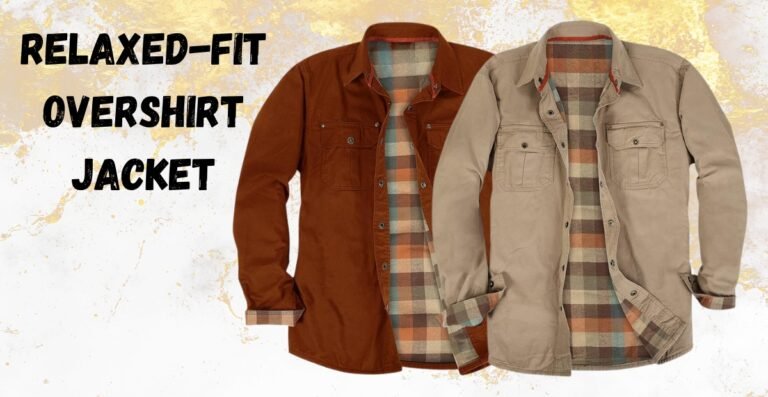
Comfort and style no longer have to be viewed as opposing concepts in today’s fashion world. relaxed fit overshirt jacket is a wardrobe essential that reflects the perfect balance. This versatile jacket is a wardrobe essential for today’s modern woman. It offers flexibility, ease of layering, and timeless appeal.
The relaxed-fit overshirt jacket is perfect for any occasion, whether you’re dressing casually, smart-casual in the office, or just having a relaxing weekend. It is also easy to adapt to the different seasons making it an excellent investment for all year round wear.
This comprehensive guide will cover everything you need know about relaxed-fit jackets, from design features and fabric options to styling tips, seasonal flexibility, and purchasing advice. You will learn why this jacket is so popular in today’s fashion.
What is a Relaxed Fit Overshirt Jacket?
The relaxed-fit jacket is a hybrid that combines the lightness of a shirt and the durability of a jacket. It also allows for layering. This style is more comfortable than slim or tailored fits because it allows for extra room in the chest, shoulder and sleeve areas.
Its looser fit allows for more movement and makes layering easier. It has therefore been adopted by minimalists as well as trend-conscious dressers. Its clean lines and practical style allow it to easily transition from casual to semiformal settings.
Modern Fashion: Why the Relaxed Fit is Trending
In the last few years, there has been a noticeable shift in fashion towards comfort-driven styles. Although sharp tailoring is still popular, more relaxed silhouettes have become the preferred choice for everyday wear. Overshirt jackets with a relaxed fit have become extremely popular.
This trend can be explained by several factors:
First, the changing lifestyles have led to a greater demand for stylish yet comfortable clothing.
Second, the relaxed fit accommodates different body types in a more natural way.
They are also perfectly compatible with the modern techniques of layering.
Relaxed fits are no more seen as sloppy. They are now seen as stylish, modern, and intentional.
The Key Features of a Relaxed Fit Overshirt Jacket
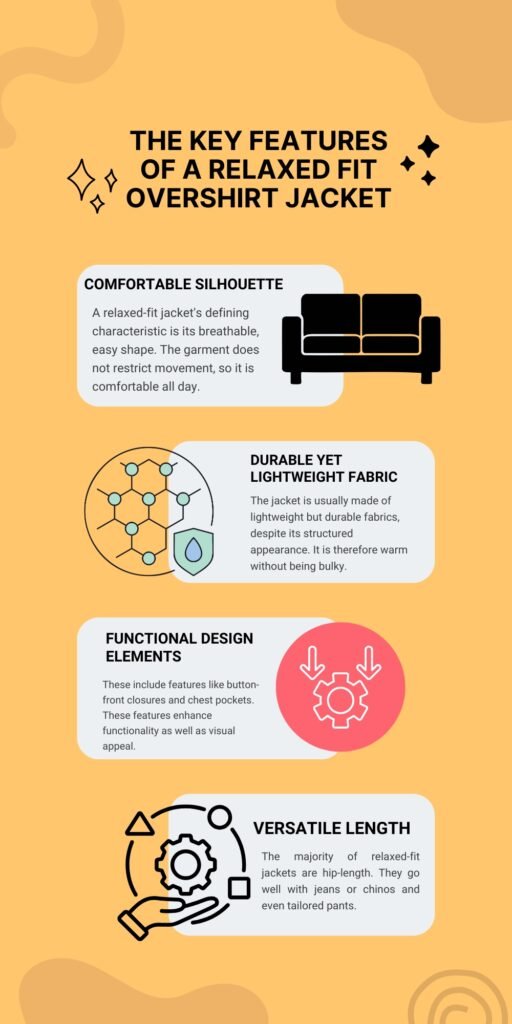
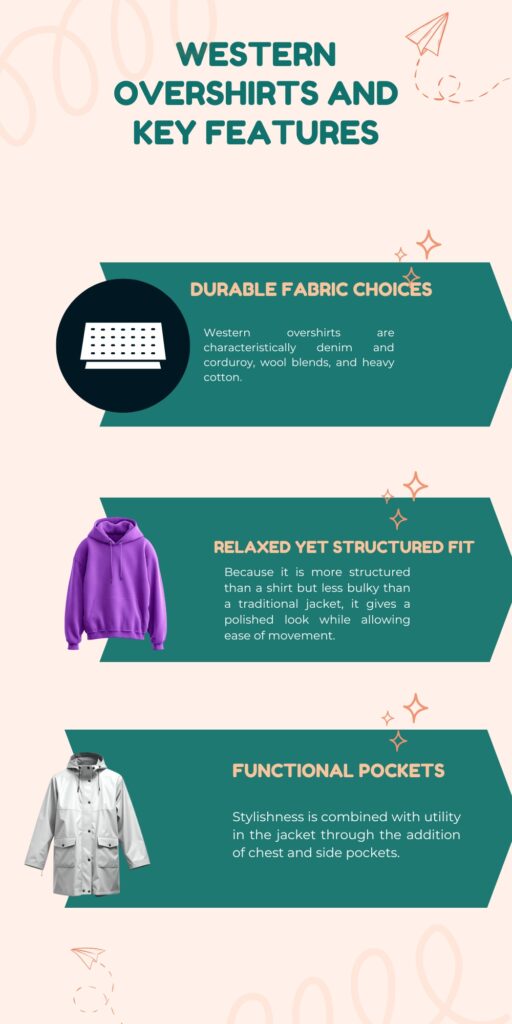
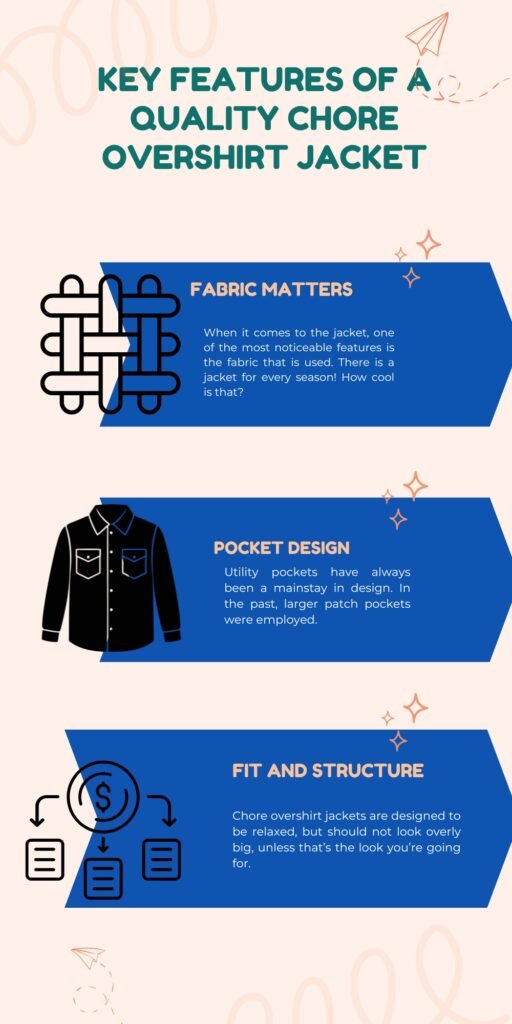
The Key Features of a Relaxed Fit Overshirt Jacket: comfortable silhouette, durable yet lightweight fabric, functional design elements, and versatile length.
1. Comfortable Silhouette
A relaxed-fit jacket’s defining characteristic is its breathable, easy shape. The garment does not restrict movement, so it is comfortable all day. Many designs have extra space added to them for layering.
2. Durable Yet Lightweight Fabric
The jacket is usually made of lightweight but durable fabrics, despite its structured appearance. It is therefore warm without being bulky. It is perfect for transitional weather because of its balance.
3. Functional Design Elements
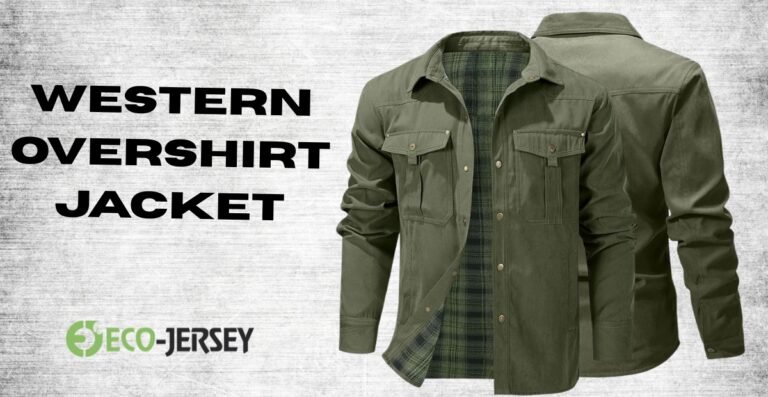
These include features like button-front closures and chest pockets. These features enhance functionality as well as visual appeal. Snap buttons or hidden plackets can be used in some cases to achieve a cleaner look.
4. Versatile Length
The majority of relaxed-fit jackets are hip-length. They go well with jeans or chinos and even tailored pants. This proportion creates a modern and balanced look.
Fabrics Popularly Used for Relaxed-Fit Jackets
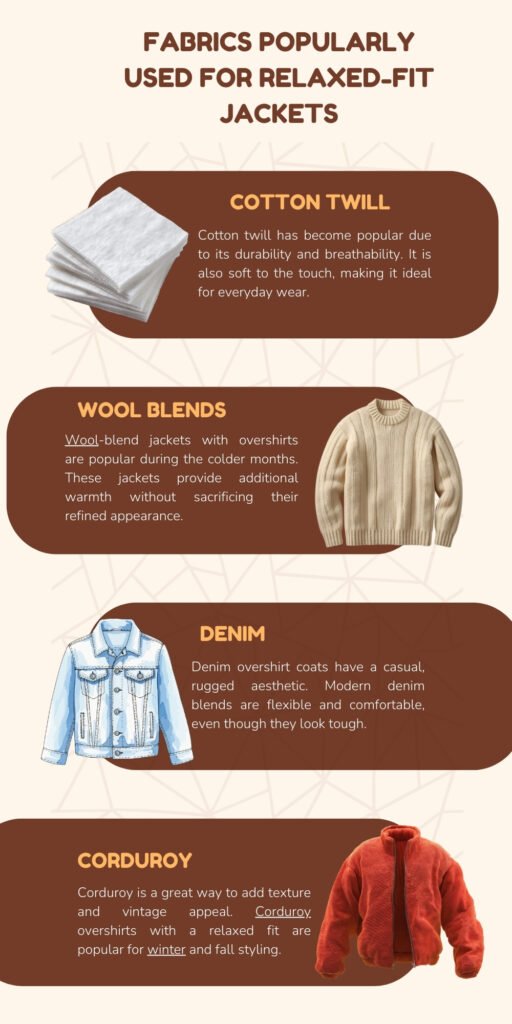
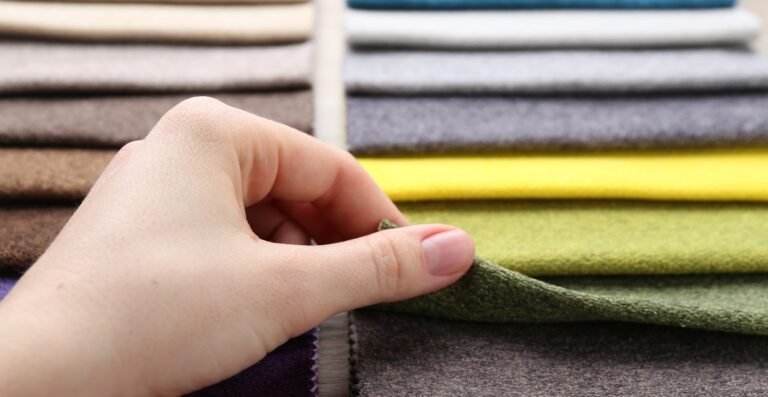
Fabrics popularly used for relaxed-fit jackets: cotton twill, wool blends, denim, and corduroy.
Cotton Twill
Cotton twill has become popular due to its durability and breathability. It is also soft to the touch, making it ideal for everyday wear. It is popular because it’s easy to care for.
Wool Blends
Wool-blend jackets with overshirts are popular during the colder months. These jackets provide additional warmth without sacrificing their refined appearance. Insulation is also improved without adding weight.
Denim
Denim overshirt coats have a casual, rugged aesthetic. Modern denim blends are flexible and comfortable, even though they look tough. They are ideal for casual weekend wear.
Corduroy
Corduroy is a great way to add texture and vintage appeal. Corduroy overshirts with a relaxed fit are popular for winter and fall styling. These overshirts are warm and stylish.
How to style a relaxed-fit overshirt jacket
Casual Everyday Look
Pair your relaxed-fit jacket with a basic T-shirt, slim-leg or straight-leg denim, and you’ve got a great outfit for everyday. The look is completed by loafers or sneakers. This is a practical and stylish combination.
Smart Casual Outfit
For a smart casual look, layer an overshirt on top of a light knit shirt or a button-down shirt. Leather shoes and tailored trousers elevate an outfit.
Layered Winter Style
In the colder months, you can wear it under a heavy coat or over your hoodie. The relaxed fit makes layering easy and comfortable. For extra warmth, you can add scarves or boots.
Minimalist Style Approach
Overshirt jackets in neutral colors look great with monochrome outfits. They create modern, clean looks that will never go out-of-style.
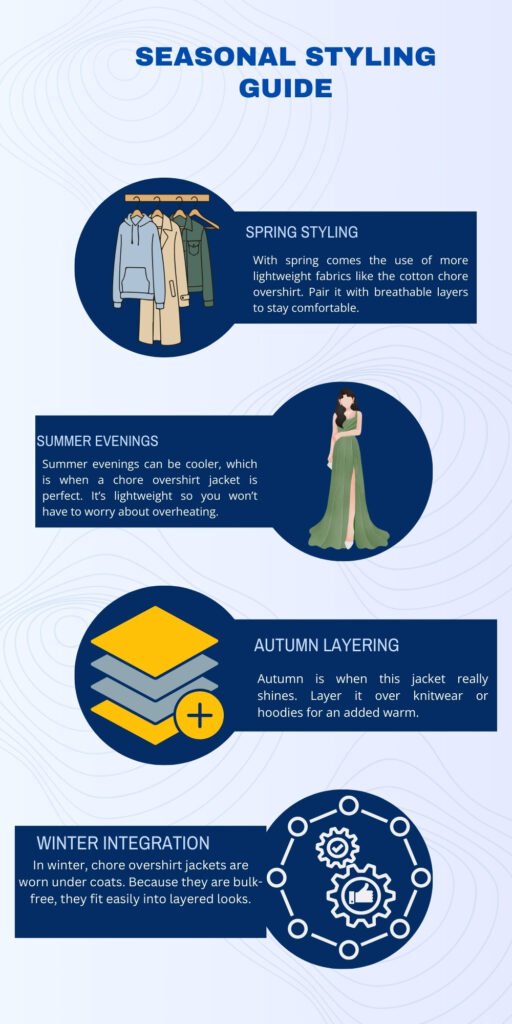
The Seasonal Versatility Of Relaxed Fit Overshirt Jackets
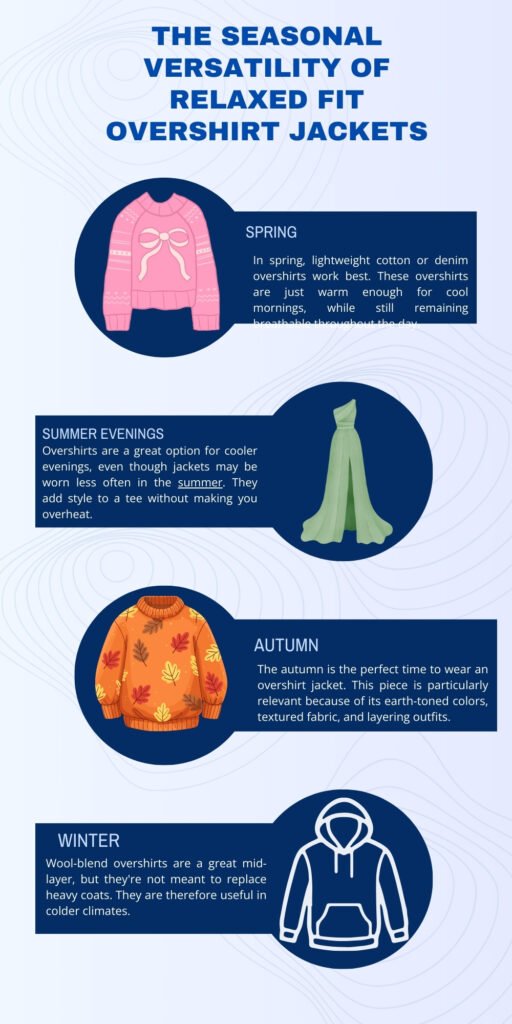
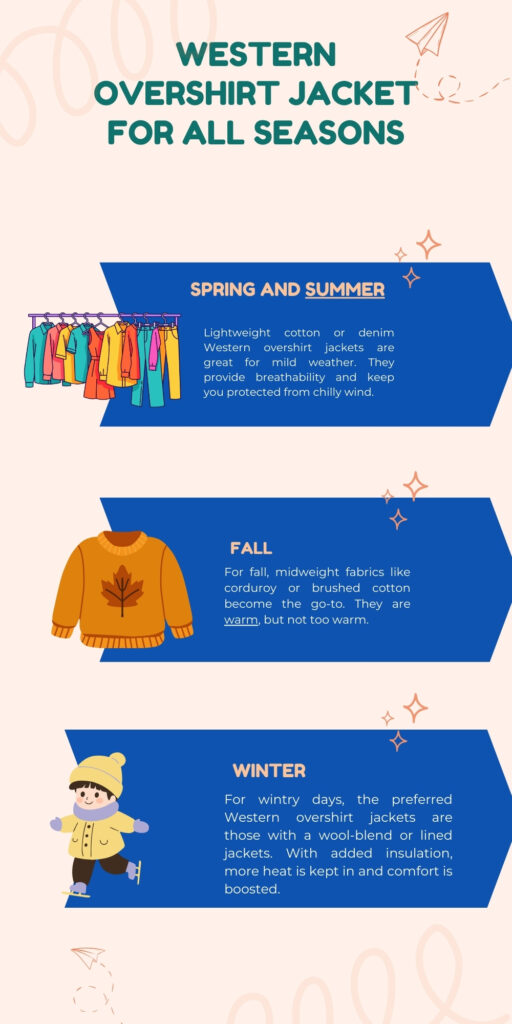
A seasonal guide to styling relaxed-fit overshirt jackets: spring warmth, summer evenings, autumn layering, and winter versatility.
Spring
In spring, lightweight cotton or denim overshirts work best. These overshirts are just warm enough for cool mornings, while still remaining breathable throughout the day.
Summer Evenings
Overshirts are a great option for cooler evenings, even though jackets may be worn less often in the summer. They add style to a tee without making you overheat.
Autumn
The autumn is the perfect time to wear an overshirt jacket. This piece is particularly relevant because of its earth-toned colors, textured fabric, and layering outfits.
Winter
Wool-blend overshirts are a great mid-layer, but they’re not meant to replace heavy coats. They are therefore useful in colder climates.
Overshirt Jackets with a Relaxed Fit vs Jackets with a Slim Fit
Personal preference is a major factor when choosing between slim-fit and relaxed-fit jackets. Understanding the differences will help you to make an informed choice.
Comfort and versatility are the main priorities of relaxed-fit overshirt coats. Slim-fit jackets, on the other hand are more focused on sharper structure. While slim-fit jackets may look more formal, relaxed-fit jackets are easier to wear casually and offer greater movement.
Also, jackets with a relaxed fit are better suited to layering. This is why they’re often preferred for transitional temperatures. See more … Type of Overshirt
Why Overshirt Jackets with a Relaxed Fit are SEO-friendly fashion staples
Online, relaxed-fit jackets are a very successful product from a marketing perspective. This product is a perfect match for consumers who are looking for comfortable, versatile clothing.
Keywords like relaxed-fit men’s overshirt jacketcasual jacket and layering men’s jacket are often used. Fashion brands that concentrate on this segment often have higher conversion and engagement rates.
How to choose the right relaxed-fit overshirt jacket
Consider Fabric First
Fabrics should be chosen based on the climate and intended use. Cotton blends that are lightweight work well for casual wear. Wool blends, on the other hand, are best for winter months.
Fit is the key, not size
The jacket should appear relaxed but not oversized. The shoulder seams must be aligned properly and the sleeves shouldn’t be too long.
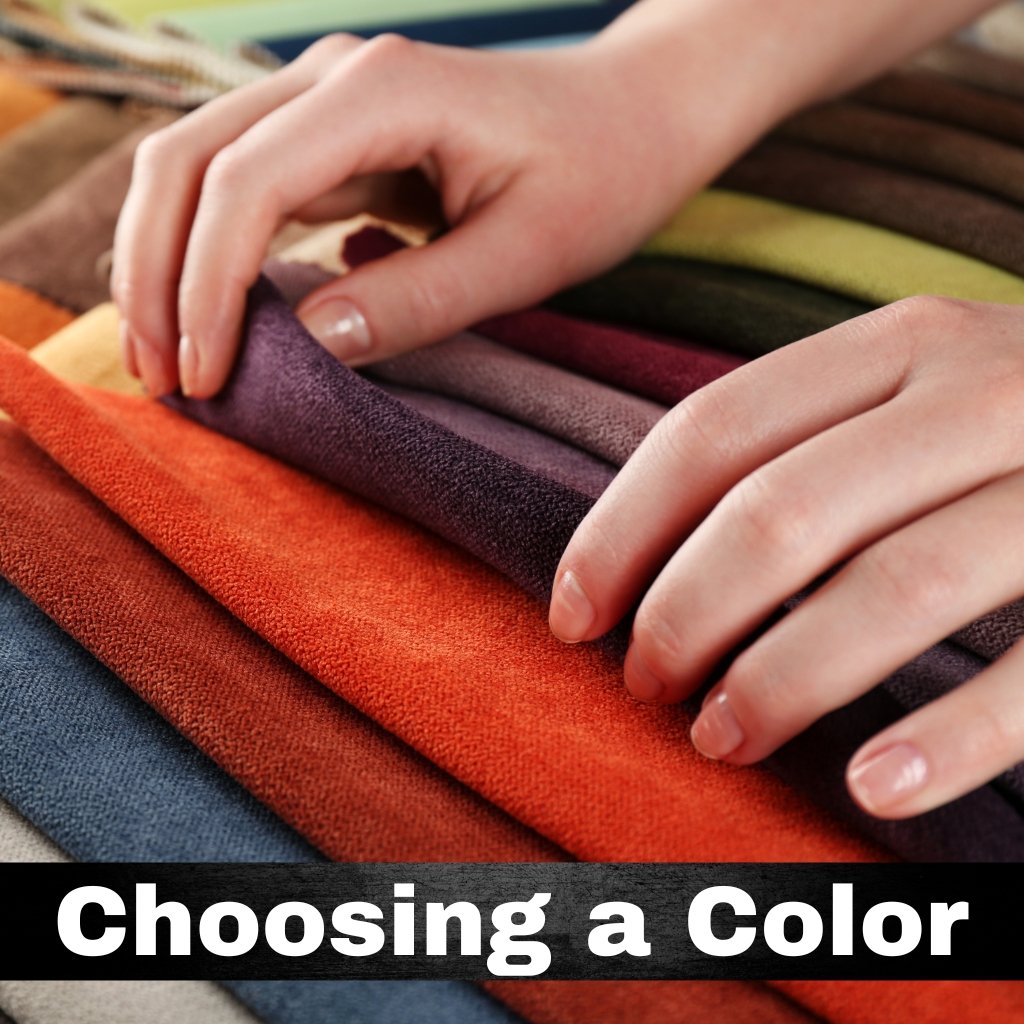
Select Colors That Are Versatile
Neutral colors such as grey, black, beige, olive and navy offer the greatest styling flexibility. You can also experiment with seasonal colors for more variety.
Check the Construction Quality
Durability is indicated by strong stitching, reinforced buttons, and high-quality lining. Investing in quality pieces will ensure long-term usage.
Sustainability and ethical fashion considerations
Many brands offer relaxed-fitted overshirt jackets that are eco-friendly. More and more brands are using organic cotton, recycled yarn, and low impact dyes.
By selecting sustainable options, the consumer can contribute to responsible fashion and still enjoy stylish designs. Ethical manufacturing practices also ensure that there are better working conditions throughout the supply chain.
Maintenance and Care Tips
Your overshirt jacket will last longer if you take care of it properly. Follow the instructions on the label. In most cases, machine washing gently or dry cleaning are recommended.
A jacket can also be kept in shape by storing it on a coat hanger. Brushing the wool or corduroy fabric every now and then will keep it looking fresh.
Last Thoughts: You need a relaxed-fit overshirt jacket
The relaxed fit overshirt jacket is one of today’s most stylish and versatile wardrobe essentials. It is a versatile wardrobe essential because it balances functionality, comfort and modern aesthetics.
This jacket is perfect for updating your seasonal wardrobe, or building a capsule collection. Its timeless design will ensure that this jacket remains relevant for many years to come.
The overshirt jacket with a relaxed fit is not only a stylish choice, but also a practical one that will enhance your everyday style.
FAQs
How should a relaxed-fit overshirt jacket fit?
It should feel roomy without looking oversized, allowing easy movement and layering while maintaining a clean, structured appearance.
What fabrics are best for relaxed-fit overshirt jackets?
Popular fabrics include cotton twill, wool blends, denim, and corduroy, each offering comfort, durability, and seasonal versatility.
Can a relaxed-fit overshirt jacket be styled formally?
Yes, when paired with chinos, tailored trousers, and a button-down shirt, it works well for smart-casual and semi-formal looks.
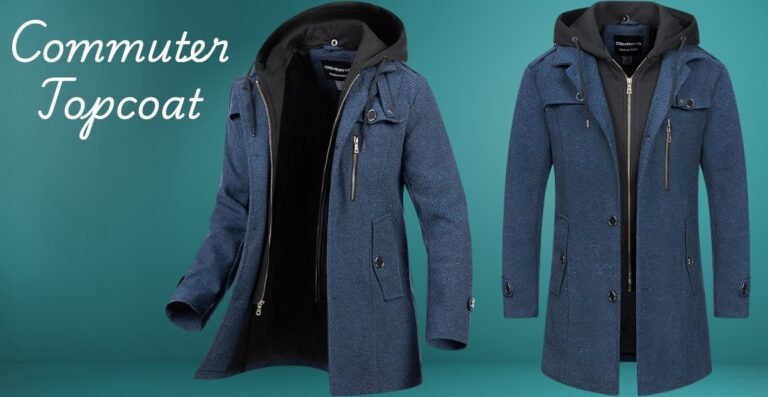
In the streets of a big city, there is nothing that a modern day commuter cannot do. From zyoming through traffic to crying on the bus during a rain storm, city dwellers face an array of challenges when trying to maintain a polished, professional, and put together look. This is the magic of the commuter topcoat. Wardrobe wizardry. Style, practicality, and, oh, the versatility. topcoat ands magic with warmth, comfort, and flexibility. From fabric to the fit, in this blog, we will explore and answer all your burning questions about commuter topcoats.
What Is A Commuter Topcoat?
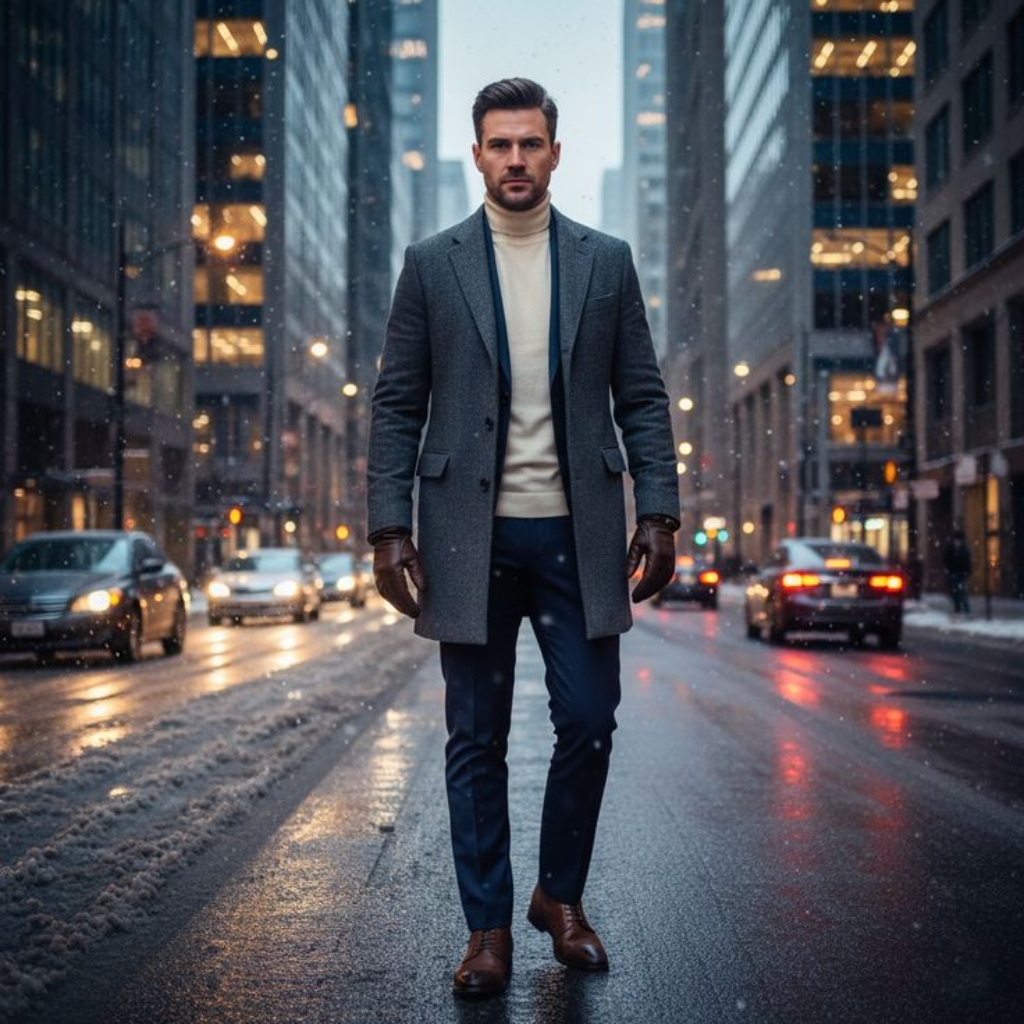
A stylish urban look for winter: gray overcoat, cream turtleneck, navy pants, brown gloves, and polished brown shoes on a snowy city street.
A commuter topcoat is, quite simply, a topcoat that a city professional who has to travel to do a job wears. Your topcoat is not a casual jacket or an oversized winter coat. Your commuter topcoat is an NSE topcoat that is both elegant and functional. It has office tailoring but your topcoat is also street functional. It can handle wind, rain, and wear.
Commuter top coats have
A slim, but comfy fit,
Insulating, lightweight fabrics,
Windproof or water-resistant materials,
Pockets for your essentials,
Professional attire with versatile colors.
These coats aren’t just an investment in your your wardrobe, but your daily convenience.
Why Commuter Topcoats are Important
For city professionals, outerwear is about survival. Commuter topcoats have important functions that are necessary:
1. Protection Against the Elements
The weather in major cities can be unpredictable. If it is raining in the morning or the wind is blowing on your evening commute, a commuter topcoat will protect you. Modern fabrics allow coats to repel water, resist wind, and and be unbulkily warm.
2. Professional Appearance Made Easy
With just a coat, your whole look is elevated. It is especially important for meetings, presentations, or networking events.
3. Adaptability in Everyday Situations
Commuter topcoats have a unique advantage over bulky winter coats. You can use them for multiple seasons. Simply layer them over a suit in the winter or throw one on over a casual shirt and chinos in the spring and fall. They allow for a diversified and polished look.
4. Suitability for City Life
Urban living requires a Modern topcoat that provides the right combination of style and utility. Many commuter topcoats have thick linings and hidden inner pockets intended for your phone, tablet, wallet, or any other items that you need to carry. You won’t have to use a big, clunky bag, which keeps your daily commute a little easier.
Basically, commuter topcoats strike the right balance between style and practicality.
Finding the Ideal Commuter Topcoat
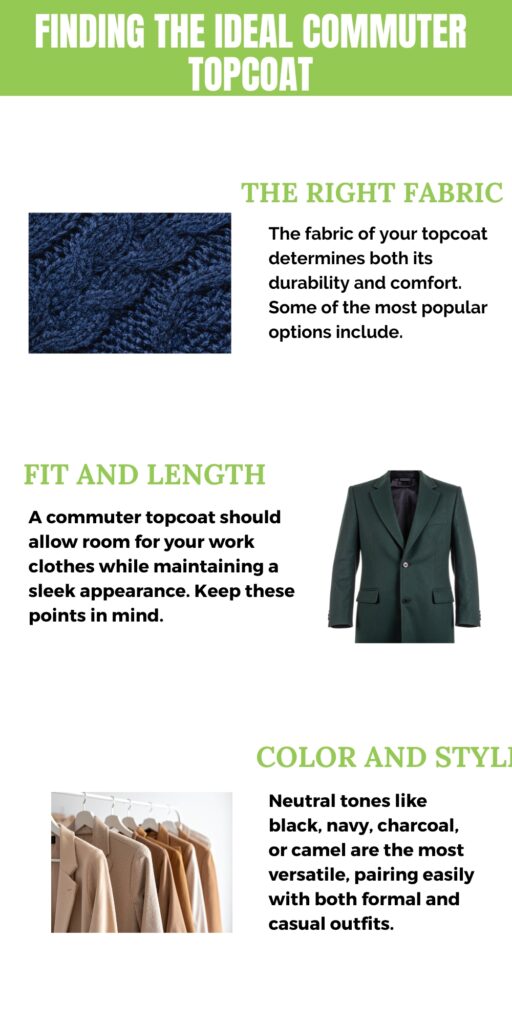
Finding the Ideal Commuter Topcoat: fabric, fit, and color/style considerations.
Finding the right topcoat requires deliberation. It also requires finding the right balance of comfort, functionality, and style.
1. The right fabric
Your topcoat’s fabric determines the durability and comfort of the garment. The most common fabrics are:
Wool: It’s a classic, warm, and stylish fabric. The wool blends are lighter and more practical for everyday use.
Cashmere: It’s a little more luxurious, soft, and light. You just have to be more careful with it.
Technical Fabrics: These are man-made blends that offer other useful features, such as water and wind resistance, which make them ideal for everyday.
2. Fit and Length
The coat needs to have room for your work clothes, so it’s important to ensure it’s comprehensive. Think about these:
Shoulders: The coat should align with your shoulders. Closing the gaps on the seams is important for the look.
Sleeve Length: The sleeve should cover your wrist, so the top of the coat should be well above your wrist.
Overall Length: The best lengths of mid-thigh to just about the knee are the best lengths for work purposes. It allows for more movement.
3. Color and Style
Commuter topcoats should generally stay in the colors of neutral tones, such as black and camel for the best matches for all types of clothes. The more streamlined and unstyled look comes with the single-breasted and the more old-school look comes with the double-breasted.
Features to Look for in a Commuter Topcoat
The practical features that should be on your men topcoat should be:
Water-Resistant or Waterproof Finish
Water-resistant urban topcoat allow for the outer water to stay on the outside and also keep your inner clothes from getting wet in the in-between.
Windproof Design
There is a good amount of drafts that come with the thinner fabric, so it should be the opposite of the above. Protective outer fabrics keep the drafts at bay while trapping the inner warmth.
Functional Pockets
Having pockets are super helpful for commuters. You can have inner pockets and outer pockets to carry other things such as phones, wallets, and keys.
Lightweight Insulation
Insulation is perfect for layering. This is good for office settings and outdoor settings.
Easy Maintenance
Pick fabrics that are easy to take care of. Some Elegant topcoats are machine-washable, while others have to be dry cleaned.
Styling Your Commuter Topcoat
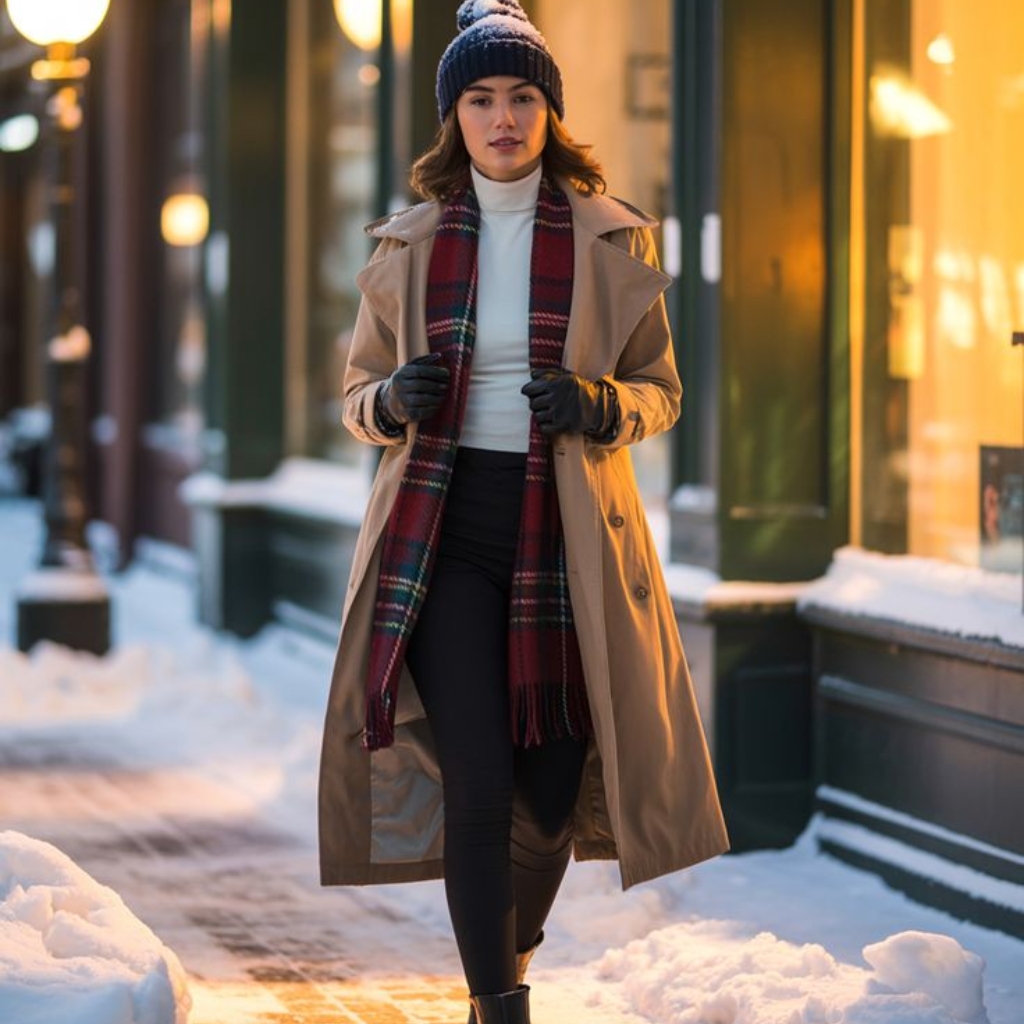
Wrapped in warmth: a chic winter stroll through a snowy city street.
Commuter topcoats can be worn with a variety of different outfits. Here are some styles.
1. Over a Business Suit
If you work in a formal office, you can put a fitted topcoat over a suit. Stick to neutral colors to look more professional.
2. Casual Urban Look
For a more dressed up look, you can wear a topcoat with fitted jeans and a sweater. This is a good outfit for after work events.
3. Layering for Cold Weather
When it’s colder, you can wear a thin cashmere sweater under your coat for extra warmth. You can also wear gloves and a scarf for extra warmth.
4. Accessories That Go Well With The Outfit
Because of the elegant taste and simplicity of the design, items such as leather gloves, structured bags, and sleek umbrellas give a polished look. It is important to remember that even simplicity can be effective with the right accessories.
Your Commuter Topcoat: How to Keep It Great for Years to Come
When you topcoat is made, the build and style is intended to be used for years with the right maintenance and care, so be sure to follow the guidelines designed to protect it.
Cleaning: The fabric care instructions of the white topcoat should be followed. Cashmere and wool should be dry-cleaned, and wash the blends with the machine.
Storage: Preserve the shape of your coat with a wide shouldered hanger.
Repellent: Treat the coat with a cheap water and wind resistant.
Fixes: Deal with buttons that come off, stains, and ripped seams so that the coat doesn’t come apart.
This investment provides a image to the public, and will be worth it.
The Top Trends of Commuter Topcoats
The way topcoats are designed might change, but there are also topcoats that never seem to go off the market. The following are the current designs that are also the trends.
Minimalist Tailoring: Compared to other trends, there a three different colors of topcoats that are popular: dull white, dull black, and dull brown. These give elegance to the simplicity.
Eco-Friendly Fabrics: People used to think about the outdoors for a break, but there is a new, implemented thought: using the outdoors for eco friendly cloth. People want to use recycled materials and they want the cloth to feel comfortable. Commuters want cloth that breathes to the outdoors. It should also be renewing and sustainabale.
Technical Innovation: The new style of cloth is remembered by people who used the outdoors to breather. It should also be renewing and sustainabale, wore cloth that is light and cloth that is breathable. Overall, cloth that protects against wind, breathable, and waterproof. People want the cloth to be the ideal to complete your look.
4. Coat Designs: Adjustable coats and coats with removable liners allow versatile wear season after season.
These trends ensure that your topcoat remains cutting edge as well as functional.
Why Invest in Quality Commuter Topcoat
Commuter topcoats can be cheap or expensive and a big investment will usually be worth it.
Durability: Topcoats made with good craftsmanship will have a longer durability and will last the longest.
Construction: Good quality coats will have superior warmth and comfort.
Aesthetics A topcoat that fits well will give you a great professional look.
Features: A coat with designed features can will your daily commute.
In the end a topcoat is not just a coat. A topcoat gives you an investment in your lifestyle and a boost in your self confidence.
Conclusion
Every person living in an urban area will walk around in a topcoat at some point. A top coat has ease of use and is made with functional design features.
Choosing a quality topcoat not only adds value to your wardrobe but also streamlines your daily routine. Whether you walk, cycle, or use public transport, you’ll do all with effortless style and comfort.
FAQs
What is a commuter topcoat?
A commuter topcoat is a stylish and functional coat designed for city professionals, offering protection against weather while maintaining a polished look.
What materials are best for commuter topcoats?
Wool, cashmere, and technical fabrics (waterproof or windproof blends) are ideal, providing warmth, durability, and comfort.
How should a commuter topcoat fit?
The coat should align with your shoulders, have sleeves ending above the wrist, and reach mid-thigh to just above the knee for ease of movement.
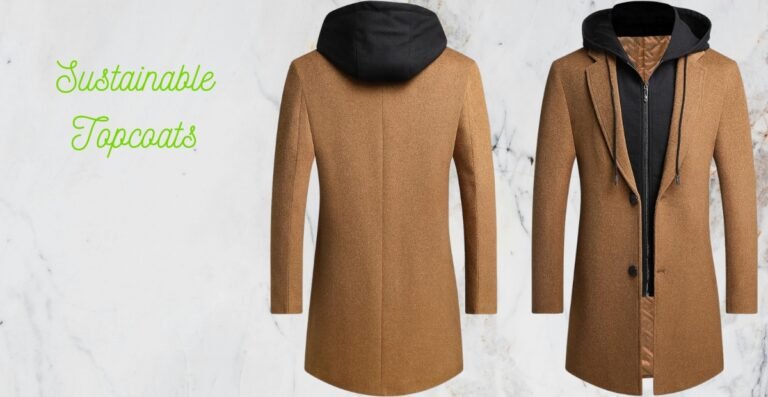
The last few years have seen sustainability transition from a trend to a necessity within the fashion industry. Today’s consumers care about the impact their clothing have on the planet and about the origins and processes used to manufacture the materials. Thus, sustainable topcoats have become a fundamental outerwear category for modern, conscious wardrobes.
For decades, topcoats have signified refinement, authority, and timeless style—but today’s versions are being constructed through ethical sourcing, responsible production, and eco-friendly materials. Thus, selecting a sustainable topcoat is no longer about sacrifice, but rather about making a positive investment—for both personal style and the planet.
In this guide, we’ll examine the elements that make a topcoat sustainable, the materials and ethical manufacturing practices used, the styling benefits, and why sustainable topcoats are shaping the future of fashion.—
What Makes a Topcoat Sustainable?
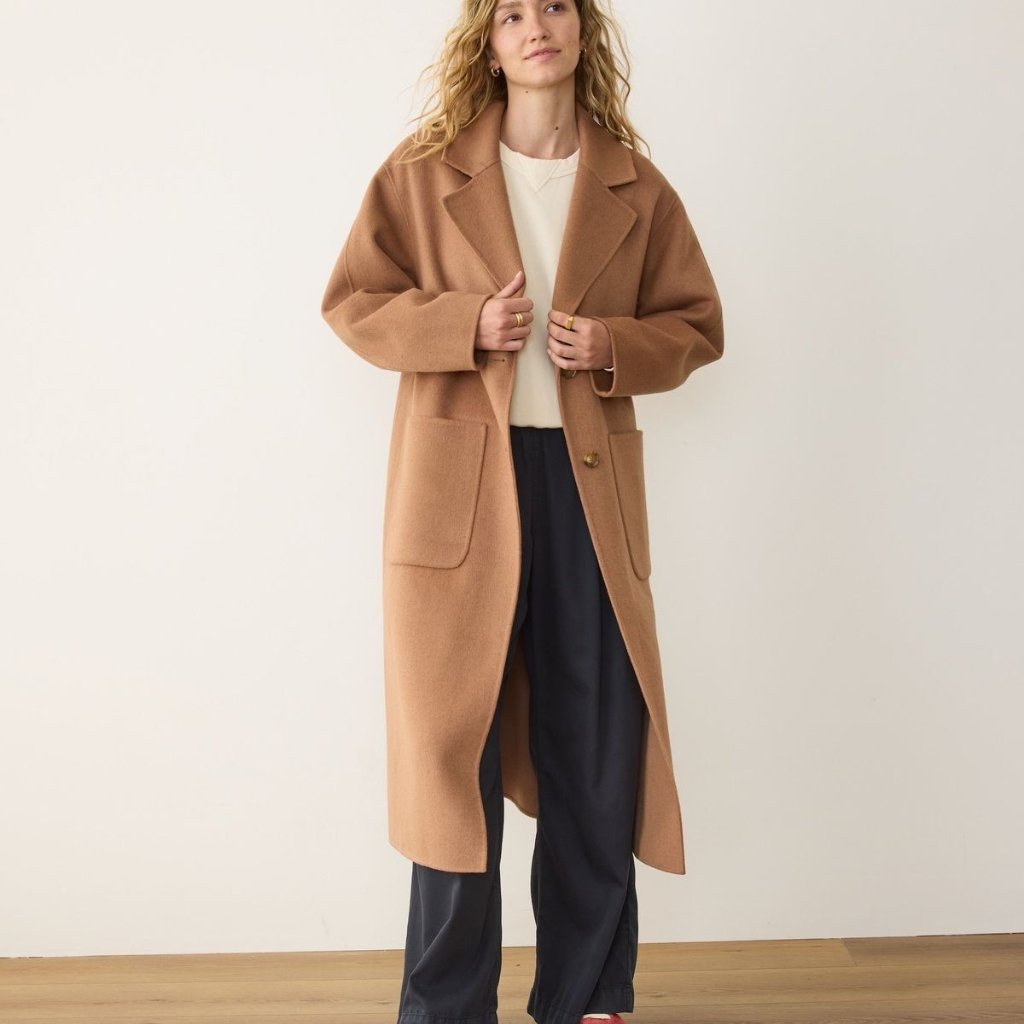
Classic Camel Coat Ensemble: a cozy, oversized camel coat paired with a white top and dark wide-leg trousers for timeless winter style.
To grasp the concept of ‘sustainable topcoat’, one has to understand the meaning of sustainability in fashion first. Sustainability in fashion has to do with minimizing the negative impact on the environment and simultaneously being socially responsible at every stage of the lifecycle of a garment, from sourcing of raw materials, manufacturing, and labor, through to transport, durability and end-of-life disposal.
A topcoat is sustainable if it is made from
eco-friendly and/or recycled materials
made under ethical labor conditions
waste and emissions are reduced
longevity and durability are prioritized
the production process is open and known
In many cases, sustainability is best achieved through small deliberate choices. Sustainable topcoats are the result of good design and responsible choices.
Why Sustainable Topcoats Matter More Than Ever
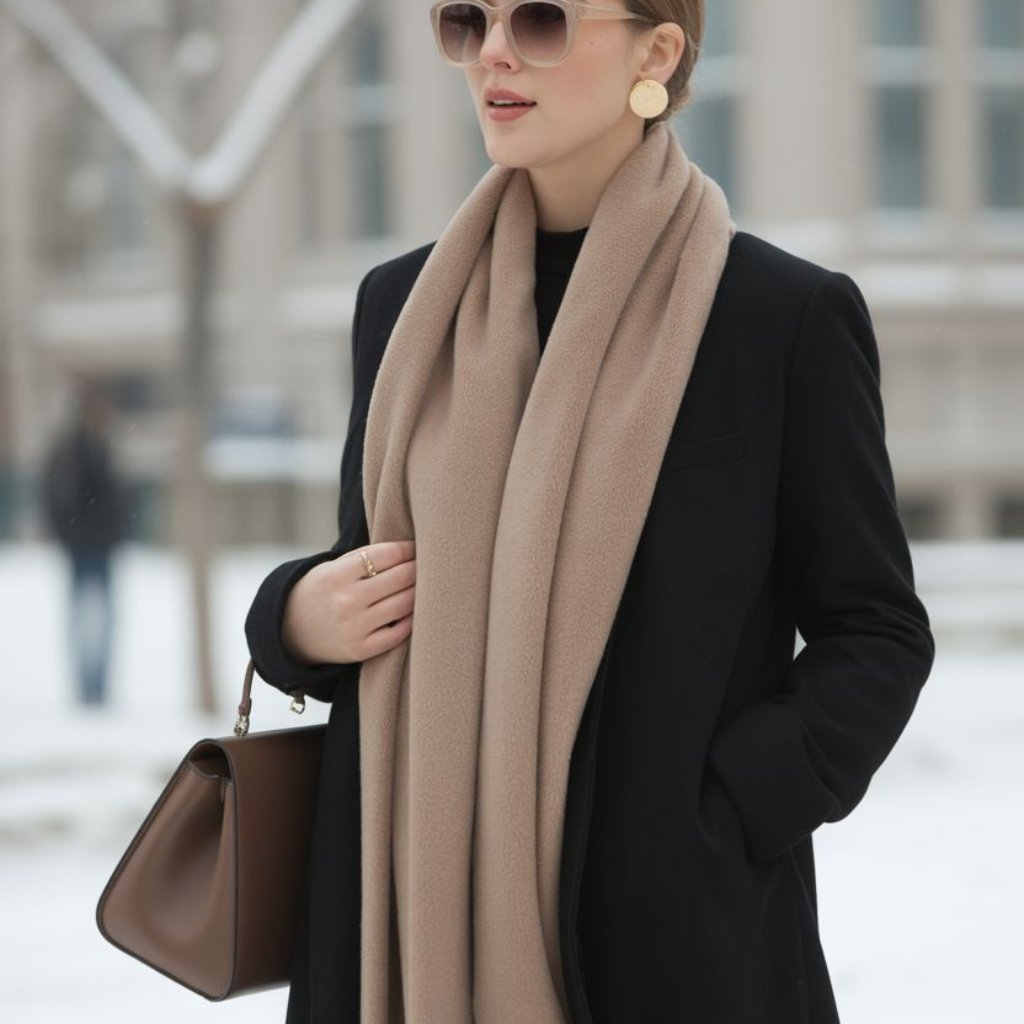
Classic winter chic: a tailored black coat, a cozy beige scarf, and gold-toned accessories.
The fashion industry is responsible for a large extent of world\’s pollution. The production of Outerwear is responsible for a large portion of this due to the amount of resources heavy fabrics and complex construction require. The rapid growth of the industry is one of the main reasons responsible for excessive water use, waste caused by fast-fashion, and chemical dyes.
Further consideration of climate change has altered consumer preferences. They are more likely to choose products with higher durability, superior performance, and sustainable values. With this, topcoats that are sustainable are practical, and ethical.
In addition, the growing trend among governments and fashion policymakers to impose rules and provide incentives for sustainable recycling more sustainable. Therefore, brands that support and adopt sustainable practices are better situated for the future.
Eco-Friendly Topcoats Using Sustainable Materials
Recycled Wool
One of the primary materials used in eco-friendly topcoats is recycled wool. It is obtained by converting old clothes and textile waste into new yarns after breaking them down and cleaning them, thereby reducing the demand for new wool.
This lowers the overall consumption of water and energy and lessens landfill waste. Also, The eco-friendly topcoats made of recycled wool are just as warm and elegant as the traditional topcoats.
Recent advancements in recycling has made previously recycled topcoats, which many assumed were recycled topcoats, and created new weekend topcoats that were undetectable in terms of quality.
Organic Wool
Sheep raised with no harmful chemicals, no pesticides, and no synthetic treatments provide organic wool. Additionally, the animal welfare policies are also to be observed.
Preserved land and responsible grazing techniques also maintain healthy soils. This means organic wool provides long-term environmental benefits in addition to good insulation and breathability.
Technical Blends and Recycled Polyester
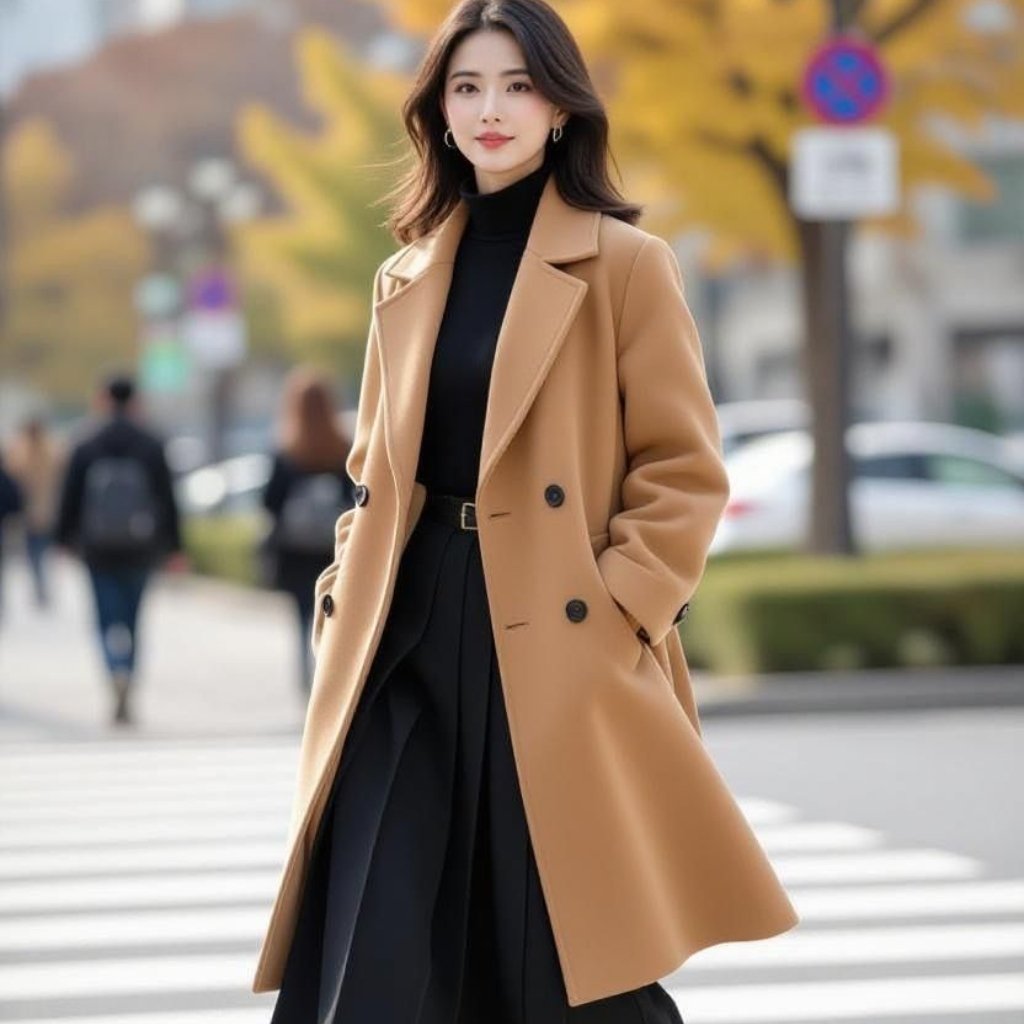
Timeless tailoring in camel and black—effortless chic on the city streets. Street style in a camel coat: classic silhouette, modern confidence. Autumn vibes: polished outerwear and sleek monochrome layers.
Blends of wool and recycled polyester in sustainable elegant topcoats provide added durability and resistance to weather. This polyester is derived from plastic bottles after consumers have used them.
Thus, waste is made into high-performance outerwear. Furthermore, these blends resist wrinkling and improve durability, making them ideal for everyday use and travel.
Low-Impact Dyes and Natural Linings
More sustainable topcoats use organic cotton and recycled viscose for linings. At the same time, the use of low-impact dyes lessen chemical runoff and water pollution.
This means the entire garment body, along with the shell, is made from eco-friendly materials. This approach means sustainability is present throughout the entire piece.
Responsible Production and Ethical Manufacturing
Sustainability also encompasses the production of the garment.
Fair Labor
Workers in these production facilities are treated ethically, meaning they receive fair compensation and work in safe conditions. Certifications such as Fair Trade or SA8000 offer assurances in such cases.
Consequently, craftsmanship is appreciated and exploitation is diminished. In addition, due to the emphasis on skill and the attention to detail, garments made in favorable workplaces often demonstrate superior quality.
Reduced Carbon Footprint
To cut transportation emissions, many sustainable brands concentrate on local or regional manufacturing. Factories are also beginning to use more progressive energy sources.
Although it requires a sizable initial investment, brand-reinforcing and environmentally sustainable production are positive.
Limited Production and Waste Reduction
Sustainable topcoats are often made in short runs rather than through mass production. This method avoids overproduction, conserves resources, and encourages mindful consumption.
Consequently, every windproof topcoat becomes more exclusive and adds to its value.
Longevity: The Cornerstone of Sustainable Fashion
One of the most important aspects of sustainability is durability. When a topcoat is well made, it can last for decades.
Because sustainable topcoats are made in timeless silhouettes, they do not embody short-lived trends. Also, topcoats with stronger stitching, high-quality fabrics, and classic tailoring means the men topcoat ages gracefully. Therefore end consumers can cut the number of replacements their top coat requires, and their overall consumption will also decrease.
Sustainable Topcoats vs Fast Fashion Outerwear
The costs of cheap fast fashion outerwear go far beyond monetary value. Their materials are poor quality, their production process takes a toll on the environment, and the labor that goes into making them is inhumane. To make things worse, the outerwear has a short lifespan, which makes them even more damaging to the environment.
Benefits of Styling of Sustainable Topcoats.
Sustainable fashion has made a remarkable great impact on the fashion industry and has granted people the ability to customize various forms of acceptable attire. For instance, sustainable topcoats provide clients with a great great level of flexibility that other business competitors began to limit themselves in. Sustainable topcoats provide clients with a great great level of service, offering them the ability to customize the women topcoat that fits them.
Timeless Silhouettes
The majority of topcoats are made with a strong attention to detail and with high quality materials. Many sustainable topcoats have a more simplistic and sophisticated exterior. They contain clean, structured lines, a uniform color tone, and sharp lapels. These topcoats are incredibly versatile. They easily pair with work attire, business formal clothing, and casual looks.
The designs of topcoats are made to be timeless. Keeping a topcoat for multiple seasons instead of just one or two makes it a very versatile piece for your wardrobe.
Elevated Fabric Texture
Natural and recycled materials are richly textured and visually enticing. For this reason, upcycled topcoats often appear more premium than their fast fashion counterparts.
Fabrication and Construction
Natural and recycled materials are richly textured and visually enticing. For this reason, upcycled topcoats often appear more premium than their fast fashion counterparts.
Neutral, Versatile Shades
Dyeing processes that are more sustainable naturally pull toward timeless shades, like brown, navy, grey, black, and charcoal. More easily paired, these hues remain in style season after season.
Caring for Your Sustainable Topcoat
The more you care for your topcoat, the more sustainable it will be as you will be extending its lifespan.
Only dry clean when its necessary
Spot clean when you can
Use wooden hangers to maintain its shape
Keep it stored in breathable garment bags
Keep it away from moisture
To avoid exposing the coat to excessive moisture, in order to keep the coat’s appearance, these steps will guarantee a minimum of wear to the coat.
Certifications to Look for in Sustainable Topcoats
When purchasing sustainable topcoats, the certifications provide the most transparency and assurance. Some of these are the most important:
Fair Trade Certification
Oeko Tex Standard 100
Responsible Wool Standard
Global Recycled Standard
These certifications most often assure that the claims regarding sustainability are authentic.
Why Sustainable Topcoats Are the Future of Outerwear
As consumers become more environmentally conscious, their buying habits change as well, moving away from fast fashion towards more considered purchases.
This means that sustainable topcoats are the future of outerwear — where modern design, ethics, and functionality combine.
For brands, balancing sustainable topcoat design with sustainable production is a way of protecting the planet while establishing a long-term relationship with consumers. Customers appreciate a stylish topcoat that allows them to express their personal ethics.
Final Thoughts:
Topcoats are much more than eco-friendly garments. Sustainable topcoats combine responsible design, durable construction and timeless outerwear design to make a statement.
When you invest in a sustainable topcoat, you invest in quality, reduce your personal environmental impact, and support ethical fashion. A sustainable topcoat proves that style and responsibility can—and should— exist together.
FAQs
What is a sustainable topcoat?
A sustainable topcoat is made using eco-friendly or recycled materials and produced through ethical manufacturing practices.
Are sustainable topcoats as warm as traditional topcoats?
Yes, sustainable topcoats provide excellent warmth. Materials such as recycled wool, organic wool, and responsible fabric blends retain heat effectively while remaining breathable and comfortable.
Do sustainable topcoats cost more?
Initially, sustainable topcoats may cost more due to higher-quality materials and ethical production.
In the modern corporate world, first impressions form quickly. Therefore, every detail of your appearance matters—especially what you wear when entering the boardroom. A boardroom topcoat is not just an outer layer; it is a symbol of authority, refinement, and professional intent. While suits and shoes often receive most of the attention, the topcoat is frequently the first garment noticed. Consequently, choosing the right one can elevate your executive presence instantly.
Moreover, as business environments become increasingly global and competitive, dressing with precision has never been more important. A well-chosen boardroom topcoat communicates confidence before a single word is spoken. In this comprehensive guide, you will discover how to select, style, and invest in the perfect boardroom topcoat—one that aligns seamlessly with executive standards while remaining timeless and functional.
What Is a Boardroom Topcoat?
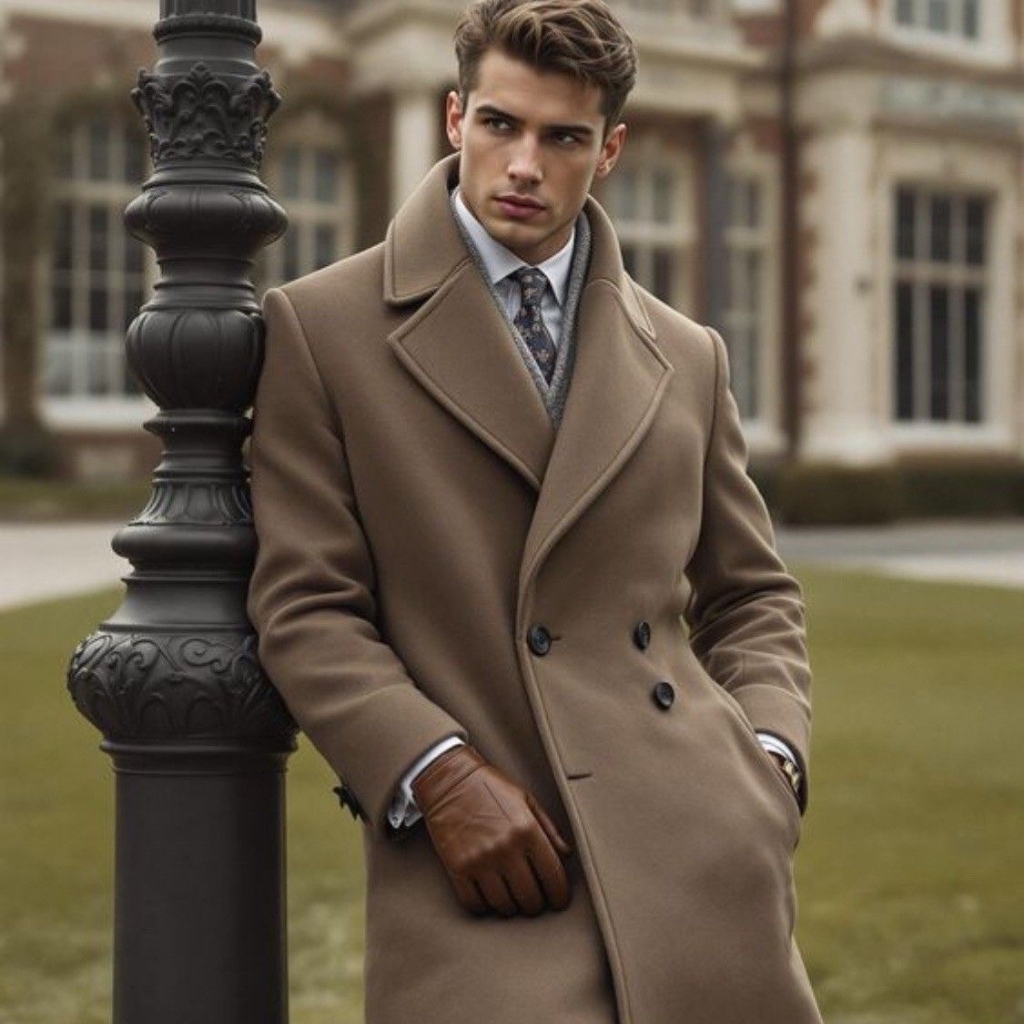
Sophisticated winter style: a camel overcoat, gloves, and a polished look.
A boardroom topcoat is a refined, structured overcoat designed specifically to complement formal business attire. Unlike casual outerwear, it is tailored to be worn over suits without adding bulk. As a result, it maintains a clean silhouette that aligns with professional expectations.
Typically, boardroom topcoats are crafted from premium materials such as wool, cashmere, or wool-blend fabrics. These materials are chosen because warmth is retained while elegance is preserved. In addition, design elements are kept minimal so that the focus remains on sharp tailoring rather than unnecessary embellishments.
Most importantly, a boardroom topcoat is designed to transition effortlessly from outdoor settings into formal indoor environments. Therefore, it must look just as appropriate in a corporate lobby as it does in a high-level meeting.
Why the Boardroom Topcoat Matters in Executive Dressing
In executive settings, appearance often influences perception. While competence is demonstrated through performance, professionalism is often judged visually first. For this reason, the boardroom topcoat plays a crucial role.
Firstly, it frames your entire outfit. Since it is worn over a suit, it must enhance—not overpower—the layers beneath. Secondly, it conveys authority. Structured shoulders, clean lines, and precise length contribute to a commanding presence. Finally, it demonstrates attention to detail, which is highly valued in leadership roles.
Furthermore, boardroom environments demand consistency. A topcoat that aligns with corporate aesthetics ensures that your style remains appropriate across meetings, presentations, and formal events. Consequently, it becomes an essential investment rather than a seasonal accessory.
Key Characteristics of an Ideal Boardroom Topcoat
1. Tailored Fit and Structure
Fit is the foundation of any executive garment. A boardroom topcoat should follow the natural lines of the body without appearing tight. Shoulders must sit perfectly, as misalignment here can compromise the entire look. Additionally, the sleeves should allow enough room for suit sleeves without excess fabric bunching.
Often, structured tailoring is preferred because it creates a strong silhouette. As a result, the wearer appears more confident and composed. In many cases, a slim-to-regular fit is chosen, as it balances comfort with refinement.
2. Appropriate Length
Length plays a critical role in maintaining formality. windproof topcoats are most effective when they fall at or just above the knee. This length is intentional because it complements suit proportions while providing adequate coverage.
Shorter coats may appear too casual, whereas overly long coats can feel dramatic. Therefore, a mid-length design is generally considered the most versatile and professional option.
3. Premium Fabric Selection
Fabric quality is immediately noticeable. Wool and cashmere blends are frequently used because warmth is provided without unnecessary weight. Moreover, these fabrics drape beautifully, which enhances the coat’s overall appearance.
In colder climates, heavier wool may be selected, while lighter blends work well in transitional seasons. Regardless of weight, breathability should always be prioritized. As a result, comfort is maintained throughout the day.
4. Minimalist Design Elements
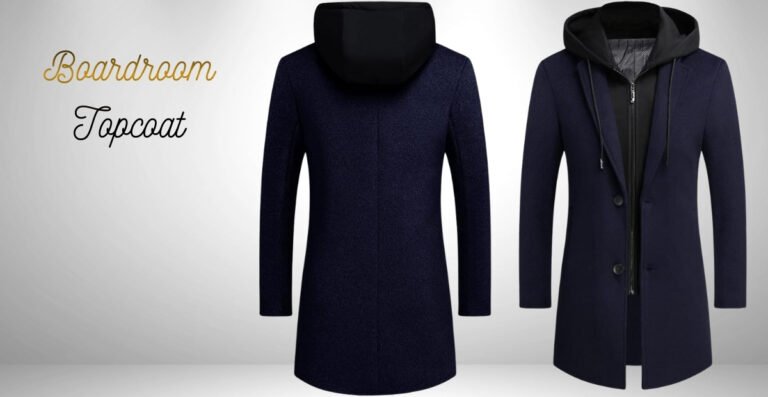
insulated topcoats thrive on simplicity. Clean lapels, concealed closures, and subtle pocket designs are preferred. Excessive detailing can distract from the professional image you aim to project.
Often, single-breasted designs are favored because they appear sleek and refined. However, double-breasted styles can also work when tailored correctly and styled conservatively.
Best Colors for a Boardroom Topcoat
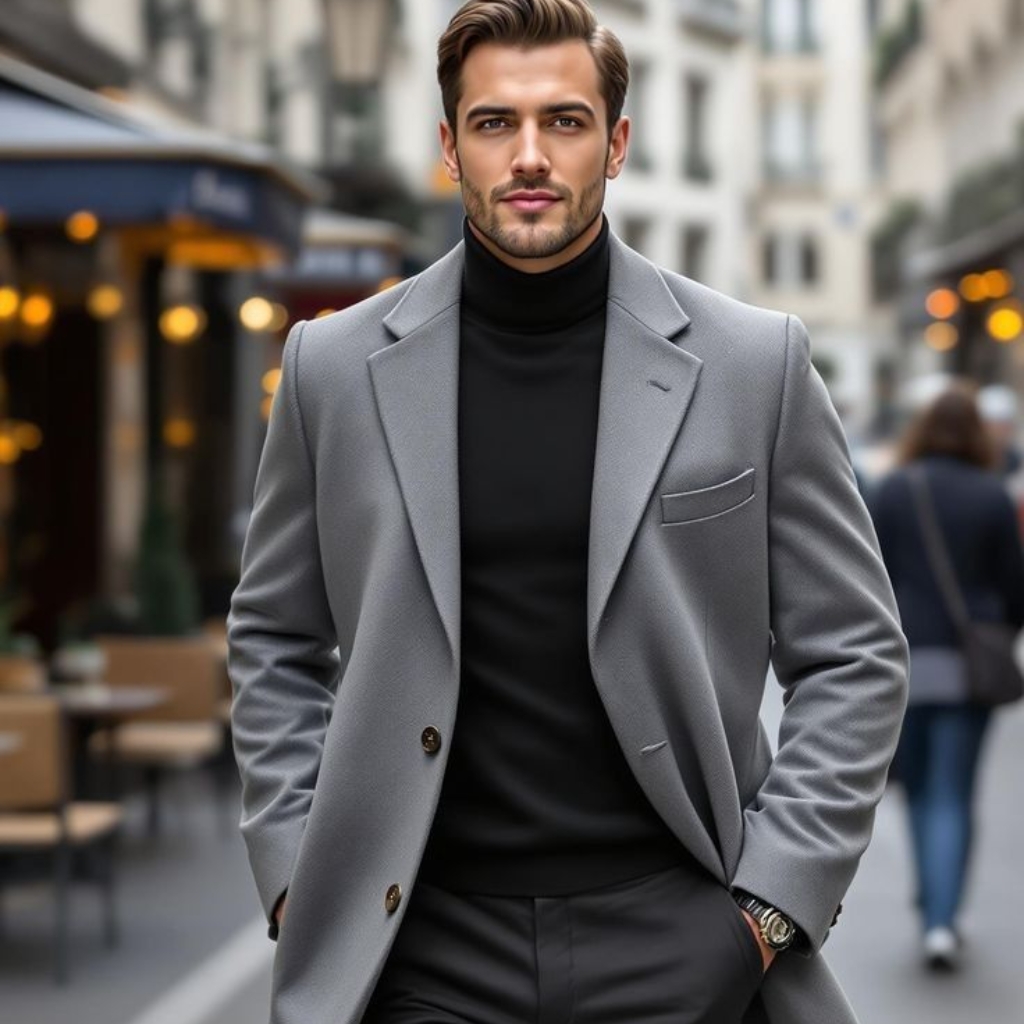
A well-dressed man in a gray overcoat and black turtleneck exudes modern sophistication on a bustling city street.
Color selection is a strategic decision. Neutral tones dominate executive wardrobes because they are versatile and timeless. Among the most popular choices are:
Black: A classic option that conveys authority and formality.
Charcoal Grey: Slightly softer than black, yet equally professional.
Navy: Ideal for executives who want a refined alternative to darker tones.
Camel or Dark Brown: Suitable for conservative offices seeking subtle distinction.
Bright or trendy colors are generally avoided. While they may look stylish, they can undermine the seriousness required in boardroom settings. Therefore, sticking to neutral hues ensures long-term usability.
How to Style a Boardroom Topcoat
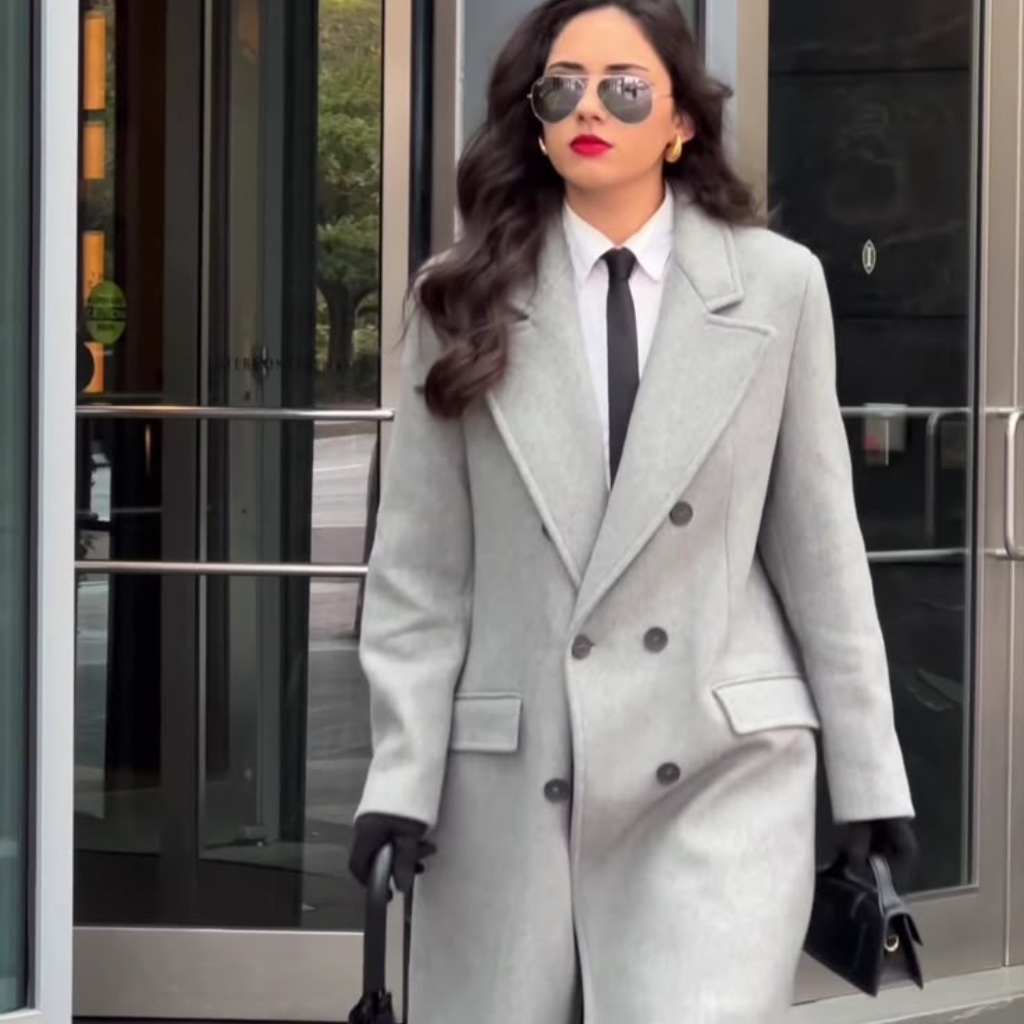
Effortless chic: gray oversized coat, polished white shirt, and bold red lips. Power look: double-breasted coat, tie, and sunglasses on a city stroll. Winter luxury: neutral tones and sharp tailoring for a confident stride.
Over a Business Suit
The most common way to wear a boardroom topcoat is over a tailored suit. Ideally, the coat should be slightly roomier than the suit jacket to allow smooth layering. Consequently, movement remains unrestricted.
Matching tones is also important. For example, a navy suit pairs well with a charcoal or black topcoat. Similarly, grey suits are enhanced by navy or deep charcoal coats. Coordination creates visual harmony, which is essential in formal environments.
With Formal Accessories
Accessories should be understated. Leather gloves, wool scarves, and polished dress shoes complete the look without drawing excessive attention. In most cases, accessories are chosen in complementary tones rather than contrasting ones.
Because simplicity is key, logos and bold patterns are avoided. As a result, the overall outfit appears cohesive and intentional.
Boardroom Topcoat vs. Casual Overcoats
Although both serve as outerwear, boardroom topcoats differ significantly from casual coats. Casual overcoats often feature relaxed fits, bold textures, or sporty details. While these elements are suitable for weekends, they are not ideal for executive settings.
In contrast, boardroom topcoats are designed with restraint. Every element—from fabric choice to stitching—is refined. Therefore, they integrate seamlessly into professional wardrobes.
Moreover, casual coats may prioritize comfort over appearance. women topcoats, however, strike a balance between both. As a result, they remain comfortable without sacrificing elegance.
Seasonal Considerations for Boardroom Topcoats
Winter Boardroom Topcoats
In winter, insulation becomes essential. Heavier wool or cashmere blends are often selected because warmth is retained even in cold conditions. Additionally, full linings are used to enhance comfort.
Despite the added warmth, bulk should still be avoided. Structured tailoring ensures that the coat remains sleek, even with thicker fabrics.
Transitional Season Topcoats
For autumn and early spring, lighter fabrics are preferred. These coats provide protection from cool air without overheating. As a result, they are ideal for executives who move frequently between indoor and outdoor environments.
Often, these transitional urban topcoats feature removable linings, adding versatility. Consequently, they can be worn across multiple seasons.
The Role of Craftsmanship in Executive Outerwear
High-quality craftsmanship distinguishes a superior boardroom topcoat from an average one. Details such as hand-stitched lapels, reinforced seams, and premium linings contribute to longevity.
While mass-produced coats may appear similar at first glance, their structure often degrades over time. In contrast, well-crafted topcoats maintain their shape and elegance for years. Therefore, they represent a smarter long-term investment.
Additionally, craftsmanship ensures consistency. Each wear reinforces the impression of reliability and professionalism—qualities highly valued in leadership roles.
Investing in a Boardroom Topcoat
A boardroom topcoat should be viewed as an investment rather than an expense. Although premium options may carry higher upfront costs, their durability and timeless appeal offer long-term value.
Moreover, a single high-quality coat can serve multiple purposes: daily office wear, client meetings, and formal business events. As a result, cost-per-wear becomes significantly lower over time.
When investing, prioritizing fit and fabric is essential. Trends may change, but classic design endures. Therefore, timeless choices deliver the greatest return.
Common Mistakes to Avoid
Even experienced professionals can make styling errors. Some common mistakes include:
Choosing overly slim fits that restrict movement
Wearing casual fabrics such as cotton or synthetics
Selecting trendy colors that date quickly
Ignoring proper length and proportion
By avoiding these pitfalls, your boardroom topcoat will consistently enhance your professional image.
The Psychological Impact of Executive Outerwear
Clothing influences mindset as much as perception. When wearing a well-tailored boardroom topcoat, confidence is naturally reinforced. As a result, posture improves and interactions become more assured.
Furthermore, colleagues and clients often associate polished appearance with competence. While skills remain paramount, presentation supports credibility. Therefore, executive outerwear plays a subtle yet powerful role in professional success.
Future Trends in Boardroom Topcoats
Although classic designs dominate, subtle innovations continue to emerge. Lightweight performance fabrics, improved linings, and enhanced weather resistance are increasingly being integrated. However, these updates are applied discreetly.
Importantly, trends are adopted only when they align with formal aesthetics. As a result, the core principles of boardroom topcoats—structure, simplicity, and elegance—remain unchanged.
Final Thoughts
A boardroom topcoat is more than an outer garment; it is a strategic component of executive style. By combining precise tailoring, premium materials, and timeless design, it reinforces authority and professionalism in every setting.
FAQs
What is the ideal length for a boardroom topcoat?
The ideal length falls at or just above the knee. This length complements suit proportions and maintains a professional silhouette.
Which fabrics are best for boardroom topcoats?
Wool, cashmere, and wool-blend fabrics are preferred for their warmth, elegance, and durability.
Can a boardroom topcoat be worn over any suit?
Yes, as long as the topcoat is slightly roomier than the suit jacket to allow comfortable layering.
Sustainable Winter Fabrics for 2025 play a critical role in responsible fashion today. As winters grow more unpredictable, people need clothing that provides reliable warmth without harming the planet. At the same time, the fashion industry remains one of the largest contributors to pollution worldwide. Therefore, fabric choices matter more now than ever before.
Climate change has intensified resource scarcity and environmental damage. Traditional winter fabrics often require excessive water, energy, and chemical use. In contrast, sustainable alternatives reduce these impacts significantly. Moreover, consumers increasingly demand transparency and ethical production. Because of this shift, 2025 marks a turning point for sustainable textiles.
Brands now invest heavily in eco-friendly winter fabrics that perform well in cold conditions. Innovation allows sustainable materials to match or exceed traditional warmth levels. As a result, consumers no longer need to compromise comfort for ethics. Eco-friendly warmth has finally become practical, stylish, and widely available.
History of Sustainable Winter Fabrics
Sustainable winter fabrics have deep historical roots that predate modern fashion systems. Long before industrial manufacturing, communities relied on locally sourced wool, hemp, and animal fibers to survive harsh winters. These materials were valued for warmth, durability, and repairability rather than trend appeal. As a result, winter garments were worn for many years and often passed down through generations. This slow and mindful approach created minimal waste and respected natural resources.
However, the industrial revolution changed textile production dramatically. Factories introduced synthetic fibers and chemical processing to meet growing demand. Consequently, production became faster but far more harmful to the environment. Water pollution, carbon emissions, and textile waste increased rapidly. Over time, these impacts became impossible to ignore. Therefore, sustainable winter fabrics re-emerged as a corrective response rather than a passing trend.
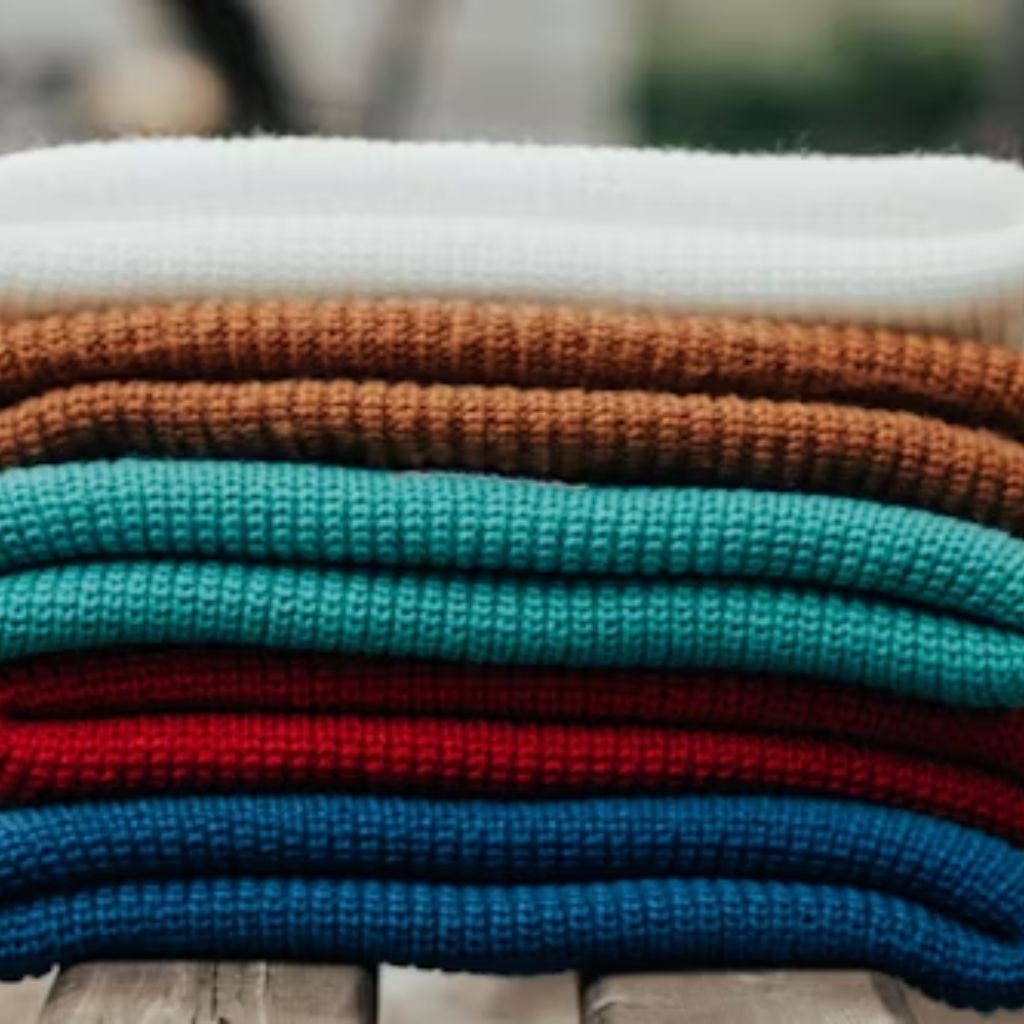
A colorful stack of cozy knit sweaters.
What Makes a Fabric Sustainable for Winter Wear
A sustainable winter fabric balances environmental responsibility with functional performance. It must provide insulation, durability, and comfort while minimizing ecological impact. Sustainability considers the entire life cycle of a fabric, from fiber sourcing to disposal. Therefore, a fabric cannot be called sustainable based on material alone.
Renewable and recycled fibers form the foundation of sustainable winter textiles. Renewable fibers regenerate naturally over time, while recycled fibers reduce existing waste. Both approaches lower environmental strain when used responsibly. Additionally, energy and water efficiency during production plays a crucial role. Sustainable manufacturing reduces emissions and conserves natural resources.
Biodegradability and recyclability also influence sustainability. Fabrics that decompose naturally or re-enter production cycles create less long-term waste. Furthermore, durability supports sustainability by reducing frequent replacement. When winter garments last longer, overall consumption decreases. Thermal efficiency further enhances sustainability by reducing the need for excessive layering.
Top Sustainable Winter Fabrics for 2025
Sustainable Winter Fabrics for 2025 include materials that combine warmth, ethics, and environmental responsibility. These fabrics dominate eco-conscious winter fashion and continue gaining popularity globally. Each fabric offers unique benefits depending on climate, activity level, and garment type.
Recycled wool remains one of the most effective sustainable winter fabrics. It retains excellent insulation properties while reducing textile waste significantly. By reprocessing existing wool garments, manufacturers save water and energy. Recycled wool performs well in coats, scarves, and blankets because it traps heat efficiently. Additionally, it remains breathable even in damp conditions.
Organic wool offers similar warmth with added ethical benefits. Sheep raised under organic standards avoid harmful chemicals and pesticides. This approach protects ecosystems and supports animal welfare. Organic wool naturally regulates temperature and resists odors. As a result, it suits winter sweaters, thermals, and layering garments.
Recycled polyester, often called rPET, transforms plastic waste into functional winter fibers. This process reduces plastic pollution while producing durable, lightweight fabric. rPET resists wind and moisture effectively, making it suitable for winter outerwear. However, breathability remains lower than natural fibers. Therefore, it works best in jackets and insulated shells.
Types of Sustainable Winter Fabrics for 2025
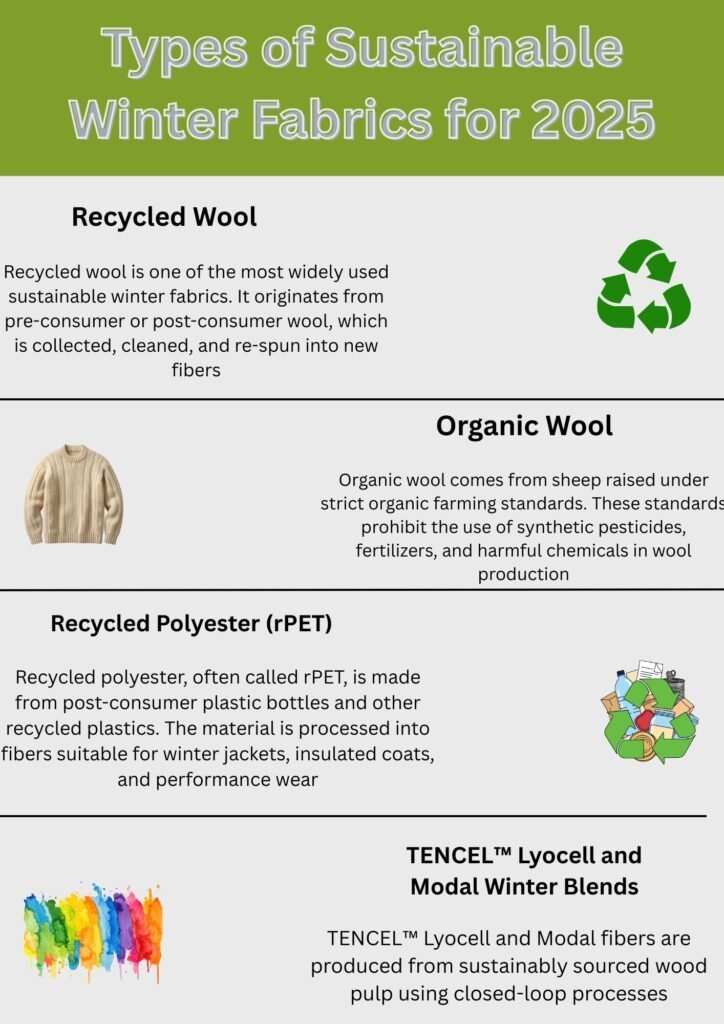
Sustainable winter fabrics for 2025 come in a variety of types, each offering unique benefits for warmth, durability, and environmental impact. Understanding the differences between these fabrics helps consumers select clothing that performs well in cold weather while supporting eco-friendly practices.
Types of Sustainable Winter Fabrics for 2025: Recycled Wool, Organic Wool, Recycled Polyester, and TENCEL Lyocell/Modal Blends.
Recycled Wool
Recycled wool is one of the most widely used sustainable winter fabrics. It originates from pre-consumer or post-consumer wool, which is collected, cleaned, and re-spun into new fibers. This process reduces waste and prevents old garments from ending up in landfills. Recycled wool retains the natural warmth, breathability, and moisture-wicking properties of virgin wool. It is particularly suitable for winter coats, sweaters, and blankets.
Organic Wool
Organic wool comes from sheep raised under strict organic farming standards. These standards prohibit the use of synthetic pesticides, fertilizers, and harmful chemicals in wool production. Organic wool is softer on the skin and hypoallergenic, which is ideal for base layers and garments worn directly against the body. In addition to thermal performance, organic wool supports ethical animal welfare practices.
Recycled Polyester (rPET)
Recycled polyester, often called rPET, is made from post-consumer plastic bottles and other recycled plastics. The material is processed into fibers suitable for winter jackets, insulated coats, and performance wear. Recycled polyester reduces the reliance on fossil fuels and diverts plastic waste from oceans and landfills. Its fibers are durable, lightweight, and water-resistant, although breathability may be lower than natural fibers.
TENCEL™ Lyocell and Modal Winter Blends
TENCEL™ Lyocell and Modal fibers are produced from sustainably sourced wood pulp using closed-loop processes. This manufacturing method recycles water and solvents, reducing environmental impact. When blended for winter use, TENCEL™ fibers provide softness, breathability, and moisture control
New and Emerging Sustainable Fabric Innovations for 2025
Innovation continues reshaping Sustainable Winter Fabrics for 2025. Textile scientists now combine biology, engineering, and environmental science to create advanced materials. These innovations aim to reduce emissions while improving insulation and durability. As a result, winter fashion enters a new technological era.
Bio-engineered fabrics mimic natural insulation structures found in animals. Plant-based insulation materials replace petroleum-based fillings successfully. Lab-grown wool alternatives eliminate the need for animal farming entirely. Meanwhile, carbon-neutral textile production offsets emissions through renewable energy. Together, these advancements redefine eco-friendly winter fabrics.
Enjoying a chilly day in stylish winter layers.
Sustainable vs Traditional Winter Fabrics
Sustainable winter fabrics now rival traditional materials in performance. They provide comparable warmth while reducing environmental damage. Traditional fabrics often rely on fossil fuels and chemical treatments. In contrast, sustainable alternatives minimize pollution and waste.
Longevity improves significantly with sustainable manufacturing. Durable fabrics reduce replacement frequency and overall consumption. Although sustainable fabrics may cost more initially, long-term savings balance expenses. Maintenance also becomes easier due to improved fiber quality. Therefore, sustainability proves both practical and economical.
Best Sustainable Winter Fabrics for Extreme Cold
When facing extreme cold, choosing the right sustainable winter fabric becomes essential for both warmth and environmental responsibility. Not all eco-friendly fabrics perform equally in freezing temperatures, so understanding material properties is crucial. Fabrics designed for harsh climates must provide excellent insulation, moisture control, and wind resistance. At the same time, they should be durable and long-lasting to reduce environmental impact over repeated seasons.
Recycled Wool for Extreme Cold
Recycled wool remains one of the most effective options for extreme cold climates. Its natural crimp traps air efficiently, creating excellent insulation even in damp or snowy conditions. Moreover, recycled wool production significantly reduces energy and water usage compared to virgin wool, making it a truly eco-friendly choice. Recycled wool is ideal for heavy coats, knit sweaters, and thermal blankets. Layering multiple recycled wool garments enhances warmth without excessive bulk. Transitioning to recycled wool ensures both high performance and lower environmental impact.
Organic Wool for Deep Cold Layers
Organic wool provides warmth while supporting ethical farming practices. Sheep raised without synthetic chemicals produce fibers that are softer and hypoallergenic, which is especially important for sensitive skin in extreme cold. The fibers’ natural thermal regulation ensures comfort during fluctuating temperatures. Organic wool works best in base and mid-layers, providing a sustainable insulation system. Using organic wool in combination with recycled wool or other eco-friendly materials creates a layered approach that maximizes heat retention while remaining sustainable.
Hemp-Wool Blends for Durability and Insulation
Blending hemp with wool combines the best of both fibers. Hemp contributes exceptional durability, reducing wear and tear in harsh winter conditions. It also adds structural strength to garments, ensuring they maintain shape even under heavy use. When blended with wool, hemp improves thermal efficiency, trapping heat while remaining breathable. These blends are particularly useful in outerwear such as winter jackets, parkas, and outdoor performance gear. Their low water usage during production further strengthens their sustainability profile.
Recycled Polyester (rPET) for Wind and Moisture Protection
Recycled polyester, often derived from post-consumer plastic bottles, offers critical advantages for extreme cold environments. It resists wind and moisture, protecting the inner layers from freezing rain or snow. Although rPET is less breathable than natural fibers, its water-resistant properties make it ideal for outer shells or insulated jackets. Combining rPET with natural fibers like recycled or organic wool ensures a sustainable layering system that balances protection, warmth, and breathability. Choosing rPET over virgin polyester reduces plastic pollution and energy consumption.
How to Choose the Right Sustainable Winter Fabric in 2025
Choosing the right sustainable winter fabric depends on climate and lifestyle. Colder regions require higher insulation values. Active lifestyles benefit from breathable and moisture-wicking materials. Skin sensitivity also influences fiber selection.
Budget considerations should focus on longevity rather than initial price. Durable fabrics provide better value over time. Checking fiber blends ensures balanced performance. Certification labels confirm sustainability claims. Researching brands helps avoid greenwashing. Informed decisions support comfort, ethics, and environmental responsibility.
Certifications to Look for in Sustainable Winter Fabrics
When investing in Sustainable Winter Fabrics for 2025, certifications play a vital role in ensuring quality, ethics, and environmental responsibility. These certifications provide verification that the materials meet strict sustainability and safety standards. Without proper certifications, claims of eco-friendliness can be misleading or inaccurate. Therefore, understanding which certifications matter helps consumers make informed decisions while supporting brands that prioritize transparency and ethical production.
Global Organic Textile Standard (GOTS)
The Global Organic Textile Standard, commonly known as GOTS, is one of the most recognized certifications in sustainable textiles. It ensures that fibers are organically produced and processed in an environmentally responsible manner. For winter fabrics, this means organic wool or cotton is free from harmful pesticides and synthetic chemicals, making it safer for both the environment and the wearer. GOTS also requires compliance with strict social criteria, such as fair wages and safe working conditions, which strengthens ethical practices in the textile industry. Choosing fabrics with GOTS certification ensures warmth, comfort, and sustainability all at once.
OEKO-TEX Standard 100
OEKO-TEX Standard 100 is another key certification that focuses on chemical safety. It guarantees that textiles are free from harmful substances that could affect human health. In the context of winter fabrics, this means the fibers, dyes, and finishes used are tested for safety, even when in close contact with the skin. OEKO-TEX certification is especially important for fabrics used in base layers and inner garments, where prolonged skin contact occurs. By choosing OEKO-TEX certified fabrics, consumers protect their health while supporting low-impact production processes.
Global Recycled Standard (GRS)
The Global Recycled Standard, or GRS, ensures that recycled materials meet high environmental and social requirements. It tracks recycled content throughout production, from raw material sourcing to final textile manufacturing. For winter fabrics, GRS confirms that recycled wool, polyester, or other fibers genuinely contribute to reducing waste. Additionally, GRS promotes responsible chemical usage, water conservation, and energy efficiency during manufacturing. Selecting GRS-certified fabrics not only minimizes environmental impact but also encourages circular fashion practices, which are essential for sustainable winter clothing in 2025.
Trying on a vibrant orange knit in a clothing store.
Care Tips to Make Sustainable Winter Fabrics Last Longer
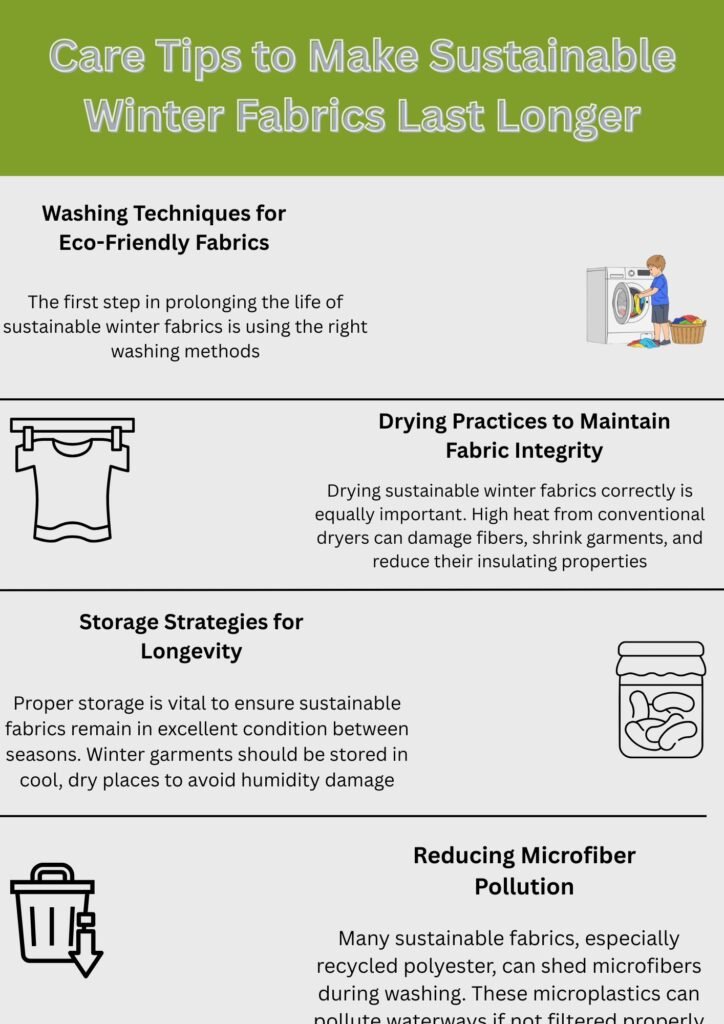
Proper care is essential for maintaining the warmth, softness, and durability of Sustainable Winter Fabrics for2025. Unlike traditional fast-fashion fabrics, eco-friendly textiles are designed to last multiple seasons. However, their longevity depends on how they are handled during washing, drying, storage, and general use. By following thoughtful care practices, you not only preserve insulation and texture but also reinforce sustainable practices by reducing unnecessary waste.
Care tips to extend the life of sustainable winter fabrics: washing, drying, storing, and reducing microfiber pollution.
Washing Techniques for Eco-Friendly Fabrics
The first step in prolonging the life of sustainable winter fabrics is using the right washing methods. Cold water washing is highly recommended, as it reduces energy consumption while preventing shrinkage or fiber damage. Gentle, eco-friendly detergents are preferable, as harsh chemicals can break down natural fibers over time. Fabrics like recycled wool, organic wool, hemp-wool blends, and bamboo can all benefit from careful hand washing or a delicate machine cycle. Additionally, washing garments less frequently when they are not heavily soiled minimizes stress on fibers and helps maintain thermal efficiency. Transitioning to sustainable washing routines is a simple yet effective way to extend the lifespan of winter textiles.
Drying Practices to Maintain Fabric Integrity
Drying sustainable winter fabrics correctly is equally important. High heat from conventional dryers can damage fibers, shrink garments, and reduce their insulating properties. Instead, air drying on a flat surface or hanging in a shaded area preserves shape and texture. For example, recycled wool and hemp-wool blends retain loft and warmth much better when dried naturally. Using breathable drying racks also prevents moisture accumulation, which can cause mold or odors. By adopting low-impact drying methods, you protect the fabric’s thermal efficiency while reducing energy consumption.
Storage Strategies for Longevity
Proper storage is vital to ensure sustainable fabrics remain in excellent condition between seasons. Winter garments should be stored in cool, dry places to avoid humidity damage. Breathable storage bags or containers prevent moisture buildup and allow fibers to “breathe,” which is especially important for natural materials like organic wool and hemp blends. Avoid plastic storage, which can trap moisture and encourage mold growth. Additionally, folding heavy garments rather than hanging them reduces stretching and deformation of delicate fibers. Thoughtful storage preserves both appearance and performance year after year.
Reducing Microfiber Pollution
Many sustainable fabrics, especially recycled polyester, can shed microfibers during washing. These microplastics can pollute waterways if not filtered properly. Installing a washing machine microfiber filter or using a laundry bag designed for synthetic fibers captures loose particles effectively. Choosing fabrics with tighter weaves or blends of natural and recycled fibers also reduces shedding. By taking these steps, consumers not only protect their garments but also prevent environmental harm, reinforcing the eco-friendly purpose of these fabrics.
Common Myths About Sustainable Winter Fabrics
Many believe eco-friendly fabrics lack warmth. However, modern sustainable materials insulate efficiently. Others assume sustainable fabrics wear out quickly. In reality, durability often improves. Some think sustainable options cost too much. Long-term value proves otherwise.
Education helps eliminate these misconceptions. Innovation continues improving performance. Sustainable winter fabrics now meet extreme conditions. They compete directly with traditional alternatives. Awareness leads to better consumer choices.
Sustainability Trends Shaping Winter Fashion in 2025
Circular fashion models reduce textile waste significantly. Brands design garments for reuse and recycling. Slow fashion emphasizes quality and longevity. Local sourcing reduces transportation emissions. Minimalist winter wardrobes gain popularity.
Consumers now value transparency and ethics. Timeless designs replace fast trends. Repair culture regains importance. Digital supply chains improve efficiency. Sustainability influences every stage of winter fashion.
Enjoying a snowy day in a stylish winter outfit.
Conclusion
Sustainable Winter Fabrics for 2025 redefine warmth and responsibility. They balance insulation, comfort, and environmental care. Innovation continues improving performance and accessibility. Conscious consumer choices now drive industry change. Beyond 2025, sustainable winter fabrics will shape the future of fashion.
FAQs
Are sustainable winter fabrics really warm?
Yes, modern sustainable winter fabrics are designed to provide excellent warmth. Materials like recycled wool, organic wool, and hemp-wool blends offer natural insulation that traps heat efficiently. Additionally, innovative blends with TENCEL™ or recycled polyester enhance moisture management and thermal performance.
Which eco-friendly fabrics work best for snow and wet conditions?
For snow or wet winter conditions, fabrics that combine insulation and water resistance are ideal. Recycled polyester (rPET) provides excellent wind and moisture protection, making it suitable for outer layers. Blends of recycled wool and hemp add thermal efficiency while remaining breathable.
Is recycled wool better than virgin wool?
Recycled wool has several advantages over virgin wool in terms of sustainability. It reduces textile waste by reprocessing pre-consumer or post-consumer wool and saves significant energy and water compared to producing new wool.
Extreme cold challenges the human body in dangerous ways. Sub-zero temperatures pull heat from the skin rapidly. Therefore, fabric choice becomes a survival tool rather than a fashion decision. The Best Winter Fabric for Extreme Coldprotects the body by trapping warmth efficiently.
Extreme cold usually refers to temperatures below freezing. In many regions, temperatures drop below minus ten degrees Celsius. At this level, the body loses heat rapidly. Poor fabric choices increase the risk of hypothermia. Frostbite also becomes a serious concern.
Moreover, cold wind worsens heat loss. Moisture trapped in clothing increases discomfort. Cotton becomes dangerous because it holds sweat. In contrast, heat-trapping fabrics maintain warmth even when conditions worsen.
This article explains how winter fabrics work in extreme cold. It explores fabric types, performance, uses, and care. Ultimately, choosing the right material ensures warmth, safety, and long-term comfort.
History of Winter Fabrics for Extreme Cold
Human survival in extreme cold has always depended on fabric choice. Early humans relied on animal hides to block wind and retain heat. These materials offered basic insulation and protection. Over time, people learned how to process wool and fur. Wool soon became essential in cold regions due to its warmth and durability.
As civilizations advanced, weaving techniques improved. Cashmere emerged from high-altitude regions where goats developed fine insulating fibers. These fibers helped humans adapt to freezing climates. In Arctic regions, indigenous communities discovered the power of down feathers. They noticed that trapped air provided exceptional warmth.
During the industrial revolution, fabric production changed dramatically. Mechanical spinning allowed mass wool production. Later, synthetic fibers entered the market. Polyester and fleece offered lightweight insulation and faster drying. These innovations transformed winter clothing.
Today, modern technology blends natural and synthetic fibers. Heat-trapping materials now offer better insulation, moisture control, and comfort. As a result, winter fabrics continue to evolve. TheBest Winter Fabric for ExtremeCold now reflects centuries of learning and innovation.
Snowy stroll selfie moments in a cozy white fur coat.
What Makes a Fabric Warm in Extreme Cold
Warmth depends on more than fabric thickness. Several factors work together to protect the body. The Best Winter Fabric for Extreme Cold balances insulation, heat retention, breathability, and moisture control.
Thermal insulation remains the most important factor. Insulation works by trapping warm air near the skin. Air slows heat transfer and maintains body warmth. Fabrics with natural loft or textured fibers excel in insulation.
Heat retention refers to how long warmth stays trapped. Dense fibers hold heat longer. However, excessive density reduces breathability. Therefore, effective fabrics balance retention with airflow.
Breathability plays a key role in comfort. When sweat builds up, the body cools rapidly. Moisture-wicking fabrics pull sweat away from the skin. This process keeps the body dry and warm.
Fabric weight, often measured by GSM, also matters. Higher GSM fabrics usually provide more insulation. However, weight must remain manageable for movement.
Wind resistance completes the system. Cold wind strips warmth quickly. Outer fabrics must block airflow. Without wind protection, insulation loses effectiveness.
Types of Best Winter Fabrics for Extreme Cold
Winter fabrics designed for extreme cold fall into several distinct types. Each type serves a specific purpose based on insulation, moisture control, and environmental protection. Understanding these fabric types helps in choosing the Best Winter Fabric for Extreme Cold according to climate and usage. No single fabric works perfectly alone. Instead, different types work together to provide complete cold protection.
Caption (brief, suitable for social media): A quick guide to winter fabrics for extreme cold: natural, down, synthetic, and base layers.
Natural Insulating Fabrics
Natural insulating fabrics come from animal fibers. These fabrics evolved to protect animals in cold environments. Therefore, they perform exceptionally well in extreme cold conditions. Wool stands as the most reliable natural winter fabric. Its fibers trap air and create natural insulation. Wool also regulates body temperature and manages moisture effectively. Even when wet, wool continues to provide warmth.
Down Insulation Fabrics
Down insulation fabrics use feathers from ducks or geese. These feathers create loft that traps warm air efficiently. Down provides the highest warmth-to-weight ratio among winter fabrics. As a result, it becomes a top choice for extreme cold jackets and parkas.
Synthetic Insulation Fabrics
Synthetic insulation fabrics rely on engineered fibers. Polyester dominates this category. These fabrics mimic the air-trapping ability of natural insulation. They perform well in wet and active conditions. Synthetic insulation dries quickly and resists moisture absorption.
Thermal Base Layer Fabrics
Thermal base layer fabrics sit directly against the skin. Their main function involves moisture control and heat retention. These fabrics use brushed interiors to trap warmth close to the body.
Best Winter Fabrics for Extreme Cold
The Best Winter Fabric in Extreme Cold contains natural and synthetic material. The fabrics have varying freezing performance.
Wool (Merino and Heavy Wool)
Wool has continued to be one of the best cold weather fabrics. It isolates air in between its fibers forming natural insulation. It thus works very well in low temperatures during freezing. Wool is also good in the control of body temperature.
Merino wool is soft and light. The thick wool is better insulators. The two tendencies produce moisture by evaporation through the skin. Wool does not stop insulating even when wet. This is what is different with wool.
Wool coats, sweaters and base. It is suitable in everyday wear and outdoor. Consequently, wool has been one of the foundations of winter clothing.
Cashmere
Cashmere is sophisticated in its warmth with ultra-fine fibers. These are fibers that are effective in capturing heat and at the same time they are lightweight. Thus, cashmere is warm and not bulky. It is soft in delicate skin.
Cashmere, however, is not strong against the adverse conditions. It is easily absorbent and is not windproof. Thus, it is effective as a layering wear.
Cashmere can be used in sweaters, scarves and undergarments. It makes it warmer and more comfortable in combination with more intense outerwear.
Down (Duck and Goose Down)
Down provides superior insulation to its weight. Warm air is successfully captured by tiny down clusters. This design forms an outstanding thermostat. Fill power is used to measure down insulation quality.
Increased fill power translates into improved loft and warmth. Goose down tends to be better performing. Down jackets are not heavy and warm.
Down works thoroughly in very cold and dry conditions. Moisture however, decreases its insulation capacity. Shells are used to keep performance maintained.
Fleece Fabric
Fleece offers light and soft synthetics insulation. It captures heat and is breathable. Thus, it is appropriate in cold weather when moving about.
Fleece absorbs very fast and does not absorb moisture. Nevertheless, it does not have wind resistance. Fleece does not layer and therefore cannot stand extreme cold.
Fleece is best used as middlewears. It provides a good supplement to wool or down systems.
Polyester Blends with Thermal Fabric.
Thermal fabrics are lined with brushed ones to keep heat locked in. Polyester blends are more durable and more moisture resistant. Thus, thermal garments are good as underclothes.
These materials are good wickers. They also dry fast after exercising. Besides, thermal products are cheap and readily available.
They are the basis of winter layering systems. The absence of base layers leads to poor heat retention.
Faux Fur and Sherpa Fabric
Faux fur and sherpa are artificial insulation. The warm air is trapped in their plush nature. As such, they bring a warm comfort.
These cloths are also visually attractive. They are mostly worn on jackets and coats. They, however, do not provide moisture control.
Sherpa is used in the form of lining or casual outer wear. Faux fur is a blend of cosiness and morality.
Cozy winter mood: wrapped in a plaid blanket on a snowy trail.
Natural vs Synthetic Fabrics When it is Extremely Cold.
The debate on the use of natural and synthetic fabrics is critical towards staying warm in extreme temperatures. All fabric types react differently to freezing conditions. As such, their strengths can be known to aid in choosing the Best Winter Fabric to Use in Extreme Cold. This choice depends on climate, the amount of moisture and the type of activity.
The Performance of Natural Fabrics in Cases of extreme cold.
Natural fabrics are either animal based or vegetable based. Extreme cold dressing is dominated by wool and cashmere. These fabrics are capable of entrapment of warm air in the structure of fibers. Consequently, they give good thermal insulation.
Wool is particularly freezing resistant. It helps make the body warm even in the wet. This quality ensures that wool is very dependable when it comes to the snowy or wet cold weather. In addition, wool is self-governing in temperature. It does not allow excessive heating when in motion.
Cashmere is light, warm and soft. It is however not very durable in extreme outdoor environments. Thus, synthetic clothes are the most appropriate in long-term cold conditions. They are appropriate to the calm activities and everyday winter clothing.
The performance of Synthetic Fabrics in Extreme cold.
Artificial fabrics are made by man through the use of high-tech fiber. Extreme cold apparel is dominated by polyester and fleece. These materials capture heat using engineered textures. Accordingly, they provide constant insulation.
Artificial fabrics are very effective at keeping moisture. They evaporate sweat easily off the skin. This characteristic avoids chilling when exercising. In addition, such fabrics are quicker to dry than natural fabrics.
Nonetheless, synthetic materials are not as efficient in high winds. They also have a problem of use when left in extreme cold. Hence, they can perform optimally in layered systems. They are popular because of their longevity and low costs.
Comparison of Heat Retention in Barren Cold.
Natural fibers have a long period of retaining heat. The wool fibers trap small air pockets which trap warmth effectively. As such, they have high cold-capability.
Artificial materials have a faster warming effect but dissipation. They rely on structure to be insulated as opposed to fiber composition. They therefore perform optimally in motion as opposed to rest.
The Winter Clothing Best Bottom to Wear in Extreme Cold usually has a combination of the two. This combination is a good balance of retaining heat and comfort.
Best Fabric Layers for Extreme Cold Weather
Layering remains the most reliable method for staying warm in extreme cold. No single fabric can protect the body alone. Instead, multiple fabric layers work together to trap heat and block cold air. The Best Winter Fabric forExtreme Cold always performs best within a proper layering system. Each layer serves a specific role and supports the others.
Understanding the Importance of Layering in Extreme Cold
Extreme cold drains body heat quickly. Wind, moisture, and inactivity increase this heat loss. Therefore, layering creates a barrier that slows heat escape. Each layer traps warm air and improves insulation.
Layering also allows temperature control. People can add or remove layers as conditions change. This flexibility prevents overheating and sweating. As a result, the body stays dry and warm.
Moreover, layered clothing adapts to different activities. It works for walking, working, and resting outdoors. Without layering, even the warmest fabric fails in extreme cold.
Base Layer Fabric for Extreme Cold Protection
The base layer sits directly against the skin. Its main role involves moisture control. Sweat must move away from the body quickly. Otherwise, damp skin loses heat rapidly.
The Best Winter Fabric for Extreme Cold base layers include merino wool and thermal polyester blends. Merino wool regulates temperature naturally. It keeps the skin warm without overheating. It also remains insulating when damp.
How Base Layers Improve Heat Retention
Dry skin holds warmth better than wet skin. Base layers maintain dryness by pulling moisture outward. This process reduces heat loss.
Merino wool fibers absorb moisture internally while staying warm. Polyester pushes moisture to the surface for evaporation. Both methods improve comfort.
Mid Layer Fabrics That Trap Body Heat
The mid layer provides the main insulation. It traps warm air between fibers. This trapped air slows heat escape. Therefore, mid layers define warmth levels.
Wool, fleece, and down dominate mid-layer choices. Wool offers steady insulation and breathability. Fleece provides lightweight warmth and flexibility. Down delivers superior insulation with minimal weight.
A tactile close-up of cozy, textured fabric in muted tones.
Best Winter Fabrics for Different Extreme Conditions
Best winter fabrics behave very differently under changing extreme weather conditions. Cold is not the same everywhere, and fabric performance depends on wind, moisture, altitude, and temperature range. Therefore, choosing the Best Winter Fabric for Extreme Cold requires understanding how materials react in specific environments. A fabric that works well in dry cold may fail in wet or windy conditions. For this reason, winter clothing must match the climate rather than follow trends.
In snowy climates, insulation and moisture resistance become equally important. Snow melts on contact with body heat and turns into moisture. When fabric absorbs this moisture, heat escapes quickly. Wool performs exceptionally well in snowy conditions because it continues to insulate even when damp. The fibers trap warm air while managing moisture naturally. Synthetic thermal fabrics also perform well because they wick moisture away from the skin. Down provides excellent warmth in snow-heavy areas when protected by a waterproof outer shell. Without this protection, down loses insulation rapidly. Therefore, layered systems combining wool or thermal bases with protected down insulation offer reliable warmth in snowy environments.
How to Choose the Best Winter Fabric for Your Climate
Choosing the right winter fabric depends greatly on the climate you live in or plan to visit. Cold weather does not behave the same everywhere, and fabric performance changes with temperature, moisture, wind, and daily activity. Therefore, understanding your climate helps you select the Best Winter Fabric for Extreme Cold without discomfort or wasted expense. A well-informed choice improves warmth, safety, and long-term comfort throughout winter.
Temperature range remains the first factor to consider. Mild winter regions experience occasional cold days with temperatures near freezing. In these climates, lightweight wool, fleece, or thermal polyester provides enough warmth. Heavy insulation may cause overheating during daily activities. In contrast, regions with sub-zero temperatures demand stronger insulation. Thick wool, down-filled garments, and thermal layering systems become essential. When temperatures remain below minus ten degrees Celsius, the body loses heat rapidly, and thin fabrics fail to protect effectively.
Common Mistakes When Choosing Winter Fabric
Many people choose cotton unknowingly. Cotton absorbs moisture and increases heat loss. Therefore, it performs poorly in extreme cold.
Ignoring moisture control causes discomfort. Sweat trapped in clothing cools the body.
Single-layer clothing fails in freezing conditions. Layering remains essential for warmth.
Overlooking fabric weight leads to poor insulation. GSM matters more than appearance.
Care Tips for Extreme Cold Winter Fabrics
Proper care plays a major role in maintaining warmth and performance. Even the Best Winter Fabric for Extreme Cold can fail if handled incorrectly. Winter fabrics rely on fiber structure to trap heat. Poor washing, drying, or storage damages this structure. Therefore, correct care practices extend fabric life and preserve insulation.
Quick-care guide for winter fabrics: wool, cashmere, and down jackets.
Why Proper Care Matters in Extreme Cold Fabrics
Extreme cold fabrics work by trapping air. When fibers lose shape, insulation weakens. Harsh washing breaks fibers and removes natural oils. High heat also flattens insulation. Therefore, caring correctly keeps fabrics warm and functional.
Regular care also improves comfort. Clean fabrics manage moisture better. They reduce odor and irritation. As a result, winter clothing feels warmer and more pleasant to wear.
Washing Wool Fabrics Safely
Wool requires gentle handling. Cold water protects fibers from shrinking. Mild detergents preserve natural oils. Agitation damages wool structure and reduces warmth. Therefore, gentle washing remains essential.
Hand washing works best for wool garments. If using machines, choose delicate cycles. Lay wool flat to dry. Hanging stretches fibers and distorts shape. With proper care, wool retains insulation for years.
Caring for Cashmere in Extreme Cold Clothing
Cashmere fibers remain delicate. Rough handling causes pilling and thinning. Cold water washing preserves softness. Gentle squeezing removes excess water safely.
Flat drying prevents stretching. Folding works better than hanging. Proper storage also protects cashmere from damage. When cared for correctly, cashmere remains warm and luxurious.
Cleaning and Maintaining Down Jackets
Down insulation requires special attention. Washing too often damages fill loft. Therefore, clean only when necessary. Use down-specific detergents to protect feathers.
Low heat drying restores loft. Adding dryer balls helps separate clusters. Air drying alone flattens insulation. Proper drying ensures maximum warmth retention.
Cozy winter vibes: a row of warm textures and a calm smile in a snowy forest.
Conclusion
Choosing the Best Winter Fabric for Extreme Cold requires knowledge and planning. No single fabric works alone. Layering remains the most effective approach.
Wool, down, fleece, and thermal fabrics each play important roles. Synthetic materials enhance durability and moisture control. Therefore, smart combinations deliver optimal warmth.
Ultimately, the right fabric protects health and comfort. Extreme cold becomes manageable with informed fabric choices.
FAQs
What is the best winter fabric for extreme cold weather?
The best winter fabric for extreme cold depends on insulation, moisture control, and wind protection. Down remains the warmest option in dry, freezing conditions because it traps large amounts of heat with minimal weight. Wool also performs exceptionally well because it insulates even when damp. However, the Best Winter Fabric for Extreme Cold usually combines multiple fabrics through layering. This combination ensures warmth, comfort, and safety in harsh winter environments.
Which fabric keeps you warmest in sub-zero temperatures?
Sub-zero temperatures require fabrics that trap heat efficiently. Down provides the highest warmth retention in dry cold. Wool also performs well because it maintains insulation when exposed to moisture. Thermal polyester fabrics help retain body heat when used as base layers. Therefore, the warmest solution always involves layered fabrics rather than a single material.
Is wool better than synthetic fabric in extreme cold?
Wool and synthetic fabrics serve different purposes in extreme cold. Wool regulates temperature naturally and stays warm when wet. Synthetic fabrics dry faster and manage sweat more efficiently during activity. Wool works better for prolonged cold exposure. Synthetic fabrics perform better during movement. The Best Winter Fabric for ExtremeCold often combines both for balanced performance.
Blended Cashmere Wool Fabric and wool blends are increasingly popular among designers, tailors and fashion lovers around the world. This material is a combination of the softness and luxurious feeling of cashmere and the durability and structure other fibers. It creates fabrics that are elegant and practical. Blended cashmere fabrics are more versatile than pure cashmere which is delicate and requires a lot of maintenance. They also retain the high quality that comes with cashmere.
This blog will cover everything you need know about blended wool fabric, including its composition, benefits and types. We’ll also discuss how to care for it, as well as why it is a staple of modern fashion.
What is blended cashmere wool fabric?
The blended cashmere fabric is created by combining wool, silk or synthetic fibers with cashmere. The process increases the durability, elasticity and cost-effectiveness without compromising on the softness and heat that cashmere fabric is known for.
Cashmere is a soft, fine, and insulating fiber that comes from the undercoats of cashmere goats. Cashmere is expensive and susceptible to wear. Blending it with other fibres allows manufacturers to create fabrics that are more resilient and easier to maintain.
A Blended Cashmere Wool Fabric is merino and cashmere. This balances luxury with warmth. Blends that include silk give a subtle shine, while blends containing synthetic fibers increase strength and stretch.
Blended Cashmere and Wool Fabric: Benefits
Cashmere blend fabric is a versatile option for clothing and home textiles.
Blended Cashmere and Wool Fabric: Key Benefits—durability, affordability, shape retention, versatility, and easy care.
1. Enhanced Durability
Blended Cashmere Wool Fabric can be made more durable by blending it with other fibers, such as polyester or wool. Cashmere alone is fragile and susceptible to pilling. A blended fabric, however, resists wear, and maintains its luxurious feel.
2. Affordability
Blended Cashmere Wool Fabric is expensive because of its limited supply. Cashmere can be blended with other fibers to make it more affordable while still retaining its warmth and softness.
3. Better Shape Retention
Blended fabrics hold their shape better. It is important to remember this when designing garments such as coats, scarves and sweaters that must retain their shape even after repeated wear.
4. Versatility
Cashmere blends can be used for a variety of purposes, from lightweight scarves to heavy coats. Designers can customize the texture, weight and drape of blended cashmere wool fabrics by adjusting the blending ratios.
5. Easy Care
Some blended fabrics are more washable and easier to maintain than cashmere. Some blends are machine-washable and more resistant to shrinkage. They’re perfect for everyday wear.
Types of blended cashmere wool fabrics
Blended Cashmere Wool Fabric are available in several different types. Each type is designed for a specific application. The main types are:
1. Cashmere-Wool Blend
This is the most popular blend. Cashmere adds softness and structure to wool, while wool provides warmth. Blends of up to 50% cashmere and 70% wool are also available. These fabrics are perfect for sweaters and coats.
2. Cashmere-Silk Blend
Blended Cashmere Wool Fabric is smoother and shinier when silk is added. This blend is used to make high-end scarves and shawls as well as luxury garments. This blend combines warmth and elegance.
3. Cashmere-Cotton Blend
Cotton increases softness and breathability while reducing cashmere’s cost. This blend is ideal for cardigans and lighter sweaters.
4. Cashmere and Synthetic Blend
Blended Cashmere Wool Fabric with synthetic fibers such as polyester or nylon to improve strength, durability, and elasticity. This is particularly useful for outerwear or items that need to be washed frequently.
Blended Cashmere and Wool Fabric
Cashmere blended wool fabric is used in a variety of fashion and home textiles.
1. Clothing
Sweaters and Cardigans: The perfect blend of warmth, durability, and comfort is provided by blended fabrics.
Coats & jackets: Cashmere Blends provide a luxurious appearance with increased resilience.
Shawls & Scarves: Cashmere blends are ideal accessories because of their softness and drape.
Suits and Dresses: Blends of silk or wool create a refined texture and structure.
2. Home Textiles
Throws & Blankets: Cashmere blends make for luxurious bedding that is soft and warm.
Upholstery & Cushion Covers: Blended fabrics are durable and ensure longevity for home decor.
3. Luxury Fashion
Blended cashmere is used by high-end fashion houses to create limited-edition garments. Designers can create fashionable and functional pieces using the fabric’s sheen and texture.
How to identify quality blended cashmere wool fabric
Consider these factors when purchasing blended cashmere to ensure quality.
Fibre Ratio A higher cashmere content is generally indicative of greater softness and luxurious. Blends that contain at least 30% of cashmere are the best.
Resistance to Pilling– Blends of high quality resist excessive piling, even with repeated use.
Softness– Rub your hand over the fabric. It should feel soft and supple.
Drape & Weight– Blends of high quality maintain a good drape, and are substantial without feeling heavy.
Care label – Check the instructions for washing and caring the fabric to make sure it meets your needs.
Care for Blended Cashmere and Wool Fabric
To prolong the life of blended cashmere and wool fabrics, they require regular maintenance.
Care guidelines for blended cashmere and wool: washing gently, drying flat, proper storage, and pill removal to keep fabrics looking new.
1. Washing
Hand-washing many blends in cold water with mild detergent is possible.
Check the label for instructions before washing.
2. Drying
To prevent stretching, lay your garments flat on a drying rack.
Avoid wringing out or hanging the fabric, as these actions can cause it to be distorted.
3. Storage
To maintain their shape, store sweaters folded instead of hung.
Avoid moth damage by using breathable storage bags.
4. Pilling
Remove pills with a gentle comb or a fabric shaver.
Your garment will look newer with regular care.
Blended Cashmere and Wool Fabric SEO Keywords
Include relevant keywords in the blog post to optimize it for search engines.
Cashmere blend fabric
Cashmere wool blend
Soft cashmere fabric
Luxury Wool Blend
Durable cashmere fabric
Cashmere blend sweater
Search engines will be able to better identify the relevance of your content for readers looking for cashmere products by strategically using keywords.
Why Investing in Cashmere-Wool Blended Fabric is a Smart Move
Cashmere blends are the perfect combination of luxury and functionality. Cashmere is a luxurious fabric, but its high price and delicate nature can limit its accessibility. However, blended fabrics provide:
Comfort without sacrificing affordability
Long-lasting wear
Versatile applications for clothing and home décor
Easy care makes it suitable for everyday usage
By investing in blended cashmere, you can enjoy the luxurious feel of pure cashmere fibers without the fragility or cost.
The conclusion
Cashmere blend fabric is a perfect combination of luxury and durability. Cashmere wool is a versatile material with many uses, including high-end fashion, everyday wear, and home textiles.
If you’re a designer or fashion lover, or just a consumer looking for a quality product that will last, then choosing blended cashmere is the best way to experience cashmere’s elegance without compromising. Understanding the benefits and how to care for blended cashmere fabrics will help you make an informed decision and enjoy the warmth that this fabric offers.
FAQs
What is blended cashmere wool fabric?
Blended cashmere wool fabric is made by combining cashmere fibers with wool or other fibers to improve durability, affordability, and ease of care while maintaining softness.
Is blended cashmere wool as soft as pure cashmere?
While pure cashmere is softer, blended cashmere wool still feels very soft and comfortable, especially when high-quality wool or silk is used in the blend.
Why is cashmere blended with wool?
Cashmere is blended with wool to increase strength, reduce pilling, improve shape retention, and lower the overall cost of the fabric.
The evolution of fashion is a great example of how clothing styles change over time. Some articles of clothing just evolve and change, like the Western overshirt jacket. This versatile piece of clothing was inspired by the rebellious, ruggedness of the American cowboy, and is loved for its practical value, style, and durability, and continues to be loved for its value today.
With the current trends moving towards modern practical styles, the Western overshirt jacket has found its way back into the spotlight. It works great for casual dressing, keeping warm with layers in the colder months , and makes a bold statement. This jacket caters to all ages, making it universal.
How do you define a Western Overshirt Jacket?
The Western overshirt jacket is a crossbreed piece of clothing. It is a jacket and a shirt with the features of both. Like all jackets, it has a structure and is heavier than a shirt. It has a Western style finish, aka the cowboy style, with snap buttons, chest flap pockets, and strong durable fabrics. It the more modern looking version of Western overshirt jackets.
Although it may seem to have a simple design, it has been made versatile enough to be worn on its own or over T-shirts, hoodies, or even knitted sweatshirts. It is now available in a variety of collections in both slim and relaxed fits, and these options suit a variety of personal preferences.
The Western Overshirt Jacket
To understand the Western overshirt jacket, the story of its original design must be traced back to ranch workers and cowboys of the American West. Need to be tough and practical. Weather resistant. Denim, canvas, and wool.
Western wear became popular outside of the ranch. Hollywood western films made the style popular. As Western culture became romanticized, the jackets became symbols of rugged masculinity. Eventually, the style was adapted for a more urban look, giving us the modern Western overshirt jacket.
Current Trends Shaping the Popularity of Western Overshirts
The trend of Western overshirts shows no sign of slowing down and is characterized by form and function. Versatility is paramount to the Western overshirt. Potential owners understand that it will keep them warm, will complete the character of their outfit, and will provide the wearer the ability to seamlessly transition between casual and smart-casual environments.
Year-round appeal is another reason for the broad acceptance of Western overshirts. During the fall and spring, Western overshirts function as lightweight jackets, and in the winter, they serve as valuable layering options under overcoats. Their diverse use is why Western overshirts have garnered broad acceptance in minimalist wardrobes.
Western Overshirts and Key Features
Western overshirts are characterized by a number of features that are more than simply ornamental. Each of the features serve a purpose that is no less than to aid the user in an identifiable Western overshirt. The following are a few of the more isolated and identifiable features of Western Overshirts.
Western overshirts shine with durable fabrics, a relaxed yet structured fit, and practical pockets.
Durable Fabric Choices
Western overshirts are characteristically denim and corduroy, wool blends, and heavy cotton. Designers of premium Western overshirts understand that the longevity of their products will in large part be the result of the quality of the fabric chosen, and they get it right. They are choosing to use the longer lasting and more expensive options.
Relaxed Yet Structured Fit
Because it is more structured than a shirt but less bulky than a traditional jacket, it gives a polished look while allowing ease of movement.
Functional Pockets
Stylishness is combined with utility in the jacket through the addition of chest and side pockets.
How to Style a Western Overshirt Jacket
Because of its versatile design, a Western overshirt jacket is easy to style.
Casual Everyday Look
For an everyday casual look, the jacket can be worn with sneakers and a white t-shirt with jeans. It is the perfect look for casual outings.
Smart-Casual Outfit
For a smart-casual look, the jacket can be worn over a button-down and with chinos. This look can be paired with Chelsea boots or loafers for an elevated look that can be worn for casual dinners or meetings.
Layered Winter Style
During winter, the jacket can be worn over a knit sweater or a hoodie, and it can also be worn under a big coat. This adds warmth and also adds more style to the outfit.
Western Overshirt Jacket for All Seasons
One of the biggest perks of the jacket is being able to use it year-round. Designers have added different weights of fabrics suited for different seasons.
Season-ready: Western overshirt jackets for spring, fall, and winter.
Lightweight cotton or denim Western overshirt jackets are great for mild weather. They provide breathability and keep you protected from chilly wind.
Fall
For fall, midweight fabrics like corduroy or brushed cotton become the go-to. They are warm, but not too warm.
Winter
For wintry days, the preferred Western overshirt jackets are those with a wool-blend or lined jackets. With added insulation, more heat is kept in and comfort is boosted.
Western Overshirt Jackets vs Regular Jackets
While both pieces may be classified as outerwear, there are a few defining differences. Regular jackets tend to be more structured, heavier, and more rigid. Western overshirt jackets are more lightweight and provide more flexibility than traditional jackets.
Additionally, they are more versatile, and can be worn in a greater variety of ways. Where traditional jackets may be worn for a less extensive range of occasions, the overshirt jacket can be used in both casual and semi-formal environments. This is part of their reason for growing popularity among the fashion crowd.
Why the Western Overshirt Jacket is Indispensable to Any Wardrobe.
To lose a minimal amount of time planning their outfits and reduce the number of layers they have to wear, a person may purchase a Western overshirt jacket, a versatile and beneficial addition to any closet.
Buying an item that can be used for nearly countless occasions over a span of multiple seasons is an example of responsible consumerism, especially from a “slow fashion” perspective. Such an item is an embodiment of today’s modern and sustainable fashion values.
How to Choose a Western Overshirt Jacket
There are several components to consider when buying a Western overshirt jacket.
Quality of Fabric
A jacket made from high quality rustic or blended materials, unlike some synthetics, will be more likely to contribute to the ultimate goal of a breathable jacket.
Sizing and Fit
A better option for fundamental layers is a more relaxed fit. However, a more slim fit can contribute to an overall clean and sleeker appearance. Depending on individual style and body type, a more relaxed or slim fit may be more beneficial.
A jacket will be more versatile the more basic the color. Design that is more earthly and plaid can be a more Western inspired addition to a jacket.
The Western Overshirt Jacket & How To Take Care of it
How to take care of it: practical tips for your wardrobe.
Taking care of a Western Overshirt can make it last longer. Most can withstand a washing machine, on a gentle cycle of course. If it is wool-lined, it might need to be dry cleaned more often.
Also, try to store the jacket in a way that it preserves the shape of the jacket. If you follow the given care instructions, it will look and feel new for years to come.
How To Style A Western Overshirt
The Overshirt has been featured in various styles, from streetwear, to luxury. Many styles feature a rugged and disheveled look, and a Western Overshirt can add to that look.
The current interest in functional cool clothing makes the Western Overshirt a top choice.
Conclusion
The Western Overshirt jacket is a timeless classic that has functional design and heritage style. It fits and feels unique to anything else in your collection, and will suit a place in your closet.
Integrate your love for Western aesthetics or modern design with this piece’s versatility. The jacket is style and practicality combined, a true wardrobe essential, exemplifying the perfect balance.
FAQs
What is a Western overshirt jacket?
It is a shirt-style jacket with Western details, designed for layering and everyday wear.
Can it be worn in winter?
Yes, lined or heavyweight versions provide warmth in colder seasons.
How should it be styled?
It pairs well with T-shirts, jeans, chinos, boots, or sneakers.
The luxurious cashmere fabric of Pashmina has been a world-renowned textile for many years. This fabric has been a symbol of elegance, warmth and sophistication for centuries, from ancient Himalayan tradition to high-fashion runways. It is also admired for its softness, durability, and versatility. This comprehensive guide will explore every aspect of the pashmina wool fabric, helping you to better understand why it is a top choice for global textiles.
What is Pashmina Cashmere wool fabric?
The ultra-fine fibers from the undercoat of the Changthangi, a goat native to high-altitude Himalayan regions, are used to produce the fabric. Due to the harsh climate these goats produce exceptionally soft and warm fibres. The wool is much finer and warmer than cashmere.
The fibers are traditionally combed by hand, cleaned, spun and woven. The final fabric is therefore more valuable because of the handiwork involved. Pashmina Cashmere is synonymous with luxury fabrics worldwide.
Origins and Historical Significance
Pashmina wool and cashmere fabric were once reserved for royalty. Mughal Emperors and Persian Kings are known to have preferred pashmina Shawls because of their comfort and regal look. The fabric became popular internationally through trade routes that connected Asia, the Middle East and Europe.
Authenticity is maintained even today by preserving traditional weaving techniques. The cultural heritage of Pashmina is thus preserved while being adapted to modern fashion trends.
How Pashmina Cashmere Wool Fabric Is Made
1. Fiber Collection
The Changthangi sheep shed their undercoats in the spring. The fine fibers will be gently combed by hand at this stage. This is the preferred process , as it preserves fiber quality and length.
2. Sorting and Cleaning
After collection, the fibers are cleaned. Only the finest strands of fiber are selected after removing all impurities. Consistency and softness can be assured.
3. Spinning and Weaving
Traditional spinning is done using wooden spindles. The yarn is then woven on handlooms. Each piece has a distinct artisanal quality.
4. Finishing
The fabric is then washed and softened. It may also be dyed with natural pigments. The fabric is inspected for quality at this stage before it reaches the market.
Key Characteristics of Pashmina Cashmere Wool Fabric
Key characteristics of Pashmina cashmere wool fabric: softness, superior warmth, breathability, durability, and eco-friendly branding.
Softness Exceptional
The feather-like softness is one of its most notable qualities. The fibers of the fabric are so fine that they feel soft against the skin.
Superior Warmth
The fabric is lightweight but provides excellent insulation. It is therefore ideal for cold climates.
Breathability
Breathability and warmth are both maintained. The fabric is breathable and can therefore be worn in a variety of temperatures.
Durability
Fabrics can last for many decades if they are properly maintained. This fabric is often viewed as a long-term purchase rather than a seasonally purchased item.
Pashmina vs. Regular Cashmere
Both fabrics are made from goat hair but there are some notable differences. Pashmina fibres are longer and finer, resulting in a warmer and softer fabric. Regular cashmere is slightly thicker, and may also be more affordable. Pashmina wool is considered a superior fabric.
Uses of Pashmina Cashmere Wool Fabric
Uses of Pashmina Cashmere Wool Fabric: shawls and scarves, luxury apparel, and home textiles.
Shawls and Scarves
Pashmina has traditionally been used to make shawls. It is a classic accessory because of its warmth and drape.
Luxury Apparel
Pashmina blends are being used more and more in coats, wraps, and sweaters. High-end fashion houses use it in their winter collections.
Home textiles
Some interiors are enhanced with the use of pashmina wool and cashmere fabric.
Benefits of Choosing Pashmina Cashmere Wool Fabric
Softness and comfort unmatched
Natural Insulation without Bulk
Elegant appearance suitable to formal wear
Long-lasting quality
Natural fibers and sustainable
It is therefore chosen by those who are looking for both luxury and functionality.
Sustainability and Ethical Considerations
Sustainability has become more important in recent years. Genuine pashmina wool fabric, however, is made using eco-friendly processes. The fiber collection process is ethical because goats aren’t harmed. Hand-weaving is a traditional method of supporting local communities and artisans.
How to Identify Genuine Pashmina Cashmere Wool Fabric
The fabric is soft and warm.
The fine fibers allow it to pass through rings easily
Handwoven pieces are usually authentic
Labels will mention the fiber micron count.
It is important to inspect the product carefully before purchasing.
Care and Maintenance Tips
To preserve quality, proper care is essential.
Hand wash with mild detergent in cold water
Avoid twisting or wringing
Keep your flat dry and away from direct sunlight
Folded clothes can be stored with natural repellents
The fabric will retain its shape and softness for many years.
Modern Fashion Trends Featuring Pashmina
The fabric of pashmina wool and cashmere is used widely in fashion today. Designers combine it with wool or silk to increase durability. Modern pashmina clothing appeals to both older and younger audiences.
Why Pashmina Cashmere Wool Fabric Is Expensive
The price of the product is high because:
Limited fiber yield per goat
Handcrafting is a labor-intensive process
Limited supply and high demand
The value of the product reflects quality and workmanship.
Investment Value of Pashmina Cashmere Wool Fabric
Cashmere fabric, unlike fast-fashion textiles like polyester and nylon, retains its value. In most cases heirlooms are handed down from generation to generation. It represents luxury as well as heritage.
Common Myths About Pashmina Cashmere Wool Fabric
Myth 1: Pashmina is all the same
The quality of the fabric is highly dependent on its fiber and its weaving technique.
Myth 2: The product is too delicate to use
The fabric, although soft, is actually quite strong when maintained properly.
Global Demand and Market Trends
The demand for cashmere wool fabric continues to increase worldwide, particularly in Europe, North America and the Middle East. As the luxury fashion industry expands pashmina wool fabric is a favorite for premium collections.
Final Thoughts
The Pashmina Cashmere Wool Fabric is a symbol for refinement, tradition, and comfort. Due to its softness, warmth and durability it is one of the world’s most desired luxury fabrics. It is a versatile fabric that can be used to create shawls or garments. It is therefore a wise investment to invest in pashmina wool.
FAQs
What is Pashmina Cashmere Wool Fabric?
Pashmina cashmere wool fabric is made from the fine undercoat of Changthangi goats. It is known for its exceptional softness, lightweight feel, and luxurious warmth.
How is Pashmina different from regular cashmere?
While both come from cashmere goats, pashmina fibers are finer and longer. As a result, pashmina fabric feels softer, drapes better, and offers superior insulation.
Is Pashmina Cashmere Wool Fabric suitable for winter?
Yes, pashmina cashmere wool fabric provides excellent warmth. Moreover, it insulates without adding bulk, making it ideal for cold weather.
Flexibility is incredibly important when it comes to today’s fashion. Clothing that is functional, comfortable, and timeless is always appreciated. The chore overshirt jacket is a prime example of a modern classic. Originally, it was meant to be durable, but it has since become popular among fashionistas and is a staple in both casual and smart casual wardrobes. Even more, chore overshirt jackets effortlessly combine the classic ruggedness of workwear with the sophistication of everyday attire. They can be layered over a t-shirt, or under a heavier coat.When it comes to the chore overshirt jackets, this guide will explain everything from their history to versatility and seasonal adaptability, and provide styling tips.
What is a chore overshirt jacket?
A chore overshirt jacket is inspired by classic work jackets. They are lightweight and midweight and can be worn as outerwear or over another layer. They can also be worn by themselves. The jacket is durable, which is one of the reasons it can be worn by laborers and craftsmen. Eventually, it was integrated into mainstream fashion and refined over time.
Chore overshirt jackets are usually designed with:
Functional button closures
Several pockets
Heavy-duty materials like cotton twill and canvas
An overall relaxed but structured fit
These designs make them versatile enough to be worn as a light jacket or as a heavier shirt depending on the temps.
Where the Chore Overshirt Jacket Comes From
To understand and appreciate the overshirt chore jacket, knowing the origin of the chore jackets is helpful. Chore jackets were first worn by French workers in the 19th century. The jackets were designed to withstand harsh and long hours of work. As time went by, designers and the fashion world acknowledged the timeless elegance of the jackets, and incorporated them into contemporary fashion. Chore overshirt jackets today still embody the essence of functionality, but with modern tailoring and sewing techniques.
Why The Chore Overshirt Jacket is in Demand
There are many reasons why the chore overshirt jacket is in demand; however, to present them all would be too tedious.
First and foremost, I applaud the ‘Versatility’ the jacket presents. In relation to the jacket, I am able to wear it:
As a substitute to a shirt in the cool summer evenings
Due to this versatility, I will need to purchase less items for my wardrobe, a definite bonus!
Secondly, the jacket ‘Provides Timeless Design’! With regards to changing fashion trends, the chore overshirt jacket will always remain in style. Investing in one will always be a wise choice.
Lastly, the jacket provides Comfort and Durability. Because of the robust materials, the jackets endure the test of time. In relation to summer, the materials tend to be more breathable so the jackets will always provide comfort, they ‘endure the seasons’!
Key Features of a Quality Chore Overshirt Jacket
Key features to look for in a quality overshirt jacket: fabric matters, pocket design, and fit/structure.
Fabric Matters
When it comes to the jacket, one of the most noticeable features is the fabric that is used. There is a jacket for every season! How cool is that?
Pocket Design
Utility pockets have always been a mainstay in design. In the past, larger patch pockets were employed. This way, the jacket’s classic look would be maintained while using a more functional design.
Fit and Structure
Chore overshirt jackets are designed to be relaxed, but should not look overly big, unless that’s the look you’re going for. A balanced fit allows for sufficient layering without excess bulk.
How to Style a Chore Overshirt Jacket
Chore overshirt jackets are straightforward in how they can be styled and are adaptable to suit many different occasions.
Casual Everyday Look
For casual occasions, wear the jacket with:
A plain white or graphic T-shirt
Slim or straight-fit jeans
Casual sneakers or boots
You will achieve a relaxed yet polished outfit without overthinking.
Smart-Casual Outfit
For a more polished look, have the jacket over:
A button-down shirt
Tailored chinos
Leather loafers or Chelsea boots
You will remain comfortable while the look stays sharp.
Workwear-Inspired Style
To highlight the jacket’s modern look and it’s original purpose, wear the jacket with:
Chore overshirt jackets can be used in any season. One of the most notable traits of these jackets, is that they are designed for use in any season.
Seasonal Styling Guide: Tips for Spring, Summer, Autumn, and Winter outfits.
Spring Styling
With spring comes the use of more lightweight fabrics like the cotton chore overshirt. Pair it with breathable layers to stay comfortable.
Summer Evenings
Summer evenings can be cooler, which is when a chore overshirt jacket is perfect. It’s lightweight so you won’t have to worry about overheating.
Autumn Layering
Autumn is when this jacket really shines. Layer it over knitwear or hoodies for an added warm. You get style and depth in the fit, while the texture is an added bonus. Read more….Type of Overshirt
Winter Integration
In winter, chore overshirt jackets are worn under coats. Because they are bulk-free, they fit easily into layered looks.
Chore Overshirt Jacket vs Traditional Jacket
Chore overshirt jackets are different than traditional jackets in these ways.
Feature Chore Overshirt Jacket Traditional Jacket Weight Lightweight to midweight Usually heavier Versatility High Moderate Layering Excellent Limited Style Casual to smart-casual Often formal
These differences are why many prefer chore overshirt jackets for everyday wear.
Choosing a Color
Choosing a color: a hand selects from a row of vibrant fabric swatches.
The different options in color can make styling a chore overshirt a little easier. While color is a matter of personal style, common choices include:
Navy is also a classic look
Olive creates more of a rugged aesthetic
Beige or tan is a good versatile option
Black is also a good minimal modern option
Olive, Beige, and Tan also mix and match with versatile wardrobes and styles.
Styling Your Chore Overshirt Jacket
Not only does a chore overshirt jacket offer rugged style, but with a little care, they can be made to last providing you with a lifelong wardrobe staple. Most chore overshirt jackets are easy to care for and will become a lifelong staple of your wardrobe.
Check care instructions
If care instructions allow, then machine wash and dry on gentle cycles.
Do not dry on high heat
Hang to dry or fold to maintain your jacket’s shape.
Following these is a great way to extend the jacket’s longevity.
Ethical Fashion
The concern for sustainability is one of the most positive changes in the recent years with many brands now using environmentally responsible materials to create chore overshirt jackets.
Organic cotton, recycled materials, and ethical production processes are positive for the earth.
Choosing these jackets allows you to look great, and feel great knowing that your clothing choices are supporting the earth.
Chore Overshirt: The Trends & Timeless
Chore overshirt jackets are more than just a trend – they are practical for all seasons, adaptable to wear for many occasions, and will stay in style indefinitely.
Whether dressing casually, smartly, or somewhere in between, this jacket delivers consistent performance. As a result, it earns its place as a wardrobe essential.
Final thoughts
To conclude, the Chore Overshirt Jacket, in the most literal way, embodies the shift in modern fashion towards functional sophistication. It boasts elegant versatility that is rooted in workwear history but refined for contemporary lifestyles. Furthermore, Chore’s Overshirt Jacket’s durability will provide long-term value, ensuring a wise investment.
If you’re looking for a standout piece that is a perfect blend of style, comfort, and practicality, look no further than Chore’s Overshirt Jacket. It’s a blend of style, comfort, and practicality that will dominate the years to come.
FAQs
What is a chore overshirt jacket?
A lightweight workwear-inspired jacket with utility pockets, designed for layering and everyday wear.
When can I wear a chore overshirt jacket?
It’s ideal for spring, fall, cool summer evenings, and winter layering.
How should a chore overshirt jacket fit?
It should fit relaxed but structured, allowing easy layering without looking bulky.