Home Blog Page 79

Ethical Winter Outerwear Coat: Eco-Friendly Warmth Redefined

An Ethical Winter Outerwear Coat represents a powerful shift in how people approach winter fashion. Instead of choosing warmth at any cost, buyers now seek responsibility, transparency, and sustainability. This change reflects growing awareness about environmental damage and labor exploitation within the fashion industry.
Winter outerwear traditionally relies on heavy materials, chemical treatments, and animal-based insulation. Because of this, winter coats often carry a larger environmental footprint than other garments. Therefore, ethical alternatives have become increasingly important.
Ethical winter outerwear focuses on warmth without harm. It combines comfort, durability, and design while respecting people, animals, and the planet. As climate concerns rise globally, consumers now recognize that fashion choices directly affect environmental health.

History of Ethical Winter Outerwear Coats

The history of the Ethical Winter Outerwear Coat reflects a broader shift in the fashion industry toward responsibility and awareness. While winter coats have existed for centuries, ethical considerations entered the picture much later. Over time, social movements, environmental concerns, and technological advances shaped the evolution of ethical winter outerwear. This journey highlights how warmth and ethics gradually came together.

Alt text: A young woman stands in a snowy park holding a coffee cup. She wears a cream-colored fluffy coat and a black turtleneck, with birch trees and snow on the ground in the sunlit background.Ethical Winter Outerwear Coat:
Caption: Cozy winter coffee moment.

What Is an Ethical Winter Outerwear Coat

An Ethical Winter Outerwear Coat is designed and produced using responsible practices at every stage. From material sourcing to final stitching, ethical values guide each decision. These coats prioritize sustainability, fair labor, animal welfare, and environmental protection.
Unlike conventional coats, ethical winter outerwear avoids shortcuts that damage ecosystems or exploit workers. Instead, brands focus on long-term quality and reduced environmental impact. This approach ensures that the coat remains wearable for many winters.
Additionally, ethical coats often include transparent information about materials and manufacturing locations. This openness helps buyers trust the brand and make informed choices. Ultimately, ethical winter outerwear reflects a balance between warmth, integrity, and conscious living.

Why Ethical Fashion Matters in Winter Wear

Winter clothing demands thick insulation and protective layers. Consequently, it uses more resources than lighter garments. When produced irresponsibly, winter outerwear contributes significantly to pollution and waste. Therefore, ethical practices become even more essential in winter fashion.
Ethical winter outerwear reduces reliance on harmful chemicals and non-renewable materials. It also limits waste through durable construction. Moreover, ethical production supports workers who often face unsafe conditions in fast fashion factories.
As consumers spend more time outdoors during winter, they also value breathable, skin-friendly materials. Ethical winter coats often use safer fabrics that reduce irritation and allergies. Thus, ethical fashion enhances comfort while protecting health.
Because winter coats remain wardrobe staples for years, choosing ethical options creates lasting positive impact.

What Makes a Winter Coat Ethical

An ethical winter coat follows clear principles that protect both people and the environment. These principles shape how materials are sourced, processed, and assembled.

Ethical sourcing plays a central role in sustainable outerwear. Brands select materials that minimize harm to ecosystems. Ethical brands ensure workers receive proper pay and work in secure environments. This respect builds stronger communities and supports long-term industry change.
Transparency further separates ethical coats from conventional options. Ethical brands openly share details about factories, suppliers, and certifications. As a result, buyers gain confidence in their purchasing decisions.
Low-impact production methods complete the ethical process. These methods reduce water use, energy consumption, and chemical discharge. Therefore, ethical winter outerwear coats leave a much smaller environmental footprint.

Types of Ethical Winter Outerwear Coats

An Ethical Winter Outerwear Coat comes in many styles to suit different climates, lifestyles, and fashion needs. Ethical brands now design coats that balance sustainability, comfort, and performance across various winter conditions. Understanding the different types helps buyers choose the most suitable ethical option while maintaining environmental responsibility.
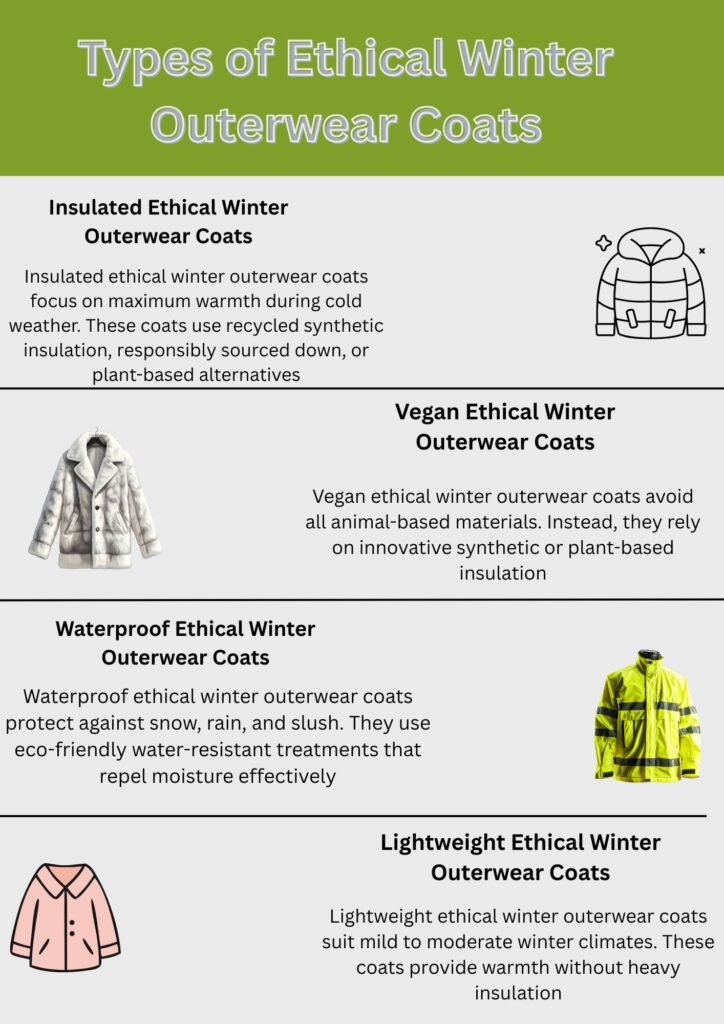
Alt text: An infographic titled “Types of Ethical Winter Outerwear Coats.” It highlights four coat types: Insulated Ethical Winter Outerwear Coats, Vegan Ethical Winter Outerwear Coats, Waterproof Ethical Winter Outerwear Coats, and Lightweight Ethical Winter Outerwear Coats, each with a short description and a small illustration of the coat style.Ethical Winter Outerwear Coat:
Caption: Four sustainable winter coat styles to choose from.

Insulated Ethical Winter Outerwear Coats

Insulated ethical winter outerwear coats focus on maximum warmth during cold weather. These coats use recycled synthetic insulation, responsibly sourced down, or plant-based alternatives. The insulation traps body heat efficiently while remaining lightweight.
Because of their design, insulated ethical coats work well in freezing temperatures. They provide reliable warmth without excessive bulk. As a result, they remain comfortable for daily wear and outdoor activities.

Vegan Ethical Winter Outerwear Coats

Vegan ethical winter outerwear coats avoid all animal-based materials. Instead, they rely on innovative synthetic or plant-based insulation. These materials offer strong thermal performance while supporting cruelty-free values.
A vegan Ethical Winter Outerwear Coat appeals to consumers who prioritize animal welfare. Additionally, vegan insulation often performs better in wet conditions. This makes these coats practical and ethical at the same time.

Waterproof Ethical Winter Outerwear Coats

Waterproof ethical winter outerwear coats protect against snow, rain, and slush. They use eco-friendly water-resistant treatments that repel moisture effectively. These coatings avoid harmful chemicals and preserve environmental safety.
Because moisture reduces insulation efficiency, waterproof ethical coats help maintain warmth. They suit regions with heavy snowfall or frequent winter rain. Therefore, they offer dependable protection in harsh weather.

Lightweight Ethical Winter Outerwear Coats

Lightweight ethical winter outerwear coats suit mild to moderate winter climates. These coats provide warmth without heavy insulation. They allow freedom of movement and comfortable layering.
A lightweight Ethical Winter Outerwear Coat works well for daily errands, travel, and urban wear. Its versatility makes it a popular choice for transitional winter conditions.

Ethical Winter Outerwear Coat vs Conventional Winter Coats

The difference between an Ethical Winter Outerwear Coat and a conventional winter coat goes far beyond appearance. While both aim to provide warmth, their impact on the environment, workers, and long-term value varies greatly. Understanding these differences helps buyers make smarter and more responsible winterwear choices.

Environmental Impact Comparison

An Ethical Winter Outerwear Coat focuses on reducing environmental harm from the start. Brands use recycled, organic, or renewable materials that lower carbon emissions and waste. Production processes also consume less water and energy, which protects natural resources.

Labor Practices and Worker Welfare

Ethical winter outerwear brands prioritize fair wages and safe working conditions. They partner with factories that respect labor rights and provide transparent working environments. This approach creates stable employment and improves worker well-being.

Durability and Long-Term Wear Value

An Ethical Winter Outerwear Coat is designed to last for many winters. High-quality stitching, durable fabrics, and thoughtful construction increase lifespan. Because of this, ethical coats reduce the need for frequent replacement.
Conventional winter coats often prioritize fast production over durability. Materials may weaken quickly, leading to wear and tear after limited use. Over time, this cycle creates more waste and higher overall costs.

Price Difference and Sustainability Value

Ethical winter outerwear usually costs more at the time of purchase. However, this price reflects responsible materials, fair labor, and long-lasting quality. When measured through cost-per-wear, ethical coats often prove more economical.

Sustainable Materials Used in Ethical Winter Outerwear Coats

Material choice defines both performance and ethics in winter outerwear. Ethical brands carefully select fabrics that balance warmth and sustainability.

Organic cotton provides breathable comfort without chemical exposure. It protects soil health and farmer safety. Recycled polyester transforms plastic waste into functional insulation, reducing landfill pollution.
Recycled wool offers natural warmth while extending the life of existing fibers. Responsibly sourced down follows strict animal welfare standards, ensuring humane treatment.
Plant-based insulation alternatives have also gained popularity. Materials like kapok and recycled cellulose deliver impressive warmth while remaining vegan-friendly. These innovations reduce dependence on animal products.
Low-impact dyes and eco-friendly finishes complete the material process. These treatments consume less water and avoid toxic runoff. Consequently, ethical winter outerwear protects both the wearer and surrounding ecosystems.

Cruelty-Free and Vegan Ethical Winter Outerwear

Cruelty-free and vegan winter fashion has become a major part of the ethical clothing movement. A cruelty-free Ethical Winter Outerwear Coat avoids harm to animals while still providing reliable warmth and comfort. As awareness grows, more consumers now seek winter coats that align with compassionate values. This shift proves that ethical responsibility and winter performance can exist together without compromise.

What Makes an Ethical Winter Outerwear Coat Cruelty-Free

A cruelty-free Ethical Winter Outerwear Coat eliminates the use of animal fur, leather, and feathers obtained through harmful practices. Brands ensure that no animals suffer during material sourcing or production. Instead of traditional animal-based components, manufacturers choose advanced alternatives that meet strict ethical standards. Because of this approach, cruelty-free winter outerwear supports animal welfare while maintaining high performance.

Vegan Alternatives to Fur and Animal Down

Vegan ethical winter outerwear replaces fur and animal down with innovative synthetic or plant-based insulation. These materials trap heat effectively and perform well in cold and damp conditions. Many vegan insulations also resist moisture better than traditional down. As a result, a vegan Ethical Winter Outerwear Coat often offers practical advantages alongside ethical benefits.

Benefits of Choosing Vegan Ethical Winter Outerwear

Choosing vegan ethical winter outerwear supports a lifestyle based on compassion and sustainability. These coats often feel lighter and dry faster, which improves everyday comfort. Additionally, vegan materials reduce the risk of allergies and skin irritation. Because vegan outerwear avoids animal products completely, it offers peace of mind for conscious consumers seeking ethical winter warmth.

Warmth and Performance Without Compromise

One common concern about ethical fashion is whether it can truly handle harsh winter conditions. However, a modern Ethical Winter Outerwear Coat proves that sustainability does not weaken performance. Through innovation and careful design, ethical outerwear now delivers dependable warmth, weather protection, and everyday comfort. As technology improves, ethical coats continue matching and even exceeding the standards of conventional winter wear.
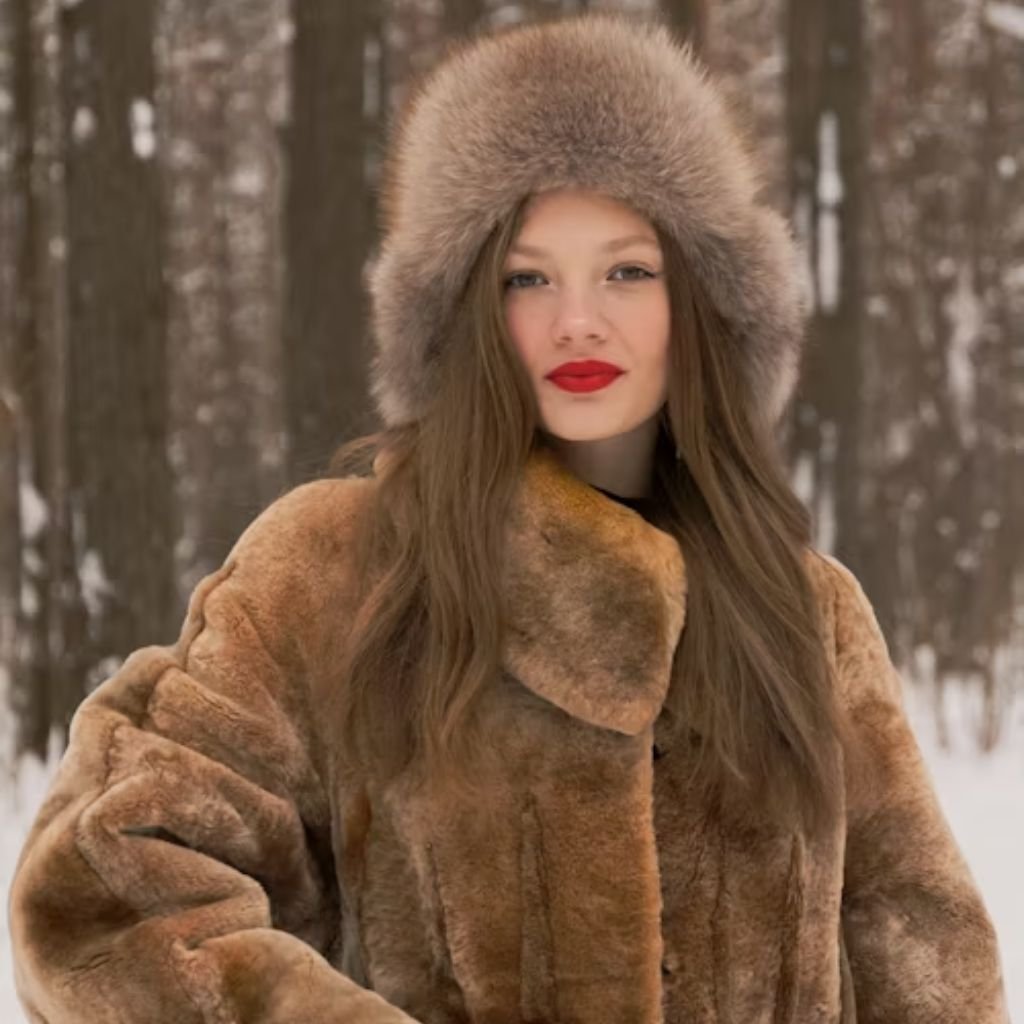
Alt text: A young woman with long brown hair and bright red lipstick stands in a snowy forest, wearing a large fur hat and a matching fur coat. She is seen from the waist up.
Ethical Winter Outerwear Coat:
Caption: Winter glamour in a luxe fur ensemble.

Insulation Performance in an Ethical Winter Outerwear Coat

An Ethical Winter Outerwear Coat uses advanced insulation that traps body heat efficiently. Recycled synthetic fibers and plant-based insulation create small air pockets that retain warmth. These materials maintain consistent thermal performance even during long exposure to cold.
Unlike traditional insulation, ethical alternatives perform well in damp conditions. They continue insulating even when exposed to snow or light rain. Because of this reliability, ethical winter coats provide steady warmth throughout changing winter weather.

Windproof Protection for Cold and Harsh Conditions

Cold wind often reduces body heat faster than low temperatures. Ethical winter outerwear addresses this challenge through tightly woven outer shells. These shells block wind while remaining breathable.
A high-quality Ethical Winter Outerwear Coat prevents cold air from penetrating inner layers. As a result, the body stays warm without overheating. This balance improves comfort during outdoor activities and daily commuting.

Water-Resistant Performance Without Harmful Chemicals

Many ethical winter coats feature water-resistant finishes that repel snow and rain. Instead of toxic chemical coatings, brands use safer alternatives. These finishes protect against moisture while preserving environmental health.
Because moisture reduces insulation efficiency, water resistance becomes essential. Ethical winter outerwear maintains warmth even during wet winter days. This feature ensures performance without environmental compromise.

Ethical Winter Outerwear for Different Weather Conditions

Ethical winter coats adapt to various climates and seasonal needs. For extreme cold, heavier coats feature thicker insulation and extended coverage. These designs retain heat effectively during freezing temperatures.
In milder winters, lightweight ethical coats offer flexibility. They provide warmth without bulk, making them ideal for daily wear.
Waterproof ethical coats suit wet and snowy environments. They protect against moisture while remaining breathable. As a result, ethical winter outerwear meets diverse weather demands effortlessly.

Style and Design in Ethical Winter Outerwear Coats

Ethical fashion has evolved beyond basic designs. Today’s ethical winter outerwear coats reflect modern aesthetics and timeless appeal.
Designers focus on clean lines, balanced proportions, and versatile silhouettes. These elements ensure coats remain stylish for multiple seasons.
Ethical coats suit both casual and formal settings. Tailored designs complement professional attire, while relaxed styles work for everyday wear.
Color trends often reflect nature, with earth tones leading collections. However, vibrant colors now appear through sustainable dye methods, adding variety without harm.

How to Choose the Right Ethical Winter Outerwear Coat

Selecting the right ethical winter coat requires thoughtful evaluation. Proper fit ensures warmth and comfort. Therefore, allow enough room for layering underneath.
Climate plays a crucial role in selection. Cold regions require thicker insulation, while moderate climates benefit from lighter designs.
Material quality also matters. Always check insulation type, shell durability, and lining comfort.
Certifications provide valuable guidance. Labels such as GOTS, Fair Trade, and OEKO-TEX confirm ethical claims. These certifications help buyers avoid greenwashing.

Benefits of Investing in an Ethical Winter Outerwear Coat

Choosing an Ethical Winter Outerwear Coat offers multiple long-term advantages. It significantly reduces environmental impact by lowering waste and pollution.
Ethical coats also last longer due to superior craftsmanship. This durability reduces replacement frequency and saves money over time.
By supporting ethical brands, buyers promote fair labor practices and safer working conditions.
Additionally, ethical materials often feel gentler on the skin, improving overall comfort and health.

Care and Maintenance of Ethical Winter Outerwear

Proper care plays a vital role in preserving the quality and performance of an Ethical Winter Outerwear Coat. Because ethical coats use sustainable materials, they require thoughtful handling to maintain their structure and insulation. With the right maintenance habits, ethical winter outerwear can remain warm, stylish, and functional for many seasons. Moreover, good care reduces waste and supports long-term sustainability.
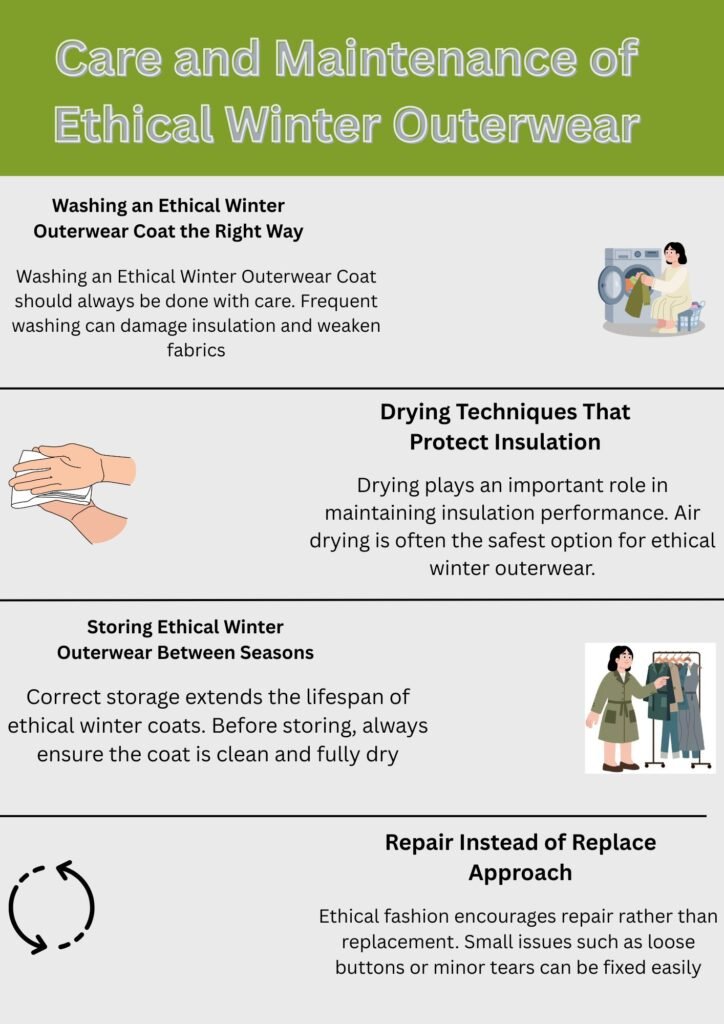
Alt text: An infographic titled “Care and Maintenance of Ethical Winter Outerwear.” It has four sections: Washing an Ethical Winter Outerwear Coat the Right Way, Drying Techniques That Protect Insulation, Storing Ethical Winter Outerwear Between Seasons, and Repair Instead of Replace Approach. Each section includes a short description and a small illustration.
Ethical Winter Outerwear Coat:
Caption: Practical care tips for ethical winter coats.

Washing an Ethical Winter Outerwear Coat the Right Way

Washing an Ethical Winter Outerwear Coat should always be done with care. Frequent washing can damage insulation and weaken fabrics. Therefore, it is best to wash the coat only when necessary. Cold water washing helps preserve fibers and prevents shrinkage.
Using mild, eco-friendly detergents protects both the fabric and the environment. These detergents avoid harsh chemicals that can break down sustainable materials. As a result, the coat retains its warmth and comfort for a longer time.

Drying Techniques That Protect Insulation

Drying plays an important role in maintaining insulation performance. Air drying is often the safest option for ethical winter outerwear. It prevents heat damage and fabric stress.
If machine drying becomes necessary, low heat settings work best. Gentle drying helps restore insulation loft without causing fiber damage. Proper drying ensures that the Ethical Winter Outerwear Coat continues to provide reliable warmth.

Storing Ethical Winter Outerwear Between Seasons

Correct storage extends the lifespan of ethical winter coats. Before storing, always ensure the coat is clean and fully dry. Moisture can cause fabric deterioration over time.
Breathable garment bags offer ideal storage conditions. They protect the coat from dust while allowing airflow. Hanging the Ethical Winter Outerwear Coat properly also helps maintain its shape and structure.

Repair Instead of Replace Approach

Ethical fashion encourages repair rather than replacement. Small issues such as loose buttons or minor tears can be fixed easily. Repairing extends the coat’s usability and reduces unnecessary waste.
Many ethical brands also offer repair services or spare parts. This support aligns with sustainability goals and strengthens long-term garment value. A well-maintained Ethical Winter Outerwear Coat can last for many winters.

Ethical Winter Outerwear Coat Trends for 2025

Ethical winter fashion continues evolving through innovation. Circular fashion leads future trends, with coats designed for recycling and reuse.
Minimalist designs gain popularity due to their timeless appeal. These styles support slow fashion principles effectively.
Traceable supply chains improve transparency through digital tracking systems. Consumers gain deeper insight into garment origins.
Local and small-batch manufacturing reduces emissions and supports regional economies. This trend strengthens ethical production globally.
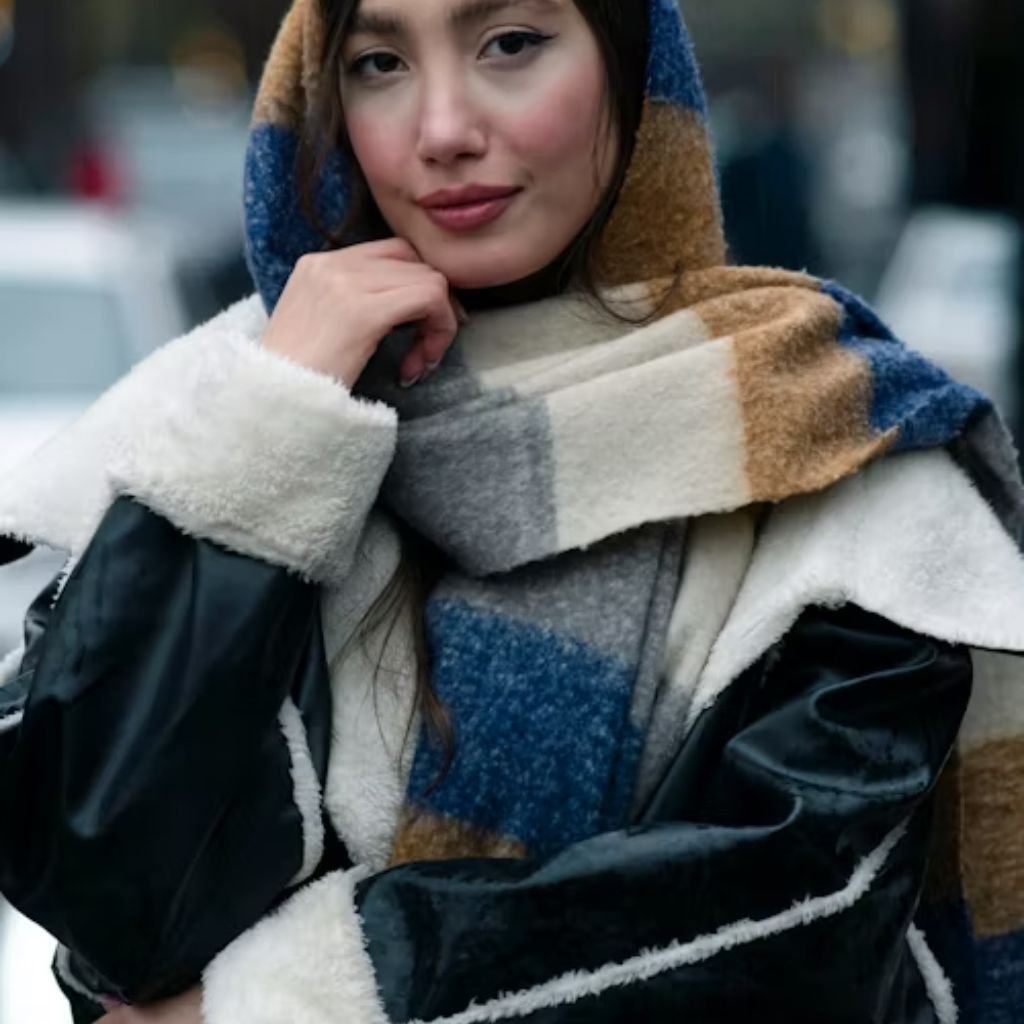
Alt text: A stylish woman wearing a large color-block fleece-and-leather coat and a blue, tan, and white scarf. She rests her chin on her hand and looks at the camera with a soft smile.Ethical Winter Outerwear Coat:
Caption: Cozy autumn layers with a bold color mix.

Are Ethical Winter Outerwear Coats Worth the Price

Ethical winter outerwear coats often cost more initially. However, cost-per-wear analysis reveals strong value. Because ethical coats last longer, each wear becomes more affordable.
Fast fashion coats may seem cheaper but require frequent replacement. Over time, they cost more financially and environmentally.
For conscious consumers, ethical winter outerwear delivers unmatched value. It aligns with personal ethics while providing reliable winter protection.

Conclusion

An Ethical Winter Outerwear Coat represents a responsible approach to winter fashion. It delivers warmth, comfort, and style without sacrificing ethics.By choosing ethical outerwear, consumers reduce environmental damage and support fair labor practices.These coats also provide long-lasting quality, making them smart investments.As sustainability becomes essential, ethical winter outerwear leads positive change.Now is the perfect time to choose warmth that truly matters.

FAQs

Are Ethical Winter Outerwear Coats warm enough for cold climates

Yes, an Ethical Winter Outerwear Coat provides reliable warmth in cold weather. Modern ethical coats use advanced insulation made from recycled or plant-based materials. These materials trap heat effectively and perform well in low temperatures. As a result, ethical winter coats offer comfort without sacrificing performance.

Do Ethical Winter Outerwear Coats last longer than conventional coats

Ethical winter outerwear coats often last longer because brands focus on quality construction. Strong stitching and durable fabrics help maintain shape and insulation. Because of this focus, ethical coats resist wear and tear better over time. Long-lasting use also supports sustainable fashion goals.

Are Ethical Winter Outerwear Coats more expensive

An Ethical Winter Outerwear Coat usually costs more at first. However, the higher price reflects fair wages, safe production, and durable materials. Over time, fewer replacements reduce overall spending. Therefore, ethical winter outerwear offers better long-term value.


Sustainable Wool Winter Coat: Warmth with a Green Touch Eco

Sustainable fashion has evolved from a niche trend into a global movement. People increasingly want clothing that looks good and reduces environmental impact. Among winter wear, the Sustainable Wool Winter Coat stands out as a perfect choice. It combines warmth, durability, style, and environmental responsibility.

The rising demand for eco-friendly winter wear reflects growing awareness of climate change and ethical manufacturing. Buyers now care about more than style—they consider production, sourcing, and environmental impact. Choosing a Sustainable Wool Winter Coat is a conscious step toward greener fashion.

History Of Sustainable Wool Winter Coat

The story of wool as a fabric dates back thousands of years. Humans first began domesticating sheep around 10,000 years ago in the Fertile Crescent, recognizing the insulating properties of their fleece. Early societies quickly discovered that wool could be spun into threads and woven into warm garments, providing essential protection against cold climates. For centuries, wool was a staple material in clothing, valued not only for its warmth but also for its durability and versatility. Across Europe, Asia, and the Middle East, wool became central to both everyday wear and specialized outerwear, laying the foundation for what would eventually evolve into the modern wool coat.

Alt text: A young girl wearing a brown winter coat, white knit hat, and white mittens hugs a snow-dusted tree in a snowy park. A heart shape is drawn in the snow on the tree trunk.Sustainable Wool Winter Coat:
Caption: Warm Hug in a Winter Wonderland

What Is a Sustainable Wool Winter Coat?

A Sustainable Wool Winter Coat is more than just a stylish garment for cold weather; it represents a thoughtful and responsible approach to fashion. Unlike conventional winter coats, which are often mass-produced with minimal concern for the environment or animal welfare, sustainable wool coats prioritize ethical sourcing, ecological impact, and long-lasting quality. Sustainable Wool Winter Coat:At its core, sustainable wool comes from sheep that are raised under strict ethical standards. These sheep are treated humanely, provided with adequate nutrition, and protected from harsh or harmful farming practices. By choosing wool that is ethically sourced, the coat not only ensures the well-being of animals but also supports farmers who adopt responsible and environmentally friendly practices.

Sustainable wool differs significantly from traditional wool in several ways.Sustainable Wool Winter Coat: Conventional wool often involves chemical treatments to enhance durability, whiteness, or softness, and in some cases, it comes from sheep subjected to painful procedures like mulesing. In contrast, sustainable wool avoids unnecessary chemicals, reducing water contamination and soil degradation while preserving the natural qualities of the fiber.Sustainable Wool Winter Coat: The production process also emphasizes minimal waste and renewable energy use, creating a garment that is genuinely eco-friendly from start to finish.

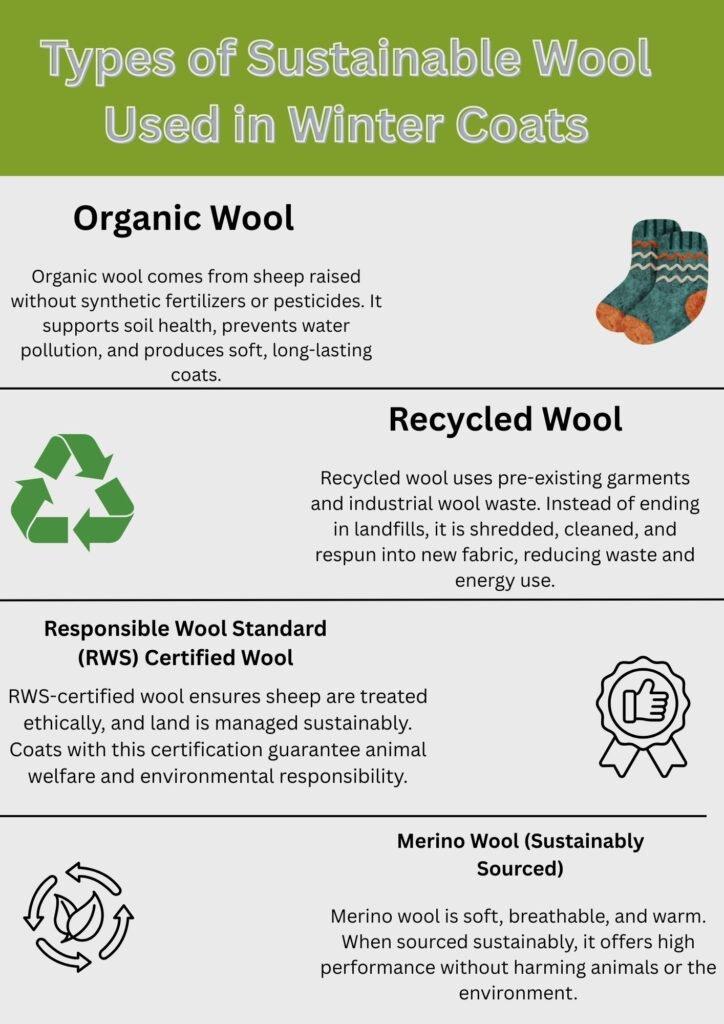
Types of Sustainable Wool Used in Winter Coats

Choosing the right type of wool impacts warmth, softness, and sustainability.

Alt text: An infographic titled “Types of Sustainable Wool Used in Winter Coats.” It lists Organic Wool, Recycled Wool, Responsible Wool Standard (RWS) Certified Wool, and Merino Wool (Sustainably Sourced), with small icons next to each section (a sock, recycling symbol, a badge, and a circular arrows icon). The layout features a light gray background with a green header.Sustainable Wool Winter Coat:
Caption: Exploring sustainable wool options for winter coats.

Organic Wool

Organic wool comes from sheep raised without synthetic fertilizers or pesticides. It supports soil health, prevents water pollution, and produces soft, long-lasting coats.

Recycled Wool

Recycled wool uses pre-existing garments and industrial wool waste. Instead of ending in landfills, it is shredded, cleaned, and respun into new fabric, reducing waste and energy use.

Responsible Wool Standard (RWS) Certified Wool

RWS-certified wool ensures sheep are treated ethically, and land is managed sustainably. Coats with this certification guarantee animal welfare and environmental responsibility.

Merino Wool (Sustainably Sourced)

Merino wool is soft, breathable, and warm. When sourced sustainably, it offers high performance without harming animals or the environment.

How Sustainable Wool Winter Coats Keep You Warm

A Sustainable Wool Winter Coat is widely celebrated not only for its ethical and environmental qualities but also for its exceptional ability to keep the wearer warm in cold weather. Wool, as a natural fiber, has remarkable insulating properties that make it one of the most effective materials for winter outerwear.Sustainable Wool Winter Coat: Each wool fiber contains tiny air pockets, which act as natural insulators, trapping body heat and preventing it from escaping into the surrounding cold air. This structure creates a microclimate around the body, allowing the coat to provide consistent warmth even in freezing temperatures.

Another reason wool coats maintain warmth so effectively is their inherent breathability. Wool fibers can absorb up to 30 percent of their weight in moisture without feeling wet, which helps regulate body temperature by drawing sweat away from the skin. This moisture management prevents the uncomfortable clammy feeling that often occurs with synthetic coats. It also allows the body to stay warm without overheating. Sustainable Wool Winter Coat:In addition, wool can release moisture back into the air as it evaporates, maintaining a balanced internal temperature. For people living in climates with fluctuating winter conditions, this ability to regulate heat and moisture makes a Sustainable Wool Winter Coat particularly practical and reliable.

Alt text: A woman stands on a snow-covered wooden bridge wearing a blue-grey knee-length coat, a light grey beanie, dark gloves, and a small black purse. Snowy trees surround the scene.Sustainable Wool Winter Coat:
Caption: Quiet winter stroll along a frozen bridge.

Environmental Benefits of Sustainable Wool Coats

Sustainable wool coats are not only stylish and warm but also significantly better for the environment compared to conventional wool or synthetic winter wear. From reducing carbon emissions to preventing microplastic pollution, these coats contribute to a greener, more eco-conscious wardrobe. Choosing a Sustainable Wool Winter Coat goes beyond personal comfort it’s a meaningful way to reduce your ecological footprint and support environmentally responsible fashion.

Reduced Carbon Footprint

One of the primary environmental benefits of sustainable wool coats is their lower carbon footprint. Farms producing ethically sourced wool often follow regenerative practices that enrich soil, promote biodiversity, and reduce greenhouse gas emissions. Sheep grazing on well-managed pastures contribute to soil health by naturally fertilizing the land and maintaining vegetation. Additionally, many sustainable wool producers rely on renewable energy sources in the processing and manufacturing stages, further minimizing carbon emissions. Compared to synthetic coats made from petroleum-based materials, which require significant energy and emit high levels of greenhouse gases, a sustainable wool coat is a much cleaner and eco-friendly option.

Biodegradable and Renewable Material

Unlike synthetic winter coats that can persist in landfills for decades, wool is 100% biodegradable. When a wool coat reaches the end of its life, it naturally decomposes and returns nutrients to the soil, making it a renewable resource.Sustainable Wool Winter Coat: Wool production is also renewable because sheep can be shorn annually without harm, producing a steady supply of fiber year after year. This renewable and biodegradable nature ensures that a sustainable wool coat leaves a minimal environmental footprint throughout its lifecycle, unlike synthetic alternatives that contribute to long-term waste and pollution.

Less Microplastic Pollution

A growing concern with synthetic coats is the shedding of microplastics during washing and wear. These tiny fibers often end up in rivers and oceans, harming aquatic life and entering the food chain. Wool, being a natural fiber, does not shed harmful microplastics. By choosing a Sustainable Wool Winter Coat, consumers help reduce this type of pollution, supporting healthier ecosystems and cleaner waterways. Additionally, wool fibers can be recycled or repurposed at the end of the coat’s life, further reducing waste and environmental impact.

Water and Energy Conservation

The production of sustainable wool coats also tends to use less water and energy compared to conventional methods. Organic or responsibly sourced wool farms avoid chemical fertilizers and pesticides, which reduces water contamination and promotes better water management on the farm. Moreover, energy-efficient manufacturing processes and low-impact dyeing techniques further reduce the environmental footprint of the final garment. This contrasts sharply with synthetic coats, which often rely on energy-intensive production, chemical processing, and water-heavy treatments that strain ecosystems.

Animal Welfare and Fair Labor

A Sustainable Wool Winter Coat is not only beneficial for the environment but also carries significant ethical advantages, particularly concerning animal welfare and fair labor practices. The fashion industry has long been criticized for exploiting both animals and workers, often prioritizing speed and profit over ethics. Conventional wool production has sometimes involved inhumane practices such as mulesing, poor living conditions for sheep, and unsafe or underpaid labor in manufacturing facilities.Sustainable Wool Winter Coat: Sustainable wool coats, on the other hand, address these issues by ensuring that both the animals and the people involved in producing the garment are treated responsibly, making ethical considerations a central feature of these coats.

One of the primary ethical benefits of a sustainable wool coat is the avoidance of mulesing, a controversial procedure in which strips of skin are removed from a sheep to prevent parasitic infestations. While mulesing has been common in some wool production systems, it causes significant pain and stress to the animals.

Sustainable Wool vs Synthetic Winter Coats

FeatureSustainable WoolSynthetic Coats
WarmthHighMedium–High
BreathabilityExcellentLow
Eco-impactLowHigh

Sustainable wool offers superior warmth, durability, and eco-consciousness compared to synthetic coats.

Key Features to Look for in a Sustainable Wool Winter Coat

When choosing a Sustainable Wool Winter Coat, understanding the key features can make a significant difference in both comfort and long-term value. Sustainable wool coats are an investment, and selecting the right one ensures that the garment will provide warmth, style, durability, and environmental benefits for many years.Sustainable Wool Winter Coat: Unlike conventional coats, which may prioritize aesthetics or low cost over quality and sustainability, a truly sustainable wool coat integrates ethical sourcing, functional design, and eco-conscious materials. Paying attention to these features allows buyers to make informed decisions that benefit not only themselves but also the planet and the people involved in producing the garment.
One of the most important features to consider is certification. Look for coats made from wool that carries recognized ethical and environmental certifications, such as the Responsible Wool Standard (RWS), Global Organic Textile Standard (GOTS), or Fair Trade. These certifications confirm that the wool comes from farms and producers that adhere to strict standards for animal welfare, sustainable land management, and fair labor practices. Choosing a coat with verified certification ensures transparency in the production process and reassures the buyer that the garment meets high ethical standards. Sustainable Wool Winter Coat:Certification also often guarantees that the fibers are free from harmful chemicals, making the coat safer and more comfortable to wear.

Alt text: A close-up side profile of a young woman wearing a soft pink knit beanie and a light pink scarf. The background is softly blurred, suggesting an outdoor setting with warm sunlight.
Sustainable Wool Winter Coat:
Caption: Wrapped in warmth, she enjoys a sunny moment outdoors.

Best Sustainable Wool Winter Coat Styles

Sustainable wool coats are not only eco-conscious and warm but also incredibly versatile in style. Today’s fashion combines ethical production with timeless designs, allowing individuals to express their personal style while making environmentally responsible choices. A Sustainable Wool Winter Coat comes in a variety of styles, each offering different benefits in terms of warmth, fit, and versatility. Understanding the most popular and functional designs can help you select a coat that complements your lifestyle, wardrobe, and climate.

Long Wool Coats

Long wool coats are a classic choice for those seeking full-body coverage and maximum warmth. They typically extend below the knee or even to the ankles, providing superior insulation during harsh winter months. Long coats are ideal for city living, commuting, or walking outdoors in cold weather. The extra length protects against wind and snow while maintaining elegance and sophistication.Sustainable Wool Winter Coat: They pair seamlessly with boots, scarves, and layered outfits, making them versatile for both casual and formal occasions. Sustainable long wool coats are often designed with clean lines and neutral colors, ensuring they remain fashionable year after year.

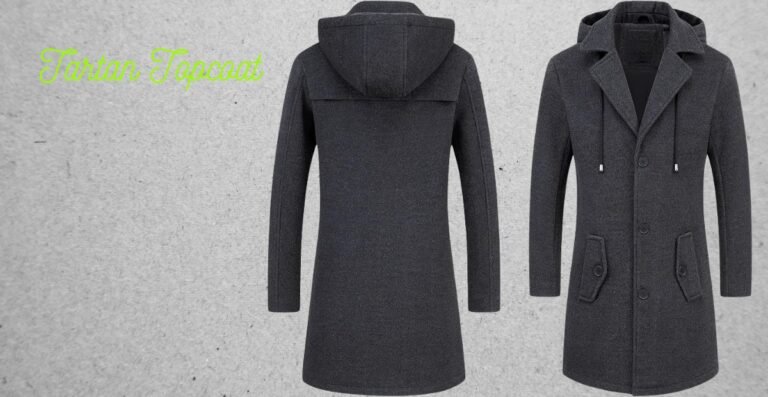
Wool Trench Coats

Wool trench coats combine functionality with professional style. Traditionally inspired by military outerwear, the trench coat features a tailored fit, belted waist, and buttoned front, which provides a structured yet comfortable silhouette. Wool trench coats are perfect for office wear, business meetings, and formal events, as they effortlessly complement suits, dresses, or dress pants. The combination of wool’s natural insulation and the trench coat’s design allows for warmth without excessive bulk. Many sustainable trench coats use certified organic or responsibly sourced wool, making them an ethical choice that does not compromise on style.

Wool Pea Coats

Wool pea coats are shorter, double-breasted coats that typically reach the hips or mid-thigh. Originally worn by sailors for their practicality and warmth at sea, pea coats are now a fashionable option for casual and semi-formal winter wear. They offer a cozy, structured fit that works well for layering over sweaters, shirts, or light jackets. Pea coats are often made from heavy, densely woven wool that provides excellent insulation, making them suitable for cold city winters.Sustainable Wool Winter Coat: Choosing a sustainable wool pea coat ensures you enjoy both comfort and ethical production practices, including mulesing-free wool and environmentally responsible manufacturing.

Minimalist and Timeless Designs

Minimalist wool coats focus on simplicity, clean lines, and versatility. These designs often avoid excessive embellishments, trendy colors, or seasonal patterns, allowing the coat to remain stylish for years. Timeless coats work well with a variety of outfits, from casual to professional, making them a practical and sustainable choice. Neutral shades such as black, gray, beige, or navy enhance their adaptability while reducing the likelihood of replacing the coat due to changing fashion trends. By choosing a timeless, minimalist sustainable wool coat, buyers maximize both wearability and environmental responsibility.

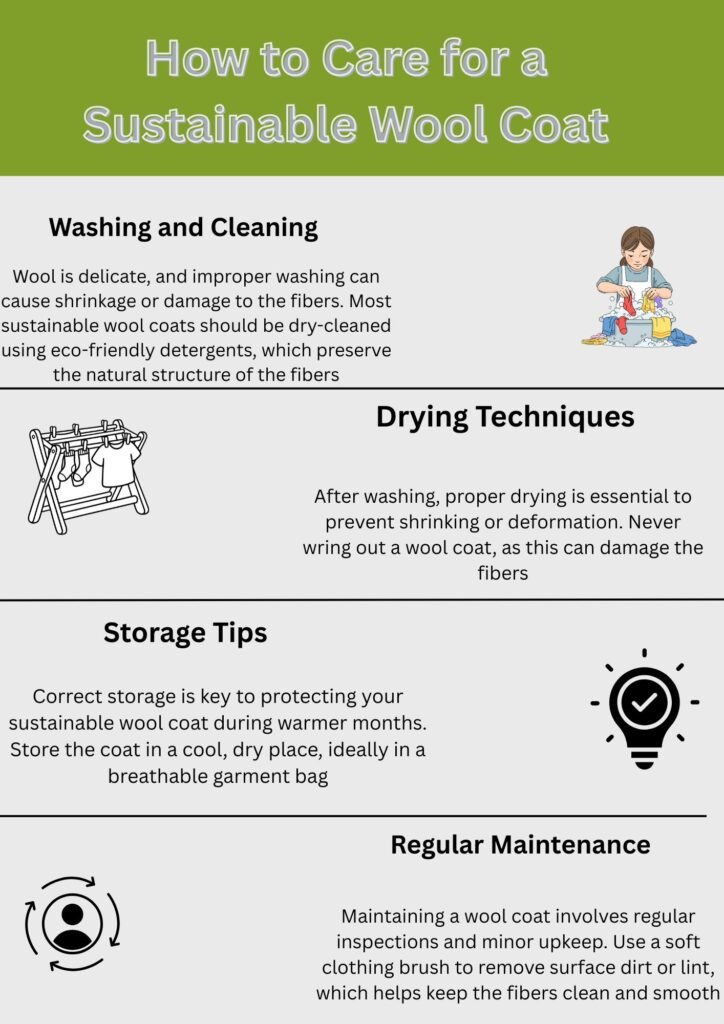
How to Care for a Sustainable Wool Coat

A Sustainable Wool Winter Coat is an investment in both warmth and ethical fashion. Proper care ensures that the coat remains soft, durable, and stylish for many years, while also supporting sustainability by reducing the need for frequent replacements. Unlike synthetic coats, which may wear out quickly or require harsh chemicals to maintain, wool is naturally resilient when treated correctly. By following careful care routines, you can protect your coat, extend its lifespan, and keep it looking fresh season after season.

Alt text: An infographic titled “How to Care for a Sustainable Wool Coat.” The content sections include Washing and Cleaning, Drying Techniques, Storage Tips, and Regular Maintenance, with simple icons illustrating each section.
Sustainable Wool Winter Coat:
Caption: Quick guide: Caring for a sustainable wool coat.

Washing and Cleaning

Wool is delicate, and improper washing can cause shrinkage or damage to the fibers. Most sustainable wool coats should be dry-cleaned using eco-friendly detergents, which preserve the natural structure of the fibers. If washing at home, use cold water and gentle wool-specific detergents, avoiding bleach or harsh chemicals. Hand washing is recommended for small stains, using light motions rather than scrubbing. Avoid frequent washing; often, airing out the coat is enough to maintain freshness. By cleaning your coat carefully, you maintain both its appearance and its insulating properties.

Drying Techniques

After washing, proper drying is essential to prevent shrinking or deformation. Never wring out a wool coat, as this can damage the fibers. Instead, gently press out excess water and lay the coat flat on a clean towel to air dry. Keep it away from direct sunlight or heat sources, such as radiators, which can weaken the fibers and cause fading. For coats that are only lightly soiled, hanging the coat in a ventilated area and shaking it out can refresh the fibers without washing. Proper drying preserves the coat’s warmth, texture, and longevity.

Storage Tips

Correct storage is key to protecting your sustainable wool coat during warmer months. Store the coat in a cool, dry place, ideally in a breathable garment bag. Avoid plastic bags, as they trap moisture and increase the risk of mildew. Wool is also susceptible to moth damage, so consider using natural repellents like cedar blocks or lavender sachets. Hanging the coat on a wide, padded hanger helps maintain its shape, preventing shoulder dimples or stretched seams. Proper storage ensures the coat stays in pristine condition and ready to wear each winter.

Regular Maintenance

Maintaining a wool coat involves regular inspections and minor upkeep. Use a soft clothing brush to remove surface dirt or lint, which helps keep the fibers clean and smooth. If pills form on the surface, gently remove them with a fabric comb or shaver designed for wool. Check seams, buttons, and zippers periodically for loose threads or wear, repairing minor issues promptly. Routine maintenance prevents small problems from becoming permanent damage, extending the coat’s lifespan and maintaining its aesthetic appeal.

Are Sustainable Wool Winter Coats Worth the Price?

Though expensive upfront, sustainable coats provide long-term value.

Cost vs Longevity

High-quality wool coats last 10–15 years, reducing the need for replacements.

Cost-Per-Wear

Dividing the price by usage shows that sustainable coats are economical compared to synthetics.

Long-Term Benefits

Durable, stylish, and eco-friendly coats save money and support sustainability over time.

Common Myths About Sustainable Wool Coats

Misconceptions prevent some from choosing wool coats.

Alt text: A smiling young woman with blonde hair stands on a wooden bridge. She wears a dark knit beanie, a light gray knit top, a long light-colored cardigan, and dark jeans. The bridge has pale railings and a wooden deck, with a muted landscape and hints of water in the background.Sustainable Wool Winter Coat:
Caption: On a serene bridge, she radiates warmth in a cozy winter cardigan.

Wool is Itchy

Modern Merino and organic wool are soft and comfortable against skin. Proper lining adds extra comfort.

Eco-Friendly Coats Aren’t Warm

Wool naturally traps heat, keeping you cozy without synthetic insulation.

Sustainable Fashion is Too Expensive

Higher initial cost is offset by durability, timeless design, and eco-conscious value.

Conclusion

A Sustainable Wool Winter Coat combines warmth, style, and eco-conscious responsibility. Wool provides natural insulation, breathability, and long-lasting durability. Beyond personal comfort, sustainable coats reduce environmental impact, support fair labor, and promote animal welfare. Choosing a sustainable wool coat is not just a fashion statement it is a commitment to the planet. Investing in a responsibly sourced, high-quality wool coat embraces a greener lifestyle while keeping you warm, stylish, and comfortable all winter.

FAQs

Are sustainable wool winter coats warm enough?

Yes, they trap heat naturally and regulate temperature effectively.

Is wool environmentally friendly?

Sustainably sourced wool is biodegradable, renewable, and low impact.

How long does a wool winter coat last?

With proper care, it can last 10–15 years.

Can wool coats be worn in heavy snow?

Yes, especially with layering or water-resistant treatment.

Is recycled wool durable?

Yes, recycled wool retains strength, warmth, and long-term usability.

Do sustainable wool coats support animal welfare?

Yes, they come from mulesing-free and ethically managed sheep farms.


National Backward Day: Meaning, History & Fun Ways Celebrate

Every year, National Backward Day invites people to pause, reflect, and do things a little differently. Instead of rushing forward, this fun and quirky day encourages us to look backward—both literally and emotionally. It reminds us that sometimes, slowing down helps us move ahead with more clarity and joy.

National Backward Day is not just about walking backward or reading words in reverse. It is also about reflecting on past choices, learning from mistakes, and appreciating how far we have come. In a fast-moving world, this day offers a refreshing break from routine.

Let’s explore why National Backward Day matters and how you can celebrate it in meaningful and playful ways.


What Is National Backward Day?

National Backward Day is a lighthearted observance celebrated every year on January 31. On this day, people do things backward on purpose. They may wear clothes inside out, read sentences backward, or start their day from the end.

The purpose of the day is to encourage participants to think about the things they did and the things they can do better. Rather than worrying about what is next, looking behind to see what has already been done can highlight areas of improvement to make future progress more effective.

The Origins of National Backward Day

The origins of national backward day are unknown. It started as a fun and creative challenge, as the day has been celebrated for decades and is now an established, unregulated holiday, with traditions in schools, workplaces, and internet communities.

The day is more than a joke. It has become a creative holiday that reminds us to be self-aware, reflect, and use humor.

It has become a formally recognized holiday that people of all ages and cultures celebrate.

Why National Backward Day is Important

The values of National Backward Day are often overlooked and misunderstood, as people see the day as children and silliness.

1. It Helps to Promote Self Reflection

Being backward promotes self reflection for the future. Growth helps to reduce stress when people see that they have made progress.

2. It is a Reminder to Enjoy Life!

Life can often be stressful and it is easy to get caught in the daily grind. National Backward Day helps people appreciate the slower, more enjoyable parts of life.

3: Fosters Originality

Trying new things can create innovative thoughts. Having a different perspective can create new ideas.

4: Encourages Mindfulness

This day encourages us to be more mindful of our actions and thoughts.

On a positive note, National Backward Day combines enjoyment with valuable lessons.

How to Celebrate National Backward Day

Celebrating National Backward Day is a simple. Easy tasks make the day fun and will create lasting memories.

Backward Activities

  • Wear socks that are mismatched and backwards
  • Turn a piece of writing upside down and try to read it
  • Walk backwards at a park
  • Reverse the order of your to-do list and do the last task first

Looking Back

Think about last year, and what you’ve done.

  • What have you achieved?
  • What mistakes have you learned from?
  • What goals have you accomplished?

This reflection will help you gain wisdom.

Old, But Always New

  • Listen to your old music
  • Look at old photos
  • Read old journal entries

These old memories help you reminisce and enjoy the present.

National Backward Day At School

National Backward Day is often a great opportunity for learning.

Teachers might:

  • Request that learners compose sentences in reverse.
  • Discuss history by highlighting events in reverse.
  • Suggest that learners consider prior teaching.

This encourages interactivity, enjoyment, and the cultivation of critical thinking.

National Backward Day at Work

Workplaces can also get involved.

Here are some suggestions:

  • Start meetings with a recap of previous accomplishments and successes.
  • Do an agenda order reversal.
  • Prompt staff to discuss and share what they have learned.

These suggestions encourage collaboration and constructive dialogue.

The More Profound Meaning Behind Going Backward

National Backward Day teaches that, to be moving forward does not mean to be moving forward and ignoring the past.

To look backward is to:

  • not make the same mistakes again.
  • understand how much you have grown.
  • be a better decision maker.

Reflecting is powerful and strengthens the decisions we make.

National Backward Day and Mental Health

National Backward Day is in line with the idea of reflection that many mental health practitioners have.

Looking back helps:

  • to work through feelings
  • to let go of what you may have wanted to forget
  • to recognize what you have accomplished
    This fosters emotional equilibrium and is a means to self-acceptance.

National Backward Day is an excellent holiday gotten of the box thinking. It is a holiday that can be celebrated with a lot of creativity.You can do the following:

  • Share photos from the past.
  • Write messages using the reverse order of letters.
  • Post captions in reverse order.

All of these are certain to get people talking.


The Importance of National Backward Day

Even though it may appear childish, National Backward Day teaches us important lessons.

Learn from the Past

We can grow from our failures, and failures are our best teachers.

Appreciate Progress

Sometimes, you need to remember where you started to see how far you’ve gone.

Slow Down

Life is not a race and sometimes you need to take a moment to see the big picture.


National Backward Day for Families

Families can do lots of stuff together on this day.

Try these ideas:

  • Dessert before dinner
  • Stories beginning from the end
  • Watching family videos from the past

These activities make people feel closer and make new memories.


Misconceptions About National Backward Day

Some people get National Backward Day wrong.

Myth: The holiday is only for silliness

Truth: It can be serious as well as fun.

Myth: The holiday is meaningless

Truth: It promotes the practice of being present and from this reflection important lessons can be learned.

Recognizing the true meaning makes the holiday more enjoyable.


Why We Need Days Like This

Life is always requiring you move forward, and while that is important, moving forward without stopping to reflect can be detrimental.

The essence of National Backward Day allows us to:

  • Stop
  • Think
  • Reset

These processes lead to benefits, both mental and physical.


National Backward Day Summary

There is more to National Backward Day than just a reason to celebrate. It is an opportunity to remind ourselves of the pace of life and the importance of taking stock of where we are today. Understanding where we have come from enhances our knowledge and increases our appreciation of our life’s adventure.

Doing things in reverse or using the time to have your own private reflection are both valid ways to observe this day. In modern times, this is a world where we are constantly progressing and moving forward. It is a day set aside to

On January 31, we encourage you to enjoy the playful nature of the day. Look back and reflect, and move forward to the future with confidence, and clarity, and sometimes with a few steps backward. Learn About: International Zebra Day And National Hot Chocolate Day

National Hot Chocolate Day: History, Meaning & How Celebrate

National Hot Chocolate Day is a steaming beverage prepared with either chocolate or cocoa blended with water or milk. It can also be sweetened with sugar and topped with cream, marshmallows, or spices.

National Hot Chocolate Day is prepared from cocoa powder, unlike hot chocolate, which is prepared from real chocolate. Regardless, the terms cocoa and chocolate are often used interchangeably.

National Hot Chocolate Day can be prepared and enjoyed in countless ways. It is a beverage that can be enjoyed by people of any age.


The History Behind Hot Chocolate

There is a lot of rich and intriguing history behind hot chocolate. It is a history that extends over thousands of years.

Its Ancient Origins

One of the earliest civilizations known to have enjoyed chocolate beverages was the ancient Maya. National Hot Chocolate Day beverages that the ancient Mayans and Aztecs enjoyed consisted of crushed cacao beans blended with water. the Mayans also added spices to their chocolate beverages. The Aztecs even used chocolate as a form of currency.

The Introduction Of Chocolate In Europe

Spanish explorers, in the mid 1500s, are the first to introduce cocoa and National Hot Chocolate Day beverages in Europe. Initially, the drink was enjoyed by the rich only. However, sugar and milk were later added to the drinks to sweeten them.

Soon, National Hot Chocolate Day was loved by many countries across Europe, and chocolate houses opened in cities, including London and Paris.

Hot Chocolate Around the World

Now hot chocolate can be found across the globe. It is inexpensive, quick, and easy to make. National Hot Chocolate Day continues to transform and can be made many different ways.

The Importance of Hot Chocolate Day

National Hot Chocolate Day is more than just a celebration of the drink. It is a day to celebrate warmth, peace, and togetherness.

A Moment of Comfort

Life is full of stress and is often very busy. This day reminds people to enjoy the little things in life. A hot drink can relieve stress.

Togetherness

Sharing hot chocolate with friends and family is a wonderful way to build and enjoy cozy moments and stimulate chats.

A Celebration of Small Things

Not every celebration has to be extravagantly planned. A hot chocolate is a wonderful way to celebrate something special.

Different Types of Hot Chocolate

National Hot Chocolate Day can be made many different ways. Some of the most common types of hot chocolate that people enjoy all over the world.

Classic Hot Chocolate

This recipe is simple, and made with just cocoa powder, milk, and sugar.### Dark Chocolate Hot Chocolate

Dark chocolate hot chocolate includes dark chocolate rather than milk chocolate which makes it richer with a deeper flavor and less sweetness.

White Hot Chocolate

Hot chocolate does not have to be made with milk chocolate. A milder version of hot chocolate can be made using white chocolate. It is creamier and sweeter compared to dark chocolate hot chocolate.

Mexican Hot Chocolate

Typically, hot chocolate is known to be warm and comforting. In addition to that, Mexican hot chocolate includes warm spices such as cinnamon and can include chili for an additional warm kick.

Vegan Hot Chocolate

To vegan hot chocolate, simply use a plant-based milk of your choice such as almond, soy, or oat milk.


Hot Chocolate Toppings

Hot chocolate can be made into a special treat by adding toppings of your choice such as:

  • Marshmallows
  • Whipped cream
  • Chocolate shavings
  • Cocoa powder
  • Cinnamon or nutmeg
  • Caramel drizzle

Celebrating National Hot Chocolate Day

There are many ways to celebrate National Hot Chocolate Day. Celebrating it can be as simple as making hot chocolate at home by using your favorite hot chocolate recipe. You can even use toppings that you have never tried before. You can also visit a local cafe to see if they have a special hot chocolate to support them.

Setting Up a Hot Chocolate Bar

You can have a hot chocolate bar set up to have a hot chocolate party. Invite friends or family, buy hot chocolate and toppings, and have a make-your-own hot chocolate station.

Sharing on Social Media

You can take a picture of your hot chocolate and post it on social media using the National Hot Chocolate Day hashtag.


Hot Chocolate Health Benefits

Drinking hot chocolate can have a couple positive health benefits, but hot chocolate should be consumed in moderation to be healthy.

Full of Antioxidants

Cocoa powder is full of antioxidants, and drinking hot chocolate can be a good source of antioxidants to help reduce free radicals in the body.

Improves Your Mood

Hot chocolate can help improve your mood by triggering the release of feel-good chemicals in your brain.

Provides Warmth and Energy

Hot chocolate helps to warm your body on cold days, and it can also provide some energy. However, you should enjoy it sparingly and focus on the balance of sugar in your hot chocolate.


Interesting Facts About Hot Chocolate

Making hot chocolate can be fun, and these interesting facts can make it more fun.

  • Drinking chocolate was once considered a drink of the upper class.
  • Some people prefer drinking chocolate to the liquid version.
  • The largest hot chocolate cup ever made, made a cup over a thousand pounds.
  • Hot chocolate is served in a cup with fresh or toasted cheese or with toasted cheese in a lot of cultures.

These facts can be used to help make hot chocolate more fun.


Hot Chocolate Around the World

Different cultures enjoy hot choclate in a variety of ways suitable to their taste.

Spain

Spanish hot chocolate pairs perfectly with churros.

Italy

Almost like a pudding, Italian hot chocolate is extremely thick.

Switzerland

Swiss hot chocolate is just as good as chocolate can be, especially if the best chocolate is used.

United States

The United States seems to have a more normy hot chocolate that is lighter and topped with marshmallows.

Different cultures have different traditions and favorites.


Why Hot Chocolate Is Perfect for Winter

Days can be long and cold, a warm drink like hot chocolate can help.

  • It warms the body quickly
  • It feels comforting and nostalgic
  • It pairs well with winter activities

From snow days to cozy nights, hot chocolate fits every winter moment.

Ingredients

  • 1 cup of warm milk
  • 1 Tbsp of cocoa powder
  • 1 Tbsp of sugar
  • A small dash of salt

Instructions

  1. First warm up the milk in a saucepan.
  2. Then add in the cocoa powder, sugar, and salt.
  3. Stir until everything is combined and you can’t see any of the sugar or cocoa flakes.
  4. Enjoy the cocoa!

Feel free to add whipped cream or any toppings you want!


Hot Chocolate and Nostalgia

Hot cocoa is a perfect reminder of the nostalgia of the cold winter months and warm family holidays spent together.

The smell of hot cocoa and the feeling of the warmth of the mug are things that only a hot cocoa can provide.

That warmth is like the warm hug from a family member on a cold winter holiday.

That is the reason why hot chocolate is such an emotional drink and people like to drink it on hot chocolate day.


What is Hot Chocolate Day Celebrating?

Hot chocolate day is celebrating the warm feeling of coziness that hot cocoa provides by celebrating the simple things in life. This is especially true if you drink hot cocoa in the middle of a cold winter day.

January 31 is a day to enjoy the moment and enjoy the simple things in life. It is a day to enjoy everything that life has to offer you and to enjoy the warmth that cocoa provides from that.

Conclusion

National Hot Chocolate Day is a perfect reminder to slow down and enjoy life’s simple pleasures. This warm and comforting drink brings people together and creates moments of happiness during cold winter days. Whether you prefer classic hot chocolate or love trying new flavors, this special day gives everyone a reason to celebrate.

As you sip your favorite cup on January 31, take a moment to relax and share the joy with family or friends. National Hot Chocolate Day is not just about a drink. It is about warmth, comfort, and making sweet memories that last. Learn About: International Zebra Day And National Backward Day.

International Zebra Day: Importance, History & Conservation

International Zebra Day is recognized on January 31st of each year. This special International Day celebrates and recognizes the efforts in protecting the habitats, ecosystems, and most importantly, the Zebras, of one of the most recognizable animals on Earth.

Many people don’t know that some Zebra species are endangered. This is one of the many reasons that make Zebra Day significant for people to learn more about the importance of protecting endangered wildlife.


What is International Zebra Day?

International Zebra Day is a Global Awareness Day founded for the purpose of educating the general public about Zebras and the importance of protecting endangered species. This Awareness Day was created to help Zebra advocates, and Zebra species and wildlife conservationists educate the public about the different species of Zebras, and their behavioral challenges and obstacles in the Wild.

International Zebra Day advocates and supporters provide Commentary, Campaigns, and Advocacy to underscore the need to Protect and Preserve Zebras for the well-being of our planet.


International Zebra Day

Wildlife conservationists came up with the idea of International Zebra Day in an effort to promote awareness of the reduction in zebra numbers.

With time, awareness of the observance spread. It garnered the attention of the worldwide community, and International Zebra Day began to be utilized by environmental associations to highlight their advocacy work, research, and responsible tourism initiatives.

Currently, International Zebra Day is globally commemorated through the following means:

  • Social media awareness campaigns
  • Raising funds for wildlife conservation
  • Educational initiatives

The Role of Zebras in Ecosystem

The importance of Zebras extends beyond aesthetic appeal. Zebras are integral to the functioning of healthy ecosystems.

1. Natural Grazers

Unlike other animals, Zebras feed on coarse grasses. Their consumption of these grasses helps maintain the health and balance of the grasslands.

2. Support Other Wildlife

Grazing Zebra creates an environment where softer grasses are able to grow, providing food for other animals, like the antelope and the gazelle.

3. Biodiversity Protection

Conserving Zebras means also conserving many other species that are of lesser stature and share similar environments.

International Zebra Day advocates for the conservation of Zebras and the conservation of entire ecosystems.


Different Types of Zebras

There are three main types of zebras in the world:

1. Plains Zebra

  • The most abundant type
  • Found in eastern and southern Africa

2. Mountain Zebra

  • Found in the mountains
  • Considered to be vulnerable

3. Grévy’s Zebra

  • The largest type of zebra
  • Endangered due to loss of habitat

International Zebra Day focuses mainly on endangered zebra species and especially Grévy’s zebra.


Threat Zebra Face Today

Even though Zebras are very strong, they face many challenges.

Loss of Habitat

Expanding human population destroys the grasslands where zebras live and travel.

Poaching

Some Zebras are killed for their skin and meat.

Climate Change

Droughts reduce the availability of food and water.

Human-Wildlife Conflict

Zebras can compete with livestock, which creates problems for the farmers.

International Zebra Day focuses on these problems and promotes sustainable methods to resolve them.


How People Observe International Zebra Day

Many people around the world celebrate International Zebra Day in various ways.

Common Activities

  • Posting zebra facts on social media
  • Watching documentaries about wildlife
  • Giving money to charity that protects endangered species
  • Teaching kids about the importance of protecting wildlife

Many schools and non-governmental organizations hold events to raise awareness about zebra conservation.


Ways You Can Help to Protect Zebras

You don’t have to be in Africa to help. International Zebra Day wants everybody to help!

Simple Ways to Help

  • Donating to conservation of wildlife
  • Don’t use items made from the skin of wild animals
  • Support sustainable travel
  • Provide educational materials on the web

Your small activities can save zebras and the ecosystems they live in.


Importance of International Zebra Day

The International Zebra Day isn’t only about that one specific animal. It’s about the appreciation of the earth and the preservation of its diversity.

Zebras act as a representation of equilibrium in the wilderness, and when they become extinct, the whole ecosystem collapses. That’s why this day serves as a reminder for us to protect the Earth.

Celebrating International Zebra Day brings us one step closer to the world we want, one with a harmonious existence between wildlife and people.


Summary

International Zebra Day on January 31, reminds us that we cannot be patient when it comes to protecting wildlife, it is urgent. Awareness and action can help with this problem. Zebras are on the endangerement list and with the right action, awareness can help resolve this.

This day serves to spread awareness and promote a sense of global responsibility. Protecting zebras is the same as protecting the planet.

Let International Zebra Day motivate you to care, share, and take action for a better world.Learn About: National Backward Day And National Hot Chocolate Day.

Pullover Hoodie jacket: Comfort, Style & Everyday Wear Guide

0

The pullover hoodie is a staple in the wardrobe of people of every age. A pullover hoodie is a great choice for any occasion, whether you’re going to work, school, on a casual day out, or just relaxing at home. It combines comfort and style. This guide will cover everything you need to know about pullovers, from their history, to styling tips, materials, and care instructions.

What is a Pullover Jacket with Hood?

Pullover hoodies are sweatshirts without front zippers. They must be worn over the head. Pullover hoodies are more sleek and seamless than zip-up hoodies. These hoodies often feature a kangaroo-pocket on the front, ribbed sleeves, and a hood that can be adjusted.

Their versatility is the reason for their popularity. These hoodies are great for men and women, and they are ideal for layering in cold weather. They offer a unique combination of casual style and comfort.

History of Pullover Sweatshirts

Interesting, hooded clothing has existed for centuries. In medieval Europe, early versions of hooded garments were worn for warmth and as a form of protection. The modern pullover sweatshirt as we know today was invented in the 1930s. Champion, an established sportswear brand is credited for creating the first hooded sweater designed for cold storage workers.

In the 1970s, especially in the United States, hoodies were popular with athletes. They eventually became mainstream fashion and were embraced by hip hop culture, college students and streetwear lovers. Pullover hoodies have become a global symbol of comfort and casual style.

Materials used in Pullover Hoodie jackets

A white hoodie with dark green trim around the hood and cuffs, featuring dark green and orange stripes on the sleeves; the hoodie has a front pocket and drawstrings, shown against a white background.
Hoodie with green trim and color-blocked sleeves.

Fabrics used to make pullover hoodies vary. Material choice has a significant impact on comfort, warmth and durability. Fabrics include:

  • Cotton: Soft and breathable cotton, ideal for casual clothing. Cotton hoodies work well in milder weather.
  • Polyester: These hoodies, which are durable and moisture-wicking and perfect for outdoor activities and workouts, are made of polyester.
  • Fleece – Insulation and warmth. Fleece-lined hoodies make the perfect winter wear.
  • Cotton and Polyester Blends: Combines softness with durability to make it versatile enough for everyday wear.
  • French Terry Lightweight, absorbent and great for layering in mild climates.

The choice of material depends on the climate and your needs.

Pullover Hoodies: Key Features

These hoodies have features that improve comfort and functionality. These features include:

  1. Hood : Drawstrings can be adjusted to tighten or losen the hood. Hoods provide protection against the wind, rain and cold.
  2. Kangaroo pocket: A front pocket that can be used to store small items or keep your hands warm.
  3. Ribbed Cuffs & Waistband Offers a snug fitting while preventing cold wind from entering.
  4. Soft Linings: Many hoodies have soft inner linings, such as fleece, for extra comfort.
  5. Style: Hoodies come in three different sizes to fit all body types.

Pullover hoodies are a great choice for everyday wear, outdoor activities, and exercise.

Why are Pullover Hoodies so Popular?

Why are Pullover Hoodies so Popular 1
Cozy color-block pullover hoodie with earthy tones.

Pullover hoodies are a fashion staple for many reasons. They are very comfortable and allow for free movement. They are versatile, and can be worn with jeans, leggings or shorts. Thirdly, hoodies offer warmth and protection from the elements.

Pullover hoodies are also a way to express yourself. Brands often print slogans, graphics or logos on hoodies to allow wearers of the garments to show off their interests or style. Influencers and celebrities have popularized streetwear hoodies, increasing their appeal to younger audiences.

Style Tips for Pullover Hoodies

Style a pullover sweatshirt in a creative and fun way. Here are some ideas to make your hoodie stand out.

  1. Casual look: Wear a hoodie and jeans with sneakers to create a casual, everyday outfit.
  2. Layering – Add warmth and style to your hoodie by wearing a leather or denim jacket.
  3. Athleisure Combining hoodies, joggers, or leggings with sporty shoes will create a comfortable outfit for working out.
  4. Street style: Choose oversized hoodies and cargo pants to give off an urban vibe.
  5. Accessory: Complete your look with a cap, beanie or backpack.

Don’t be afraid to experiment. Hoodies allow for creativity and are very versatile.

What to Look for When Choosing the Right Pullover Jacket

Consider the following factors when choosing a pullover sweatshirt:

  • Fit Choose from slim, regular or oversized styles depending on your preference.
  • Choose the right material for your season and activity.
  • Design & Color: Neutral colours like black, grey, and navy make a statement, while vibrant colors or graphic prints are bold.
  • Functionality Look for features such as pockets, hoods and linings to add comfort.

The right hoodie will elevate your casual clothing and offer long-lasting comfort.

Care for Pullover Hoodies

Black pullover hoodie centered on a white background with a kangaroo pocket and drawstring hood. Decorative vertical text on the left reads 'CARE FOR PULLOVER HOODIES'; bottom text reads 'TURN INSIDE-OUT THE HOODIE BEFORE WASHING.'
Care for Pullover Hoodies — Turn Inside-Out the Hoodie Before Washing.

Care is key to ensuring your hoodie will last a long time. Here are a few tips:

  1. Washing Turn inside-out the hoodie before washing. To prevent shrinkage, use cold water.
  2. Detergent : Use mild soap and avoid bleach.
  3. Air drying is the best option. Avoid using high heat on dryers as this can shrink the fabric.
  4. Storage: Fold the hoodies rather than hanging them up to keep their shape.

Follow these tips to keep your hoodie soft, vibrant and comfortable.

Pullover Hoodies For Different Seasons

The pullover hoodie is not just for winter. It can be worn in other seasons as well.

  • Winter: Thickly fleece-lined hoodies offer maximum warmth.
  • Autumn: Cotton and polyester blends provide moderate warmth, while remaining breathable.
  • Spring: Lightweight French Terry hoodies are ideal for mild temperatures.
  • Summer : Cotton hoodies with a thin fabric are ideal for cool evenings and air-conditioned areas.

Hoodies are popular because they can be worn in any season.

Pullover hoodies are a fashion trend.

Fashion trends continue to change, and pullover hoodies are no exception. Trends include oversized hoodies and cropped hoodies. Tie-dye patterns, minimalist designs, and oversized hoodies. Sustainable and eco-friendly fabrics are also gaining popularity among consumers.

Collaborations between streetwear and luxury brands have elevated the hoodie to become a fashion staple. Celebrities are often seen wearing limited-edition sweatshirts, which increase their status and make them more desirable.

Pullover Hoodie Jackets vs. Zip-Up Hoodies

Zip-up hoodies offer their own benefits. While pullovers are very popular, they also have many advantages. Here’s a quick comparison:

FeaturesPullover HoodieZip-Up Hoodie
StyleCasual, sleekLayered, versatile
WarmthBetter InsulationCan be adjusted
Easy to WearOnly pull-overEasy to wear/off
Fashion AppealStreetwear and minimalisticCasual & Sporty

The choice between the two is based on your personal taste, style and intended usage.

Buying Pullover Hoodie Jackets Online

Consider these tips when shopping online:

  1. Size Chart: Do not rely on standard sizes. Instead, check charts specific to brands.
  2. Read reviews: Customer feedback often highlights the fit, comfort and material quality.
  3. Save money by shopping for deals: Take advantage of seasonal sales, discounts and bundles.
  4. Check the Return Policy: Make sure you can easily exchange or return items if there are issues with size or quality.

It is easy to find a variety of hoodies online from top brands.

Conclusion

The pullover hoodie is more than a casual jacket. It’s a statement of comfort, style, and versatility. Hoodies are a timeless fashion staple. Anyone can find the perfect combination of warmth, style and functionality by selecting the right fabric, fit and design.

The pullover hoodie is a wardrobe essential, whether you’re wearing it to lounge at home, go to the gym or create a street style look. Explore your options, try out different styles and make the hoodie an essential part of your wardrobe.

FAQs

Are pullover hoodies warm enough for winter?

Yes, especially fleece-lined or thicker cotton blends. Layering can increase warmth further.

Can I wear a pullover hoodie for workouts?

Absolutely! Choose lightweight and moisture-wicking materials for maximum comfort.

How do I prevent shrinkage in hoodies?

Wash in cold water, air dry, and avoid high-heat dryers.

Types of Hoodie Jacket: Styles, Fits, and Trends Guide

0

Hoodies have evolved from casual clothing to a fashion accessory. Hoodie jackets are versatile, comfortable, and stylish. They can be worn for casual wear or to layer for cold weather. This guide will cover the different types of hoodie-jackets and their unique features. It also includes styling tips for a stylish wardrobe.

1. Pullover Hoodies

 A light pink pullover hoodie hangs on a hanger against a textured gray wall, showing a large front pocket and drawstrings.
Pink pullover hoodie jacket — cozy style for any day.

The classic hoodie is the pullover. These hoodies are worn by sliding them over your head. They usually have a front pocket, and a drawstring adjustable hood.

Features:

  • No front zipper
  • Kangaroo pockets for convenience
  • Soft cotton or fleece fabric

Style Tips

Pullover hoodie jacket can be paired with jeans or joggers to create a relaxed, casual look. A denim jacket can be worn over a hoodie to create a streetwear look.

Transition Words: “additionally,” ‘also,” and “for casual”

2. Zip-Up Hoodies

Zip-up hoodie jacket have a full-length zip, which makes them easy to remove and wear. These are great for layering when temperatures fluctuate.

Features:

  • Full-length front zipper
  • Wear it open or closed
  • Most lightweight or medium weight clothing

Style Tip

Zip-up hoodies look great worn over t-shirts, tanks or collared shirts. These hoodies are perfect for athleisure or sporty outfits.

Transitions words: “usually,” also,” “for a polished look”

3. Fleece Hoodies

These hoodie jacket come in soft, warm materials. They provide excellent insulation. These hoodies can be worn in cold weather and for outdoor activities.

Features:

  • Warm and thick fabric
  • Soft interior lining
  • It is often available in neutral colors to allow for versatility.

Style Tip

Fleece-lined hoodies are great for layering under puffer jackets for winter adventures or with sweatpants at home. They are also very comfortable to wear on outdoor adventures or for hiking.

Use of transition words: “in addition,” “also,” and “for winter outings”.

4. Oversized Hoodies

Oversized hoodies are a popular streetwear staple. The oversized hoodies are comfortable and stylish.

Features:

  • Baggy, loose fit
  • Sleeves and hems are extended
  • Fashionable casual and urban looks

Style Tip

The oversized hoodie looks great with skinny jeans, leggings or biker shorts. Adding chunky sneakers to the look can also complete it.

Transition Words: “in addition,” also,” “without sacrificing Style”

5. Cropped Hoodies

Cropped hoodies have a shorter length and usually end above the waist. These hoodies are trendy and stylish. They’re perfect to layer with high-waisted trousers or skirts.

Features:

  • Shorten length
  • Casual but fashionable
  • They are often paired with high waisted bottoms

Style Tip

Cropped hoodies look great worn under denim jackets or over tank tops. They also provide a sporty and chic look, perfect for casual wear or gym attire.

Use of transition words: “further,” “often,” and “also”

6. Graphic Hoodies

Graphic hoodies feature designs, slogans or prints on the front and back. These hoodies are great for showing your personality or to support brands, bands or causes.

Features:

  • Bold logos or designs
  • Casual wear is usually casual clothing
  • You can choose from subtle prints or large vibrant graphics

Style Tip

Combine graphic hoodies and jeans or casual pants to create an outfit that makes a statement. They can also be worn under jackets, allowing the graphics to pop.

Transition Words: “moreover,” also,” “usually”

7. Performance or sports hoodies

Sports hoodies can be worn for outdoor sports, physical activity, and workouts. These hoodies are often made of breathable materials and have moisture-wicking qualities.

Features:

  • Fabric that is lightweight and breathable
  • Technology that wicks away moisture or dries quickly
  • Comfortable during physical activity

Style Tip

Sport hoodies look great with leggings or gym shorts. They are also perfect for early morning workouts or outdoor runs during the colder months.

Transition Words Used: “Additionally,” “also,” and “during the colder months.”

8. Tech or Utility Hoodies

They are made for comfort and utility. Many of them feature multiple pockets, fabrics that are water-resistant, and urban-inspired designs.

Features:

  • Multi-pockets for gadgets
  • Fabrics that are durable and resistant to the weather
  • Design minimalist or futuristic

Style Tip

Travelers or those who love urban exploration will find tech hoodies ideal. Pairing them with sneakers or cargo pants emphasizes the functional style.

Transitional words: “in addition to,” “also,” and “ideal for.”

How to choose the right hoodie

A young woman wearing a light blue hoodie and sunglasses sits cross-legged against a textured gray wall, smiling at the camera and pointing with her right
Finding the perfect hoodie: comfort meets cool.

Consider the following factors when choosing a hoodie:

  1. Purpose – Casual, sports, or fashion?
  2. Fit: Oversized, regular or cropped?
  3. Material – Cotton, fleece, polyester, or blends?
  4. Color and Design– Neutral to be versatile, or bold to make a statement?

The right hoodie will not only enhance your wardrobe, but it will also provide comfort and style to suit any occasion.

Transitional words: “also”, “or”, “when”

Hoodie Jacket Trends in 2026

 A young woman stands on a sidewalk with greenery on her left and buildings on her right. She wears a light gray beanie, a bright yellow hoodie with her hands in the pockets, and blue jeans. She has long, straight blonde hair and a slight smile, with a softly blurred background.
Hoodie jacket trends in 2026: bright color, casual comfort.

As fashion changes, so do hoodies. Expect to see:

  • The new streetwear trend: Oversized Fits
  • Sustainable fabrics gaining popularity
  • bold graphics and logos making a statement
  • Tech inspired designs designed for urban explorers

Hoodies are also no longer gender specific. Hoodies are a wardrobe staple for men, women and non-binary individuals.

Transition Words: “also,” “moreover,” and “no more”

Conclusion

Hoodie jackets can be worn in many different ways and are stylish. They’re also very practical. There is a hoodie to suit everyone, from pullovers to zip-ups, graphic styles to performance styles and oversized to cropped. Understanding the different types of hoodie and how to wear them will help you combine fashion and comfort.

A well-chosen, stylish hoodie will enhance your casual or sporty wardrobe while keeping you warm.

FAQs

Are hoodies suitable for formal occasions?

Hoodies are mainly casual, but some minimalist, tech-style hoodies can be styled for smart-casual looks.

How do I maintain hoodie quality?

Wash in cold water, avoid high heat, and air-dry to maintain shape and color.

Can hoodies be layered?

A3: Yes, hoodies work well under jackets, coats, or oversized shirts for added style.

Tartan Topcoat: Timeless Plaid Style for Modern Winter Wear.

0

A wardrobe upgrade is essential when winter comes. Tartan Topcoat is a classic piece that combines style, comfort and sophistication. Fashion enthusiasts love it for its timeless plaid patterns, versatility, and luxurious fabric. This blog will cover everything you need to know about the Tartan Topcoat, from its history, design, styling, maintenance and why it should become a staple of your wardrobe.

When winter arrives, a wardrobe upgrade becomes essential. Among all classic pieces, the Tartan Topcoat stands out as a perfect blend of style, comfort, and sophistication. Its timeless plaid patterns, versatile design, and luxurious fabrics make it a favorite for fashion enthusiasts worldwide. In this blog, we will explore everything about the Tartan Topcoat—from its history and design features to styling tips, maintenance, and reasons why it should be a staple in your wardrobe.

The Legacy of the Tartan Pattern

Tartan is much more than a pattern. It is a symbol for heritage and history. Tartan is traditionally associated with Scottish clans and represents pride, identity, and craftsmanship. This classic plaid pattern has evolved over the years, and now finds its place in fashion, particularly in outerwear such as topcoats.

The tartan pattern became popular in the 19th century when designers used it to create elegant jackets and skirts. A Tartan Topcoat is a timeless piece that seamlessly blends traditional fashion with modern trends.

What Makes the Tartan Topcoat Unique?

A vertical infographic detailing four features of tartan topcoats: Classic Plaid Design, High-Quality Fabric, Structured Tailoring, and Versatility in Length, each with a small image thumbnail on the right.
What Makes the Tartan Topcoat Unique: four defining features—classic plaid design, high-quality fabric, structured tailoring, and versatile lengths—highlighted with concise explanations and accompanying visuals.

A Tartan Topcoat is distinguished from other coats by several elements. Here are some of the most notable features:

Classic Plaid Design

Tartan Topcoats are characterized by their plaid pattern. The intersecting lines, whether subtle or bold create a striking visual effect. The choice of tartan color and size can have a dramatic impact on the overall look of the coat. Muted tones can create a sophisticated appearance, while bold contrasts make a fashion-forward, bold statement.

High-Quality Fabric

Tartan topcoats are often made of premium quality wool or blends of wool and cashmere. This ensures durability and warmth. The texture of the fabric not only adds to comfort, but also a luxurious feeling. These materials are also resistant to wrinkles and retain their shape. This makes the coat a long-lasting investment.

Structured Tailoring

Structured tailoring is another distinguishing characteristic. Tartan topcoats are usually characterized by clean lines, a defined torso, and slightly padded shoulder. These design features create a flattering shape while giving a refined and polished appearance. Structured tailoring also allows for layering without sacrificing comfort.

The versatility of Length

Tartan topcoats come in a variety of lengths. They range from hip-length to knee-length. Each length has a specific purpose. Shorter coats are more casual and urban, while longer coats exude sophistication and elegance. The right length will depend on your personal style and the intended use.

Styling Your Tartan Topcoat

A promotional graphic showing styling ideas for a tartan topcoat. It features sections labeled Casual Chic, Office Elegance, Evening Glamour, and Layering Techniques with brief descriptions and small accompanying photos.
Styling Your Tartan Topcoat: versatile looks for casual, professional, evening, and layered outfits.

It’s not difficult to transition your wardrobe from summer to winter. men Topcoat are versatile and can be worn in many different ways.

Casual Chic

Pair your Tartan Topcoats with jeans, turtleneck sweaters, and ankle booties for a relaxed, casual look. This combination seamlessly balances comfort and sophistication. Layering scarves of complementary colors will also enhance warmth and style.

Office Elegance

The Tartan Topcoat will elevate your office attire. The coat can be worn over tailored suits or pencil-skirts to add texture and visual appeal. Choose classic color combinations such as black, grey, or navy, green to keep a professional look.

Evening Glamour

Evening events require a bold look. The bold combination of a tartan in a vibrant color with a pair of sleek trousers or a fitted gown makes a statement. Accessorizing with leather gloves or a structured bag can enhance the elegance of the crown topcoat without overpowering the look.

Layering Techniques

During the colder months, layering is essential. The plaid Topcoat offers multiple options. Under the Tartan Topcoat, you can wear lightweight sweaters, knit dresses or even casual hoodies. Consider proportion when layering: Avoid bulky pieces which may interfere with the tailored structure of your coat.

Choosing the Perfect Tartan Topcoat

When choosing the best Tartan Topcoat, you need to take into consideration a number of factors. Consider the following factors when making your choice:

Pattern Size and Colour

The patterns can be subtle checks or bold plaids. Smaller, neutral-colored, tartans make a great wardrobe staple. For fashion-forward people who want to stand out, a bold pattern is the perfect choice.

Fit and tailoring

A well-fitted jacket enhances your appearance. Make sure the shoulders are perfectly aligned and that you have enough room to layer comfortably underneath. Consider professional tailoring if you need to. Even a slightly off-fitting coat can look tailored.

Fabric and Weight

Topcoats for winter must be warm without sacrificing their style. Wool blends provide warmth while remaining breathable. The lighter fabrics are ideal for transitional seasons while the heavier fabrics are better suited to harsh winters.

Budget considerations

When investing in a white Topcoat, you must balance cost and quality. The higher-priced coats are often made from premium fabrics, and have superior craftsmanship to ensure longevity. To justify your investment, consider the frequency of use and your wardrobe requirements.

Caring for Your Tartan Topcoat

A woman stands beside a stone pillar, wearing a long navy and green plaid tartan coat with gold buttons, a black turtleneck, black pants, and a dark green beret. Her left hand is in her coat pocket, and the background is softly blurred to suggest a park or garden.
Chic in tartan: a tailored double-breasted coat pairs classic plaid with gold buttons for a timeless fall look.

By maintaining a Tartan Topcoat, you can prolong its life and preserve its appearance. Here are essential care tips:

  1. Only dry clean: The best way to maintain most tartan topcoats is through professional dry cleaning. The fabric can be damaged by over-washing it at home.
  2. Storage: Keep the coat in a padded hanger for it to keep its shape. To prevent moth damage, store it in a breathable bag.
  3. Avoid Direct Sunlight: Exposure of direct sunlight or heat may fade colors and weaken fibres. Store in a dry, cool area.
  4. Regularly Brush: Use soft garment brushes to remove dust. This simple step will keep the wool looking new.
  5. Deal with Stains Quickly: Blot up spills as soon as possible using a clean, dry cloth. Avoid rubbing as this can spread the stain and damage the fabric.

Tartan Topcoat Trends in 2026

Tartan topcoats continue to be popular. Here are some key trends to look out for:

  • Bold Colour Combinations: Designers have been experimenting with unusual color palettes such as mustard and navy or red with teal.
  • Silhouettes in Oversized Sizes: Oversized coats are comfortable and have a street style appeal, while still maintaining classic patterns.
  • Hybrid designs: Some fantasy topcoat incorporate technical fabrics with tartan pattern, combining fashion and functionality.
  • Sustainable Fabrics Ecoconscious consumers prefer wool blended fabrics that are responsibly sourced, expressing both style and sustainability.

Why Every Wardrobe Needs a Tartan Topcoat

Timeless Appearance: Tartan patterns are timeless, unlike seasonal trends. Versatility The coat can be worn for casual events or formal occasions. Statement Piece A Tartan Topcoat instantly adds sophistication and charm to an outfit.
Quality Investment: An excellent topcoat will last for years and is a stylish, practical choice
Cultural heritage: Wearing a tartan shows appreciation for the craftsmanship and historical fashion roots.

Final Thoughts:

The Tartan Topcoat is more than just a piece of winter outerwear—it’s a timeless statement of style, heritage, and sophistication. Whether you choose a subtle plaid for understated elegance or a bold pattern to stand out, this coat effortlessly elevates any outfit. With the right fit, quality fabric, and thoughtful styling, a Tartan Topcoat is not only a fashion investment but also a versatile wardrobe essential that transcends seasons and trends. Horizon Topcoat

FAQs

What makes a Tartan Topcoat different from other coats?

The Tartan Topcoat features a classic plaid pattern, structured tailoring, and high-quality wool fabrics that combine style, warmth, and durability.

Can I wear a Tartan Topcoat casually?

yes! It pairs beautifully with jeans, sweaters, or casual boots for a chic everyday look.

How do I choose the right tartan pattern?

Consider color, scale, and occasion. Neutral tones are versatile, while bold patterns make a fashion statement.

Concept Topcoat Guide: Design, Features, and Styling Tips.

0

Outerwear is no longer just a necessity in the world of evolving men’s fashion. It has become a way to express identity, refinement and purpose. Concept Topcoat is unique among the styles that are available. The top coat is designed for a specific purpose.

Concept Top coat is innovation guided by tradition. Classic top coats are based on classic silhouettes. This modern interpretation combines structure, minimalism and forward-thinking designs. It appeals to men that value sophistication without sacrificing functionality.

Understanding what makes Concept Top coat unique is important for anyone who wants to upgrade their winter wardrobe.

What Is a Concept Topcoat?

A Concept Topcoat does not have a specific cut or fabric. It is more defined by philosophy. Before it is manufactured, the design is conceptualized to ensure that every element has a purpose.

The Concept Top coat was designed with intention, unlike conventional outerwear where fashion dictates form. Each seam, button and proportion are planned to balance function with aesthetics. The wearer feels both comfortable and confident.

Many collections are inspired by architecture, urban movements, and modern lifestyles. The coat is timeless, but feels modern.

The Philosophy Behind the Concept Topcoat

The Concept Top coat is first and foremost rooted in thinking. The coat is designed to be worn in real life, with layers and styles.

Designers also place a high priority on adaptability. The Concept Topcoat is versatile enough to be worn for a formal or casual evening. It is therefore a more versatile purchase than a seasonally-specific one.

Aside from that, we avoid unnecessary embellishments. Clean lines and proportions are instead emphasized. The coat will remain fashionable year after year with this restraint.

Key Design Features of a Concept Topcoat

A visual infographic titled “Key Design Features of a Concept Topcoat” showcasing four features: Modern Silhouette (black coat), Precision Tailoring (tailor adjusting a coat), Premium Selection (fabric swatches), and Minimalist Detailing (pink blouse). Includes concise descriptions for each feature.
Key design features of a Concept Topcoat: Modern silhouette, precision tailoring, premium fabric, and minimalist detailing.
Exploring the four defining features of a Concept Topcoat: Modern silhouette, precision tailoring, premium selection, and minimalist detailing.
Visual guide to the essential design elements of a Concept Topcoat.

1. Modern Silhouette

The sleek silhouette is one of the most attractive features of a Concept Topcoat. This version of the topcoat is tailored, rather than boxy as traditional topcoats are.

The shoulders are structured, but not rigid. The coat can follow the natural shape of the body because the waist is tapered. This gives the coat a polished look without restricting your movement.

Many designs have a length that falls at or just above the knee. This proportion is elegant and modern.

2. Precision Tailoring

Concept Top coats are characterized by precision tailoring. Each panel is cut with precision and the symmetry is maintained. The coat will drape naturally when worn.

In order to achieve balance, the sleeve and shoulder length are also adjusted. Internal structure can be added to coats in a discreet way, which allows them to maintain their shape over time.

Many Concept Top coats can be worn with suits or layers of clothing. The extra space is created without adding bulk.

3. Premium Fabric Selection

Fabric choice is crucial in determining the quality of plaid Topcoat. The majority of designs are made with high grade wool or wool blend.

The materials chosen are not just for their warmth, but also because of their durability and texture. Natural fibers are breathable, which ensures comfort all day.

Some fabrics are treated with innovative treatments. Some fabrics may have water resistance, improved insulation, and crease resistance. This allows for greater functionality without compromising on style.

4. Minimalist Detailing

minimalistic detailing is another distinguishing characteristic. Subtle accents are preferred to loud patterns and oversized hardware.

Buttons are usually matte-finished, or hidden. Pockets are seamlessly integrated into the design. The stitching is both precise and understated. The coat looks refined from all angles.

The minimalist design ensures versatility. The windproof Topcoat is a versatile piece that can be worn with smart casual outfits, formal wear, or elevated streetwear.

Functionality Meets Innovation

Style is important, but functionality should never be overlooked. It is often improved through thoughtful design.

The placement of inner pockets is done strategically to make it convenient. Linings that are warm without being heavy are chosen. Some designs include ventilation panels to help regulate the temperature.

The coat is also carefully balanced in terms of weight. The coat is warm in the colder months but comfortable for transitional seasons. The Concept Top coat can be worn for a longer period of time.

Why the Concept Topcoat Is a Wardrobe Essential

Versatility for All Occasions

The Concept Top coat’s versatility is one of its strongest features. It can be worn in a formal or casual way with ease.

It pairs well with tailored suits, dress shoes and formal attire. For casual occasions, it pairs well with denim, knitwear and boots. It adapts to various environments without looking out-of-place.

Timeless Yet Trend-Aware

Concept Topcoat is inspired by current trends but does not follow them. Its clean design ensures longevity.

This balance allows it to remain stylish, even when fashion cycles change. This piece will last longer and require fewer replacements.

Confidence Through Design

Outerwear is often the first thing people notice about a person. The urban Topcoat improves posture and presence.

The structure of the garment sharpens a wearer’s silhouette subtly. Confidence is therefore projected without effort.

How to Style a Concept Topcoat

Infographic showing three topcoat styling ideas: Formal Styling with a man in a dark suit, Smart-Casual Styling with a man in a tan topcoat and jeans, and Modern Urban Styling with a monochrome couple in coordinated outfits.
How to Style a Concept Topcoat: Formal, Smart-Casual, and Modern Urban looks.

Formal Style

The Concept Topcoat is best worn with a suit that fits well. The best colors to use are neutrals such as black or charcoal.

A structured briefcase and leather gloves complete the look. Polished shoes also complete the look.

Smart-Casual Styling

Layering is key to smart casual wear. Under the coat, a fine-knit turtleneck or sweater works well.

The outfit is balanced when paired with dark denim or tailored trousers. The outfit is sophisticated without looking overdressed.

Modern Urban Styling

The Concept Topcoat looks great with modern pieces in urban settings. Modern style is created by slim-fit pants and minimalist sneakers. Monochrome layers, monochrome shades, and slim-fit trousers are also great.

The coat’s understated style allows for experimentation without sacrificing refinement.

Choosing the Right Concept Topcoat

Consider several factors when selecting a white Topcoat.

First, fit is essential. The shoulders must be perfectly aligned, and the coat must allow for comfortable layering. The fabric should also be carefully examined. Natural fibers are durable and comfortable.

Color Selection is important. Neutral tones are versatile, while darker shades convey authority. Choose wisely to ensure long-term satisfaction.

Sustainability and the Concept Topcoat

A young woman wearing a long brown double-breasted wool coat over a white turtleneck, standing against a grey background; her hand is in a coat pocket and she looks slightly to her left.
Elegant camel wool coat ensemble: long double-breasted coat with a belt over a white turtleneck.

Sustainability has gained in importance over the past few years. In recent years, many Concept Topcoats have been produced with ethical principles in mind.

Priority is given to eco-friendly fabrics, sustainable sourcing and durable construction. In turn, this reduces waste and increases longevity.

A well-made Concept Topcoat will support conscious fashion standards while maintaining style.

Concept Topcoat vs Traditional Topcoat

Concept Topcoats are a new take on the traditional topcoats, which emphasize heritage. Although both are valuable, their goals differ.

Classic designs are appealing to those who appreciate classic aesthetics. The Concept Topcoat, on the other hand, is designed for modern lifestyles. It adapts to environments that are fast-paced while maintaining elegance.

It is therefore of benefit to those who are seeking refinement and innovation.

Final Thoughts:

The Concept Topcoat is a paradigm shift in the way outerwear has been perceived. The concept of outerwear is changing. It is now about expression, intent, and versatility.

Concept Topcoat is a top-quality product that delivers value through its thoughtful design, premium materials and modern tailoring. The Concept Topcoat effortlessly bridges the gap between traditional and modern.

FAQs

What is a Concept Topcoat?

A Concept Topcoat is a modern interpretation of the classic topcoat, designed with intentional structure, minimalist aesthetics, and functional innovation for contemporary wear.

How is a Concept Topcoat different from a traditional topcoat?

Unlike traditional topcoats that focus on heritage styles, a Concept Topcoat emphasizes modern tailoring, clean lines, and versatile design suited for today’s urban lifestyle.

What fabrics are commonly used in a Concept Topcoat?

Most Concept Topcoats are crafted from premium wool, wool blends, or cashmere-infused fabrics, offering warmth, durability, and a refined texture.

Stylish Hoodie Jacket: Comfort, Warmth, and Everyday Wear

0

Fashion is not just about style anymore. It’s about comfort, functionality, and versatility. The hoodie jacket has successfully combined these elements into an essential wardrobe item. A hoodie is the perfect jacket for any occasion, whether you’re going on a walk, travelling, working out at the gym or just relaxing at home.

Over time, hoodie coats have evolved into an essential fashion item. They are worn by all age groups and lifestyles. This blog will explore everything you need about hoodie coats, from their history to types, to buying guides, to styling tips and materials.

What is a Hoodie Jacket

jacket with hood has a hood and is often combined with a zip or pullover style. Hoodie jackets are more durable, offer a better fit, and provide a better level of insulation than regular hoodies. They are therefore suitable for indoor and outdoor usage.

Many designs are made with fleece, cotton blends or insulated linings. Modern versions include fabrics that are water resistant, which makes them perfect for changing weather conditions.

History of Hoodie Jackets

Originally, hooded clothing was worn to protect against bad weather. The modern hoodie gained popularity during the 1930s, when it was used as workwear by workers in cold environments.

In the 1980s and 1970s, hoodies were associated with sportswear and street fashion. Designers began to add jacket-like features, such as zippers and thicker fabrics. The hoodie was created, a perfect blend of fashion and functionality.

Hoodie jackets have become a favorite among athletes, students and professionals.

Why Hoodie Jackets Are So Popular

Infographic titled “Why Hoodie Jackets Are So Popular” with four sections: Comfort Comes First, Versatility in Every Season, Easy Styling, and Practical Features, each with blue circular icons and text on dark blue banners against a light blue background.
Why hoodie jackets are so popular: comfort, versatility across seasons, easy styling, and practical features.

It is no accident that hoodies are so popular. It is a result of multiple advantages.

1. Comfort comes first

Hoodie jackets, first and foremost are extremely comfortable. The jackets are made of soft fabrics and have a relaxed fit, which allows for free movement.

2. Versatility in Every Season

While hoodies are usually associated with winter, lighter versions are available for spring and autumn. In the colder months, insulated jackets with hoods are more popular.

3. Easy Styling

Style hoodie jackets with ease. They can be worn with jeans, joggers or chinos. You can even layer them under a coat. They are suitable for both semi-casual and casual outfits.

4. Practical Features

The majority of hoodie jackets have pockets, adjustable hoods and zip closures. They are both functional and fashionable.

Hoodie Jackets: Types and Designs

There are many different styles of hoodie to suit your needs. Below are some of the most common types.

Zip-Up Hoodie Jacket

Zip-up hoodies are easy to remove and wear. It also allows for better temperature regulation, making it perfect for everyday use.

Pullover Hoodie Jacket

The classic style of pullover hoodies is a great choice. They are often more insulating and cleaner looking because they don’t have a zipper.

Fleece Hoodie Jacket

The fleece hoodies are made to keep you warm. These jackets are worn a lot in the winter and for outdoor activities.

Sleeveless Hoodie Jacket

Sleeveless hoodie coats are trendy and lightweight. These jackets are usually worn for workouts, or as a layer over long-sleeved shirts.

Oversized Hoodie Jacket

Street fashion is dominated by oversized styles. They are not only stylish but also comfortable.

Tech Hoodie Jacket

Fabrics of the highest quality are used. Water resistance and breathability is often included. This makes them ideal for outdoor adventures and travel.

Hoodie Jackets are made of a variety of materials

Material plays a major role in the comfort and performance of any hoodie.

Cotton

Cotton is soft and breathable. It’s also skin-friendly. It may not be enough to keep you warm in extreme cold.

Fleece

Fleece’s warmth and light weight make it a popular material. In addition, it dries quickly.

Polyester Blends

The polyester blends are wrinkle-resistant and durable. They are used for sportswear and activewear jackets.

Wool Blends

Wool-blend hoodie coats are warm and stylish. They are more expensive.

How to Style a Jacket with Hood

Infographic titled ‘How to Style a Jacket with Hood’ showing four style looks: Casual Look with a blue scarf, Sporty Look with a white jacket, Smart Casual Look with a red shirt and beige pants, and Winter Layering with layered hoodies. Each section has a short description on beige-brown rounded panels with geometric background.
Four easy ways to style a jacket with a hood: Casual, Sporty, Smart Casual, and Winter Layering.

Styling a hoodie jacket is simple, yet impactful.

Casual Look

Combine a zip-up jacket with jeans and sneakers. This is a great look for everyday.

Sporty Look

Combining an athletic hoodie with joggers or running shoes will enhance your performance and comfort. Comfort and performance will be enhanced.

Smart Casual Look

Under a jacket or coat, layer a fitted hoodie. This creates an unexpectedly modern and polished look.

Winter Layering

In the winter, hoodies are usually layered underneath parkas and overcoats. This increases warmth without sacrificing fashion.

Hoodies for Women and Men

For Men

Men’s hoodie coats are usually made of durable materials, neutral colors and minimal designs. These jackets are commonly worn for casual activities and exercise.

For Women

The styles, colors and cuts of women’s hoodie coats are more varied. The cropped and fitted styles are particularly popular.

Unisex hoodie coats are available in a wide range of styles, allowing for a more inclusive look.

Hooded Jackets for Various Occasions

  • Travel: Lightweight jackets with hoods are ideal for travel, as they provide comfort and allow easy layering.
  • Gym: The jackets used for gym are made of stretchable and breathable materials.
  • Work at Home: Relaxed and soft styles are perfect for long indoor hours.
  • Outdoor Activities Weather-resistant and insulated hoodies are recommended.

How to choose the right hoodie jacket

Consider several factors before buying a hoodie.

  1. Determine the purpose: Decide if it is for fashion, sport, or warmth.
  2. Material: Select fabric according to climate.
  3. Fit For style and comfort, oversized for style.
  4. Weather Protection Water resistant options are best for outdoor use.
  5. Quality: The quality of the fabric and stitching should be carefully checked.

By considering these factors, you can easily select the best hoodie jacket.

Maintenance and Care Tips

A young person wearing a bright red hoodie and sunglasses stands against a dark, textured wall. Vertical white text along the right reads, “It is best to wash with cold water.” Hoodie Jacket
It’s best to wash with cold water.

Proper care of your hoodie is vital to extending its life.

  • Follow the instructions on the label when washing.
  • It is best to wash with cold water.
  • Avoid excessive heat during drying.
  • Before washing, zips should be closed.

The fabric will remain soft and durable.

Hoodie Jackets in Modern Fashion Trends

At the moment, hoodies are an important part of streetwear trends and athleisure. Designers are experimenting by using bold colors, prints and sustainable fabrics. Due to the growing environmental consciousness, eco-friendly jackets with hoodies are also becoming more popular.

Influencers and celebrities are known to wear hoodies, which increases their popularity worldwide.

Hoodie Jackets: Their Advantages and Negatives

Benefits

  • Warm and comfortable
  • Style that is easy to wear
  • Multi-seasonal use
  • Available in various designs

Disadvantages

  • Not suitable for formal events
  • Cotton may shrink.
  • Fabrics of low quality may lose their shape

When chosen carefully, the benefits clearly outweigh any disadvantages.

Final Thoughts

hoodie Jackets is more than casual clothing. They are a combination of comfort, fashion and practicality. There is a hoodie for every style, whether you like a sporty look, a minimal or trendy one.

FAQs

What is a hoodie jacket?

A hoodie jacket is a jacket with a hood, designed for comfort, warmth, and style, often featuring zippers, pockets, or pullover designs.

What are the types of hoodie jackets?

Types include zip-up, pullover, fleece, sleeveless, oversized, cropped, fitted, and tech hoodie jackets.

Can hoodie jackets be worn in all seasons?

Yes, lightweight hoodies are perfect for spring and fall, while insulated or fleece versions suit winter.