Home Blog Page 80

Heavyweight Winter Jacket for Snow: Ultimate Cold Protection

0

In the snowy areas, winter is characterized by extreme cold, windy with ice, and always wet. These conditions are capable of depleting the body heat, and bring about severe distress so fast. This is one of the reasons why outerwear is important in winter survival. A snow jacket is a heavy weight jacket that is specifically designed to keep the body warm in case of freezing as well as heavy snow. It provides insulation, wind and moisture protection in a single trustworthy garment.Heavyweight Winter Jacket for Snow:

The heavyweight winter jackets are full-body jackets unlike the lighter jackets that are used in cold winter seasons. They are suitable to individuals in snowfall regions, mountainous areas as well as cold city setups. These jackets are also used by the travelers who visit the destinations that have snow. Moreover, every person, who commutes to work every day or exercises in winter, can be really pleased with such protection.

A good heavyweight winter coat does not just make you warm. It aids in keeping the body heat, avoiding cold-related diseases, and enhancing comfort. Thus, it is necessary to invest in the appropriate jacket in case the winter situation becomes harsh.

History and Evolution of Heavyweight Winter Jackets

The evolution of the heavyweight winter jackets has a close relationship with the survival of human beings in cold climates. The primitive societies were using animal skin and dense fur to keep them warm during snow and freezing winds. The early clothes were simply all about warmth and durability and not about comfort and style. With time, individuals refined the building processes in order to make them more insulated and weatherproof.

In the twentieth century, the development of textile technology changed winter clothing. Manufacturers started employing layer designs in order to trap the heat with greater effect.Heavyweight Winter Jacket for Snow: Insulation fabrics became much better thus becoming warmer with lighter weight. Innovation did not stop with the extreme cold jackets, but was driven by military and exploration needs which were even more demanding.

Modern heavyweight winter jackets are science and design combined in the recent decades. They apply engineered insulation, waterproofs and breathable fabrics. Consequently, current jackets are more warmer, flexible and durable. This has transformed the heavyweight winter jackets to be used in extreme and daily lives in winter.

"Person standing with their back to the camera, wearing a long gray puffy winter coat with a red inscription across the back, in an urban street scene with tall windows and a storefront."Heavyweight Winter Jacket for Snow:
“Back view of a person in a long gray puffer coat in a city setting.”

What Does a Heavyweight Snow Winter Jacket Supply?

Snow snow jacket is a high-insulation outer wear garment that is used during extreme winter. It offers the best warmth and excludes wind, snow and moisture.Heavyweight Winter Jacket for Snow: These jackets are well insulated and have tough outer shells that are resistant to severe weather conditions.

The jackets that are of heavyweight are very distinct as compared to lightweight and midweight winter jackets. Light jackets are applicable when it is mildly cold and when the exposure is short. Midweight jackets are good in the middle seasons, but not during the heavy snow seasons. On the contrary, heavyweight jackets survive extreme cold and long time outdoors.

Such jackets normally work well in temperatures that fall below minus ten degrees Celsius. Several models are also efficient in the snowstorms and freezing winds. They are commonly known as heavy insulated winter jackets, snow jackets or extreme cold jackets. Heavyweight Winter Jacket for Snow:Their intent as well as performance in extreme winter conditions is emphasized in each term.

How Heavyweight Winter Jackets Protect Against Snow and Cold

The effectiveness of a heavyweight winter jacket comes from its layered construction. Each layer serves a specific function that contributes to warmth and protection. The outer shell blocks wind and snow, while the insulation traps body heat. The inner lining enhances comfort and heat retention.

Snow exposure presents a unique challenge because melting snow introduces moisture. Moisture reduces insulation performance and causes heat loss. Therefore, heavyweight jackets use water-resistant or waterproof shells to keep insulation dry. This design ensures consistent warmth throughout the day.

Wind chill also plays a major role in cold discomfort. Even moderate wind can significantly lower perceived temperature. Heavyweight jackets counter this effect by sealing warmth inside the garment. As a result, wearers remain protected even in windy snowstorms.

Types of Heavyweight Winter Jackets for Snow

A heavyweight winter jacket for snow comes in several types, each designed for specific winter needs and environments. Although all heavyweight jackets focus on warmth and protection, their structure, length, and insulation vary. These differences allow users to choose a jacket that matches their climate, lifestyle, and daily activities. Understanding the main types helps buyers make a confident and practical decision.

" infographic comparing four heavyweight winter jackets for snow: Heavyweight Parka-Style Winter Jackets, Heavyweight Down-Filled Snow Jackets, Heavyweight Synthetic Insulated Winter Jackets, and Heavyweight Ski and Snowboard Jackets. Each section includes a brief description and a cartoon jacket illustration against a light gray background."Heavyweight Winter Jacket for Snow:
“Types of heavyweight winter jackets for snow: parka-style, down-filled, synthetic insulated, and ski/snowboard jackets.”

Heavyweight Parka-Style Winter Jackets

Parka-style jackets remain one of the most popular types for snowy climates. These jackets feature a longer length that extends below the hips or knees. This extended coverage protects the lower body from cold winds and snow. As a result, parkas provide excellent insulation in extreme winter conditions.

Heavyweight Down-Filled Snow Jackets

Down-filled heavyweight winter jackets rely on natural feather insulation. This type offers exceptional warmth while remaining relatively lightweight. The down clusters trap air efficiently, which helps retain body heat. Therefore, these jackets feel warm without excessive bulk.

Heavyweight Synthetic Insulated Winter Jackets

Synthetic insulated jackets use man-made fibers designed to mimic down warmth. These jackets perform especially well in wet and snowy environments. Unlike down, synthetic insulation retains heat even when damp. As a result, this type suits heavy snowfall and unpredictable winter weather.Heavyweight Winter Jacket for Snow:

Heavyweight Ski and Snowboard Jackets

Ski and snowboard jackets belong to a performance-focused category. These heavyweight jackets balance insulation with mobility. They protect against snow, wind, and cold during active winter sports. As a result, they support movement without restricting flexibility.

Insulation Systems in a Heavyweight Winter Jacket for Snow

Insulation is the core component of any heavyweight winter jacket. It determines how well the jacket retains heat and maintains comfort. There are two primary insulation types used in snow jackets: down insulation and synthetic insulation.

Down insulation uses natural feathers that trap air efficiently. This insulation provides excellent warmth with minimal weight. It works best in dry, cold environments where moisture exposure remains limited. However, down loses insulating ability when wet, which can be a disadvantage in heavy snow.

Synthetic insulation offers reliable warmth even when exposed to moisture. It dries faster and maintains structure during wet conditions. For snowy environments, synthetic insulation often provides better performance. Many modern jackets combine both insulation types to balance warmth, weight, and moisture resistance.

Waterproof and Snow-Resistant Outer Shell Performance

A heavyweight winter jacket for snow depends heavily on its outer shell performance. The outer layer acts as the first line of defense against snow, ice, and freezing rain. Without a strong shell, even the best insulation fails to keep the body warm. Therefore, manufacturers focus on advanced waterproof and snow-resistant materials for extreme winter jackets. This outer shell ensures that moisture stays out while warmth stays in during harsh snowy conditions.

"Black-and-white photo of a person walking away on a snow-covered path lined with trees. The person wears a hooded jacket and a knitted hat, both dusted with snow; benches along the path are also snow-covered."Heavyweight Winter Jacket for Snow:
“Snowy stroll: person in hooded jacket and knit hat walking away on a winter path.”

Importance of Waterproof Ratings in Snow Jackets

Waterproof ratings indicate how well a jacket resists water penetration. Higher ratings provide stronger protection against melting snow and freezing rain. For a heavyweight winter jacket for snow, reliable waterproof performance is essential. Snow may seem dry, but it melts quickly when it contacts body heat. Therefore, jackets designed for snow must handle constant moisture exposure.

A well-rated waterproof shell prevents water from reaching inner layers. Heavyweight Winter Jacket for Snow:As a result, insulation remains effective and heat loss stays minimal. This feature becomes especially important during extended outdoor use. People who walk, travel, or work in snow rely on consistent waterproof protection to stay comfortable and safe.

Role of Sealed Seams in Snow Resistance

Seams are often the weakest point in winter jackets. Even waterproof fabric can fail if seams allow water entry. For this reason, high-quality heavyweight winter jackets use sealed or taped seams. These seams block moisture from entering through stitched areas. Consequently, the jacket maintains full snow resistance.

Snow-Shedding Fabric Technology

Snow-resistant outer shells use smooth fabric surfaces that shed snow easily. Instead of absorbing moisture, snow slides off the jacket surface. This design prevents ice buildup and fabric stiffness. As a result, the jacket stays flexible and comfortable during movement.

Windproof Outer Shell and Heat Preservation

Wind resistance works closely with waterproof performance. Cold winds intensify heat loss in snowy conditions. A heavyweight winter jacket for snow uses dense outer shells to block wind penetration. This design reduces wind chill and preserves internal warmth.

Windproof Design and Thermal Heat Retention

A heavyweight winter jacket for snow must control wind exposure as effectively as it manages cold temperatures. Wind plays a major role in winter discomfort because it removes body heat rapidly. Even when temperatures seem manageable, strong winds can make the cold feel far more intense.Heavyweight Winter Jacket for Snow: Therefore, windproof design becomes essential for anyone facing snowy and open environments. Without proper wind protection, insulation alone cannot maintain warmth for long periods.

Understanding Wind Chill and Its Impact on Body Heat

Wind chill describes how wind accelerates heat loss from the body. In snowy conditions, wind chill can lower the perceived temperature significantly. For example, moderate wind can make a mild cold feel dangerously freezing. Therefore, protection against wind becomes just as important as insulation thickness.

A heavyweight winter jacket for snow reduces wind chill by sealing off exposure points. It prevents cold air from entering through fabric gaps or weak areas. As a result, the body loses heat at a much slower rate. This protection proves especially valuable during snowstorms, mountain travel, and open winter landscapes.

Windproof Outer Shell and Heat Stability

The outer shell of a heavyweight winter jacket plays a key role in wind protection. Windproof materials form a barrier that stops airflow before it reaches inner layers. This barrier preserves the warmth generated by the body. Without windproof fabric, trapped heat escapes quickly, even with heavy insulation.

Thermal Insulation Working with Windproof Design

Thermal insulation performs best when wind cannot disrupt it. Windproof design allows insulation to trap warm air effectively. This trapped air forms an insulating layer that surrounds the body. As a result, body heat remains enclosed and protected.

Role of Inner Thermal Linings in Heat Retention

Thermal linings enhance comfort and warmth inside the jacket. Soft fleece linings create an additional layer of insulation close to the skin. These linings trap warm air while providing a comfortable feel. Reflective linings further improve performance by redirecting body heat inward.

Best Fabrics Used in Heavyweight Winter Jackets for Snow

The performance of a heavyweight winter jacket for snow depends greatly on the fabrics used in its construction. Fabric choice affects warmth, durability, breathability, and weather resistance. In snowy environments, jackets face constant exposure to moisture, freezing temperatures, and rough conditions. Therefore, manufacturers select fabrics that can handle extreme stress while maintaining comfort. High-quality fabrics ensure that the jacket performs reliably throughout harsh winter seasons.

Modern winter jackets no longer rely on a single fabric layer. Instead, they use advanced fabric systems that work together. Each fabric layer contributes to insulation efficiency and weather protection. As a result, the wearer stays warm, dry, and comfortable even in heavy snowfall.

"Smiling man wearing a brown winter coat with a fur-lined hood, holding the edges of his coat closed against a white background."
Heavyweight Winter Jacket for Snow:
“Man in a brown fur-lined hooded winter coat.”

Polyester Outer Shell Fabric and Its Winter Performance

Polyester remains one of the most common fabrics used in heavyweight winter jackets for snow. This fabric offers excellent resistance to moisture and cold damage. Heavyweight Winter Jacket for Snow:Polyester does not absorb water easily, which helps keep snow from soaking into the jacket. As a result, insulation inside the jacket stays dry and effective.

Another advantage of polyester lies in its flexibility during freezing temperatures. Unlike some natural fabrics, polyester does not stiffen in cold weather. This quality allows free movement even during long winter wear. Additionally, polyester resists wear and tear, making it suitable for daily use in snowy environments.

Nylon Fabric for Strength and Snow Durability

Nylon is widely used in heavyweight winter jackets because of its strength and durability. This fabric handles rough winter conditions without tearing easily. Snow, ice, and repeated friction can damage weak fabrics quickly. However, nylon maintains its structure even under constant stress.

Nylon also offers excellent wind resistance when tightly woven. This property helps reduce wind penetration in snowy conditions. As a result, body heat remains trapped inside the jacket. Many jackets use reinforced nylon in high-impact areas to extend lifespan and performance.

Ripstop Fabric Technology in Snow Jackets

Ripstop fabric enhances durability in extreme winter jackets. This fabric features a special weave that prevents small tears from spreading. In snowy environments, sharp ice edges and rough surfaces can cause fabric damage. Ripstop technology minimizes this risk effectively.

Heavyweight winter jackets for snow often use ripstop nylon or polyester blends.Heavyweight Winter Jacket for Snow: These fabrics combine strength with lightweight comfort. As a result, the jacket remains tough without feeling excessively heavy. This balance supports both performance and wearability during winter activities.

Heavyweight Winter Jacket for Snow Compared to Regular Winter Jackets

Heavyweight winter jackets outperform regular winter jackets in severe conditions. Regular jackets provide basic warmth for mild winters. They often lack sufficient insulation and waterproofing for heavy snowfall.

In contrast, heavyweight jackets deliver superior insulation and weather protection. They remain effective during snowstorms and freezing temperatures. Therefore, people living in snowy climates benefit significantly from choosing a heavyweight option.

How to Choose the Best Heavyweight Winter Jacket for Snow

Selecting the right jacket requires attention to fit, length, and features. Longer jackets provide better coverage and warmth by protecting the lower body. Shorter jackets offer mobility but less insulation.

Hoods play an important role in snow protection. Insulated hoods shield the head from cold winds and falling snow. Adjustable cuffs and hems prevent snow from entering the jacket. Breathable construction supports long wear without discomfort.

Fit also affects performance. Relaxed fits allow layering underneath for extra warmth. Slim fits work better for urban use with limited layering. Choosing the right fit ensures comfort and efficiency in cold conditions.

Uses of a Heavyweight Winter Jacket for Snow

A heavyweight winter jacket for snow serves many practical purposes in harsh winter environments. Its design focuses on protection, warmth, and comfort during extreme cold and snowfall. Unlike lighter winter jackets, it supports extended outdoor exposure without compromising safety. As a result, people rely on this jacket in both daily life and demanding winter situations. Its versatility makes it one of the most important winter clothing items for snowy regions.

Daily Winter Wear in Snowy Cities

In cities that experience heavy snowfall, daily life continues despite harsh weather. People still commute, shop, and attend work during winter. A heavyweight winter jacket for snow makes daily movement safer and more comfortable. It protects against freezing winds, falling snow, and icy rain during regular activities.

Use During Extreme Cold Weather Conditions

Extreme cold presents serious risks to health and safety. Prolonged exposure can lead to frostbite and hypothermia. A heavyweight winter jacket for snow offers critical protection in these conditions. It traps body heat effectively while blocking external cold.

Outdoor Work and Professional Use

Many professions require outdoor work during winter. Construction workers, delivery staff, and security personnel often face harsh weather. A heavyweight winter jacket for snow supports these professionals by providing warmth and mobility. It allows them to work efficiently without constant discomfort.

Travel and Tourism in Snowy Destinations

Winter tourism remains popular in snowy regions and mountain areas. Travelers explore cold destinations for leisure and adventure. A heavyweight winter jacket for snow ensures comfort throughout travel experiences. It protects against unpredictable weather changes common in winter locations.

Styling a Heavyweight Winter Jacket Without Bulk

Modern heavyweight winter jackets focus on balanced design. Manufacturers now reduce unnecessary bulk while maintaining insulation. Choosing darker colors creates a streamlined appearance. Neutral shades blend easily with winter wardrobes.

Pairing jackets with fitted clothing underneath enhances overall style. Scarves and winter boots complete the look without adding heaviness. With proper styling, a heavyweight jacket can look modern and refined.

Sustainable and Eco-Friendly Heavyweight Winter Jackets for Snow

Sustainability has become important in winter fashion. Many brands now use recycled insulation materials. Eco-friendly coatings reduce environmental impact without sacrificing performance. Vegan insulation alternatives replace animal-based materials.

These innovations allow consumers to choose warmth responsibly. Sustainable jackets prove that performance and environmental care can coexist.

"Young person wearing a dark, oversized winter jacket with a hood outdoors in a snowy setting, smiling at the camera."Heavyweight Winter Jacket for Snow:
“Casual dark winter jacket in a snowy environment.”

Maintenance and Care of Heavyweight Winter Jackets

Proper maintenance keeps a heavyweight winter jacket for snow warm, durable, and effective for many seasons. Winter jackets face harsh conditions, including snow, moisture, and freezing temperatures. Therefore, regular care becomes essential to preserve insulation and weather resistance. Heavyweight Winter Jacket for Snow:Without proper maintenance, even the best jacket can lose warmth and comfort. Taking the right care steps ensures long-term performance and reliable protection during extreme winters.

"Infographic titled 'Maintenance and Care of Heavyweight Winter Jackets' with sections and icons illustrating care labels, washing, drying, storage, and waterproof coatings. The layout uses a green header and light gray content panels with black text."
Heavyweight Winter Jacket for Snow:
“Maintenance and care guide for heavyweight winter jackets: care labels, washing, drying, storage, and coatings.”

Understanding Care Labels and Fabric Instructions

Every heavyweight winter jacket comes with a care label that provides essential guidance. These instructions explain how to wash, dry, and store the jacket safely. Ignoring these details can damage insulation and fabric coatings. Therefore, reading the care label should always be the first step.

Washing a Heavyweight Winter Jacket Safely

Washing removes dirt, sweat, and salt buildup from winter use. However, incorrect washing can reduce insulation efficiency. A heavyweight winter jacket for snow should be washed gently using mild detergent. Strong detergents can strip waterproof coatings and damage fabric fibers.

Drying Methods That Preserve Insulation

Drying plays a crucial role in jacket maintenance. Insulation must dry completely to maintain loft and warmth. Air drying works well for many heavyweight winter jackets.Heavyweight Winter Jacket for Snow: However, some jackets benefit from low-heat tumble drying.

Maintaining Waterproof and Snow-Resistant Coatings

Waterproof coatings gradually wear off due to washing and friction. When water stops beading on the fabric, it signals reduced protection. Reapplying a waterproof treatment restores snow resistance effectively. This process helps the jacket repel moisture again.

Conclusion

A heavyweight winter jacket for snow is more than just a seasonal clothing item; it is an essential layer of protection against harsh winter conditions. When temperatures drop and snowfall becomes heavy, the right jacket helps maintain body warmth, shields against icy winds, and prevents moisture from reaching the skin. Throughout this article, it becomes clear that a well-designed heavyweight winter jacket plays a vital role in ensuring comfort, safety, and confidence during the coldest months of the year.

FAQs

Is a heavyweight winter jacket necessary for snow?

A heavyweight winter jacket is necessary for snow when temperatures drop significantly and weather conditions become harsh. Snowy environments often include freezing air, strong winds, and moisture, which lighter jackets cannot handle well. A heavyweight winter jacket for snow provides thick insulation and strong outer protection. As a result, it helps maintain body heat and prevents cold air from entering. For people living in snowfall regions or traveling to cold destinations, this type of jacket becomes an essential winter layer.

What temperature is a heavyweight winter jacket for snow suitable for?

A heavyweight winter jacket for snow usually performs best in temperatures below freezing, often ranging from minus 5°C to minus 30°C. The exact comfort level depends on insulation type, fabric quality, and layering underneath. These jackets are designed to trap body heat efficiently while blocking wind chill. Therefore, they work well in extreme cold, snowstorms, and icy weather. In milder winters, they may feel too warm for extended wear.

Can I wear a heavyweight winter jacket for daily winter use?

Yes, a heavyweight winter jacket for snow can be worn for daily winter use, especially in very cold regions. Many modern designs balance warmth with comfort, making them suitable for commuting and outdoor errands. However, in areas with mild winters, the jacket may feel heavy indoors. Choosing a breathable design helps reduce overheating during daily activities. This makes the jacket practical for both routine wear and harsh weather days.

History of Sports Jackets: From Sportswear to Fashion Staple

0

History of Sports Jackets In contemporary society, sports jackets have deeply permeated various aspects of life, whether it be in the contexts of fitness, professional environments, or leisure. However, the current, omnipresent depiction of a sports jacket is a relatively modern phenomenon, owing to the fact that sports jackets have undergone various transformations in construction, materials, and intended functions. Thus, the story of sports jackets is interesting and inspiring.

History of Sports Jackets In this article, we will analyze the story of sports jackets in successive chronological phases, and in the process, observe the remarkable metamorphosis of sports jackets from technical sports apparel to high-fashion.


The Initial Historical Phases of Sports Jackets

History of Sports Jackets The story of sports jackets can be traced back to the latter part of the 19th century. The emergence of sports, in particular, hunting, horseback riding, and tennis, and proliferation of spectators pressing the social class boundaries of the activities galvanized demand for appropriately tailored performance- and mobility-oriented apparel. Consequently, the first iterations of what we now know as sports jackets began to emerge.

History of Sports Jackets The first iterations of sports jackets were crafted from coarse wools and tweeds in loose-fitting designs that were coarsely stitched. These designs effectively insulated and thermoregulated the athletes in the diverse outdoor conditions. More importantly, sports jackets conferred a degree of flexibility and comfort in the performance of sports activities that was simply not attainable in traditional formal jackets.

Initially, sports jackets were only worn for sporting activities, but their convenience and comfort led to their popularity for non-sporting activities as well.


The Born of the Blazer in the 1800s

History of Sports Jackets An important event in the history of sports jackets is the birth of the blazer. Brightly colored blazers were made in the 1830s for the British royal navy and were worn while rowing. The blazers were made with lighter than regular rowing jackets to provide full mobility. Later, they created the same style for some of the other sports clubs like cricket and tennis and made blazers with bright colors and embroidered club badges. The whopping success of the blazers led to the fact that they were turning into a symbol of important stature and club of identity. This turned sports jackets into something that was and became important socially.


Sports Jackets in the Early 20th Century

History of Sports Jackets By the start of the 20th century, there was a great evolution of sports jackets. There was the introduction of new sports like cycling and golf that contributed to the design of the jackets. The use of blended cotton and flannel fabrics became common and were lighter than the earlier jackets. In the same period there was a great improvement in the style of cutting and sewing as the jackets became highly tailored. This perfect balance made the jackets suitable for sports and for casual use as well.

Is how men used to wear sports jackets with non-matching trousers. This was called separates and became very popular. This look was a big departure from formal wear.

The Effect of the World Wars

History of Sports Jackets The world wars significantly changed the history of sports jackets. World War 1 and World War 2 caused a fabric shortage and designers were forced to simplify clothing. This meant jackets became shorter and a lot more practical.

Military uniforms also inspired the sport jacket. Sports jackets started to have pockets and more durable fabric with better buttons. This added more practical function to the jackets but also more style.

People came out of the world wars wanting comfortable clothing that also looked good. Sports jackets were the ideal fit. They symbolised a return to normal life and a more modern way of living.

Sports Jackets in The 50s and 60s

The 50s was a turning point in the history of sports jackets and a lot of that came from Hollywood. Film stars wore sport jackets and it became very fashionable.

The jackets got slimmer and there were way more styles of jackets. New patterns and colours were introduced and there were checkered jackets. Sports jackets became very popular in casual fashion for teenagers and young adults.

The 1960s brought more experiments in design and more lightweight fabric bold design combinations. In combination with cultural changes, sports jackets acted as symbols of confidence and individuality.

The Casual Revolution of the 1970s and 1980s

The 1970s brought major changes to fashion with the adaptation of more relaxed clothing and sports jackets. Soft, wider lapel and loose shoulder fits became popular. The introduction of more synthetic fabrics like polyester made jackets a more affordable and low-maintenance options, growing the audience for sports jackets.

The 1980s saw the introduction of power dressing. Sports jackets made with structured shoulder and sharp cuts offered comfort and authority to the workplace.

Sports Jackets in the Modern Era

The history of sports jackets is still evolving today. Modern designs focus on versatility, with people wearing sports jackets with jeans, chinos, and even sneakers.

The introduction of advanced fabrics like stretch materials, breathable fibers, and sustainable textiles created more wrinkle resistant, lightweight, and comfortable options.

Sports jackets are also no longer limited by gender. The introduction of women’s sports jackets offered tailored fits, stylish designs, and expanded the options even more.

The Role of Sports Jackets in Global Fashion

Today, sports jackets are considered a fashion item across the world, with each culture putting its own spin on it. For instance, Italians prefer soft tailoring, while the British are more into structured designs.

Consequently, sports jackets become suitable for many occasions, including business, casual get-togethers, and family functions. This versatility explains their continuous popularity.

Although fashion fads may come and go, sports jackets are always able to fit into the lifestyle and preferences of people.

Conclusion

Because of the history of sports jackets, it demonstrates the effect of style on innovation. Sports jackets have a rich history that illustrates a journey to become a fashion essential.

Throughout the years, intrigues and asks of customers in society have been noted and addressed in the design and tailoring of sports jackets. Now, sports jackets are the perfect interplay between function and fashion.

Sports jackets, without a doubt, deserve a place in the wardrobes of many cultures, and will always do so.

What is a sports jacket?

A sports jacket is a tailored jacket originally designed for outdoor sports. Today, it is worn for casual, business, and semi-formal occasions. Unlike a suit jacket, it is usually worn with non-matching trousers.

When did sports jackets first become popular?

Sports jackets first gained popularity in the late 19th century among the British upper class. They were designed for activities like hunting, tennis, and horseback riding.

What materials are sports jackets made from?

Traditionally, sports jackets were made from wool, tweed, or flannel. Modern sports jackets can include cotton, linen, synthetic blends, and stretch fabrics for comfort and versatility.

Thermal Cotton Winter Jacket: Warmth Meets Everyday Comfort

0

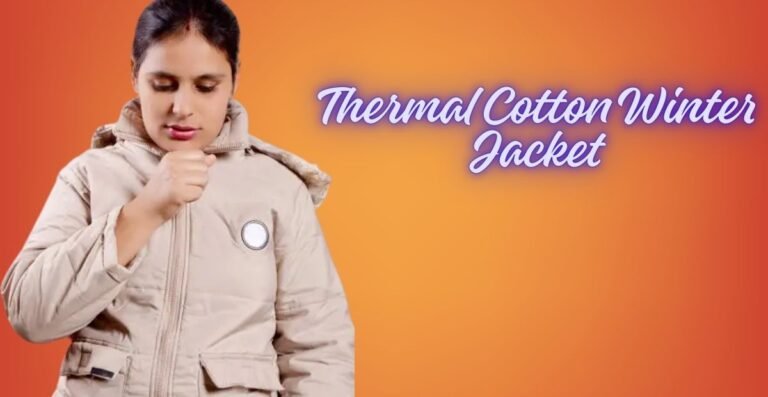
These jackets are light and yet able to keep the cold out unlike heavy coats which are usually bulky and hence limit motion. Their strong point is that they are able to offer insulation without compromising the softness and breathability of cotton. They are especially useful to the people who live in cold climates or regions with cold and hot winters that vary in temperature, since they keep the body warm and moist air can evaporate.Thermal Cotton Winter Jacket:

Thermal cotton jackets are very versatile and this has contributed to their popularity. They can be used in a variety of activities, such as commuting to work or office, having a casual walk or even outdoor travelling. They provide a decent compromise between the practicality of winter clothes and the outer attire that is stylish and attractive to the fashionable people, as well as comfortable people. It is such a mixture of warmth, style and daily comfort that made the use of thermal cotton winter jackets as an item of fashion that has become a trend in the list of things that people must pay attention to in winter.

What Is a Thermal Cotton Winter Jacket?

A Thermal Cotton Winter Jacket is essentially unlike a conventional cotton jacket in that it is constructed differently. The outer material consists of natural cotton and this gives it softness and comfort to the skin while the inner material has a thermal lining that helps in trapping heat. This thermal layer functions based on the principle of forming the pockets of warmth near the body that enables the wearer to remain insulated even in the moderately cold environment. The lining may be quilted, brushed, or padded each with varying degrees of heat retention.

Thermal cotton jackets are designed to work in cold winter conditions unlike normal cotton jackets that only have decorative purposes or an insignificant level of warmth. They are able to mix warm up with breath ability and the wearer does not feel overly warm or sweaty. Thermal Cotton Winter Jacket:Moreover, higher design will have added synthetic coats that can be used to add durability, waterproofing, or windproofing to the jacket and allow it to be used in diverse weather.

"Gray military-inspired winter jacket with a beige furry collar and lining. The jacket is partially unbuttoned, showing the plush interior, and features two breast pockets with button closures."
Thermal Cotton Winter Jacket:
“Gray military-inspired winter jacket with plush beige lining and collar.”

Benefits of Thermal Cotton Winter Jackets

The benefits of the thermal cotton winter jacket go well beyond the warmth that it provides. Its construction is able to hold a lot of heat and this is critical in keeping the user warm at cold days. The cotton cloth is soft and tender to the skin which does not irritate as some synthetic fabrics do. This is what makes thermal cotton jackets especially appropriate to the people with delicate skin or who value comfort in terms of its persistence.

The other advantage is that the jacket is breathable. The fabric is breathable, so it does not get too hot but rather has a warm interior temperature. This ability to absorb moisture will assist in controlling the perspiration when wearing it over a long period, something that is not a consideration of most winter jackets. As time passes, a significant number of users will find that thermal cotton jackets can be superior to heavy synthetic coats in terms of comfort, flexibility, and ease of movement, and can therefore be put to use as casual and semi-formal winter wear.Thermal Cotton Winter Jacket:

Types of Thermal Cotton Winter Jackets

Thermal Cotton Winter Jackets are available in a variety of designs, each catering to specific needs, styles, and winter conditions. Understanding the types can help you choose a jacket that best suits your lifestyle, whether it’s for daily wear, professional settings, travel, or outdoor adventures. These types differ in cut, length, insulation level, and functionality, allowing wearers to find the perfect balance between warmth and comfort.

"Infographic titled 'Types of Thermal Cotton Winter Jackets' showing four jacket types: Slim-Fit Thermal Cotton Jackets with a small denim jacket image and description about urban wear; Longline Thermal Cotton Jackets with a line drawing of a long jacket and description about extended hip-length coverage; Hooded Thermal Cotton Jackets with a white puffy jacket image and description about adjustable drawstrings and detachable hoods; Quilted Thermal Cotton Jackets with a line drawing of a quilted jacket and description about stitched patterns holding insulation in place for uniform warmth."Thermal Cotton Winter Jacket:
“Overview of different types of thermal cotton winter jackets: slim-fit, longline, hooded, and quilted, with brief descriptions of each style.”

Slim-Fit Thermal Cotton Jackets

Slim-fit thermal cotton jackets are tailored to follow the body’s natural shape, offering a modern, streamlined appearance. They are ideal for individuals who prefer a sleek silhouette while maintaining comfort and warmth. Despite their fitted design, these jackets retain thermal insulation, making them suitable for city commutes, office wear, or casual outings.

Longline Thermal Cotton Jackets

Longline jackets extend beyond the hips, providing additional coverage and warmth, especially in windy or cooler conditions. They are particularly useful in outdoor settings or for travel during the winter months. The extended length protects against drafts and offers a stylish, elegant look that pairs well with both casual and semi-formal attire. Longline thermal cotton jackets often feature hoods, multiple pockets, and reinforced stitching, making them both functional and fashionable.

Hooded Thermal Cotton Jackets

Hooded thermal cotton jackets provide extra protection against wind, rain, or light snow.Thermal Cotton Winter Jacket: The hood adds a practical layer of warmth around the head and neck, making it ideal for outdoor activities, city commutes, or casual weekend wear. These jackets can be designed with adjustable drawstrings or detachable hoods, enhancing flexibility and comfort.

Quilted Thermal Cotton Jackets

Quilted thermal cotton jackets feature stitched patterns that hold the insulation in place, ensuring consistent warmth throughout the jacket. Quilting prevents the thermal lining from shifting, which maintains even heat distribution and maximizes comfort.

Thermal Cotton vs Other Winter Jacket Materials

When selecting a winter jacket, understanding how thermal cotton compares to other common jacket materials is essential. While each fabric has its strengths, thermal cotton stands out for its unique combination of warmth, breathability, and comfort. Unlike heavier fabrics like wool or synthetic fleece, thermal cotton provides effective insulation without adding unnecessary bulk. It is particularly suitable for daily wear in mild to moderate winter climates, where freedom of movement and softness against the skin are important.

Thermal Cotton vs Polyester Jackets

Polyester jackets are widely used in winter wear due to their durability and water resistance. However, they often lack breathability and can feel sticky or uncomfortable when worn for extended periods. Thermal Cotton Winter Jacket:Thermal cotton jackets, in contrast, offer a natural softness that is gentle on the skin, reducing irritation during long hours of wear. While polyester traps heat effectively, it can also trap moisture, making the wearer feel clammy. Thermal cotton’s natural fibers allow airflow, keeping the body warm yet comfortable, making it ideal for daily commuting, office use, and casual outings.

Thermal Cotton vs Wool Jackets

Wool jackets are known for their superior warmth, especially in extreme cold conditions. Their dense fibers provide insulation that is hard to match. Yet, wool can be heavy, stiff, and itchy for sensitive skin, which limits comfort during prolonged use. Thermal cotton jackets offer a lighter alternative that still retains warmth but remains soft and flexible. This makes them more versatile for layering and wearing indoors. People who prefer a balance between insulation and comfort often choose thermal cotton over wool for everyday winter activities, especially when extreme cold is not a constant concern.

Thermal Cotton vs Fleece Jackets

Fleece jackets are soft and cozy, often chosen for casual wear and outdoor recreation. They are excellent at trapping warmth but can lack proper breathability, causing discomfort during high activity levels. Unlike fleece, thermal cotton jackets regulate airflow better, preventing overheating while keeping the body comfortably warm. The cotton outer layer also provides a more natural, breathable feel that is pleasant against the skin. Thermal Cotton Winter Jacket:This combination of lightweight warmth and breathability allows thermal cotton jackets to function well in diverse situations, from city streets to outdoor adventures, without the heaviness of synthetic fabrics.

Choosing the Right Fabric for Your Needs

Selecting the most suitable winter jacket material depends on your climate, lifestyle, and personal preference. Thermal cotton excels for mild to moderate winters, offering comfort, skin-friendliness, and sufficient insulation. Wool is ideal for extremely cold regions, providing maximum warmth but at the cost of flexibility and softness. Polyester works best when durability and water resistance are priorities, while fleece is suitable for casual warmth but may not handle wind or wet conditions effectively. Understanding these distinctions ensures you select a jacket that meets your functional and comfort requirements.

Key Features of a Thermal Cotton Winter Jacket

Choosing the right thermal cotton winter jacket requires careful attention to its features. The inner thermal padding is critical, as it determines the jacket’s ability to retain heat without becoming heavy or cumbersome. High-quality cotton fabric with an appropriate GSM (grams per square meter) ensures that the jacket is both durable and effective at maintaining warmth.

Wind-resistant outer layers add an essential element of protection against chilly gusts, ensuring that the heat retained by the thermal lining is not lost. The quality of zippers and buttons also plays a significant role in both the jacket’s functionality and longevity, as smooth, durable hardware prevents wear and tear over time. Some jackets feature hoods, providing additional protection against wind and cold, while the layering and stitching technique enhances insulation and overall durability.

"Military-inspired olive-green winter jacket with quilted detailing, multiple pockets, and a zip-front closure. The jacket appears padded for warmth and has a rugged, functional style."
Thermal Cotton Winter Jacket:
“Military-inspired olive green winter jacket with multiple pockets and practical design.”

Best Thermal Cotton Winter Jackets for Different Uses

A Thermal Cotton Winter Jacket is not a one-size-fits-all solution. Its versatility makes it suitable for different lifestyles, environments, and occasions. By understanding how these jackets perform in various situations, you can select the most appropriate style for your needs while maximizing warmth, comfort, and convenience.

Thermal Cotton Jackets for Daily Wear

For daily wear, thermal cotton jackets excel in providing lightweight warmth and flexibility. They allow ease of movement during commuting, walking, or running errands while maintaining a comfortable body temperature. Unlike heavier coats, these jackets do not restrict mobility, making them ideal for city life or casual urban routines. Their breathable cotton fabric prevents overheating, even during indoor transitions, while the thermal lining ensures warmth is maintained when stepping outside into cold conditions. Thermal Cotton Winter Jacket:With simple styling options, these jackets effortlessly complement everyday outfits such as jeans, casual trousers, or sweaters.

Thermal Cotton Jackets for Office & Casual Outings

When it comes to office or semi-formal outings, thermal cotton jackets can merge practicality with professional aesthetics. Slim-fit or tailored jackets are particularly popular for maintaining a sharp, polished look without sacrificing warmth. These jackets layer comfortably over shirts, blouses, or lightweight sweaters, making them suitable for indoor environments where heavy coats would be excessive. Their understated design ensures they match office attire while still providing insulation during winter commutes or outdoor breaks. Thermal cotton jackets, therefore, become an essential piece for anyone balancing style and comfort in work settings.

Thermal Cotton Jackets for Travel & Outdoor Activities

Travel and outdoor adventures demand jackets that are both durable and functional. Thermal cotton jackets designed for travel often feature reinforced stitching, wind-resistant outer layers, and additional hoods or pockets. These features provide protection against unpredictable weather while maintaining the lightweight comfort that travelers appreciate. Whether exploring new cities, hiking in cooler climates, or participating in light winter sports, thermal cotton jackets offer reliable warmth without the bulk of heavier winter coats. Their natural cotton fabric ensures comfort during long journeys, while thermal insulation keeps the body protected against chilly winds.

Thermal Cotton Winter Jackets for Men, Women & Kids

Thermal cotton jackets are designed for all age groups and genders. Men’s jackets often feature regular or slim-fit cuts, with neutral or bold color options to match varying personal styles. Hooded designs provide additional warmth, while longline options cater to those seeking extra coverage.

Women’s thermal cotton jackets offer both functionality and fashion. Slim-fit designs emphasize a flattering silhouette without compromising comfort, while longline jackets provide extended protection for colder conditions. These jackets are versatile enough to be paired with casual or office wear.

For children, thermal cotton jackets are lightweight, warm, and easy to move in. Additional features such as detachable hoods or layered insulation accommodate active lifestyles and growing bodies. Across all demographics, the jackets maintain their primary focus: combining warmth with everyday comfort.Thermal Cotton Winter Jacket:

How Warm Is a Thermal Cotton Winter Jacket?

A thermal cotton winter jacket is typically suitable for temperatures ranging from 0°C to 15°C. Its warmth can be enhanced by layering with thermal innerwear or sweaters, making it adaptable to fluctuating weather conditions. Unlike heavy coats that restrict movement, these jackets allow freedom of motion while keeping the body insulated.

In extremely cold climates, thermal cotton jackets can serve as effective mid-layers under heavier coats, offering an additional layer of insulation without bulk. For moderate winters, these jackets alone often provide sufficient protection, making them highly practical for urban and outdoor lifestyles. Their lightweight design ensures that even after extended wear, the wearer remains comfortable and unrestricted.

Styling Tips: How to Wear a Thermal Cotton Winter Jacket

A Thermal Cotton Winter Jacket is more than just a practical winter garment; it can also be a versatile style statement. Its soft cotton fabric and thermal lining make it suitable for a wide range of outfits, allowing wearers to stay warm while looking fashionable. Knowing how to style it effectively can transform this functional jacket into a centerpiece of your winter wardrobe, whether for casual, professional, or travel purposes.

Casual Everyday Looks

For everyday wear, a thermal cotton jacket can be paired effortlessly with casual clothing. Its lightweight yet warm design complements jeans, chinos, or casual trousers, while sneakers or boots complete the relaxed winter look. Adding accessories such as scarves, beanies, or gloves enhances both warmth and style. Neutral-colored jackets, such as beige, black, or navy, allow easy coordination with most casual outfits, while brighter or patterned jackets can add a fun, modern twist. The key is to maintain comfort while layering intelligently for varying temperatures, ensuring that warmth is preserved without creating bulk.

Office-Ready Winter Outfits

Thermal cotton jackets are equally effective in semi-formal or professional settings. Slim-fit designs provide a tailored appearance that works well over shirts, blouses, or lightweight sweaters. Neutral tones such as grey, camel, or charcoal exude sophistication, making these jackets ideal for office environments. Pairing with tailored pants or skirts and polished shoes maintains a professional aesthetic, while the jacket’s thermal insulation keeps you comfortable during commutes or in cold office lobbies. Longline or structured jackets add a layer of elegance, seamlessly blending functionality with office-appropriate fashion.

Travel & Outdoor Styling Ideas

When traveling or engaging in outdoor activities, thermal cotton jackets can be styled for both practicality and comfort. Layering with hoodies or thermal pullovers provides additional warmth for unpredictable weather. Accessories such as gloves, hats, and sturdy winter boots enhance protection from wind and cold. Thermal Cotton Winter Jacket:The breathable cotton fabric ensures comfort during extended outdoor wear, while the thermal lining retains heat efficiently. Neutral jackets are versatile for travel, matching multiple outfits, whereas jackets with pops of color or patterns can add a stylish touch to winter photographs or sightseeing adventures.

How to Care for a Thermal Cotton Winter Jacket

A Thermal Cotton Winter Jacket is an investment in warmth, comfort, and style. Proper care is essential to maintain its softness, insulation, and overall longevity. Unlike synthetic winter jackets that may tolerate rough handling, thermal cotton jackets require gentle treatment to preserve both the cotton fabric and the thermal lining. Understanding the right care methods ensures your jacket continues to offer reliable warmth and remains stylish season after season.

"Infographic titled 'How to Care for a Thermal Cotton Winter Jacket' with four sections: Washing Instructions (washing machine icon) explaining gentle cold-water wash to prevent shrinking; Drying Tips to Maintain Insulation (hands icon) recommending air drying; Storage After the Winter Season (storage box icon) noting proper storage extends lifespan; Maintaining Fabric and Insulation Quality (folded jacket image) describing consistent care keeps jacket soft, warm, and stylish."
Thermal Cotton Winter Jacket:
“Care guide for a thermal cotton winter jacket: wash, dry, store, and maintain fabric quality.”

Washing Instructions

Washing a thermal cotton jacket correctly is the first step in its maintenance. Machine washing on a gentle cycle using cold water is recommended, as high temperatures can shrink the cotton and degrade the thermal lining. Mild detergents should be used to avoid damaging the fibers, while bleach and harsh chemicals must be avoided. For delicate jackets or those with multiple layers, hand washing in cold water can provide extra protection and preserve the integrity of the insulation. Paying attention to the jacket’s care label is crucial, as it provides manufacturer-specific instructions tailored to the material and construction.

Drying Tips to Maintain Insulation

Drying your thermal cotton jacket properly is just as important as washing. Air drying is recommended to prevent shrinkage and to maintain the softness of the cotton fabric. Jackets should be dried flat or hung in the shade, away from direct sunlight, which can fade colors and weaken fibers over time. Avoid using high-heat dryers, as excessive heat can damage the thermal lining and reduce the jacket’s insulating properties. Allowing the jacket to dry completely before storing or wearing it ensures that the insulation retains its effectiveness, keeping you warm throughout the season.

Storage After the Winter Season

Proper storage after the winter season helps protect your thermal cotton jacket from damage and extends its lifespan. Jackets should be stored in a cool, dry place, ideally in breathable garment bags that prevent moisture buildup and allow airflow. Avoid packing jackets in tight spaces, as this can crush the insulation and reduce their warmth. For long-term storage, consider adding natural moth repellents, such as cedar blocks, to protect the cotton fabric from pests. By maintaining careful storage practices, your jacket will remain fresh, soft, and fully functional when winter returns.

Maintaining Fabric and Insulation Quality

Beyond washing, drying, and storing, occasional maintenance helps keep a thermal cotton jacket in peak condition. Light brushing can remove surface dirt and lint, while small repairs, such as reinforcing loose stitching, prevent minor issues from becoming larger problems. Avoid overloading pockets or exposing the jacket to abrasive surfaces, which can wear down the cotton fibers and compromise the thermal lining. Consistent care ensures that your jacket remains soft, warm, and stylish, making it a reliable winter companion for years.

Is a Thermal Cotton Winter Jacket Worth Buying?

A thermal cotton winter jacket offers significant value due to its combination of warmth, comfort, and lightweight design. It is particularly beneficial for daily commuters, students, office workers, and anyone living in mild to moderate winter climates. Its skin-friendly cotton fabric makes it a better choice for those sensitive to synthetic materials.

However, in extremely cold or snowy environments, a heavier insulated coat may be necessary, as thermal cotton jackets alone may not provide sufficient protection. Despite this limitation, for everyday use, travel, and casual outdoor activities, these jackets remain a cost-effective and practical investment, offering long-term comfort without sacrificing style.

Price Range & Buying Guide

The price of a thermal cotton winter jacket varies based on fabric quality, GSM, thermal lining, and brand reputation. Budget options typically start around $50, offering basic warmth and comfort. Premium jackets, ranging from $120 to $250, often feature higher-quality cotton, better insulation, additional layers, and stylish designs.

Online shopping provides a wide range of choices, often at competitive prices, while in-store purchases allow testing for fit, feel, and comfort. When selecting a jacket, consider the intended use, climate, and personal style to ensure that the investment meets both functional and aesthetic needs.

"Tan military-inspired winter jacket with cream Sherpa lining and collar. The jacket is open to show the plush cream lining, featuring two breast pockets with button flaps and a button-front closure."Thermal Cotton Winter Jacket:
“Military-inspired tan winter jacket with plush cream Sherpa lining.”

Conclusion

A Thermal Cotton Winter Jacket is more than just a piece of winter clothing; it is a versatile investment in warmth, comfort, and style. Its unique combination of soft cotton fabric and effective thermal lining makes it ideal for a wide range of winter activities, from daily commuting to outdoor adventures. Thermal Cotton Winter Jacket:The lightweight design ensures freedom of movement, while the breathable cotton keeps you comfortable during extended wear. Whether you prefer a slim-fit, longline, hooded, or quilted style, thermal cotton jackets offer options that cater to all ages, genders, and lifestyle needs.

FAQs

Is Thermal Cotton Good for Winter?

Yes, a Thermal Cotton Winter Jacket is excellent for mild to moderate winter conditions. The combination of cotton fabric and thermal lining provides warmth while maintaining breathability, making it ideal for everyday wear. Unlike heavier coats that can feel restrictive, thermal cotton jackets offer comfort and flexibility, allowing you to move freely while staying insulated. They are particularly effective when paired with light layering or sweaters, providing adaptable warmth in fluctuating temperatures.

Can Thermal Cotton Jackets Be Worn Daily?

Absolutely. One of the greatest advantages of thermal cotton jackets is their versatility for daily wear. Their lightweight construction and soft cotton fabric make them comfortable for extended periods, whether commuting, running errands, or spending time outdoors. Thermal cotton jackets maintain warmth without overheating, allowing them to be worn in a variety of indoor and outdoor environments. Their natural fibers also reduce skin irritation, which makes them a reliable choice for consistent daily use.

Are Thermal Cotton Jackets Breathable?

Yes, thermal cotton jackets are designed to balance warmth with breathability. The natural cotton fibers allow air circulation, which prevents overheating while still trapping body heat effectively. This breathability ensures that moisture from sweat does not accumulate, keeping the wearer comfortable even during long hours of wear. Compared to synthetic winter jackets, which can trap heat and moisture, thermal cotton jackets provide superior comfort, making them ideal for both casual and professional winter activities.

School Day of Non-Violence and Peace Importance & Activities

Schools celebrating School Day of Non-Violence and Peace wish to encourage the focus on the advancements of the virtues of peace, understanding, and respect. This observance encourages the younger generations to avoid the use of violence.

In shaping a better future, The School Day of Non-Violence and Peace is essential. It demonstrates to children the importance of individual effort towards collective achievement, and most importantly, the realization that the journey of peace begins in the classroom and the home.


What is the School Day of Non-Violence and Peace?

The School Day of Non-Violence and Peace is the observance of an educational activity that promotes the peaceful spirit. The emphasis of the educational practice is on tolerance and understanding, the cooperative engagement of individuals, and the awareness of the various fundamental rights of a person.

The primary focus is on active non-violence in thought, speech, and action. Conflict is understood to be an inevitable part of life, and the participants in this activity will learn ways in which ‘non-violent’ dialogue and actions can be used to resolve the numerous conflicts that exist in the world.


When Is the School Day of Non-Violence and Peace Celebrated?

Every year on January 30, the School Day of Non-Violence and Peace takes place. This date is the anniversary of the assassination of Mahatma Gandhi, a huge advocate of non-violence and its practice. Gandhi’s belief in non-violent practices influenced the establishment of the School Day of Non-Violence and Peace in many countries around the world. This practice continues to honor Gandhi’s teachings, and it’s a source of inspiration for countless students around the world.


Why the School Day of Non-Violence and Peace Matters

The School Day of Non-Violence and Peace matters because of the influence an educational institution can have in shaping an individual into a law abiding citizen. School teachers instill the principles of constructive behavior into children. Teaching children the principles of non-violence and constructive behavior helps society to become a more secure place to live.

Violence is a real issue, and it transcends borders and is a global pandemic. Schools that deal with violence in an assertive manner are helping cultivate children into responsible adults. This day reinforces that the practice of peace is an active engagement, rather than a passive concept.


Core Values Promoted on This Day

The School Day of Non-Violence and Peace promotes many important values to guide students in their personal and social lives.

1. Respect

Children are taught to regard and respect themselves. Developing self belief in children is a means of instilling respect for other individuals around them. Understanding that every individual commands respect, instills self confidence.### 2. Tolerance

This day helps children learn to respect and appreciate differences, emphasizing the positive sides of being different in the way people think, the cultures they practice, and their religions.

3. Empathy

The ability to be empathetic opens the heart of the students and helps them be more compassionate and supportive.

4. Dialogue

The School Day of Non-Violence and Peace promotes the practice of the art of dialogue. It is better to be able to speak one’s mind and resolve issues without arguing.

How Schools Protect the Values of the School Day of Non-Violence and Peace

There are a number of ways that schools protect the values and celebrate the School Day of Non-Violence and Peace. These activities enable students to learn about and experience the practice of peace.

Peace Assemblies

Some schools hold special peace assemblies. Students present speeches, poems, and songs that they create about spreading and celebrating peace and togetherness.

Art and Poster Activities

School children make and decorate the school with murals and posters that express their ideas about love and peace.

Classroom Discussions

In class, the teachers talk about the issue of bullying, the importance of being kind and respectful, and the issue of violence hotline in order to protect the values of peace.

Role-Plays and Skits

The students learn about non-violent ways to resolve and manage conflicts through the practice of the art of role play and theatre.


The Contribution of Educators During The School Day of Non-Violence and Peace

Educators have an important responsibility during the School Day of Non-Violence and Peace as they lead and model behaviors for students.

Educators break down difficult concepts and foster an environment for students to share their ideas and listen to one another. Most importantly, they demonstrate that constructive/positive behaviors are effective.


How Guardians Can Assist This Day

Guardians also participate in the School Day of Non-Violence and Peace from their homes. They participate by discussing the ideas of being nice and being respectful to one another. These types of conversations are very impactful.

Guardians also model resolving issues in a constructive/positive way. When students observe these behaviors from their Guardians/t Guardians, they are likely to exhibit that behavior at school.


The Universal Importance of the School Day of Non-Violence and Peace

The event of School Day of Non-Violence and Peace is celebrated globally. The diverse cultures demonstrate how much the world recognizes and values the universal need for peace.

This global celebration demonstrates the connection students have with one another. They share collective peace in partnership with one another. Peace can be the gift they offer to the world.


Non-Violence in Everyday School Life

The School Day of Non-Violence and Peace is a daily reinforcement of these values. Schools aim to practice these values all year.

Anti-bullying programs, peer support groups, and inclusive activities keep the spirit alive. When students feel safe, they learn better and grow stronger.


Challenges to Promoting Peace in Schools

Promoting peace is not always easy. Conflicts, misunderstandings, and peer pressure still exist. However, the School Day of Non-Violence and Peace reminds schools to keep trying.

With patience and effort, schools can overcome these challenges. Consistent guidance helps students choose peaceful paths.


How Students Can Practice Non-Violence Daily

Students can live the message of the School Day of Non-Violence and Peace every day.

They can speak kindly.

They can help classmates.

They can listen before reacting.

Small actions create lasting change.


The Long-Term Benefits of Peace Education

Peace education builds confident and compassionate individuals. The School Day of Non-Violence and Peace supports emotional growth and social skills.

Students who learn peace become better leaders. They handle stress calmly and respect others’ opinions. These skills help them succeed in life.


Conclusion: Building a Peaceful Future Starts at School

The School Day of Non-Violence and Peace reminds us that peace begins with education. Schools are powerful places where values take root.

The world can be a better place if we teach non-violence, respect, and empathy. When students learn about peace today, they build a more harmonious tomorrow.

The School Day of Non-Violence and Peace should be honored every day—not just once a year. Learn About: World Neglected Tropical Diseases Day And Martyrs’ Day

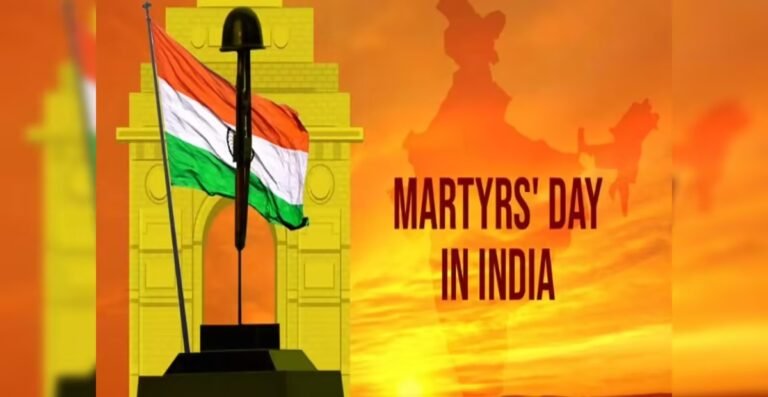
Martyrs’ Day: History, Significance & National Tribute

Writers often describe the awesome experience of being a great person to change the world. Martyrs’ Day (India) provides an opportunity to describe and celebrate the greatness of the men and women who with awesome resolve and total commitment, devoted their lives to the cause of gaining and protecting the unity and integrity of the country.

This occasion allows every Indian citizen a valuable chance to pause and contemplate the deep significance of the sacrifices that have been selflessly offered by numerous individuals. These sacrifices, often involving great personal cost and hardship, were undertaken with the noble intention of serving and advancing the collective interests of the nation. It is a time to recognize and truly appreciate the profound value of these contributions, understanding that the freedoms and progress we enjoy today are built upon the foundations laid by those who came before us and dedicated themselves to the greater national cause.

The day has educational aspects as well. It provides an outline of the disciplines required to achieve greatness. It compels all of us to examine our commitment to the cause of gaining and protecting the freedom of our people, and to ensure that no enemy ever enslaves our people again.


Martyrs’ Day (India) Observance Date

30 January of every year is set apart as Martyrs’ Day (India). It is the day when the world received the shocking news of the assassination of Mahatma Gandhi, the Father of the Nation. India, of course, is not the only nation to celebrate Martyrs’ Day. Most other nations with a history of colonization also celebrate a Martyrs’ Day in remembrance of all the martyrs for the nation.


Importance of Martyrs’ Day (India)

Martyrs’ Day (India) holds significance as it reminds Indian citizens of the immense struggle and hardships faced in order for the nation to achieve a rightful position in the free world.The day is observed on several dates, but most prominently on January 30th and March 23rd, to pay homage to those who sacrificed their lives for the country. January 30th marks the assassination of Mahatma Gandhi, a pivotal figure in India’s independence movement, while March 23rd commemorates the martyrdom of Bhagat Singh, Shivaram Rajguru, and Sukhdev Thapar.

It is a day:

  • which pays homage to the fighters of the freedom struggle and the soldiers of the armed forces
  • which keeps the feeling of nationalism alive and motivates other citizens to follow in the same footsteps
  • which imparts the culture of sacrifice to the posterity
  • which fosters a feeling of oneness and peace

This day reminds us of the historical present of the nation and how it is strong and still alive because of a very few who sacrificed everything for the nation. Martyrs’ Day (India) is the day to remind all of the present and future of the Indian nation. Martyrs’ Day (India) is the day to remind all of the present and future of the Indian nation.

What Does the Indian History Define as a Martyr?

In order to attain a certain level of goal, a person must involve the willing act of sacrificing themselves. When a person is willing to do such a thing, they are called as a ‘Martyr’. In order to achieve a greater goal, these are the people who are referred to as ‘martyrs’ in Indian History and should be given due regard, because of the particular association they had with the oppression of colonial control along with the involved injustice and oppression.

The people who, in order to achieve the goal of establishing a Martys’ Day (India) should be honored because they were the:

  • A. Citizens who actively participated in the violent colonial control of the British
  • B. Citizens who utilized all the legislative and other options to achieve the goal through passive actions.
  • C. Citizens who participated in the armed forces.
  • D. Citizens who participated in the defense of the establishment of the nation.
  • E. Citizens who defended the country.

Each sacrifice, a martyr unfinished and self-sufficient dedication to the nation.


Mahatma Gandhi along with Martyrs’ Day (India)

Martyrs’ Day (India) is renowned for Mahatma Gandhi along with Martyrs’ Day (India) is renowned for Mahatma Gandhi along with Martyrs’ Day (India) is renowned for Mahatma Gandhi along with Martyrs’ Day (India) is. Along with these, he has also maintained non-violence, truth, and peace. Along with these, he has also maintained non-violence, truth, and peace. Along with these, he has also maintained non-violence, truth, and peace. Along with these, he has also maintained non-violence, truth, and peace. Along with these, he has also maintained non-violence, truth, and peace. Along with these, he has also maintained non-violence, truth, and peace.

Along with these, he has also maintained non-violence, truth, and peace. Along with these, he has also maintained non-violence, truth, and peace. Along with these, he has also maintained non-violence, truth, and peace. On January 30th, 1948, Mahatma Gandhi was shot dead in New Delhi. His death represents a significant act of sacrifice for peace.

Therefore, Martyr’s Day (India) also symbolizes that:

  • Peace is not free.
  • The absolute truth costs someone their life.
  • The absence of violence is a peace that is not human.

The Other Brave Martyrs of India

India’s Martyrs Day (India) also recognizes, apart from Mahatma Gandhi, the numerous souls of courage that India’s freedom struggle gave birth to.These bravehearts embraced martyrdom, so that their fellow countrymen could breathe the air of freedom. Every year, on March 23, the nation observes Martyrs Day, also known as Shaheed Diwas, to pay homage to three extraordinary revolutionaries, Bhagat Singh, Shivaram Rajguru, and Sukhdev Thapar. They were hanged by the British rulers for their involvement in the Lahore Conspiracy case. These young men, with their indomitable spirit and selfless sacrifice, ignited the flame of freedom in the hearts of millions of Indians.

Some of the most famous martyrs are:

  • Bhagat Singh
  • Chandrashekhar Azad
  • Sukhdev
  • Rajguru
  • Rani Lakshmibai
  • Subhas Chandra Bose
  • Lala Lajpat Rai

Millions are still inspired by their struggles.


What are the Activities for Martyrs’ Day (India)?

People observe Martyrs’ Day (India) with a lot of seriousness and stillness.They abstain from any sort of merrymaking on this day. It is a day to contemplate the sacrifices made by freedom fighters. Many schools and offices conduct events where tributes are paid to these great leaders. Silence is observed to honour their memory. The focus remains on remembering their courage and reaffirming commitment to the nation’s values.

Activities for Martyrs’ Day (India) include:

  • Observing a 2-minute silence precisely at 11 am
  • Tribute Prayers
  • Laying of flowers
  • Speeches of the people’s devotion to the motherland
  • The schools conduct programs to educate the people
  • Debates and other activities of a cultural nature

The leading citizens of the country, who are the President and the Prime Minister, lay a wreath at Raj Ghat, New Delhi.The ceremony is brief but solemn, a moment of quiet reflection amidst the bustle of the capital. The weight of history hangs heavy in the air as they pay homage to the Father of the Nation. Journalists jostle for position, their cameras clicking, capturing the scene for posterity. The sun beats down on the marble platform, reflecting the white khadi of the politicians’ attire.


Martyrs’ Day (India) in Educational Institutions

Educational Institutions greatly help in the maintenance of the Martyrs’ Day (India) spirit.

Students learn about the freedom fighters, give speeches and write essays, sing and act in plays, and talk about the values of courage and unity. All of these things help teach young people about the meaning of patriotism. This is why Martyr’s Day in India is celebrated.

When observing Martyr’s Day, we gain knowledge about the following democratic values:

  1. The importance of respect and appreciation in democracy.
  2. The importance and appreciation of complete national integration.
  3. The importance of standing against oppression.
  4. The importance of serving the nation with devotion.
  5. The importance of promoting and fostering harmonious relations.

Without responsibility, freedom is meaningless. Martyr’s Day is a reminder of the responsibility we carry.

Martyr’s Day is a meaningful and significant day that conveys a message.

On this day of honoring the fallen, we remember that the essence of freedom is in the struggle for it. we remember that strength lies in peace, not war, and that the power of the people is in unity.

Responsible citizenship is the best way to honor a martyr. It is the nature of Martyr’s Day in India to encourage people to reflect on these questions.

  1. Are we safeguarding our freedom?
  2. Are we serving the society?
  3. Are we accepting and respecting our differences?
  4. Are we advocating for peace?

Responsible citizenship is the best way to honor a martyr.


Conclusion: Remembering Martyrs’ Day

Martyrs’ Day (India) reminds us of the sacrifices made in love for the country.

When we think of our martyrs, we remember what they wanted and what values they stood for, ensuring the integrity of the nation.

May Martyrs’ Day (India) motivate us to forge in the spirit of truth, oneness, and harmony, always. Learn About: World Neglected Tropical Diseases Day And School Day of Non-Violence and Peace

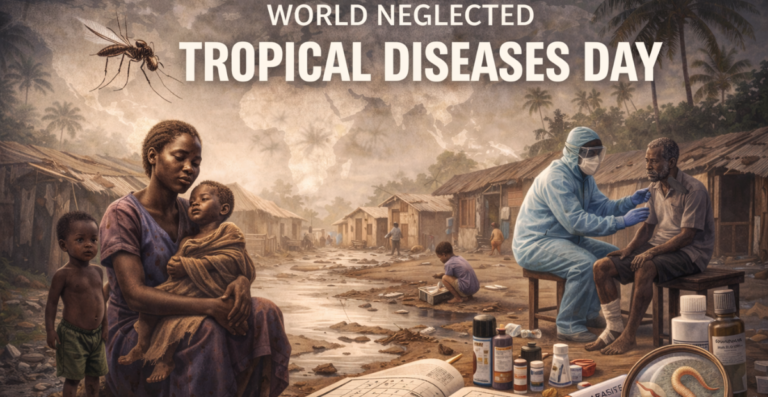
World Neglected Tropical Diseases Day: Awareness & Action

January 30 is designated World Neglected Tropical Diseases Day worldwide. This date focuses on neglected diseases impacting more than one billion global residents, particularly the poor. As a consequence of poverty, these diseases cause numerous and varied pain manifestations, create physical and mental disabilities, and deprive people of a healthy, productive life. This neglect illustrates a global failure to recognize and fulfill the basic, fundamental, and universal right to health.

World Neglected Tropical Diseases Day motivates action from all levels of government, international and national health organizations, and all tiers of society, advocating the need for proactive disease prevention and equitable accessibility to all levels of health services. Most importantly, the day draws attention to the neglected sick.


Neglected Tropical Diseases (NTDs)

Neglected Tropical Diseases (NTDs) are types of diseases called infections. They primarily developing in the tropical and sub tropical areas. They persist in the areas of less sanitation and also less clean drinking water and lessgood health care. Because of this fact thousands of people suffer trom the diseases for years without getting proper treatment and getting access for care.

NTDs are` neglected in the sense that they do not get as much consideration as other diseases that are less severe; the other diseases are however considered unlike the NTDs. Ths NTDs though considered do have have and inflict in most severe.

Some of the other common NTDs believe to have there impact are as follows:

  • Dengue – A fever that here are high in mosquitos who infect people there in tropical areas and have diseases in the areas.
  • Leprosy – A disorder which destroy and eats away brain nerves. And skin
  • Chagas disease – disease caused by insects the infections people of their organ's;System hearts and stomach.
  • Lymphatic filariasis (Elephantiasis)- disease that …… ebcause of their chronic infections they are stagnated and disabled`
  • Schistosomiasis – a disease caused by the infestations of the systems of throats water which is contaminated.
  • Onchocerciasis (River blindness) – incapacitants of blind seeing people.

All the other diseases are getting possilbe and accessible to get into care with most of the other diseases.


Significance of World NTD Day

Due to the harsh realities of poverty, countless diseases are pushed into the shadows. World NTD Day exists to wrestle these diseases from the social and political neglect that surrounds the impoverished sick.

This day is meant to:

  • Spread the message on the burden of NTDs
  • Mobilize the political will and resources
  • Catalyze funding on innovation and research
  • Combat the associated discrimination and stigmas
  • Advocate for universal health services

By providing a focused goal on the above, it aims for a sustainable impact on the international community.


World NTD Day Timeline

The annual observance of World NTD Day is to acknowledge the beginning of the countdown to the elimination of NTDs as a ‘dirty disease’ category. January 30 is of particular significance as it is the date for the first international public health ‘Treaty’ on NTDs; The London Declaration on Neglected Tropical Diseases was signed in 2012.

The declaration was the first for global health civil societies, N governments, N pharma, and N global health funders. They all pledged to control, eliminate, or even eradicate NTDs by improving access to the medicines and health services needed to strengthen health systems.

That is how January 30 was inscribed in global health and civil society history as the date of the first global health ‘treaty’ and the beginning of the NTDs into global health history co-opted as their first Treaty of Hope.


The Societal Impact of Neglected Tropical Diseases

The impact of Neglected Tropical Diseases is broad and encompasses even the most sensitive areas of social and economic well-being.

Health Consequences

NTDs can lead to:

  • Chronic health issues
  • Impairment
  • Loss of sight
  • Psychological impacts
  • Shortened longevity

These conditions, without treatment, deteriorate over time.

Financial Consequences

NTDs patients faces difficulties in working or going to school. Hence:

  • Households suffer financial loss
  • Kids lose out on schooling
  • Societies remain in a state of extreme poverty

Therefore, tackling NTDs helps to change the state of extreme poverty


NTDs And Poverty

NTDs and poverty are interconnected. Disease carrying vectors can thrive in conditions associated with poverty, such as inadequate housing, lack of safe water sources, and poor sanitation. Meanwhile, the poverty cycle can trap families as ill health prevents them from working.

World NTDs Day brings attention to this phenomenon, and highlights the need for addressing the entwined problems of health and poverty. Living conditions need to be improved alongside providing medicines.


Development Initiatives Aimed At The Total Eradication Of Neglected Tropical Diseases

In the past 10 years, we have witnessed amazing progress. Millions of patients benefitted from the global collaborations.

Key Achievements

  • mass drug administration (MDA) programs
  • donations of medicines from pharmaceutical companies
  • enhanced disease monitoring
  • expanded community health worker (CHW) programs

Consequently, multiple countries have eradicated at least one neglected tropical disease (NTD).


The World Health Organization’s (WHO) Contribution

The World Health Organization (WHO) is the most important player in the NTD field. WHO provides the necessary guidance, supports the integration of NTDs in national health systems, and monitors global progress. World Neglected Tropical Diseases Day

The WHO’s NTD roadmap focuses on:

  • Reducing the need for treatment
  • Improving health systems
  • Documenting the elimination of specific NTDs by 2030

World NTD Day aligns with the global priorities.


Ongoing Challenges

There are numerous challenges, despite the success stories.

Key Challenges

  • Funding gaps
  • The altering of the disease landscape due to climate change
  • War and displacement
  • Fragile health systems
  • Low levels of awareness

Given the above, sustained efforts are critical.


NTDs and Climate Change

NTDs are spreading more widely due to climate change. Warmer weather and flooding enable the spread of vector-borne diseases in different areas. World Neglected Tropical Diseases Day

Consequently, more people are now at risk from diseases such as dengue. World NTD Day highlights this threat.


Stigma and Discrimination

Those infected with NTDs or Neglected Tropical Diseases often suffer from social stigma and discrimination, particularly, NTDs, which have highly visible symptoms. World Neglected Tropical Diseases Day

World Neglected Tropical Diseases Day Education changes social attitudes, and with the increased accuracy of information, the World Neglected Tropical Diseases Day promotes the social inclusion and dignity, which NTDs often suffer.


How Communities Can Prevent Neglected Tropical Diseases

Prevention of World Neglected Tropical Diseases Day or NTDs is both possible and effective.

Simple Prevention Steps

  • Sanitation and balanced hygiene
  • Clean water and safe drinking
  • Mosquito nets and protective barriers
  • Adequate community nutrition education
  • Health education and periodic checkups

In the long run, prevention is cost effective and life saving.


How You Can Support World Neglected Tropical Diseases Day

World Neglected Tropical Diseases Day The cause is accessible to everyone.

You may

  • Disseminate information and educational materials
  • Support charities and NGOs focused on health
  • Mobilize and advocate for health financing at the global level
  • Join advocacy and awareness marches
  • Educate and inform others

Your small actions may have large consequences.


The Importance of Awareness and Education

World Neglected Tropical Diseases Day Education and commitment to the problem, for the case of NTDs, help to achieve the objectives of most ailments without complication.

World Neglected Tropical Diseases Day calls people, both at the international, national, and community levels, to focus on education for the change of attitude and behavior.


Control of New Tropical Diseases That Are Still Emerging

World Neglected Tropical Diseases Day The future relies on new partner collaboration, goodwill, and innovation. Emerging new therapeutics, vaccines, and innovative digital health solutions will further strengthen this goodwill.

With continued global support, the NTDs are forecasted to remain possible to eliminate within our lifetime, especially the more NTDs.


Final Remarks

January 30, the World Neglected Tropical Disease Day, is a clear and urgent call to recognize and value global health equity. Tropical Diseases, as the name and the word itself reflects, are Neglected, because they heavily impact the poorest and the most disenfranchised populations, and they, the diseases, are of course, preventable and curable.

Shifting global attention to the neglect of the most disenfranchised populations on the globe is a call to all advocates, to the global community.

World Neglected Tropical Diseases Day is calling on all the global partners to demonstrate global Goodwill. Learn About: School Day of Non-Violence and Peace And Martyrs’ Day

Soft Touch Winter Jacket: Warm, Stylish & Ultra-Comfortable

0

Soft Touch Winter Jacket is a jacket that is aimed at providing warmth and is soft on the skin. It is geared toward comfort without losing insulation or contemporary aesthetic. In comparison to the conventional winter jackets which tend to be stiff or heavy, this jacket has a smooth and pleasant touch. The special fabric treatment and choice of materials make it soft. Consequently, the jacket is comfortable throughout the long time of use. It is a favorite winter in this balance of warmth, softness and style.

Soft touch fabric is such that it is soft, plush and skin-friendly. Manufacturers attain this touch by brushing, peaching or lining the interiors with soft linings. These mechanisms provide a cloth surface that causes less friction on the skin. Due to winter garments keeping in close proximity with the body, softness is a necessity. Windy clothes usually itch or irritate, particularly when worn over a long period of time. Thus, softness is an important factor in winter comfort.

Simultaneously, a Soft Touch Winter Jacket is not just a good-feeling jacket. It also gives insulation, and it keeps off cold air. The contemporary designs see to it that the warmth is retained without too much bulk. In the meantime, the jacket has a neat and fashionable appearance. This is because it can be worn in our day-to-day activities, workplaces, and informal occasions. Consequently, soft touch jackets have been reduced to a necessity during winter.

History and Evolution of Soft touch Winter Jackets.

Jackets that are worn in winter have been evolving over time. Early winter clothes were based primarily on survival and insulation. Cold weather was dominated by heavy wool coats and well-cut jackets made of leather. Such materials were warm, but they were not comfortable and stretchy. Fashion and comfort needs started to vary with time.

As technology of textiles improved, manufacturers began working with soft fibers. Blends and synthetic fabrics came into the market. These materials enabled the texture and insulation to be controlled more effectively. This led to the lightening of jackets and made them more comfortable. The techniques of soft touch finishing came into place in order to enhance wearability even more.

Over the past few years, the consumer demand has been on the side of comfort. Winter clothes are supposed to be comfortable throughout the day, and this is what people expect. The change resulted in the emergence of Soft Touch Winter Jacket. The jackets are a symbol of coziness and luxury these days. They raise the question of winter fashion being more concerned with functionality and touch.

A young woman with blonde curly hair stands outdoors, wearing a puffy white hooded jacket, a black top with a silver cross necklace, and blue jeans. She has a small white purse over her shoulder and her right hand in her pocket; the background is softly blurred.Soft Touch Winter Jacket:
“Winter chic in a white puffer and denim.”

Types of Soft Touch Winter Jackets

Soft touch winter jackets come in different types to suit various needs and lifestyles. Each type focuses on comfort while offering warmth and style. The main difference lies in fabric choice, design, and intended use. Understanding these types helps buyers choose the right jacket for their daily routine. Although all soft touch jackets feel smooth, their performance and appearance vary. Therefore, knowing the types makes winter shopping easier.

An infographic titled “Care and Maintenance of a Cozy Casual Winter Jacket” showcasing four jacket styles: Soft Touch Puffer Winter Jackets, Soft Touch Hooded Winter Jackets, Soft Touch Longline Winter Jackets, and Soft Touch Slim-Fit Winter Jackets. Each section includes a short description and a small illustration of the jacket style.
Soft Touch Winter Jacket:
Four ways to stay warm: puffer, hooded, longline, and slim-fit Soft Touch winter jackets.

Soft Touch Puffer Winter Jackets

Soft touch puffer winter jackets provide excellent insulation and plush comfort. The soft outer fabric enhances the cozy feel of padded sections. These jackets trap warm air efficiently while remaining lightweight. They feel comfortable during long wear without causing stiffness. Because of their warmth, they suit cold winter days well. At the same time, the soft texture improves overall wear experience.

Soft Touch Hooded Winter Jackets

Soft touch hooded winter jackets offer extra protection against cold wind. The hood adds warmth around the head and neck area. The smooth fabric feels gentle even when worn for hours. These jackets suit outdoor movement and daily commuting. Their design combines practicality with comfort. Therefore, they remain a popular winter choice.

Soft Touch Longline Winter Jackets

Soft touch longline winter jackets extend below the waist for added coverage. The longer length helps retain body heat more effectively. Soft fabrics prevent the jacket from feeling heavy or restrictive. These jackets create a stylish and modern silhouette. They work well for colder regions and extended outdoor use. As a result, they offer both warmth and elegance.

Soft Touch Slim-Fit Winter Jackets

Soft touch slim-fit winter jackets focus on a tailored appearance. The smooth fabric allows a close fit without discomfort. These jackets enhance body shape while maintaining warmth. They suit professional and casual settings equally. Because of their flexibility, movement remains easy. Thus, style and comfort blend naturally.

What Does It really Take to be a jacket with a Soft Touch?

A jacket turns out to be soft touch as a result of a mixture of fabric selection and finishes. Manufacturers are very keen when choosing fibers that are naturally smooth. These fibers are then treated special but to make them soft. When brushed, small strands on the surface are raised forming a plush feeling. The teaching of the smoothness of the fabric is soft and silky.

It is also important in inner linings. A lot of soft touch winter jackets have linings of fleece or velvet touch. These lining provide warmth and enhance comfort. Soft touch designs do not only concentrate on the look of the material; unlike regular jackets, the touch is also an important aspect. This disparity can be observed once one has worn the jacket some few hours.

Soft touch jackets and ordinary winter jackets are differentiated on the basis of texture. The traditional jackets usually put the focus on durability rather than comfort. On the contrary, soft texture jackets combine the two attributes. The winter jackets are made of smooth fabric that minimizes the hardness and enhances flexibility. Thus, every day movement becomes easier and more natural. Softness has a direct positive effect on wear.

Best Fabrics Used in Soft Touch Winter Jackets

Fabric selection determines how a Soft Touch Winter Jacket performs. Manufacturers rely on materials that feel gentle while retaining heat. Fleece-lined polyester is one of the most common choices. It combines a durable outer shell with a warm, soft interior. This fabric works well for daily wear because it resists wear and holds warmth efficiently.

Softshell fabric offers flexibility and smoothness. It stretches slightly, which improves movement and comfort. This fabric suits active lifestyles and commuting. Microfiber has become popular due to its ultra-fine fibers. These fibers feel exceptionally soft and lightweight. Despite their thinness, they trap heat effectively.

Brushed cotton blends appeal to those who prefer natural textures. Brushing enhances softness and breathability. These jackets feel comfortable indoors and outdoors. Velvet-touch inner linings add a sense of luxury. They feel smooth against sensitive skin and improve insulation. Each fabric contributes uniquely to comfort, warmth, and style.

Benefits of Wearing a Soft Touch Winter Jacket

A Soft Touch Winter Jacket offers benefits beyond basic warmth. One major advantage is skin comfort. Soft fabrics reduce irritation and itching, especially during long wear. This quality makes the jacket suitable for people with sensitive skin. The gentle texture allows relaxed movement throughout the day.

Another key benefit is lightweight warmth. Modern insulation techniques allow jackets to retain heat without heavy padding. As a result, the jacket feels light yet effective. Comfort remains consistent even during extended use. This feature proves valuable for workdays and travel.

Style also plays an important role. Soft fabrics drape better and create a polished appearance. The jacket looks modern and refined. Therefore, it works well in professional and casual settings. The combination of comfort and style makes soft touch jackets versatile winter staples.

Soft Touch Winter Jacket for Daily Wear

A Soft Touch Winter Jacket for daily wear focuses on comfort, flexibility, and ease of use. It supports long hours of activity without causing discomfort. The smooth fabric feels gentle against the skin, which improves everyday comfort. At the same time, the jacket provides reliable warmth during cool temperatures. Because of this balance, it fits perfectly into daily winter routines. People choose it for work, travel, and casual use.

Soft Touch Winter Jacket for Office Use

A soft touch winter jacket works well in office environments because it feels light and breathable. The smooth texture prevents irritation during long working hours. It layers easily over formal clothing without adding bulk. The jacket also maintains a clean and polished appearance. As a result, professionals can stay warm without sacrificing comfort or style. This makes it ideal for daily office wear in winter.

Soft Touch Jacket for Casual Outings

For casual outings, a soft touch jacket offers relaxed comfort and easy movement. The flexible fabric allows natural motion while walking or shopping. It pairs well with jeans, sweaters, and casual footwear. The jacket feels cozy without feeling heavy or restrictive. Therefore, it supports comfort during everyday errands and social activities. This versatility makes it a reliable choice for casual winter days.

Soft Touch Winter Jacket for Travel and Commuting

During travel and commuting, comfort becomes essential. A soft touch winter jacket feels light and reduces body strain. The smooth inner lining prevents friction during long hours of wear. It also adapts well to temperature changes between indoor and outdoor spaces. Because of this, commuters remain comfortable throughout their journey. The jacket supports movement while maintaining warmth.

Indoor and Outdoor Comfort in Daily Wear

A soft touch winter jacket performs well both indoors and outdoors. The breathable fabric prevents overheating inside warm spaces. At the same time, it traps heat effectively outdoors. This balance helps the body stay comfortable throughout the day. As a result, wearers do not need to change layers frequently. This feature makes the jacket ideal for daily winter use.

A medium shot of a woman with long, wavy brown hair and light eyes, wearing an olive green coat with a fur-trimmed hood. She looks at the camera with a slight smirk, and her left hand touches her hair. A blurred stack of logs provides a natural background.
Soft Touch Winter Jacket:
“Casual confidence in olive and fur.”

Warmth vs Softness: Do Soft Touch Jackets Keep You Warm?

Many people believe that a soft jacket cannot provide enough warmth. This idea often comes from older winter clothing designs. In the past, heavy and stiff fabrics dominated cold-weather wear. However, modern textile technology has changed this thinking completely. A Soft Touch Winter Jacket now combines warmth and comfort effectively. Softness no longer means reduced insulation. Instead, it improves overall wear experience while maintaining heat.

How Soft Touch Winter Jackets Retain Heat

A soft touch winter jacket retains heat through advanced insulation materials. These materials trap warm air close to the body. At the same time, they allow limited airflow to prevent overheating. The soft inner lining plays an important role in heat retention. It creates a comfortable barrier between the body and cold air. As a result, warmth stays locked in for longer periods.

Role of Modern Insulation in Soft Touch Jackets

Modern insulation focuses on efficiency rather than thickness. Synthetic fibers provide excellent thermal performance without adding weight. These fibers work well inside soft touch jackets. They adjust to body temperature and activity level. Therefore, the jacket feels warm without feeling heavy. This balance supports comfort during daily winter use.

Softness and Thermal Comfort Balance

Softness improves thermal comfort by reducing fabric stiffness. Flexible fabrics allow better body movement. This flexibility helps the body maintain natural warmth. When a jacket feels comfortable, wearers keep it on longer. As a result, heat retention improves naturally. Soft texture also prevents cold spots caused by rigid fabric folds.

Layering Efficiency in Soft Touch Winter Jackets

Soft touch jackets support efficient layering. Their smooth surface allows easy movement under additional layers. Because the fabric remains lightweight, layering does not feel bulky. This feature becomes useful in colder weather conditions. Wearers can adjust warmth without discomfort. Therefore, layering enhances insulation performance significantly.

Soft Touch Winter Jackets for Men and Women

Soft touch winter jackets cater to diverse needs. Men’s designs focus on structured fits and neutral colors. These jackets maintain a clean appearance suitable for work and casual use. Comfort remains central, ensuring long wear without discomfort.

Women’s soft touch jackets emphasize both design and comfort. Tailored cuts improve fit while soft fabrics enhance wearability. Designers often incorporate elegant colors and details. These jackets combine warmth with feminine styling.

Unisex soft touch jackets prioritize comfort and flexibility. They offer versatile sizing and simple designs. This approach suits shared wardrobes and inclusive fashion trends. Regardless of gender, softness remains the defining feature.

How to Choose the Best Soft Touch Winter Jacket

Choosing the right Soft Touch Winter Jacket requires attention to detail. Fabric quality should feel smooth and dense. High-quality materials maintain softness over time. The inner lining deserves careful inspection because it directly contacts skin.

Breathability ensures comfort during extended wear. Fabrics that allow airflow prevent overheating. Fit and sizing also matter. A well-fitted jacket improves warmth retention and appearance. Climate suitability should guide insulation choice. Mild winters require lighter insulation, while colder climates need thicker linings.

Understanding these factors helps buyers make informed decisions. The right jacket enhances comfort and satisfaction throughout winter.

Soft Touch Jacket Styles Trending This Winter

Fashion trends influence soft touch jacket designs. Puffer jackets remain popular due to their warmth and plush feel. Soft touch puffers enhance insulation while maintaining comfort. Hooded jackets offer additional protection against wind and cold.

Longline soft touch jackets provide extended coverage. They improve warmth and create a stylish silhouette. Slim-fit designs appeal to those who prefer a tailored look. Soft fabrics prevent stiffness, ensuring comfort despite the close fit. Quilted jackets add visual interest while distributing insulation evenly. These styles reflect how comfort and fashion merge seamlessly.

Care and Maintenance of Soft Touch Winter Jackets

Proper care and maintenance help a Soft Touch Winter Jacket stay comfortable and stylish. Soft fabrics require gentle handling to preserve their smooth texture. When maintained correctly, the jacket keeps its softness, warmth, and shape for years. Many jackets lose their comfort due to incorrect washing or storage. Therefore, understanding basic care methods becomes essential. With the right approach, a soft touch jacket remains a reliable winter companion.

An infographic titled “Care and Maintenance of Soft Touch Winter Jackets” divided into four sections with illustrations: Washing, Drying, Maintaining Softness After Repeated Use, and Proper Storage. Each section contains headings and short descriptive text.Soft Touch Winter Jacket:
Care tips for soft touch winter jackets: wash gently, air-dry to preserve softness, brush to restore texture, and store properly.

Washing Soft Touch Winter Jackets the Right Way

Washing plays a major role in maintaining fabric softness. Gentle washing protects delicate fibers from damage. Mild detergents work best because harsh chemicals weaken fabric structure. Cold or lukewarm water helps preserve texture and color. Excessive agitation can reduce softness over time. Therefore, careful washing ensures long-lasting comfort.

How Drying Methods Affect Fabric Softness

Drying methods directly influence fabric feel. High heat often causes fibers to stiffen. Air drying helps maintain natural softness and flexibility. When machine drying becomes necessary, low heat remains the safest option. Gentle drying prevents shrinkage and surface roughness. As a result, the jacket retains its original smooth touch.

Maintaining Softness After Repeated Use

Soft touch jackets experience daily friction during wear. Over time, this friction can reduce surface smoothness. Gentle brushing of the fabric helps restore texture. Wearing the jacket correctly also prevents unnecessary strain. Avoiding heavy backpacks reduces pressure on the fabric. Therefore, mindful use supports long-term softness.

Proper Storage for Soft Touch Winter Jackets

Storage conditions affect jacket quality during off-season months. Clean jackets should always be stored before long periods of non-use. Hanging them in breathable spaces prevents creasing and odor buildup. Folding too tightly may damage fabric fibers. Therefore, proper storage helps preserve shape and comfort.

Soft Touch Winter Jacket vs Regular Winter Jackets

Comparing soft touch jackets with regular winter jackets highlights clear differences. Soft touch jackets prioritize comfort and fabric feel. They feel smooth and lightweight. Regular jackets often feel heavier and stiffer. Best use cases differ as well. Soft touch jackets suit daily wear, while regular jackets may suit extreme weather.

Price ranges vary based on fabric quality and brand. However, the added comfort often justifies the cost. Understanding these differences helps buyers choose according to lifestyle needs.

A young woman with long dark hair and light brown eyes wearing a bright blue puffer jacket. She looks at the camera with a soft smile and is hugging the jacket around her neck; the background is blurred.
Soft Touch Winter Jacket:
“Cozy confidence in a bold blue coat.”

Are Soft Touch Winter Jackets Worth Buying?

A Soft Touch Winter Jacket offers strong value for money. Comfort enhances daily experiences during cold months. Durability remains reliable with proper care. Users often report improved satisfaction compared to traditional jackets.

People with sensitive skin benefit greatly from soft fabrics. Daily commuters appreciate lightweight warmth. Those seeking comfort and style find these jackets ideal. Therefore, soft touch jackets suit a wide range of users.

Conclusion

A Soft Touch Winter Jacket redefines winter comfort. It combines warmth, smooth texture, and modern style. The jacket supports daily routines effortlessly. It suits work, travel, and casual settings equally well. With proper care, it lasts across seasons. Therefore, investing in a soft touch winter jacket proves both practical and rewarding. Read more: Cozy Jacket for woman

FAQs

What Is a Soft Touch Winter Jacket?

A Soft Touch Winter Jacket is designed with smooth and gentle fabric. It feels comfortable against the skin while providing warmth. Special finishing techniques enhance its softness. These jackets focus on daily comfort and modern style. They suit long hours of winter wear. Therefore, they remain popular for everyday use.

Are Soft Touch Winter Jackets Warm Enough for Winter?

Soft touch winter jackets provide reliable warmth for mild to moderate winter conditions. They use modern insulation that traps body heat efficiently. The soft inner lining also helps retain warmth. With proper layering, they perform well in colder weather. Therefore, warmth does not decrease due to softness.

Do Soft Touch Fabrics Lose Softness After Washing?

Soft touch fabrics can maintain their softness with proper care. Gentle washing protects delicate fibers. Harsh detergents and high heat can reduce smoothness. Air drying helps preserve texture. As a result, correct care keeps the jacket soft for longer.

Insulated Rain Jacket: Warm, Waterproof Protection Guide

0

When severe cold weather meets heavy rain, standard outerwear does not suffice. Insulated rain jackets, however, provide dependable waterproof protection while providing necessary warmth, making them a option for outdoor activities, commuting, traveling, or daily use.

Additionally, insulated rain jackets provide a combination of weather resistance and thermal insulation into one garment. This construction means that multiple layers are not needed. In this guide, we look at all aspects of insulated rain jackets, including materials, insulation, benefits, styling, and purchasing tips.

What Is an Insulated Rain Jacket?

An insulated rain jacket is a weatherproof outer layer that has insulation for warmth. Unlike a standard rain jacket that keeps water out, insulated rain jackets are designed to trap your body heat while still allowing moisture to escape.

Typically, insulated rain jackets have waterproof or water-resistant shells, sealed seams, and a removable layer with synthetic insulation or down. Due to careful construction, both cold wind and rain can be blocked while maintaining a comfortable internal climate.

Why Pick an Insulated Rain Jacket?

Getting the right outerwear can be Daunting. However, insulated rain jackets have really good reasons for being the most prominent.

They do offer dual protection. Keeping Rain outside while keeping heat inside. Then they are versatile enough for the Outdoors, city commuting, Traveling, or Casual. Finally, being able to layer with a rain jacket is a perk, because now you can use one jacket as two.

Unquestionably, the most compelling reasons to wear insulated rain jackets are the ever changing weather patterns. These jackets are designed to weather these patterns, and are most suited for the constant rain and cold weather found in most regions.

Important Features of Insulated Rain Jackets

Outer Layer

Waterproof shells are what insulated jackets are made out of. These jackets are commonly made out of polyester or nylon. Then coated with DWR to allow for beading.

In fully stitched and sealed jackets, no water is entering through the stitched lines.

Warm Insulation

Warmth is what separates these jackets out from the rest. This can either be Synthetic or natural, and traps warm air close to the body.

While down insulation has a great warmth to weight ratio, synthetic insulation is preferred for rain jackets as it still retains heat even when damp.

Breathability

Warmth and waterproofing are imperative, but breathability is just as important. The good news is that the majority of insulated rain jackets are built to let moisture vapor escape, meaning that sweat does not build up, and comfort is preserved in active situations.

Adjustable Design Elements

Hoods, cuffs, and hems, are usually adjustable, facilitating a more customized fit and preventing the ingress of cold air or rain. Furthermore, adjustable features enhance comfort and functionality.

Varieties of Insulation Found in Rain Jackets

Synthetic Insulation

Synthetic insulation consists of polyester fibers designed to imitate down and is often used for its effectiveness in wet conditions. Even when the insulation is moisture-logged, it still retains warmth.

In addition, synthetic insulation is less expensive to dry and is easier to care for. This makes it a preferable choice for prolonged use in rainy conditions.

Down Insulation

Down insulation consists of duck or goose feathers and is extremely warm while still being lightweight. However, untreated down insulation can lose insulating properties when wet. This can be remedied by using down with water-resistant technology.

Insulated jackets offer a ton of benefits, especially during the winter months where weather can get very cold and sneaky rainfall can occur.

Benefits of Wearing an Insulated Rain Jacket

An infographic titled “Benefits of Wearing an Insulated Rain Jacket.” It features a vertical row of four circular icons, each with a blue or dark background. The first circle shows a folded blue jacket and the label “All-in-One Protection.” The second circle shows a yellow rain jacket with the label “Check the Hood Ideal for Cold and Wet Weather.” The third circle depicts a light-green T-shirt with a recycle symbol and the label “Travel-Friendly Design.” The fourth circle shows a red puffy jacket with the label “Stylish and Functional.” Each section contains a short description about warmth, dryness, portability, and style.
Benefits of Wearing an Insulated Rain Jacket: All-in-One Protection, Cold-Wet Weather Readiness, Travel-Friendly Design, and Stylish Functionality.

All-in-One Protection

Comfort and convenience abound. Instead of layering a waterproof shell with a warm puffy, you combine everything into one insulated shell and streamline the process of getting dressed.

Ideal for Cold and Wet Weather

Autumn and winter are relentless with their cold rains and biting winds. Insulated rain jackets are engineered for just that, with a focus on keeping you warm and dry.

Travel-Friendly Design

Travel is made easier with fewer things to bring. Multiple layers are not needed, and a rain jacket keeps you dry.

Stylish and Functional

Insulated jackets look good and keep you dry. With a sleek design, fitted silhouette, and classic color choices, you can wear the jacket anywhere, from the mountains to the city.

Best Uses for Insulated Rain Jackets

Outdoor Activities

Camping, trekking, and hiking are often ruined with rain and cold weather. With an insulated rain jacket, you can stay dry, comfortable, and keep the cold at bay.

Daily Work Commute

People that walk, bike, or use public transport need to stay dry and warm. Insulated rain jackets are perfect for the colder months.

Travel and Tourism

When traveling and discovering new places, good travel jackets are a must to prepare for changing weather conditions and to avoid overpacking.

Casual Wear

Insulated rain jackets are perfect for daily errands, casual meetups, and weekend activities because they look good.

What to look for in an insulated rain jacket

Consider the Climate

For warm winters with lots of rain, synthetic insulation is the best option. However, for colder areas, down insulation is the better for warmth.

Check Waterproof Ratings

Look for jackets that have good waterproof ratings and have sealed seems. This is to make sure the rain protection won’t falter in heavy rain.

Fit and Comfort

A good jacket fit is one that allows good movement and is the right size for some light layering.

Weight and Packability

Travelers need to look for a more lightweight and packable option. Many insulated rain jackets are made to easily compress and that won’t lose any quality.

Care and Maintenance

A person wearing a bright yellow rain jacket holds a dark fringed scarf close to their neck, outdoors.
Care and maintenance for insulated rain jackets: avoid fabric softeners.

Taking care of your jacket will help it last longer and give you better value for your money. Follow the washing instructions given from the manufacturer. Usually, you will need to gentle machine wash it with mild detergent.

Do not use fabric softeners, as they ruin the jacket’s waterproof coating. The jacket should be air dried, or tumble dried on low heat to reactivate the DWR finish.

Insulated Rain Jackets vs. Layering Systems

Some people prefer the layering of a rain shell over an insulated jacket. This gives them the versatility to use whichever layers they want, but it can be bulky and inconvenient. Insulated rain jackets have fewer layers and give you a more streamlined protection.

However, layering might still be preferred for extreme conditions. For most everyday scenarios, insulated jackets give you the best performance.

Sustainability and Eco Friendly Options

More brands are focusing on sustainability and it shows. Many are starting to use recycled materials, PFC-free waterproof coatings, and responsibly sourced insulation.

Eco friendly insulated jackets will keep you warm and dry and help your environmental impact as well.

Insulated Rain Jackets Styling Tips

A woman wearing a bright yellow rain jacket and a burgundy knit beanie with a pom-pom, listening with yellow headphones. She looks downward and touches her left ear. The background is solid black with bold white text reading “RAINY DAY OUTFIT” on the left.
Rainy Day Outfit: bold style with a yellow rain jacket and cozy accessories.

For a more casual urban look, pair your jacket with some jeans and boots. For more of the outdoor adventures, combine with some technical pants and waterproof footwear.

Black, navy, and olive are neutral colors that go with everything. However, more colorful and brighter colors can brighten up your outfit and be more easily seen in the dark.

Areas of Improvement

Finding a good jacket requires avoiding some common mistakes. One mistake is picking a jacket that is too warm and heavy. Although staying warm is critical anytime, too much bulk will reduce your overall comfort. Another mistake is overlooking breathability and finding a jacket that can potentially overheat.

While choosing a jacket, you need to consider and balance the waterproofing and comfort with the overall warmth.

Upcoming Innovations for Insulated Rain Jackets

The outerwear industry is no different than any other in that innovations continually shape the industry. Increasingly, outerwear with more lightweight insulation, smarter fabric technology and greater breathability is becoming the norm.

Insulated rain jackets of the future will likely offer greater versatility than has ever been available, incorporating a blend of performance, aesthetics and sustainability.

Final Important Notes

Anyone that might tend to spend a good amount of time outdoors while enduring rain and cold will likely find the value in insulated rain jackets. In the construction of insulated rain jackets, warmth, water proofing and the latest in modern styling offer an all in one outerwear solution.

With the right insulated rain jacket, you can be commuting, traveling or active outdoors with the comfort and protection that the right jacket offers. By having a good understanding of the materials, the types of insulation and features, you can select the jacket that is most suitably configured to meet your needs.

An insulated rain jacket will offer you the simplicity of never having to worry about staying dry and warm.

FAQs

What is an insulated rain jacket?

An insulated rain jacket is a waterproof outerwear piece that also includes built-in insulation to keep you warm in cold and rainy weather.

Are insulated rain jackets suitable for winter?

Yes, insulated rain jackets are ideal for mild to moderately cold winters, especially where rain or wet snow is common.

What type of insulation is best for rain jackets?

Synthetic insulation is usually best because it keeps you warm even when wet and dries faster than down insulation.

Trench Style Raincoat: Timeless Waterproof Fashion Guides

0

trench style raincoat can be more than an outer layer. It is a timeless symbol of fashion, functionality, and versatility. This iconic coat, originally designed for military purposes, has become a wardrobe staple for both men and women. It is not worn only to protect against rain, but also because of its effortless style and sophisticated appeal.

The trench style raincoat is a favorite of urban professionals, travellers, and style lovers. It is both fashionable and practical because of its weather-resistant qualities and structured silhouette. This comprehensive guide will cover everything you need about trench-style raincoats, from history and materials to buying advice and styling tips.

History of the Trench Style Raincoat

Understanding the origins of the trench coat is essential to fully appreciate it. The trench coat first appeared in the early twentieth century, designed for British officers serving during World War I. It was originally designed to endure harsh weather conditions found in trenches. This was the reason why durable fabrics, flaps and belted waists had been included.

The coat was widely adopted by civilians after the war. It became increasingly popular with professionals, and then fashion icons. The trench-style raincoat evolved from military gear into a symbol for elegance and authority. Its timeless design is evident in the fact that its classic elements are largely unchanged today.

What makes a Trench Style Raincoat unique?

The unique structure and refined detail of trench-style raincoats make them stand out from regular raincoats. These features aren’t added at random, but are designed with both aesthetics as well as functionality in mind.

The following are the key characteristics:

  • Double-breasted front to add wind protection
  • Create a tailored silhouette with a waist belt
  • Traditional appeal with epaulettes and flaps.
  • Longer lengths for better rain coverage

These coats can also be found in neutral shades such as black, navy or khaki. They can be worn with formal or casual outfits. Water-resistant fabrics, which are often used, ensure that style does not have to be sacrificed in order to protect.

Materials used in Trench-Style Raincoats

Fabric plays an important role in the performance and comfort of a trench style raincoat. gabardine-cotton, tightly woven, was traditionally used to repel rain. Modern trench raincoats, however, are made from a variety advanced materials.

Some common fabrics include:

  • Cotton blends with water-resistant properties for breathability
  • Polyamide and nylon to provide lightweight durability
  • Technical Fabrics with Waterproof Coatings

Many times, seams and linings have been added to increase comfort. The coat can be worn even on rainy days. Some trench-style raincoats now use recycled or sustainable materials to make them more environmentally friendly.

Why Trench-style Raincoats Will Never Go Out Of Fashion

Their timeless design is one of the reasons trench-style raincoats are so popular. The trench coat is timeless. Trends may come and go, but it remains relevant. It is a great way to adapt to fashion changes because it has a good balance between the classic and the contemporary.

Trench-style raincoats can be worn over business attire, casual outfits or even evening wear. These coats can be worn with business clothes, casual clothing, and even evening attire. One coat can be used for multiple purposes. Fashion icons and designers are constantly reinventing the trench coat to keep it current while maintaining its charm.

Trench-Style Raincoat for Men

A trench-style raincoat is a sign of confidence, professionalism and practicality for men. Office workers, travelers and people who like a polished appearance often choose it.

A man wearing a green hooded raincoat stands in a lush, green landscape with hills and trees under a cloudy sky, looking at the camera.
Weather-ready style: a trench-style green raincoat in the wild.

Style Tips for Men

  • Pair it with a formal suit
  • Wear a sweater and jeans over them for a smart casual look
  • Select neutral colors to maximize versatility

A trench-style raincoat is attractive because of its structured design. It also provides great protection from unpredictable weather. The coat is often preferred to bulky jackets, as it provides comfort without compromising on style.

Trench-Style Raincoat for Women

The trench style raincoats for women are also very popular. They combine elegance and functionality into one garment. These coats are made to fit different body types while maintaining a classic look.

A woman wearing a long olive-green trench-style raincoat stands on a wet urban street with a red phone booth behind her, hands in pockets, looking at the camera.
Urban chic in olive-green: a trench-style raincoat on a rainy city street.

Style Tips for Women

  • Belt your waist to define the look
  • Dresses can be layered for a chic look
  • Combine with rain boots

Women’s trench style raincoats come in a variety of colors, sizes, and cuts. This allows for a wide range of personal styles. The trench style raincoat is a great addition to any outfit, whether it’s worn casually or in a formal setting.

Trench-style Raincoats are Versatile for All Seasons

Trench-style raincoats can be worn in all seasons, even though they are primarily intended for rain. They are ideal for spring and fall. Lightweight versions are ideal for summer showers. In winter, trench coats with insulating lining are commonly used.

The trench style raincoat is a good investment because of its adaptability. One trench coat is more versatile than multiple jackets and can be used for different weather conditions. It saves money and space in your wardrobe.

How to choose the perfect trench-style raincoat

The right trench style raincoat is a choice that requires some thought. Although appearance is important, it should not be ignored that functionality is also equally as important.

The following are important factors to consider:

  • Fit: Make sure it fits comfortably and allows you to layer without feeling bulky
  • Length Longer coats provide better rain protection
  • Fabric: Waterproof materials or materials resistant to water are essential
  • Details Check the buttons, belt and stitching quality

Comfort and breathability should also be considered. If a coat looks great but is uncomfortable, it will not be worn very often. It is therefore recommended to prioritize quality and functionality.

How to Care for Your Trench Style Raincoat

Your trench-style raincoat will last many years if you take care of it. Even though most coats are durable, they still require maintenance.

A bright yellow raincoat hangs on a hook against a red wall, with a green umbrella positioned in the foreground; bold white text on the left reads “HOW TO CARE FOR YOUR TRENCH-STYLE RAINCOAT.
How to care for your trench-style raincoat

Please read these Care Tips.

  • Follow the instructions provided by the manufacturer.
  • If excessive washing is not recommended, avoid it.
  • Keep the shape of your coat by hanging it properly

Professional cleaning is recommended in many cases. The fabric is left intact, and the structure of the garment is also preserved. A trench-style raincoat will remain fashionable and functional with proper care for many decades.

Trench-style Raincoats and Sustainable Fashion

In recent years, fashion has increasingly focused on sustainability. Many brands offer trench-style raincoats that are eco-friendly. These coats are made with recycled fabrics, eco-friendly dyes and ethical manufacturing methods.

The consumer can contribute to the protection of the environment by choosing a trench-style raincoat. These coats will last longer, reducing the need for fast fashion. Style and responsibility are therefore synonymous.

Why You Should Buy a Trench Style Raincoat

A trench-style raincoat should not be viewed as a one-time purchase. It is an investment that will last for years. It is a great investment over time because of its versatility, durability and timeless appeal.

It also instantly elevates any look. The trench-style raincoat will keep you dry and stylish whether you are going to work, travelling, or on a casual day out. Fashion experts often recommend it as a wardrobe must-have.

Final Thoughts

trench style raincoat is a great example of combining fashion with function. The trench-style raincoat’s elegant design and practical features, combined with its rich history, make it an item that will never go out of style. It continues to evolve with the help of modern innovations in fabric, sustainability and design.

A trench style raincoat will look great in any wardrobe, whether you’re building a minimalist one or updating your outerwear. It proves, in the end, that a great design can last a lifetime when it is done correctly.

FAQs

What is a trench-style raincoat?

A trench-style raincoat is a long, structured coat designed to protect against rain while offering a classic and elegant look. It typically features a belt, double-breasted front, and water-resistant fabric.

Are trench-style raincoats waterproof?

Most trench-style raincoats are water-resistant rather than fully waterproof. However, modern designs often include waterproof coatings and sealed seams for better rain protection.

Can trench-style raincoats be worn year-round?

Yes, trench-style raincoats are suitable for multiple seasons. Lightweight versions work well in spring and summer, while insulated styles are ideal for fall and winter.

Visionary Topcoat: Elevate Your Style with Timeless Elegance

0

Fashion is a world where certain pieces are timeless, and define elegance and sophistication over the years. Visionary Topcoat, for example, is a garment that transcends trends. It is a must-have for any sophisticated wardrobe. Combining impeccable tailoring with premium fabrics and a design which balances timeless appeal with modern aesthetics, it is an essential piece. This article will examine the Visionary Topcoat, its features and styling versatility. It is a must for fashion lovers.

In the world of fashion, certain pieces transcend trends, defining elegance and sophistication for years. The Visionary Topcoat is precisely one such garment. Combining impeccable tailoring, premium fabrics, and a design that balances modern aesthetics with timeless charm, it has become an essential addition to any refined wardrobe. In this article, we will explore the Visionary Topcoat in detail, highlighting its features, styling versatility, and why it is a must-have for discerning fashion enthusiasts.

The Essence of a Visionary Topcoat

A stylish woman stands on a city sidewalk wearing a long tan coat with a fur collar over a black turtleneck and pants. She carries a brown leather handbag and wears sunglasses, with cafe tables and chairs in the background.
Vision in a luxurious camel coat with a fur collar, city chic.

It is important to know what makes the Visionary Topcoat different from other winter clothing. This white topcoat is different from standard coats because it emphasizes elegance, structure and subtle sophistication. The design is centered on the wearer and enhances posture and silhouette, without being ostentatious.

The urban Topcoat is a great example of a coat that strikes the perfect balance between warmth and style. It is made with premium blends of wool and sometimes combined with Cashmere. This ensures both luxuriousness and functionality. It offers warmth without compromising on comfort or mobility.

Key Features of the Visionary Topcoat

1. Premium Fabric Quality

A topcoat’s fabric quality is usually the most obvious feature. The Visionary Topcoat excels at this by using high-quality materials.

  • Blends of Wool and Cashmere: These fibers are soft and warm, and they maintain the coat’s structure for a long time.
  • Durability High-quality fabrics resist wear, and their elegance is maintained even after repeated usage.
  • Comfort : The soft texture allows for prolonged wearing without irritation. It is suitable for business and casual settings.

Due to these qualities, Visionary Topcoat not only serves as a functional outerwear item but is also a investment for a long-term wardrobe.

2. Impeccable Tailoring and Fit

The fit, and the tailoring are key to a coat’s appeal. The plaid Topcoat is meticulously tailored to highlight the natural lines of your body.

  • Structured shoulders: Create a polished and authoritative look.
  • Tapered waist: The waistband is softly narrowed to compliment the body shape and maintain comfort.
  • Balanced length: A timeless silhouette, typically knee-length. It pairs well with formal and casual clothing.

The topcoat is designed to ensure that no matter what the occasion the wearer conveys confidence and elegance.

3. Design That Speaks Volumes

The Visionary Topcoat is not ordinary. It prioritizes subtlety. Its classic yet modern design elements includes:

  • Buttons with a minimalist design for a sleek look.
  • Lapels are carefully crafted to enhance the neckline.
  • Comfort and style are guaranteed with strategically placed seams.

This combination of classics and modern touches makes the men topcoat relevant for all fashion trends. It is a great addition to any wardrobe.

Versatility in Styling

Infographic titled ‘Versatility in Styling’ showing three styling options: Business Formal with a white suit jacket image, Smart Casual with a grey suit jacket image, and Evening Elegant with a black dress image, plus descriptive text for each style.
Versatility in Styling: Three looks—Business Formal, Smart Casual, and Evening Elegant—demonstrating how a topcoat (Visionary Topcoat) adapts to different settings.

The styling flexibility is one of the most distinctive features of the Visionary Topcoat. It adapts to any occasion, whether it’s a business meeting or casual brunch.

1. Business Formal

When worn with a tailored suit, the Visionary Topcoat creates a professional image that is characterized by refined sophistication. The structured shoulders are a perfect match for a dress shirt with tiara, and the tapered waist keeps the look sleek and contemporary.

2. Smart Casual

The coat is a great way to transition into a more relaxed style. It looks stunning over a dark denim and a cashmere top. The topcoat here elevates simple outfits and shows that does not have to be loud.

3. Evening Elegance

The coat is perfect for evening functions or social gatherings. It can be draped on top of a tuxedo, tailored blazer or even a suit to add warmth and dramatic flair. The timeless design ensures that the coat will look at home in even the most formal of settings.

Caring for Your Visionary Topcoat

To get the most out of your investment in a topcoat, you need to take care of it. The coat is durable but maintaining the structure and appearance will ensure longevity.

  • Dry cleaning: Recommended for maintaining fabric integrity and avoiding shrinkage.
  • Proper storage: To preserve the shape, use a large, padded hanger.
  • Regular Care: Remove dirt and lint from the coat to keep it looking clean.

Following these steps will ensure that your coat looks just as good on its fifth anniversary as it did on its first .

Why the Visionary Topcoat Stands Out

A stylish woman stands on a city street wearing a tan wrap coat over a white patterned sweater, dark sunglasses, and carrying a black handbag. Urban buildings, a parked car, and bicycles are in the background.
Visionary chic: a tailored tan wrap coat layered over a patterned sweater, completed with oversized sunglasses and a sleek black handbag.

The Visionary Topcoat is distinguished from other outerwear by several factors:

  1. Timeless Elegance : Its design does not follow the latest trends.
  2. Comfortable: Fabric and cut allow for easy movement.
  3. Long Term Investment Durability and timeless charm make it an invaluable addition to any wardrobe.

The coat also subtly conveys confidence sophistication and attention to details . These are qualities that can be difficult to duplicate with a standard winter jacket.

SEO Optimization: Keywords and Phrases

The following words and phrases are useful for increasing online visibility:

  • Visionary Topcoat
  • Luxury topcoat
  • Winter fashion for the Timeless
  • Elegant outerwear
  • Wool coat

By incorporating these terms into the content of the blog, it becomes highly-searchable and attracts readers who are interested in fashion, style, investment, or premium winter clothing.

Conclusion

The Visionary Topcoat elevates style and presence. It is more than outerwear. It seamlessly blends fashion with function thanks to its impeccable tailored, premium fabrics and timeless design. This topcoat will ensure that you look sophisticated and confident, whether you are dressing for a formal or casual event.

In a world of fashion trends that come and go, an Visionary Topcoat is a timeless piece. Its durability, versatility, and effortless style makes it an essential addition to any discerning closet.

FAQs

What materials are used in the Visionary Topcoat?

The Visionary Topcoat is crafted from premium wool or wool-cashmere blends, ensuring warmth, softness, and long-lasting durability.

Is the coat suitable for casual wear?

Yes. While it exudes elegance for formal occasions, it pairs effortlessly with casual outfits like sweaters and jeans.

How should I care for the Visionary Topcoat?

Dry cleaning is recommended. Store on a padded hanger and regularly brush off dirt or lint to maintain its shape and quality.